

President Mahama Establishes Children’s Support Fund for Victims of Ashanti Helicopter Crash
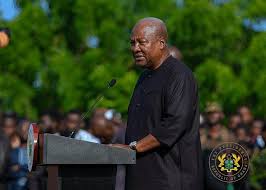
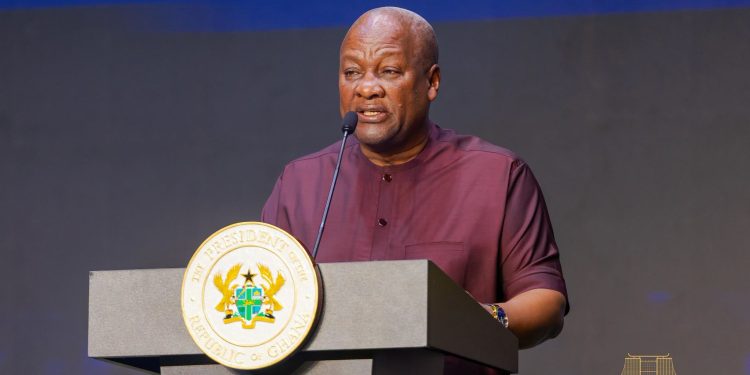
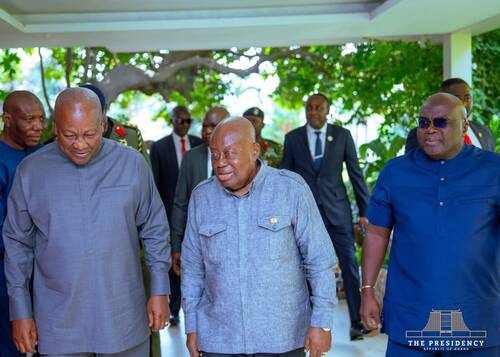
Ghana is in mourning following the tragic helicopter crash on August 6, 2025, in the Ashanti Region, a catastrophe that claimed the lives of eight of the nation’s most dedicated public servants and Ghana Armed Forces personnel. The nation’s grief was palpable during the funeral service on August 15, where President John Dramani Mahama addressed a somber crowd, announcing a long-term measure to support the children left behind. Describing the accident as “a national tragedy that has cast its shadow over the heart of Ghana,” President Mahama revealed the launch of a Children’s Support Fund. “The Fund for the children of the victims of the August 6, as has officially been named, will cover education from primary through to university or technical training, healthcare including medical insurance, specialised care where required, and welfare support, clothing, shelter, and special living expenses,” he stated. Stanbic Bank, he announced, has provided an initial seed capital of GHC500,000 cedis to establish the fund, with the government making an immediate contribution as well. The President pledged to operationalise and publish the fund’s framework within 30 days, ensuring it will be guided by transparency, annual reporting, and open doors for contributions from the public and international partners. President Mahama emphasised that the fund’s purpose is to guarantee the children’s futures—ensuring their education continues uninterrupted, their healthcare needs are met (including specialist care if needed), and that they have access to basic welfare such as housing, clothing, and other essential expenses. He commended Stanbic Bank for its swift response and called upon other institutions, organisations, and individuals to support the initiative. During the service, the President paid a moving tribute to the eight lives lost: Defence Minister Dr. Edward Omane Boamah; Environment Minister Dr. Ibrahim Murtala Muhammed; Acting Deputy National Security Coordinator Alhaji Limuna Muniru Mohammed; NDC Vice Chairman Dr. Samuel Sarpong; Deputy NADMO Director General Samuel Aboagye; and the three Ghana Armed Forces crew members—Wing Commander Peter Bafemi Anala, Flight Lieutenant Twum-Ampadu, and Flight Sergeant Ernest Addo Mensah. He noted that Dr. Murtala Muhammed and Alhaji Limuna Muniru Mohammed had been laid to rest on August 10, while the remaining six were interred at the Military Cemetery at Tse-Addo. President Mahama described them as “brothers in arms, trusted advisors, and friends whose counsel and loyalty I valued beyond measure,” highlighting their commitment to Ghana’s progress and safety on the day of the tragedy. The President urged the nation to unite in honour of the fallen, cautioned against speculation, and assured all that a full and transparent investigation into the crash is underway to prevent future incidents. He concluded with a heartfelt call to action: “May the Almighty God grant them eternal rest. May He heal the broken hearts of those they leave behind. And may Ghana,the nation for which they lived and died, remain forever worthy of their sacrifice.” Source: Apexnewsgh.com
NDC Legal Director Criticizes Foreign Calls for Chief Justice’s Reinstatement
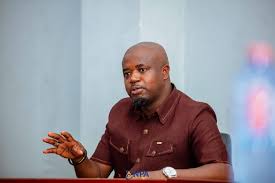
The controversy surrounding the suspension of Ghana’s Chief Justice, Her Ladyship Justice Gertrude A.E.S. Torkornoo, has taken a new turn with sharp words from Mr. Godwin Tameklo, Director of Legal Affairs for the National Democratic Congress (NDC). Taking to his Facebook wall, Mr. Tameklo openly criticized the Bar Council of England and Wales and the Commonwealth Lawyers Association (CLA) for their recent joint call demanding the immediate reinstatement of Ghana’s suspended Chief Justice. He questioned the legitimacy of foreign legal bodies attempting to influence Ghana’s constitutional processes, arguing that such actions amounted to an affront to the nation’s sovereignty. “Can the Ghana Bar Association tell what should happen to the Chief Justice of the UK? Let’s respect ourselves,” Tameklo wrote, pointedly challenging what he saw as a double standard. Mr. Tameklo emphasized that Ghana’s 1992 Constitution provides clear procedures for handling petitions against justices. He insisted that due process must be allowed to unfold without external interference, warning that international pressure could undermine public confidence in Ghana’s independent judiciary. His comments follow the joint statement by the Bar Council of England and Wales and the CLA, which expressed concern that the suspension threatened judicial independence and the rule of law in Ghana. The statement has fueled heated debate both at home and abroad, with legal experts and political figures deeply divided over the matter. As the inquiry into the Chief Justice’s suspension continues, the debate over sovereignty, judicial independence, and the proper role of international legal bodies in Ghana’s affairs remains as intense as ever. Source: Apexnewsgh.com
Attorney General Dr. Dominic Ayine Stands Firm on Chief Justice Suspension Amid International Scrutiny
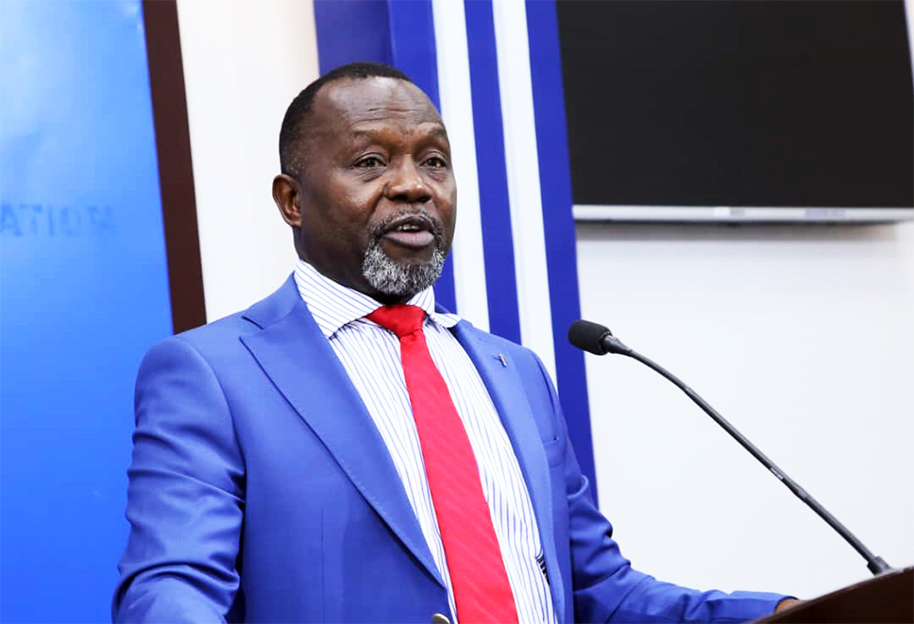
Ghana’s legal and political circles buzzed with debate. At the center stood Attorney General Dr. Dominic Ayine, addressing mounting pressure from both local critics and international legal bodies following the suspension of Chief Justice Gertrude Torkornoo. Dr. Ayine’s message was direct and resolute: the suspension of Chief Justice Torkornoo would remain in effect until the inquiry committee concluded its investigation and delivered its findings to President John Dramani Mahama. The Attorney General dismissed any claims of constitutional breaches or executive overreach, pointing instead to the unambiguous provisions of Ghana’s 1992 Constitution. His comments came in response to a joint statement from the Bar Council of England and Wales and the Commonwealth Lawyers Association, released on August 14. These respected international legal organizations had urged President Mahama to reinstate Justice Torkornoo immediately, describing Ghana as a nation with a proud and longstanding tradition of upholding the rule of law. Their intervention reflected growing global concern over the April 22, 2025, suspension of the Chief Justice. But Dr. Ayine was unwavering. He clarified that neither Ghana’s Constitution nor the Latimer House Principles on judicial independence barred the suspension of a Chief Justice when a prima facie case of misconduct or misbehaviour is established. He emphasized that government remained fully committed to judicial independence, separation of powers, and the rule of law. Any suggestion to the contrary, he warned, risked distorting a constitutional process being conducted fairly, transparently, and in strict accordance with the law. “The suspension will, therefore, remain in effect until the inquiry committee completes its work and submits its report, to which His Excellency, the President will adhere,” Dr. Ayine stated firmly. The controversy began on April 22, 2025, when President John Dramani Mahama suspended Chief Justice Gertrude Torkornoo after three undisclosed petitions alleged misconduct and incompetence. The president acted by Article 146(6) of Ghana’s 1992 Constitution, which allows the suspension of a Supreme Court judge if a prima facie case is found, pending a formal inquiry. Following constitutional protocol, President Mahama consulted the Council of State and set up a five-member committee chaired by Justice Gabriel Scott Pwamang. The distinguished panel included Justice Samuel Adibu-Asiedu, former Auditor-General Daniel Yaw Domelevo, Major Flora Bazaanura Dalugo, and Professor James Sefah-Dzisah. To ensure continuity, Justice Paul Baffoe-Bonnie, the most senior judge on the Supreme Court, was appointed Acting Chief Justice during the inquiry. The suspension reverberated throughout Ghana’s legal community. The Ghana Bar Association (GBA) condemned the move as unconstitutional, arguing that no Constitutional Instrument or regulations had been published to justify the president’s use of discretionary power, as required under Article 296. The Centre for Democratic Movement (CDM) also denounced the suspension, questioning the impartiality of the inquiry committee and claiming the process lacked transparency and due process. Chief Justice Torkornoo herself has vigorously defended her position, labeling the proceedings as “arbitrary,” “cruel,” and unconstitutional. She refused to step down, insisting that resignation would signal acceptance of a flawed process and a forfeiture of her right to defend herself. The opposition New Patriotic Party (NPP) echoed these concerns, warning that the suspension threatened Ghana’s democratic foundations. As the inquiry committee carries out its mandate, the eyes of the nation, and the world remain fixed on Accra. Dr. Ayine’s unequivocal stance, grounded in constitutional law, has set the stage for what may become a defining moment for Ghana’s judiciary and its commitment to due process and the rule of law. Source: Apexnewsgh.com