
Ghana’s Economy Grows 7.4% in July 2026, Driven by Services and Industry Recovery
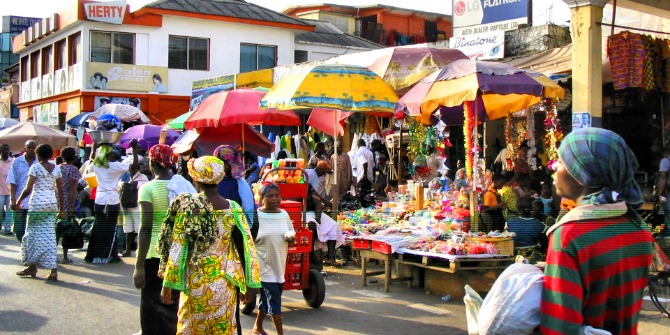
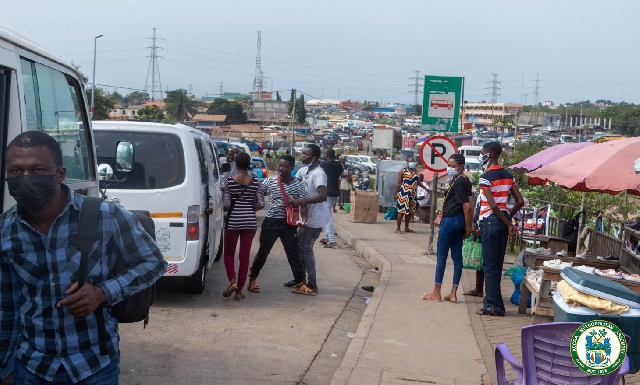
Ghana’s economic activity surged by 7.4% year-on-year in July 2026, marking a notable acceleration from the 4.9% growth recorded in the same period last year, according to the latest data from the Ghana Statistical Service (GSS). The strong performance was underpinned by robust expansion in the services sector and a significant recovery in industry, which together offset a pronounced slowdown in agriculture. The Monthly Indicator of Economic Growth (MIEG) index climbed to 121.6 in July 2026, compared to 113.2 a year earlier, signalling increased economic momentum. Services led the charge, expanding by 12.2% year-on-year, almost double the 6.7% growth seen in July 2025. The sector accounted for 63.8% of the overall growth, solidifying its role at the heart of Ghana’s economic progress, with the information and communication sub-sector as the main driver. Industry also bounced back, growing by 5.4% after eking out just 0.4% growth a year earlier. Mining and quarrying provided much of the impetus behind the sector’s recovery. However, agriculture lagged behind the broader trend. The sector grew by only 3.7%, a sharp drop from the 8.2% expansion recorded in July 2025, with crops and livestock leading the modest gains. The data highlight Ghana’s increasing reliance on services for economic growth, a trend that could pose risks should momentum in the sector wane. The Ghana Statistical Service has urged policymakers to not only sustain the gains in services but also intensify efforts to strengthen agriculture and broaden the contributions of other productive sectors to ensure balanced and resilient economic growth. Source: Apexnewsgh.com
High Court Adjourns Ruling on Chairman Wontumi’s Bail Application Pending Appeal
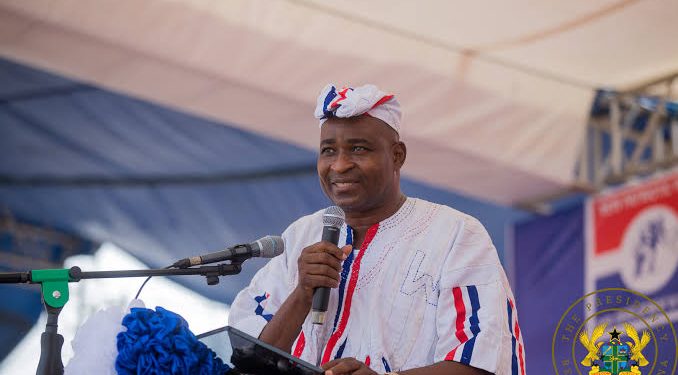
Justice Audrey Kocuvie-Tay of the High Court has adjourned to November 4, 2026, the delivery of her ruling on a bail application filed by former Ashanti Regional Chairman, Bernard Antwi Boasiako, popularly known as Chairman Wontumi, who is seeking temporary release pending the outcome of his appeal. The adjournment follows arguments presented by Chairman Wontumi’s legal team, led by Samuel Atta Akyea, and Deputy Attorney General, Dr. Justice Srem-Sai, who represented the state during the hearing. Chairman Wontumi is currently serving a 20-year prison sentence after being convicted for permitting mining activities on his Samreboi concession without the required approval from the Minister for Lands and Natural Resources. He is appealing the conviction and sentence and is requesting bail to prepare his appeal and participate in two other ongoing criminal cases. At Thursday’s hearing, Atta Akyea argued that Wontumi’s temporary release was necessary for his effective participation in the appeal process and other legal matters, stressing that Wontumi had previously complied with bail conditions and was not a flight risk. He further pointed to 19 grounds of appeal with a reasonable chance of success as justification for granting bail. In response, Dr. Srem-Sai opposed the application, asserting that the appeal grounds were not exceptional and that established case law required more than ordinary grounds to justify bail pending appeal. He also raised concerns that the possibility of additional consecutive prison terms might incentivize Wontumi to abscond if released. Dr. Srem-Sai referenced a video allegedly showing Wontumi’s former counsel discussing a plan to evade law enforcement, using it to support the state’s argument against bail. Justice Kocuvie-Tay, who had presided over Wontumi’s conviction and sentencing in July, questioned Atta Akyea about the progress of the appeal, to which he replied that steps were being taken to compile the records for the Court of Appeal. The court will deliver its ruling on the bail application on November 4, 2026. Source: Apexnewsgh.com
NDC’s Hamza Suhuyini Defends Impartiality of Newly Appointed EC Deputy Chairperson

A member of the National Democratic Congress (NDC) communications team, Hamza Suhuyini, has voiced support for the impartiality of newly appointed Electoral Commission (EC) Deputy Chairperson, Emelia Affi Agbenyo, despite her known association with the governing party. Speaking in a programme on Wednesday, October 14, Suhuyini acknowledged Ms. Agbenyo’s links to the NDC but maintained that her political affiliation should not be seen as a barrier to performing her official duties fairly. He stressed that professionalism, not party ties, should be the ultimate measure of her performance. Suhuyini pointed to Dr. Bossman Asare as an example of an EC official who, in his view, has managed to fulfill his responsibilities in a neutral manner, even amid concerns about his political background with the NPP. “I told you that she is an associate of the NDC, but when it comes to her job and mandate, if Dr. Bossman Asare could discharge his duties in a neutral fashion, be rest assured that she will do her work. She is politically neutral,” Suhuyini remarked. His comments come at a time when the political backgrounds of newly appointed EC Deputy Chairpersons are under scrutiny, with many emphasizing the need for public trust in the commission’s independence and fairness. On Monday, October 12, President John Dramani Mahama officially swore in Emelia Affi Agbenyo and Dr. Joseph Kweku Asamoah as Deputy Chairpersons of the Electoral Commission. During the ceremony, he urged them to uphold impartiality and safeguard the right of Ghanaians to freely choose their leaders. Source: Apexnewsgh.com
High Court Dismisses Afenyo-Markin’s Defamation Suit Against GoldBod CEO Over Procedural Breach
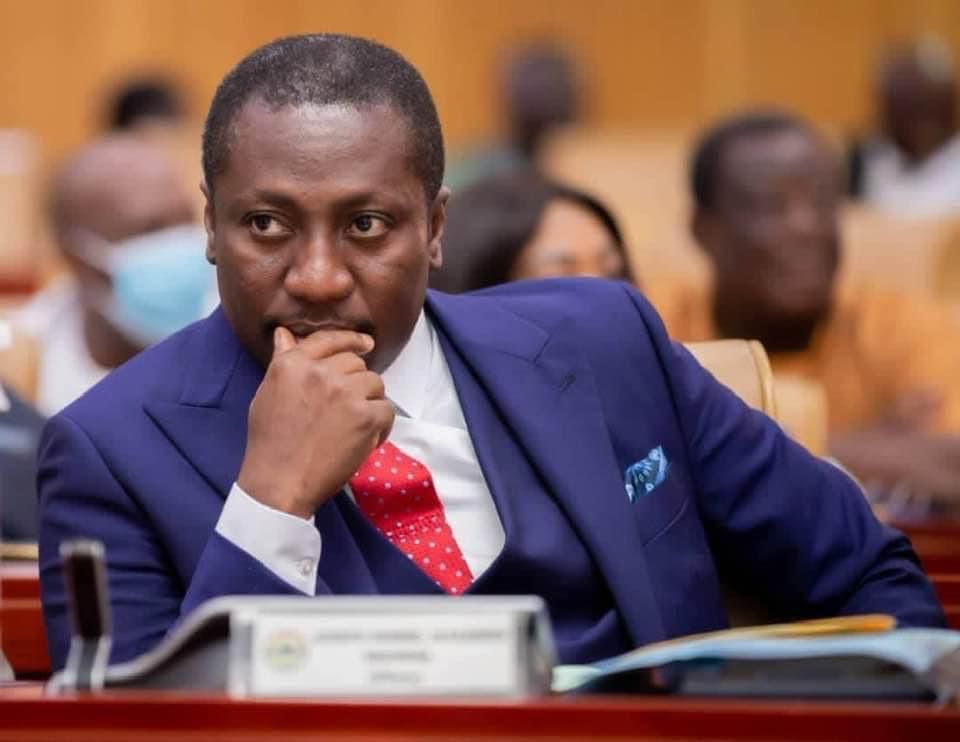
The High Court has dismissed a defamation suit brought by Minority Leader Alexander Afenyo-Markin against Ghana Gold Board (GoldBod) Chief Executive Officer, Sammy Gyamfi, after finding that the writ of summons failed to comply with mandatory procedural requirements for libel actions. The lawsuit stemmed from a heated public exchange between Afenyo-Markin and Gyamfi over alleged losses of US$1.7 billion linked to the Bank of Ghana’s Domestic Gold Purchase Programme in 2025. While Afenyo-Markin expressed concerns about the reported losses, Gyamfi disputed his claims and accused the Minority Leader of attempted extortion. The allegations prompted Afenyo-Markin to file a defamation claim. However, Gyamfi’s legal team quickly entered a conditional appearance and sought to have the writ set aside, arguing that it was defective under the High Court (Civil Procedure) Rules, 2004 (C.I. 47). Specifically, they pointed to Order 57 Rule 2, which requires that writs in libel cases be endorsed with sufficient particulars of the allegedly defamatory publication. In its ruling, the court agreed, emphasizing that providing these particulars is not a mere technicality but a procedural obligation essential for defamation proceedings. The judge noted that failing to comply with the specific rules governing libel actions means the court’s jurisdiction is not properly invoked. Addressing arguments from the plaintiff, the judge referred to previous Supreme Court cases, including Owusu Domena v Amoh and consolidated suits involving Alex Onuma and Newmont, which highlighted the centrality of procedural compliance in defamation cases. While, in some instances, a statement of claim might cure a defective writ if the defendant does not object and participates in the case, the judge distinguished this case since Gyamfi’s lawyers had promptly challenged the writ through a conditional appearance. Ultimately, the court found that Afenyo-Markin’s failure to endorse the writ with detailed particulars of the alleged defamatory publication rendered the action defective. The judge struck out both the writ of summons and the statement of claim, filed on August 24, 2026, and made no order as to costs. Source: Apexnewsgh.com
President Mahama Reaffirms Commitment to Religious Inclusivity, Calls Ghana’s Diversity a National Asset
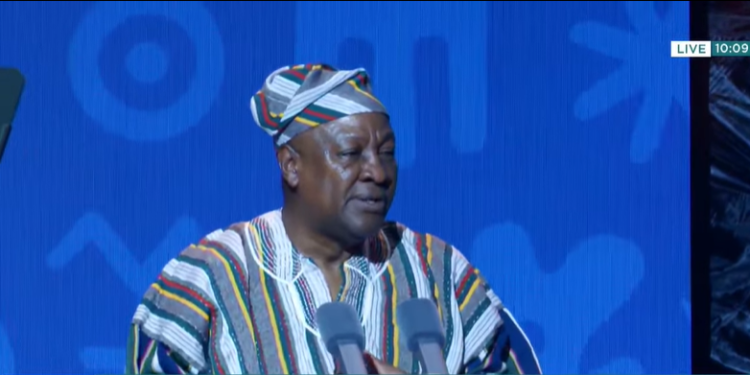
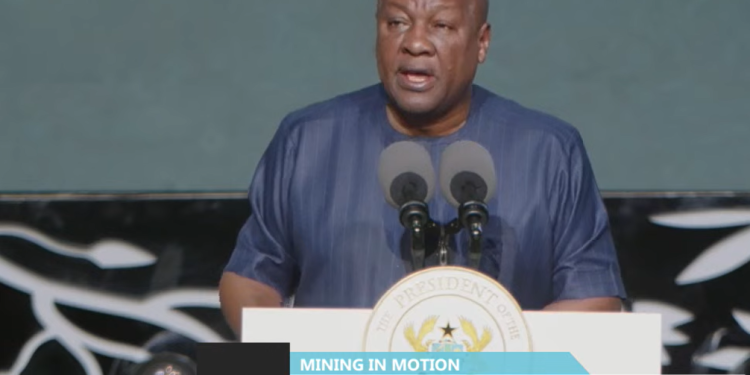
President John Dramani Mahama has reiterated his dedication to fostering religious inclusivity in Ghana, describing the country’s religious diversity as a valuable national asset that must be preserved to ensure continued peaceful coexistence. Addressing the 10th World Assemblies of God Congress on Wednesday, October 14, President Mahama emphasized that his role as President obliges him to serve all Ghanaians equitably, regardless of their religious backgrounds. He stressed that public office demands respect and concern for Christians, Muslims, traditional religious practitioners, and citizens who profess no faith. “My Christian faith remains a source of strength, but as President, I have sworn a duty to serve every Ghanaian: Christians of every denomination, Muslims, adherents of traditional religion, and even our citizens who profess no faith,” Mahama stated. He acknowledged that his commitment to fairness has sometimes led to questions from some Christian leaders about his religious convictions. However, he insisted that impartiality and equal treatment must guide his leadership. President Mahama urged Ghanaians to nurture the nation’s religious diversity by strengthening relationships that allow people of different beliefs to coexist peacefully and support one another. “Ghana’s religious diversity is our most precious possession, and we must continue to nurture the relationships that enable neighbours of different faiths to live, work, and care for one another,” he said. Drawing on his own upbringing in a multi-faith family, the President noted that differences in religious beliefs had never lessened the love and unity among his siblings. “Nevertheless, our different religions do not affect the love and affection that we share,” he reflected. President Mahama also called on churches and religious organizations to contribute to national development by promoting honesty, compassion, responsible citizenship, and peace, while maintaining their independence to speak out against injustice and suffering. Source: Apexnewsgh.com
Tensions Rise After Youth Clash at Gbani Gold Mining Site in Upper East Region

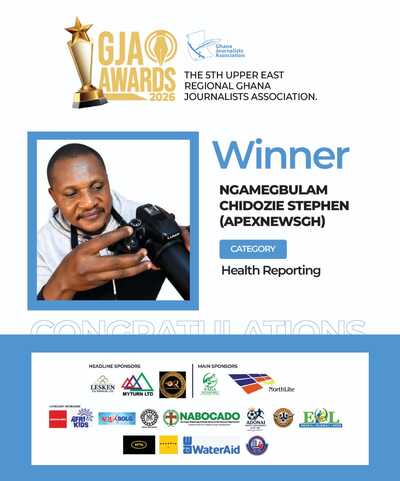
Tensions have surged in the Talensi District of the Upper East Region following a violent clash between youth groups from Gban and Namoulog at the Gbani gold mining site. The confrontation has sparked fears of further violence and heightened concerns about security in the area. The incident, which unfolded at the busy mining site, saw groups of young men from the two communities hurling stones at each other. A video shared on Facebook by Ngamegbulam Chidozie Stephen on Saturday, October 10, captured the chaotic scene, with several individuals calling for urgent police intervention to restore order. Community members and local leaders are now calling on security agencies to intervene swiftly to de-escalate tensions and prevent the situation from spiraling out of control. Many fear that without immediate action, the confrontation could lead to more serious unrest at the already volatile mining site. https://www.facebook.com/share/r/1V97vbQAjw/ Source: Apexnewsgh.com
NDC Sets Filing Fees for National Executive Aspirants, Chairmanship to Cost GH¢100,000
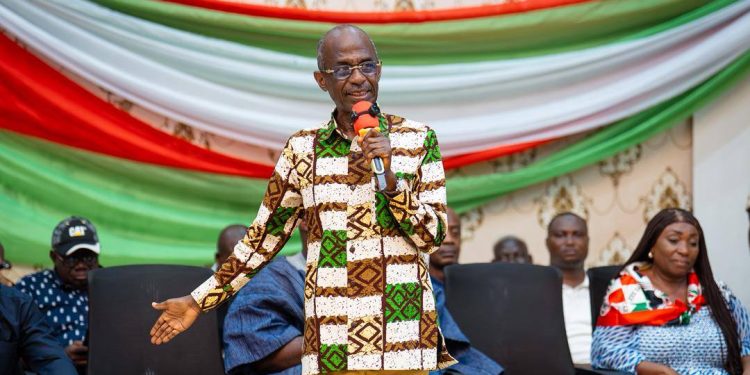
The Functional Executive Committee (FEC) of the National Democratic Congress (NDC) has released the official filing fee structure for aspirants vying for various national executive positions, with the top post of National Chairman attracting the highest fee of GH¢100,000. The newly approved structure spans 14 leadership positions, including National Chairman, General Secretary, National Organiser, Communications Officer, Youth and Women’s Organisers, and members of the National Executive Committee. According to the schedule, those aspiring to become National Chairman will pay GH¢100,000, while candidates for the General Secretary and National Vice Chairman positions will each pay GH¢80,000. The National Organiser post comes with a filing fee of GH¢70,000, and both the National Vice Chairman and Deputy General Secretary positions require GH¢60,000 each. Aspirants for National Communication Officer will pay GH¢50,000, while those seeking to become National Youth Organiser or National Zongo Caucus Coordinator will each pay GH¢40,000. Deputy organiser roles, including Deputy National Organiser, Deputy National Communication Officer, and Deputy National Youth Organiser, as well as the National Women’s Organiser and Deputy National Women’s Organiser posts, carry a filing fee of GH¢30,000 apiece. The lowest fee on the schedule applies to candidates for National Executive Committee membership, set at GH¢10,000. All aspirants are required to pay GH¢2,000 to obtain a nomination form, with all payments to be made electronically via the party’s designated platform, forms.ghanandc.com. In a move to encourage broader participation, the NDC has granted a 50 percent concession on filing fees for women and persons with disabilities (PWDs) across all positions, except for the National Women’s Organiser and Deputy National Women’s Organiser roles, which have their own provisions for female candidates with disabilities. The fee structure is part of the NDC’s preparations for its internal elections, which will determine the party’s top officers responsible for national administration and organisational activities. Source: Apexnewsgh.com
Ghana Heads to IMF-World Bank Meetings in Bangkok to Reassure Investors After Bailout
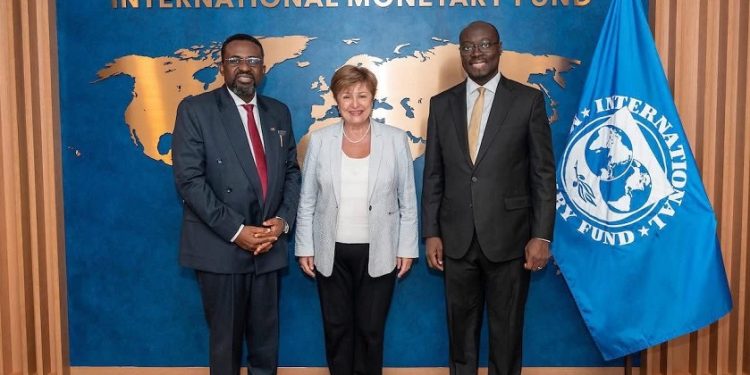
Ghana is preparing to participate in the upcoming IMF-World Bank meetings in Bangkok, Thailand, aiming to reassure investors of its economic prospects and reaffirm its commitment to ongoing reforms, following the conclusion of its US$3 billion bailout programme. The meetings, slated for October 12–18, mark Ghana’s first appearance since transitioning from the IMF’s Extended Credit Facility (ECF) to a non-financing Policy Coordination Instrument (PCI) arrangement. This shift means the country will no longer receive direct financial support from the Fund, but will instead focus on policy monitoring, reform implementation, and building investor confidence in the nation’s economic direction. A delegation from the Ministry of Finance and the Bank of Ghana is set to engage with investor groups through both joint and separate discussions. Officials are expected to provide updates on Ghana’s economic conditions, outline the government’s reform agenda, and seek agreements where needed to support the country’s ongoing recovery. The timing of these discussions is critical. While Ghana has made notable progress under the IMF-supported bailout, maintaining that momentum will require disciplined fiscal management, prudent debt handling, and continued reform, especially in the absence of new IMF disbursements. Investor sentiment is likely to hinge not just on government promises but on visible evidence of policy implementation. Fiscal targets, expenditure controls, revenue mobilisation, and debt sustainability will be closely scrutinised to determine Ghana’s risk profile and future borrowing costs. The meetings also provide an opportunity for Ghanaian officials to address concerns about the sustainability of recent economic gains and the risks that could threaten them. Recent visits from IMF staff and further talks in Bangkok are expected to focus on the benchmarks and reforms that will guide the new arrangement. Although the PCI does not bring fresh funds, it offers a framework for external monitoring and reinforces policy credibility. However, experts note that lasting investor confidence will depend on Ghana’s ability to deliver on its reform promises and maintain fiscal discipline without the safety net of IMF financing. As the government looks to consolidate economic stability and lay a solid foundation for future growth, investors will be seeking clarity on medium-term fiscal prospects, debt management strategies, and policies that will support private-sector development. Ghana’s central message in Bangkok will be that it is committed to sustaining reforms and meeting its obligations, without relying on continued IMF lending. Ultimately, while the outcome of the meetings may influence investor sentiment in the short term, enduring confidence will rest on Ghana’s ability to follow through with real economic progress at home. Source: Apexnewsgh.com
Bawumia Pledges to Scrap Pre-shipment Policy for Imported Used Vehicles if Elected in 2028
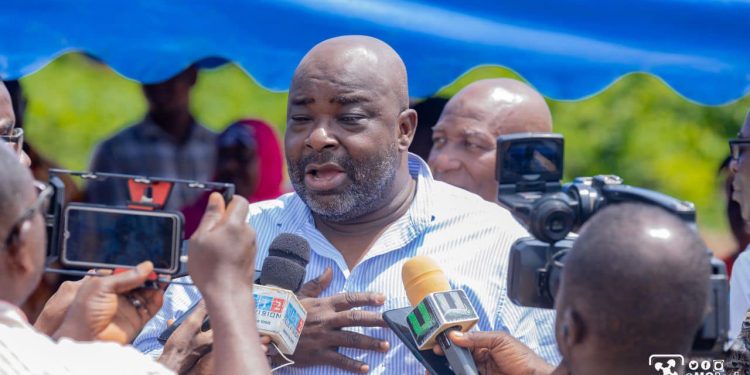
The flagbearer of the New Patriotic Party (NPP), Dr. Mahamudu Bawumia, has assured trade groups that he will abolish the proposed mandatory Pre-shipment Verification and Inspection policy for imported used vehicles if he wins the 2028 presidential election. The policy, which has been suspended, would have required importers of used vehicles to pay an importation certificate fee of around $300 per vehicle. Intended to regulate the importation of used cars into Ghana, the measure has faced strong opposition from the business community, who argue that it would increase costs for importers and ultimately for consumers. Following an engagement between Dr. Bawumia and members of the Ghana Union of Traders’ Associations (GUTA), Michael Okyere Baafi, Ranking Member on Parliament’s Trade, Industry and Tourism Committee, revealed the NPP flagbearer’s pledge. Okyere Baafi emphasized that the party views the inspection regime as unnecessary and is committed to scrapping it entirely if returned to power after the 2028 general elections. He noted that while the policy is currently suspended due to pressure from the Minority, there is a possibility it could be reintroduced in the future. “After the Minority’s pressure on them, they suspended the policy. The suspension means that they will likely reintroduce the policy, but the good news is that Dr. Bawumia met the GUTA people over the last three days and told them that he will scrap the policy outright when he wins the elections in 2028. The policy will not come back when the NPP assumes office,” Okyere Baafi stated. He also raised concerns about the financial burden the policy would place on both importers and final consumers, warning that such extra costs would ultimately be transferred to car buyers. Source: Apexnewsgh.com
Energy Minister Reviews 2026 Sector Performance, Sets Ambitious Agenda for 2027
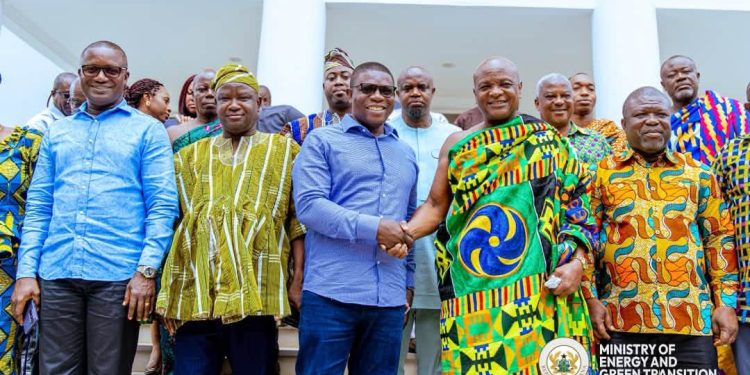
The Minister for Energy and Green Transition, Dr. John Abdulai Jinapor, has met with the leadership of agencies and institutions under his ministry to evaluate their 2026 performance and outline strategic priorities for the year ahead. During the session, stakeholders reviewed progress within the energy sector, discussed ongoing challenges, and explored ways to enhance operational efficiency, accountability, and service delivery in 2027. Dr. Jinapor noted that, despite persistent obstacles, the government had made meaningful strides to bolster Ghana’s energy security. He highlighted several key achievements, including plans to install 3,000 new transformers, advances in electricity generation capacity, a rise in national electricity access to 89.13 percent, and renewed momentum towards revitalizing domestic oil refining. The minister emphasized that agencies must go beyond policy pledges and deliver measurable results. “Accountability, efficiency, transparency, and value for money must underpin all operations,” Dr. Jinapor insisted, urging agency leaders to show tangible improvements in their performance. He warned that persistent underperformance and avoidable delays would no longer be tolerated. Looking ahead to 2027, Dr. Jinapor said the government’s focus would be on building a reliable, affordable, sustainable, and resilient energy sector that supports economic growth and enhances the livelihoods of Ghanaians. He concluded by stressing the need for stronger coordination among agencies under the ministry to ensure that planned interventions deliver real, practical benefits to households and businesses nationwide. Source: Apexnewsgh.com