

Minister Assures Akoefe Gadza of Improved Telecommunications: Major Rural Network Site Nears Completion
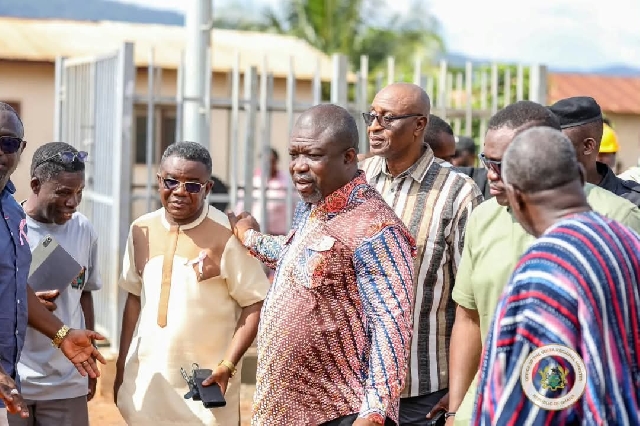
Residents of Akoefe Gadza and its neighboring communities received a major boost of hope this week as the Minister for Communication, Digital Technology and Innovations, Samuel Nartey George, visited the area with a promise to resolve their long-standing telecommunications challenges. During his tour of the community, Mr. Nartey George inspected an almost-completed rural telephony site located just a few metres from Akoefe Gadza. Standing before the chiefs, elders, and enthusiastic residents, the Minister explained that the project was part of a national push, championed by President John Dramani Mahama, to ensure every Ghanaian community enjoys reliable network coverage. “Just a few metres from here, we have a rural telephony site that is almost complete. The structure has been put up and, as we speak, the engineers are wrapping up and doing the ECG connection. I am confident that before the end of the weekend, that site will be up and it will boost the network in the area,” the Minister announced, earning applause from those gathered. He acknowledged the persistent efforts of both the Volta Regional Minister and the Member of Parliament for Ho Central, Richmond Edem Kofi Kpotosu, in advocating for better telecommunications infrastructure. With a touch of humor, Mr. Nartey George praised the MP’s tenacity: “Your MP does not sleep. He is constantly on my neck. I know it is not just me. When we meet in Cabinet and we talk about the troublesome MPs, his name always comes up. He is chasing every minister to make sure that we bring development to the people.” Mr. Nartey George assured the community that government intervention would not stop at improving network connectivity. Plans are also underway to enhance access to water, roads, and other essential amenities. He highlighted ongoing collaborations with the Ghana Investment Fund for Electronic Communications (GIFEC) and the National Communications Authority (NCA) as well as major telecom operators like MTN and Telecel to address broader network challenges nationwide. He further revealed that the scale of telecommunication infrastructure being rolled out in 2026 far surpasses previous years. While approximately 600 new cell sites were constructed across Ghana in the last five years, this year alone is witnessing an even more ambitious infrastructure expansion. The Minister concluded his visit by pledging the government’s commitment to close the digital divide and bring reliable communication services to all, especially underserved communities. Accompanied by officials from GIFEC and other stakeholders, Mr. Nartey George’s visit left residents optimistic that Akoefe Gadza and its neighbors would soon enjoy the benefits of modern connectivity. Source: Apexnewsgh.com
Ghana’s Economy Grows 7.4% in July 2026, Driven by Services and Industry Recovery
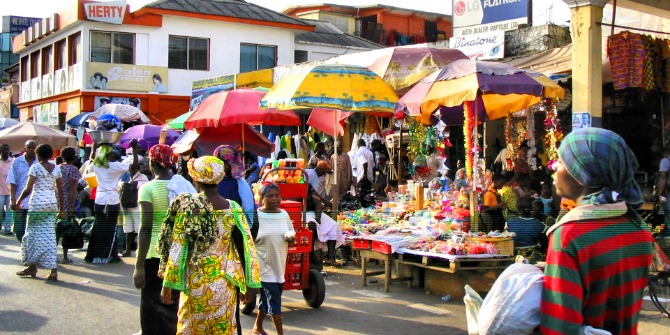
Ghana’s economic activity surged by 7.4% year-on-year in July 2026, marking a notable acceleration from the 4.9% growth recorded in the same period last year, according to the latest data from the Ghana Statistical Service (GSS). The strong performance was underpinned by robust expansion in the services sector and a significant recovery in industry, which together offset a pronounced slowdown in agriculture. The Monthly Indicator of Economic Growth (MIEG) index climbed to 121.6 in July 2026, compared to 113.2 a year earlier, signalling increased economic momentum. Services led the charge, expanding by 12.2% year-on-year, almost double the 6.7% growth seen in July 2025. The sector accounted for 63.8% of the overall growth, solidifying its role at the heart of Ghana’s economic progress, with the information and communication sub-sector as the main driver. Industry also bounced back, growing by 5.4% after eking out just 0.4% growth a year earlier. Mining and quarrying provided much of the impetus behind the sector’s recovery. However, agriculture lagged behind the broader trend. The sector grew by only 3.7%, a sharp drop from the 8.2% expansion recorded in July 2025, with crops and livestock leading the modest gains. The data highlight Ghana’s increasing reliance on services for economic growth, a trend that could pose risks should momentum in the sector wane. The Ghana Statistical Service has urged policymakers to not only sustain the gains in services but also intensify efforts to strengthen agriculture and broaden the contributions of other productive sectors to ensure balanced and resilient economic growth. Source: Apexnewsgh.com
Government to Launch Social Housing Projects in 2027—National Housing Fund
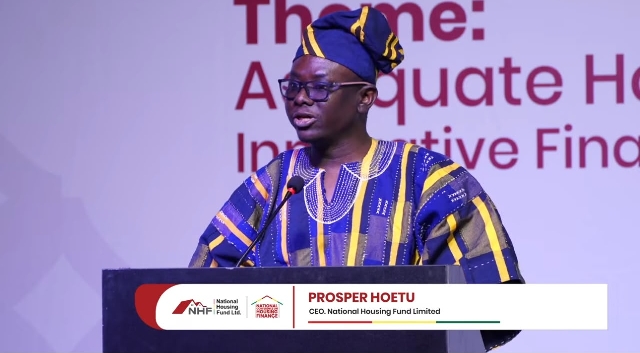
The National Housing Fund has announced that the government is set to commence the construction of social housing projects in 2027, as part of a broader plan to improve access to affordable housing for Ghanaians. Chief Executive Officer of the Fund, Prosper Hoetu, revealed on the Citi Breakfast Show that preparatory work is well underway. Current efforts are focused on finalizing architectural designs, engaging with stakeholders, and identifying appropriate locations for the new developments. Hoetu explained that the groundwork being laid will ensure the proposed homes are both affordable and tailored to the needs of households that struggle to find decent accommodation in the conventional housing market. “Between now and the end of the year, we will be completing designs, discussions, locations and all that before we talk about numbers that we will be building, but I can assure you that these houses will be very reasonable and affordable,” he stated. He also highlighted the government’s commitment to working with local authorities and exploring cost-effective construction technologies. One of the innovative policy initiatives is the piloting of the District Housing Programme, which utilizes climate-resilient compressed earth bricks for building. According to Hoetu, these ongoing preparations are crucial to ensuring the success of the social housing programme and to delivering practical solutions for Ghanaians in need of affordable homes. Source: Apexnewsgh.com
NAFCo Trial Adjourned to October 20 as Court Grants Time to Access Seized Devices

The trial of the former Chief Executive Officer of the National Food and Buffer Stock Company (NAFCo), Hanan Abdul-Wahab Aludiba, and his wife, Faiza Seidu Wuni, has been adjourned to October 20, 2026. The adjournment is to allow the accused persons time to access information contained on mobile phones and laptops that were recently released to them by the Economic and Organised Crime Office (EOCO). The case was expected to commence on Wednesday, October 7, 2026, before Justice Francis Achibonga. However, the trial judge adjourned proceedings after lawyers for the accused argued that they needed to retrieve vital information stored on the electronic devices to adequately prepare their defence. According to counsel, certain documents and data on the phones and laptops are crucial to responding to the charges levelled against their clients. Justice Achibonga subsequently granted the request and adjourned the case to October 20, 2026, for the trial to begin. Source: Apexnewsgh.com
Bank of Ghana Arrests Seven in Crackdown on Money Bouquets

In a coordinated operation with the Ghana Police Service, the Bank of Ghana (BoG) has arrested seven individuals in Accra for allegedly using cedi banknotes to create money bouquets and cakes for commercial sale. The suspects were apprehended at different locations across the capital as part of a targeted effort to curb the misuse of Ghana’s currency. Dianah Bondzi, Head of the Statistics Office at the Currency Management Department of the BoG, explained that the arrests form part of a broader enforcement campaign to protect the integrity of Ghana’s legal tender. “The Bank of Ghana wishes to issue a warning to the general public for using the banknotes and coins to create money bouquets, money cakes for weddings, for birthdays, for graduations, and other similar events, which constitutes the misuse and abuse of the currency, and it is illegal and unlawful,” Ms. Bondzi stated. She emphasized that the cedi must be treated with respect, and warned that anyone who engages in, aids, or promotes such activities risks arrest and prosecution. “From here, they will be prosecuted,” she confirmed, adding that sanctions under the Currency Act can include fines or imprisonment. The central bank’s action follows an earlier public notice issued on July 14, 2026, which cautioned against using currency notes and coins as decorations, including in money bouquets, jewellery, and other artistic creations. The notice also prohibits practices such as spraying money at events, scattering, stepping on, tearing, crumpling, or otherwise defacing banknotes and coins. According to Ms. Bondzi, the BoG, together with law enforcement agencies, has intensified enforcement to safeguard the quality and functionality of the cedi. She urged individuals, businesses, and institutions to handle the currency responsibly and to report any suspected violations to the authorities. “Today’s arrest should serve as a clear warning to the public. Let us all handle the Ghana cedi with dignity,” Ms. Bondzi concluded. Source: Apexnewsgh.com
Ghana’s Bold Vision: Ablakwa Charts a New Path to Resource Sovereignty by 2030
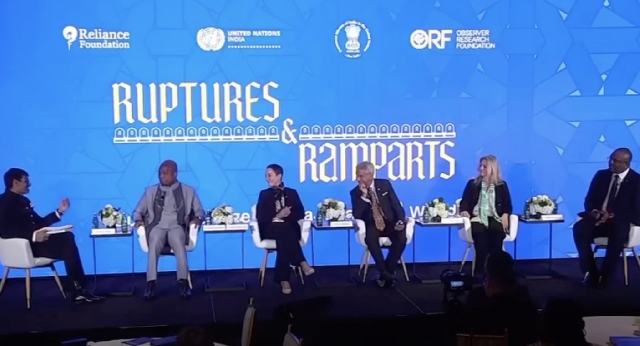
At a high-profile panel discussion at Ruptures and Ramparts, Foreign Affairs Minister Samuel Okudzeto Ablakwa painted a bold new vision for Ghana’s future. With passion and conviction, he declared that by 2030, Ghana would cease entirely the export of raw materials, a transformative step toward adding value to its rich natural resources and achieving true resource sovereignty. Mr. Ablakwa’s message was clear: it is time for Ghana, and indeed Africa, to look within. “With all your gold, your diamond, your bauxite, your cocoa. Waiting for what? Friends? What kind of friendship is that? Look within. Be resilient. Come up with homegrown solutions. Negotiate better, add value,” he urged. For decades, he lamented, Ghana’s wealth had been siphoned abroad through agreements that left the country with only a small share of the returns. In the gold sector, he noted, Ghana retains just 10% of the value, while the rest flows elsewhere. Oil and gas, discovered nearly two decades ago, brings only a modest 15% return. But change is on the horizon. The government, Ablakwa announced, is now renegotiating all upcoming leases under a new, tougher framework. “We have said that all leases coming up for renegotiation will not follow the same old template,” he emphasized, signaling a break from the past. Technology, too, plays a pivotal role in Ghana’s new approach. With advances like artificial intelligence and generative tools, he said, countries can now build their own internal capacity, ensuring that natural resources finally benefit the people. While acknowledging nostalgia for an older order of trust and international camaraderie, Ablakwa insisted that the new era offers Africans an unprecedented opportunity. “Smart leaders must take advantage and create new wealth for Africans. That’s how we see it.” With 2030 on the horizon, Ghana’s story is shifting, from exporter of raw materials to a nation determined to control its destiny and build prosperity from within. Source: Apexnewsgh.com
COPEC Warns of Steep Fuel Price Hikes, Urges Swift Action to Protect Consumers
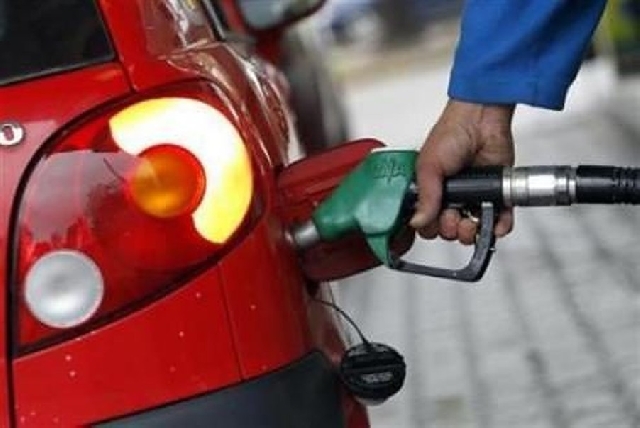
Ghanaian motorists should brace for a sharp rise in fuel prices, the Chamber of Petroleum Consumers (COPEC) has warned. In a statement released today, COPEC projected that petrol prices could climb from GH¢16.90 to GH¢17.78 per litre, while diesel may see an even steeper jump from GH¢18.24 to GH¢22.42 per litre in the next pricing window. COPEC attributed the expected increases to rising international Free-on-Board (FOB) prices and a recent 1.2% depreciation of the cedi. Petrol’s FOB price rose by 4.26%, and diesel’s by a significant 8.51%, pushing pump prices higher. According to COPEC, petrol is expected to retail between GH¢16.89 and GH¢18.67 per litre, while diesel could range from GH¢19.40 to GH¢21.44 per litre, within a ±5% margin of their projections. To help cushion consumers from the impact, COPEC called on the government to fast-track expansion works at the Tema Oil Refinery (TOR), aiming to boost refining capacity from 45,000 to 100,000 barrels per day. The chamber believes this move would reduce Ghana’s reliance on imported petroleum products and help stabilize prices in the long run. COPEC also appealed to Oil Marketing Companies (OMCs) to consider reducing their profit margins temporarily, so as not to overburden consumers amid the looming price hikes. Source: Apexnewsgh.com
BoG Governor Appoints Second Deputy to Represent Him on Ghana Gold Board

Dr. Johnson P. Asiama, Governor of the Bank of Ghana, has designated Second Deputy Governor Matilda Asante-Asiedu as his official representative on the Board of Directors of the Ghana Gold Board (GoldBod). The appointment was made official in a letter dated May 11, 2026, addressed to the Chairman of GoldBod’s Board of Directors. In the correspondence, Dr. Asiama announced that Mrs. Asante-Asiedu would attend and participate in all GoldBod Board meetings on his behalf, effective immediately. “Mrs. Matilda Asante-Asiedu, Second Deputy Governor of the Bank of Ghana, is my authorised representative to attend and fully participate in all GoldBod Board Meetings on my behalf,” Dr. Asiama wrote. He further emphasized that Mrs. Asante-Asiedu is empowered to represent his interests, contribute to board deliberations, and exercise all the rights and responsibilities that come with his seat on the Board. Dr. Asiama also called on the GoldBod Board to provide Mrs. Asante-Asiedu with the necessary support and courtesies to help her fulfil her new duties. He concluded the letter by expressing confidence in the Board’s cooperation as the new appointment takes effect. Source: Apexnewsgh.com
NPP Challenges Government’s Cocoa Price Decision, Cites Broken Promises to Farmers
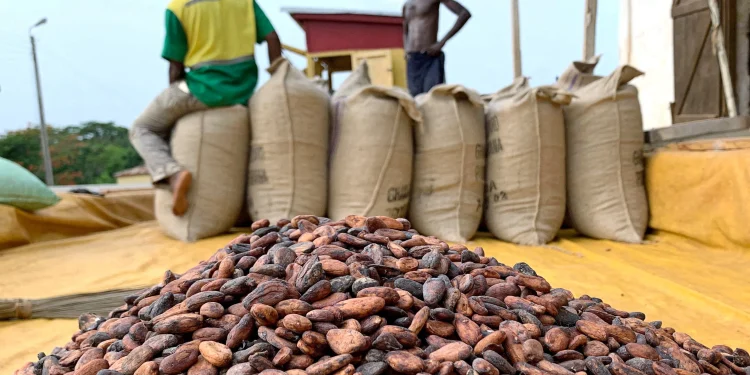
The New Patriotic Party (NPP) has taken aim at the government’s newly announced producer price for cocoa, claiming it falls short of both legal requirements and campaign promises made to Ghana’s farmers. In a press statement dated September 27, the NPP criticized the decision to set the price for the 2026/27 cocoa season at GH¢2,650 per 64-kilogramme bag. The party described the increase, just GH¢63, or 2.4 percent above last season’s price, as inadequate, and alleged that it does not meet the minimum set by law. Citing the Ghana Cocoa Board Act, 2026 (Act 1182), the NPP argued that the law requires the producer price to be at least 70 percent of the Gross Free-on-Board (FOB) price realized by COCOBOD. While the government claims the new price stands at 71.18 percent of this benchmark, the NPP disputes the calculation and called for greater transparency in how the figures were determined. The party’s criticism comes on the heels of the government’s announcement of the new price on September 25. The NPP also accused the administration of failing to live up to promises made on the campaign trail in 2024, when prominent National Democratic Congress (NDC) figures, including President John Dramani Mahama and several ministers, pledged a producer price of GH¢6,000 per bag to farmers. At the time, opposition leaders had labelled the then-current price of GH¢3,100 per bag as exploitative and asserted that farmers deserved at least 70 percent of the world market price. The NPP maintains that the government’s recent pricing decisions have fallen far short of these pledges, leaving many cocoa farmers disappointed and frustrated as the new season approaches. Source: Apexnewsgh.com
Finance Minister Unveils “New Economy” Vision to Spur Local Production and Jobs
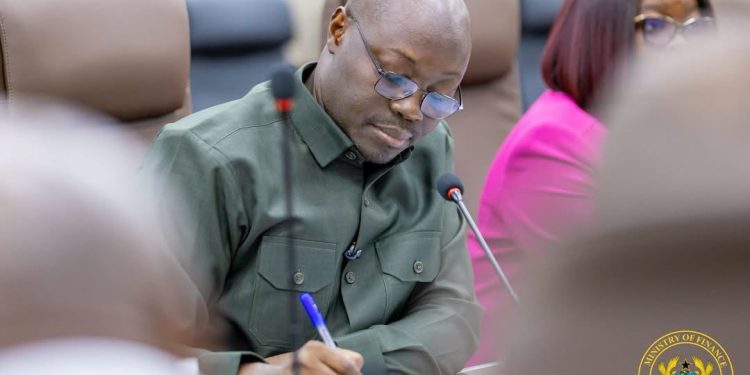
Ghana’s Finance Minister, Dr Cassiel Ato Forson, has outlined an ambitious vision to transform the nation’s economy by boosting local production, cutting back on imports, and generating jobs. Meeting with leaders from the Association of Ghana Industries and top business figures, Dr Forson declared, “Our mission is to produce more of what we consume and create more jobs here at home.” He challenged the country to see every imported product as a call to action: “Every import is an opportunity to ask: why can’t we make it in Ghana?” This shift in thinking is at the heart of the government’s New Economy programme, which aims to channel investment into productive sectors and build a more self-reliant, prosperous nation. “That is the promise of the New Economy: Ghana producing. Ghanaians working. Prosperity growing!” Dr Forson emphasized. The programme, set to launch with the 2027 Budget, will deploy around US$1.6 billion, about one percent of Ghana’s GDP, into key sectors. The focus will be on commercial agriculture, adding value to mining, and expanding energy and transport infrastructure. These areas are seen as engines for sustainable growth and job creation, with investments designed to strengthen the economy and generate returns for future development. In particular, Dr Forson highlighted plans for the energy sector, such as gas-to-power and gas-to-fertilizer projects, aimed at bolstering energy security and supporting industry. The transport sector is also in the spotlight, with the Western Railway Line and other strategic projects poised for potential support. While details are still being finalized, Dr Forson assured that the New Economy blueprint would be unveiled alongside the 2027 Budget, promising more opportunities for the private sector and a new era of growth for Ghana. Source: Apexnewsgh.com