
Democratic-Led States Sue Trump Administration Over New Tariffs
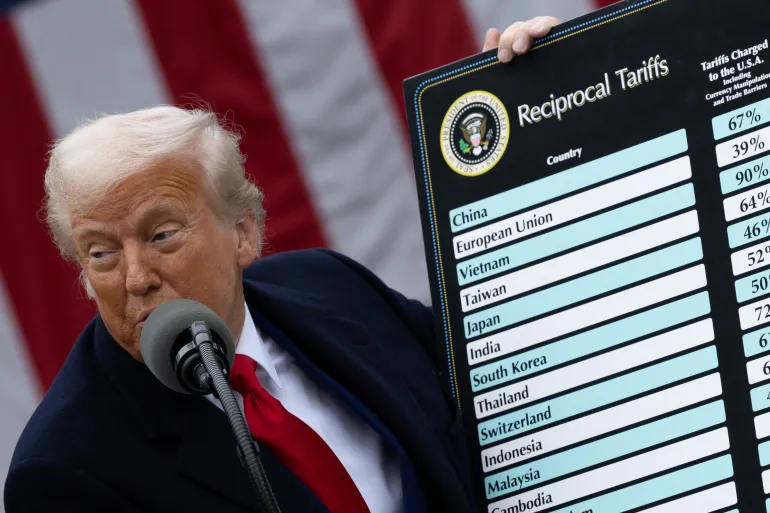
A coalition of 25 Democratic-led states has launched a legal challenge against the Trump administration’s latest round of tariffs, alleging that the former president exceeded his legal authority in imposing the new levies. The lawsuit, filed on Monday, August 3, in the US Court of International Trade, targets double-digit tariffs placed on 60 trading partners last month. The administration justified the tariffs by accusing those countries of failing to curb the importation of goods produced with forced labour. The move came just as earlier temporary tariffs expired, after the Supreme Court struck down Trump’s signature “liberation day” levies in a February ruling. “After losing at the Supreme Court, the administration is once again trying to illegally raise taxes on families and businesses with a new round of tariffs,” said New York Attorney General Letitia James. States participating in the lawsuit, including Oregon and New York, are all led by Democratic attorneys general or governors. Responding to the lawsuit, White House spokesman Kush Desai defended the administration’s actions, stating, “A foreign country’s failure to impose and effectively enforce a prohibition on the importation of goods produced with forced labor is unreasonable and burdens US commerce, including American workers, and must be addressed.” The legal battle comes as Trump continues to argue that high tariffs are necessary to revive US manufacturing. Last year, he broke with decades of US policy favoring low tariffs and open trade, citing the 1977 International Emergency Economic Powers Act (IEEPA) as justification for double-digit tariffs on imports from nearly every country. Trump claimed that the nation’s trade deficit constituted a national emergency. However, the Supreme Court ruled that IEEPA did not authorize such tariffs, forcing the administration to refund importers who had paid them. To make up for lost revenue, the administration imposed temporary 10 percent tariffs, which expired on July 24. The newest tariffs, announced in July under Section 301 of the Trade Act of 1974, are aimed at countering unfair or discriminatory practices by other countries and now affect more than 99 percent of US imports. The coalition of states, echoing arguments from previous lawsuits by small businesses, contends that the Trump administration is using concerns about forced labor as a pretext to reimpose tariffs already deemed illegal by the courts. They argue that sweeping import taxes will not effectively address the global issue of forced labor and instead harm American families and businesses. Source: Apexnewsgh.com
Kebbi State High Court Judge Abducted by Suspected Terrorists, Police Launch Rescue Operation
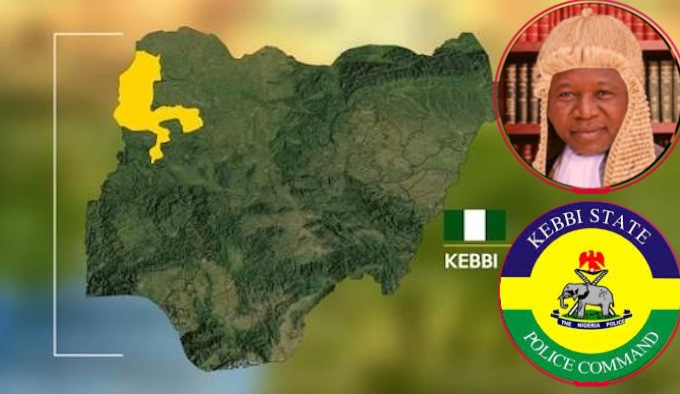
The Kebbi State Police Command has confirmed the abduction of Justice Faruk Bunza, a judge of the Kebbi State High Court, by suspected terrorists. Superintendent of Police Bashir Usman, the Police Public Relations Officer, confirmed the incident, stating that Justice Bunza was kidnapped from his residence in Bunza town. Upon receiving the report, Commissioner of Police Umar Muhammad Hadejia swiftly deployed personnel from the Tactical and Intelligence units in a coordinated effort to ensure the safe rescue of the abducted judge. The police have assured the public that every effort is being made to secure Justice Bunza’s release and bring the perpetrators to justice. Source: Apexnewsgh.com
Bangladesh President Shahabuddin Resigns Amid Health Crisis, Leaving Hasina Without Allies in High Office
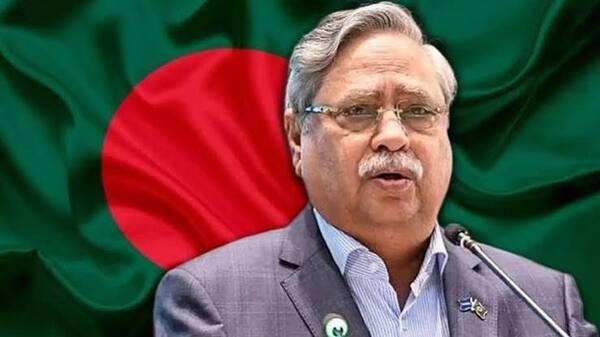
Bangladesh President Mohammed Shahabuddin has resigned from office, citing serious health issues, his office announced on Friday. Shahabuddin, 76, has served as the largely ceremonial head of state since April 2023, a tenure marked by political upheaval following the ouster of his former ally, Prime Minister Sheikh Hasina. The resignation comes after Shahabuddin was diagnosed with autonomic neuropathy, a condition that, according to his statement, causes him to occasionally lose consciousness. “Recent medical examinations have diagnosed me with a condition known as Autonomic Neuropathy. Due to this condition, I occasionally experience momentary loss of consciousness,” Shahabuddin said in a statement released by his press secretary. Shahabuddin’s departure leaves Hasina without allies in high office, just five months before her planned return. Since a deadly student-led uprising toppled her government in 2024, Hasina’s Awami League party has been banned, with many of its leaders and activists jailed or in hiding. Hasina herself fled to India in the wake of the unrest. According to the constitution, the speaker of the Jatiya Sangsad, Bangladesh’s national parliament, will assume the duties of president until a new one is elected. While Shahabuddin held the position of commander-in-chief of the armed forces as head of state, executive authority in the country of 173 million people rests with the prime minister and cabinet. Source: Apexnewsgh.com
Italy Moves to Shift Burden of Proof for Criminal Responsibility of Minors
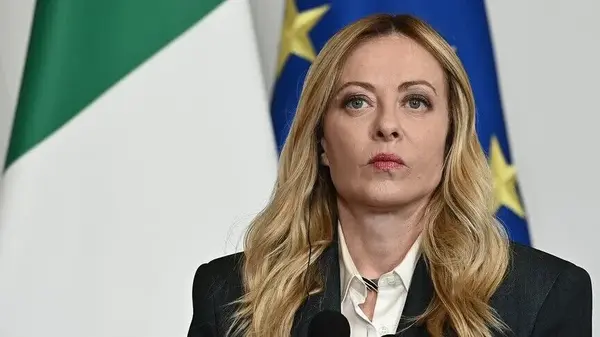
Italy’s right-wing coalition government, led by Prime Minister Giorgia Meloni, has approved a controversial bill that would shift the burden of proof in determining the criminal responsibility of minors aged 14 to 18. The draft legislation, which seeks to amend Article 98 of the Italian Penal Code, was announced Thursday by the Prime Minister’s Office. Justice Minister Carlo Nordio stressed that the measure does not lower the age of criminal responsibility, which remains at 14, nor does it increase penalties for minors. “The new provision concerns the presumption of criminal responsibility,” Nordio explained at a news conference following the Cabinet meeting. Currently, Italian law requires that a minor’s criminal capacity be established on a case-by-case basis, assessing their ability to understand the nature and consequences of their actions. The new bill would reverse this approach by presuming that individuals aged 14 to 18 possess such capacity unless evidence from investigations or court-ordered assessments proves otherwise. Prime Minister Meloni defended the measure in a video message, arguing that those who commit crimes like assaults, robberies, or vandalism “must always pay the price,” regardless of being 15 or 16 years old. She said the bill targets both those who exploit minors for criminal activity and young offenders who act with a sense of impunity. The opposition Democratic Party (PD) criticized the proposal, with lawmaker Matteo Mauri warning it risks “criminalizing an entire generation” instead of focusing on prevention, education, and social inclusion. Advocacy group Save the Children also opposed the bill, cautioning that it could lead to treating adolescent offenders the same as adults, ignoring the unique vulnerabilities of minors. Save the Children called for the continued individual assessment of criminal responsibility for those aged 14 to 18, and greater investment in educational and preventive initiatives. The bill must now be debated and passed by both chambers of Italy’s parliament before it can become law. Source: Apexnewsgh.com
South African Court Pauses Ramaphosa Impeachment Inquiry Over ‘Farmgate’ Scandal
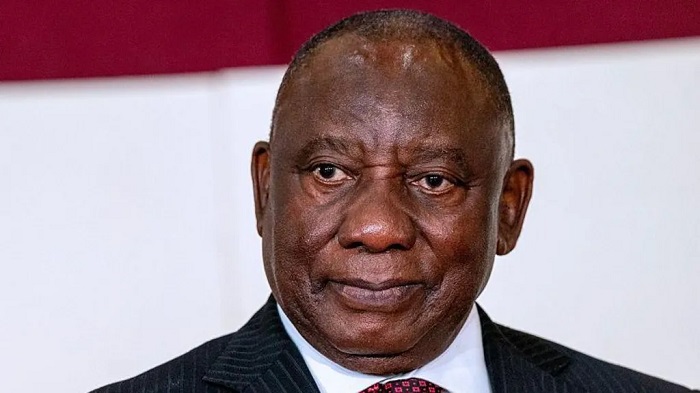
A South African court has granted President Cyril Ramaphosa a temporary reprieve in the ongoing “Farmgate” scandal, ordering a halt to a parliamentary impeachment inquiry until a separate legal challenge is resolved. The controversy stems from a 2020 burglary at Ramaphosa’s private Phala Phala farm, where thieves stole at least $580,000 in cash hidden in a sofa. Details of the theft emerged two years later when former spy chief Arthur Fraser accused the president of concealing the crime from police and tax authorities. Ramaphosa has denied any wrongdoing, insisting the cash came from the sale of buffaloes. In 2022, an independent panel found Ramaphosa might have a case to answer, but parliament initially voted against launching an impeachment inquiry. However, in May 2026, South Africa’s Constitutional Court ruled that parliament had acted unlawfully by shelving the panel’s report, paving the way for the impeachment process to be revived. The political landscape has since shifted, with Ramaphosa’s African National Congress (ANC) now governing in coalition after losing its majority in the 2024 election. Following the Constitutional Court’s ruling, President Ramaphosa challenged the panel’s findings, arguing they were based on misjudged information and a misinterpretation of the charges. On Friday, Western Cape High Court Judge Andre le Grange ruled that the parliamentary committee must pause its hearings “pending the determination by this court of the applicant’s review.” Two out of three judges supported Ramaphosa’s request, effectively buying the president more time to clear his name. Ramaphosa’s legal team argued that allowing the impeachment process to continue before his case was heard could cause him irreparable reputational harm. In response to the ruling, Ramaphosa stated that he “respects” the court’s decision. Reactions to the ruling have been mixed. The Democratic Alliance, a key coalition partner, said the outcome was expected but does not prevent the committee from preparatory work. The opposition uMkhonto weSizwe (MK) party, led by Jacob Zuma, accused Ramaphosa of using the courts to delay accountability, while the ANC welcomed the decision and called for restraint from political opponents as the legal process unfolds. Source: Apexnewsgh.com
Twenty-Five Ghanaians Seek Asylum in Canada After 2026 FIFA World Cup
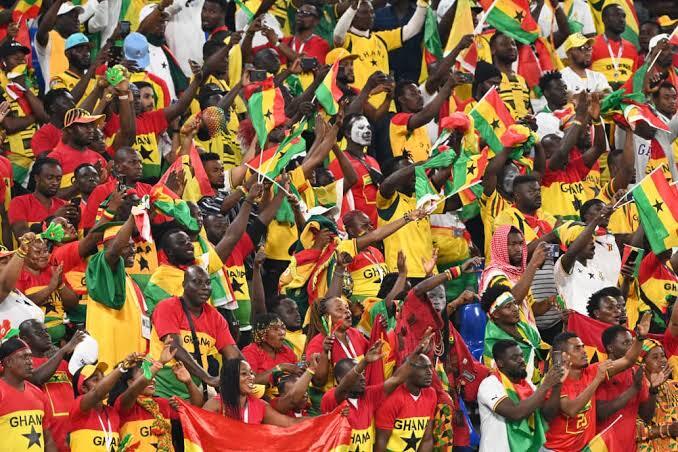
Twenty-five Ghanaians who traveled to Canada for the 2026 FIFA World Cup have filed asylum claims, according to figures released by Immigration, Refugees and Citizenship Canada (IRCC). The claims are part of a total of 175 asylum applications submitted by foreign nationals who entered Canada after receiving temporary residence approval linked to the tournament, which was jointly hosted by Canada, the United States, and Mexico. IRCC reported that it approved temporary residence applications for 26,111 individuals indicating they were traveling to Canada in connection with the World Cup. As of July 20, 2026, 175 of those visitors had submitted asylum claims. The data, according to Canadian authorities, only covers applicants who specifically identified “FIFA World Cup 26” in their applications. Ghana and China both recorded the highest number of asylum claims at 25 each. Egypt and Colombia followed with 15 claims each, while Senegal, Bangladesh, and Nigeria each had 10. Ecuador, Burundi, Nepal, and Pakistan each registered five claims. Canadian authorities did not provide details on the identities or backgrounds of the claimants, leaving it unclear whether they were football supporters, players, officials, or other visitors associated with the tournament. Reports indicate that asylum claims after major international sporting events are not unusual. Following the 2014 FIFA World Cup in Brazil, approximately 200 Ghanaians reportedly sought asylum, citing religious persecution, a claim the Ghanaian government later rejected. Source: Apexnewsgh.com
Ghana Cancels South African President’s State Visit Over Xenophobic Attack Concerns
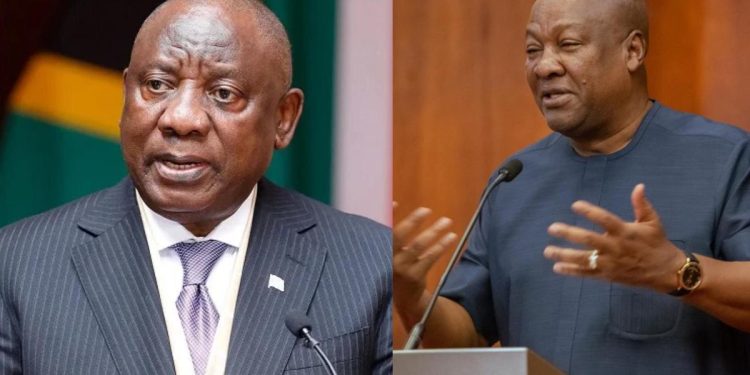
The Government of Ghana has declined a planned state visit by South African President Cyril Ramaphosa, citing mounting concerns over the killing of a Ghanaian national and reports of xenophobic attacks targeting Ghanaians in South Africa. The decision comes in the aftermath of the death of 40-year-old Bashiru Isak, who Ghanaian authorities say was killed during demonstrations linked to renewed violence against foreign nationals in South Africa on June 30, 2026. Officials in Accra indicated that the move was necessary due to growing fears for the safety of Ghanaians living in South Africa and the urgent need to address repeated incidents of violence against foreigners. President Ramaphosa was scheduled to visit Ghana in the first week of August, a visit that was expected to strengthen bilateral ties and facilitate discussions on measures to tackle attacks against foreign nationals. However, Ghana’s government stressed that the current climate demanded attention before any high-level diplomatic engagement could proceed. Ghana has formally lodged a protest with South African authorities over the death of Mr. Isak and the wider issue of security for Ghanaian nationals in South Africa. According to Ghanaian officials, Mr. Isak was shot and killed during what they described as “anti-immigrant demonstrations” in Cape Town’s Khayelitsha township. South African authorities, however, have strongly disputed Ghana’s version of events, calling the claims “factually incorrect” and insisting that no deaths were reported during the June 30 protests, which drew thousands of demonstrators across the country. South Africa’s Justice Minister, Mmamoloko Kubayi, criticised Ghana’s statements as misleading and warned against perpetuating a negative narrative about South Africa. The diplomatic row has reignited debate over the safety of African nationals in South Africa, with Ghana urging for stronger protections for its citizens abroad and renewed efforts to prevent further attacks. Historically, Ghana and South Africa have enjoyed strong ties in trade, investment, and diplomacy, but the recent dispute has introduced tensions as both countries seek to address the latest incident and its implications for their relationship. Source: Apexnewsgh.com
Ghanaian Tailor Killed Amid Anti-Immigration Unrest in Cape Town
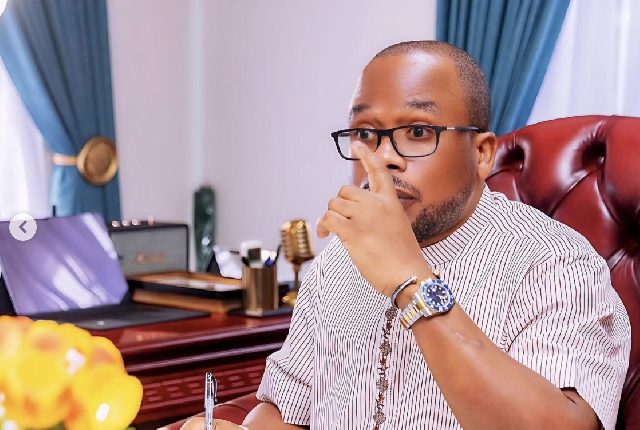
Tragedy struck the Ghanaian community in South Africa this week as a long-time resident and tailor was shot and killed in his Cape Town shop during a surge of anti-immigration violence. The Ghana High Commission, confirming the incident, revealed that the victim had made South Africa his home for two decades, building a life and business before his untimely death on Tuesday, June 30, 2026. He leaves behind three children, the oldest just 10 years old. According to the High Commission, steps are already being taken to repatriate the tailor’s remains to Ghana, and diplomats are working closely with South African officials to support the ongoing investigation and offer assistance to the grieving family. The fatal shooting unfolded amidst protests organised by the civic group March and March, which had announced a “30 June deadline” for undocumented foreigners to leave the country. Demonstrations erupted across all nine provinces and quickly devolved into violence, with xenophobic attacks targeting foreign nationals and their businesses. South African authorities, anticipating unrest, had ramped up security measures, committing R600 million to the operation, cancelling police leave, and putting the military on alert. President Cyril Ramaphosa had issued stern warnings against violence, but the campaign nevertheless sparked deadly incidents. The tailor’s death is the latest in a series of xenophobic attacks tied to the anti-immigration movement, which has already claimed at least two lives and triggered a wave of repatriations by several African countries seeking to protect their citizens. As of now, South African police have yet to release further details about the shooting or announce any arrests. Source: Apexnewsgh.com
Ghanaian Returnee Alleges Zulu Role in South Africa’s Xenophobic Attacks
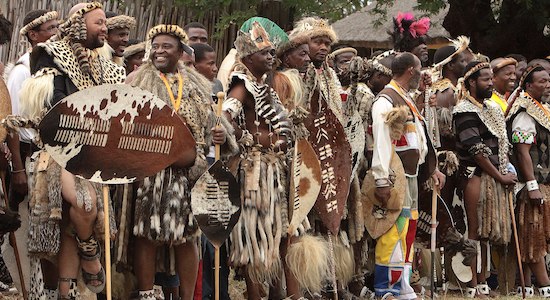
Victor Atsu Togo, a Ghanaian who recently returned from South Africa, has come forward with troubling claims about the wave of xenophobic violence targeting foreign nationals in that country. Speaking to the media on June 2, Mr. Togo described his experiences and observations, painting a grim picture of life for immigrants in South Africa. According to Mr. Togo, members of the Zulu ethnic group, renowned for their rich warrior heritage and cultural traditions, have played a leading role in the recent attacks. “This ethnic group has killed a lot of people; their actions are heartless,” he stated, calling the violence both disturbing and inhumane. The Zulu, the largest ethnic group in South Africa and primarily based in KwaZulu-Natal province, are known for their vibrant culture and proud history. But Mr. Togo alleged that some factions within the group operate like organized mercenary gangs, feared by residents and local leaders alike. He singled out a group he called “The Hit,” accusing them of committing violent acts with little regard for human life. Mr. Togo further suggested that the reluctance of many political and community leaders to openly address the crisis has contributed to the ongoing attacks, leaving immigrants vulnerable. He expressed deep concern about what he sees as growing lawlessness and hostility towards foreigners living and working in South Africa. Offering his personal assessment, he claimed that many male nationals are uninterested in work, while about 30 percent of female nationals embrace employment. For now, Mr. Togo’s testimony adds a personal and urgent perspective to the conversation about xenophobia in South Africa, raising questions about ethnic tensions, leadership, and the safety of immigrants across the region. Source: Apexnewsgh.com
US Religious Freedom Panel Alleges Collusion in Nigeria’s Deadly Attacks, Urges Tougher US Policy as Violence Escalates
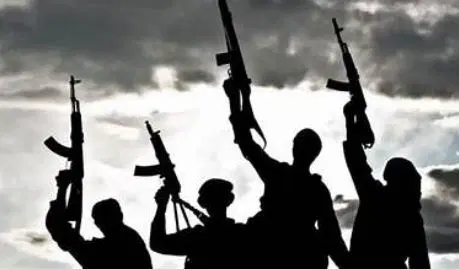
A report from the US Commission on International Religious Freedom (USCIRF) landed like a thunderclap in both Washington and Abuja. The commission, tasked with monitoring global religious rights, accused some officers within Nigeria’s police and army of colluding with Fulani militias in a wave of deadly attacks and mass abductions that have terrorized religious communities across the country. The allegations were not made in a vacuum. The commission’s new report, bluntly titled “Non-state Violators of Religious Freedom in Nigeria: Fulani Militants,” painted a grim picture: government censorship and conflicting media narratives had obscured the true scale and motivation of armed groups violating Nigerians’ religious freedom. Even as the news spread, attempts to get a response from Nigeria’s police and military headquarters were met with silence, calls went unanswered, and messages went unread. Behind closed doors, US officials were already taking action. Secretary of War Pete Hegseth revealed that President Donald Trump had ordered the Pentagon to prioritize the protection of Nigerian Christians targeted by ISIS. This directive, Hegseth said, led, quietly but decisively, to the killing of ISIS’s second-in-command in Nigeria. “There’s a lot that happens behind the scenes that the president deserves credit for,” Hegseth remarked. The commission’s report was unflinching in its detail. It spoke of unknown fates for kidnapping victims, the opacity of ransom negotiations, and the possible complicity of some police and army officials. It described an environment where 30,000 armed actors, operating in loosely organized bands, roamed the country, with violence concentrated in the North-West, Middle Belt, and parts of the South. Escalating violence in the Middle Belt had, according to the commission, driven at least 1.3 million people from their homes, forcing them into overcrowded and unsafe displacement camps. The attacks were often meticulously timed, sometimes to coincide with Christian holidays such as Christmas or Easter, maximizing terror and psychological harm. The report recounted a litany of horrors: the massacre of more than 200 Christians, mostly women and children, in Benue’s Yelwata; mass killings in Plateau State; and the abduction of priests and imams alike, as violence targeted both churches and mosques. Observers, the report noted, debated the motivations behind the Fulani militants’ violence; some saw economic and environmental roots, others a campaign of genocide against non-Muslims. The truth, the commission concluded, was likely a tangled web of overlapping grievances, with religion playing a significant role. As the violence continued, the commission criticized Nigerian authorities’ inadequate response and highlighted claims of favoritism toward Muslim communities during investigations. It noted that some state governors had tried to address the crisis by establishing ranch lands for herders, hoping to reduce clashes over grazing routes. The report’s impact was not limited to Nigeria. In Washington, the commission urged Congress to bar lobbyists representing governments blacklisted for religious freedom violations from receiving payment for their services, a move directly targeting Nigeria’s recent re-designation as a “Country of Particular Concern” (CPC) by President Trump. The commission also recommended that Congress allow US residents to sponsor persecuted relatives for resettlement and to fund humanitarian aid for displaced populations. Meanwhile, Nigerian politicians ramped up their own lobbying efforts. The federal government signed a $9 million contract with Washington-based DCI Group to shape US perceptions and counter criticism, while opposition figure Atiku Abubakar engaged another US firm to burnish his reputation and counter rival narratives. Back in Nigeria, reactions to the USCIRF report were immediate and passionate. Dr. Bitrus Pogu, National President of the Middle Belt Forum, insisted the findings merely confirmed what many had long believed: elements within the security services were aiding insurgents. He recalled past warnings, like those from General T.Y. Danjuma and former President Jonathan, about collusion within the security apparatus, and called on US authorities to use their intelligence capabilities to help root out the conspirators. “This conspiracy is too large for peace-loving components of the security agencies to deal with alone,” Dr. Pogu warned. “No stone should be left unturned in addressing this terrible conspiracy against the Nigerian nation.” A similar note was struck by Afenifere, the pan-Yoruba socio-political organization. Spokesman Jare Ajayi said he was not surprised by the commission’s findings, arguing that terrorism’s persistence in Nigeria pointed to complicity by powerful actors. While he praised the government’s stated determination to end banditry, he lamented the spike in violence and urged security agencies to look inward for saboteurs, politicians included. Ajayi concluded, “The US Commission’s assertion may be uncomfortable, but it must not be dismissed. It should serve as a beacon for a thorough investigation.” As Nigeria faces another perilous year, the ghosts of the missing and the displaced haunt both its countryside and its corridors of power. The world, now watching more closely, wonders how long the violence and the alleged complicity will continue unchecked. Source: Apexnewsgh.com