
President Mahama Urges Africa to Harness Critical Minerals Boom for Industrial Transformation
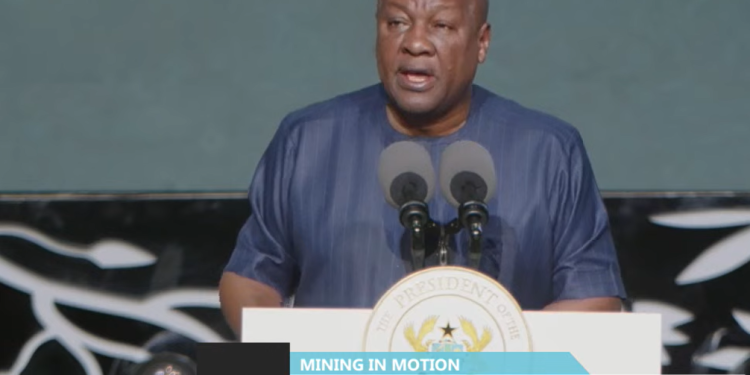
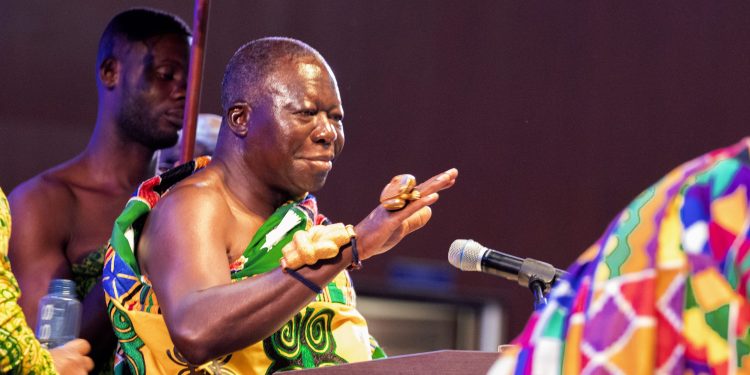
At the opening of the 2026 Mining in Motion Conference at Destiny Arena, President John Dramani Mahama delivered a rallying call to African nations: seize the global surge in demand for critical minerals and use it as a springboard for industrial development. Addressing an audience of industry leaders, policymakers, and investors, President Mahama underscored the need for Africa to move beyond the traditional model of extracting and exporting raw materials. Instead, he advocated for local processing, the development of manufacturing capacity, and the creation of stronger links between the continent’s mineral resources and its domestic industries. “For minerals, this means owning our own resources, extracting them responsibly, and processing them domestically and competitively. It also means linking our mineral value chains to industries that our economies need,” President Mahama stated. He pointed out that the global shift toward cleaner energy is driving up demand for critical minerals—a trend that presents Africa with a unique opportunity to secure a stronger position in manufacturing, supported by investment in skills, technology, and robust supply networks. President Mahama highlighted Ghana’s proactive steps in this direction, referencing the Ghana Integrated Aluminium Development Corporation (GIADEC) and the Ghana Integrated Iron and Steel Development Corporation (GIISDEC). These initiatives aim to create integrated value chains that link mineral extraction to local processing and production, setting a blueprint for other African countries. “As global demand for critical minerals continues to grow, capturing more value at home will be vital,” President Mahama concluded. “Africa must take greater ownership of its resources and ensure that they contribute meaningfully to our industrial future.” Source: Apexnewsgh.com
Court of Appeal Grants Stay in Hanan Abdul Wahab Case, Halting NAFCO CEO’s Trial Pending Appeal
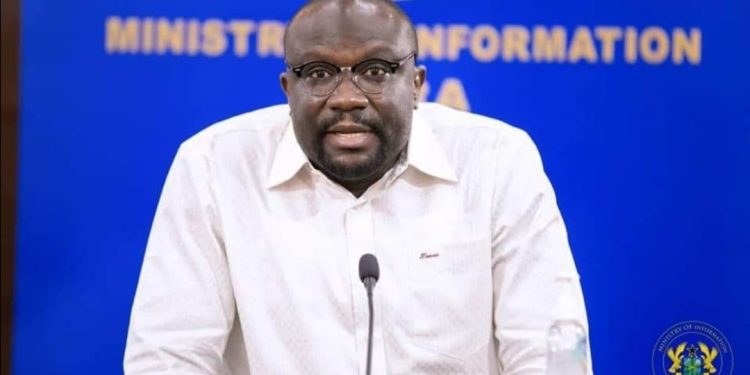
The Court of Appeal has granted a stay of proceedings in the criminal trial of former Buffer Stock Company (NAFCO) Chief Executive Officer, Hanan Abdul Wahab, effectively pausing the High Court case until the determination of his appeal challenging the charges against him. The application for a stay was moved by Hanan’s legal team, led by former Attorney-General Godfred Yeboah Dame and Richard Gyambiby. They argued that the appeal raised fundamental issues regarding the accused’s right to a fair trial, particularly concerning the adequacy of information provided in the charge sheet. Dame pointed out that several counts, specifically counts 3, 13, and 18 related to stealing, and counts 1 and 14 concerning defrauding by false pretences, lacked sufficient details. For example, on count 3, the prosecution alleged Hanan stole approximately GH¢50 million over a period spanning 2017 to 2025, grouping multiple transactions into a single charge. Dame contended that the absence of specific transaction details made it difficult for the accused to mount a proper defence. He also highlighted that while the prosecution’s summary referenced 86 transactions, the charge sheet itself did not specify them. On charges of defrauding by false pretences, Dame argued that the prosecution had not detailed the alleged false representations, undermining the accused’s ability to respond adequately to the allegations. Deputy Attorney-General Dr Justice Srem-Sai, representing the Republic, strongly opposed the application. He contended that no exceptional circumstances had been shown to justify a stay and maintained that grouping similar offences over a prolonged period is permissible under the law. Dr Srem-Sai asserted that disagreement with the trial judge’s decision was not, on its own, a valid reason to halt proceedings and warned that granting a stay could unduly delay justice if the appeal did not succeed. After hearing both sides, the three-member panel of the Court of Appeal, presided over by Justice Noble Nkrumah and including Justices Lydia Osei Marfo and George Boadi, ruled in favour of the defence. The court emphasised the critical role of the charge sheet in criminal proceedings and found that the issues raised by Hanan’s lawyers amounted to exceptional circumstances justifying a pause in the trial. This decision puts on hold the High Court trial, which was set to begin on Tuesday, October 20, pending the outcome of Hanan Abdul Wahab’s appeal. The appeal itself challenges an earlier ruling by Justice Francis Achibonga, who had ordered amendments to two charges but refused to strike out the case entirely. The Court of Appeal’s ruling underscores the importance of due process and clarity in criminal charges, highlighting that the structure and content of the charge sheet are foundational to a fair trial. Source: Apexnewsgh.com
AU Commissioner Urges Africa to Prioritise Value Addition and Industrialisation for Mineral Wealth
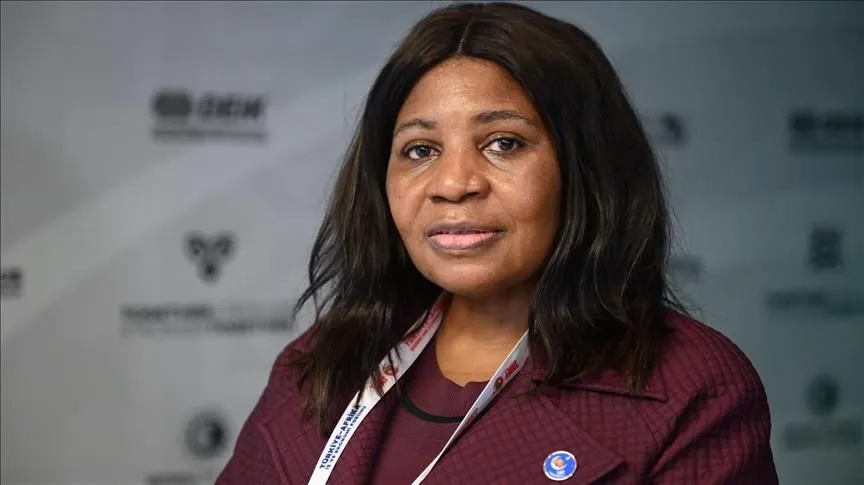
African Union Commissioner for Economic Development, Trade, Tourism, Industry and Minerals, Francisca Tatchououp Belobe, has urged African nations to place value addition and industrial development at the heart of their mineral resource strategies, in a push to fully harness the continent’s mineral wealth. Speaking at the Mining in Motion Conference on Monday, October 19, Ms Belobe emphasised the need for African countries to assert greater ownership over their mineral development priorities. She called on leaders to ensure that the exploitation of Africa’s abundant resources drives inclusive economic growth and strengthens regional value chains. “Africa must strengthen its agency to define its own mineral development agenda. In a time when major economies are developing critical mineral structures around their industrial priorities, Africa must define its own priorities,” Ms Belobe stated. She stressed that the continent must not only own its mineral resources, but also shape the narrative and partnerships that determine how these resources contribute to its development. Ms Belobe highlighted the African Union’s Green Minerals Strategy, adopted in 2025, as a central tool for achieving these goals. The strategy places African industrialisation, energy security, and regional value chains at the core of mineral policy across the continent. However, she cautioned that these ambitions must be matched by real investment and action. “Stronger continental leadership and a clear focus on value addition will be essential to ensuring that Africa’s mineral resources contribute more directly to its industrial growth and economic transformation,” she concluded.
President Mahama Unveils Plan to Ban Raw Mineral Exports by 2030, Boost Local Processing
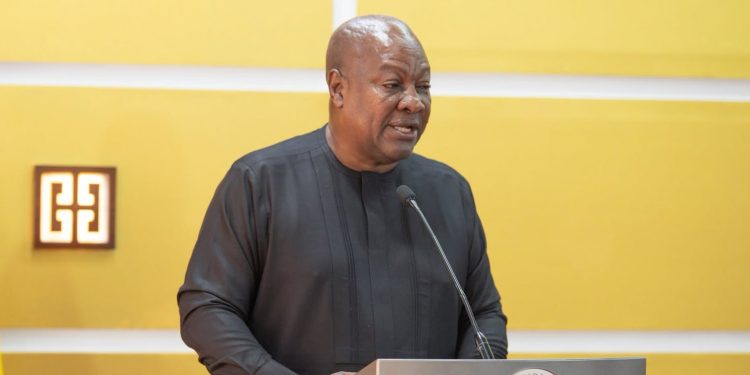
President John Dramani Mahama has announced a transformative policy that will see Ghana gradually ban the export of unprocessed mineral ores by 2030, marking a decisive push toward local value addition and industrialisation. Speaking at the Mining in Motion Conference on Monday, October 19, 2026, President Mahama outlined the government’s intention to introduce a phased prohibition on raw mineral exports, targeting key resources including bauxite, manganese, iron, and lithium. This bold move, he explained, is part of a broader effort to ensure that Ghana’s mineral wealth directly supports domestic economic development. “I’ve set a clear goal that by 2030, raw mineral ores should no longer leave our shores. Our bauxite, manganese, iron, lithium, and other minerals must support processing and industrial development here at home,” President Mahama declared, drawing applause from stakeholders and industry leaders present. To realise this vision, the government plans to roll out a comprehensive framework of legal measures, mineral-specific requirements, and transparent implementation timelines. President Mahama also made it clear that investors interested in Ghana’s mineral sector would be required to adhere to strict processing obligations, ensuring that the benefits of the country’s resources remain within its borders. “We will pursue a phased prohibition on exports of unprocessed ores, supported by the necessary legal measures, mineral-specific requirements, and transparent implementation timetables. We have already imposed a ban on the export of iron scrap and non-ferrous metals. Investors must understand the processing obligations associated with access to our resources,” he said. President Mahama stressed that this policy shift is designed to build Ghana’s local processing capacity, fuel industrial growth, and secure a larger share of the economic benefits for the nation. With the 2030 deadline approaching, Ghana is poised to enter a new era in mineral resource management—one where value is created and retained at home. Source: Apexnewsgh.com
Minister Assures Akoefe Gadza of Improved Telecommunications: Major Rural Network Site Nears Completion
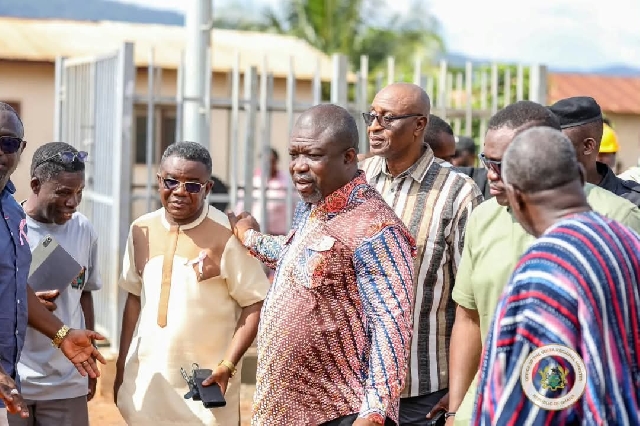
Residents of Akoefe Gadza and its neighboring communities received a major boost of hope this week as the Minister for Communication, Digital Technology and Innovations, Samuel Nartey George, visited the area with a promise to resolve their long-standing telecommunications challenges. During his tour of the community, Mr. Nartey George inspected an almost-completed rural telephony site located just a few metres from Akoefe Gadza. Standing before the chiefs, elders, and enthusiastic residents, the Minister explained that the project was part of a national push, championed by President John Dramani Mahama, to ensure every Ghanaian community enjoys reliable network coverage. “Just a few metres from here, we have a rural telephony site that is almost complete. The structure has been put up and, as we speak, the engineers are wrapping up and doing the ECG connection. I am confident that before the end of the weekend, that site will be up and it will boost the network in the area,” the Minister announced, earning applause from those gathered. He acknowledged the persistent efforts of both the Volta Regional Minister and the Member of Parliament for Ho Central, Richmond Edem Kofi Kpotosu, in advocating for better telecommunications infrastructure. With a touch of humor, Mr. Nartey George praised the MP’s tenacity: “Your MP does not sleep. He is constantly on my neck. I know it is not just me. When we meet in Cabinet and we talk about the troublesome MPs, his name always comes up. He is chasing every minister to make sure that we bring development to the people.” Mr. Nartey George assured the community that government intervention would not stop at improving network connectivity. Plans are also underway to enhance access to water, roads, and other essential amenities. He highlighted ongoing collaborations with the Ghana Investment Fund for Electronic Communications (GIFEC) and the National Communications Authority (NCA) as well as major telecom operators like MTN and Telecel to address broader network challenges nationwide. He further revealed that the scale of telecommunication infrastructure being rolled out in 2026 far surpasses previous years. While approximately 600 new cell sites were constructed across Ghana in the last five years, this year alone is witnessing an even more ambitious infrastructure expansion. The Minister concluded his visit by pledging the government’s commitment to close the digital divide and bring reliable communication services to all, especially underserved communities. Accompanied by officials from GIFEC and other stakeholders, Mr. Nartey George’s visit left residents optimistic that Akoefe Gadza and its neighbors would soon enjoy the benefits of modern connectivity. Source: Apexnewsgh.com
RISE-Ghana Exposes Weak Unit Committees, Dysfunctional Area Council in Bolgatanga East
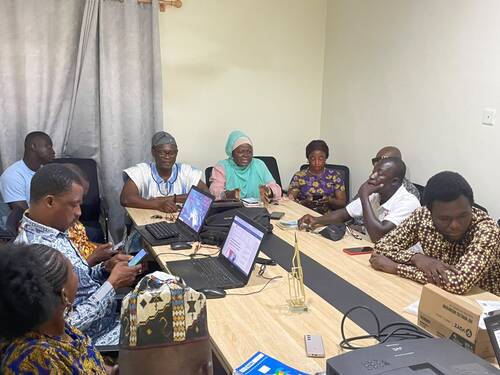
A new evaluation by RISE-Ghana has exposed significant weaknesses in grassroots governance in the Bolgatanga East District of the Upper East Region, raising concerns about the functionality of Unit Committees, community participation and the ability of residents to hold local authorities accountable. The assessment revealed that although Unit Committees exist across the district, many are only semi-functional, with some meeting infrequently, operating with fewer than the expected five members and lacking adequate training to perform their responsibilities effectively. The evaluation also found that Bolgatanga East, which has approximately 60 electoral areas, has only one Area Council, located at Zuarungu. The council was reportedly not holding meetings, raising further questions about the effectiveness of the district’s grassroots governance arrangements. The findings were presented to selected journalists by the Executive Director of RISE-Ghana, Awal Ahmed Kariama, as part of an evaluation conducted under the Evidence for Development (E4D) project, supported by the Centre for Democratic Development Ghana (CDD-Ghana). The initiative seeks to strengthen local government accountability, promote evidence-informed policymaking and improve the responsiveness of public institutions to the needs of citizens. One of the key findings was the limited functionality of Unit Committees, which are expected to serve as important links between communities and local government authorities. According to the evaluation, respondents described five-member Unit Committees operating at the electoral-area level, but their meeting frequency varied considerably, ranging from monthly meetings to gatherings held only twice a year. The assessment also identified gaps in committee membership, with some electoral areas having fewer than the expected five members. These shortcomings raise concerns about whether the committees have the membership, organisational capacity and consistency required to perform their responsibilities effectively. Unit Committees play an important role in grassroots governance. They are expected to help identify community needs, mobilise residents for development activities, monitor local projects and communicate concerns to the appropriate authorities. However, when committees meet irregularly or lack the capacity to carry out these functions, communities risk losing an important avenue for participating in decisions that affect their lives. The evaluation further indicated that some committee members had not received adequate orientation or training from the district assembly to enable them to understand and perform their duties effectively. This gap in capacity development could undermine the ability of the committees to engage residents, monitor development initiatives and contribute meaningfully to local decision-making. RISE-Ghana also identified a possible misunderstanding of the statutory responsibilities of Unit Committees among some members and community stakeholders. According to the findings, several respondents described the primary responsibility of Unit Committees as supporting Assembly Members. However, Ghana’s Local Governance Act, 2016 (Act 936), provides for specific functions for local government structures, including responsibilities that extend beyond assisting elected Assembly Members. The evaluation suggests that this perception could limit the independence and effectiveness of Unit Committees in carrying out their own responsibilities. When committee members see themselves mainly as assistants to Assembly Members, their potential contribution to community mobilisation, local monitoring and accountability may not be fully realised. The assessment also raised concerns about community involvement in committee activities. A chief in Yarigabisi reportedly stated that he was not invited to Unit Committee meetings. The reported exclusion highlights the importance of ensuring that traditional authorities and other relevant community stakeholders have appropriate opportunities to participate in grassroots governance. For Unit Committees to function effectively, their activities must be sufficiently inclusive, with residents able to raise concerns, discuss development priorities and receive information about decisions affecting their communities. Beyond the challenges facing Unit Committees, the evaluation found that Bolgatanga East has only one Area Council, situated at Zuarungu, despite having approximately 60 electoral areas. Kariama observed that the district should have at least two Area Councils to support effective local administration and improve coordination of grassroots development activities. According to the evaluation, the Secretary to the District Planning Coordinating Unit stated that the Area Council did not hold meetings, while an Assembly Member described it as “not functioning at all”. An ineffective Area Council could weaken coordination between communities and the district assembly, particularly where local concerns require collective attention or follow-up. The situation raises questions about how effectively the existing structure serves communities across the district and whether adequate mechanisms are in place to ensure that local development concerns receive attention. The evaluation therefore points to the need for the district assembly to examine both the functionality and adequacy of its grassroots governance arrangements. Another concern identified by RISE-Ghana was the absence of a reliable, consolidated record of the district’s local government sub-structures. The assessment found that two senior respondents provided different figures for the number of electoral areas and Assembly Members. Additionally, no respondent could state the total number of Unit Committee members across the district. The inability to establish consistent figures raises concerns about the quality of information available to support planning, supervision and resource allocation. Accurate records are essential for determining whether all electoral areas have functioning committees, identifying vacancies, organising training and monitoring the performance of grassroots structures. Without reliable information, the district assembly may struggle to identify gaps and determine where support is most urgently required. For an evaluation focused on evidence-informed policymaking, the absence of a clear record of the structures expected to support grassroots governance represents a significant institutional challenge. RISE-Ghana’s findings point to the need for a comprehensive review and documentation of Unit Committees and other local government structures in the district. The evaluation also uncovered weaknesses in communication between communities and the district assembly, particularly in the feedback provided after residents submit concerns. According to respondents, community concerns are generally channelled to the assembly through Assembly Members. However, information about the progress or resolution of those concerns often fails to return to the affected communities promptly. Some respondents described feedback as slow, delayed or entirely absent. Others said they were simply told that an issue was “on the way” without receiving a definite timeline for action. Focus group discussions highlighted examples of communities repeatedly requesting a maternity room without receiving a
Scandal Strikes as Visa Controversy Mars World Cup Arrangements
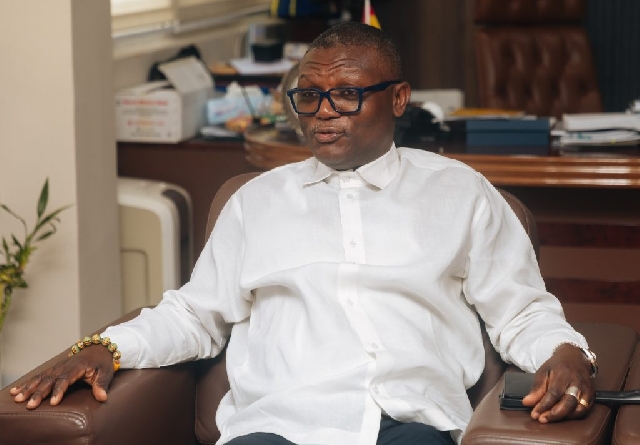
It was supposed to be a dream come true for nearly 90 Ghanaians, each of whom paid between $10,000 and $15,000 in hopes of attending the World Cup extravaganza in the United States, Canada, and Mexico. But for most, the dream ended in disappointment, only five out of the group ultimately received visas, leaving dozens frustrated and sparking a nationwide controversy that has shaken Ghana’s sporting and political circles. The fallout was immediate. National Sports Authority (NSA) Director-General Yaw Ampofo Ankrah was suspended, and the Presidency announced plans to launch a formal probe into the arrangements that led to the debacle. Meanwhile, the Minority in Parliament called for not just suspensions but also the prosecution of officials they allege were involved in facilitating the failed arrangements. Amidst the uproar, Minister Adams found himself at the center of swirling accusations. In a candid interview with Citi News, he firmly rejected calls for his removal and insisted that his ministry had no foreknowledge of the controversial arrangements. “Well, I don’t see the justification. Both the American Embassy and TRIBE Culture Fest, the NSA and the Ghana Tourism Authority (GTA) were doing their thing behind the Ministry. The Ministry didn’t know,” Adams asserted. According to Adams, the sequence of events that brought the issue to his attention began with a letter dated May 19. The correspondence requested that the Ministry of Sports and Recreation forward the names of event coordinators and volunteers to the Ministry of Foreign Affairs and the US Embassy. “The first time I ever sat and had a conversation in relation to that matter was when the May 19 letter requested the forwarding of event coordinators and volunteers to the Ministry of Foreign Affairs and the Embassy. That’s when I got to know the details of what was happening,” he explained. Adams recounted that the letter was passed along to the ministry’s Chief Director, who sits on the technical committee overseeing such arrangements. The committee, he explained, had agreed that lists of people expected to perform specific duties at the World Cup should be submitted to the appropriate authorities to initiate the necessary processes. However, he maintained that the entire process was handled independently by the NSA, GTA, US Embassy, and TRIBE Culture Fest, without the Ministry’s involvement or notification. “If the organisations involved had formally presented their plans, copied the ministry in their correspondence, or otherwise informed us, we would have known,” Adams insisted. He also denied any knowledge of the alleged financial transactions, stating, “Government money has not been lost.” The controversy reached new heights following allegations by Vincent Ekow Assafuah, Ranking Member of Parliament’s Sports Committee. At a press conference, Assafuah claimed that some officials had helped outsiders, people who were not ministry employees, apply for visas, even preparing a cover letter to present them as staff. As calls for accountability grew louder, the Minority demanded the dismissal and prosecution of the Chief Executive Officer of the Ghana Tourism Authority, citing alleged involvement in the arrangements. Minister Adams, however, maintained that his role had been limited to forwarding the May 19 letter through the proper channels, with no prior knowledge of the financial aspects or the deeper details of the arrangements. As the nation awaits the results of the official probe, questions linger over how so many could be left out in the cold, and who will ultimately be held responsible for the World Cup visa fiasco. Source: Apexnewsgh.com
Gamal Gorkeh Nkrumah, Eldest Son of Ghana’s Founding President, Dies in Cairo
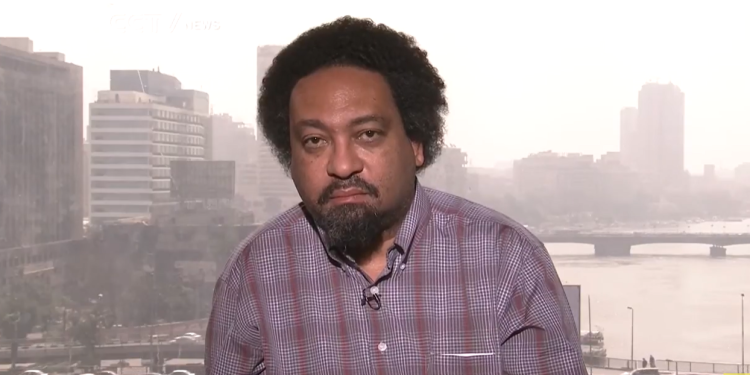
Gamal Gorkeh Nkrumah, the eldest son of Ghana’s founding President Dr. Kwame Nkrumah, has passed away in Cairo, Egypt, after a prolonged illness. In a statement announcing his death, the Nkrumah family said Gamal died peacefully at a rehabilitation centre where he had been receiving care following a stroke. The family expressed deep sorrow over his loss, describing him as a distinguished journalist, writer, and intellectual who spent his life exploring the political, social, and cultural currents shaping Africa and the wider world. Throughout his life, Gamal Nkrumah was known for his unwavering commitment to justice, human dignity, African unity, and international solidarity, ideals strongly associated with his father’s legacy. The family praised his intellectual curiosity, independent thought, and quiet conviction, noting that he managed to uphold his father’s ideals while building his own reputation and principled path. “His passing represents a profound loss not only to our family and loved ones, but also to the wider community of friends, colleagues and readers who valued his insight, humanity and unwavering engagement with the great questions of our time,” the family’s statement read. The family remembered Gamal with love, gratitude, and pride, emphasizing that his wisdom, kindness, and dedication to his values would remain an enduring source of inspiration. They also expressed appreciation to the medical professionals and caregivers in Cairo, as well as the governments and people of Egypt and Ghana, for their support during his illness. The Nkrumah family has requested privacy as they mourn and indicated that details regarding memorial arrangements and tributes to Gamal’s life and legacy will be announced in due course. Source: Apexnewsgh.com
Six Remand Prisoners Escape from Konongo Police Cells, Five Still at Large

Six remand prisoners have escaped from police custody at Konongo in the Asante Akyem Central Municipality of the Ashanti Region, with authorities confirming that five of the inmates remain at large. According to police sources, the prisoners managed to break out through a hole that had been dug, which led to the detached washrooms at the police station. After successfully moving out of the cell through the hole, the inmates jumped off and made their escape. A swift manhunt was launched, resulting in the re-arrest of one escapee in a Kumasi suburb. Efforts are ongoing to apprehend the remaining five. Asante Akyem Central Municipal Chief Executive, Dr. Ebenezer Ekow Aidoo, confirmed the incident to Citi News and revealed that the Municipal Security Council is moving quickly to strengthen the walls of the police cells to prevent similar occurrences. He also outlined additional long-term measures, including the construction of a new police station and increasing police presence, particularly during nighttime hours. Dr. Aidoo further announced plans to improve lighting and install surveillance cameras at the police station, aiming to enhance security and prevent future escapes. Source: Apexnewsgh.com
Mahama Receives Report on $200 Million Cocaine Shipment Seized in France
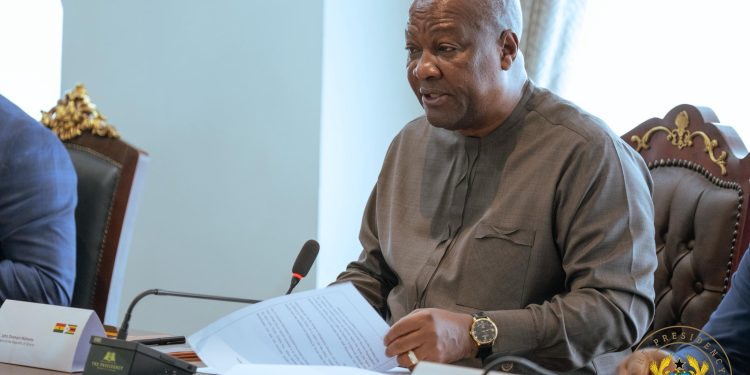
President John Dramani Mahama has received a preliminary report on investigations into the recent shipment of cocaine from Ghana, after French authorities intercepted a consignment worth more than $200 million at the port of Dunkirk. The Commissioner-General of the Ghana Revenue Authority (GRA), Anthony Sarpong, revealed the development when he appeared before Parliament’s Public Accounts Committee. Sarpong explained that President Mahama had swiftly set up a multi-agency team to probe the incident and identify weaknesses in the systems monitoring goods leaving Ghana’s ports. According to Sarpong, the investigative team was initially given two weeks to conduct its review, with a preliminary report presented to the President last week. “The report was presented to the President in terms of what the state of the investigation is, and what the recommendations are to be able to close all the gaps substantially,” he told the committee. Sarpong expressed confidence that the findings would guide new policies and investments aimed at tightening security at Ghana’s entry and exit points, helping to close loopholes that allow illicit shipments to pass through undetected. The investigation follows the seizure by French customs officials on September 10, 2026, of nearly 3.9 tonnes of cocaine concealed in a container of plastic waste that had arrived from Ghana. The haul, with a street value of €225 million, was reportedly destined in part for Antwerp, Belgium. In response to the seizure, Ghana’s Narcotics Control Commission (NACOC) announced the arrest of three suspects for their alleged involvement in the illicit shipment. The suspects are believed to have represented and facilitated the activities of Dutch fugitive Jos Leijdekkers, also known as “Bolle Jos,” in Ghana. Authorities say the ongoing investigation and its resulting recommendations will be critical to preventing similar incidents at Ghana’s ports in the future. Source: Apexnewsgh.com