


Bolgatanga East Health Crisis: Only One of Four Motorcycle Ambulances Functional as 380 Patients Rely on Private Transport
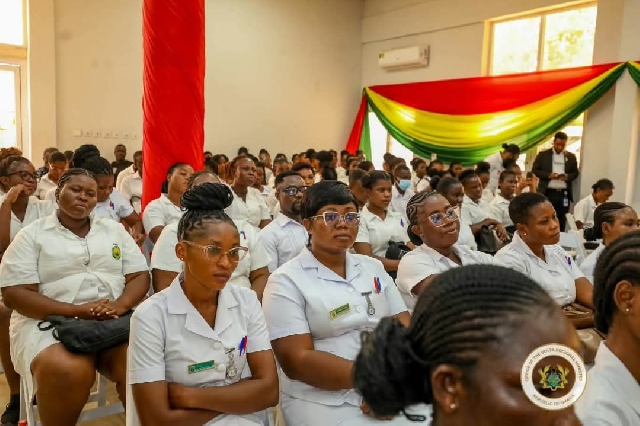
The state of emergency healthcare delivery in the Bolgatanga East District of the Upper East Region has come under scrutiny following an evaluation by RISE-Ghana, which has uncovered significant gaps in emergency transportation, referral coordination and local governance structures. The findings paint a troubling picture of a district where patients requiring urgent medical attention may have to depend on private vehicles to reach higher-level health facilities, while the majority of the district’s available motorcycle ambulances remain out of service. Speaking to selected journalists in the Upper East Region, the Executive Director of RISE-Ghana, Awal Ahmed Kariama, disclosed that the evaluation identified serious weaknesses in the district’s health referral system, raising concerns about the ability of communities to access timely and effective emergency healthcare. The evaluation was conducted under the Evidence for Development (E4D) project, supported by the Centre for Democratic Development Ghana (CDD-Ghana), as part of efforts to strengthen local government accountability and improve public service delivery. One of the most concerning findings was the limited availability of emergency transportation across the district. According to Kariama, Bolgatanga East has only four motorcycle ambulances, commonly referred to as Motor Kings, although at least 16 are reportedly required to meet the district’s needs. More worrying is that only one of the four available units was operational at the time of the assessment in 2026, leaving the district with a severely limited emergency transport capacity. The implications for residents, particularly those in remote communities, could be significant. In emergencies where every minute matters, the absence of reliable transportation can complicate access to timely treatment and referrals to higher-level facilities. The evaluation also examined referral records for 2025 and found that approximately 380 out of 395 patients referred to higher-level health facilities travelled using private means of transport. The patients were referred from facilities within the district, including those in Zuarungu, to higher-level facilities such as the Bolgatanga Hospital. The findings suggest that the district’s formal emergency transportation arrangements are not adequately supporting patients who need to be transferred for further medical care. For families already struggling with the cost of healthcare, having to arrange private transportation during an emergency may create additional financial and logistical difficulties. The evaluation further revealed that some communities have resorted to local arrangements to bridge the gap. Of the 20 health respondents interviewed, 15 identified community-based support mechanisms, including volunteer escorts and community transport funds, as ways of assisting patients who need referrals. While these arrangements demonstrate community solidarity, they also highlight the extent to which residents are having to find their own solutions to gaps in the formal healthcare system. Beyond the shortage of operational emergency transport, RISE-Ghana identified weaknesses in communication between referring health facilities and the institutions receiving patients. According to Kariama, several health facilities lacked effective systems for ensuring that information about referred patients was communicated promptly and that feedback was received from the receiving facilities. An effective referral system requires more than transporting a patient from one facility to another. It also depends on clear communication between health workers, proper documentation, timely feedback and continuity of care. When these elements are missing, healthcare professionals may struggle to track patients’ progress, coordinate treatment and determine whether referrals have achieved their intended purpose. Kariama said RISE-Ghana had shared the findings with the district health directorate, which indicated that it would take immediate steps to address some of the challenges. Among the proposed measures is the development of standard operating procedures to guide referrals and improve communication between health facilities. The directorate also intends to convene discussions on activating community support mechanisms as an immediate response while longer-term efforts are made to mobilise resources for additional emergency transport systems. Such interventions could help reduce the burden on patients and families, although their effectiveness will depend on implementation, adequate resources and sustained monitoring. The findings also raise broader questions about the adequacy of relying on a single ambulance to serve an entire district. Even where a district has access to a conventional ambulance, the availability of smaller, community-based emergency transport systems can be important, particularly in areas where distance, road conditions and accessibility make it difficult to reach patients quickly. For Bolgatanga East, the limited number of operational motorcycle ambulances means that patients in different communities may face competing demands for the same resources. The situation highlights the need for a coordinated emergency transport system that links community-level health facilities with referral centres and provides reliable alternatives when conventional ambulance services are unavailable. Strengthening this system will require collaboration among the district assembly, health authorities, community leaders, development partners and other stakeholders. Source: Apexnewsgh.com/ Ngamegbulam Chidozie Stephen
Tragedy in Nigeria: 32 Killed as Military Plane Crashes into Swamp

32 people, including airmen, soldiers, crew members, and family members of military personnel, lost their lives yesterday when an ATR-42 plane crashed into a swamp opposite the Naval Base at Igbokoda, Ondo State. The ill-fated aircraft, which went down in the early hours of the morning, was carrying not just military personnel but also their relatives, among them children returning to school and loved ones who had visited their breadwinners serving in Edo and Delta states. According to sources, the turboprop aircraft was on a logistics mission to Lagos, part of Nigerian Air Force (NAF) operations, and had afforded families the opportunity to travel together. Authorities have delayed releasing the names of the victims, as some were civilian passengers, with efforts ongoing to notify their families first. President Bola Tinubu, mourning the loss, ordered an immediate investigation into the crash and declared a three-day national mourning period. Throughout the country, flags will fly at half-mast in tribute to the fallen officers and their families. Local officials confirmed the incident and cited bad weather as a likely cause. Ilaje Local Government Chairman, Maurice Oripelaye, reported that military gear was recovered from the site, stating, “Our findings showed that it was poor weather condition that affected the pilot. He was trying to maneuver, but the poor weather condition affected the pilot. It crashed into a swampy area very close to the water, at the back of Naval Base.” Police spokesperson DSP Jimoh Abayomi urged residents to remain calm and called on the public to avoid spreading unverified information, assuring that further details would be shared as investigations continue. Immediately following the accident, the Nigerian Air Force activated a search and rescue operation, with Air Commodore Ehimen Ejodame confirming that the aircraft was on a routine mission from Benin to Lagos when it crashed. Minister of Aviation and Aerospace Development, Festus Keyamo, confirmed on social media that air traffic control lost contact with the plane at about 9:13 a.m., and that all 25 passengers and seven crew members perished. Ondo State Governor, Lucky Aiyedatiwa, expressed heartfelt condolences to the Nigerian Air Force and the families of the victims, and mobilized state emergency agencies to assist in rescue and recovery efforts. The crash site has been cordoned off to allow unhindered operations, with local leaders urging the community to cooperate with authorities. Eyewitnesses in Igbokoda described hearing a loud sound and scenes of panic as the community rushed from the area. The Olu of Igbokoda, Oba Afolabi Odidiomo, said “a substantial part” of the aircraft was submerged in swamp water and, based on initial reports, feared there were no survivors. In a statement, President Tinubu praised the sacrifice of the Air Force personnel and assured that their service would never be forgotten. He commended first responders and pledged the continued support of his administration to the Nigerian Air Force and the families affected by the tragedy. Source: Apexnewsgh.com
Ghana Catholic Bishops Sound Alarm Over Rampant Drug Abuse Among Youth
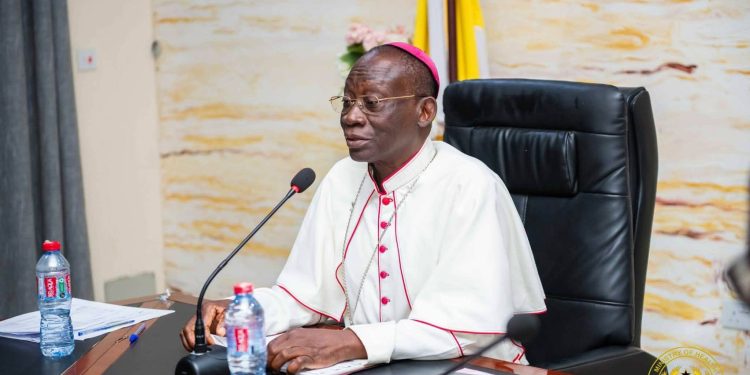
The Ghana Catholic Bishops’ Conference has sounded the alarm over the growing crisis of drug abuse sweeping across the country’s youth. At the heart of their concern is the widespread misuse of tramadol, marijuana, and other easily accessible drugs, which the Bishops warn are having a devastating impact on young people and communities nationwide. Speaking at a recent press briefing, the President of the Ghana Catholic Bishops’ Conference, Most Rev. Matthew Gyamfi, called for urgent and targeted action. He emphasized that while the fight against narcotics has largely focused on cocaine and other high-profile drugs, the real danger lies in substances that are readily available in Ghanaian villages and towns. “In our villages and towns, we know the young men and women have taken to drugs, tramadol, ‘Red’, marijuana, and this is destroying many, many young men and women,” Most Rev. Gyamfi stated, expressing deep concern over the toll these drugs are taking on the youth. He argued that the national response must recognize the scale and accessibility of these substances. “You should not concentrate only on drugs like cocaine, which is used, but not as massively as marijuana, tramadol, ‘Red’ and other similar drugs that are readily available on the shelves, and young people just go for it,” he noted. The Bishops’ Conference is calling for stronger laws and enhanced enforcement to restrict the importation and illegal sale of these drugs. “They should make laws to ban the importation of these drugs and ensure that they are cleared away from the shelves,” Most Rev. Gyamfi urged. Their plea forms part of a broader campaign to address the escalating drug menace and its consequences for Ghana’s future generations. The Bishops are urging authorities not only to intensify crackdowns on illegal drug supply, but also to expand efforts to prevent substance abuse among the nation’s youth, safeguarding their wellbeing and the health of communities across the country. Source: Apexnewsgh.com
Ngamegbulam Chidozie Stephen Honoured as Best Health Reporter at 5th Upper East Regional GJA Awards
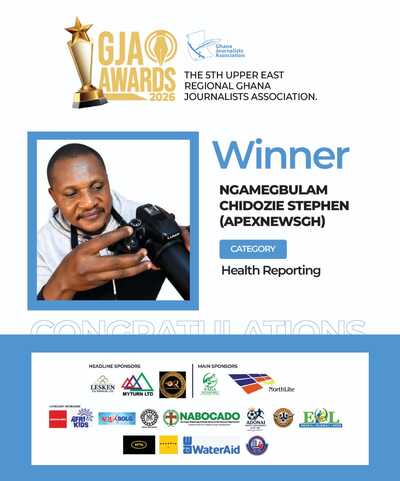
Ngamegbulam Chidozie Stephen, Editor-in-Chief of ApexnewsGh.com, has been honoured as the 2025 Best Health Reporter at the 5th Upper East Regional Ghana Journalists Association (GJA) Awards. Mr. Ngamegbulam, who had earlier been nominated for the prestigious regional awards, was recognised for his outstanding contribution to health journalism, particularly his commitment to telling stories that highlight the challenges confronting vulnerable and marginalised communities. His award-winning entry was a documentary titled “Pains of the Forgotten: Leprosy, Stigma, and Resilience in Ghana,” an investigative and human-interest documentary that exposed the struggles, stigma and challenges faced by persons living with leprosy in the Upper East Region. The documentary explored leprosy as one of humanity’s oldest known diseases, while drawing attention to its continuing impact on communities despite advances in medical science. According to the World Health Organization (WHO), 188 countries and territories reported a combined 172,717 new cases of leprosy in the year referenced by the documentary. However, the documentary highlighted that while leprosy remains a global health concern, its impact is particularly profound in vulnerable communities, including parts of Ghana’s Upper East Region. Communities in Bongo, Talensi, Nabdam and other districts continue to confront the disease and its associated social consequences. In Bongo District, where the population is slightly above 120,000, the documentary established that 57 cases were officially recorded between 2019 and September 2025. It also raised concerns that the actual number could be higher because of fear, stigma, misinformation and reluctance among some affected persons to seek medical attention. Beyond leprosy, the documentary placed the issue within the wider challenge of Neglected Tropical Diseases (NTDs) in Ghana. These diseases disproportionately affect vulnerable populations, often deepening poverty, social exclusion and inequality. The production, which received significant attention, was sponsored by the Development Research and Advocacy Centre (DRAC), a non-profit and non-state institution committed to research, training and advocacy towards sustainable development in Ghana, particularly within the savanna ecological zone. Speaking to journalists and bloggers after the awards ceremony, Mr. Ngamegbulam expressed satisfaction with the organisation of the event and commended the Upper East Regional GJA leadership, led by Regional Chairman Albert Sore, for what he described as a well-organised awards process. He also praised the Awards Vetting Committee for what he considered a thorough vetting exercise. Mr. Ngamegbulam said the recognition was particularly significant because it reflected years of consistency and dedication to journalism and public-interest reporting. Since the establishment of ApexnewsGh.com in 2020, he said, the platform has remained committed to producing stories that draw attention to issues affecting communities and contribute to public discourse on development in the Upper East Region. The recognition also adds to his record of awards and nominations in journalism since 2019, reflecting his involvement in different areas of media practice. Mr. Ngamegbulam also expressed special appreciation to the management of WORD FM, a community radio station in the region, for supporting the documentary and providing an opportunity for the production to be aired on its network. He noted that such partnerships between journalists and media organisations were important in ensuring that public-interest stories reached wider audiences. The awards ceremony brought together prominent personalities from the Upper East Region and beyond, including Dr. Braimah Baba Abubakari, Regional Director of Health Services; Bolgatanga Central Member of Parliament, Hon. Isaac Adongo; Deputy Minister of Education, Dr. Clement Apaak; Bongo Member of Parliament, Lawyer Charles Bawa Dua; the Baare Chief; and a representative of the Upper East Regional Minister, among other dignitaries. The event provided an opportunity to recognise journalists whose work has contributed to public awareness, accountability, development and social change across the region. Sponsors and Partners The 5th Upper East Regional GJA Awards received support from a number of organisations and institutions. Headline Sponsors: Lesken Enterprise Ltd MyTurn Limited KacStone Records Main Sponsors: PAGA Youth Movement NorthLite Solar Category Sponsors: ActionAid Ghana Afrikids Ghana NABOCADO Endswell Pharmacy MTN Partners: Alafia WaterAid Ghana Widows and Orphans Movement Ghana Tourism Authority Ghana Hotels Association – Upper East Region AquaBolg Natural Water The recognition of Ngamegbulam Chidozie Stephen as Best Health Reporter underscores the growing importance of health journalism that goes beyond reporting statistics to document the lived experiences of vulnerable people and bring overlooked public-health challenges into the national conversation. Source: Apexnewsgh.com
GJA Upper East Chairman Uses Humorous Personal Experience to Spotlight Importance of WASH at 5th Regional Awards Night

The 5th Upper East Regional GJA Awards in Bolgatanga was an evening of gratitude, laughter, and reflection, highlighted by an unforgettable address from GJA Regional Chairman, Albert Sore. Sore opened the ceremony on a warm note, drawing the audience in with a personal story from a July work trip. After a long journey and an unexpected detour, he and his companions found themselves at a modest hotel in Atebubu, where only shared bathrooms were available. In urgent need, Sore accepted the elderly hotel manager’s offer to use a private toilet. He was led through a maze of rooms, only to find himself in her bedroom, using the family facility. As he described the flurry of awkward thoughts that crossed his mind, the audience burst into laughter when he joked about setting a world record for the fastest toilet visit. But Sore’s humor set the stage for a sobering reflection. He called on the audience to imagine if the discomfort he felt was a daily reality for pregnant women and mothers in healthcare facilities, where privacy, clean water, and hygienic toilets are often lacking. For these women, Sore emphasized, there is no easy escape; their health and dignity depend on the conditions they find themselves in. This reality, Sore explained, is why this year’s theme, “Beyond the Headlines: The Media’s Role in Promoting WASH for Safe Motherhood and Quality Healthcare,” was chosen. He underscored that water, sanitation, and hygiene (WASH) are not luxuries but essentials for safe and dignified healthcare. Sore praised WaterAid Ghana for its ongoing commitment to advancing WASH in local communities. Calling on journalists to go beyond the surface in their reporting, Sore challenged the media to investigate whether healthcare facilities truly meet basic WASH needs, and to highlight not only the problems, but also the solutions, holding duty-bearers accountable along the way. As the awards recognized journalistic excellence in areas such as agriculture, education, health, gender, and more, Sore congratulated all honorees and reminded them that every accolade brings added responsibility. He encouraged all journalists to keep striving for impactful, ethical, and trustworthy storytelling. In closing, Sore reminded the gathering: “Beyond the headlines, there are lives to be touched, voices to be heard, and systems to be held accountable. Let us never lose sight of that responsibility.” Sponsors and Supporters: Headline sponsors: MyTurn Limited, Lesken Enterprise Limited Main sponsors: NorthLite Solar Limited, Kacstone Records, Paga Youth Movement Supporting organisations: WaterAid Ghana, ActionAid Ghana, AfriKids Ghana, Endswell Pharmacy, MTN Ghana, Alaffia, NABOCADO, Widows and Orphans Movement, Adonai Sport Management-UK, Ghana Tourism Authority, Lapam Zorkor Hotel, Ghana Hotels Association – Upper East Region, AquaBolg Natural Mineral Water Individual supporters: Hon. Dr. Mark Kurt Nawaane, Hon. Simon Aworigo, Lawyer Anthony Namoo, Dr. Dominic Anarigide, Hajia Charity Rahinatu Asoemah, Ambassadors for Julius Debrah – Upper East Region, Friends of Prosper Source: Apexnewsgh.com
Upper East Region Records 60 Maternal Deaths in 2025 Amid Water and Sanitation Challenges–UE-GHS Director Dr. Braimah Baba Abubakari
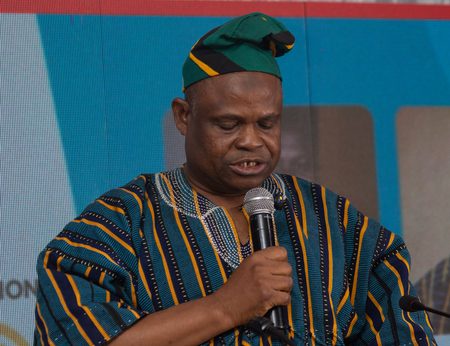
At the 5th Upper East Regional GJA Awards in Bolgatanga, a sobering statistic cast a shadow over the celebrations. Dr. Braimah Baba Abubakari, Upper East Regional Director of the Ghana Health Service (GHS), revealed that the region had recorded 60 maternal deaths in 2025, an alarming figure in a year when infections remained among the top causes of these tragedies. While the region achieved a skilled delivery rate of 75.86 percent, surpassing the national target of 65 percent, Dr. Abubakari cautioned that this progress should not overshadow persistent gaps in water, sanitation and hygiene (WASH) across health facilities and communities. He explained that the maternal mortality ratio had actually increased to 132.4 deaths per 100,000 live births in 2025, up from 97.1 per 100,000 the previous year. Sepsis, or infection, ranked as the fourth leading cause of maternal mortality in the region last year. Dr. Abubakari stressed that adequate WASH facilities are not a luxury but a necessity for safe motherhood and quality healthcare. “A health facility without water, sanitation and hygiene cannot deliver quality care, irrespective of how many doctors, how many pieces of equipment, how many midwives or how many drugs are stored in the facility,” he emphasized. Sharing the stage with journalists and health professionals, Dr. Abubakari called for stronger collaboration between the health sector and the media. “The health sector and the media need each other,” he said, highlighting how journalists can amplify hidden challenges and rally public support for critical health issues. He painted a vivid picture of the daily struggles faced by some health workers, who are forced to ration limited water supplies during shortages. Midwives, he explained, require clean water to wash their hands before and after deliveries, and to ensure that instruments and delivery rooms are properly sterilised. Without reliable access to water and good hygiene, the risk of infection, and maternal death, remains unacceptably high. As the Upper East Region looks ahead, Dr. Abubakari urged all stakeholders not to treat water and sanitation as peripheral concerns, but as the very foundation of quality healthcare. His message was clear: for every mother and child in the region, the simple act of turning on a tap could be a matter of life and death. Source: Apexnewsgh.com
Ghana Faces Uphill Battle to Control HIV Epidemic by 2030, Says Health Official
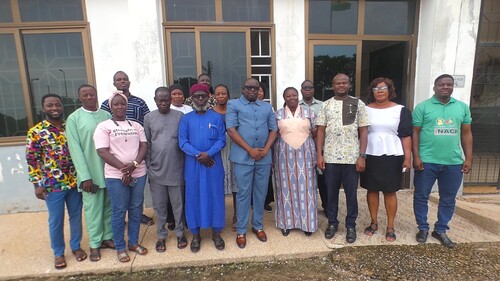
At the expanded Upper East Regional Committee of the Ghana AIDS Commission (ReCCOM) meeting held on September 29, 2026, Sulemana Majeed, Regional TB/HIV Coordinator for the Ghana Health Service/NACP, painted a sobering but hopeful picture of Ghana’s ongoing struggle with HIV. Majeed explained that since Ghana stopped conducting the HIV Prevalence Survey in 2014/2015 due to funding cuts, national HIV data has relied heavily on statistical modeling and estimates rather than direct surveys. Using the NAOMI model, the country now estimates that about 337,435 people are living with HIV, with 10% of infections among children. “Most of our HIV cases are in adults, but the risk of mother-to-child transmission remains a concern,” Majeed noted. He revealed a worrying trend: new infections are concentrated among people aged 20–44, Ghana’s most productive age group. In 2025 alone, the country recorded nearly 13,951 new HIV infections and 12,000 AIDS-related deaths. “New infections among young adults threaten our future workforce and demand urgent intervention,” he said. Majeed also highlighted gender disparities: while more women live with HIV, men are more likely to die from AIDS-related complications, often because they seek care late, when the disease is advanced. Ghana has not yet achieved the global 95-95-95 targets (95% of people living with HIV diagnosed, 95% of those on treatment, 95% virally suppressed) for epidemic control. As of 2025, only 70% knew their status, 81% were on treatment, and 92% of those on treatment had achieved viral suppression. Projections suggest that without significant improvements, Ghana will fall short of the 2030 goal to control the epidemic. By then, the country hopes to reduce new infections to around 6,500 annually and AIDS-related deaths to about 4,000–5,000. But to get there, ART (antiretroviral therapy) coverage must rise from the current 58% of adults to 95%. According to him, regionally, Upper East is among those with lower prevalence, but some districts have seen unexpected spikes in new cases, often linked to migratory labor patterns and mining activities. Majeed warned that 12 out of the region’s 15 districts need close monitoring. He also identified ongoing challenges with data quality, double reporting, and incomplete records, but reported ongoing efforts to improve data accuracy and support staff. However, he believe Ghana must ramp up efforts to find, treat, and retain people living with HIV, especially in the most affected age groups, to avert thousands of preventable deaths. “If we want to achieve epidemic control by 2030 and save lives, our response must be faster, stronger, and more focused than ever,” he concluded. Source: Apexnewsgh.com
President Mahama Rejects US Health Compact, Citing Humiliating Terms
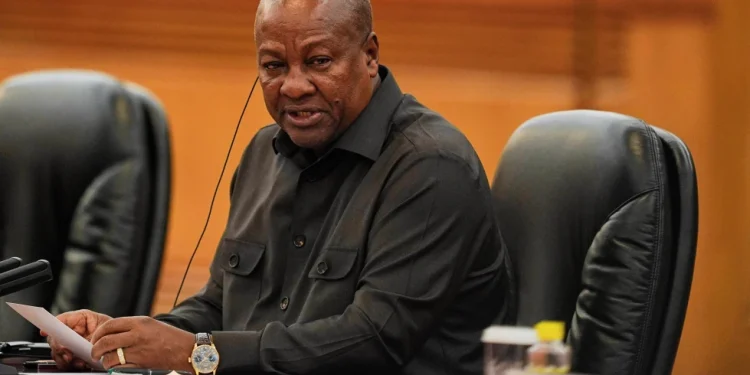
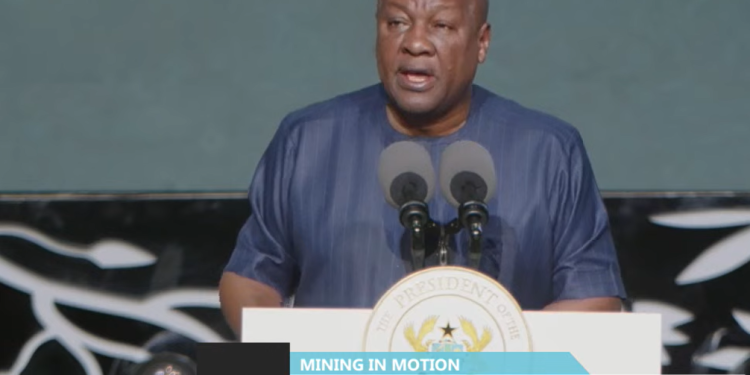
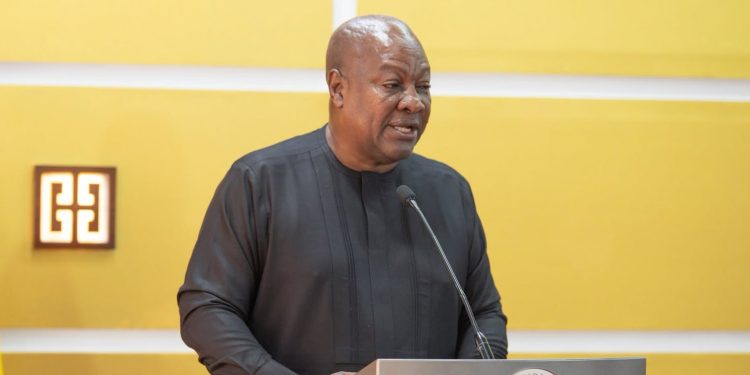
President John Dramani Mahama has stood by Ghana’s decision to turn down a proposed health compact from the United States, describing the conditions attached as demeaning and unacceptable. The compact, intended to replace funding previously provided through USAID, was put before Ghana’s Cabinet after a thorough review by the Ministry of Health. Addressing the Council on Foreign Relations in New York, President Mahama explained that the Ministry had flagged numerous problematic provisions in a Cabinet Information Paper. Chief among the concerns was a clause requiring Ghana to hand over its pathogen profile and national medical records to the United States. “It states that we shall give the United States our pathogen profile. It also says we should give our medical records. I mean, who takes another country’s medical records?” Mahama questioned, highlighting the sensitive nature of the request. In addition, the compact called for Ghana to provide counterpart funding and exempt imported medicines and medical products from inspection by the Food and Drugs Authority (FDA). These conditions, Mahama said, were not only impractical but also compromised Ghana’s sovereignty over its public health system. “It was humiliating. And so it was the compact that was thrown out in record time in our Cabinet. I’ve never seen anything thrown out as fast as that,” Mahama recalled. While the deal offered $100 million in funding to African countries hit by U.S. aid cuts, Ghana’s leadership felt the price was simply too high, a stand President Mahama says was necessary to protect the nation’s dignity and autonomy. Source: Apexnewsgh.com
Leading with Impact: Hon. Francis Tobig’s Trailblazing Initiatives in Nabdam Health Sector
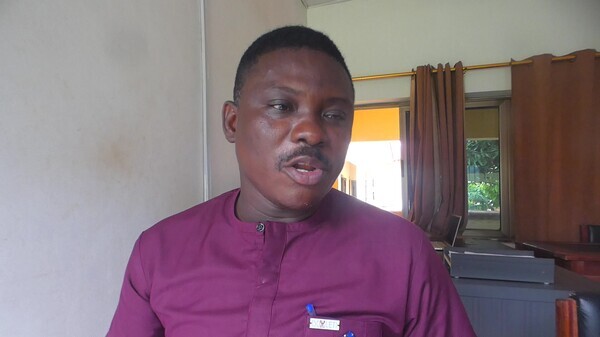
Since his appointment by President John Dramani Mahama, Hon. Francis Tobig, the District Chief Executive (DCE) of Nabdam, has been on a mission to transform the health sector in his district. In an exclusive interview on SPEAKOUT UPPER EAST with Apexnewsgh’s Ngamegbulam Chidozie Stephen, Hon. Tobig recounted a series of impactful interventions and ongoing projects, painting a vivid picture of progress and commitment. From the outset, Hon. Tobig made healthcare a top priority. Under his leadership, the Nabdam District Assembly channeled resources into improving both the infrastructure and accessibility of healthcare services. One of the first milestones was the expansion of the Nabdam District Health Directorate offices at Nangodi. The upgraded facility now boasts additional office spaces, providing health officials with a more comfortable environment, and a mini conference hall that enables the Health Directorate to organize meetings and programmes independently. To support daily operations, a mechanized borehole was also installed, ensuring a reliable water supply for staff and visitors alike. As Hon. Tobig walked through the district, he observed communities in need of essential healthcare services. At Soliga, a new Community-based Health Planning and Services (CHPS) compound began to take shape. Today, the project is nearing completion, with finishing touches underway before it is handed over for public use. The story of progress continued at the Gundug CHPS Compound, where a new maternity block was completed and handed over. Already in use, this facility has played a critical role in supporting safe deliveries and facilitating community health screenings in partnership with local stakeholders and the Member of Parliament. Recognizing the challenges posed by the lack of electricity, Hon. Tobig’s administration connected the Tindongo and Nyogbare CHPS compounds to the national grid. Where once health workers struggled to provide care after dark, these facilities can now remain operational throughout the night, greatly enhancing service delivery. Clean water, too, became a central concern. Mechanized water systems were rolled out for health facilities, including projects at the Zogabre and Pitanga CHPS compounds. The Assembly also planned five mechanized boreholes for critical offices and health posts, ensuring clean water reaches the NHIS Office, GES Office, GIPEC Office, Zogabre CHPS, and Pitanga CHPS. Sanitation improvements were not left behind. The Assembly set plans to construct two 4-seater water closet toilet facilities and two 2-unit urinals at the Health Insurance and CNC facilities in Kongo, aiming to raise the standard of hygiene and support public health. But Hon. Tobig’s vision extended beyond buildings and equipment. He forged partnerships to deliver health screenings to the people of Nabdam. Collaborating with CENSUDI, the Assembly facilitated breast cancer screenings, while joint efforts with the Happy Child organization brought additional screening and treatment services for various conditions. Each intervention, Hon. Tobig explained, forms part of a larger, ongoing commitment to improving healthcare and ensuring that every resident of Nabdam District has access to vital health services. He remains determined to build on these achievements, promising continued progress and new initiatives to address the district’s healthcare needs. Key Interventions Under DCE Tobig’s Tenure: Expansion of the District Health Directorate offices at Nangodi, with extra office space, a mini conference hall, and improved water supply. Construction of a CHPS Compound at Soliga (nearing completion). Completion and handover of a Maternity Block at Gundug CHPS Compound. Connection of Tindongo and Nyogbare CHPS compounds to the national electricity grid. Mechanized water systems for Zogabre and Pitanga CHPS, plus five planned boreholes for key health and administrative offices. New sanitation facilities at Kongo’s Health Insurance and CNC offices. Health screening partnerships with CENSUDI and Happy Child. Hon. Francis Tobig’s story is one of visible progress and unwavering commitment, a testament to the positive change that determined leadership can bring to the health sector in Nabdam District. Source: Apexnewsgh.com
25 Boreholes, 15 Water Guards: Talensi DCE Reveals Major Water and Sanitation Interventions

The Talensi District Chief Executive (DCE), Hon. John Millim Nabwomya, has outlined a number of interventions undertaken by the Talensi District Assembly in the areas of water and sanitation since he assumed office. Hon. Nabwomya made the disclosure during an exclusive engagement with Ngamegbulam Chidozie Stephen of Apexnewsgh on the “SPEAKOUT UPPER EAST” programme. According to the DCE, the Assembly has consistently observed the National Sanitation Day since the initiative was introduced by the government in September last year, with no month skipped. He explained that at the beginning of each month, the Environmental Health Directorate, in collaboration with other relevant departments, identifies a community, market or other public area for the sanitation exercise. He said traditional leaders, including chiefs and Tindamas, assembly members, queen mothers and other opinion leaders are informed ahead of the exercise to ensure broad community participation. Hon. Nabwomya cited the Tindongo Market as one of the locations where the exercise has been successfully undertaken, noting that the Assembly had visited the market several times as part of efforts to maintain sanitation standards. He said the exercise would continue across different communities in the district. On access to potable water, the DCE disclosed that the Assembly has so far handed over 25 boreholes to communities. He explained that some of the boreholes have been fitted with hand pumps, while others have been mechanised to improve access to water. He also noted that some government facilities, including the police station, Assembly offices and senior staff bungalows, previously depended on community water systems, which were often unreliable. To address the challenge, the Assembly has mechanised boreholes to serve some of these facilities. The DCE added that an additional 15 boreholes have already been drilled and are currently undergoing construction and other finishing works before they are handed over to beneficiary communities. Hon. Nabwomya also commended Republic Bank for supporting water supply in Pwalugu. He explained that Pwalugu had experienced serious challenges with access to water, with drilling attempts initially failing at several locations. According to him, Republic Bank responded after the water challenge in the community was highlighted in the media as part of the bank’s corporate social responsibility initiatives. He said the bank drilled at about three different locations before finally striking water at a suitable site. The borehole was subsequently mechanised and handed over to the community. Hon. Nabwomya said the facility is expected to provide water to approximately 1,000 households in Pwalugu. The DCE further disclosed that he personally purchased a polytank to address an urgent water challenge in Pwale, in the eastern part of the district. He explained that the community’s existing polytank had burst, forcing women to walk long distances in search of water. After the assembly member appealed to him for assistance, Hon. Nabwomya said he decided to personally finance the purchase because following the Assembly’s procurement procedures would have taken time. He said he subsequently handed over the polytank to the assembly member and youth leaders of the community, who transported it to Pwale for use. According to him, the intervention has reduced the burden on women who previously spent considerable time searching for water and has helped them return to their economic activities. Hon. Nabwomya also disclosed that about 15 young men have been engaged and deployed as Blue Water Guards to help protect water resources in the district. He said the guards were handed over to the Assembly and are being deployed to monitor water bodies and help prevent pollution resulting from economic activities. He explained that protecting water sources is important to safeguarding the health of residents and ensuring the sustainability of water systems within the district. In the area of waste management, the DCE said the Assembly has secured a site for a dumpsite at Yameriga through the appropriate legal processes. He said the move is intended to improve waste management and support efforts to protect the environment and public health. To further strengthen the work of environmental health officers, Hon. Nabwomya disclosed that the Assembly has procured three brand-new motorbikes to facilitate their movement across communities. He said the motorbikes would enable sanitation officers to travel to different locations to monitor sanitation activities, enforce environmental health standards and respond to sanitation challenges more effectively. Hon. Nabwomya said the Assembly would continue to collaborate with traditional authorities, communities, development partners and other stakeholders to improve access to potable water and strengthen sanitation across the Talensi District. He maintained that sustained community participation and effective monitoring remain essential to ensuring that investments in water and sanitation translate into lasting improvements in the lives of residents. The engagement formed part of Apexnewsgh’s “SPEAKOUT UPPER EAST” programme, which provides a platform for district leaders to account to the public on development initiatives, achievements and challenges. Source: Apexnewsgh.com