
Court of Appeal Grants Stay in Hanan Abdul Wahab Case, Halting NAFCO CEO’s Trial Pending Appeal
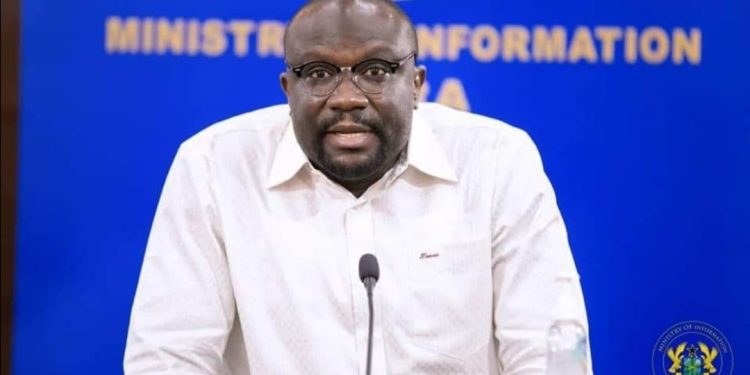
The Court of Appeal has granted a stay of proceedings in the criminal trial of former Buffer Stock Company (NAFCO) Chief Executive Officer, Hanan Abdul Wahab, effectively pausing the High Court case until the determination of his appeal challenging the charges against him. The application for a stay was moved by Hanan’s legal team, led by former Attorney-General Godfred Yeboah Dame and Richard Gyambiby. They argued that the appeal raised fundamental issues regarding the accused’s right to a fair trial, particularly concerning the adequacy of information provided in the charge sheet. Dame pointed out that several counts, specifically counts 3, 13, and 18 related to stealing, and counts 1 and 14 concerning defrauding by false pretences, lacked sufficient details. For example, on count 3, the prosecution alleged Hanan stole approximately GH¢50 million over a period spanning 2017 to 2025, grouping multiple transactions into a single charge. Dame contended that the absence of specific transaction details made it difficult for the accused to mount a proper defence. He also highlighted that while the prosecution’s summary referenced 86 transactions, the charge sheet itself did not specify them. On charges of defrauding by false pretences, Dame argued that the prosecution had not detailed the alleged false representations, undermining the accused’s ability to respond adequately to the allegations. Deputy Attorney-General Dr Justice Srem-Sai, representing the Republic, strongly opposed the application. He contended that no exceptional circumstances had been shown to justify a stay and maintained that grouping similar offences over a prolonged period is permissible under the law. Dr Srem-Sai asserted that disagreement with the trial judge’s decision was not, on its own, a valid reason to halt proceedings and warned that granting a stay could unduly delay justice if the appeal did not succeed. After hearing both sides, the three-member panel of the Court of Appeal, presided over by Justice Noble Nkrumah and including Justices Lydia Osei Marfo and George Boadi, ruled in favour of the defence. The court emphasised the critical role of the charge sheet in criminal proceedings and found that the issues raised by Hanan’s lawyers amounted to exceptional circumstances justifying a pause in the trial. This decision puts on hold the High Court trial, which was set to begin on Tuesday, October 20, pending the outcome of Hanan Abdul Wahab’s appeal. The appeal itself challenges an earlier ruling by Justice Francis Achibonga, who had ordered amendments to two charges but refused to strike out the case entirely. The Court of Appeal’s ruling underscores the importance of due process and clarity in criminal charges, highlighting that the structure and content of the charge sheet are foundational to a fair trial. Source: Apexnewsgh.com
AU Commissioner Urges Africa to Prioritise Value Addition and Industrialisation for Mineral Wealth
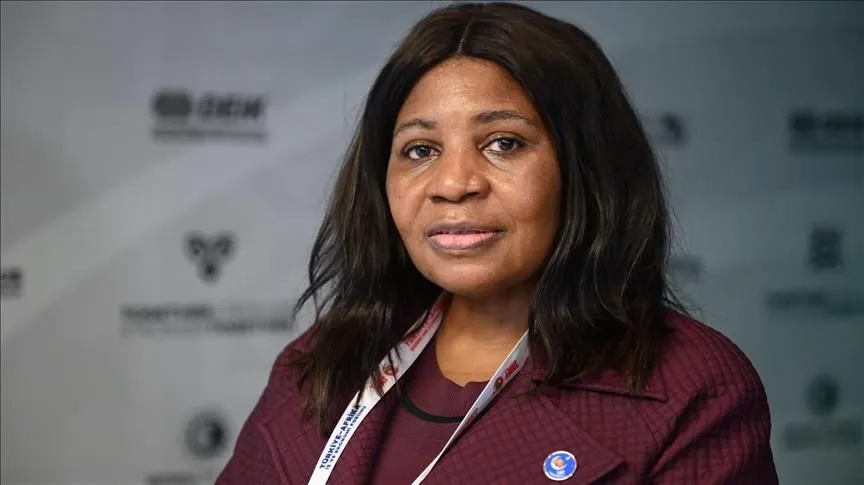
African Union Commissioner for Economic Development, Trade, Tourism, Industry and Minerals, Francisca Tatchououp Belobe, has urged African nations to place value addition and industrial development at the heart of their mineral resource strategies, in a push to fully harness the continent’s mineral wealth. Speaking at the Mining in Motion Conference on Monday, October 19, Ms Belobe emphasised the need for African countries to assert greater ownership over their mineral development priorities. She called on leaders to ensure that the exploitation of Africa’s abundant resources drives inclusive economic growth and strengthens regional value chains. “Africa must strengthen its agency to define its own mineral development agenda. In a time when major economies are developing critical mineral structures around their industrial priorities, Africa must define its own priorities,” Ms Belobe stated. She stressed that the continent must not only own its mineral resources, but also shape the narrative and partnerships that determine how these resources contribute to its development. Ms Belobe highlighted the African Union’s Green Minerals Strategy, adopted in 2025, as a central tool for achieving these goals. The strategy places African industrialisation, energy security, and regional value chains at the core of mineral policy across the continent. However, she cautioned that these ambitions must be matched by real investment and action. “Stronger continental leadership and a clear focus on value addition will be essential to ensuring that Africa’s mineral resources contribute more directly to its industrial growth and economic transformation,” she concluded.
President Mahama Unveils Plan to Ban Raw Mineral Exports by 2030, Boost Local Processing
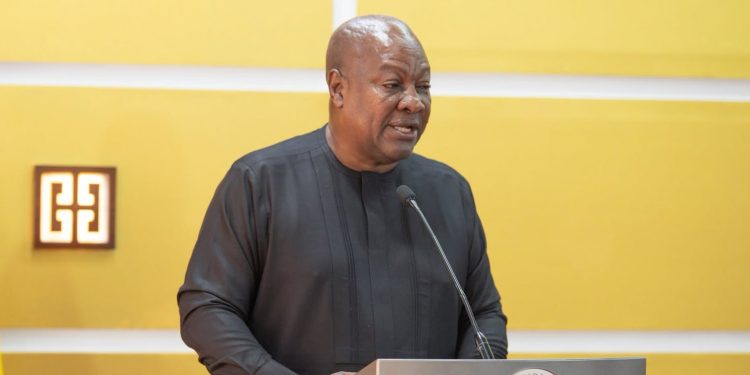
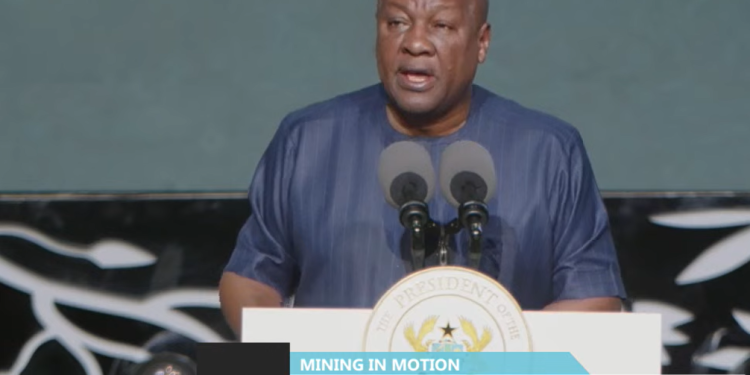
President John Dramani Mahama has announced a transformative policy that will see Ghana gradually ban the export of unprocessed mineral ores by 2030, marking a decisive push toward local value addition and industrialisation. Speaking at the Mining in Motion Conference on Monday, October 19, 2026, President Mahama outlined the government’s intention to introduce a phased prohibition on raw mineral exports, targeting key resources including bauxite, manganese, iron, and lithium. This bold move, he explained, is part of a broader effort to ensure that Ghana’s mineral wealth directly supports domestic economic development. “I’ve set a clear goal that by 2030, raw mineral ores should no longer leave our shores. Our bauxite, manganese, iron, lithium, and other minerals must support processing and industrial development here at home,” President Mahama declared, drawing applause from stakeholders and industry leaders present. To realise this vision, the government plans to roll out a comprehensive framework of legal measures, mineral-specific requirements, and transparent implementation timelines. President Mahama also made it clear that investors interested in Ghana’s mineral sector would be required to adhere to strict processing obligations, ensuring that the benefits of the country’s resources remain within its borders. “We will pursue a phased prohibition on exports of unprocessed ores, supported by the necessary legal measures, mineral-specific requirements, and transparent implementation timetables. We have already imposed a ban on the export of iron scrap and non-ferrous metals. Investors must understand the processing obligations associated with access to our resources,” he said. President Mahama stressed that this policy shift is designed to build Ghana’s local processing capacity, fuel industrial growth, and secure a larger share of the economic benefits for the nation. With the 2030 deadline approaching, Ghana is poised to enter a new era in mineral resource management—one where value is created and retained at home. Source: Apexnewsgh.com
RISE-Ghana Exposes Weak Unit Committees, Dysfunctional Area Council in Bolgatanga East
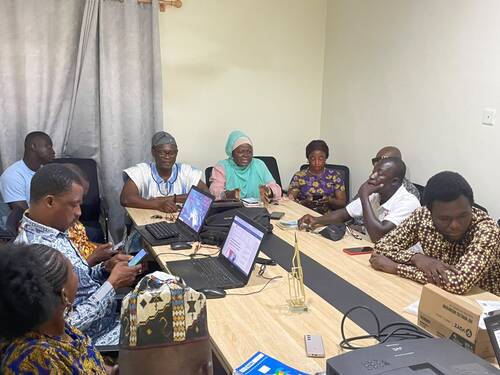
A new evaluation by RISE-Ghana has exposed significant weaknesses in grassroots governance in the Bolgatanga East District of the Upper East Region, raising concerns about the functionality of Unit Committees, community participation and the ability of residents to hold local authorities accountable. The assessment revealed that although Unit Committees exist across the district, many are only semi-functional, with some meeting infrequently, operating with fewer than the expected five members and lacking adequate training to perform their responsibilities effectively. The evaluation also found that Bolgatanga East, which has approximately 60 electoral areas, has only one Area Council, located at Zuarungu. The council was reportedly not holding meetings, raising further questions about the effectiveness of the district’s grassroots governance arrangements. The findings were presented to selected journalists by the Executive Director of RISE-Ghana, Awal Ahmed Kariama, as part of an evaluation conducted under the Evidence for Development (E4D) project, supported by the Centre for Democratic Development Ghana (CDD-Ghana). The initiative seeks to strengthen local government accountability, promote evidence-informed policymaking and improve the responsiveness of public institutions to the needs of citizens. One of the key findings was the limited functionality of Unit Committees, which are expected to serve as important links between communities and local government authorities. According to the evaluation, respondents described five-member Unit Committees operating at the electoral-area level, but their meeting frequency varied considerably, ranging from monthly meetings to gatherings held only twice a year. The assessment also identified gaps in committee membership, with some electoral areas having fewer than the expected five members. These shortcomings raise concerns about whether the committees have the membership, organisational capacity and consistency required to perform their responsibilities effectively. Unit Committees play an important role in grassroots governance. They are expected to help identify community needs, mobilise residents for development activities, monitor local projects and communicate concerns to the appropriate authorities. However, when committees meet irregularly or lack the capacity to carry out these functions, communities risk losing an important avenue for participating in decisions that affect their lives. The evaluation further indicated that some committee members had not received adequate orientation or training from the district assembly to enable them to understand and perform their duties effectively. This gap in capacity development could undermine the ability of the committees to engage residents, monitor development initiatives and contribute meaningfully to local decision-making. RISE-Ghana also identified a possible misunderstanding of the statutory responsibilities of Unit Committees among some members and community stakeholders. According to the findings, several respondents described the primary responsibility of Unit Committees as supporting Assembly Members. However, Ghana’s Local Governance Act, 2016 (Act 936), provides for specific functions for local government structures, including responsibilities that extend beyond assisting elected Assembly Members. The evaluation suggests that this perception could limit the independence and effectiveness of Unit Committees in carrying out their own responsibilities. When committee members see themselves mainly as assistants to Assembly Members, their potential contribution to community mobilisation, local monitoring and accountability may not be fully realised. The assessment also raised concerns about community involvement in committee activities. A chief in Yarigabisi reportedly stated that he was not invited to Unit Committee meetings. The reported exclusion highlights the importance of ensuring that traditional authorities and other relevant community stakeholders have appropriate opportunities to participate in grassroots governance. For Unit Committees to function effectively, their activities must be sufficiently inclusive, with residents able to raise concerns, discuss development priorities and receive information about decisions affecting their communities. Beyond the challenges facing Unit Committees, the evaluation found that Bolgatanga East has only one Area Council, situated at Zuarungu, despite having approximately 60 electoral areas. Kariama observed that the district should have at least two Area Councils to support effective local administration and improve coordination of grassroots development activities. According to the evaluation, the Secretary to the District Planning Coordinating Unit stated that the Area Council did not hold meetings, while an Assembly Member described it as “not functioning at all”. An ineffective Area Council could weaken coordination between communities and the district assembly, particularly where local concerns require collective attention or follow-up. The situation raises questions about how effectively the existing structure serves communities across the district and whether adequate mechanisms are in place to ensure that local development concerns receive attention. The evaluation therefore points to the need for the district assembly to examine both the functionality and adequacy of its grassroots governance arrangements. Another concern identified by RISE-Ghana was the absence of a reliable, consolidated record of the district’s local government sub-structures. The assessment found that two senior respondents provided different figures for the number of electoral areas and Assembly Members. Additionally, no respondent could state the total number of Unit Committee members across the district. The inability to establish consistent figures raises concerns about the quality of information available to support planning, supervision and resource allocation. Accurate records are essential for determining whether all electoral areas have functioning committees, identifying vacancies, organising training and monitoring the performance of grassroots structures. Without reliable information, the district assembly may struggle to identify gaps and determine where support is most urgently required. For an evaluation focused on evidence-informed policymaking, the absence of a clear record of the structures expected to support grassroots governance represents a significant institutional challenge. RISE-Ghana’s findings point to the need for a comprehensive review and documentation of Unit Committees and other local government structures in the district. The evaluation also uncovered weaknesses in communication between communities and the district assembly, particularly in the feedback provided after residents submit concerns. According to respondents, community concerns are generally channelled to the assembly through Assembly Members. However, information about the progress or resolution of those concerns often fails to return to the affected communities promptly. Some respondents described feedback as slow, delayed or entirely absent. Others said they were simply told that an issue was “on the way” without receiving a definite timeline for action. Focus group discussions highlighted examples of communities repeatedly requesting a maternity room without receiving a
Bolgatanga East Health Crisis: Only One of Four Motorcycle Ambulances Functional as 380 Patients Rely on Private Transport
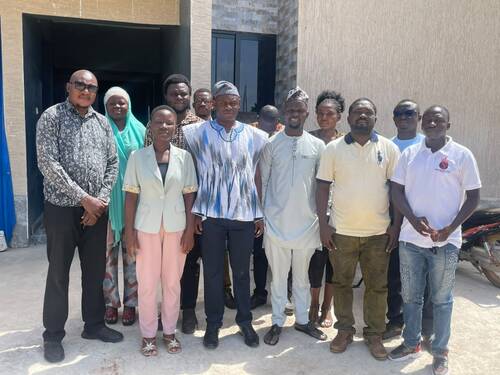
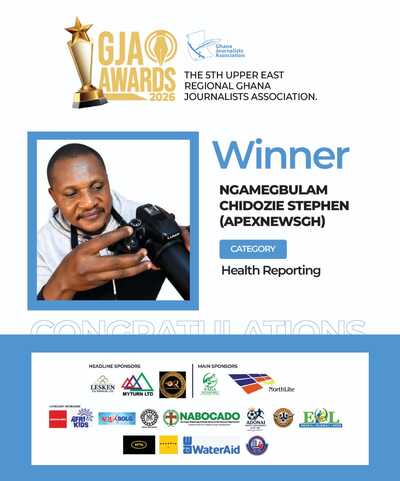
The state of emergency healthcare delivery in the Bolgatanga East District of the Upper East Region has come under scrutiny following an evaluation by RISE-Ghana, which has uncovered significant gaps in emergency transportation, referral coordination and local governance structures. The findings paint a troubling picture of a district where patients requiring urgent medical attention may have to depend on private vehicles to reach higher-level health facilities, while the majority of the district’s available motorcycle ambulances remain out of service. Speaking to selected journalists in the Upper East Region, the Executive Director of RISE-Ghana, Awal Ahmed Kariama, disclosed that the evaluation identified serious weaknesses in the district’s health referral system, raising concerns about the ability of communities to access timely and effective emergency healthcare. The evaluation was conducted under the Evidence for Development (E4D) project, supported by the Centre for Democratic Development Ghana (CDD-Ghana), as part of efforts to strengthen local government accountability and improve public service delivery. One of the most concerning findings was the limited availability of emergency transportation across the district. According to Kariama, Bolgatanga East has only four motorcycle ambulances, commonly referred to as Motor Kings, although at least 16 are reportedly required to meet the district’s needs. More worrying is that only one of the four available units was operational at the time of the assessment in 2026, leaving the district with a severely limited emergency transport capacity. The implications for residents, particularly those in remote communities, could be significant. In emergencies where every minute matters, the absence of reliable transportation can complicate access to timely treatment and referrals to higher-level facilities. The evaluation also examined referral records for 2025 and found that approximately 380 out of 395 patients referred to higher-level health facilities travelled using private means of transport. The patients were referred from facilities within the district, including those in Zuarungu, to higher-level facilities such as the Bolgatanga Hospital. The findings suggest that the district’s formal emergency transportation arrangements are not adequately supporting patients who need to be transferred for further medical care. For families already struggling with the cost of healthcare, having to arrange private transportation during an emergency may create additional financial and logistical difficulties. The evaluation further revealed that some communities have resorted to local arrangements to bridge the gap. Of the 20 health respondents interviewed, 15 identified community-based support mechanisms, including volunteer escorts and community transport funds, as ways of assisting patients who need referrals. While these arrangements demonstrate community solidarity, they also highlight the extent to which residents are having to find their own solutions to gaps in the formal healthcare system. Beyond the shortage of operational emergency transport, RISE-Ghana identified weaknesses in communication between referring health facilities and the institutions receiving patients. According to Kariama, several health facilities lacked effective systems for ensuring that information about referred patients was communicated promptly and that feedback was received from the receiving facilities. An effective referral system requires more than transporting a patient from one facility to another. It also depends on clear communication between health workers, proper documentation, timely feedback and continuity of care. When these elements are missing, healthcare professionals may struggle to track patients’ progress, coordinate treatment and determine whether referrals have achieved their intended purpose. Kariama said RISE-Ghana had shared the findings with the district health directorate, which indicated that it would take immediate steps to address some of the challenges. Among the proposed measures is the development of standard operating procedures to guide referrals and improve communication between health facilities. The directorate also intends to convene discussions on activating community support mechanisms as an immediate response while longer-term efforts are made to mobilise resources for additional emergency transport systems. Such interventions could help reduce the burden on patients and families, although their effectiveness will depend on implementation, adequate resources and sustained monitoring. The findings also raise broader questions about the adequacy of relying on a single ambulance to serve an entire district. Even where a district has access to a conventional ambulance, the availability of smaller, community-based emergency transport systems can be important, particularly in areas where distance, road conditions and accessibility make it difficult to reach patients quickly. For Bolgatanga East, the limited number of operational motorcycle ambulances means that patients in different communities may face competing demands for the same resources. The situation highlights the need for a coordinated emergency transport system that links community-level health facilities with referral centres and provides reliable alternatives when conventional ambulance services are unavailable. Strengthening this system will require collaboration among the district assembly, health authorities, community leaders, development partners and other stakeholders. Source: Apexnewsgh.com/ Ngamegbulam Chidozie Stephen
Six Remand Prisoners Escape from Konongo Police Cells, Five Still at Large

Six remand prisoners have escaped from police custody at Konongo in the Asante Akyem Central Municipality of the Ashanti Region, with authorities confirming that five of the inmates remain at large. According to police sources, the prisoners managed to break out through a hole that had been dug, which led to the detached washrooms at the police station. After successfully moving out of the cell through the hole, the inmates jumped off and made their escape. A swift manhunt was launched, resulting in the re-arrest of one escapee in a Kumasi suburb. Efforts are ongoing to apprehend the remaining five. Asante Akyem Central Municipal Chief Executive, Dr. Ebenezer Ekow Aidoo, confirmed the incident to Citi News and revealed that the Municipal Security Council is moving quickly to strengthen the walls of the police cells to prevent similar occurrences. He also outlined additional long-term measures, including the construction of a new police station and increasing police presence, particularly during nighttime hours. Dr. Aidoo further announced plans to improve lighting and install surveillance cameras at the police station, aiming to enhance security and prevent future escapes. Source: Apexnewsgh.com
High Court Adjourns Ruling on Chairman Wontumi’s Bail Application Pending Appeal
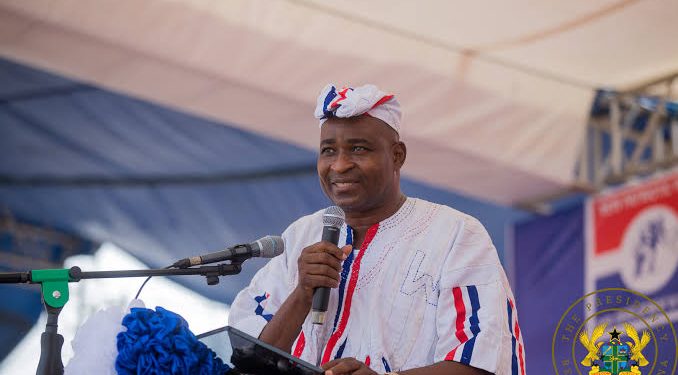
Justice Audrey Kocuvie-Tay of the High Court has adjourned to November 4, 2026, the delivery of her ruling on a bail application filed by former Ashanti Regional Chairman, Bernard Antwi Boasiako, popularly known as Chairman Wontumi, who is seeking temporary release pending the outcome of his appeal. The adjournment follows arguments presented by Chairman Wontumi’s legal team, led by Samuel Atta Akyea, and Deputy Attorney General, Dr. Justice Srem-Sai, who represented the state during the hearing. Chairman Wontumi is currently serving a 20-year prison sentence after being convicted for permitting mining activities on his Samreboi concession without the required approval from the Minister for Lands and Natural Resources. He is appealing the conviction and sentence and is requesting bail to prepare his appeal and participate in two other ongoing criminal cases. At Thursday’s hearing, Atta Akyea argued that Wontumi’s temporary release was necessary for his effective participation in the appeal process and other legal matters, stressing that Wontumi had previously complied with bail conditions and was not a flight risk. He further pointed to 19 grounds of appeal with a reasonable chance of success as justification for granting bail. In response, Dr. Srem-Sai opposed the application, asserting that the appeal grounds were not exceptional and that established case law required more than ordinary grounds to justify bail pending appeal. He also raised concerns that the possibility of additional consecutive prison terms might incentivize Wontumi to abscond if released. Dr. Srem-Sai referenced a video allegedly showing Wontumi’s former counsel discussing a plan to evade law enforcement, using it to support the state’s argument against bail. Justice Kocuvie-Tay, who had presided over Wontumi’s conviction and sentencing in July, questioned Atta Akyea about the progress of the appeal, to which he replied that steps were being taken to compile the records for the Court of Appeal. The court will deliver its ruling on the bail application on November 4, 2026. Source: Apexnewsgh.com
NDC’s Hamza Suhuyini Defends Impartiality of Newly Appointed EC Deputy Chairperson

A member of the National Democratic Congress (NDC) communications team, Hamza Suhuyini, has voiced support for the impartiality of newly appointed Electoral Commission (EC) Deputy Chairperson, Emelia Affi Agbenyo, despite her known association with the governing party. Speaking in a programme on Wednesday, October 14, Suhuyini acknowledged Ms. Agbenyo’s links to the NDC but maintained that her political affiliation should not be seen as a barrier to performing her official duties fairly. He stressed that professionalism, not party ties, should be the ultimate measure of her performance. Suhuyini pointed to Dr. Bossman Asare as an example of an EC official who, in his view, has managed to fulfill his responsibilities in a neutral manner, even amid concerns about his political background with the NPP. “I told you that she is an associate of the NDC, but when it comes to her job and mandate, if Dr. Bossman Asare could discharge his duties in a neutral fashion, be rest assured that she will do her work. She is politically neutral,” Suhuyini remarked. His comments come at a time when the political backgrounds of newly appointed EC Deputy Chairpersons are under scrutiny, with many emphasizing the need for public trust in the commission’s independence and fairness. On Monday, October 12, President John Dramani Mahama officially swore in Emelia Affi Agbenyo and Dr. Joseph Kweku Asamoah as Deputy Chairpersons of the Electoral Commission. During the ceremony, he urged them to uphold impartiality and safeguard the right of Ghanaians to freely choose their leaders. Source: Apexnewsgh.com
High Court Dismisses Afenyo-Markin’s Defamation Suit Against GoldBod CEO Over Procedural Breach
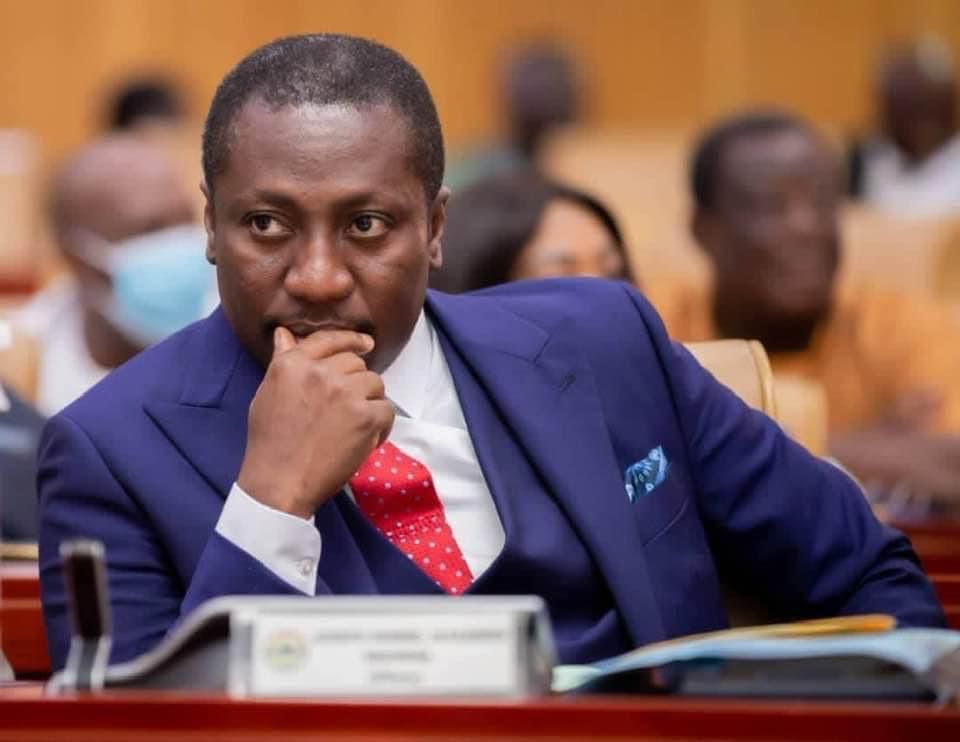
The High Court has dismissed a defamation suit brought by Minority Leader Alexander Afenyo-Markin against Ghana Gold Board (GoldBod) Chief Executive Officer, Sammy Gyamfi, after finding that the writ of summons failed to comply with mandatory procedural requirements for libel actions. The lawsuit stemmed from a heated public exchange between Afenyo-Markin and Gyamfi over alleged losses of US$1.7 billion linked to the Bank of Ghana’s Domestic Gold Purchase Programme in 2025. While Afenyo-Markin expressed concerns about the reported losses, Gyamfi disputed his claims and accused the Minority Leader of attempted extortion. The allegations prompted Afenyo-Markin to file a defamation claim. However, Gyamfi’s legal team quickly entered a conditional appearance and sought to have the writ set aside, arguing that it was defective under the High Court (Civil Procedure) Rules, 2004 (C.I. 47). Specifically, they pointed to Order 57 Rule 2, which requires that writs in libel cases be endorsed with sufficient particulars of the allegedly defamatory publication. In its ruling, the court agreed, emphasizing that providing these particulars is not a mere technicality but a procedural obligation essential for defamation proceedings. The judge noted that failing to comply with the specific rules governing libel actions means the court’s jurisdiction is not properly invoked. Addressing arguments from the plaintiff, the judge referred to previous Supreme Court cases, including Owusu Domena v Amoh and consolidated suits involving Alex Onuma and Newmont, which highlighted the centrality of procedural compliance in defamation cases. While, in some instances, a statement of claim might cure a defective writ if the defendant does not object and participates in the case, the judge distinguished this case since Gyamfi’s lawyers had promptly challenged the writ through a conditional appearance. Ultimately, the court found that Afenyo-Markin’s failure to endorse the writ with detailed particulars of the alleged defamatory publication rendered the action defective. The judge struck out both the writ of summons and the statement of claim, filed on August 24, 2026, and made no order as to costs. Source: Apexnewsgh.com
President Mahama Reaffirms Commitment to Religious Inclusivity, Calls Ghana’s Diversity a National Asset
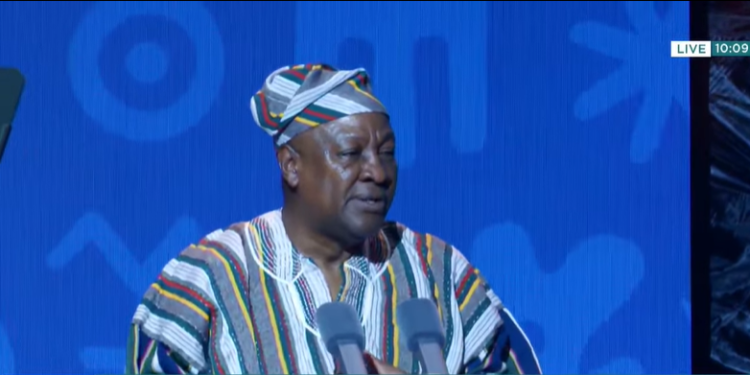
President John Dramani Mahama has reiterated his dedication to fostering religious inclusivity in Ghana, describing the country’s religious diversity as a valuable national asset that must be preserved to ensure continued peaceful coexistence. Addressing the 10th World Assemblies of God Congress on Wednesday, October 14, President Mahama emphasized that his role as President obliges him to serve all Ghanaians equitably, regardless of their religious backgrounds. He stressed that public office demands respect and concern for Christians, Muslims, traditional religious practitioners, and citizens who profess no faith. “My Christian faith remains a source of strength, but as President, I have sworn a duty to serve every Ghanaian: Christians of every denomination, Muslims, adherents of traditional religion, and even our citizens who profess no faith,” Mahama stated. He acknowledged that his commitment to fairness has sometimes led to questions from some Christian leaders about his religious convictions. However, he insisted that impartiality and equal treatment must guide his leadership. President Mahama urged Ghanaians to nurture the nation’s religious diversity by strengthening relationships that allow people of different beliefs to coexist peacefully and support one another. “Ghana’s religious diversity is our most precious possession, and we must continue to nurture the relationships that enable neighbours of different faiths to live, work, and care for one another,” he said. Drawing on his own upbringing in a multi-faith family, the President noted that differences in religious beliefs had never lessened the love and unity among his siblings. “Nevertheless, our different religions do not affect the love and affection that we share,” he reflected. President Mahama also called on churches and religious organizations to contribute to national development by promoting honesty, compassion, responsible citizenship, and peace, while maintaining their independence to speak out against injustice and suffering. Source: Apexnewsgh.com