
GHS Deploys Advanced Team to Strengthen Meningitis Season Preparedness in Northern Regions
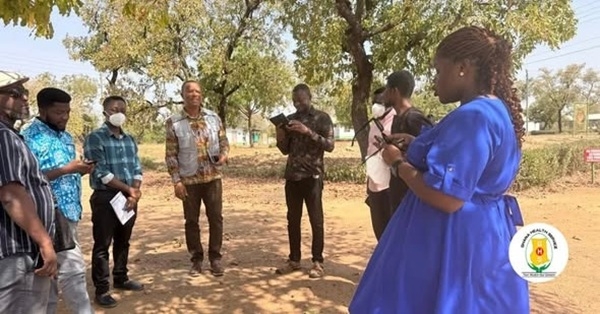
With the onset of the meningitis season approaching, the Director-General of the Ghana Health Service (GHS), Dr. Samuel Kaba Akoriyea, has taken decisive action by dispatching a specialized team to the five meningitis belt regions in northern Ghana and the Bono East Region. The move is aimed at assessing and enhancing Ghana’s preparedness to respond swiftly to any potential outbreaks. The three-member advance team, comprising a senior laboratory officer from the National Public Health Reference Laboratory, a disease surveillance officer, and a case management clinician, will tour key regions to evaluate the robustness of surveillance systems and laboratory capacities for early detection of meningitis cases. Their mission also involves reviewing case management protocols at selected health facilities to ensure that best practices are in place. As part of a broader proactive strategy, the team will scrutinize existing preparedness and response plans, offer on-the-job technical support to local health teams, and identify urgent gaps that need to be addressed to boost the nation’s overall readiness. Northern Ghana’s meningitis belt remains particularly susceptible to seasonal outbreaks, especially during the dry season. Early planning and coordinated efforts are therefore critical in reducing illness and saving lives. Reaffirming its commitment, the Ghana Health Service emphasized the importance of early detection, effective case management, and timely public health interventions to protect vulnerable communities as the country braces for the meningitis season. Source: Apexnewsgh.com
Calls Grow to Amend National Peace Council Act to Guarantee Youth Representation
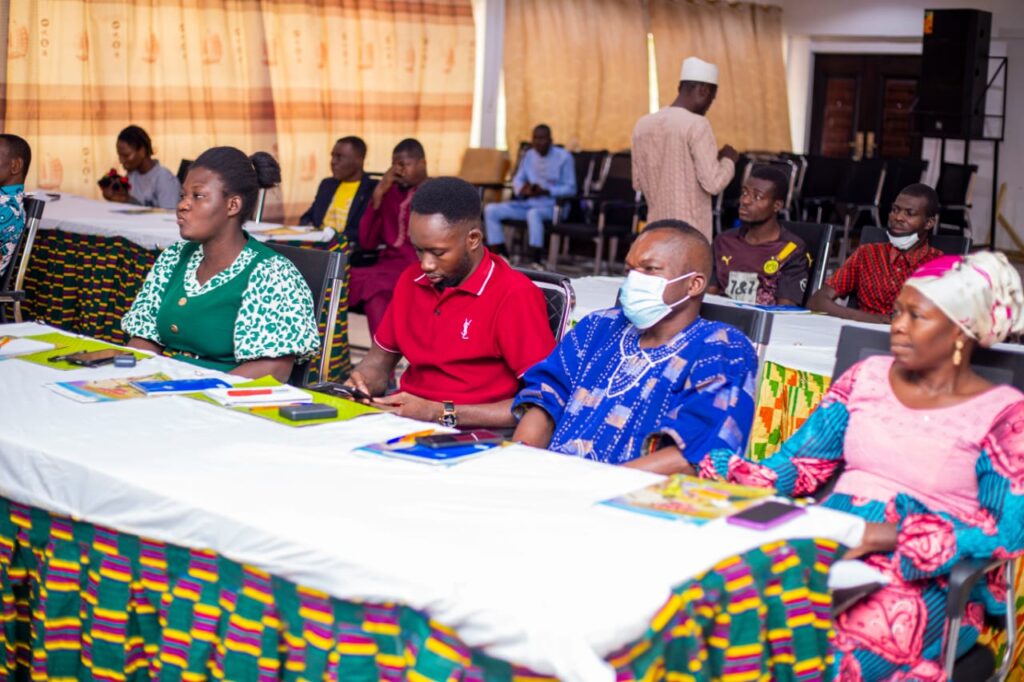
A groundswell of advocacy is emerging from Ghana’s Upper East Region, where youth leaders are urging lawmakers to amend the National Peace Council Act to secure formal youth representation at the national level. The demand comes amid rising consensus that sustainable peacebuilding must reflect Ghana’s youthful demographic and empower young people as central actors in national security policy. The call gained momentum during a two-day consultation in Bolgatanga, where youth, community stakeholders, security agencies, and civil society organisations gathered to contribute to Ghana’s National Action Plan (NAP) on Youth, Peace, and Security. The event, organised by the National Youth Authority (NYA) with support from international and national partners, offered young people a platform to share their experiences, propose policy reforms, and advocate for a more inclusive peace governance structure. While youth are present on local peace committees, participants noted that the absence of a statutory guarantee for their representation at the national level leaves their influence subject to goodwill rather than law. They argued that codifying youth participation in the National Peace Council would elevate their role from symbolic presence to institutional accountability, ensuring their voices help shape crucial peace and security decisions. Discussions drew on United Nations Security Council Resolution 2250, which recognises youth as vital agents in conflict prevention and peacebuilding. With one in four young people worldwide living in or affected by conflict, participants emphasized the urgency of embedding youth voices in peace structures at every level. Francis Takyi-Koranteng, Upper East Regional Director of the NYA, highlighted that young Ghanaians have long been marginalised or unfairly stereotyped as sources of instability. He stressed that, with Ghana’s large youthful population, inclusion is not optional but essential, and the quality of engagement at the consultation demonstrated young people’s readiness to contribute meaningfully to national peace frameworks. UNDP officials commended the consultative process for fostering genuine dialogue and co-creation, moving youth engagement from tokenistic to transformative. They noted that legal backing for youth representation would reinforce the legitimacy and resilience of Ghana’s peace architecture. The Upper East engagement is part of a nationwide effort to craft a National Action Plan that taps into youth creativity and leadership for peaceful, inclusive development. Stakeholders agreed that amending the National Peace Council Act to guarantee youth representation would build trust, accountability, and long-term stability. As Ghana advances its Youth, Peace, and Security agenda, the message from Bolgatanga is clear: young people are not just beneficiaries of peace, they are vital partners whose place at the national table must be protected by law. Source: Apexnewsgh.com
Ghana Signals Strong Investment Climate at Ghana–Korea Business Forum
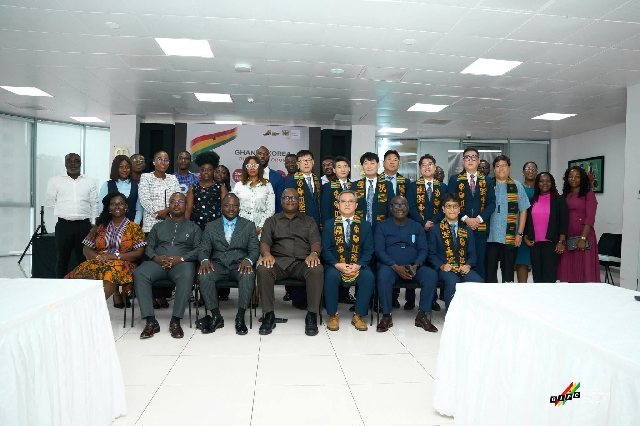
Ghana’s status as a top destination for international investment was on full display at the recent Ghana–Korea Business Forum in Accra, where Mr. Simon Madjie, Chief Executive Officer of the Ghana Investment Promotion Centre (GIPC), declared the country “open for business” and ready to deepen economic and trade ties with South Korea. Addressing a diverse audience, Mr. Madjie emphasized Ghana’s improving macroeconomic outlook and rising investor confidence, underpinned by stabilized inflation at 5.4 percent and successful debt restructuring efforts. These achievements, he noted, have set the stage for sustained economic growth. Looking ahead to 2026, Mr. Madjie outlined three ambitious priority areas: the 24-Hour Economy and Accelerated Export Development Programme (24H+), large-scale infrastructure projects under the Big Push initiative, and an agriculture-led transformation powered by renewable energy investments. The 24-hour economy aims to industrialise and cultivate two million hectares of farmland, while the Big Push will focus on improving connectivity between key cities, food-producing regions, and constructing a 360-kilometre expressway linking Accra to the country’s second capital. Opportunities in clean energy were also spotlighted, with ongoing multi-billion-dollar projects led by the Ministry of Energy and Green Transition. The forum brought together a seven-member Korean delegation, led by Mr. Gaspar Choi, CEO of MK Pollex Company Limited. The group represented sectors such as healthcare, cosmetics, food packaging, industrial machinery, and solar energy. Mr. Hong Koohwang, Director General of the Korea Trade-Investment Promotion Agency (KOTRA), reaffirmed South Korea’s commitment to strengthening economic partnerships with Ghana. With KOTRA’s fourteen-year presence in Ghana, Mr. Koohwang highlighted the agency’s role in facilitating trade missions, business matchmaking, and investment opportunities across a range of sectors. He introduced the visiting South Korean companies, noting their expertise aligns with Ghana’s development goals. “We are ready to connect Ghanaian businesses with Korean partners and deepen mutually beneficial cooperation,” he said. Mr. Alexander Roosevelt Hottordze, Member of Parliament for Central Tongu and chair of the Select Committee on Trade, Industry and Tourism, assured participants of Parliament’s commitment to creating a robust business environment. He called for greater private sector involvement in infrastructure, agriculture, and manufacturing, underscoring Ghana’s strong positioning for long-term investment. Source: Apexnewsgh.com
Government Unveils Ambitious Social and Infrastructure Agenda for 2026
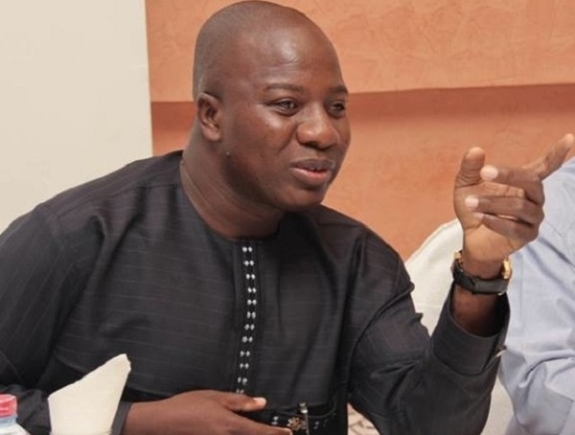
Parliament was abuzz on February 3 as Majority Leader Mahama Ayariga outlined the government’s bold vision for 2026, declaring it a pivotal year for national progress. In his address, Mr. Ayariga painted a picture of transformation, with sweeping social and infrastructure initiatives that promise to translate recent economic gains into tangible improvements for ordinary Ghanaians. Central to the government’s plan is a renewed focus on education. Mr. Ayariga announced that work would resume on 30 Community Day Senior High Schools left unfinished in previous years. But that’s just the beginning. With support from the GETFund, the administration will also embark on the construction of 200 junior high schools, 200 primary schools, and 200 kindergartens across the country. The plan extends beyond mere buildings. Recognizing the importance of a nurturing learning environment, the government will invest in teachers’ accommodation, improved sanitation facilities, textbooks, and classroom furniture. These efforts, Mr. Ayariga stressed, will ensure that the benefits of growth are felt in classrooms and communities nationwide. With these far-reaching initiatives, 2026 is poised to become a turning point in Ghana’s journey toward inclusive, sustainable development. Source: Apexnewsgh.com
Minister of Energy and Green Transition Explores Stronger Ties with AFD for Ghana’s Energy Future
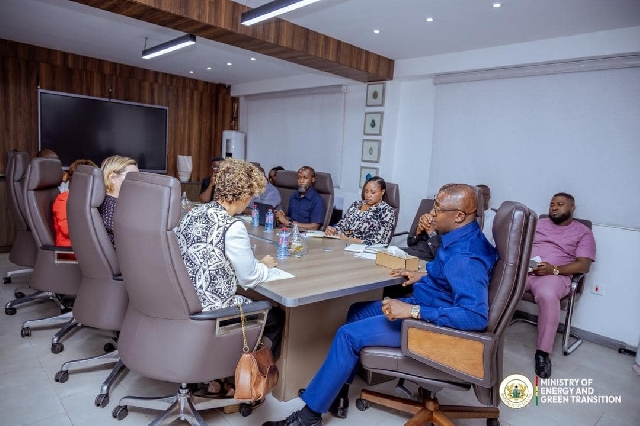
Dr. John Jinapor, Ghana’s Minister of Energy and Green Transition, recently sat down with representatives from the Agence Française de Développement (AFD) for a pivotal discussion on the future of Ghana’s energy sector. The atmosphere was one of collaboration and shared vision as both parties reflected on their partnership’s achievements and mapped out new horizons together. The meeting centered around ongoing and forthcoming projects, with a strong focus on advancing reforms and making investments that foster sustainable growth and transform the energy landscape in Ghana. Dr. Jinapor emphasized the importance of building on the momentum of current initiatives, particularly those designed to improve efficiency, broaden access to electricity, and quicken the shift towards greener, more sustainable energy solutions. Throughout the conversation, AFD was applauded for its steadfast commitment as a development partner. Over the years, AFD’s support has been instrumental in shaping Ghana’s energy infrastructure and informing critical policy decisions. Dr. Jinapor acknowledged the profound impact of this partnership, noting that AFD’s contributions have been vital in helping Ghana achieve key energy development objectives. He also highlighted the need for continued collaboration, especially as the government pursues new strategies to modernize the sector and ensure that every Ghanaian benefits from reliable, sustainable power. The meeting concluded on a hopeful note, with both Dr. Jinapor and the AFD team expressing optimism about deepening their partnership. United by a common goal, they reaffirmed their commitment to building a resilient and sustainable energy sector that aligns with Ghana’s broader development agenda. Source: Apexnewsgh.com
Attorney-General Unveils Legal Education Bill to Expand Access and Reform Training
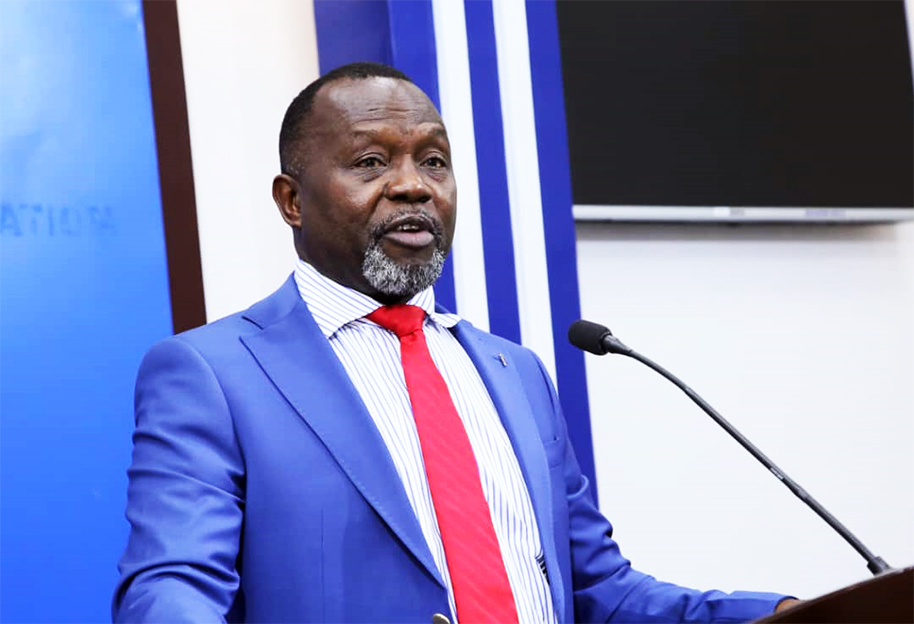
Ghana’s Attorney-General and Minister for Justice, Dr. Dominic Ayine, has outlined the sweeping reforms proposed in the Legal Education Bill, 2025, which seeks to transform the nation’s legal training landscape. If passed, the legislation will empower accredited universities to take over professional legal education from the Ghana School of Law, a move Dr. Ayine says will break down barriers and widen opportunities for aspiring lawyers. Speaking during a parliamentary debate on the bill, Dr. Ayine explained that the long-standing entrance examination for professional law training would be abolished and replaced with a new National Bar Examination. The change, he noted, is intended to create a more equitable and accessible pathway for qualified law graduates seeking entry into the profession. Dr. Ayine assured lawmakers that the reforms would uphold rigorous standards, emphasizing the introduction of a strict accreditation and monitoring regime for institutions wishing to train law graduates for the Bar. Only universities meeting clearly defined criteria would be permitted to offer professional legal training, ensuring that quality is not compromised. He stressed that the new system will not only eliminate bottlenecks but also prevent unregulated schools from producing inadequately prepared candidates. The accreditation process, he said, will guarantee that all graduates from approved universities receive education that meets or exceeds the standards required to pass the National Bar Examination and thrive as legal professionals. Source: Apexnewsgh.com
President Mahama Orders NIB Probe Into Alleged Sale of Overseas Scholarships
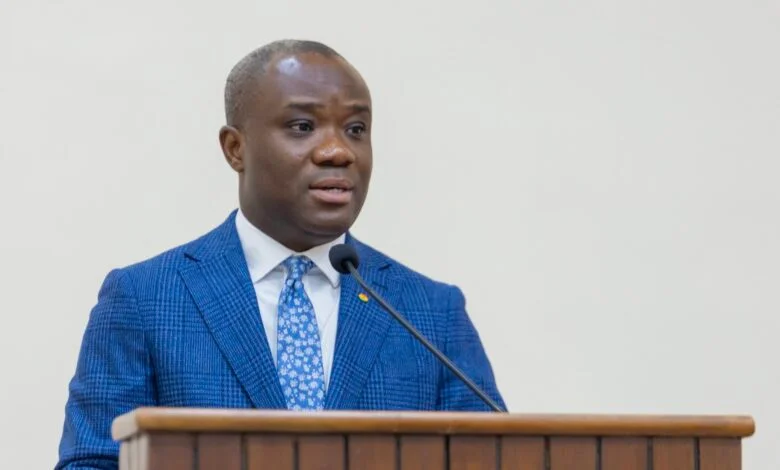
President John Dramani Mahama has ordered the National Investigation Bureau (NIB) to launch an immediate investigation into allegations of malpractice in the award of overseas scholarships, following claims made during a radio programme. In a directive dated February 3, 2026, and addressed to the NIB’s Director-General, Government Spokesperson Felix Kwakye Ofosu, MP, stated that the President’s attention was drawn to comments aired on Sompa 106.5 FM. During the Twi-language broadcast, panellist and former CEO of the National Entrepreneurship and Innovation Programme, Mr. Kofi Ofosu Nkansah, alleged that an individual had paid money to secure a scholarship to study abroad. The President described the accusation as serious and of significant public interest, especially in light of his administration’s commitment to transparency, integrity, and equitable access to education. The directive instructs the NIB to investigate the claims without delay, establish the facts, identify any individuals involved, and assess the credibility of the allegations. The Bureau has also been tasked with submitting its findings to the President for review and any subsequent action deemed necessary. The official communication was signed by Mr. Kwakye Ofosu on behalf of President Mahama. Source: Apexnewsgh.com
Government Moves to Rename Kotoka International Airport as Accra International Airport
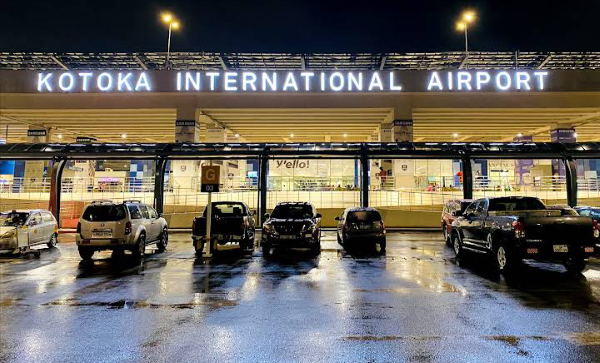
The government has unveiled plans to rename Ghana’s main aviation gateway, Kotoka International Airport (KIA), to Accra International Airport. The announcement was made by Majority Leader Mahama Ayariga during a leadership media briefing held ahead of the Ninth Parliament’s resumption on Tuesday, February 3, 2026. Ayariga revealed that the proposed name change would be formalized through legislation to be introduced in Parliament by the Minister for Transport. “We are changing the name of our airport from Kotoka International Airport to Accra International Airport. A bill will be brought by the Minister for Transport for the name to be changed,” he stated. This move follows years of advocacy by civil society organizations and members of the public who argue that the current name, which honors General Emmanuel Kwasi Kotoka, a leader in the 1966 coup that toppled Ghana’s first government, does not align with the country’s democratic ideals. Ayariga noted that the renaming is part of a broader legislative agenda for the new parliamentary session. The Minister for Transport is also expected to introduce several bills, including the Maritime Offences Bill and the Road Traffic Bill, which will address issues such as the legalization and regulation of commercial motorcycle operations, popularly known as okada, as well as the Ghana Shippers Council Regulation Bill. Parliament is set to debate the airport’s proposed name change and other transport-related legislation in the coming session, marking a significant step in Ghana’s ongoing efforts to align national symbols with contemporary values. Source: Apexnewsgh.com
Kwahu Bepong Community Grieves as JHS Student Ma’adwoa Michelle Found Dead in Suspected Suicide

Tragedy has struck the Kwahu Bepong community in the Kwahu South Municipality of the Eastern Region, where a Junior High School form two pupil, Ma’adwoa Michelle, was discovered dead in what police believe to be a case of suicide. According to family accounts, Ma’adwoa had spent the previous evening at home with her grandmother, reportedly showing no signs of distress or unusual behavior. The grandmother recalled that Ma’adwoa returned from school, completed her homework, and went to her room to change and prepare for the evening as usual. The ordinary day took a grim turn when a relative called, asking Ma’adwoa to help pack some food items. When she could not be found, family members began a search and tragically discovered her unresponsive in her room. Police were quickly called to the scene and transported the body for further examination. Investigations are ongoing to uncover the full circumstances surrounding her death. The incident has left the entire community, including her family, classmates, teachers, and residents, in deep shock and mourning. In the aftermath, authorities are urging the public to seek help and speak openly with family members, teachers, or health professionals when facing emotional or psychological difficulties, emphasizing the importance of support and communication in times of distress. Source: Apexnewsgh.com
Gabby Otchere-Darko Warns Technology Is Outpacing Media Regulation and Eroding Professionalism

Gabby Asare Otchere-Darko, the Founder and Executive Chairman of the Africa Prosperity Network (APN), has sounded an alarm over the growing challenges posed by rapid technological advances in Ghana’s media landscape. During an appearance on the Upside Down Show with Frema Adunyame on February 1, Otchere-Darko, himself a seasoned media owner, explained that the explosion of digital platforms and bloggers has dramatically changed the way information is shared, often at the expense of professionalism and effective regulation. He reflected on how the evolution of the media sector has left regulatory frameworks trailing behind technology, making it increasingly difficult to manage content without trampling on free expression. “Technology is always ahead of regulation. I think we are getting there. There is some sort of self-regulation, not with those who put out the content, but the ones who receive it,” he remarked. Otchere-Darko insisted that any move towards tighter regulation must tread carefully to avoid suppressing freedom of speech, a value he stressed must be preserved, even as its abuse is curtailed. “If you get into the area of regulation, and you are not careful, then you stifle the freedom of speech. It doesn’t mean freedom of speech means you can get away with anything,” he cautioned. He also addressed the darker side of digital media, particularly the reputational harm caused by the viral spread of unverified stories on social media. “They put things about you on social media, and others will Google your name, and your image is tarnished. When you try to correct it, it does not have the same traction, and it’s not sensational,” Otchere-Darko noted, adding that sometimes even responding to such content can exacerbate the situation. Looking to the future, he urged media owners to embrace new technologies and adapt to shifting industry practices to remain competitive, or risk being left behind altogether. Source: Apexnewsgh.com