
Fuel Prices Set for First Hike of 2026 Amid Cedi Depreciation and Global Oil Surge

After a period of steady declines in January, fuel prices in Ghana are bracing for an upward shift, with industry analysts warning of possible hikes in petrol, diesel, and LPG during the upcoming pricing window. The anticipated increases are attributed to the recent depreciation of the cedi and rising international petroleum prices, possibly putting an end to the run of price reductions seen at the start of the year. According to projections from the Chamber of Oil Marketing Companies (COMAC), petrol prices could rise by around 2.10%, diesel by 5.10%, and LPG by 1.09%. These adjustments are being driven by higher global petroleum product prices and the weakened cedi, which slipped from GHS10.90 to GHS10.98 to the US dollar, a decline of about 0.77%. Internationally, petrol prices increased by 2.12%, diesel by 6.73%, and LPG by 3.66% within the current pricing window. Crude oil prices also surged sharply in early February, jumping from $62.50 to $67.40 per barrel. At the local pumps, petrol is projected to sell at roughly GHS11.48 per litre, with diesel expected to see the biggest jump to about GHS12.77 per litre. LPG could also climb to approximately GHS13.50 per kilogram. Despite these forecasts, COMAC points out that fierce competition among oil marketing companies and ongoing market dynamics could prompt some marketers to absorb part of the increases, potentially keeping pump prices steady for consumers.
President Mahama Unveils Plans for New Wa Airport After Passage of Infrastructure Levy
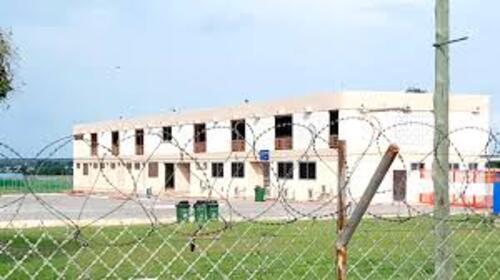
President John Dramani Mahama has announced a major boost for the Upper West Region, revealing that construction of a brand new airport for Wa will soon begin. The announcement follows the recent passage of the Airport Infrastructure Levy Bill by Parliament, a move set to transform the aviation landscape across Ghana. Speaking at the launch of the SheaPark Resource Hub Project in Wa, President Mahama explained that the newly established levy, which applies to both domestic and international air tickets, including African and ECOWAS regional flights, will feed into a special fund dedicated to airport development nationwide. “Now that money is going to go into a fund. And that fund is going to be used to develop the airports around the country,” he said. The President assured residents that the Upper West Region would be among the first to benefit, emphasizing that the planned new airport would fully replace the current facility. “And I’m pleased to announce to you that Wa is going to be a beneficiary of this fund with the construction of a new airport, not the old airport,” he declared. President Mahama highlighted the limitations of the current site, noting that its location and design are no longer fit for modern aviation needs. “As you yourselves can see, the road was diverted around the runway. And so, the Airport Company has decided on a site that was allocated years ago,” he explained. He also revealed that a team from the Ghana Airports Company Limited had recently visited Wa to assess the new location ahead of construction. “Staff of the Ghana Airport Company were in Wa to inspect the site for the construction of the new airport,” the President shared. The ambitious project is expected to significantly enhance air connectivity, stimulate economic growth in the Upper West Region, and improve access to Wa as part of the government’s wider infrastructure drive. Source: Apexnewsgh.com
Disunity is NPP’s “Slow Poison,” Afenyo-Markin Warns, Urges United Front for 2028 Victory
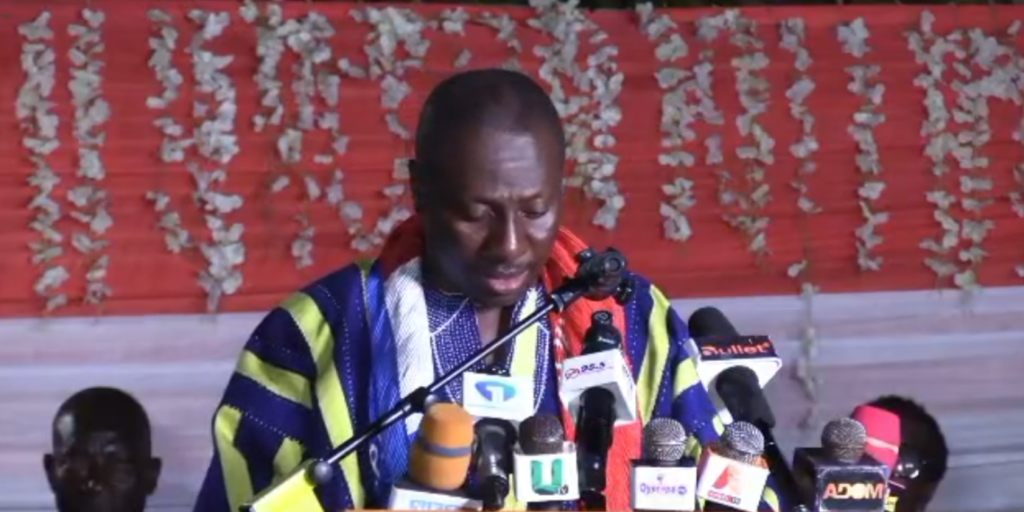
The Minority Leader and Effutu MP, Alexander Afenyo-Markin, has issued a stark warning to members of the New Patriotic Party (NPP): internal division is a “slow poison” that has repeatedly cost the party dearly at the polls. His admonition came during a convention of key NPP stakeholders in the Effutu Constituency, following the party’s flagbearer contest. Afenyo-Markin told party faithful that disunity has been the common thread in every major electoral defeat the party has suffered, regardless of how popular its policies or leaders have been. He called on all members to rally behind the newly-elected flagbearer, Dr Mahamudu Bawumia, and to put aside differences for the sake of victory in the 2028 general elections. He urged delegates to embrace a unified purpose, message, and vision, stressing that the party’s agenda must be carried to the grassroots with a single voice. Afenyo-Markin warned against a repeat of the 2024 elections, when so-called “skirt and blouse” voting, where members split their ballots between presidential and parliamentary candidates, contributed to the NPP’s defeat. “History has taught us harsh but clear lessons about disunity,” he remarked, recounting the party’s electoral setbacks in 1979, 1992, 1996, 2008, and 2012, each time when unity faltered. He pointed to the party’s historic losses, such as the split of the Danquah-Busia tradition in 1979, which allowed the PNP under Hilla Limann to take power, and similar scenarios that led to other NPP defeats. “But look at the other side of our history, when we stood together as one and rallied behind our leader, victory stood with us,” Afenyo-Markin said, referencing the party’s successes in 2000, 2004, 2016, and 2020. He described unity as the “lifeblood” of the NPP, and disunity as its “slow poison.” He concluded with a rallying cry, urging supporters nationwide to work tirelessly for Dr Bawumia and the party, warning that failure to support the flagbearer would be a failure of the party as a whole. “We must not allow the 2024 result to repeat itself. If Dr Bawumia fails, it is we who have failed him. Let us work for the party and for our country,” he said. Source: Apexnewsgh.com
Ghana’s Customer Service Takes a Hit with D+ Rating in 2026 Index

Ghana’s reputation for warmth and hospitality suffered a serious blow as the nation’s customer service performance plunged to a D+ in the 2026 Ghana Customer Service Index (GCSI), unveiled at the British Council in Accra on Thursday, January 29. The event, hosted by Class News’ Prince Benjamin, marked the 8th edition of the annual assessment, which is spearheaded by the Institute of Customer Service Professionals (ICSP) under the leadership of renowned service expert, Yvonne Ohui MacCarthy. The latest index underscores a dramatic decline from previous years: Ghana had earned a C- in 2021, a C+ in 2022, and then climbed to B grades in 2023 and 2024, before slipping to a D+ (59%) in 2025. This year’s results, therefore, reflect mounting challenges for a country celebrated for its friendly citizens. According to McCarthy, most of the 5,308 survey respondents in 2026 were non-Ghanaians—a sign, she said, of the vital need to protect Ghana’s image through quality service and customer care. She emphasized that as customers’ income rises, so do their expectations for professionalism and trust, which she described as the ultimate measure of service. The Ghana Customer Service Index, an innovative feedback mechanism, gathers input via in-person interviews and its online platform. It reviews customer satisfaction across 11 sectors, which in 2026 were ranked as follows: Insurance, Banking, Utilities, Retail, Petroleum, Hospitality, Healthcare, Transportation, Public Institutions, E-Commerce, and Telecommunications. Data analyst and GIMPA lecturer Emmanuel Djaba, who also serves as lead consultant at Apercu Consulting, detailed the rigorous methodology behind the index. The GCSI employs a cause-and-effect model, measuring factors such as trust, competence, professionalism, ease of doing business, and customer-focused innovation, all feeding into the central customer satisfaction score and, ultimately, customer loyalty. The night concluded with an awards ceremony recognizing sector leaders for outstanding service. Honourees included Activa International, Stanbic Bank, Ghana Water Ltd, Melcom, TOTALEnergies, Aqua Safari, Family Health Hospital, Bolt, Ghana Revenue Authority (GRA), Hubtel, and MTN. Source: Apexnewsgh.com
Education Minister Announces GH¢41 Million Payment for CETAG Allowances Amid Strike
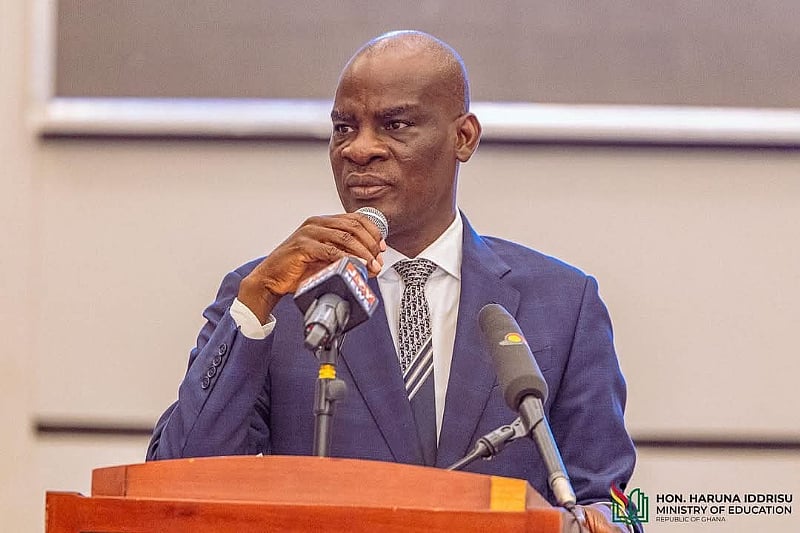
During the 14th Congregation and 96th anniversary celebration of St John Bosco’s College of Education in Navrongo, Upper East Region, the Minister of Education, Haruna Iddrisu, delivered a message of assurance to the teaching community. He revealed that the government is on the verge of releasing GH¢41 million to settle book and research allowances owed to members of the Colleges of Education Teachers Association of Ghana (CETAG) for the 2023/2024 academic year. The announcement comes in the wake of CETAG’s indefinite strike, which began on November 24, 2025. The association has been demanding the enforcement of an arbitral award granted by the National Labour Commission (NLC) in May 2023. Minister Iddrisu explained that arrangements for the payment are at an advanced stage, with the Ministry of Finance finalizing the disbursement process. The funds, he said, are currently being processed through the Controller and Accountant-General’s Department and will soon be transferred to the beneficiaries. Expressing confidence that the payments would be made within days, the Minister urged CETAG leaders to suspend the ongoing strike and allow academic activities to resume in colleges of education across the country. He emphasized that the government expects normal teaching and learning to recommence by February 9, 2026. Mr. Iddrisu appealed to the striking tutors, highlighting the negative impact the industrial action has had on students and the need for a stable academic environment. He pointed out that the government has demonstrated its commitment by settling previous years’ arrears and encouraged continuous dialogue to resolve outstanding issues. Reaffirming the government’s dedication to education workers, the Minister stressed that cooperation and the timely fulfilment of obligations are key to maintaining stability and progress within the sector. Source: Apexnewsgh.com
NDC Chairman Pledges End to Protocol Recruitment in Security Services and State Institutions
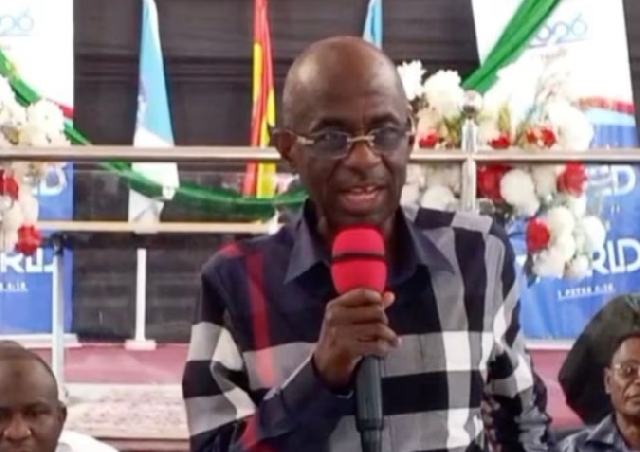
On the bustling fourth day of the National Democratic Congress’s (NDC) “Thank You Tour” in the Western Region, National Chairman Johnson Asiedu Nketiah delivered a major policy announcement that drew cheers from supporters in Sekondi-Takoradi. Addressing party faithful after the NDC’s victory in the 2024 general elections, Mr. Asiedu Nketiah declared the party’s intention to abolish protocol arrangements in the recruitment of personnel into the security services and other public institutions. Speaking as the tour made its way through Effia, Kwesimintsim, Takoradi, and Sekondi constituencies, the NDC Chairman emphasized the need for discipline and dedication at the grassroots. He urged delegates to prioritize commitment and results when selecting constituency executives, insisting that only those who genuinely worked for the party’s success should be retained in leadership positions. Turning to public sector recruitment, Mr. Asiedu Nketiah criticized the existing protocol system, describing it as opaque and discriminatory. He argued that such arrangements unfairly benefit a privileged few and undermine meritocracy. To rectify this, he announced that under President John Dramani Mahama’s leadership, all recruitment processes would become open and competitive, with no special allocations or political favors—including the withdrawal of recruitment quotas currently reserved for Members of Parliament. Mr. Asiedu Nketiah explained that this move was part of a broader vision to ensure fairness and equal opportunity in public sector employment. He reassured supporters that only merit and qualification would determine access to jobs in state institutions in the future. The NDC Chairman’s visit also featured an engagement with traditional leaders, including a heartfelt appeal from the Chief of Takoradi, Nana Obo Kojo Atta IV. The chief urged the swift completion of the long-delayed Takoradi Market Circle redevelopment, highlighting the hardship experienced by traders, particularly women displaced from Jubilee Park. The call underscored the ongoing challenges facing local communities and the importance of responsive leadership as the NDC moves forward in government. Source: Apexnewsgh.com
President Mahama Celebrates Brother’s Hard-Earned Success at UMaT Honorary Doctorate Ceremony
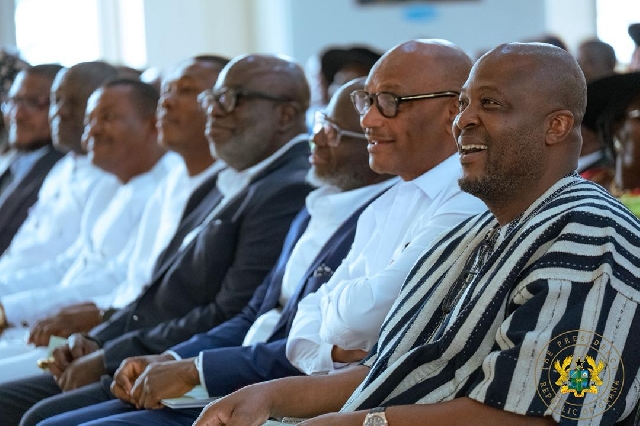
At the 18th Special Congregation of the University of Mines and Technology (UMaT) in Tarkwa on January 31, 2026, President John Dramani Mahama offered heartfelt remarks as his younger brother, Ibrahim Mahama, received an honorary doctorate for his contributions to the mining industry. Addressing the assembled guests, President Mahama took the opportunity to clarify a common misconception: his brother’s rise to success was not a product of political privilege, but of determination and enterprise. He pointed out that Ibrahim Mahama, founder of Engineers & Planners, had often faced even greater scrutiny whenever he himself was in public office. Notably, the company’s most impressive growth came during periods when he was not president—evidence, Mahama said, of its independence and resilience. Reflecting on their childhood, President Mahama recalled Ibrahim’s early curiosity for machines, a fascination that deepened while their family lived in England. This passion led Ibrahim into engineering and eventually to establish Engineers & Planners, which began as a subcontractor, often for African Mining Services, before expanding into one of the largest mining subcontractors in West Africa. President Mahama also spoke about their family’s tradition of hard work, noting that while their late father balanced politics and entrepreneurship, he and Ibrahim chose different routes. “I took the political path, and my brother took the entrepreneurial path,” he quipped, adding that his brother could “do many things better” and highlighting the vital role of enterprise in Ghana’s progress. He praised Ibrahim’s philanthropy, commitment to indigenous ownership, and his leadership in opening doors for Ghanaian companies to secure direct mining contracts. President Mahama was quick to acknowledge the guidance of mentors such as Mr. Sam Jonah, crediting their support for Ibrahim’s achievements. Addressing UMaT’s graduating class, President Mahama called on them to treat their education as both a privilege and a responsibility, and to pursue innovation, discipline, and service in their future careers. Source: Apexnewsgh.com
President Mahama Embarks on Diplomatic Mission to Dubai and Zambia
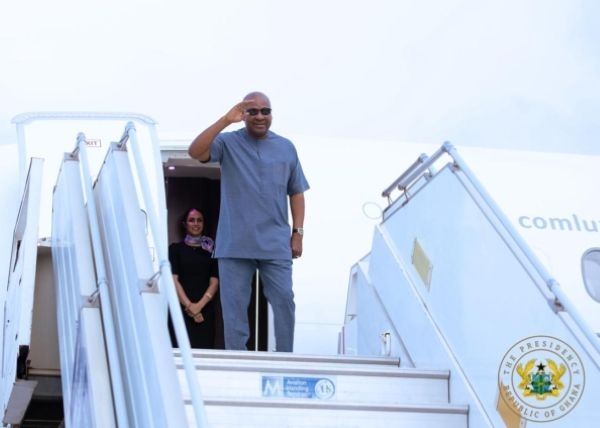
President John Mahama has boarded a special aircraft provided by the government of the United Arab Emirates (UAE), setting his sights on the vibrant city of Dubai. The President’s journey comes at the invitation of the UAE government, which welcomed him to participate in this year’s World Government Summit, a prestigious gathering where world leaders, influential policymakers, and key business executives converge to explore the future of governance, innovation, and global development. After sharing ideas and forging international connections at the summit in Dubai, President Mahama’s diplomatic mission will continue. He is scheduled to travel to Zambia for a three-day state visit, answering the call of President Hakainde Hichilema. The visit promises to deepen ties and foster collaboration between the two nations. Source: Apexnewsgh.com
Alagumgube Founder Urges Ban on Suits in Parliament
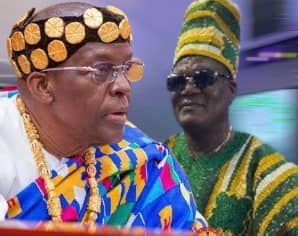
In a move stirring both nostalgia and national pride, Mr. Gabriel Agambila, founder of the cultural advocacy group Alagumgube, has issued a heartfelt plea to President John Dramani Mahama and Speaker of Parliament Alban Bagbin: ban the wearing of suits during parliamentary sessions. Mr. Agambila’s appeal, delivered with passion and conviction, drew attention to the economic and cultural implications of the current parliamentary dress code. He argued that imported suits, often seen as symbols of status, do little to support Ghana’s local industries. “Every cedi spent on a suit is a cedi sent abroad,” he remarked, emphasizing that the cost of a single high-quality suit could provide a week’s worth of locally crafted smocks or Kentucky-style traditional outfits. He explained how these Ghanaian garments, not only more affordable but also rich in heritage, could be rotated throughout the week, benefiting local textile producers, tailors, and artisans. For Mr. Agambila, the shift from foreign suits to indigenous attire represents more than just a change in fashion; it’s a strategy to channel economic benefits directly back into Ghanaian communities and revitalize the nation’s textile and garment sector. But his vision extended well beyond the walls of Parliament. Mr. Agambila urged religious institutions to join the movement by declaring the last Sunday of each month as a “traditional fabric wear day,” encouraging worshippers across the country to don Ghanaian fabrics in a show of unity and cultural pride. He also encouraged both public and private institutions to mandate the wearing of local fabrics every Friday, seeing this as a powerful weekly boost for the industry and a meaningful show of support for the nation’s artisans. Education, too, featured in Mr. Agambila’s plan. He called on the Minister of Education, Haruna Iddrisu, to craft policies requiring the use of traditional or locally made fabrics as part of school uniforms or on special days, helping to instill cultural appreciation from a young age. With his passionate advocacy, Mr. Agambila is not just questioning the dominance of Western attire in Ghana’s corridors of power; he is championing a movement that celebrates Ghanaian identity and seeks to empower local industries, one smock at a time. Source: Apexnewsgh.com
Upper East Youth Demand Stronger Role in Peace and Security Governance
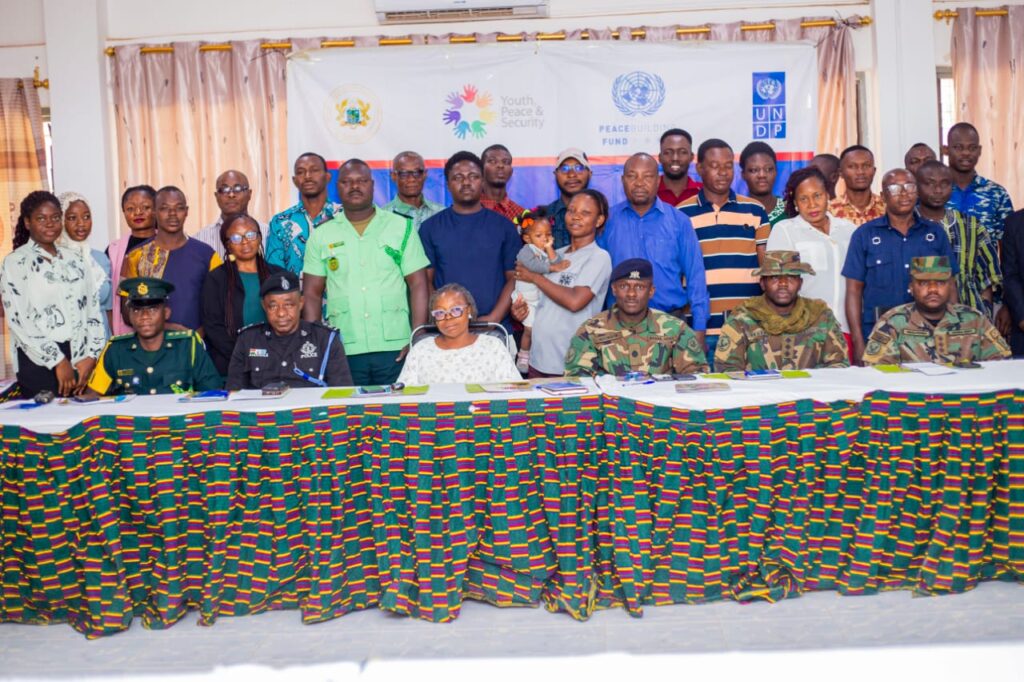
Young people in Ghana’s Upper East Region are calling for urgent, concrete measures to institutionalise youth participation in peace and security governance, as momentum builds toward the development of Ghana’s National Action Plan (NAP) on Youth, Peace and Security (YPS). Their message is clear: youth must not only be seen as beneficiaries of peacebuilding efforts but as equal partners in shaping them. This call emerged strongly during the Upper East Youth Consultation on Ghana’s National Action Plan on Youth, Peace and Security, held at the Upper East Regional House of Chiefs in Bolgatanga. The multi-sectoral forum brought together young people from across the region, alongside representatives of government institutions, security agencies, civil society organisations, and development partners, to examine the role of youth in building sustainable peace. Organised by the National Youth Authority (NYA) in collaboration with the United Nations Population Fund (UNFPA) and the United Nations Development Programme (UNDP), the consultation forms part of Ghana’s broader commitment to implementing United Nations Security Council Resolution 2250, which recognises the positive role of young people in conflict prevention and peacebuilding. It also aligns with the African Union’s Continental Framework on Youth, Peace and Security and ECOWAS regional strategies that promote youth inclusion in governance and security processes. A Platform for Youth Voices Participants engaged extensively on the five pillars of the Youth, Peace and Security framework: Participation, Protection, Prevention, Partnership, and Disengagement and Reintegration. Discussions provided a platform for young people to share their lived experiences, concerns, and practical recommendations for ensuring that peacebuilding efforts reflect the realities of communities in the Upper East Region. Throughout the engagement, youth participants stressed that while they are often at the forefront of community mobilisation and local peace initiatives, they remain largely excluded from formal decision-making spaces. They argued that sustainable peace cannot be achieved without deliberate policies that recognise young people as legitimate stakeholders in governance. A recurring theme was the need for sustained political will, adequate funding, and genuine youth partnership. Participants noted that youth inclusion must go beyond symbolic representation and translate into structured involvement in policy formulation, implementation, and monitoring. Representation Gap in Peace Structures One of the key concerns raised during the consultation was the limited representation of youth in statutory peace and security bodies. Participants observed that although young people form a significant portion of the population, their voices are often missing in critical institutions responsible for conflict resolution and national security. Several contributors called for amendments to the National Peace Council Act to make youth inclusion mandatory in peace governance structures. According to them, formalising youth representation would ensure that policies better reflect the needs and perspectives of younger generations, who are frequently at the centre of both conflict and peace efforts. The absence of youth voices in decision-making processes, they argued, has led to missed opportunities in addressing emerging threats such as political vigilantism, chieftaincy disputes, and land-related conflicts that disproportionately affect young people. Protection Concerns and Gender Dimensions The consultation also shed light on the vulnerabilities young people face, particularly young women. Participants highlighted the growing exposure of youth to violence, political manipulation, and economic exploitation. Cases of sexual and gender-based violence, especially during periods of political tension or communal disputes, were cited as major concerns. Many participants pointed to inadequate access to justice for victims of violence, calling for stronger protection systems and support services. They stressed the need for community education programmes that address harmful cultural norms, promote gender equality, and empower young women to participate safely in civic life. Youth and Conflict Prevention Discussions under the Prevention pillar focused on the role of young people in early warning systems and community peacebuilding efforts. Participants noted that youth often have first-hand knowledge of emerging tensions within their communities, yet their insights are rarely integrated into formal conflict prevention mechanisms. They advocated for stronger youth engagement in early warning networks, training in peace education, and capacity-building initiatives that equip them with the skills to mediate disputes and promote dialogue. According to participants, empowering youth with these tools would significantly reduce the risk of violence and foster long-term social cohesion. Economic Empowerment as a Peace Strategy Economic vulnerability emerged as another critical issue linked to youth involvement in conflict. Participants argued that unemployment and limited livelihood opportunities increase young people’s susceptibility to manipulation by political actors and criminal networks. To address this, the consultation recommended prioritising skills training, entrepreneurship support, and income-generating ventures as part of the national peace strategy. Economic empowerment, they noted, is not only a development issue but also a powerful tool for conflict prevention. Strengthening Partnerships The Partnership pillar underscored the importance of collaboration among government institutions, civil society organisations, traditional authorities, and youth-led groups. Participants called for improved coordination to avoid duplication of efforts and ensure efficient use of resources. They emphasised that youth-focused organisations should be treated as equal partners rather than mere implementers of externally designed programmes. Building trust between institutions and young people, they argued, is essential for the success of the National Action Plan. Reintegration and Rehabilitation Under the Disengagement and Reintegration pillar, discussions focused on supporting young people who have been involved in violent activities or political vigilantism. Participants advocated for targeted reintegration programmes that provide psychosocial support, education, and livelihood opportunities. They stressed that addressing the root causes of youth involvement in violence is crucial to preventing recidivism and promoting community healing. Commitment from Stakeholders The Upper East Regional Director of the National Youth Authority, Francis Takyi-Koranteng, assured participants that the outcomes of the consultation would inform the final National Action Plan. He emphasised that youth-driven recommendations would play a vital role in strengthening peace and security governance across the country. On his part, a representative of the United Nations Development Programme, Mr. Hamza, revealed that the project being implemented in the Upper East, Upper West, and North East Regions is funded by the Peacebuilding Fund. He reaffirmed the UN’s commitment to supporting Ghana’s efforts to empower young people as agents of peace.