
Stan Dogbe Clarifies La Beach Demolition Was Not Part of Flood Mitigation Plan
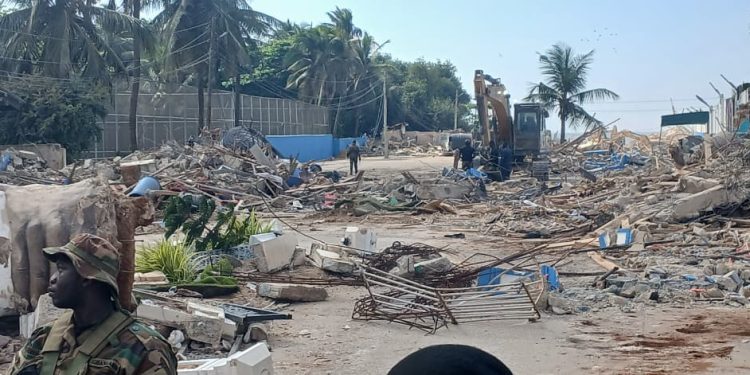
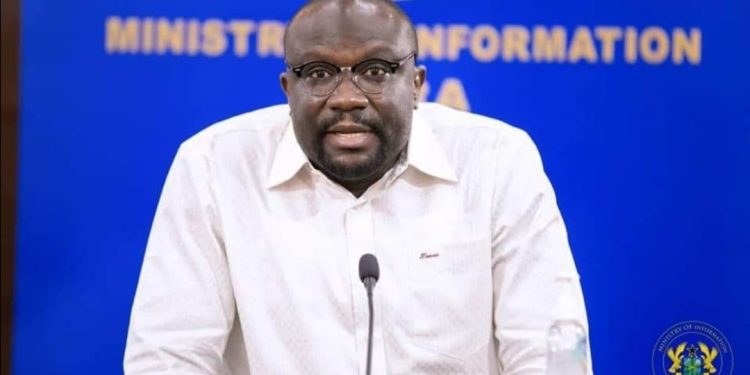
On a Friday morning along Accra’s iconic La Beach, the sound of demolition echoed across the coastline. Vendors and business owners watched as bulldozers, under the watchful eye of military personnel from the 48 Engineer Regiment and the Ghana Police Service, dismantled structures including the La Pleasure Beach and the Polo Beach Club, both nestled near the renowned Labadi Beach Hotel. News of the demolition quickly spread, with many assuming it was part of the government’s ongoing flood mitigation efforts. But Stan Dogbe, Deputy Chief of Staff in charge of Operations, stepped forward to set the record straight. In a Facebook post on Friday, October 2, Mr. Dogbe explained that the operation had no connection to the government’s flood mitigation task force. “Let’s not get it twisted,” he wrote. “Friday’s action along a section of the beachfront was not a Flood Mitigation Action by the government task force.” According to Mr. Dogbe, the government’s flood mitigation activities are currently focused elsewhere – at the Kpeshie Lagoon, East Legon Boundary Road, Oyarifa, and behind Mayfair Estates. The beachfront operation, he revealed, was instead done at the request of the Labadi Beach Hotel, with National Security overseeing the exercise. “These are structures, some permanently built, like the Polo Beach Club and others, on the beach in front of the hotel,” Mr. Dogbe clarified. “According to the business, these structures are adversely affecting the safety, tranquillity, and reputation of the hotel, diminishing the visitor experience and undermining the orderly management of one of Ghana’s most important tourism destinations.” While the hotel is expected to provide further details about its decision, Mr. Dogbe raised broader concerns about sanitation and security along the beach. He argued that unauthorised and unregulated commercial activities posed serious sanitation issues and security risks. Having reviewed drone footage and videos of the beachfront, Mr. Dogbe posed a question to the public: “Is the Labadi Beach Hotel not right in reclaiming its beachfront (I am not talking about the La Pleasure Beach, please)?” As the dust settled on the La Beach demolition, Stan Dogbe’s clarification sought to refocus the narrative, reminding the public that this was not about flood prevention, but rather, about restoring order and protecting one of Ghana’s cherished tourism destinations. Source: Apexnewsgh.com
Historic Gathering Awaits as 7,163 Delegates Prepare for NPP National Congress in Kumasi
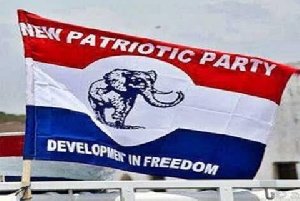
On Saturday, October 3, 2026, the vibrant city of Kumasi will become the epicenter of Ghanaian politics as 7,163 delegates from every corner of the nation converge on the Baba Yara Sports Stadium. These delegates, representing the heart and soul of the New Patriotic Party (NPP), will participate in a much-anticipated National Delegates Congress and Officers’ elections, a gathering that promises to shape the party’s future. The congress, meticulously planned to unfold in two distinct parts, is not just about electing new national officers. Delegates will also turn their attention to a slate of proposed amendments to the party’s constitution. According to sources from Apexnewsgh, fewer than 20 amendments are expected to be considered. Some proposals are remnants from the last constitutional amendment session held in Accra in January 2026, while others are new, arising from ongoing reflections on the party’s direction. One of the most pivotal proposals centers on the role of the party’s leader. In January, the NPP introduced a clause making the National Chairman the party leader at all times. But after further debate, a new amendment is on the table: to designate the party’s flagbearer as the true leader. This shift reflects an evolving understanding of leadership within the party. Another significant amendment concerns how Vice Chairpersons are elected. Currently, all candidates vie for the National First Vice Chairman slot, with the top three finishers becoming the First, Second, and Third Vice Chairpersons in order of the votes they receive. The new proposal would see candidates apply for, and contest, specific Vice Chairperson positions, making the process more targeted. Additionally, three Vice Chairpersons would be appointed rather than elected, a move aimed at diversifying party leadership. Other notable amendments include proposals to formalize the appointment of Deputy Communications Officers and to elevate the IT Officer role to full executive status. Drawing on lessons from the Legon conference, the Chairperson of the Constitutional Amendment Committee is expected to present each motion, with delegates casting their votes by voice. But the heart of the congress will be the election of national executives. With 7,163 delegates casting their ballots, the stakes are high. The Ashanti Region will send the largest contingent, 1,122 delegates, followed by Greater Accra and Eastern with 773 and 732 delegates, respectively. At the other end of the spectrum, the Savannah Region will be represented by just 184 delegates, while Western North will have 223. Delegates will also choose key party organisers: 2,745 will vote in the Youth Organiser race, 1,275 in the Women’s Organiser race, and 858 in the NASARA Organiser race. Each vote, each amendment, and each decision will help chart the course for the NPP as it prepares for the challenges and opportunities ahead. Source: Apexnewsgh.com
Upper East Teacher Unions Vow to Sustain Strike Until Demands Are Met
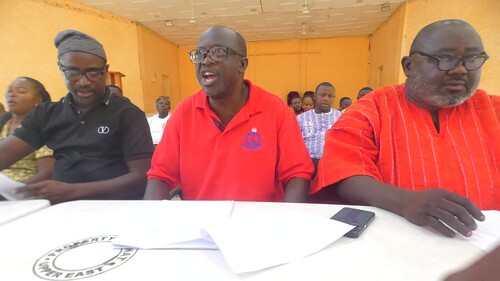
The Upper East Regional leadership of three teacher unions has reaffirmed its support for the ongoing nationwide strike, insisting that teachers will not return to the classroom until outstanding concerns affecting their welfare are addressed. The position was made known at a joint press conference in Bolgatanga addressed by the Upper East Regional Secretary of the Ghana National Association of Teachers (GNAT), Lare Kitonname; the Regional Chairman of the Pre-Tertiary Teachers Union of Ghana (PRETAG), Richard Sunday Yinbil; and the Regional Chairman of the National Association of Graduate Teachers (NAGRAT), John Akunzebe. The union leaders said the industrial action was triggered by several unresolved issues that have created frustration and growing anger among teachers across the country. According to the unions, one of the major concerns is the failure of the authorities to automatically place newly promoted teachers on their appropriate salary scales.They said an agreement reached between the Ministry of Education, the Ghana Education Service (GES), the Controller and Accountant-General’s Department, and the leadership of the teacher unions has not been fully implemented. The unions further complained about the failure to automatically place two cohorts of teachers who successfully passed the aptitude tests conducted in December 2025 and February 2026 on their respective salary scales, with Responsibility, Experience and Service (RES) effective from January 2026. They said the situation had heightened tension among their members. The teacher unions also raised concerns over the failure to implement the deprived area allowance for teachers working in underserved and hard-to-reach communities. They referenced Section 17.2 of the 2024 Collective Agreement, which provides for a review of the deprived area report by the Ministry of Education and the Ghana Education Service, followed by negotiations between the unions and the Fair Wages and Salaries Commission on the applicable allowance. The unions said the required process had not been completed. They described the situation as a disregard for a 2024 ruling by the National Labour Commission and said it also conflicted with a directive attributed to President John Dramani Mahama for teachers working in deprived and hard-to-reach communities to receive a 20 percent allowance on their basic salaries as an incentive to remain in such areas. Another major concern, the unions said, is the delay in negotiating a new collective agreement for teachers. They explained that the existing collective agreement has expired, while negotiations for a new agreement, which they expected to have been concluded by June 2026, remain outstanding. According to them, several engagements with the Fair Wages and Salaries Commission have failed to resolve the matter. The union leaders said the continued delay had become a major source of concern for teachers. The Upper East regional branches of GNAT, PRETAG and NAGRAT therefore declared their full support for the continuation of the industrial action. They maintained that teachers in the region would continue to stand with the national leadership of the unions until their concerns were addressed. The regional leadership stressed that the strike would only be called off when the outstanding demands of teachers were satisfactorily resolved, paving the way for members to return to the classroom. Source: Apexnewsgh.com
Ghana’s Bold Vision: Ablakwa Charts a New Path to Resource Sovereignty by 2030
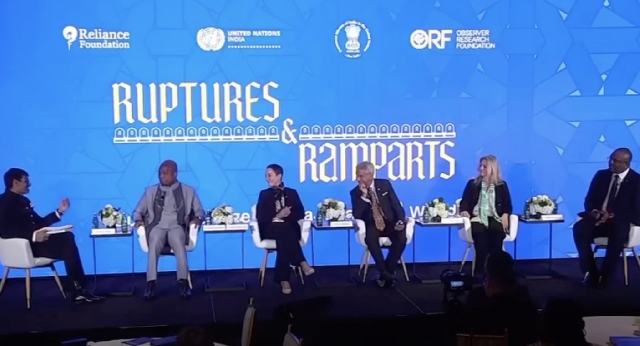
At a high-profile panel discussion at Ruptures and Ramparts, Foreign Affairs Minister Samuel Okudzeto Ablakwa painted a bold new vision for Ghana’s future. With passion and conviction, he declared that by 2030, Ghana would cease entirely the export of raw materials, a transformative step toward adding value to its rich natural resources and achieving true resource sovereignty. Mr. Ablakwa’s message was clear: it is time for Ghana, and indeed Africa, to look within. “With all your gold, your diamond, your bauxite, your cocoa. Waiting for what? Friends? What kind of friendship is that? Look within. Be resilient. Come up with homegrown solutions. Negotiate better, add value,” he urged. For decades, he lamented, Ghana’s wealth had been siphoned abroad through agreements that left the country with only a small share of the returns. In the gold sector, he noted, Ghana retains just 10% of the value, while the rest flows elsewhere. Oil and gas, discovered nearly two decades ago, brings only a modest 15% return. But change is on the horizon. The government, Ablakwa announced, is now renegotiating all upcoming leases under a new, tougher framework. “We have said that all leases coming up for renegotiation will not follow the same old template,” he emphasized, signaling a break from the past. Technology, too, plays a pivotal role in Ghana’s new approach. With advances like artificial intelligence and generative tools, he said, countries can now build their own internal capacity, ensuring that natural resources finally benefit the people. While acknowledging nostalgia for an older order of trust and international camaraderie, Ablakwa insisted that the new era offers Africans an unprecedented opportunity. “Smart leaders must take advantage and create new wealth for Africans. That’s how we see it.” With 2030 on the horizon, Ghana’s story is shifting, from exporter of raw materials to a nation determined to control its destiny and build prosperity from within. Source: Apexnewsgh.com
Minority in Parliament Demands Full Disclosure on Narcotics Seizures and Prosecutions After Major Cocaine Bust
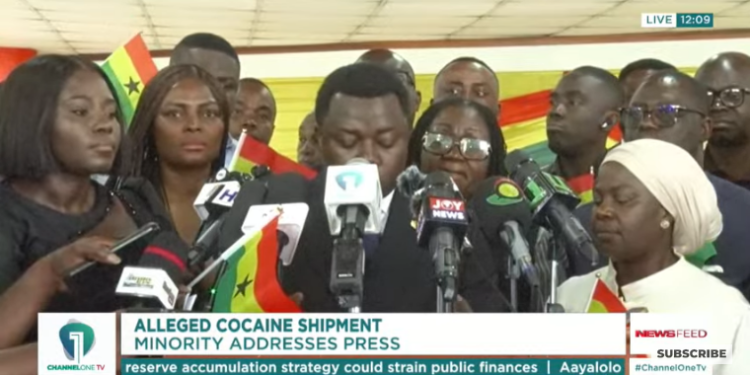
The Minority in Parliament has called for the immediate publication of comprehensive and verifiable data on narcotics seizures, arrests, and prosecutions in Ghana since January 2025. The demand comes on the heels of a major international incident: the seizure of nearly 3.9 tonnes of cocaine at France’s Port of Dunkirk from a container reportedly shipped from Ghana. Speaking ahead of Parliament’s emergency sitting on Tuesday, September 29, Rev. John Ntim Fordjour, representing the Minority, urged the executive branch to release real-time, primary-sourced information on all narcotics-related law enforcement activities. “We no longer want to learn about the state of our borders from foreign customs officers,” Rev. Fordjour stated. He emphasized that Parliament’s role must include scrutinizing institutional and systemic weaknesses, as well as investigating any possible complicity of state agencies. “Parliament is not a spectator in this matter,” he said. “The Constitution gives it the power to appoint committees, to summon and to demand answers.” Rev. Fordjour noted that any parliamentary committee formed would be empowered to compel witnesses, request documents, and conduct public proceedings unless national security dictated otherwise. The Minority stressed that the fight against narcotics should transcend party politics. “The trafficker does not check party cards. The young person destroyed by addiction does not ask which side of the House his member sits on,” Rev. Fordjour remarked, urging bipartisan cooperation. He called on the government to make all relevant data publicly accessible, arguing that transparency would provide Ghanaians with a clearer understanding of the country’s enforcement efforts and challenges surrounding narcotics control. Source: Apexnewsgh.com
Mahama’s “Crocodile Skin”: How Insults Can’t Break a President
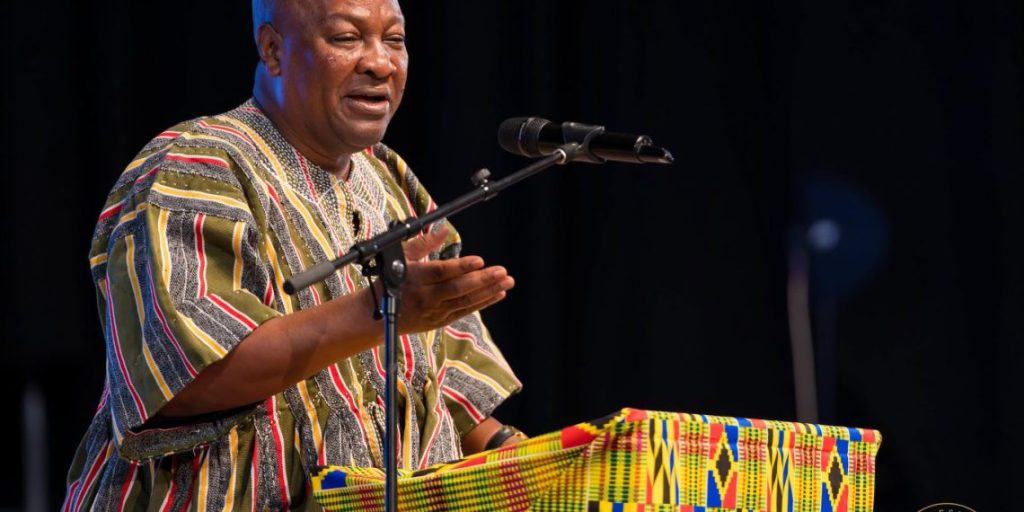
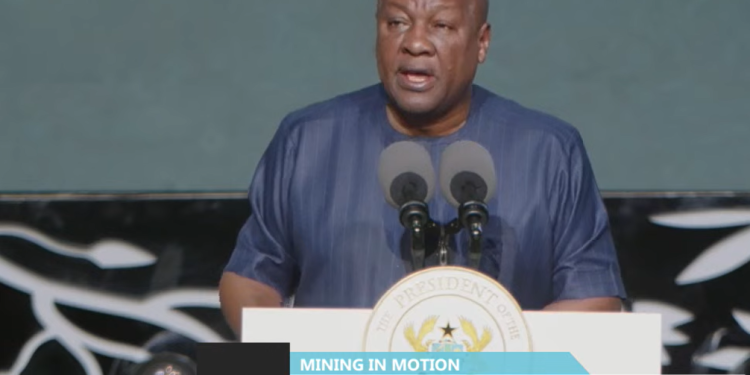
At a recent event, former President John Dramani Mahama stood before a crowd, unfazed by the harsh words often flung his way. With a smile, he described his resilience, joking, “This skin is crocodile skin.” The audience erupted in applause, clearly moved by his candor. Mahama, reflecting on his years in office and the scrutiny that came with it, said he had been insulted, vilified, and even voted out. Yet none of it, he insisted, could shake his commitment to his country: “I don’t mind the insults. I am focused on doing what is right for Ghana and Africa.” The conversation then turned to the world of TikTok and new media. Mahama acknowledged the power, and problems, of online speech. He had no issue with critics who showed their faces and owned their words, but he worried about those who hid behind anonymity to spread hate. He called on groups like the Ghana Journalists Association and the Media Foundation for West Africa to gather stakeholders and chart a way forward: “Let’s all collectively take a decision on what we want to do with the new media.” Mahama warned, however, that regulating online expression was a delicate matter. He urged caution, saying, “Sometimes the police can go to the extreme, and you never know where to stop once you start arresting.” It was time, he argued, for Ghana to decide: regulate online speech, or let the principle of free expression stand. His remarks echoed an earlier chapter in his political journey. In 2015, in the face of strikes and demonstrations, Mahama had famously declared he had developed “dead goat syndrome”, immune to threats and criticism. That phrase, born of frustration during mass labour unrest, became a symbol of his thick skin. Through it all, Mahama’s message remained clear: insults would not deter him. His focus, he said, would always be on serving Ghana and Africa, crocodile skin and all. Source: Apexnewsgh.com
NACOC Declares Frank Danquah Wanted Amid Heightened Narcotics Scrutiny
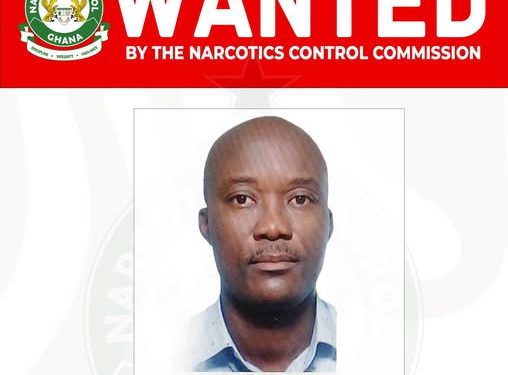
The Narcotics Control Commission (NACOC) has officially declared Frank Danquah, born September 11, 1978, a wanted man in connection with suspected narcotics-related offenses. The announcement, made public on September 22, 2026, comes as authorities intensify efforts to clamp down on drug trafficking across Ghana. In its public notice, NACOC appealed to citizens for help in locating Mr. Danquah, encouraging anyone with information about his whereabouts to reach out via the Commission’s toll-free hotline, 0800 307 307. While details about the specific offenses remain undisclosed, NACOC’s wanted-persons page notes that individuals on the list are typically sought under the Narcotics Control Commission Act, 2020 (Act 1019), a law covering importation, exportation, possession, and prohibited business involving narcotics. This latest development comes at a time when Ghana’s narcotics-control systems are under increased public scrutiny. Earlier this month, authorities began investigating the interception of approximately 3.9 tonnes of suspected cocaine shipped from Ghana to France. Six individuals have already been remanded in connection with the case, after prosecutors revealed that containers released from Tema Port for export had shown suspicious scan images. NACOC has not linked Frank Danquah to the France cocaine case in its notice. However, the timing of the wanted declaration underscores the broader efforts underway to strengthen enforcement and accountability within Ghana’s fight against illegal drugs. As the search for Frank Danquah intensifies, NACOC urges the public to assist in ensuring that those involved in narcotics offenses are brought to justice. Source: Apexnewsgh.com
GRA Launches VAT Compliance Drive, Targets 30% Gap by 2028
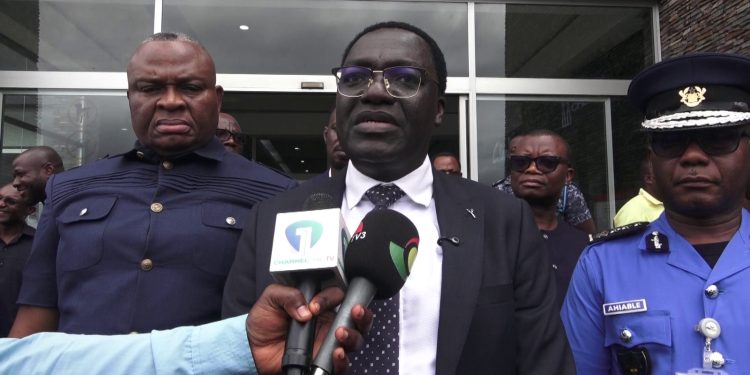
The Ghana Revenue Authority (GRA) has set an ambitious goal: to cut the country’s Value Added Tax (VAT) gap in half by the end of 2028. Currently, Ghana’s VAT gap, representing the difference between expected and actual VAT collections, stands at 60%. The GRA aims to reduce this to around 30% within the next four years. Dr. Martin Kolbil Yamborigya, Commissioner for the Domestic Tax Revenue Division, announced the new target during the launch of the GRA’s VAT Compliance Campaign. Speaking to journalists after visiting shops at the Accra Mall to assess adherence to VAT requirements, Dr. Yamborigya outlined the Authority’s VAT Strategic Plan. “According to our VAT strategic plan, we are hoping that between now and the end of 2028 we should be able to close this gap from the current 60% to about 30%,” he said. Achieving this, he explained, will require a significant increase in VAT collections and a commitment to broader compliance from both businesses and individuals. “That means that at least we should be able to collect 30% more in addition to what we are currently collecting,” he added. The GRA’s long-term objective, Dr. Yamborigya emphasized, is to foster a culture of consistent compliance, rather than relying solely on enforcement. “In the long run we expect every Ghanaian to comply so that the tax will be collected,” he stated. The Commissioner was quick to assure businesses that the ongoing VAT Compliance Campaign is focused on education, not intimidation. “This campaign is not meant to harass businesses and we don’t also intend to disadvantage any business,” he said. During compliance visits to the Accra Mall, officials discovered that some businesses were not consistently issuing VAT invoices. Rather than taking immediate punitive action, the GRA engaged with these businesses, encouraging them to improve their invoicing practices. “We realized that they were not religiously issuing VAT invoices and we only encourage them to make sure they do the right thing,” Dr. Yamborigya explained. “If we were not to show human face, we probably would have called for their arrest immediately,” he added, underscoring the Authority’s preference for education and engagement over punishment, unless non-compliance is shown to be deliberate. “We are going to be more engaging, we are going to be more educative. But where we find out that the non-compliance is deliberate, that’s what we apply.” Through this approach, Dr. Yamborigya said, the GRA is working to ensure that taxpayers understand their obligations and are given every opportunity to comply. “So we continue to show human face by ensuring that people know and understand their tax obligations and comply,” he concluded. With education at the forefront and enforcement as a last resort, the GRA hopes to boost compliance and close the VAT gap, strengthening Ghana’s revenue base for the future. Source: Apexnewsgh.com
High Court Adjourns Bail Hearing of Salomey Baffoe in Ghana Jollof False Information Case

High Court in Accra has adjourned the bail application hearing of Salomey Baffoe, accused of abetting social media personality Ghana Jollof in the publication of false information. The hearing, originally scheduled for earlier this week, will now take place on September 24, following a request from the prosecution for more time to respond. During the proceedings, Assistant State Attorney Carl Afedzi Forson explained to the court that he was not the main attorney on the case and that the Attorney-General’s office had only received the bail application on Friday. With Monday being a public holiday, the application had not yet been assigned to a lawyer, prompting the prosecution to seek a short adjournment. However, Salomey Baffoe’s counsel, Nana Agyei Baffour Awuah, opposed the request, arguing that matters involving a person’s liberty should not be subjected to the same procedural delays as civil cases. He pointed out that there was proof of service and that the State had not indicated any issue with short service. He further stressed that bail applications could be heard over weekends, and that further delay could see Baffoe spending nearly two weeks in custody before her bail application was even heard. The court acknowledged the seriousness of the liberty at stake and cautioned the prosecution against taking the matter lightly. Ultimately, the case was adjourned to September 24, with the court directing the Republic to file and serve any processes it intended to rely on by 9:00 a.m. on the day of the hearing. The story continues to unfold as both sides prepare for the next appearance, with the issue of timely justice and due process at the forefront. Source: Apexnewsgh.com
Alexis Ayamdor Joins NDC Upper East Regional Secretary Race
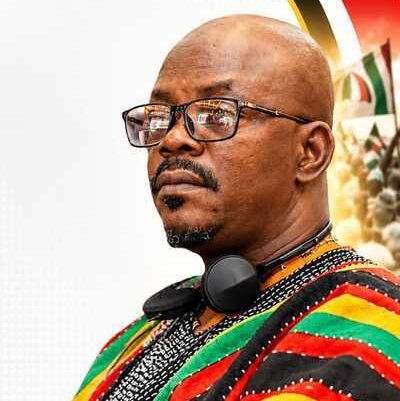
The race for the position of Regional Secretary of the National Democratic Congress (NDC) in the Upper East Region is gathering momentum following the declaration of intent by Hon. Alexis Adugdaa Ayamdor to contest the position. In a statement addressed to the NDC family and media houses, Mr. Ayamdor said his decision was reached after what he described as “careful reflection and extensive consultations.” He said he was offering himself to serve the party at the regional level, with a focus on strengthening its organisational structures and preparing it for future political contests. His campaign agenda centres on unity, organisation, discipline, accountability, effective communication, innovation and grassroots mobilisation. Mr. Ayamdor brings to the contest more than two decades of experience in governance, education, international development, project management, administration and community mobilisation. His professional career includes serving as District Chief Executive of the Bongo District Assembly, Programme Management Specialist and Northern Sector Office Coordinator for USAID, Programme Officer with Catholic Relief Services (CRS), Programme Facilitator under the IBIS Public Participation in Local Governance project, and Community Empowerment Programme Officer with TRAX-Ghana. He also served as an ECOWAS Parliament and Commission Intern and previously worked as a pupil-teacher in Bongo. He is currently an Industrial Liaison Officer at Bolgatanga Technical University. Beyond his professional career, Mr. Ayamdor is drawing attention to his longstanding involvement in grassroots politics within the NDC. According to his declaration, his political experience includes serving as a Unit Committee Member, elected Assembly Member, Presiding Member, Branch Secretary and Constituency Campaign Team Member. He also served on the Bongo Constituency Fundraising Committee for the 2024 elections. Mr. Ayamdor is currently the Regional Team-Lead of the Former MMDCEs Forum and serves as Secretary to the Constituency Council of Elders in Bongo. If given the opportunity to serve as Regional Secretary, Mr. Ayamdor says he will prioritise strengthening party structures, improving internal communication and coordination, deepening grassroots mobilisation and promoting accountability within the party. He has also identified greater participation of women and young people in party activities, election preparedness and effective party administration as key areas of focus. Mr. Ayamdor describes himself as a team player, listener, organiser and servant-leader. He says he intends to work closely with regional and constituency executives, branch executives, elected representatives, former leaders, cadres, women, youth and the wider membership of the party. His declaration adds a new dimension to the emerging contest for the NDC Upper East Regional Secretary position, with party organisation, grassroots mobilisation, internal coordination and election preparedness expected to feature prominently in the discussions ahead of the internal election. Mr. Ayamdor is therefore appealing to members of the NDC in the Upper East Region to support his candidature as he seeks to bring his experience, organisational skills and proposed agenda into the party’s conversation about its future direction in the region. Source: Apexnewsgh.com