


Presbyterian Moderator Urges Political Will and Unity to End Galamsey
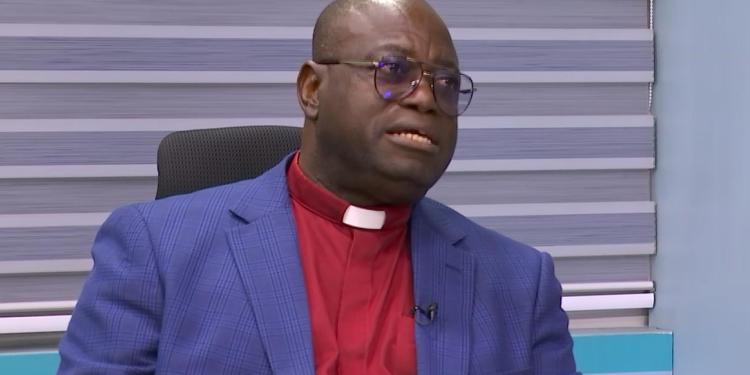
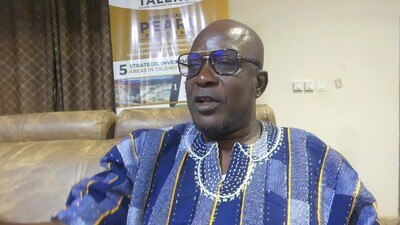
The Moderator of the Presbyterian Church of Ghana, Rt. Rev. Dr Abraham Nana Opare Kwakye, has called on the government to show decisive political will to end illegal mining, known as galamsey, which continues to devastate communities and pollute water bodies across the country. In an interview with Bernard Avle on Channel One TV’s The Point of View, Rt. Rev. Dr Kwakye stressed that the government possesses both the authority and capacity to eradicate galamsey, but must act with determination. “Government has the political power. It also has the might to crush galamsey. If government wants to crush galamsey, government is able to,” he stated. Highlighting the environmental and economic toll of illegal mining, he pointed out that vast sums are spent on water treatment due to pollution, while mining communities are left in ruins. “The communities where mining is taking place are getting destroyed. And our waters are polluted. And we spend huge amounts of money to treat water,” he noted. The Presbyterian Church, he explained, has long raised concerns about galamsey and continues to use its platform for advocacy. This year, the Church’s annual symposium was moved to Tarkwa, a mining hub, to give participants firsthand experience of the effects of illegal mining. The event was followed by the National Red Sunday campaign, which further spotlighted the crisis. Rt. Rev. Dr. Kwakye called on all Ghanaians to unite in the fight against galamsey, warning that its consequences stretch far beyond mining communities. “We sit in Accra, there’s no galamsey going on here, but we are all reaping from what is happening in these places,” he said. He urged a bipartisan, non-partisan approach to the problem, insisting that environmental damage does not respect political affiliations. “The water that is polluted does not ask whether your lips are NDC or New Patriotic Party. They don’t seek your partisan colours,” he remarked. Addressing calls for a state of emergency, Rt. Rev. Dr. Kwakye said he prioritises tangible results over declarations, emphasising the need for effective enforcement and real environmental restoration. “I want results, not just a state of emergency… What we are seeking is for this nation to do what is right. And for this nation to be united. And that is why we are asking for a bipartisan approach. It’s important that we save ourselves,” he concluded. Source: Apexnewsgh.com
Mahama Backs Bawku Revitalisation Committee to Lead Area’s Recovery
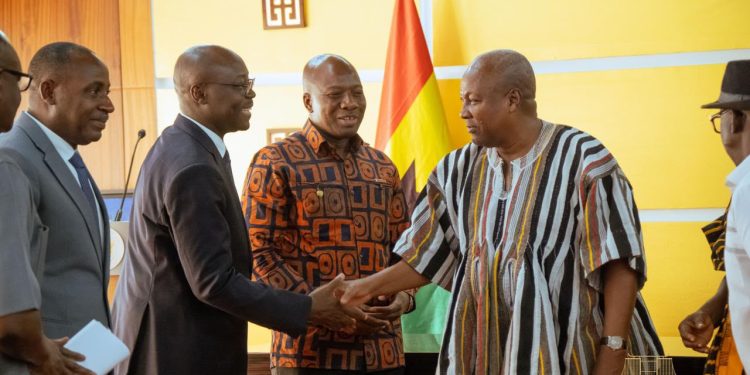
President John Dramani Mahama has voiced strong confidence in the newly inaugurated Bawku Revitalisation Committee, tasking its five members with spearheading the recovery and redevelopment of the conflict-affected Bawku area. The committee’s mandate is to accelerate infrastructure rebuilding and foster economic renewal, paving the way for residents to restore their livelihoods after years of instability. The initiative is a key component of government efforts to reestablish normalcy in Bawku and its surrounding communities, focusing on repairing damaged infrastructure, boosting local economic activity, and laying the groundwork for sustainable development. Chaired by Finance Minister Dr. Cassiel Ato Forson, the committee also includes Bawku Central MP Mahama Ayariga, the Tamapani Chief Cletus Abugre, Upper East Regional Minister Donatus Akamugri Atanga, and Garu MP Thomas Anaba. Together, they are expected to oversee the revitalisation fund and direct resources to priority projects identified as crucial to the area’s recovery. During the committee’s inauguration on Wednesday, August 26, President Mahama emphasized that the government’s ambitions extend beyond physical reconstruction. “Now we have the opportunity to go back and continue the development so that the people of the area will benefit from all the projects that we have been doing so that Bawku will get its fair share of the national cake. The revitalisation fund will go to the provision of infrastructure and any other areas that the committee deems fit,” he stated. He affirmed his full trust in the committee members, praising their integrity and track record in public service. “I have absolute confidence in the membership of the committee and I know that they will handle this assignment with the usual integrity and efficiency that they have shown in their public service over the years,” President Mahama said. The Bawku Revitalisation Committee is poised to play a pivotal role in restoring hope, stability, and prosperity to a region long plagued by conflict, with the government’s backing to ensure tangible and lasting improvements for its people. Source: Apexnewsgh.com
National Security Coordinator Calls for United Front Against Political Vigilantism
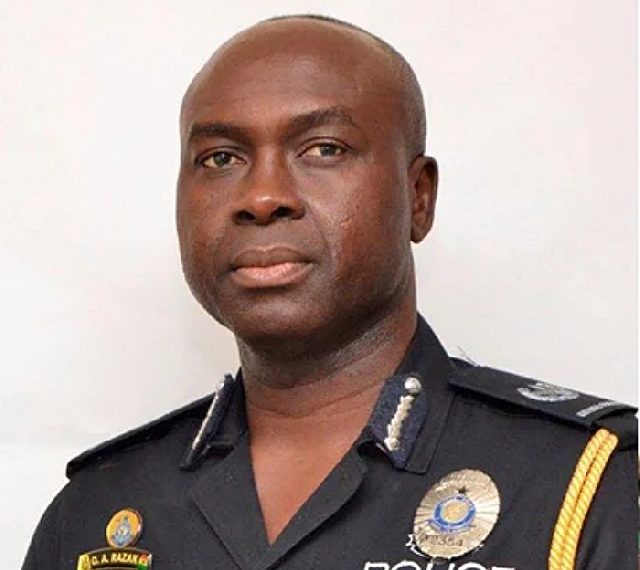
Ghana’s National Security Coordinator, COP Osman Abdul Razak, has called for stronger preventive action and closer collaboration among security agencies, private security firms, and local communities to combat political vigilantism and safeguard the nation’s democracy. Speaking at a National Policy Dialogue organised by Election Watch Ghana on August 25, 2026, COP Abdul Razak addressed the evolving landscape of political mobilisation in Ghana. He warned that while the visibility of vigilante groups may have diminished, the underlying threat remains, with some networks now operating through less visible and more informal channels. “We must not mistake the reduced visibility of these groups, regardless of their name, as meaning the threat has disappeared. Mobilisation has shifted to local businesses, private security arrangements, and other informal channels,” he cautioned. COP Abdul Razak stressed the importance of intelligence-led, early-warning systems, arguing that prevention, not just reaction, must be central to Ghana’s fight against political violence. “Prevention must remain at the centre of our approach to political violence. It is far easier to act when inequalities are emerging than to dismantle entrenched foundations of our political system,” he said. He urged full utilisation of the Vigilantism and Related Offences Act, 2019 (Act 999), to detect and address threats early. He also underscored the crucial role of private security firms and communities as partners in maintaining security, provided they operate within the law and complement state authority. “Private security companies and communities must become part of the security architecture. But they must operate within the law and in a manner that complements, rather than substitutes for, the legitimate authority of the state,” COP Abdul Razak emphasised. He further highlighted the need to de-politicise enforcement and link it to broader legal and systemic reforms. The National Policy Dialogue, attended by security officials, politicians, civil society organisations, and other stakeholders, focused on reviewing the implementation of Act 999 and strengthening Ghana’s ability to prevent political violence and protect its democratic foundations. Source: Apexnewsgh.com
World Bank Warns Majority of Ghanaians Still in Poverty Amid Uneven Economic Growth
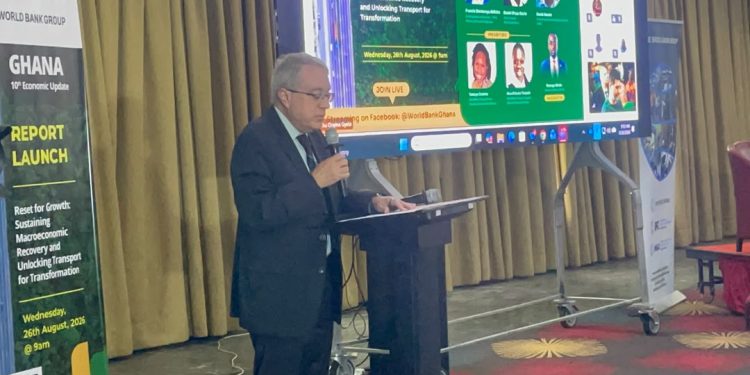
Despite recent economic growth, more than half of Ghanaians continue to live in poverty, according to new findings from the World Bank. At the launch of the World Bank Group’s 10th Ghana Economic Update, Dr. Robert Taliercio O’Brien, Division Director for Ghana, Liberia, and Sierra Leone, revealed that 56.4% of Ghanaians remain poor, with growing spatial disparities highlighting a worrying disconnect between the country’s economic performance and everyday living conditions. “56.4% of Ghanaians remain in poverty. And spatial disparities are widening,” Dr. Taliercio O’Brien stated. He pointed out that while Ghana has recorded headline growth, the benefits have yet to reach a broad base of the population. “It’s a disconnect between the headline growth that is yet to reach most of the population,” he added. The World Bank’s report also cited the structure of Ghana’s economic growth as a major concern. According to Dr. Taliercio O’Brien, the sectors driving growth have limited capacity to create jobs, a problem that is becoming more pronounced as Ghana’s youthful population enters the labour market. “Growth is led by sectors with limited employment absorption relative to its growing young population entering the labour market in the next decade,” he explained, describing the situation as a “structural imbalance that also demands urgent attention.” The findings underscore the need for targeted policy interventions to ensure that economic gains translate into real improvements in living standards for all Ghanaians, not just a select few. Source: Apexnewsgh.com
President Mahama Signs 10 Major Bills into Law, Ushering in Wide-Ranging Reforms
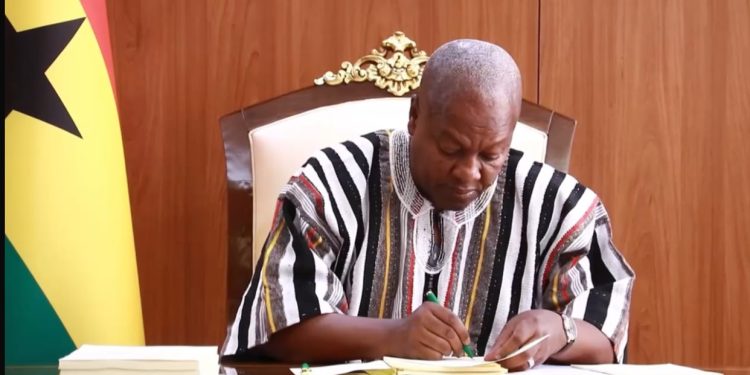
President John Dramani Mahama has given his assent to 10 significant Bills passed by Parliament during the Second Meeting of the Second Session of the Ninth Parliament, paving the way for sweeping legislative reforms across key sectors of the Ghanaian economy. The presidential endorsement, which took place following the parliamentary sitting that concluded on July 31, 2026, officially transforms the approved Bills into law. This move enables relevant government agencies and institutions to begin implementing the new measures contained in the legislation. The newly enacted laws span a diverse range of areas, including taxation, revenue mobilisation, justice administration, national defence, maritime regulation, and the cocoa sector. The Acts signed include the Customs Act, 2026; Community Service Act, 2026; Tribunals Act, 2026; Maritime and Related Offences Act, 2026; National Defence University, Ghana Act, 2026; Income Tax (Amendment) Act, 2026; Energy Sector Levies (Amendment) Act, 2026; Ghana Cocoa Board Act, 2026; Value Added Tax (Amendment) Act, 2026; and Excise Act, 2026. Among the most impactful are the Income Tax (Amendment) Act, Value Added Tax (Amendment) Act, Excise Act, and Energy Sector Levies (Amendment) Act, which are set to shape Ghana’s approach to taxation and revenue collection going forward. The passage and enactment of these laws underscore the government’s commitment to strengthening justice delivery, regulating vital economic activities, ensuring national security, and enhancing government revenue. The reforms are expected to have far-reaching implications for trade, the cocoa industry, and the administration of justice in Ghana. Source: Apexnewsgh.com
Ayitey Powers Remanded Over Alleged Threat Against NSA Boss
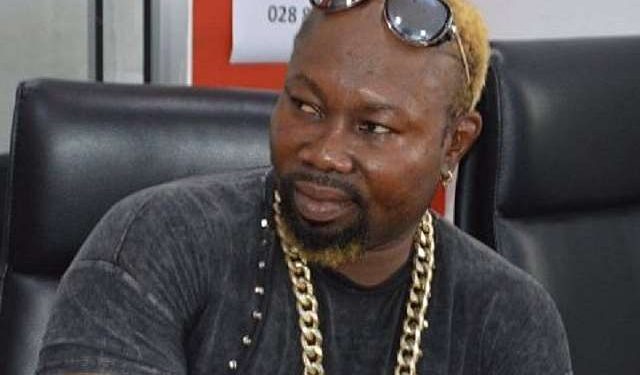
Former Ghanaian boxing star Michael Ayitey Okai, widely known as Ayitey Powers, has been ordered into police custody for one week as investigations continue into an alleged death threat against the Director-General of the National Sports Authority (NSA), Yaw Ampofo Ankrah. The Dansoman Circuit Court issued the remand order on Tuesday, August 25, 2026, after Ayitey Powers was brought before the court following his arrest by the Accra Regional Police Command a day earlier. His arrest came in the wake of a viral social media video purportedly showing him threatening the life of Mr. Ampofo Ankrah. Ayitey Powers is scheduled to make his next court appearance on September 2, 2026. The case has attracted the attention of the Ghana Boxing Interim Management Committee (GBIMC), which had earlier called for his arrest and prosecution over the alleged remarks. Police investigations are ongoing as the court considers the appropriate course of action in the high-profile case. Source: Apexnewsgh.com
NPP Vows Relentless Pursuit of Answers Over $1.7 Billion Gold Programme Loss
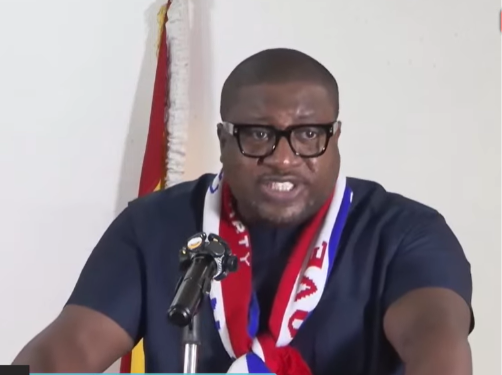
The New Patriotic Party (NPP) has declared its unwavering commitment to seeking full accountability over the US$1.7 billion loss reported by the International Monetary Fund (IMF) in connection with Ghana’s Domestic Gold Purchase Programme (DGPP). Addressing journalists on Tuesday, August 25, 2026, NPP National Organiser Henry Nana Boakye emphasized that the party would not relent in its demands for answers until every detail of the reported loss is publicly explained and scrutinized. “We are not backing off. Not now, not tomorrow, not until every question is answered in full, and in public, and under proper scrutiny,” Nana Boakye stated. He called on the Minority Leader and NPP members in Parliament to use all available parliamentary procedures to extract the truth from government and relevant institutions. “Use every relevant law in the books, every question on the floor of Parliament, every committee hearing, every request for documents, every order paper, every point of order. Fight for the people of Ghana in the court of public opinion as well. Fight until the Ghanaian people receive all the answers they deserve, in writing, under oath if necessary,” he urged. The NPP’s renewed push for transparency follows the IMF’s assessment of a significant loss linked to the DGPP, sparking calls for deeper scrutiny of the programme’s transactions and their impact on public finances. Nana Boakye assured that the NPP would persist through Parliament and other appropriate channels until the circumstances surrounding the reported loss are fully addressed. The party insists that only thorough and public accountability will satisfy the concerns of the Ghanaian people. Source: Apexnewsgh.com
Appointments Committee to Vet Mahama Ayariga and Other Presidential Nominees

The Appointments Committee of Parliament is set to vet Majority Leader and Chairman of the Business Committee, Mahama Ayariga, on Tuesday, August 25, 2026, following his nomination by President John Dramani Mahama as Minister-designate for Local Government, Chieftaincy and Religious Affairs. Mr. Ayariga is among three high-profile nominees scheduled to appear before the committee as Parliament advances its review of recent presidential nominations to key ministerial and judicial positions. Also appearing for vetting on Tuesday is Dr. Zanetor Agyeman-Rawlings, nominated as Minister-designate for Environment, Science and Technology, alongside a nominee for appointment to the Supreme Court. During parliamentary proceedings on Monday, August 24, Mr. Ayariga, in his capacity as Business Committee Chair, outlined the timetable and procedures for the upcoming vettings. “On Tuesday, August 25, 2026, the Appointments Committee should consider the two ministerial nominees and one justice of the Supreme Court. And then on Wednesday, August 26, 2026, the Appointments Committee should also consider the nominations of two justices of the Supreme Court. So those are the schedules that the Business Committee is recommending for adoption by this House.” According to the proposed schedule, the committee will begin with the two ministerial nominees and one Supreme Court nominee on Tuesday, and follow up with two additional Supreme Court nominees on Wednesday, August 26. Mr. Ayariga’s vetting will allow committee members to scrutinise his qualifications, experience, and policy positions, and assess his suitability for the Local Government, Chieftaincy and Religious Affairs portfolio. The vetting process is part of Parliament’s broader consideration of several presidential nominations that require approval. To facilitate the process, Parliament’s Business Committee requested a waiver of the Standing Orders’ usual publication requirement for nominations, enabling the committee to proceed with the vetting schedule without delay. Following the vetting sessions, the committee’s reports on the nominees will be presented to the full House for consideration and approval, in accordance with parliamentary procedures. Source: Apexnewsgh.com
Minority Leader Afenyo-Markin Finally Sues GoldBod CEO Over Extortion Allegations
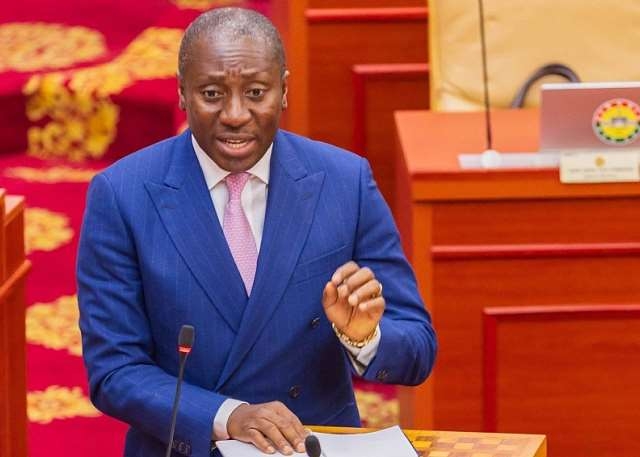
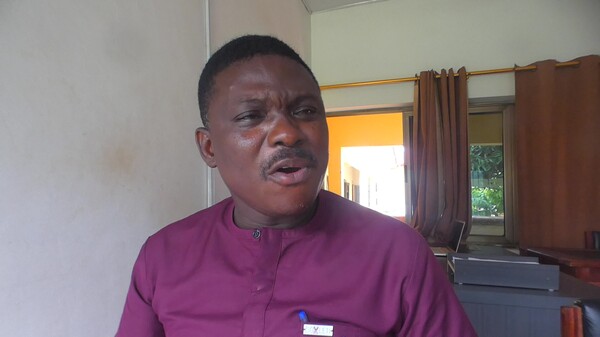
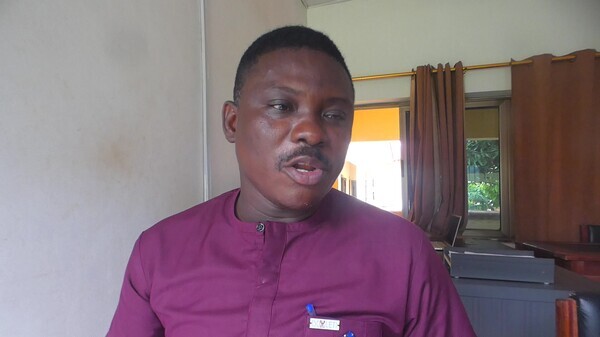
Parliament resumed on Monday, August 24, 2026, under a cloud of controversy as Minority Leader Alexander Afenyo-Markin announced that he had begun legal proceedings against Sammy Gyamfi, Chief Executive Officer of the Ghana Gold Board (GoldBod). The Effutu MP’s lawsuit, revealed on the floor of Parliament, marks a new escalation in the ongoing dispute over the financial management of the Domestic Gold Purchase Programme (DGPP). At the heart of the matter is a reported US$1.7 billion loss recorded by the Bank of Ghana in 2025, which Mr. Afenyo-Markin has repeatedly cited in his calls for government and GoldBod accountability. Mr. Gyamfi, however, has staunchly defended his agency, rejecting the Minority Leader’s interpretation and insisting the losses cannot be laid at GoldBod’s door. Tensions reached a boiling point when Mr. Gyamfi described Mr. Afenyo-Markin as an “extortionist” amid intensifying scrutiny of the gold purchasing initiative. The Minority Leader responded by informing Parliament that he has not only sued Mr. Gyamfi but has also initiated legal action against media outlets that published or broadcast the disputed remarks. “I am ready to submit myself to the Office of the Special Prosecutor and the other agencies for more investigations,” Mr. Afenyo-Markin said, confidently asserting that the courts would determine the truth based on evidence and the law. He stressed the importance of maintaining decorum in public discourse, stating, “There is a limit to political discourse and there are lines that must not be crossed, and once crossed, there must be dealt with.” Mr. Afenyo-Markin further affirmed his commitment to integrity, hard work, and service to Parliament and his constituents, declaring his readiness to defend his actions and statements in court. He revealed details of the lawsuits, stating, “I have accordingly caused writs to be filed in Suit Number GT/1029/2026, titled Osahen Alexander Afenyo-Markin versus Samuel Adu Gyamfi and Multimedia Group Limited at the Accra High Court, and Suit Number GR/ACH/CC/C5/02/2026, titled Osahen Alexander Afenyo-Markin versus Eric Adjei and Peace FM at the Achimota Circuit Court.” Throwing down the gauntlet, he challenged his accusers to “muster courage to report the issue to the various security agencies for further investigation.” As the legal battle unfolds, the nation watches closely, with the outcome likely to set a precedent for the boundaries of political debate and accountability in Ghana’s Parliament. Source: Apexnewsgh.com
Climate Change Whiplash Threatens Water, Food Security Across Northern Ghana
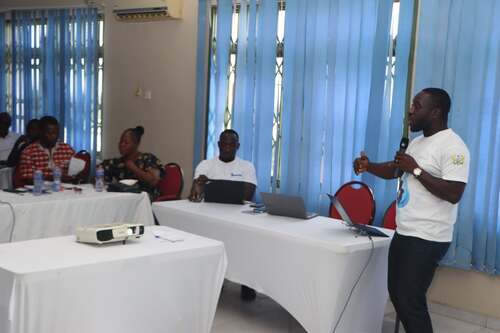
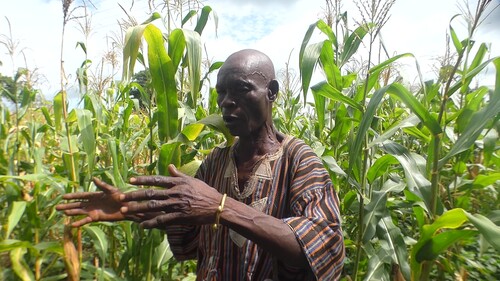
Northern Ghana is increasingly caught in a dangerous climate change cycle, prolonged droughts followed by devastating floods, putting the lives and livelihoods of at least 5.8 million people at risk across the five northern regions. The warning was sounded by Jesse Kazapoe, Head of the White Volta Basin Directorate of Ghana’s Water Resources Commission (WRC), during a three-day climate change advocacy training for 30 WASH (Water, Sanitation, and Hygiene) journalists on climate change reporting, a programme organized by BElim Wusa Development Agency (BEWDA) in partnership with WaterAid Ghana under the SIDA CLIMB Better WASH Partnership. According to Kazapoe, communities across northern Ghana are experiencing the harsh consequences of changing weather patterns, with drought and flooding emerging as two sides of the same climate crisis. For many farming communities, the dry season is no longer simply a predictable period of the year. Increasingly prolonged spells of drought are disrupting agricultural activities, reducing crop yields and threatening household food security. Kazapoe explained that the effects extend beyond agriculture, warning that prolonged droughts are also undermining water security. As surface water levels decline and groundwater recharge rates fall, both large and small-town water systems struggle to produce sufficient water to meet the needs of communities. This creates a difficult situation for households already dependent on increasingly unreliable water sources. Yet, when the rains finally arrive, the crisis often takes another devastating turn. Kazapoe noted that intense rainfall and flooding frequently cause widespread destruction across northern Ghana. The situation is sometimes worsened by the spillage of excess water from the Bagre Dam in Burkina Faso. The resulting floods destroy farms, water distribution infrastructure and small-town water systems, while also creating conditions conducive to the spread of water-borne diseases. Thus, communities that have spent months battling water scarcity can suddenly find themselves struggling with too much water, and the destruction that comes with it. Kazapoe pointed to several indicators of the changing climate, including the drying of the Volta Basin, shifting rainfall patterns and shorter but more intense wet seasons. He further noted that temperatures in northern Ghana are rising at a rate of about 0.6 degrees Celsius per decade, faster than the global average. According to him, the combination of rising temperatures, changing rainfall patterns and the increasing frequency of floods and droughts is having profound consequences for living conditions across the five northern regions. “For us at the WRC, climate change is ultimately about how the water cycle is changing and how society responds to those changes, because climate change is water change,” Kazapoe said. His observation highlights an increasingly important reality: the climate crisis is not only an environmental problem but also a water, food, health and development crisis. While climate change affects entire communities, Kazapoe stressed that its consequences are not evenly distributed. Vulnerable communities, women, children, persons with disabilities and displaced populations often bear the greatest burden when droughts and floods strike. For such groups, the loss of farmland, homes, water systems or livelihoods can have long-term consequences, further deepening poverty and inequality. With rainfall becoming increasingly unpredictable, Kazapoe said Ghana must rethink its dependence on rain-fed agriculture. He identified irrigation as an increasingly important intervention to protect food production as farmers face unreliable rainfall patterns. The challenge, however, goes beyond simply expanding irrigation. It requires a broader climate adaptation strategy that strengthens water infrastructure, protects vulnerable communities, improves flood preparedness and ensures that water resources are sustainably managed. The recurring pattern of drought followed by floods presents northern Ghana with a stark warning: climate change is already reshaping the region’s water cycle, agricultural systems and livelihoods. For the millions of people living across the five northern regions, responding effectively will require urgent investment, stronger climate adaptation measures and coordinated action to ensure that water remains a source of life rather than a driver of vulnerability. Source: Apexnewsgh.com/Ngamegbulam Chidozie Stephen