




Millar Institute Goes Global: Signs Historic MoU with Broos Institute

In a significant development for higher education, the Millar Institute for Transdisciplinary and Development Studies (MITDS) has formed a strategic partnership with the Broos Institute for Afrocentric Studies and Research in the Netherlands. Apexnewsgh reports This collaboration marks a pivotal moment for MITDS, positioning it on the international academic map. Professor Millar, the enthusiastic president of MITDS, expressed his excitement about the new alliance. “This partnership is an incredible opportunity to bridge the gap between Africa and the Western world,” he declared. “It will foster cultural exchange and understanding, which is vital in today’s interconnected world.” Through this collaboration, students from MITDS will gain the chance to travel to the Broos Institute for Afrocentric Studies and Research, immersing themselves in diverse cultures and learning experiences. Conversely, students from these institutions will have the opportunity to explore Africa’s rich heritage, gaining insights into its traditions and history. Marvin Hokstam, the Executive Director of the Broos Institute, shared Professor Millar’s enthusiasm. “African culture is invaluable and should be celebrated,” he stated passionately. Hokstam emphasized the importance of uncovering Africa’s origins and traditions, many of which have been overshadowed by the legacy of slavery. “This collaboration will allow us to delve deeper into Africa’s history and cultural identity,” he added. “Together, we will uncover the continent’s hidden treasures and promote cross-cultural understanding.” Taking a tangible step towards deepening the partnership, Professor Millar generously handed over a portion of MITDS’s facilities to the Broos Institute. The handover ceremony was filled with optimism, with Hokstam beaming with excitement. “We are thrilled to embark on this journey with the Millar Institute,” he said. “This partnership will foster meaningful exchange, research, and growth. We’re grateful for Professor Millar’s generosity and vision.” As MITDS embarks on this international venture, it cements its role as a leading beacon of transdisciplinary learning and cultural exchange. This historic partnership not only promises to elevate educational opportunities but also opens new pathways for students, scholars, and communities, paving the way for a brighter, more interconnected future. Source: Apexnewsgh.com Contact: +233256336062/ +233248250270
Dr. Hafiz Bin Salih Commends Prof. David Millar’s Visionary Leadership
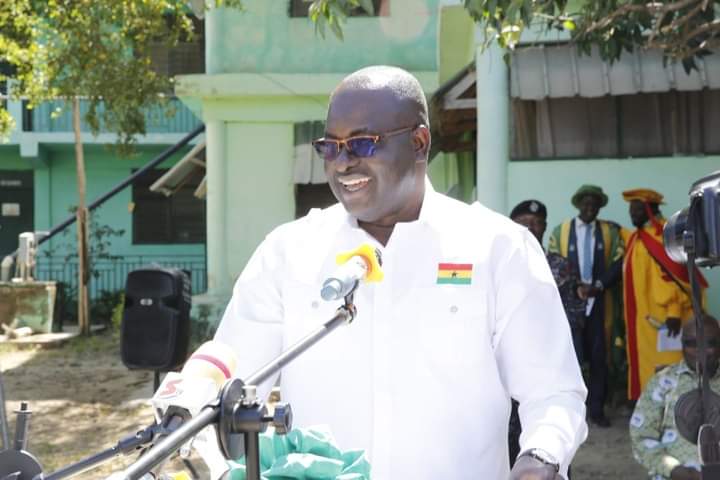
Dr. Hafiz Bin Salih, Upper East Regional Minister, graced the 6th congregation and 10th anniversary of Millar Institute for Transdisciplinary and Development Studies (MITDS) in Bolgatanga as the guest of honor. Apexnewsgh reports In his speech, he commended Prof. David Millar, the founder and former Pro Vice-Chancellor of University for Development Studies, for his visionary leadership in establishing MITDS despite initial discouragement. “Today, Prof. Millar’s perseverance has paid off, as evidenced by the impressive quality of graduates produced by the institute”. The ceremony saw eight PhDs and six MPhils receive their degrees, while Madam Lydia Mamata Bawah Millar and Dr. Salifu Yakubu were conferred honorary doctorate degrees. Dr. Hafiz Bin Salih’s presence underscored the importance of MITDS’ contributions to education and development in the region. As a seasoned administrator and development specialist with over 24 years of experience, Dr. Bin Salih’s endorsement of MITDS’ achievements carries significant weight. According to the Regional Minister, MITDS’ milestone celebration demonstrates its commitment to transdisciplinary research and development, aligning with the mission of the University for Development Studies. The institute’s innovative approach to education, leveraging technology for open admission, tuition, assessment, and certification, has earned recognition from peers and stakeholders. Dr. Hafiz Bin Salih demonstrated his commitment to education by supporting Millar Institute for Transdisciplinary and Development Studies (MITDS) with a generous donation of GHC 20,000. Additionally, he provided GHC 5,000 to recognize the best students, with plans to make this an annual award to motivate students. This type of support can have a significant impact on students’ academic journey. In fact, recognizing students’ achievements through awards can foster a sense of community and encourage others to strive for excellence. The event drew esteemed guests, including officials from Broos Institute led by Marvin Hokstram, Architecture Salifu Yakubu, Dr. Yazeed Abdul-Mumin, representing the Vice-Chancellor of the University for Development Studies, and Alhaji Nurudeen Issa Abubakari, the registrar of UDS. Other notable attendees included chiefs, university representatives, and significant personalities. Source: Apexnewsgh reports
UDS Vice Chancellor Hails MITDS’ 10th Anniversary as ‘Significant Milestone
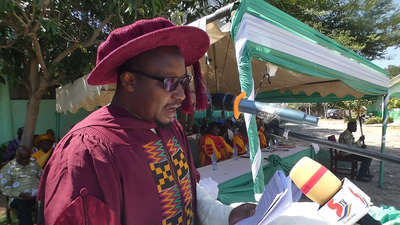
Professor Seidu Alhassan, Vice Chancellor of University for Development Studies (UDS), ably represented by Dr. Yazeed Abdul-Mumin, has described Millar Institute for Transdisciplinary and Development Studies’ (MITDS) 6th congregation cum 10th Anniversary ceremony as a significant milestone. Apexnewsgh reports Congratulating Professor David Millar and the entire MITDS community on their achievements, Professor Alhassan acknowledged MITDS’ commitment to transdisciplinary research and development, aligning with UDS’ mission. “Your focus on addressing societal challenges resonates deeply with our own vision. Together, we can create a brighter future for Ghana.” He praised MITDS’ innovative approach to education, leveraging technology for open admission, tuition, assessment, and certification. “This forward-thinking strategy embodies the spirit of collaboration and excellence that defines our partnership.” Addressing the graduates, Professor Alhassan offered words of wisdom: “As you embark on your next journey, remember that knowledge is power. Harness your skills to drive positive change in your communities.” He emphasized the importance of resilience and adaptability in the face of Ghana’s economic challenges. “MITDS’ ability to adapt its academic strategy is a testament to its commitment to excellence.” Professor Alhassan concluded by reiterating UDS’ support for MITDS. “We value our partnership and look forward to continued collaboration. Together, we will shape the future of Ghana’s leaders.” The audience applauded warmly, inspired by Professor Alhassan’s encouraging words. Source: Apexnewsgh.com Contact: +233256336062/ +233248250270
Professor David Millar Recounts MITDS’ Humble Beginnings

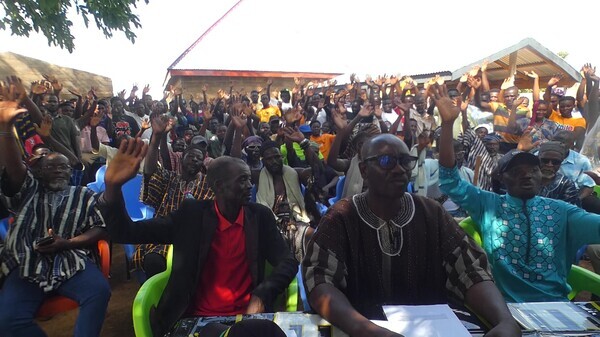
Millar Institute for Transdisciplinary and Development Studies (MITDS) has celebrated its 10th anniversary and its 6th congregation of student’s ceremony. Apexnewsgh reports The ceremony attracted people from all works of life including friends and family members of grandaunts, Chiefs, and Queen mothers from across various communities within the Upper East Region. Addressing the congregation, Professor David Millar recounted the humble beginnings of the Millar Institute for Transdisciplinary and Development Studies (MITDS), which he founded in 1990. With a mix of gratitude and emotion, he shared the pivotal role his wife Madam Lydia Mamata Bawah Millar played in securing the land for the institution even in his absence. “My wife’s unwavering support and determination were instrumental in making MITDS a reality,” Professor Millar said, his voice filled with appreciation. “Her bold step in helping to acquire the land will forever be etched in my memory, and I am forever grateful.” As he reflected on the journey, Professor Millar highlighted the significance of his wife’s contribution, acknowledging that no reward would be enough to repay her selflessness. “I leave it to God to continue rewarding her for her kindness and dedication,” he said with tears of joy. MITDS has since grown into a renowned institution, known for its innovative approach to education and research. As a fully Ghanaian institution, it has responded to the government’s call for quality education, leveraging technology to provide open admission, tuition, assessment, and certification. Today, MITDS stands as a testament to Professor Millar’s vision and his wife’s unwavering support. Professor Millar began, his voice steady and full of conviction, “today we gather to celebrate a decade of excellence in education and research.” He paused, letting the weight of his words sink in. “However, we cannot overlook the economic challenges facing Ghana, which have deeply affected our students’ ability to pay fees and meet their financial obligations.” In response to these challenges, MITDS had adapted its academic strategy, temporarily suspended undergraduate programs while intensified its focus on master’s and PhD programs. The institute committed itself to enhancing research and development and increasing its outreach to rural communities across the nation. “We remain optimistic that Ghana’s economic situation will improve soon,” he assured the gathering. According to Professor Millar, despite the successes of the Free SHS policy, a troubling issue had emerged. Thousands of Senior High School graduates, many with excellent grades, find themselves without access to tertiary education, particularly those lacking Mathematics and English qualifications. In light of this, Professor Millar hinted that MITD was actively seeking innovative solutions in collaboration with various stakeholders to address this pressing problem. Professor Millar further spoke about MITDS’s research accomplishments, particularly its flagship program, the Grass Economy for Northern Ghana. The initiative aimed to tackle persistent rural social issues, and it had excelled in several areas. Notably, the introduction of grass charcoal briquettes was revolutionizing energy use in northern communities, marking a sustainable shift away from traditional charcoal. Speaking about MITDS cooperate social responsibility, Professor Millar also highlighted MITDS’s commitment to corporate social responsibility. They part-funded scholarships for students pursuing PhDs and MPhils and collaborated with GO NORTH MEDICAL OUTREACH to provide essential healthcare services to underserved communities. As part of MITDS’s 10th-anniversary celebrations, the institute donated 27 dual desks to Yikene Junior Secondary School and advocated for the reactivation of the Pwalugu Multi-purpose Dam, further demonstrating their commitment to community development. As Professor Millar concluded his stirring address, the audience felt a renewed sense of hope and determination. They could sense that MITDS was steadfast in its commitment to providing quality education and creating opportunities for Ghana’s future leaders, embodying the very spirit of resilience and innovation that the nation so desperately needed. Professor Millar’s excitement was palpable as he expressed his heartfelt gratitude to the Chief and people of Yikene, Ghana Tertiary Education Commission (GTEC), University for Development Studies (UDS). However, as he congratulated grandaunts for their individual milestones, he further admonished them to be good ambassadors of MITDS anywhere they find themselves. Dignitaries from various universities, the Upper East Regional Minister, chiefs from across the region, friends and families of graduates, and Broos Institute officials from the Netherlands were all present to grace the ceremony. Source: Apexnewsgh.com Contact: +233256336062/ +233248250270
MITDS Council Chairman Celebrates 10th Anniversary and 6th Graduation Ceremony
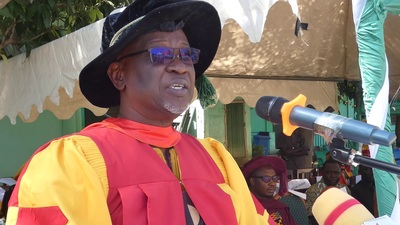
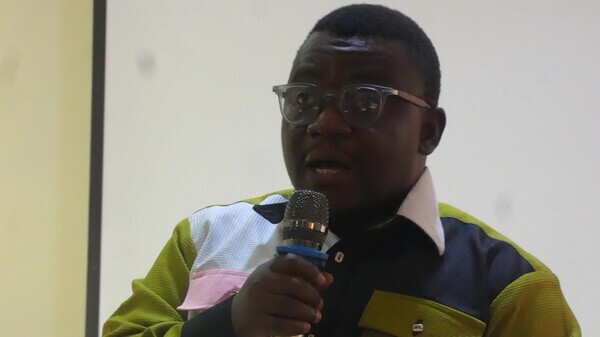
Naa Ganglaar Bog-Belagr Tater V, MITDS Council Chairman, delivered an inspiring speech at the institution’s 10th anniversary and 6th graduation ceremony. The event marked a significant milestone, honoring eight PhD and six MPhil graduates. Apexnewsgh reports “Today, we gather to celebrate a momentous occasion,” Naa Tater V began. “Our affiliated university, the University for Development Studies (UDS), has enabled us to hold multiple ceremonies within a year, a testament to our growth.” The Council Chairman congratulated the graduates, urging them to make a positive impact. “Your expertise and knowledge should inspire change. Remember your duty to contribute to your families, nation, and world.” Two honorary doctoral degrees were conferred upon individuals who significantly contributed to MITDS’ existence. Their achievements were recognized through citations. Naa Tater V saluted President and staff, teaching and non-teaching, for achieving this feat. “MIDS’ investment has yielded substantial gains in Ghana’s skilled knowledge and manpower development, producing 36 first degrees, 17 MPhils, and 26 PhDs.” He paid tribute to Professor Saa Dittoh, foundation chairman, and colleagues who navigated challenging times. “Professor Dittoh’s leadership was instrumental in MITDS’ success.” As MITDS celebrates its decade, the Council looks forward to significant additions to its achievements. “Congratulations to today’s graduates and honorary awardees. MITDS’ survival and success are no mean feats. We’ve established a legacy of excellence.” Advocating for Grass Economy Policy The Council has closely followed MITDS’ groundbreaking research on dry grass utilization. “We strongly advocate for a dedicated grass economy policy and program tailored to Northern Ghana,” Naa Tater V emphasized. “This initiative will reduce perennial bushfires and harmful climate effects.” International Partnerships The Council Chairman extended gratitude to Mr. Marvin Hokstram from the Netherlands and Dr. Salifu Yakubu from the United States for delivering successful public lectures. “We acknowledge the beginning of a fruitful partnership with the Broos Institute and look forward to remarkable outcomes.” The ceremony concluded with a sense of pride, accomplishment, and anticipation for MIDS’ future achievements. Source: Apexnewsgh.com Contact: +233256336062/ +233248250270
Dr. Hafiz Bin Salih’s Gift of Knowledge and Essential Supplies to Bolgatanga and Bongo District Students
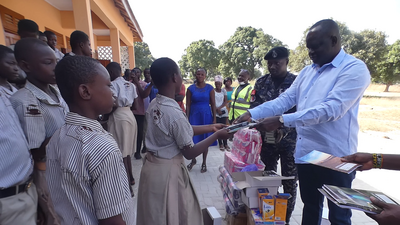
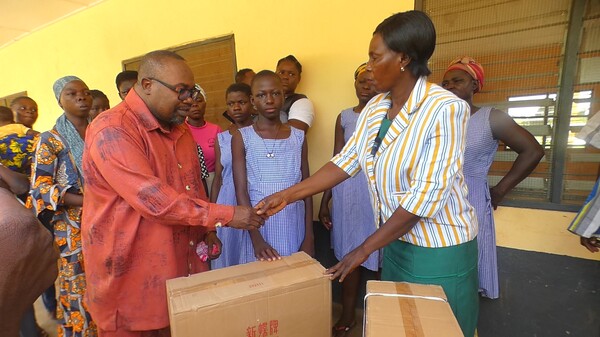
In a heartwarming display of commitment to the future of young minds, Dr. Hafiz Bin Salih, the Upper East Regional Minister, embarked on an inspiring visit to two schools in the Bolgatanga Municipal and Bongo District. Apexnewsgh reports His first stop was the Sumbrungu Atolisum Primary and Junior High School, followed by a visit to the Dalga Model Girl School. As he gathered the students around him, Dr. Bin Salih’s warm smile set the tone for the day. He stood before the eager faces of the children and delivered a powerful speech that resonated with the importance of fulfilling promises, taking their studies seriously, and showing respect to their teachers, parents, and elders. His words served not just as encouragement but also as a gentle reminder of the values that shape responsible citizenship. “I was once in your shoes,” he shared, relating to the students and inspiring them to envision a future where they would occupy significant positions in the country. Each child listened intently, their eyes bright with ambition and possibility, as they realized they, too, could grow up to be leaders just like him and their dedicated teachers. The excitement in the air was electric when Dr. Bin Salih announced a special surprise. He distributed an array of gifts, including refreshing drinks, crunchy biscuits, useful office supplies, and essential sanitary products for the young girls. The atmosphere erupted with joy as the students gleefully accepted these thoughtful donations, their beaming smiles reflecting the gratitude they felt. The impact of Dr. Bin Salih’s visit was undeniable. It not only uplifted the spirits of the students at both schools but also instilled a sense of responsibility and hope for their futures. As they left the event, the children carried with them the powerful message that their hard work would pay off and that they were capable of making a meaningful difference in their communities. It truly was a remarkable day—one that highlighted how leaders, through simple yet profound gestures, can shape the aspirations and dreams of the younger generation. Dr. Hafiz Bin Salih’s dedication and kindness had planted seeds of inspiration that day, promising a brighter future for all. Source: Apexnewsgh.com
NDC MPs of exploiting current parliamentary situation to block the passage of the FSHS bill–Afenyo-Markin

Alexander Afenyo-Markin, the leader of the NPP Members of Parliament Caucus, took a bold stand against the NDC MPs. Apexnewsgh reports He publicly accused them of manipulating the current parliamentary dynamics to block the passage of the highly anticipated free Senior High School (SHS) bill. According to Afenyo-Markin, the NDC’s primary objective isn’t just to stall the bill, but to collaborate with the Speaker of Parliament to ensure it never sees the light of day. He warned that if the NDC were to win the upcoming election, their plans could include scrapping the program altogether. Afenyo-Markin expressed deep concern over the NDC’s approach, suggesting their actions stem from a desire to discredit the free SHS initiative, a program that has provided educational opportunities to countless Ghanaians, even amidst economic challenges. He spoke highly of the reforms enacted by the Education Ministry under the guidance of two dedicated ministers, Dr. Matthew and Dr. [Name], praising their efforts to enhance the education sector. This heated exchange comes amid growing tensions between the NPP and NDC, which have escalated recently. The situation was further complicated when Speaker Alban Bagbin declared four parliamentary seats vacant, inadvertently shifting the majority in favor of the NDC. In response, the NPP has chosen to boycott parliamentary proceedings while awaiting a definitive ruling from the Supreme Court regarding these developments. As the political landscape shifts and tensions rise, the fate of the free SHS bill hangs in the balance, with both sides poised for a fierce battle in the coming days. Source: Apexnewsgh.com/Ngamegbulam Chidozie Stephen Contact: +233248250270/+233256336062 for your publications
Starving Young Minds: The Devastating Impact of Denied School Meals
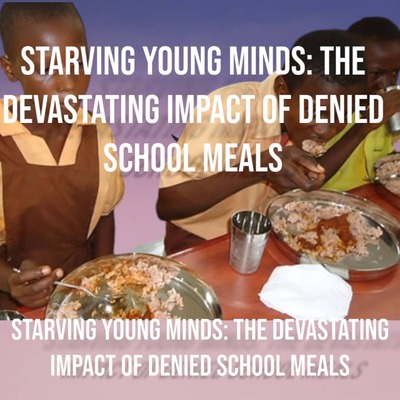
⇒DOCUMENTARY BY NGAMEGBULAM CHIDOZIE STEPHEN⇐ At Kalbeo Tindonsoblgo in the Upper East Region, a small and impoverished community where most parents are poor farmers struggling to make ends meet, a quiet crisis is unfolding. The government’s School Feeding Programme, which is meant to provide a reliable source of nourishment to school pupils, has faltered, leaving the children at Kalbeo Tindonsoblgo Primary School hungry and uncertain. For these children, the meals they receive at school are not just food; they are a critical source of energy that helps them concentrate on their studies. Without it, their ability to focus and thrive in school is compromised. The 2024 Global Hunger Index paints a gloomy picture of Ghana, ranking it 66th out of 127 countries. This statistic is painfully real for communities like Kalbeo Tindonsoblgo, where hunger is an ever-present concern. Instead of looking forward to lunchtime with anticipation and relief, the children are met with disappointment, a constant reminder of the daily struggles their families face. Once hopeful and eager, their faces now reflect fatigue, their energy drained by the absence of regular meals. Yet, even in their weariness, their resilience remains strong. Despite these challenges, there is hope for change. The community’s strength and determination cannot be overlooked. Through the collective efforts of parents, educators, and well-wishers, the School Feeding Programme can be restored, providing more than just food. It will restore the children’s confidence, reminding them that they are cared for, valued, and worthy of every opportunity. A reliable meal will do more than fill their stomachs; it will bolster their sense of self-worth and enable them to focus on their education, knowing that a brighter future is within their grasp. Addressing this issue is not just about providing a meal, it’s about nurturing the dreams and aspirations of an entire generation. Stella and Azumah, the caterers responsible for providing meals for school pupils at Kalbeo Tindonsoblgo Primary School, had neglected their duties, leaving the children to face the harsh reality of hunger. Throughout the previous term, the pupils were served food only on a handful of days, forcing many to go without proper meals. As the school year drew to a close in July 2024, the consequences of this negligence became painfully evident. The days turned into weeks, and children who once brimmed with energy were now lethargic and distracted, struggling to focus on their studies. Their health suffered greatly, and the vibrant laughter that used to fill the schoolyard was replaced by quiet resignation. Conversations among parents revealed a shared sense of frustration; while they appreciated the government’s efforts to improve nutrition for their children, they could only lament the failure of the program at Kalbeo Tindonsoblgo School (KTS). Some parents spoke earnestly about their hopes for the initiative, believing it could uplift their children’s futures. However, witnessing the deterioration of their wards due to inadequate nutrition was heartbreaking. The community rallied together, calling for immediate action to restore the feeding program to its former glory. With the future of these young learners hanging in the balance, the urgent need to address the situation became crystal clear. It was imperative that the necessary steps be taken to ensure children at Kalbeo Tindonsoblgo Primary School received the fundamental nourishment they needed to not only survive but to truly thrive in their educational journey. The community deserved better; the next generation’s potential depended on it. In the heart of Ghana, amidst the vibrant landscapes and bustling towns, lies a small and struggling community that tells a poignant story of resilience and desperation. The national school feeding program in Ghana was designed to be a beacon of hope. Its goals were noble: to reduce hunger and malnutrition, increase school enrollment, attendance, and retention, and boost domestic food production. Ultimately, it aimed to break the chains of poverty and enhance food security for the nation’s future. But at Kalbeo Tindonsoblgo Primary School, those promises felt like a distant dream. The reality was stark and disheartening. The children, eager to learn and play, faced the harsh silence of empty bellies. The purpose of the feeding program had been betrayed by these caterers who had, time and again, failed to fulfill their commitments. They neglected their duties, leaving the students with little more than the hope of a meal. Last term, the children were fed on only a handful of days, with months stretching between their meager portions, until the school closed for vacation in July 2024. The impact was devastating. They struggled to focus in class, their minds foggy with hunger. As days turned into weeks, attendance became a struggle. Children who should have been eager to gather around their teachers were instead forced to choose between learning and the gnawing pain of an empty stomach. Retention rates plummeted, and with that, the community faced an unsettling reality where poverty continued to grip them tightly. The cries of the Kalbeo Tindonsoblgo Primary School community echoed with urgency. Parents and teachers alike knew that something had to change. They longed for intervention and accountability; they needed the authorities to step in and hold the negligent caterers responsible for their failures. Swift action was necessary to ensure meals were delivered promptly, safeguarding not just the health of the children but their right to an education. As I delved deeper into the investigation surrounding the catering services at Kalbeo Tindonsoblgo Primary School, I found myself seated across from the headmistress in her modest office. Her weary eyes held a mix of frustration and concern, a reflection of the troubling situation unfolding at the school. “Tell me about the catering services provided by the two vendors,” I prompted, hoping to glean more about the persistent issues. Madam Wayo Ajara, the headmistress, paused, carefully weighing her response. “Well, to put it bluntly, the pupils haven’t been fed properly, even on the few days the caterers did show up. Every time I voice my complaints, the caterers will just become confrontational.” Her voice carried a sense of urgency
MITDS Celebrates 10 Years with Generous Computer Donation to Yikene Basic School

A remarkable transformation is unfolding at Yikene Basic School, thanks to a generous donation from the Millar Institute for Transdisciplinary and Development Studies (MITDS). Apexnewsgh reports Just ahead of their 10th anniversary celebration, MITDS has once again showcased its commitment to education by providing the school with an assortment of computers, marking their second contribution in just two months. The atmosphere at Yikene Basic School was filled with gratitude as Headmaster Mr. Solomon George Gbenga received the computers. He expressed heartfelt thanks to Prof. David Millar and the entire MITDS team, acknowledging the significance of this donation. “These computers will significantly shape our pupils’ futures,” he remarked, clearly recognizing the transformative potential of technology in the lives of his students. The donation aligns with MITDS’ corporate social responsibility initiative, which aims to uplift educational standards and enhance teaching and learning experiences within the community. Officials from MITDS emphasized their vision of equipping students with essential Information and Communication Technology (ICT) skills, ensuring they thrive in an increasingly digital world. With the new computers, Yikene Basic School has ambitious plans to set up a dedicated computer lab, and they’ve extended an invitation to MITDS for the grand inauguration. Mr. Gbenga reiterated the critical role that technology plays in modern education, promising that the school would use this invaluable donation to benefit its students fully. This act of generosity not only aims to enhance the pupils’ ICT skills but also seeks to bridge the digital divide, support quality education, and foster a generation equipped to navigate the complexities of the digital age. As Yikene Basic School embarks on this exciting journey, the commitment of MITDS to community development shines brightly, empowering the next generation of leaders in the process. Source: Apexnewsgh.com/Ngamegbulam Chidozie Stephen Contact: +233248250270/+233256336062 for your publications
NDC Youth Organizer Questions NPP’s Commitment to Free SHS
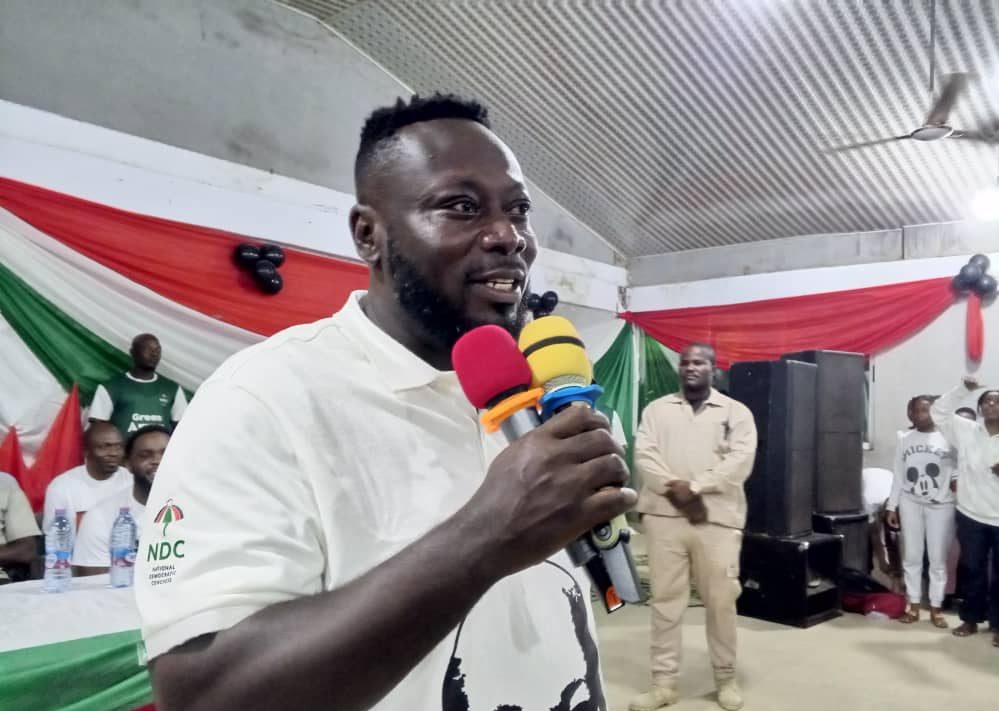
George Opare Addo, the National Youth Organizer of the opposition National Democratic Congress (NDC), is making waves with his recent comments directed at the governing New Patriotic Party (NPP). Apexnewsgh reports In a bold move, he questioned how many children of NPP members are enrolled in the Free Senior High School (FSHS) program, which is one of the flagship policies of the NPP. Opare Addo’s skepticism is rooted in the NPP’s track record of unfulfilled promises, particularly their pledges of One Million Dollars per constituency and One District One Factory. He emphasized the lack of tangible results from these promises, highlighting the contrast with the NDC’s approach to setting realistic and achievable goals under the leadership of John Dramani Mahama. Speaking passionately to nursing students, Opare Addo stressed the importance of their role as influential opinion leaders in their communities. He urged them to initiate positive change and emphasized the power of their voices in shaping the future of Ghana. As the NDC gears up for the December 7th general elections, Opare Addo’s message resonates strongly with the party’s focus on accessible education and responsible governance, setting the stage for a compelling campaign centered on education and economic development. Source: Apexnewsgh.com