


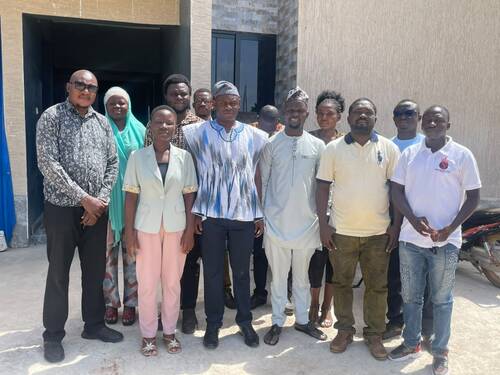
Uncovering the Challenges of Isaac Adongo’s Grinding Mill Projects
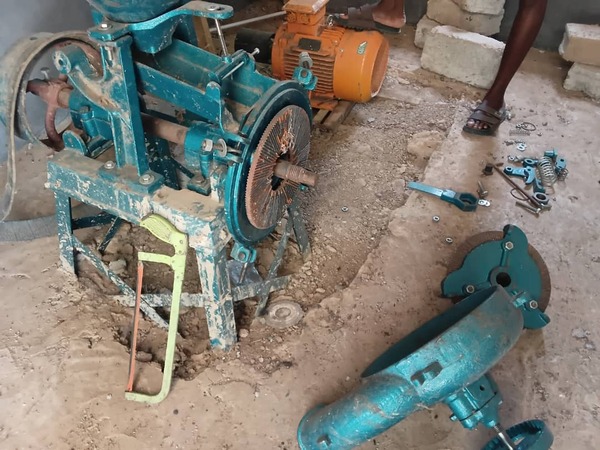
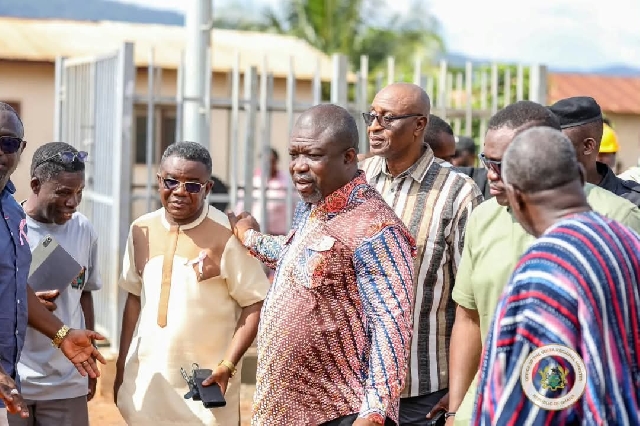
Development projects led by Members of Parliament (MPs) are often viewed as lifelines for communities, bridging the gap between local needs and national resources. Beyond their constitutional roles of legislation and oversight, MPs like Hon. Isaac Adongo of Bolgatanga Central have taken on direct intervention projects to address pressing grassroots issues and promote equitable resource distribution. One such intervention, the grinding mill project spearheaded by Hon. Adongo, was envisioned as a beacon of economic empowerment and relief for rural communities. Funded through the MP’s District Assembly Common Fund, the initiative set out to benefit fifteen communities by providing grinding mills to ease economic hardship and support local livelihoods. However, a recent findings by Apexnewsgh has revealed troubling challenges threatening the project’s success. In early June 2026, Apexnewsgh visited nine out of the fifteen beneficiary communities to assess the state of the grinding mill projects. The findings were sobering: all sites visited were either inactive or completely non-operational, each facing unique but significant obstacles. Common issues included: Locked and unused facilities Incomplete machinery installation Mismatched or missing machine parts Lack of electricity supply Buildings without grinding mills or with uninstalled equipment In several cases, facilities stood empty or had equipment that was never commissioned. For instance, at one site, the utility pole intended for power supply lay uninstalled on the ground. At others, critical machine parts were missing or incompatible, rendering the mills unusable from the outset. Community members and Assembly member expressed deep frustration. In Sumbrungu-Atoobisi, Assembly member Hon. Azure Samuel lamented his exclusion from the project’s planning and implementation, highlighting a lack of stakeholder engagement and gaps in accountability. “I have nothing to say because I was not carried along as a community leader,” he said, voicing a sentiment echoed in other communities. The investigation painted a picture of locked doors, silent machines, and mounting disillusionment, a far cry from the promise of economic empowerment. Detailed Findings by Community Sumbrungu-Nyobongo: Facility connected to electricity and fitted with a meter, but not yet linked to the grinding mill. The community awaits final electrical connections; the facility remains locked. Amogrebisi (Atoobisi Electoral Area): Building connected to power and metered, but locked and non-operational. Assembly member unable to give account of the project in his commutiy because he was not consulted on the project. Sumbrungu Akuka Women’s Centre: Machines and electricity are in place, but the motor was yet to be not installed as at the day Apexnewsgh visited. The entrance is secured with stones instead of locks, raising concerns about security and maintenance. Azorobisi: Facility operated only briefly at commissioning before a mechanical fault was detected. Since then, it has remained closed and unused. Kolgo Aguusi: Grinding mill non-operational; community members say parts are faulty and require replacement, despite electricity being connected. Kunbangre: No power connection, no electric meter installed, and the utility pole remains on the ground. The building is painted but unused. Sherigu-Baseongo: Building connected to power, but the grinding mill machine was never installed as at the day Apexnewsgh visited.. Dorongo-Aperika: We observed that the building was powered and metered, but grinding machine parts are mismatched and separated, leaving the machine inoperable. Tindonmolgo: Facility appears ready, with power and meter in place, but remains non-operational as the community plans a meeting to address usage before the official launch. It is important to note that Apexnewsgh was able to visit only nine out of the fifteen planned beneficiary communities; the operational status of grinding mill facilities in the remaining six communities could not be verified. MP’s Response and Acknowledgement Following weeks of findings, Apexnewsgh met Hon. Isaac Adongo during repair efforts at Dorongo-Aperika, where he personally supervised the matching of machine parts and ensured electricity credit was purchased to facilitate repairs. Hon. Adongo explained that while community members were familiar with grinding mill operation, incompatible replacement parts had stalled progress. He pledged to see the machine operational before leaving. Looking ahead, Hon. Adongo identified the need for comprehensive operator training across all fifteen communities, stressing that each grinding mill required specific operational skills. He called on suppliers to offer in-depth training for local operators, ensuring sustainability and effective use of the facilities. Addressing challenges in Baseongo and Kunbangre, the MP cited site preparation delays and electricity access issues, sometimes caused by land disputes and the need for additional infrastructure. On funding and transparency, he clarified that the project was funded from his common fund in partnership with the district assembly, which maintains detailed financial records. The project’s total cost, according to credible sources, stands at GHS 1,334,443.90, with each unit, including structure, electrification, supply, and installation, costing GHS 88,962.93. Responding to concerns about the exclusion of Assembly members like Hon. Azure Samuel, Hon. Adongo acknowledged the oversight, promising to involve such leaders in future engagements and ensure greater stakeholder inclusion. Recommendations for Project Success To overcome these challenges and realize the grinding mill project’s original goal, the following recommendations are proposed: Strengthen Stakeholder Engagement and Communication Involve Assembly members, community leaders, and local groups in planning, implementation, and monitoring. Regularly update communities on project status and address concerns promptly. Establish a project committee in each community to oversee operations and gather feedback. Complete Installation and Commissioning Conduct a comprehensive audit of all sites to identify incomplete installations and faulty machinery. Work with suppliers and technicians to ensure all machines are properly installed, tested, and commissioned before handover. Resolve Power Supply and Infrastructure Issues Liaise with the Volta River Authority (VRA) for timely power connections. Address issues such as uninstalled utility poles or delayed electrification urgently. Consider alternative power solutions where grid connection is not feasible. Provide Comprehensive Operator Training Organize hands-on training sessions for local operators, tailored to the specific machinery installed. Ensure training covers troubleshooting, maintenance, and safe operation. Establish Routine Maintenance and Rapid Response Mechanisms Set up regular inspection and servicing schedules. Develop clear fault-reporting and rapid repair processes. Allocate a small fund for emergency repairs and spare parts. Promote Transparency and Community Ownership Publicize
Ghana and Côte d’Ivoire Join Forces to Harmonise Cocoa Pricing, Boost Farmers’ Incomes
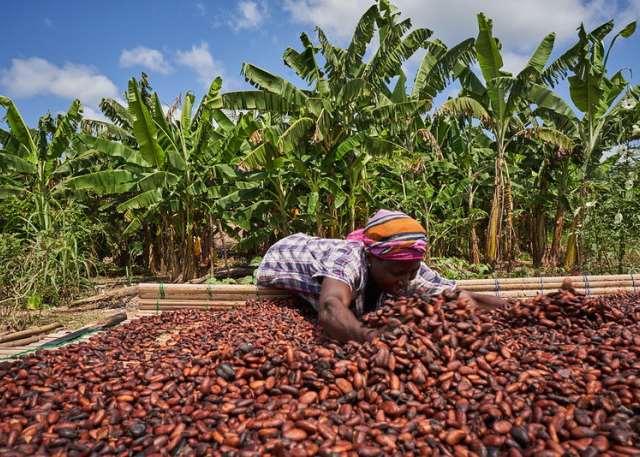
Ghana and Côte d’Ivoire, the world’s two leading cocoa producers, have taken a historic step to harmonise their cocoa producer pricing policies. This landmark agreement aims to improve the livelihoods of millions of cocoa farmers, strengthen market stability, and foster deeper cooperation between the two nations. The announcement came from Ghana’s Finance Minister, Dr. Cassiel Ato Forson, following the 7th Meeting of the Steering Committee of the Côte d’Ivoire-Ghana Cocoa Initiative (CIGCI), held in Abidjan on June 16, 2026. Presenting the committee’s conclusions, Dr. Forson revealed that both countries would adopt measures to align farm gate prices, ensuring that cocoa farmers on both sides of the border receive comparable incomes for their crops. Key elements of the agreement include enhanced collaboration between trading rooms, increased sharing of market data, and the harmonisation of cocoa crop calendars. By aligning the principles used to set cocoa prices, the two countries hope to reduce disparities in producer prices and eliminate cross-border price differentials that have historically contributed to smuggling and market instability. To turn this vision into reality, a technical task force made up of experts from both countries will be established. Their mission: to develop a coordinated pricing framework and periodically review producer prices to keep them fair and competitive. Another significant milestone is the agreement to harmonise cocoa crop calendars, with the cocoa year now set to run from September 1 to August 31, starting with the 2026/2027 season. This synchronisation is expected to streamline market operations and make price management more efficient. The steering committee, co-chaired by Dr. Forson and Côte d’Ivoire’s Minister of Agriculture, Bruno Nabagné Koné, reaffirmed its commitment to long-term coordination in cocoa price management and marketing. The meeting also explored avenues for scientific cooperation, sustainable cocoa production, and regional collaboration, all with the goal of building a more resilient and prosperous cocoa sector. Together, Ghana and Côte d’Ivoire account for more than half of global cocoa output. By working hand in hand, they are not only improving the welfare of their farmers but also setting a new course for stability and sustainability in the world cocoa market. Source: Apexnewsgh.com
Energy Minister Pledges Action After Receiving Akosombo Substation Fire Report
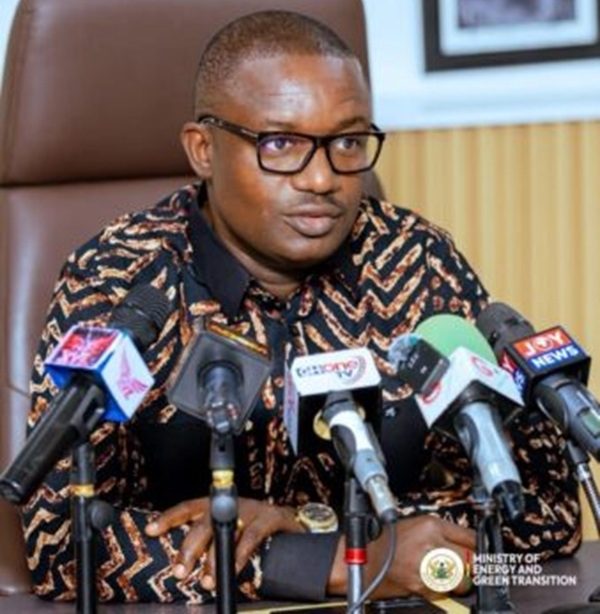
Minister for Energy and Green Transition, John Abdulai Jinapor, has assured the public that the government will take decisive action following the submission of the final report on the recent fire at the Akosombo Substation. Addressing the media on Thursday, June 11, Dr. Jinapor confirmed that he had officially received the findings from the investigative committee tasked with looking into the cause and circumstances of the incident. He emphasized that the government would thoroughly review the committee’s conclusions and recommendations before determining the necessary steps to address the situation. “Accountability is a top priority,” Dr. Jinapor stated, assuring Ghanaians that any measures taken would be grounded in the evidence and recommendations provided by the committee. He explained that the investigation was launched to uncover the facts behind the fire and to lay the groundwork for preventing similar incidents in the future. The Minister also reaffirmed the government’s commitment to protecting critical energy infrastructure and maintaining the reliability and stability of Ghana’s power transmission system. The Akosombo Substation fire had sparked concerns about the security of key installations, prompting the swift establishment of an investigative committee. The government is expected to announce its next steps once a comprehensive review of the report and its recommendations has been completed. Source: Apexnewsgh.com
Government Champions Expansion of West African Gas Pipeline to Drive Regional Growth

At the opening of the West African Gas Summit (WAGS) 2026 in Accra, the government renewed its call for the expansion of the West African Gas Pipeline and other cross-border gas infrastructure projects, underscoring their importance in deepening energy integration and supporting economic growth across the region. Deputy Minister for Energy and Green Transition, Richard Gyan-Mensah, delivering remarks on behalf of the sector minister, highlighted the pipeline’s success as a testament to the benefits of regional cooperation. However, he stressed that further investments are necessary to unlock West Africa’s abundant gas resources and fully realise the potential of interconnection and cross-border trade. “The West African Gas Pipeline shows what is achievable, but there is still significant potential to expand interconnection and cross-border trade. The more integrated our markets are, the more resilient and appealing they become,” he told participants. Describing natural gas as a catalyst for industrialisation, job creation, and improved living standards, Gyan-Mensah noted that resources alone are not enough. He emphasised the need for robust infrastructure, sound policies, and strategic partnerships to drive sustainable development. “For West Africa, gas must be central, not just as an end in itself, but as a tool for industrialisation, economic transformation, and improved living standards,” he remarked. He revealed that Ghana’s domestic gas fields currently supply about 80 percent of the natural gas used in power generation and industry, helping to lower electricity costs and bolster energy security. Any disruption in gas supply, he warned, forces reliance on more expensive liquid fuels, a burden on both power generation and the broader economy. Gyan-Mensah also called for greater private sector participation to finance the region’s ambitious gas infrastructure projects, pointing out that governments alone cannot shoulder the immense investment required for transformation. The summit, organised by the Gas Consortium and the West Africa Gas Pipeline Authority, brought together policymakers, regulators, investors, and industry leaders to chart a course for accelerated gas sector development and deeper regional energy integration throughout West Africa. Source: Apexnewsgh.com
Reimagining Agriculture for Ghana’s Jobless Youth
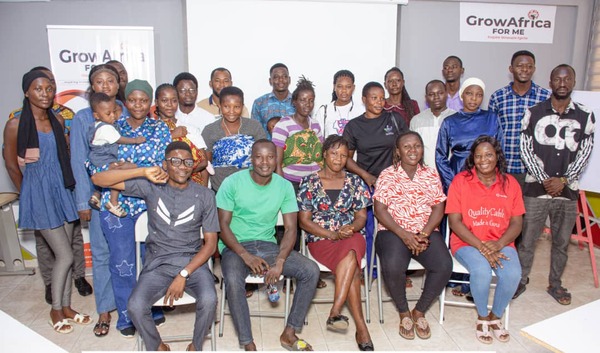
Across Ghana, the question of youth unemployment is no longer just a policy concern—it is a national urgency. With an estimated 1.9 million young people classified as Not in Education, Employment, or Training (NEET), the challenge is not only about job scarcity, but also about missed opportunities, underdeveloped skills, and an economy yet to fully harness its most dynamic population group. Yet, within this challenge lies one of Ghana’s greatest untapped solutions: agriculture. Despite being one of the country’s strongest economic pillars—contributing significantly to GDP, manufacturing, and services—agriculture continues to struggle with a perception problem among young people. It is often seen as labour-intensive, outdated, or a “last resort” rather than a modern, profitable, and innovative career path. The result is a widening gap between a sector full of opportunity and a generation searching for livelihoods. Despite agriculture’s central role in Ghana’s economy, many young people remain disengaged from the sector due to several structural and perception-based barriers. A major challenge is the lack of practical, hands-on training in modern agriculture, with many exposed only to traditional farming methods that do not reflect agribusiness as a structured, profit-driven enterprise. There is also limited entrepreneurial knowledge, making it difficult for youth to transition from production into value addition, branding, marketing, and scaling agricultural ventures. Poor access to markets and financing further discourages participation, while weak mentorship systems leave many without guidance to navigate the complexities of agribusiness. Perhaps most significantly, agriculture continues to suffer from a negative perception among young people, often seen as physically demanding and economically unattractive. These challenges have contributed to rising unemployment, rural-urban migration, and the underutilisation of Ghana’s agricultural potential. Yet, in the midst of this challenge, agriculture is quietly re-emerging as one of the most viable solutions. The Youth in Agriculture and Employability Programme (YAEP), an initiative of GrowAfrica For Me (GAFM), is designed to reposition agriculture as a modern, profitable, and innovation-driven career path for young people aged 18 to 35. Based in Bolgatanga in the Upper East Region, GAFM is a social innovation and enterprise support organisation focused on equipping entrepreneurs, startups, and SMEs with the tools to thrive. Through YAEP, it is targeting one of Ghana’s most critical development gaps—youth unemployment in a sector that remains underutilised despite its economic importance. The programme is a one-month intensive, hands-on training that combines modern agricultural practices with entrepreneurship and business development skills. It is designed to transform participants from job seekers into job creators within the agribusiness value chain. YAEP seeks to reverse this trend by building a structured pathway that takes participants from training to enterprise creation. The first phase focuses on intensive training in key agribusiness areas, including foundation to agribusiness, the agribusiness model canvas, marketing management, production and operations, financial management, human resource management, and risk management. This phase introduces participants to agriculture as a structured business system rather than an informal subsistence activity. The second phase provides coaching and mentorship, pairing participants with industry experts who offer guidance, technical support, and real-world insights. The third phase focuses on enterprise matching, where participants are exposed to functioning agribusinesses to understand practical operations, challenges, and opportunities along the value chain. The final phase provides start-up support, including advisory services and in-kind assistance to help participants launch their own agribusiness ventures. The overall objective of YAEP is to empower young people with practical agricultural and entrepreneurial skills that enhance employability and foster self-employment. Specifically, it seeks to build capacity in modern agricultural practices, equip youth with agribusiness and entrepreneurial skills, promote agriculture as a viable and profitable career path, support the development of sustainable agribusiness models, and reduce youth unemployment through enterprise creation. The anticipated impact of the Youth in Agriculture and Employability Programme (YAEP) is already visible among its participants. For Evelyn Zakaria from Bolga-Soe, the programme represents a doorway into agribusiness independence. Inspired by other young women already thriving in agriculture, she hopes to build a business in agro-processing, particularly in groundnut paste production. For her, YAEP is not just training—it is a pathway to ownership and economic empowerment. Similarly, John Abagna from the Bolgatanga East District sees agriculture as a field of endless opportunity. He believes the practical skills acquired through YAEP will enable him not only to support himself but also to create jobs for others. His ambition reflects a broader shift: young people increasingly viewing agriculture as a platform for employment creation, not dependency. For the Executive Director of GrowAfrica For Me, Albert Shiebila Mali, the significance of YAEP goes beyond training. He notes that agriculture remains one of Ghana’s strongest economic sectors, contributing significantly to GDP and supporting both manufacturing and services, yet its full potential is still constrained by low youth participation. Citing national statistics, he highlights that about 1.9 million young people in Ghana are currently NEET. YAEP, he explains, is a direct response to this challenge, designed to turn agriculture into a practical solution for youth unemployment. He emphasises that modern agribusiness success is no longer driven only by production but by business models, innovation, and value chain thinking. As such, participants are introduced to tools like the business model canvas to help them design sustainable enterprises. Beyond training, the programme integrates mentorship, enterprise exposure, and start-up support to ensure long-term impact. YAEP is supported by key agribusiness partners, including Buju Farms, Yesumde Ghana Limited, ICOUR, and Just Fertilizer. These partners provide technical expertise, industry exposure, and practical learning opportunities for participants. GrowAfrica For Me has also engaged media platforms such as GBC URA Radio in Bolgatanga and Mike FM in Navrongo to promote awareness and encourage youth participation in agriculture. Source: Apexnewsgh.com/Prosper Adankai/Contributor
Peasant Farmers Association Demands Six-Month Ban on Rice Imports to Protect Local Producers
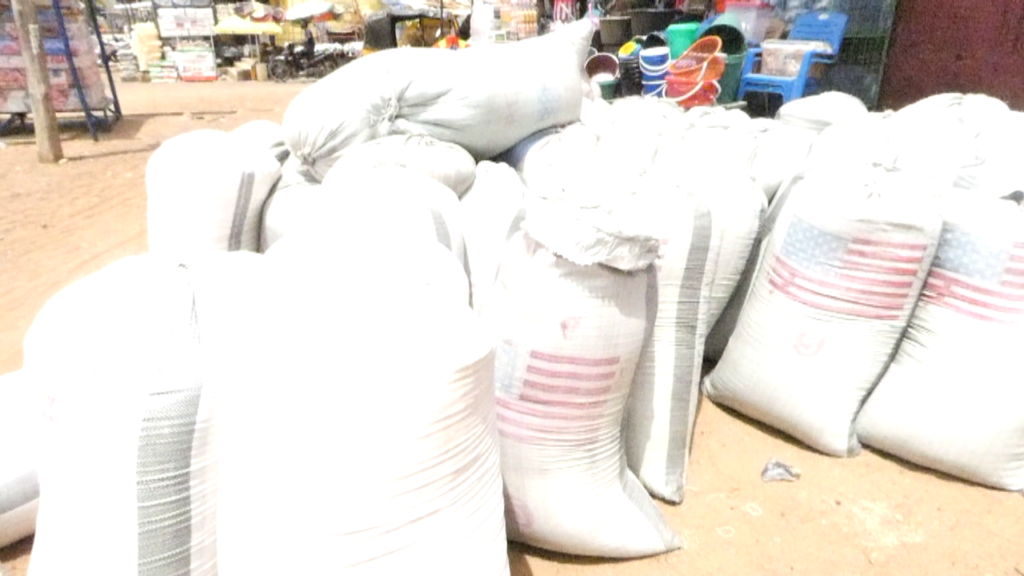
The Peasant Farmers Association of Ghana (PFAG) is urging the government to impose an immediate six-month suspension on rice imports, hoping to give beleaguered local farmers a chance to sell off unsold stocks and stabilise farm-gate prices. The Association argues that such a measure would restore confidence in the domestic rice market and provide crucial relief to producers facing mounting financial challenges. In a statement issued on Thursday, June 4, PFAG revealed that nearly 90% of local rice farmers have been left with unsold stock, despite repeated government interventions. The Association blamed the National Food Buffer Stock Company (NAFCO) for failing to procure surplus rice as directed by President John Dramani Mahama, a lapse they say has put the sustainability of local rice production at risk. PFAG’s statement paints a stark picture: “PFAG calls on the government to immediately order a moratorium on rice imports for a minimum of six (6) months to allow for the clearance of existing Ghanaian-produced rice stocks.” The Association further demanded a transparent review of NAFCO’s mandate, procurement processes, financing, and institutional capacity. They also called for a legal and regulatory framework requiring all government entities, including ministries, state-owned enterprises, hospitals, schools, prisons, and the military, to procure only locally produced rice and other staples. PFAG is also pushing for the full and immediate implementation of the rice import quota policy as part of a broader strategy to strengthen the domestic rice industry and reduce Ghana’s reliance on imports. The Association emphasised that a coordinated package of interventions is needed to build a resilient and sustainable rice value chain. “Invest in post-harvest infrastructure, including storage facilities, milling capacity, and market linkage platforms, to reduce post-harvest losses and improve the competitiveness of locally produced rice against imported alternatives,” PFAG insisted. Without urgent intervention, the Association warns that many rice farmers could face severe financial hardship, undermining national efforts to boost food production and achieve greater food security. Source: Apexnewsgh.com
Bank of Ghana Tightens Grip on Liquidity with GHS 11.28 Billion Bill Auction
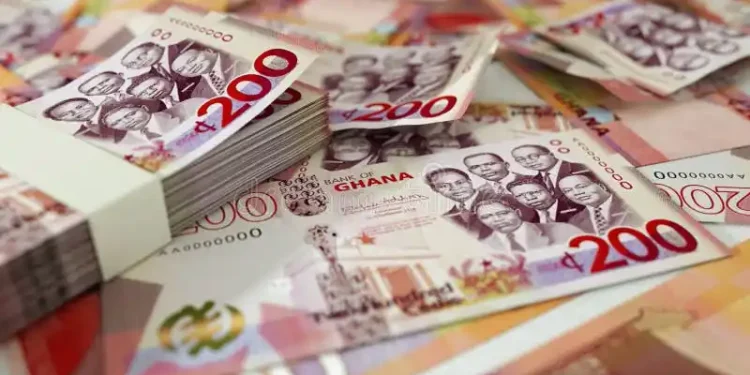
The Bank of Ghana has extracted GHS 11.28 billion from the financial system through its latest 14-day bill auction, highlighting the central bank’s ongoing efforts to control liquidity and anchor macroeconomic stability. Tender 864, conducted on June 3, 2026, saw the central bank successfully selling GHS 11.28 billion in short-term bills to banks and market participants. The auction drew bids at annual rates between 10.40% and 11.00%, with every qualifying offer being fully allotted. The weighted average discount rate settled at 10.88%, while the corresponding interest rate stood at 10.93%. Unlike government-issued Treasury bills, which fund public spending, Bank of Ghana bills are specifically designed as monetary policy tools to absorb surplus liquidity and guide short-term money market trends. The size of this latest mop-up underscores the central bank’s determination to keep inflation in check and preserve recent macroeconomic gains, especially as inflation has ticked up for two straight months, reaching 3.7% in May from 3.4% in April. For market watchers, the 10.93% average interest rate offers insight into current liquidity conditions and signals the central bank’s cautious monetary stance. This operation follows the Monetary Policy Committee’s recent decision to hold the policy rate steady at 14%. The Bank of Ghana’s active use of its bills underscores its commitment to maintaining orderly money markets and aligning liquidity with broader policy objectives. For banks, these short-term bills provide a valuable investment option, while for the central bank, they remain a vital lever for managing money supply and supporting economic recovery. As government spending, forex inflows, and shifting market expectations continue to shape liquidity across the banking sector, stakeholders will be watching closely to see if the central bank maintains this robust pace of liquidity absorption in upcoming auctions. Source: Apexnewsgh.com
Minister Warns: Foreign Digital Content Threatening African Values Among Children

The Minister for Communication, Digital Technology and Innovation, Sam George, has voiced growing concern over the rising influence of foreign digital content on African children, cautioning that it is eroding traditional values such as respect for parents and elders. Addressing the 4th Inter-Parliamentary Conference on Family, Sovereignty and Values on Thursday, June 4, 2026, Mr. George cited data showing that one in three African parents believes their children have lost the traditional value of respecting their parents. He highlighted that 78% of content consumed by African children on digital platforms originates from foreign sources. “So your kids, your grandkids are spending time and 78 per cent of the content that they listen to is from a foreign platform,” Mr. George noted, emphasizing the prevalence of non-African influences in children’s online consumption. According to the minister, digital platforms have become dominant in shaping the behaviors and attitudes of young people, often supplanting the traditional institutions and community structures that once guided socialization. “One in three African parents reports that their children have gone wayward. They’ve lost the African value of respect for parents, and that’s coming from online platforms,” he warned. Mr. George urged parents and guardians to be more vigilant about the digital content their children engage with, arguing that much of it promotes values and behaviors at odds with established family structures and cultural norms. “You just need to take your time and listen to what our kids are watching, your grandchildren are watching online, and you’ll be shocked at what they are being told is the new norm for dealing with parents,” he said. The minister lamented that respect for elders, communal living, and family-centered decision-making, central pillars of African identity, are increasingly under threat. “For millennia, the African identity has been a respect for the elderly and our communal living. Today, the new generation of Africans has no respect for the elderly and family councils, and elders and community ceremonies are now a thing of folklore and a distant past,” Mr. George observed. He concluded by pointing out that digital platforms have become the primary source of socialization for many young people across the continent, a shift that has sparked ongoing debate among policymakers, educators, and cultural leaders about the broader impact of technology and social media on African family life and values. Source: Apexnewsgh.com
Ghana’s Disinflation Trend Shows Signs of Reversal as Inflation Rises to 3.7% in May
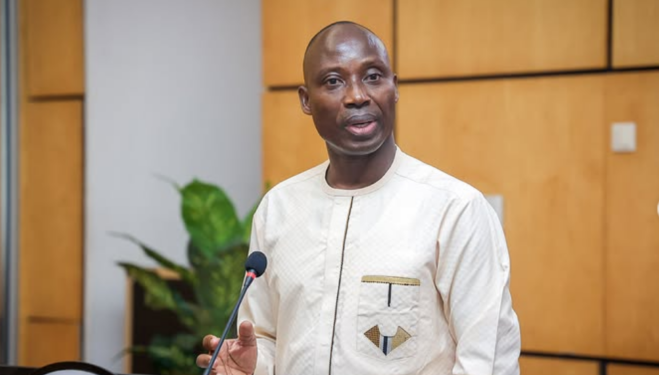
Ghana’s prolonged period of disinflation may be losing momentum, with headline inflation rising for the second month in a row to 3.7% in May 2026. According to the latest Consumer Price Index (CPI) figures released by the Ghana Statistical Service on June 3, inflation ticked up by 0.3 percentage points from April’s 3.4%. Every month, price growth also edged higher to 1.1%, compared to 1.0% in the previous month, hinting at a gradual but persistent build-up in price pressures. The consecutive increases mark a notable shift after a stretch of steady disinflation, though the current inflation level is still well below the 18.4% seen in May 2025. Driving this renewed upward movement is a surge in food prices. Inflation for Food and Non-Alcoholic Beverages jumped to 3.3% in May from 2.2% in April. Food inflation every month nearly doubled, rising to 2.0% from 0.8%, pointing to fresh strains on household budgets. In contrast, non-food inflation eased slightly to 4.1% from 4.2%, suggesting that while overall inflation remains contained, food has become the main engine behind the latest increases. Locally produced items continued to exert the greatest inflationary pressure, with an annual rate of 5.0%, up from 4.7% in April, and accounting for more than 92% of the overall inflation outcome. Imported inflation also inched up but remained muted at 0.9%. Breaking it down by classification, services saw the highest inflation rate at 9.9%, compared to just 1.4% for goods, reflecting persistent price pressures in service-related costs. Regionally, the North East Region recorded the highest inflation rate at 10.1%, while the Savannah Region experienced deflation at -3.0%. Despite the recent uptick, the Ghana Statistical Service emphasized that inflation has dropped sharply from 18.4% in May 2025 to 3.7% in May 2026, signaling a broad improvement in macroeconomic stability. However, the agency cautioned that the emerging pressure from food prices now warrants closer monitoring. Source: Apexnewsgh.com
Governor of Bank of Ghana Reassures Investors: Ghana Open for Business Again
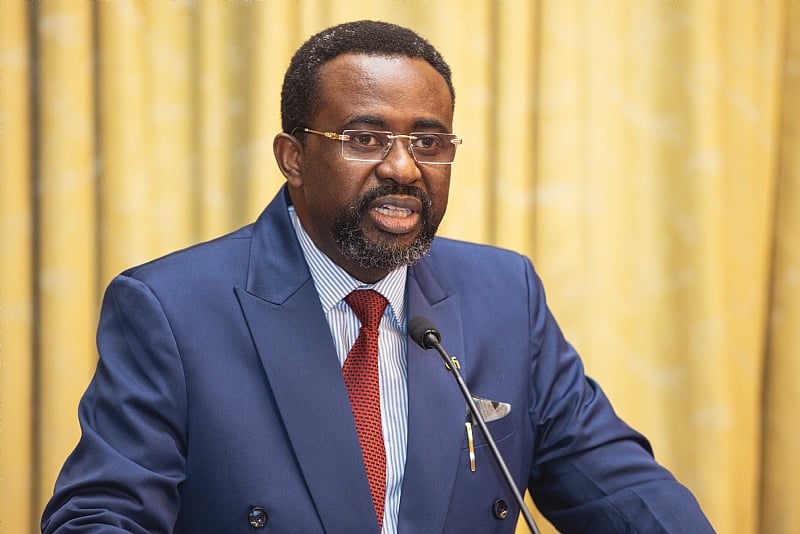
Ghana is once more ready to welcome investors, according to Dr. Johnson Pandit Asiama, Governor of the Bank of Ghana (BoG). Addressing an audience at the Ghana-UK Investment Summit in London, Dr. Asiama affirmed that recent economic reforms have restored stability and renewed confidence in Ghana’s long-term growth prospects. Reflecting on the challenges of Ghana’s 2022 economic crisis and the subsequent Domestic Debt Exchange Programme, Dr. Asiama acknowledged the caution that some investors have felt in recent years. However, he stressed that decisive policy and institutional reforms have since been implemented to ensure such difficulties are not repeated. Among these reforms, Dr. Asiama highlighted amendments to the Bank of Ghana Act, which now provide stronger safeguards against excessive central bank financing of government spending. New fiscal rules have also been introduced to reinforce discipline in economic management. “We are building back better. What happened in the past belongs to the past,” Dr. Asiama told investors, pointing to improving macroeconomic indicators as proof that Ghana’s economic recovery is underway. He noted, however, that global geopolitical tensions and the ongoing conflict in the Middle East remain significant factors in preventing a more rapid decline in interest rates. Dr. Asiama suggested that, were it not for these global uncertainties, interest rates in Ghana could already have fallen below 10%. He expressed confidence that as international conditions normalize, Ghana will continue on its path toward lower interest rates and stronger economic growth. Looking to the future, the Governor drew inspiration from financial centers in the Middle East and Asia, suggesting that Ghana could become the “Singapore of Africa” with the right investments. He outlined an ambitious vision to transform Accra into a leading international financial services hub within the next few years. Dr. Asiama concluded by urging the Ghanaian diaspora and international investors to seize the opportunities emerging from Ghana’s improving economic environment. He emphasized that the time is ripe for investment across multiple sectors, as the country enters a new phase of growth and development. Source: Apexnewsgh.com