









GUTA President Blasts Parliament Over Foreign Business Dominance, Warns Politicians Will Feel the Pinch After Office

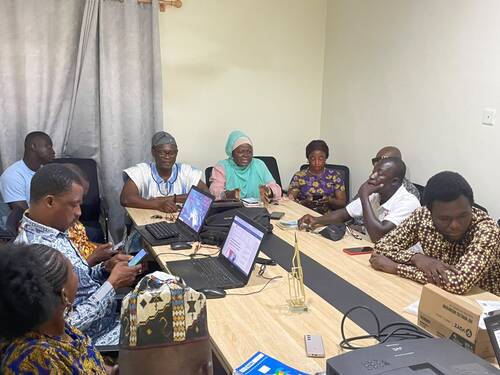
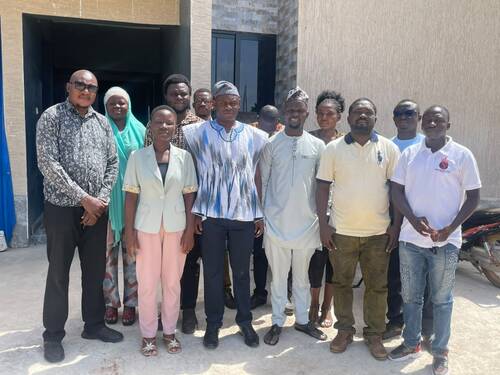
The President of the Ghana Union of Traders Association (GUTA) has delivered a stinging rebuke to Ghana’s political class, holding both sides of Parliament responsible for what he describes as a systemic failure to protect local businesses from being crowded out by foreign enterprises. Clement Boateng made no effort to soften his message as he addressed members of the Minority Caucus, laying the blame squarely at the feet of successive political administrations across party lines. His central charge: that lawmakers, through inaction and weak oversight, have allowed foreign investors, particularly from China, to entrench themselves in sectors of the economy that were historically the preserve of Ghanaian entrepreneurs. The sectors Boateng identified paint a broad and troubling picture. Retail trade, construction, mining, finance, telecommunications, and small-scale commerce, areas once dominated by indigenous business owners, have, in his view, increasingly fallen under the influence of foreign players. The consequence, he argued, has been the gradual marginalisation of local entrepreneurs who find themselves unable to compete on an uneven playing field. Nowhere has this been more damaging, Boateng suggested, than in the mining sector, where the surge in foreign activity has not only displaced Ghanaians economically but has also wreaked havoc on the environment. He pointed specifically to the contamination of vital water bodies, a crisis that has drawn widespread public concern and underscored the real human cost of unchecked foreign involvement in the industry. The GUTA President also turned his attention to the regulatory frameworks that should, in theory, offer some protection. He singled out the Ghana Investment Promotion Centre Act, which contains provisions safeguarding local participation in certain sectors, but argued that the law exists largely on paper. Weak enforcement, he contended, has rendered these protections meaningless in practice, a failure he attributed to a lack of political will. Perhaps his sharpest warning, however, was directed personally at the lawmakers in the room. Boateng reminded them that many of them are active business people themselves, and cautioned that once they exit public office and return fully to private enterprise, they will be forced to confront the very same challenges they are currently doing so little to address. It was, in effect, a warning that the consequences of their inaction would one day come home to roost. Source: Apexnewsgh.com
MTN Ghana Launches Game Changing Sim Swap Self-Service – Customers Swap Anytime, Anywhere

In its commitment to delivering convenient, secure and innovative digital solutions for customers, MTN Ghana has launched Sim Swap Self-Service. This innovative solution empowers customers to replace their SIM cards whenever and wherever they may be, eliminating the need to visit a physical service centre for assistance. The launch was held simultaneously across six locations, Accra, Kasoa, Koforidua, Kumasi, Ho and Tamale, demonstrating MTN’s commitment to digital transformation and enhancing customer experience. Speaking at the event, Jemima Kotei Walsh, the Chief Customer Experience Officer of MTN Ghana, shared the vision behind the new self-service SIM swap initiative. She underscored MTN’s dedication to harnessing technology for customer empowerment, describing the launch as a milestone that would reshape how customers interact with their mobile services. She explained that, for years, SIM swaps meant a trip to a service center or an online request that required assistance. Now, however, MTN Ghana is proud to enable customers to complete this vital service on their own, conveniently, securely and wherever they happen to be. “The need for SIM swaps has always been high, with MTN Ghana handling roughly 250,000 of such requests each month across its service centers. The self-service will ease these burdens by reducing lines, waiting times and giving customers more control and flexibility over their accounts. Before the full rollout, a pilot program had already demonstrated the value of the initiative with more than 18,000 customers successfully swapping their SIMs independently or with very little help at MTN branches. This success was more than just numbers, it was proof of digital empowerment and a shining example of customer-driven innovation in action,” she added. Beatrice Hemen, Director of Consumer Affairs at the National Communications Authority (NCA), praised the new solution, emphasizing that telecom users frequently report SIM swap concerns. “The Authority consistently receives a significant number of SIM swap-related complaints. Empowering customers to handle the process themselves marks a major step forward,” she commented. She added that the initiative will give customers greater choice and help shape Ghana’s telecommunications ecosystem. Commenting on the innovative Sim Swap Self-Service, the Chief Executive Officer of MTN Ghana, Mr. Stephen Blewett, stated that MTN continues to drive forward its vision for a dynamic digital future and remains dedicated to developing innovative solutions that consistently exceed customer expectations and enhance their daily experiences. The SIM Swap Service offers a range of advantages for customers. Users can conveniently swap their SIM cards at any time, saving valuable time and effort. Whether a device is lost, stolen, or damaged, the service allows for quick replacement, even for individuals located outside Ghana. It ensures rapid restoration of mobile services with little interruption, provides robust security through digital authentication and empowers customers to manage their accounts independently, eliminating reliance on service center staff. Security is a fundamental aspect of this innovation. The self-service SIM swap platform incorporates state-of-the-art biometric facial recognition, guaranteeing that only the legitimate owner can carry out the swap. This technology significantly reduces the risk of fraud and shields customers from threats posed by forged or compromised identification cards. Attendees witnessed a live walkthrough of the self-service SIM swap, demonstrating how users can complete the process seamlessly through MTN’s digital platforms, either via the myMTN App or by USSD dialling *1333#. This digital approach replaces traditional manual checks with a secure biometric facial-recognition scan that verifies the user against their registered SIM information, ensuring both ease and security. The event wrapped up with a lively, coordinated display featuring placards that illustrated each step of the SIM swap process, visually emphasizing how straightforward and effortless the new service is for customers. Source: Apexnewsgh.com
Mahama Urges Tenants to Report Landlords Flouting Rent Advance Laws

President John Dramani Mahama has urged tenants across Ghana to hold landlords accountable by reporting those who demand rent advances beyond the legally permitted limit, as the government intensifies efforts to protect renters from exploitation in the housing sector. The President made the call during a meeting with Organised Labour at the Presidency, where he underscored the urgent need to enforce existing housing regulations and shield tenants from unlawful financial demands. Mahama acknowledged the mounting pressure that housing costs are placing on Ghanaian households, warning that affordable accommodation is rapidly slipping out of reach for a growing number of citizens. He linked the surge in excessive rent demands to the country’s persistent housing deficit, arguing that the shortfall in available housing has emboldened some landlords to impose illegal charges on desperate renters. The President reminded the public that the law expressly bars rent advances of more than six months, yet enforcement of this provision remains largely ineffective, a situation he partly attributed to the reluctance of both tenants and landlords to pursue grievances through the rent courts. As a way forward, President Mahama proposed convening a national housing dialogue bringing together government, the private sector, and labour groups to craft a robust social housing policy. He stressed that only a well-coordinated, multi-stakeholder approach can meaningfully resolve the housing crisis and guarantee fair, accessible accommodation for every Ghanaian. Source: Apexnewsgh.com
Transport Fares Hang in the Balance as Fuel Prices Threaten to Rise

Commuters in Ghana may soon feel the pinch at the lorry station. The Ghana Private Road Transport Union (GPRTU) has sounded a cautious warning: if fuel prices go up, transport fares will likely follow. The alert came on March 15, when the union’s Industrial Relations Officer, Abass Imoro, sat down for an interview to address growing concerns about the cost of moving people across the country. He revealed that some drivers, already buckling under rising operating expenses, had taken matters into their own hands by quietly hiking fares without authorization. The union, however, was quick to intervene, rolling back those increases and restoring the officially approved rates. Drivers had held onto hope that the recent weakening of the dollar would bring some relief, particularly on the cost of lubricants and other essential inputs. That hope, Mr. Imoro admitted, has largely gone unfulfilled. Prices have remained stubbornly high, and the financial pressure on transport operators continues to mount. Still, Mr. Imoro was keen to reassure the public that the union would not act in haste. Should fuel prices rise and trigger a review of fares, he said, the leadership would first take time to study market trends before announcing any changes, a measured approach aimed at protecting commuters from sudden, unplanned increases. But the clouds on the horizon are darkening. Duncan Amoah, Executive Secretary of the Chamber of Petroleum Consumers, has issued a stark warning: petrol and diesel prices could surge to between 13 and 15 cedis per litre. He pointed to supply disruptions fuelled by escalating tensions in parts of the Middle East as the key driver behind the anticipated spike. For everyday Ghanaians who depend on commercial transport to get to work, school, and market, the coming weeks may demand closer attention, and perhaps a tighter grip on their wallets. Source: Apexnewsgh.com
Alleged Ant-Trafficking Kingpin Caught at Nairobi Airport with Over 2,000 Queen Ants
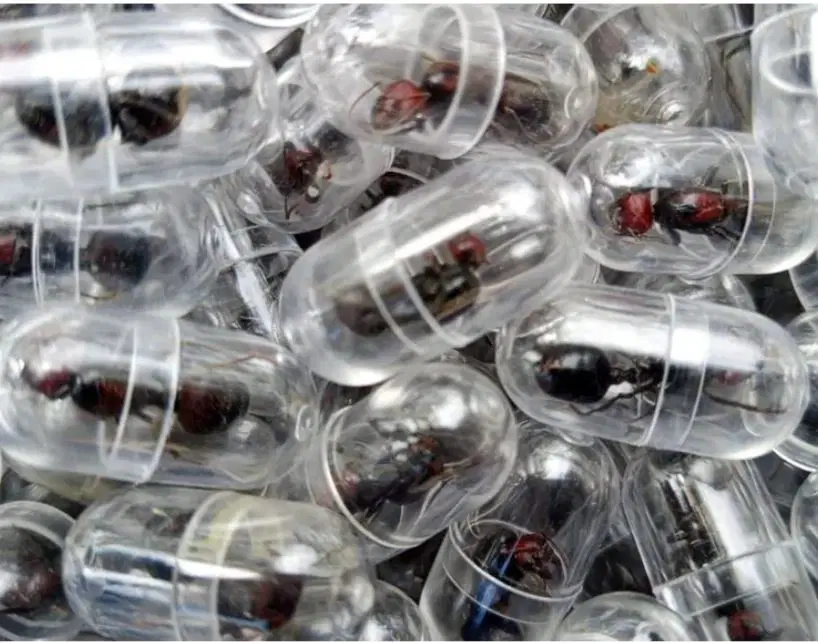
A Chinese national accused of being the mastermind behind a Kenya-based anti-trafficking ring has been arrested at Nairobi’s Jomo Kenyatta International Airport (JKIA) after attempting to smuggle more than 2,000 live queen garden ants out of the country, the BBC reports. Zhang Kequn was intercepted during a routine security check as he prepared to board a flight to China. What authorities found in his luggage was anything but routine: a carefully concealed consignment of live ants, packed with the kind of precision that suggested this was no amateur operation. According to state prosecutor Allen Mulama, who addressed the court on Wednesday, the ants had been distributed across two hiding spots within Zhang’s personal luggage. “Within his personal luggage, there was found 1,948 garden ants packed in specialised test tubes,” he told the court, adding that “a further 300 live ants were recovered concealed in three rolls of tissue paper within the luggage.” Zhang has yet to respond to the accusations. However, investigators told the court that he is linked to an anti-trafficking network that was dismantled in Kenya last year, and that he had apparently evaded arrest at the time by fleeing the country on a different passport. The ants in question, scientifically known as Messor cephalotes, are giant African harvester ants protected under international biodiversity treaties. The Kenya Wildlife Service (KWS) has previously warned of a surging demand for the species in Europe and Asia, where collectors prize them as exotic pets. Their removal from the wild, the KWS has cautioned, poses a real threat to soil health and broader ecosystem stability. This latest arrest follows a landmark case from last May, in which a Kenyan court sentenced four men, two Belgians, a Vietnamese national, and a Kenyan, to one year in prison or a fine of $7,700 (£5,800) for a similar smuggling attempt. The four had pleaded guilty after their arrest in what the KWS described as “a coordinated, intelligence-led operation.” The Belgians, notably, told the court they had been collecting the ants as a hobby and were unaware it was illegal. Investigators now believe Zhang was the driving force behind that same network. The court on Wednesday granted prosecutors permission to detain him for five days while detectives conduct further investigations, including a forensic examination of his phone and laptop. Senior KWS official Duncan Juma told the BBC that the probe is far from over, with more arrests expected as investigators extend their reach into other Kenyan towns where ant harvesting is suspected to be taking place. For the KWS, an agency more accustomed to protecting lions and elephants, the growing ant-trafficking trade represents an unexpected but increasingly serious frontier in wildlife crime. Source: Apexnewsgh.com
Only 1,000 to Be Recruited Out of 180,000 Ghana Immigration Service Applicants, Says Interior Minister

The Minister for the Interior, Mubarak Mohammed Muntaka, has revealed that just 1,000 young people will be recruited into the Ghana Immigration Service, despite more than 180,000 applicants vying for positions during the recent recruitment exercise. Speaking at a press briefing on Wednesday, March 11, Mr. Muntaka addressed the overwhelming demand for jobs among Ghana’s youth and clarified the constraints facing the country’s security agencies. He explained that while thousands expressed interest in joining the Immigration Service, the organization’s current infrastructure and logistical capacity can only accommodate a fraction of the applicants. “The total of over 180,000 young men wanted to join the Ghana Immigration Service. But the interesting thing is that today, the Ghana Immigration Service, the strength, from the Comptroller General to the last officer, stands at 18,300. Less than 20,000, yet you have 180,000 opting to join,” the Minister noted. Mr. Muntaka added that, due to limitations in training and accommodation facilities, only 1,000 new recruits can be taken in during this recruitment cycle. “Unfortunately, because of the physical space, we could only have space for 1,000,” he said. He described the situation as a clear indication of the intense competition for positions within the security services and a reminder of the pressing need for job creation to address the aspirations of Ghana’s growing youth population. Source: Apexnewsgh.com
FDA Launches Nationwide Crackdown on Suspected Plastic Use in Plantain Chips

The Food and Drugs Authority (FDA) has launched a sweeping nationwide market surveillance and laboratory testing initiative after alarming reports surfaced that some plantain chip vendors are using melted plastic to fry their products. This decisive action was triggered by viral videos and social media reports alleging that certain vendors are adding polythene materials to hot oil during the preparation of plantain chips. The practice, purportedly aimed at making the chips crispier and extending their shelf life, has raised urgent food safety concerns across the country. In an official statement, the FDA condemned the alleged use of melted plastic as extremely dangerous. The authority warned that melting plastic in frying oil results in direct chemical contamination, making the food unfit for human consumption. According to the FDA, heating plastics such as low-density polyethene in hot oil can cause harmful chemicals to migrate into the food. The process speeds up the release of plasticisers, phthalates, and antioxidants, all of which are potentially toxic to consumers. Citing scientific research, the authority highlighted that long-term exposure to such chemicals is linked to endocrine disruption, hormonal imbalances, and a higher risk of certain cancers. The FDA reminded the public that, under Section 100 of the Public Health Act, 2012 (Act 851), selling unwholesome or contaminated food is a criminal offence. The use of non-food-grade additives like plastics in food preparation could lead to prosecution and permanent closure of offending businesses. Consumers are urged to stay vigilant, especially if plantain chips have an odd chemical smell, a plastic-like aftertaste, or remain unusually crisp for extended periods. The FDA encouraged the public to report any suspicious food preparation practices they observe. The authority also assured the public that the results of ongoing laboratory tests on plantain chips will be released when investigations are complete, reinforcing its commitment to consumer safety and public health. Source: Apexnewsgh.com
The Forgotten Treasure of the Shea Fruit: Unlocking the Nutritional and Economic Potential of Shea Pulp
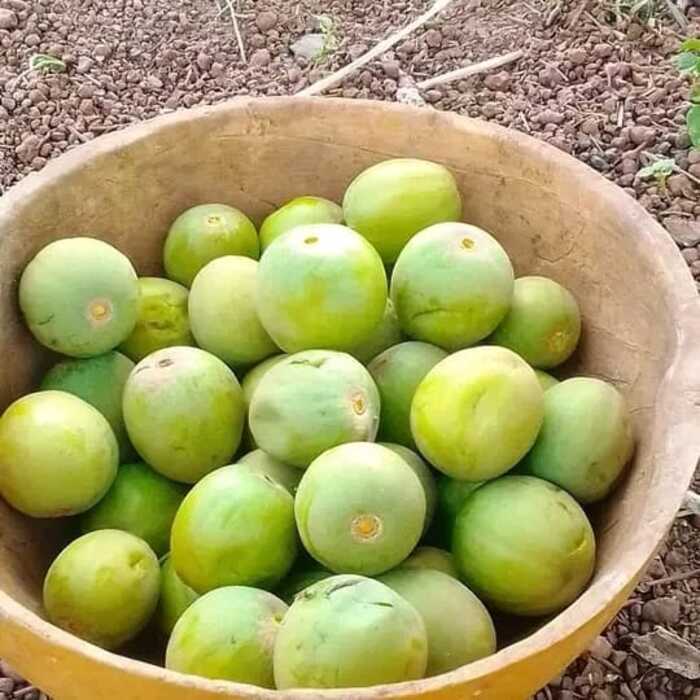
The fruit of the shea tree, scientifically known as Vitellaria paradoxa, has long been part of the natural diet of many communities across the savanna regions of West Africa. Although the shea nut is globally recognized for the butter extracted from it—an ingredient widely used in cosmetics, pharmaceuticals, and food industries—the fruit itself remains one of the most underutilized resources of the tree. Yet, the pulp surrounding the nut is both delicious and highly nutritious, and for generations it has provided seasonal nourishment for people across the Sahel and northern Ghana. The shea fruit resembles a large plum or a small avocado, with a soft, edible pulp covering the nut. This pulp has a distinctive sweet taste often described as slightly caramel-like, and its smooth texture is comparable to that of an avocado. In many rural communities, the fruit is commonly eaten fresh when it ripens during the shea harvesting season. Children and adults alike enjoy the fruit as a natural snack while collecting the nuts for processing into shea butter. Beyond its pleasant taste, the pulp of the shea fruit is exceptionally nutritious. Scientific studies have shown that it contains more than three times the amount of vitamin C found in oranges. This high vitamin content makes it a powerful natural antioxidant that supports the immune system and contributes to overall health. In addition to vitamin C, the pulp is rich in carbohydrates, providing an important source of energy for communities engaged in agricultural activities. It also contains proteins and essential minerals such as calcium and potassium, which play important roles in maintaining strong bones, supporting muscle function, and sustaining general well-being. The importance of the shea fruit becomes particularly evident during the early farming season, often referred to in many rural communities as the “hungry season.” This is the period when stored grains from the previous harvest begin to run low while farmers are preparing their land for planting. During this time, the shea fruit ripens and becomes a valuable natural source of nourishment. The sugars in the pulp provide quick energy for farmers carrying out the physically demanding work of clearing and preparing fields. Research conducted on dried samples of shea fruit pulp collected from countries such as Mali, Burkina Faso, northern Cameroon, and Uganda has confirmed the fruit’s nutritional value. Analytical studies measuring total soluble solids, protein content, and mineral composition reveal that the pulp is rich in sugars, proteins, calcium, and potassium. These nutrients are particularly valuable in savanna environments where food diversity may be limited during certain seasons of the year. Traditionally, the pulp is eaten fresh, but its potential extends far beyond this simple form of consumption. With appropriate processing and innovation, the pulp can be transformed into a wide range of food products. For instance, the pulp can be processed into fruit juice, producing a refreshing beverage that is rich in carbohydrates, vitamin C, and essential minerals. Such juice could serve both as a nutritious local drink and as a commercial product for broader markets. The pulp can also be used to produce jams and jellies. When processed into spreads, the fruit retains its natural sweetness while providing valuable nutrients. These products could potentially become popular local delicacies and even attract international consumers interested in natural and indigenous foods. Another promising possibility is the production of shea fruit wine. Through fermentation, the natural sugars present in the pulp can be converted into alcoholic beverages with unique regional flavors. In addition, the pulp can be processed into fruit leather, a dried fruit product similar to natural fruit snacks. Drying the pulp allows it to be preserved for longer periods, making it available even after the harvesting season has ended. Shea pulp can also be incorporated into baked goods such as cakes, muffins, and pastries. Its smooth texture and natural sweetness make it a suitable ingredient for baking, much like banana or apple puree. Similarly, dried pulp can be used to produce snacks and confectionery, offering nutritious alternatives to many highly processed foods. Even beyond human consumption, the pulp has additional uses. It can be used as a supplement in poultry feed, helping to reduce waste while contributing to sustainable livestock production. Studies examining indigenous knowledge of the shea tree also reveal interesting perspectives within savanna communities. In many cases, men tend to emphasize the taste and quality of the fruit pulp, while women often focus more on the butter yield of the nut. This difference reflects the traditional roles played in shea harvesting and processing, where women are primarily responsible for transforming the nuts into shea butter, an important source of income and cooking oil for households. Despite the growing international interest in shea butter production, the nutritional importance of the fruit pulp itself often receives little attention in development programs. Recognizing the value of the pulp could open new opportunities for food innovation, rural entrepreneurship, and improved nutrition across shea-producing regions. One of the advocates calling attention to the untapped potential of the shea fruit is Chef Abiro. According to him, the shea fruit is one of the most underappreciated ingredients in Northern Ghanaian cuisine. While the shea nut has achieved global fame because of the butter extracted from it, the fruit itself remains largely overlooked in modern culinary practice. Chef Abiro believes that with creativity and innovation, the shea fruit could become a key ingredient in new indigenous dishes that celebrate the culinary heritage of northern Ghana. Chef Abiro, born Abiro Wisdom Seidu Napaana on May 23, 1998, in Zuarungu in the Upper East Region of Ghana, is a renowned chef, restaurateur, culinary advocate, television personality, and writer. Raised in Bawku, he developed a passion for cooking from an early age in a household that encouraged gender equality in domestic responsibilities. This environment allowed him to participate in cooking activities and gradually refine his culinary skills. His formal education in the culinary field began at Bolgatanga Senior High School, where he studied Home Economics. He later pursued a diploma in
Fuel Shortages Hit Service Stations as Technical Glitch Disrupts Petroleum Supply Chain

Several Oil Marketing Companies (OMCs) in Ghana are grappling with fuel shortages at their service stations, citing operational challenges at the ports. Both state-owned GOIL PLC and private operator Star Oil Ghana have linked the disruptions to a technical outage of the Integrated Customs Management System (ICUMS), a critical digital platform used to process tax payments and facilitate the lifting of petroleum products from depots. In separate statements, the companies reported that the ICUMS outage, which began on Thursday, has thrown the national petroleum supply chain into disarray. GOIL PLC announced that the technical difficulties have prevented the company from lifting products for distribution, causing some of its stations across the country to experience temporary shortages. Edward Abambire Bawa, Group Chief Executive Officer and Managing Director of GOIL, expressed regret over the inconvenience and assured customers that management is working with relevant authorities to restore normal fuel supply as soon as possible. Star Oil Ghana echoed similar concerns, emphasizing that the shortages are not a result of hoarding in anticipation of a price hike. The company explained that the problem was exacerbated by a public holiday on Friday, which delayed planned petroleum lifting operations for Saturday. “Unfortunately, the GRA ICUMS system was down throughout the day, preventing all OMCs from processing the necessary documentation to load products,” Star Oil stated. As of Monday, March 9, 2026, the technical challenges persist, affecting the entire downstream petroleum industry. Star Oil noted that its service stations, which typically sell high volumes relative to tank capacity, have been particularly affected by the disruption. The company assured customers that it is monitoring the situation closely and will resume restocking as soon as the system is restored. Source: Apexnewsgh.com
Ghanaian Man Pleads Guilty in $100 Million U.S. Online Fraud Scheme

In a dramatic courtroom moment in New York, 40-year-old Ghanaian national Derrick Van Yeboah admitted to his role in a sweeping online fraud operation that stole over $100 million from victims in the United States. The guilty plea, entered before Judge Arun Subramanian at the U.S. District Court for the Southern District of New York, marks a significant development in the fight against international cybercrime. The Federal Bureau of Investigation (FBI) announced Van Yeboah’s plea on Friday, March 6, revealing the extent of his involvement in a sophisticated network that orchestrated romance scams and business email compromise attacks. The announcement was made by Jay Clayton, the U.S. Attorney for the Southern District of New York, who underscored the devastating impact on victims, many of whom were elderly men and women searching for companionship online. “Derrick Van Yeboah pled guilty today to a massive criminal scheme targeting elderly men and women in online romance scams,” Clayton stated. “Many New Yorkers search for companionship online, and no one deserves to have their vulnerability met with fraud and theft. Van Yeboah cruelly exploited those vulnerabilities for over $10 million in illicit profit.” According to court documents, Van Yeboah was part of a Ghana-based criminal organisation that preyed on individuals and companies across the United States. Victims were lured into fake romantic relationships online, with conspirators using fictitious identities to gain trust before persuading targets to send money or help launder illicit funds. The group also deceived businesses through business email compromise, tricking them into transferring funds to accounts controlled by the network. Authorities say the criminal enterprise stole and laundered more than $100 million, with much of the proceeds ending up in West Africa. Van Yeboah himself was responsible for over $10 million in losses, personally carrying out several romance scams by impersonating fake partners during online communications. Under U.S. law, conspiracy to commit wire fraud carries a maximum penalty of 20 years in prison. Van Yeboah has agreed to pay restitution and forfeiture totaling $10,149,429.17. His sentencing is scheduled for June 3, 2026. Jay Clayton praised the efforts of the FBI and acknowledged the support of authorities in Ghana and the U.S. Department of Justice’s Office of International Affairs in bringing the case to justice. As the legal process moves forward, the case stands as a stark warning against the dangers of online scams and the international reach of cybercriminal networks. Source: Apexnewsgh.com