
NACOC Declares Frank Danquah Wanted Amid Heightened Narcotics Scrutiny
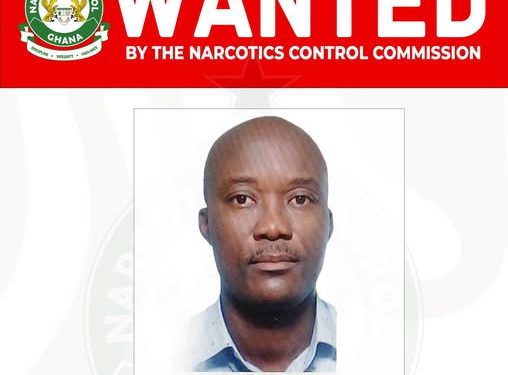
The Narcotics Control Commission (NACOC) has officially declared Frank Danquah, born September 11, 1978, a wanted man in connection with suspected narcotics-related offenses. The announcement, made public on September 22, 2026, comes as authorities intensify efforts to clamp down on drug trafficking across Ghana. In its public notice, NACOC appealed to citizens for help in locating Mr. Danquah, encouraging anyone with information about his whereabouts to reach out via the Commission’s toll-free hotline, 0800 307 307. While details about the specific offenses remain undisclosed, NACOC’s wanted-persons page notes that individuals on the list are typically sought under the Narcotics Control Commission Act, 2020 (Act 1019), a law covering importation, exportation, possession, and prohibited business involving narcotics. This latest development comes at a time when Ghana’s narcotics-control systems are under increased public scrutiny. Earlier this month, authorities began investigating the interception of approximately 3.9 tonnes of suspected cocaine shipped from Ghana to France. Six individuals have already been remanded in connection with the case, after prosecutors revealed that containers released from Tema Port for export had shown suspicious scan images. NACOC has not linked Frank Danquah to the France cocaine case in its notice. However, the timing of the wanted declaration underscores the broader efforts underway to strengthen enforcement and accountability within Ghana’s fight against illegal drugs. As the search for Frank Danquah intensifies, NACOC urges the public to assist in ensuring that those involved in narcotics offenses are brought to justice. Source: Apexnewsgh.com
Ghana’s Public Transport Fares to Rise by 8% After Weeks of Negotiation
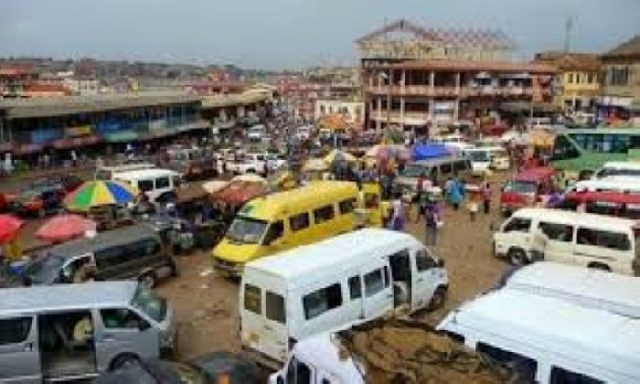
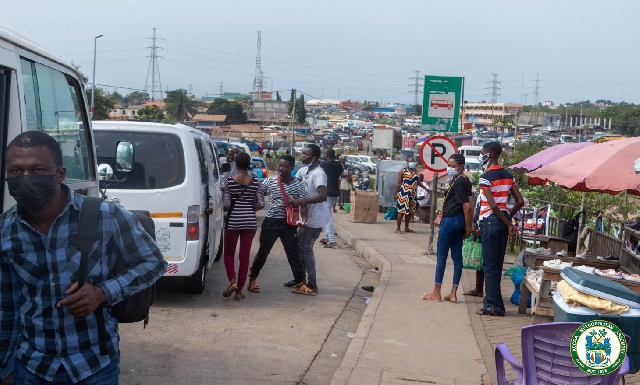
For weeks, passengers and drivers across Ghana anxiously awaited news on transport fares. The air was thick with speculation as fuel prices climbed, spare parts became more expensive, and vehicle maintenance costs soared. Behind the scenes, intense discussions were underway between the government and the nation’s leading transport unions. It all began when the Ghana Private Road Transport Union (GPRTU) and the Ghana Road Transport Coordinating Council (GRTCC) tabled a bold proposal: a 30% increase in fares to keep up with rising costs. The unions argued that without such an adjustment, the viability of commercial transport was at risk. Their representatives, including GPRTU’s Deputy Public Relations Officer, Samuel Amoah, insisted the 30% increment was essential and negotiations were ongoing. On September 8, union leaders met with the Ministry of Transport. The government acknowledged the unions’ concerns and proposed a GH¢2 per litre intervention on diesel to help cushion operators. The two sides agreed to form a joint team, made up of the Ministry, GPRTU, and GRTCC—to carefully review the true cost of running commercial vehicles. As negotiations progressed, it became clear that compromise was needed. The unions stood firm on their request, but the government sought to balance the interests of operators and the traveling public. After much deliberation, all parties agreed on a more modest 8% increase in fares. Starting Saturday, September 26, 2026, commuters will feel the change as new fares take effect nationwide. The 8% adjustment will impact trotros, shared taxis, and other public transport services, following the fare structure hammered out by the government and transport unions. While smaller than initially requested, this new rate reflects a hard-fought compromise after weeks of debate, a story that echoes the daily negotiations of life on Ghana’s busy roads. Source: Apexnewsgh.com
FONAR Calls for National Action as Striga Threatens Cereal Production in Northern Ghana
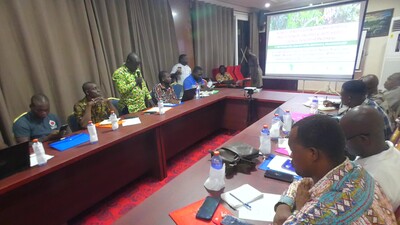
The Executive Director of the Forum for Natural Regeneration (FONAR), Mr. Sumaila S. Saaka, has called for increased national investment and coordinated action to tackle the growing threat posed by Striga, commonly known as witchweed, to cereal production in Northern Ghana. According to Mr. Saaka, Striga should no longer be treated merely as a farmer’s private challenge but as a national food security threat requiring sustained government attention and investment. He made the call on Thursday, September 17, 2026, when he delivered the opening remarks at a sensitization forum for media practitioners on Striga control in Northern Ghana, held at the Blue Sky Hotel in Zuarungu in the Bolgatanga East District of the Upper East Region. The forum was organised in collaboration with the Ministry of Food and Agriculture (MoFA) and the Ghana Journalists Association (GJA), Upper East Region Chapter. Mr. Saaka explained that Striga poses a serious threat to staple cereal crops, particularly sorghum, millet and maize, because the parasite attaches itself to the roots of crops and draws away essential water and nutrients before becoming visible above the soil. He noted that by the time the characteristic purple flowers of Striga become visible, significant damage may already have been done to the affected crops. “For a farmer in the Upper East Region watching sorghum, millet or maize wither in a field that received good rains, Striga is a very familiar and very painful reality,” he said. The FONAR Executive Director stressed that the organisation views Striga not only as an agricultural pest but also as an indication of deeper challenges associated with declining soil fertility and land degradation. He said declining soil fertility, loss of tree cover and depletion of organic matter from farmlands create conditions that allow Striga to thrive. Mr. Saaka therefore advocated an integrated approach that combines direct Striga control measures with long-term land restoration. He said FONAR’s work in promoting Farmer Managed Natural Regeneration (FMNR), climate-smart agroforestry and integrated soil fertility management was aimed at restoring the health and productivity of degraded agricultural lands. “Where soil fertility declines, where tree cover is lost, where organic matter is stripped from the land season after season, Striga finds exactly the conditions it needs to thrive,” he stated. Mr. Saaka also urged journalists to use their platforms to educate farmers and the wider public about Striga and the available control measures. He said accurate and well-informed journalism could help reach farming communities with practical information while also holding institutions accountable for interventions aimed at addressing the problem. “A single well-researched broadcast can reach many farming households that no extension officer ever will,” he said, adding that well-told stories could help replace myths and misinformation about Striga with practical knowledge. He encouraged media practitioners to pay particular attention to the experiences of farmers affected by Striga, describing their lived experiences as an important measure of whether interventions are producing the desired results. Mr. Saaka further called on the government to invest in community-level biocontrol and awareness programmes, alongside measures to restore degraded soils and strengthen pest-control interventions. He argued that cereal production in Northern Ghana should receive sustained attention as part of the country’s broader food security strategy. According to him, Striga infestation could result in substantial yield losses in affected areas, particularly in parts of the Upper East and Upper West Regions. He warned that continued inaction could contribute to early food shortages and worsen the economic pressures confronting farming households. “Government cannot treat Striga as a farmer’s private burden. It is a national food security threat, and it demands national investment,” Mr. Saaka said. FONAR seeks stronger collaboration Mr. Saaka said FONAR, MoFA and the media needed to strengthen collaboration in addressing the Striga challenge. He explained that the forum was expected to help journalists understand what Striga is, why it persists, the relationship between the weed and soil health, and the range of available control measures. He stressed that the agronomic recommendations promoted by MoFA’s extension officers and FONAR’s land restoration and natural regeneration approaches should be viewed as complementary rather than competing interventions. The forum also provided an opportunity for journalists to hear directly from a farmer affected by Striga and to visit an affected farm as part of efforts to gain a practical understanding of the problem. Mr. Saaka expressed the hope that the engagement would mark the beginning of a sustained working relationship between FONAR, MoFA and media organisations in promoting public awareness and action on Striga. He also expressed appreciation to the Awaken Trees Association of Austria for funding the activity, as well as MoFA and the GJA Upper East Regional Chapter for their partnership in organising the forum. Source: Apexnewsgh.com/Ngamegbulam Chidozie Stephen
20 NEDCo Transformers Destroyed in Upper East and North East Regions Between January and August 2026 — PURC
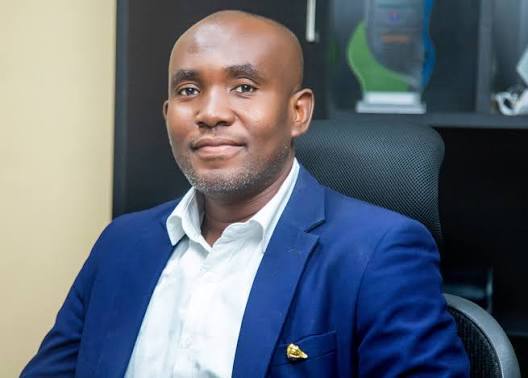
The Upper East Regional Office of the Public Utilities Regulatory Commission (PURC) has disclosed that 20 transformers belonging to the Northern Electricity Distribution Company (NEDCo) within Upper East and North Region were reportedly destroyed between January and August 2026, raising concerns about the impact of illegal electricity-related activities on power distribution across the region. According to the Upper East Regional Office of the PURC, led by Mohammed Adam Sulaiman, the destruction of the transformers is among a number of challenges affecting both electricity consumers and NEDCo as a distributor. Mr. Sulaiman made the revelation during an exclusive engagement with Apexnewsgh, where he spoke about some of the challenges confronting consumers and the electricity distribution company in the Upper East and North East regions. He said threats and attacks against NEDCo staff linked to illegal electricity use and nonpayment of electricity bills are gradually gaining ground in some communities, creating additional challenges for the effective delivery of electricity services. According to him, some of the concerns include the nonpayment of electricity bills, meter bypassing, meter tampering and illegal direct connections from distribution lines. He explained that such activities could damage NEDCo’s electrical infrastructure, including transformers and electricity meters, thereby affecting the reliability and sustainability of electricity distribution. Mr. Sulaiman also clarified that not all power outages should be attributed to NEDCo, noting that some interruptions could result from natural causes such as windstorms, which may damage electricity infrastructure and disrupt power supply. PURC urges consumers to seek lawful redress The PURC Regional Director stressed the importance of fairness in the provision of public utility services, explaining that the Commission exists to protect the interests of both consumers and utility service providers. He noted that consumers have a legitimate interest in receiving a quality and reliable supply of electricity, while utility service providers also have a legitimate interest in receiving payment for the services they provide. Mr. Sulaiman therefore appealed to consumers to remain calm and refrain from taking the law into their own hands whenever they encounter challenges involving electricity or water services. He encouraged affected consumers to seek redress through the PURC, rather than resorting to threats, attacks or other unlawful actions against utility workers. “PURC is a creation of the law, and so we apply the law in whatever we do,” he emphasised. The concerns, according to the information presented during the engagement, affect communities in parts of the North East Region, including Nasuan, Chirifoyili and Wundua, as well as Tongo and Bongo in the Upper East Region. The PURC’s call comes amid growing concerns over the need for stronger collaboration between consumers, utility providers and regulators to address illegal electricity connections, payment challenges, infrastructure damage and disputes over power supply. Source: Apexnewsgh.com
Dangote Launches Africa’s Biggest IPO, Opening Oil Refinery to Public Investment
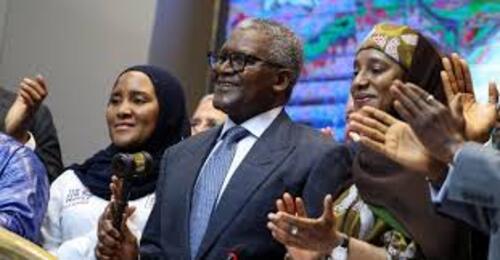
In a landmark move for African capital markets, billionaire industrialist Aliko Dangote on Monday launched Africa’s largest-ever initial public offering (IPO), opening a roughly 3% stake in his state-of-the-art oil refinery to public investors. The offering, dubbed a “people’s IPO” by Dangote, aims to raise as much as $2.1 billion to fund further expansion of the refinery, already the continent’s largest. Dangote, Africa’s richest man, said the IPO is designed to “democratise wealth creation,” giving ordinary Nigerians a chance to share in the refinery’s success. The minimum investment is set at just 10 shares, about $4, making entry accessible through fintech and digital investment platforms. The IPO is expected to raise at least 2.15 trillion naira ($1.6 billion), but could reach $2.1 billion if oversubscribed and the company issues more shares. The launch comes on the heels of a July private placement that raised $2.5 billion for a 6% stake, valuing the company at $40 billion. The IPO, however, moves the refinery’s valuation closer to $49 billion. While retail investors will pay a higher price per share than the institutional buyers in July, company officials say the earlier discount was due to lockup periods and other conditions. Interest in the IPO is high: Nigerian investment app Bamboo reported record traffic, with some users temporarily unable to log in as excitement surged. “I’ll buy 2,000 shares,” said Lagos business owner Chris Chijioke, citing Dangote’s track record despite concerns over pricing. Institutional investors in the refinery already include the Africa Finance Corporation, sovereign wealth funds, and development finance institutions. The United Arab Emirates’ ADNOC has also shown interest, according to Dangote, though details remain under wraps due to confidentiality agreements. Built at a cost of $20 billion and operational since 2024, the refinery has redefined Nigeria’s fuel market. It processes 700,000 barrels of crude daily, with ambitions to double that by 2029. Analysts say the plant has transformed Nigeria from a net importer to a net exporter of refined petroleum products, cementing its role as an economic powerhouse. Dangote revealed plans to eventually list all his conglomerate’s companies, including cement, sugar, and salt divisions, and suggested a possible secondary listing for the refinery in the United States within three to four years. “This IPO is a huge event for Nigeria and a symbol of African self-reliance,” said Charles Robertson, head of macro strategy at FIM Partners. With excitement running high and Nigeria’s equities market booming, the Dangote refinery IPO is poised to reshape the continent’s investment landscape. Source: Apexnewsgh.com
Workers Are Receiving Salaries for No Work’ — Sumaila Abubakari Demands BOST Depot Reactivation
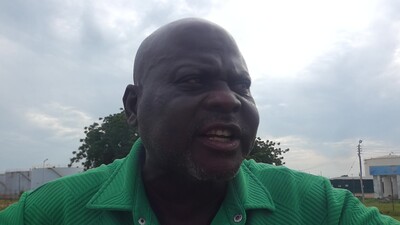
A well-known and active member of the National Democratic Congress (NDC) in the Upper East Region, Sumaila Abubakari, has intensified calls on the government to urgently restore full operations at the Bulk Oil Storage and Transportation Company (BOST) depot in Bolgatanga. According to him, the prolonged inactivity of the facility is denying the Upper East Region a major economic opportunity while government continues to spend taxpayers’ money on workers who, he claims, have little or no work to do. The Bolgatanga BOST Depot was established as a strategic petroleum storage and distribution facility, with the potential to serve northern Ghana and provide an important supply route to landlocked Sahelian countries, including Burkina Faso, Mali and Niger. The facility also has the potential to reduce the dependence on long-distance fuel transportation by tankers to northern Ghana, thereby easing pressure on major roads while supporting economic activities within the region. In July 2026, Apexnewsgh contacted the BOST headquarters in Accra for clarification on the status of the Bolgatanga depot. The company indicated that the facility had been undergoing an upgrade. However, Mr. Sumaila says the continued delay has become a source of concern, particularly among residents who believe the facility should have resumed operations by now. Speaking on the matter, he appealed directly to President John Dramani Mahama and all 15 Members of Parliament in the Upper East Region to take urgent steps to ensure that the depot becomes operational. “The President and his team, and all the 15 MPs in the Upper East Region, this is the only company we have in Bolga and they stopped work almost two years now.” He said residents had repeatedly raised the issue but were yet to see the desired action. “We fight, fight, fight but nothing is happening. We are begging the President. He should quickly, as possible, let the depot start work.” Mr. Sumaila further expressed concern about workers and other personnel stationed at the facility, including security personnel, customs officers and fire officers. According to him, these workers report to the facility but have limited activities to engage in because the depot remains inactive. “All are coming, sitting, looking at the quota and the tanks. We are working almost two years. So we are appealing to the government. You should quickly stand up and then open the depot to start work.” He argued that reopening the depot would have significant economic benefits for the region, particularly by creating a more efficient fuel distribution system for communities in northern Ghana. Mr. Sumaila also raised concerns about what he described as vested interests surrounding the transportation of petroleum products. He suggested that some stakeholders within the tanker transportation business could be benefiting from the current arrangement because fuel has to be transported over long distances. “I know the connection between the tanker drivers, tanker owners. They are doing that thing. Because if here is working, they can’t get the long journey.” He maintained that an operational Bolgatanga depot could supply petroleum products to areas including Navrongo, Bolgatanga, Wa and Bawku, potentially reducing the need for some long-distance tanker movements. Mr. Sumaila therefore called on all 15 MPs in the Upper East Region to speak collectively on the issue and push for the speedy completion of the depot’s upgrade and its return to full operation. “All the MPs in this region, they should wake up and talk about the company.” He said the people of the Upper East Region voted massively for the governing NDC and therefore expected their representatives to champion issues that directly affect the region’s economic development. For Mr. Sumaila, the immediate reopening of the Bolgatanga BOST Depot is not merely about the facility itself but about employment, local economic activity and creating better opportunities for families and young people in the region. He concluded that the government and the region’s 15 MPs must act decisively to ensure that the facility resumes operations. Source: Apexnewsgh.com
Importers and Exporters Warn of Business Exodus Amid Port Congestion Crisis
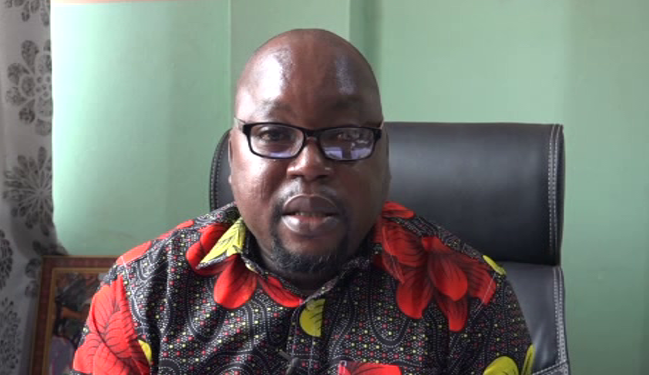
The Importers and Exporters Association of Ghana (IEAG) has sounded the alarm over worsening congestion at the nation’s ports, urging the government to take swift action or risk losing vital import business to neighbouring countries, most notably Côte d’Ivoire. At a press conference in Accra on Monday, September 14, 2026, IEAG Executive Secretary Samson Asaki Awingobit painted a stark picture of delays and uncertainties in cargo clearance, warning that Ghana’s trade competitiveness hangs in the balance. He revealed that some importers are already exploring alternative routes through the Port of Abidjan due to the persistent challenges at Ghanaian ports. “IEAG is already receiving indications that some importers are exploring the possibility of routing their cargo through the Port of Abidjan in Côte d’Ivoire because of the delays and uncertainties associated with clearing cargo through Ghana’s ports,” Awingobit stated, highlighting the urgency of the situation. He cautioned that once importers and exporters establish reliable alternative supply chains, reclaiming that business for Ghana could prove difficult, with long-term consequences for the country’s economy. To avert a crisis, IEAG is calling on the Chief of Staff at the Presidency to urgently convene a high-level meeting with key ministers, including Finance, Trade, Agribusiness and Industry, and Transport, as well as port authorities and regulatory agencies. The Association insists that an immediate action plan is needed to decongest the ports and streamline cargo clearance processes. IEAG also highlighted several factors exacerbating the congestion, such as excessive routing of containers for physical examination, breakdowns in coordinated inspections, increasing regulatory fees and charges, and lengthy truck turnaround times. To address these systemic issues, the Association proposed introducing measurable performance targets for port operations, setting maximum turnaround times for examinations, valuation disputes, regulatory inspections, truck processing, and cargo release. With the December peak trading season approaching, IEAG warned that without decisive intervention, Ghana could face even more severe congestion and the lasting challenge of winning back importers who have shifted their business to competing ports in the region. Source: Apexnewsgh.com
Petrol, Diesel and LPG Prices Set to Rise from September 16
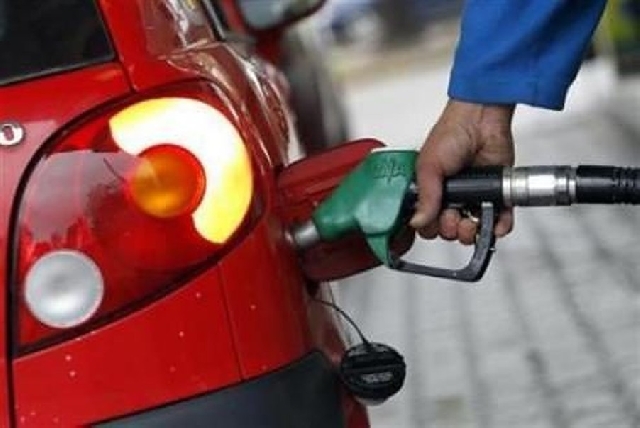
Consumers across Ghana are expected to pay more for petroleum products from Wednesday, September 16, 2026, following an increase in the minimum price floors for petrol, diesel and Liquefied Petroleum Gas (LPG) by the National Petroleum Authority (NPA). According to the NPA’s latest price floor data for the second pricing window of September, the minimum price for petrol has been set at GH¢16.00 per litre, while diesel will have a minimum price of GH¢16.77 per litre. The minimum price for LPG has also been increased to GH¢10.97 per kilogramme. The latest figures represent increases across all three petroleum products compared with the price floors announced for the first pricing window of September. The petrol price floor has increased by GH¢1.47 per litre, from GH¢14.53 to GH¢16.00, while diesel has risen by GH¢1.17, from GH¢15.60 to GH¢16.77. LPG, meanwhile, has recorded a marginal increase of GH¢0.12 per kilogramme, moving from GH¢10.85 to GH¢10.97. However, the NPA’s minimum price floors do not necessarily represent the final prices consumers will pay at filling stations. Under the Petroleum Product Pricing Guidelines, Oil Marketing Companies (OMCs) and LPG Marketing Companies are required to comply with the prescribed minimum price floors for the applicable pricing window. The floor prices, however, exclude premiums charged by International Oil Trading Companies, operating margins of Bulk Import, Distribution and Export Companies, as well as marketers’ and dealers’ margins. These components are determined independently by the respective companies in accordance with the pricing guidelines. COPEC Projects Further Increases The latest development has heightened expectations of higher pump prices from Wednesday. The Chamber of Petroleum Consumers (COPEC) is projecting a 4.24 percent increase in petrol prices and a sharper 10.23 percent rise in diesel prices during the second pricing window. Under COPEC’s projections, diesel could sell at approximately GH¢19.07 per litre, while petrol could reach about GH¢16.26 per litre. LPG is also projected to rise to around GH¢15.32 per kilogramme. COPEC Calls for Extension of Fuel Subsidy In response to the expected increases, COPEC has appealed to the government to extend its fuel subsidy intervention to cushion consumers from the impact of rising petroleum prices. The group is proposing a GH¢1 per litre relief on petrol, while calling for the existing GH¢2 per litre relief on diesel to be maintained until international petroleum benchmarks return to more normal levels. The expected increases are being attributed largely to rising international crude oil and refined petroleum product prices, amid heightened tensions in the Middle East and concerns over potential disruptions to global supply. Ghana’s reliance on imported refined petroleum products means domestic fuel prices remain highly sensitive to movements in international oil prices and exchange-rate conditions. A sustained rise in global petroleum prices could have wider economic implications, potentially increasing transportation and logistics costs, production expenses and pressure on household budgets. The latest NPA price floors therefore set the stage for another challenging pricing window for consumers and businesses beginning September 16. Source: Apexnewsgh.com
Ghana Launches Operation WATER SHIELD to Target Illegal Mining Financiers and Equipment Suppliers

The National Anti-Illegal Mining Operations Secretariat (NAIMOS) has unveiled a bold new strategy in the fight against illegal mining, announcing plans to target not just miners, but also the financiers, facilitators, and equipment suppliers fueling the destructive activity known locally as galamsey. In a statement launching Operation WATER SHIELD, NAIMOS outlined a national enforcement campaign aimed at safeguarding Ghana’s major rivers, watersheds, and critical water resources from the ravages of illegal mining. Unlike previous efforts that primarily focused on miners and mining sites, this campaign will pursue the wider criminal and financial networks sustaining galamsey operations. The campaign will increase scrutiny on those who facilitate illegal mining, unauthorized manufacturers of chanfang machines, and individuals or companies that rent or supply excavators, water pumps, and other machinery used in the illicit trade. Enforcement, NAIMOS pledged, will be “firm, sustained and uncompromising, within the law.” Illegal miners working on riverbanks and water bodies should expect their operations to be disrupted, with any seized equipment immobilized or dealt with according to the law. Excavators, chanfang machines, water pumps, and dredging equipment will remain prime targets. Operation WATER SHIELD will focus on some of Ghana’s most threatened river systems, including the Birim, Ankobra, Tano, Bia, Pra, and Offin Rivers, as well as critically impacted sections of the Black and White Volta systems. Strategic source areas and upper catchments, which play a crucial role in downstream water quality, will also receive priority attention. NAIMOS described the campaign as a shift from isolated enforcement actions to a sustained, intelligence-led approach that targets both the source and downstream impact zones of illegal mining. The operation will be conducted in collaboration with security and state agencies to deny illegal miners access to riverbanks and waterways, dismantle their logistics and financing structures, and support the restoration of degraded water bodies. Ultimately, the Secretariat’s goal is to “substantially degrade and contain illegal mining within protected watersheds,” restrict the movement of heavy equipment into sensitive river systems, and disrupt the networks that enable illegal mining to persist. Source: Apexnewsgh.com
President Mahama Warns SOE Boards Against Conflict of Interest and Mismanagement
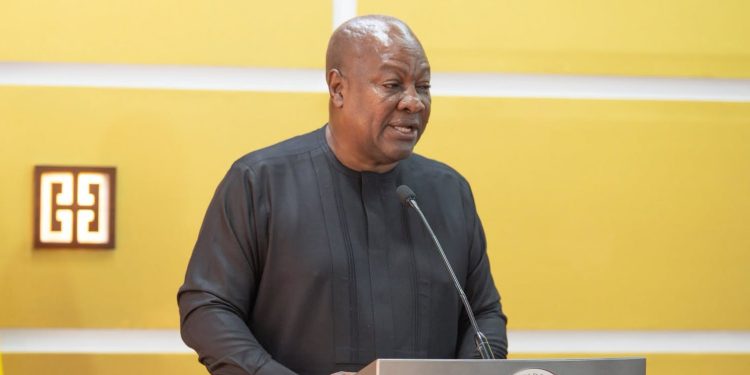
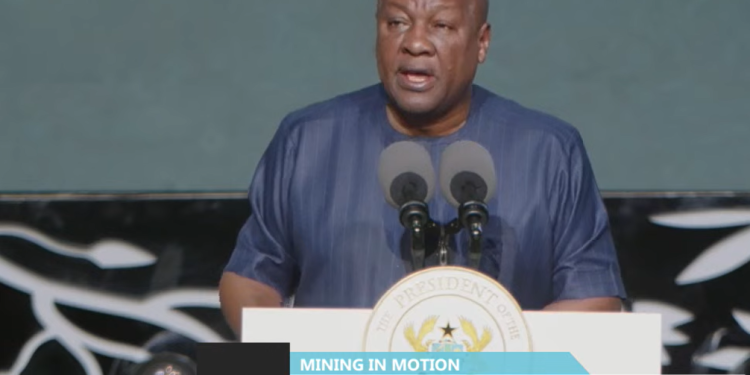
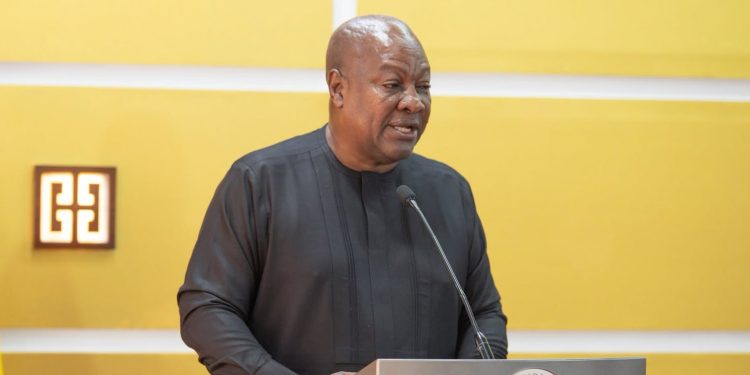
President John Dramani Mahama has delivered a stern warning to members of his administration and governing boards of State-Owned Enterprises (SOEs), cautioning them against conflicts of interest, abuse of office, and the improper management of state resources. Addressing the SIGA Governing Boards and CEOs Conference 2026 on Thursday, September 10, President Mahama emphasized the critical need for integrity, transparency, and accountability among public officials entrusted with managing state institutions and assets. He reminded government appointees and board members of their duty to protect the public interest, insisting that decisions made under their authority should be able to withstand public and official scrutiny. “Ladies and gentlemen, this administration will not tolerate conflict of interest or abuse of office. Procurement must be lawful and follow the guidelines; it must be competitive and transparent,” President Mahama declared. He further stressed that recruitment and promotions should be based strictly on merit, and that contracts, investments, and asset disposals must demonstrate clear value for money. The President made it clear that governing boards must take personal responsibility for state assets in their care—including land, buildings, equipment, and investments. He warned that unauthorized disposal or mismanagement of state assets would not be treated as a minor administrative lapse, but as a serious breach of trust against the people of Ghana. “The government will continue to demand accountability from those entrusted with managing public institutions and resources,” President Mahama stated. The conference brought together governing board members and Chief Executive Officers of SOEs to discuss best practices in governance, accountability, performance, and the effective management of public institutions. Source: Apexnewsgh.com