
Central Bank Urges Responsible Reporting as Journalists Call for Capacity Building

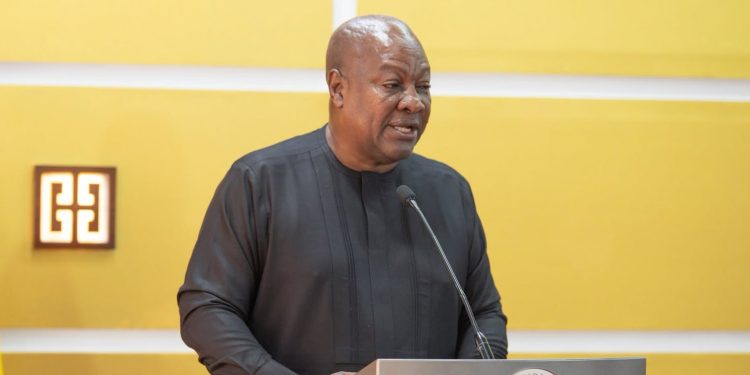
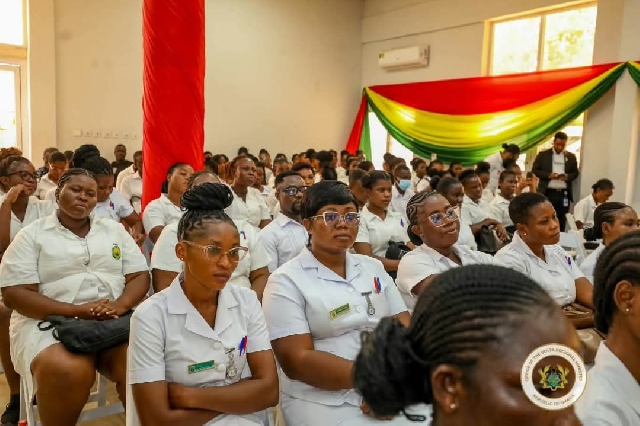
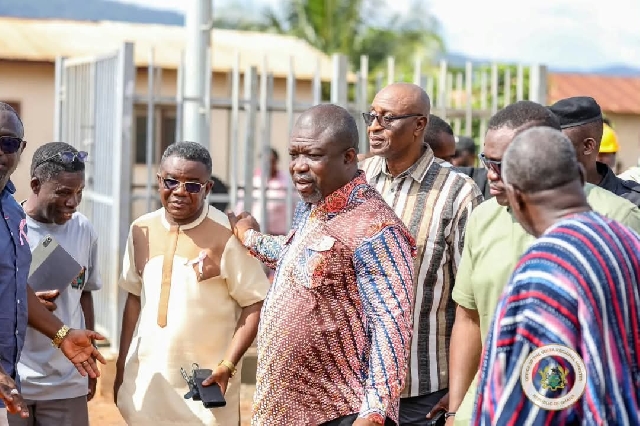
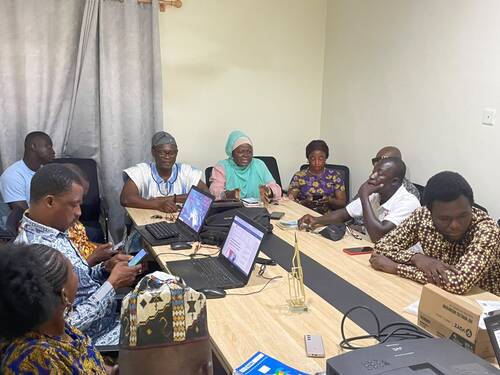
At the Bank of Ghana’s annual media engagement in Accra, the spotlight shone on the crucial relationship between financial stability and responsible journalism. Governor Johnson Pandit Asiamah, addressing journalists on Friday, emphasised the influential role of the media in shaping economic expectations as the nation locks in recent gains in macroeconomic stability. Governor Asiamah highlighted that while Ghana had weathered a challenging 2025, disciplined policy choices had restored order to the economy. Inflation, he noted, had plummeted from 23.8 percent a year earlier to just 5.4 percent in December 2025, thanks to tight monetary policy, sound liquidity management, and clearer communication. As Ghana enters 2026, the central bank’s focus, according to Asiamah, would shift to consolidation and embedding reforms rather than implementing swift policy changes. Emphasising the complexity of monetary and financial policy, Asiamah cautioned that misreporting or a lack of context could heighten uncertainty during sensitive periods of adjustment. “Our expectation is not compliance but responsibility, accuracy, balance and context,” he said, pledging continued openness and engagement with the press. The governor outlined several initiatives, including a rules-based auction framework for the foreign exchange market, tighter oversight, and a domestic gold purchase programme, all of which had bolstered confidence and pushed Ghana’s international reserves to over US$13.8 billion, equivalent to 5.7 months of import cover. On the other side of the conversation, the President of the Ghana Journalists Association (GJA) welcomed the central bank’s openness but stressed the need for sustained capacity building. He argued that as economic reporting becomes more technical, amid inflation control, debt restructuring, and financial sector reforms, journalists must be equipped with the right skills. “It’s impossible to expect journalists to explain complex monetary and financial policies to the public without proper training,” the GJA president said, calling for regular workshops and briefings for media professionals nationwide, not just those in Accra. In response, Governor Asiamah announced plans for enhanced media training and a dedicated forum for economic reporters. He also unveiled a new “Governor’s Economic and Financial Story of the Year” award, with the winner set to attend the IMF and World Bank annual meetings, an initiative aimed at encouraging accurate and insightful economic journalism. As Ghana continues its economic recovery, both central bank officials and journalists agree that collaboration and communication will be key in ensuring that the public remains well-informed and confident in the nation’s economic direction. Source: Apexnewsgh.com
COPEC Urges NPA to Scrap Price Floors, Citing Consumer Disadvantage
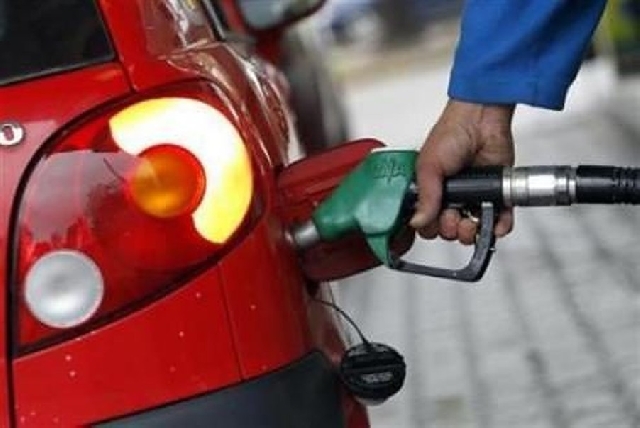
The Chamber of Petroleum Consumers (COPEC) has intensified its call for the National Petroleum Authority (NPA) to abolish price floors mandated in the 2024 petroleum products pricing guidelines. According to COPEC, the policy, which prohibits Petroleum Service Providers (PSPs) from selling below a regulator-set minimum, is hampering competition and working against the interests of Ghanaian consumers. Speaking to Citi Business News, Duncan Amoah, the Executive Secretary of COPEC, described the price floor as “outdated” and ill-suited for a deregulated downstream petroleum sector. He argued that removing the floor would enable oil marketing companies (OMCs) to pass on lower prices to consumers whenever market dynamics allow. Amoah explained, “If I have cash and can negotiate a better deal, I should be able to benefit from a lower price. The current system, where the NPA sets both price floors and ceilings, restricts the free market and ultimately inconveniences consumers.” His comments come as the second pricing window in January brings some relief at fuel pumps, yet Amoah insists more savings could be realized if price floors did not bind OMCs. He urged the NPA to consider creative solutions and to let market forces determine prices, rather than imposing regulatory limits. Under current NPA guidelines, price floors are set and communicated at the start of every pricing window, with PSPs facing fines of up to GHS5,000 if they sell below the established minimum. Since its introduction, industry players have criticized the policy for stifling healthy competition and denying consumers the full benefits of a deregulated market. COPEC’s renewed advocacy places the spotlight once again on pricing policies in Ghana’s petroleum sector and the ongoing debate over the most effective way to protect consumer interests. Source: Apexnewsgh.com
GPRTU to Crack Down on Overcharging Drivers as Accra Commutes Worsen

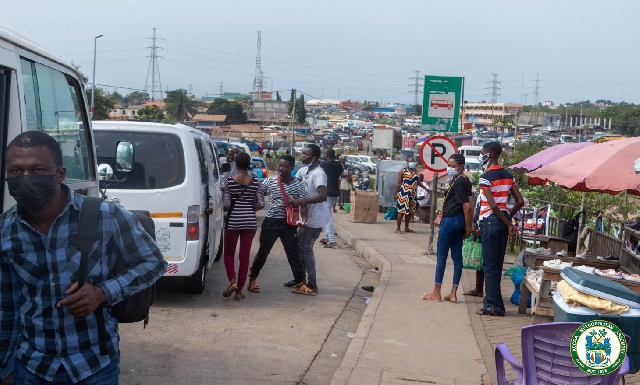
As traffic snarls tighten their grip on Accra and the number of available commercial vehicles dwindles, frustration among commuters has reached a boiling point. Complaints about skyrocketing fares during peak hours are now commonplace, prompting the Ghana Private Road Transport Union (GPRTU) to take decisive action against what it describes as exploitation by some commercial drivers. On Sunday, January 18, the General Secretary of the GPRTU, Godfred Abulbire, spoke to Citi News, announcing a forthcoming crackdown on drivers who charge passengers above the approved rates. The Union’s enforcement exercise is set to begin on Monday, January 19, 2026, with GPRTU personnel stationed at known hotspots across the city to catch offenders in the act. “What the drivers fear is banning them from loading,” Abulbire revealed, emphasizing that the Union’s internal task force would be out in full force to ensure compliance. “From what we have discussed, we have decided that on Monday, we will deploy most of our guys to all the vantage points where these exploitations take place to check if indeed these are our cars or not.” To further tighten oversight, GPRTU plans to roll out a new branding system, marking all vehicles under its authority with the Union’s insignia. “We will begin to brand our cars with GPRTU on them. If we see that you then go out to exploit people, we will fish you out and then take you out of the union,” Abulbire warned, signaling that repeat offenders risk losing their membership entirely. The Union’s intervention comes at a time when commuters are increasingly burdened by unpredictable fares, especially as congestion and vehicle shortages worsen during rush hours. GPRTU’s leadership hopes the crackdown will not only deter overcharging but also restore public trust in the city’s commercial transport system. Source: Apexnewsgh.com
Ghana Makes History With First Order of Multi-Mission Airbus Helicopters
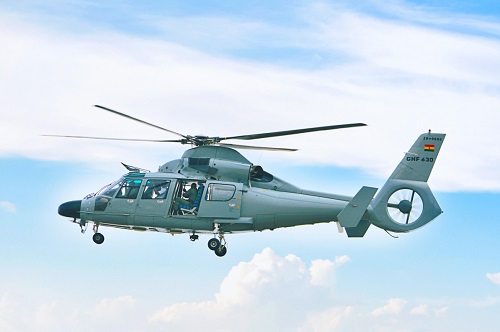
In a landmark move to strengthen its air fleet and emergency response capabilities, Ghana has placed its inaugural order for multi-mission Airbus helicopters. The Ministry of Defence, according to an Airbus press release dated January 15, 2026, has contracted Airbus Helicopters to deliver four advanced aircraft: two H175Ms, one ACH175, and one ACH160. The two H175M helicopters are set to serve a range of vital functions, including transport, search and rescue, emergency medical services, and disaster relief. Meanwhile, the ACH175 and ACH160 models will primarily support transport operations, enhancing both the nation’s security and logistical infrastructure. Airbus Helicopters’ Head of Africa and the Middle East, Arnaud Montalvo, welcomed the deal as a significant return to Ghana, emphasizing the company’s commitment to ongoing customer support and a strategic partnership. Montalvo highlighted that Ghana’s selection of the versatile H175M underscores the country’s growing defence and security ambitions, while its acquisition of the ACH160 and ACH175 cements Ghana’s reputation as a leading Airbus customer in West Africa. The H175, in service since 2014, is part of the super-medium helicopter class, prized for its combination of long-range capability, high payload, and exceptionally smooth flight performance. Its versatility enables it to tackle a wide array of missions, from disaster relief and search-and-rescue to public service, military, and business aviation. The ACH160, Airbus’ latest corporate helicopter, is hailed as the most technologically advanced in its class, boasting 68 patented technologies, a spacious and luminous cabin, and innovative design features that set a new standard for passenger comfort. With this acquisition, Ghana is poised to greatly enhance its operational readiness across security, humanitarian, and transport domains, while forging deeper ties with Airbus Helicopters for long-term growth and cooperation. Source: Apexnewsgh.com
Transport Minister Confronts Artificial Scarcity in Ghana’s Commercial Transport Sector
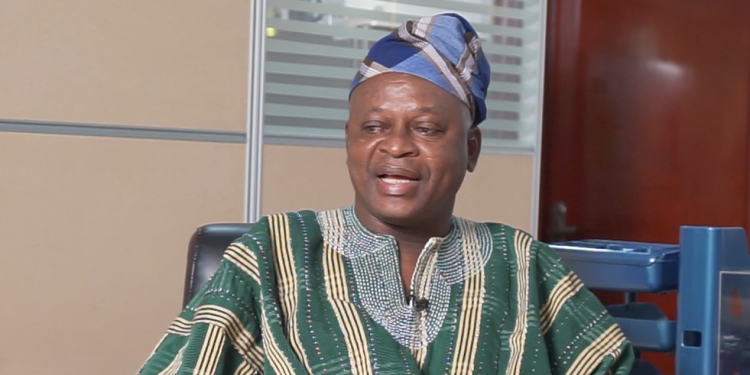
On a brisk Wednesday morning in Accra, the city’s commuters were once again left stranded, facing long queues and rising fares along the busiest routes. The cause? A suspected artificial scarcity of commercial vehicles, orchestrated by some transport operators intent on driving up prices. The tension reached the corridors of power when Joseph Bukari Nikpe, Ghana’s Minister of Transport, took decisive action. Summoning leaders of the Ghana Private Roads and Transport Union (GPRTU) and other commercial transport unions, he demanded answers about the troubling trends that had gripped the sector. The meeting, scheduled for the following day, was set to address mounting complaints about operators limiting vehicle availability in order to profit from desperate commuters, even as fuel prices and import duties on spare parts had recently dropped. At the Government Accountability Series, Deputy Minister Mr. Kwakye Ofosu voiced the frustrations of many Ghanaians. He revealed that some drivers were deliberately avoiding designated stations, choosing instead to roam the city in hopes of exploiting shortages and extracting higher fares. “They are creating scarcity to drive up prices so that they can engage in rent-seeking behaviour. It is an unlawful activity, and it must be looked into,” he declared. The situation has worsened since the 2025 yuletide, with commuters in places like Madina, Amasaman, Kasoa, and the famous Kwame Nkrumah Circle struggling to find rides during peak hours. Despite a 15% reduction in official transport fares due to lower fuel costs, many operators have continued to manipulate supply, leaving Accra’s residents facing inflated fares and long waits. Mr. Ofosu assured the public that the government, acknowledging the private-sector-led nature of transportation, was taking concrete steps to hold offenders accountable. “After the persistent reduction in fuel prices, some operators have decided to engage in undue practices by creating artificial shortages,” he explained. “It is an unlawful activity, and the government is looking at it to ensure those involved are dealt with.” As the capital’s rush hour challenges persist, the eyes of the nation will be on the outcomes of the minister’s meeting, a test of the government’s resolve to protect commuters and restore order to Ghana’s urban transport system. Source: Apexnewsgh.com
Customs Officers Foil Major Drug Smuggling Attempt at Takoradi Port

It began as a routine morning at the bustling Takoradi Port, but sharp-eyed customs officers were about to uncover one of Ghana’s largest drug interceptions in recent memory. The story unfolded at the Atlantic Terminal Services Limited, where frontline officials noticed something odd, two shipping containers, declared as ceiling fan consignments, exhibited unusual packaging patterns. Trusting their instincts, the officers promptly reported their suspicions to customs management. Takoradi Sector Commander, Walter Blankson, quickly took action, placing the containers under discreet surveillance. Once the all-clear was given, he ordered a full unstuffing of both 40-foot containers. What they discovered was staggering: hidden among stacks of ceiling fans and thousands of undeclared electrical appliances were an estimated 25 million tablets of suspected illicit drugs, believed to be Tapentadol and Timaking. The operation, powered by intelligence and executed with the support of the Narcotics Control Commission, National Security, National Intelligence Bureau, and the Food and Drugs Authority, had paid off. With the contraband seized, samples were sent to the Customs Chemist for laboratory analysis. The rest of the goods are now secured in the State Warehouse in Takoradi, as investigations intensify. Meanwhile, Maxwell Boateng, the declarant for the consignment, was detained and is assisting the Narcotics Control Commission in tracing those behind the containers. Authorities were quick to point out that the success of the operation underscored the critical role played by vigilant customs officers and the importance of strong interagency collaboration in protecting Ghana’s borders and safeguarding public health from the threat of illicit pharmaceutical trafficking. Source: Apexnewsgh.com
A King and a Governor Debate Ghana’s Cost of Money
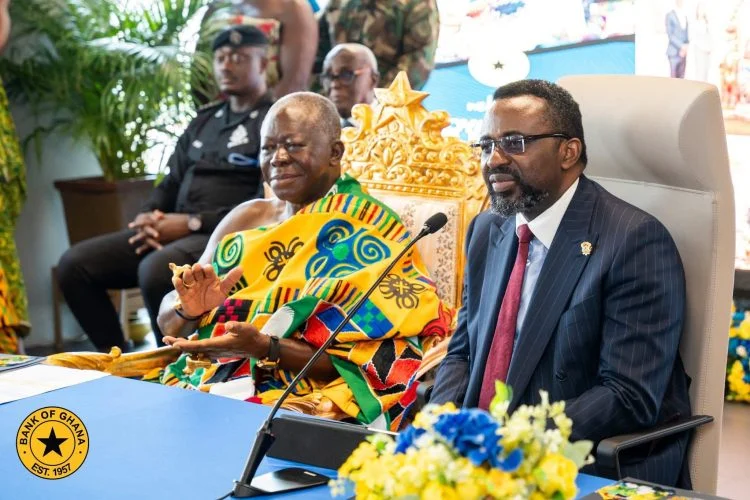
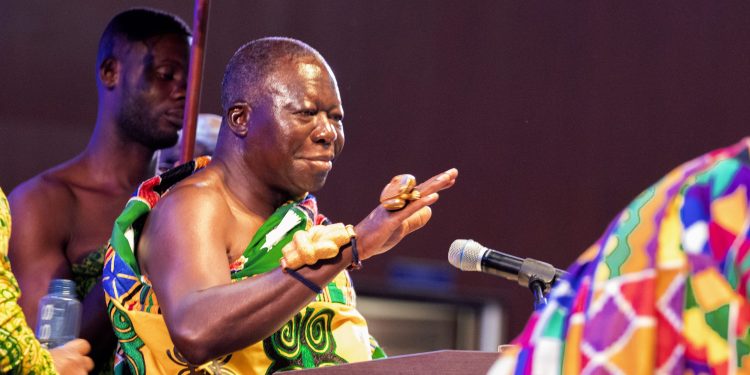
The hallowed halls of the Bank of Ghana this week became the stage for a critical national dialogue, one that pit urgent economic revival against the specter of returning inflation. The occasion was a high-profile courtesy visit by the Asantehene, Otumfuo Osei Tutu II, but the conversation swiftly turned from ceremony to substance. With the gravity of his office and the voice of a nation’s entrepreneurs, the revered monarch issued a direct and powerful plea to Governor Dr. Johnson Asiama: lower the cost of borrowing, and do it now. “The private sector is gasping for breath,” his message resonated, cutting to the heart of the nation’s economic tightrope. “Let me be as blunt as I can: no amount of investment by government can give us a sound economy. This moment calls for a private push.” He challenged the central bank to engineer a fundamental shift: “Move the economy from the crippling high interest rate regime to a level where it becomes a stimulant of business and job creation.” For the countless small and medium-sized enterprises (SMEs), this was a long-awaited royal endorsement of their daily struggle. Governor Asiama, custodian of the nation’s price stability, received the call with measured understanding. He stood on a platform of hard-won gains, a historic drop in inflation to 5.4%, robust international reserves soaring above $13.8 billion, and money market yields in retreat. The 91-day Treasury bill rate had already fallen from 13.4% to 10.3% in a single month. “My prayer and wish,” the Governor shared, revealing a personal ambition aligned with the nation’s need, “is that by the end of my four-year tenure, lending rates will not be more than 10 per cent.” Yet, between that wish and the Asantehene’s demand lies a perilous path. The cautionary voice of global consultancy Deloitte echoed in the background of their discussion. While acknowledging the BoG’s successful 10-percentage-point rate cut in 2025, which stabilized the cedi and contained prices, Deloitte warned that excessive easing in 2026 could undo that very progress. “Excessive easing could risk reversing the progress made in controlling inflation,” their analysis stated, a stark reminder of the balancing act. Early signs in 2026 offer a glimmer of hope. The key Ghana Reference Rate has dipped slightly, and average bank lending rates have begun a slow descent from 26.6% to 24.2%. They are movements in the right direction, but for the Asantehene and the business community, they are mere footsteps on a journey that requires leaps. As the meeting concluded, the central challenge for 2026 was crystallized. The Bank of Ghana must now choreograph a delicate dance: unlocking the credit needed to fuel a private-sector-led recovery, without missing a step and reigniting the inflationary fires it just spent a year extinguishing. The trajectory of interest rates is no longer just a monetary policy metric; it is the defining economic story for the year ahead. Source: Apexnewsgh.com
Ghana Unveils Framework for Ethical Banking
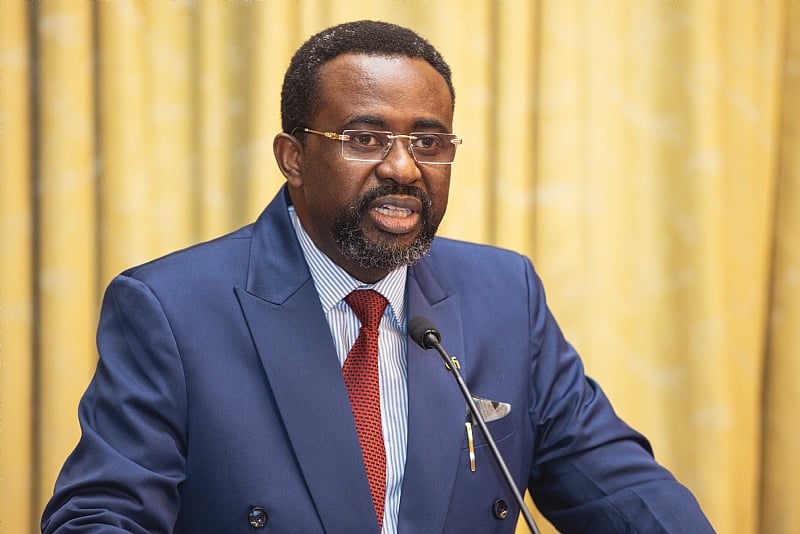
The landscape of Ghana’s financial sector is on the cusp of a transformative shift. In a landmark move, the Bank of Ghana (BoG) has officially unveiled the operational guidelines for Non-Interest Banking (NIB), opening the door to a new era of ethical finance and deeper financial inclusion. This culmination of years of strategic planning is widely credited to the steadfast efforts of BoG Governor, Dr. Johnson Asiama, and the Advisor on Non-Interest Banking and Finance, Professor John Gatsi. The finalized guidelines provide a clear and robust regulatory roadmap, building upon an earlier exposure draft to ensure operators function within strict prudential standards. The excitement within financial circles is palpable. Rumors are swirling of at least five existing conventional banks preparing to apply for dedicated NIB “windows” by the end of January, while several large new investors are lining up to establish full-fledged non-interest banks. This dual-application system is a core feature of the framework, designed to encourage both innovation and stability. The comprehensive guidelines establish a solid foundation for this new banking model: Governance & Expertise: Licensed NIB Institutions (NIBIs) must form a Non-Interest Banking Advisory Committee (NIBAC) of experts in banking, law, and NIB principles to ensure all products are ethically sound and risks are managed. Integrity of Operations: For conventional banks offering NIB through a “window,” a strict separation is mandated. They must operate a separate Non-Interest Finance Fund (NIFF), ensuring these ethical funds are never mixed with conventional banking funds. Inclusive & Voluntary: The BoG emphasizes that NIB is open to all Ghanaians, irrespective of religious belief, and participation is entirely voluntary. Capital & Compliance: Capital requirements align with existing standards, while NIBIs must maintain liquidity through Shari’ah-compliant instruments, steering clear of interest-bearing securities. Tax Clarity Pending: The guidelines acknowledge the crucial issue of tax neutrality, with a resolution expected from a joint team coordinated by the Ghana Revenue Authority (GRA). The implications stretch far beyond bank branches. The BoG is collaborating with the Securities and Exchange Commission (SEC) to develop a harmonized framework for non-interest capital market instruments. This paves the way for the future introduction of Sukuk (ethical investment certificates), which promise to unlock new, shari’ah-compliant capital for Ghana’s critical infrastructure projects. By integrating Ghana with the global non-interest finance industry, this initiative promises to diversify the financial sector, promote resilience, and revolutionize how finance serves the real economy. Welcome to the new, inclusive chapter of banking in Ghana. Source: Apexnewsgh.com
The Twelve-Month Miracle: How Discipline and Policy Tamed Ghana’s Inflation Beast

The year 2024 had ended with a heavy, familiar weight on the shoulders of Ghanaians. Prices seemed to climb an endless ladder, with the inflation rate perched at a daunting 23.8%. In marketplaces and homes, the conversation was the same: the relentless squeeze of shrunken purchasing power. But a quiet, determined battle was being waged. At the Bank of Ghana, Governor Dr. Johnson Asiama and his team held firm to a course of monetary discipline, a tight rein on policy that many hoped would steer the nation toward calmer waters. Month by month, throughout 2025, a fragile hope began to bloom. The numbers started to tell a new story. Each passing month saw the inflation rate dip, a slow but steady retreat from the peaks of pressure. By November, it had fallen to 6.3%, and as the year drew to a close, all eyes turned to the Ghana Statistical Service for the final tally of December. The data, when it came, was not just good news—it was historic. The annual inflation rate for December 2025 had plummeted to 5.4%, marking the twelfth consecutive month of decline. On a month-to-month basis, prices had barely crept up by 0.9%. The most significant relief came from the food basket, where inflation softened dramatically to 4.9%, a testament to improved harvests and smoother supply chains. The contrast was staggering. From 23.8% to 5.4% in just one year. The beast of inflation had been tamed, not by chance, but by design. During a courtesy call by the Asantehene, Otumfuo Osei Tutu II, Governor Asiama stood before the gathering, his voice carrying the weight of vindication and deliberate effort. “This trend reflected the broad-based disinflation process across both food and non-food,” he explained. “Certainly, this has not happened by accident but is the result of sustained monetary discipline we brought on board, improved food supply, and others.” He painted a clear picture: the central bank’s firm hand on monetary policy, working in concert with better conditions for farmers and traders, had systematically eased the pressures that had burdened the economy. It was a victory of strategy over circumstance. As the announcement spread, a palpable sense of relief began to replace anxiety. Households, long navigating a landscape of elevated prices, could finally foresee a period of stability. The sustained decline promised a stronger foundation for the national economy and a restoration of consumer confidence as Ghana stepped into 2026. The Bank of Ghana reaffirmed its commitment to guard this hard-won stability, knowing it was the cornerstone for sustainable growth. The twelve-month miracle was complete, a testament to the power of policy and perseverance, offering a powerful new chapter for Ghana’s economic story. Source: Apexnewsgh.com
Ghana Airports Company Clarifies Firearm Rules for Air Travelers After Spike in Seizures
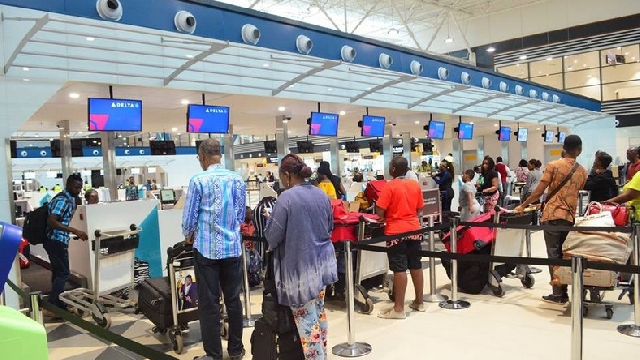
In the wake of alarming revelations from the 2024 Auditor-General’s report, showing that more than 2,000 illegal firearms and rounds of ammunition were seized at airports, the Ghana Airports Company Limited (GACL) has moved to clarify its firearms policy for air travelers. Appearing before the Public Accounts Committee of Parliament, GACL Managing Director Yvonne Opare addressed concerns about how firearms are handled at the country’s airports. She explained that the company, working under new directives from the Ghana Civil Aviation Authority, has put in place a fortified weapons declaration policy designed to boost safety and security for all passengers. “Anyone who wants to travel with a firearm must have the correct license and must formally declare the weapon to airport security before boarding,” Opare stated. “If you do not have the proper authorization, or you fail to declare your firearm, even if it is licensed, the weapon will be confiscated and handed over to the National Investigation Bureau.” Opare pointed out that, in previous years, there was no clear legal framework regulating the carriage of firearms through Ghana’s airports. Now, however, the rules are strict: only legally registered firearms that have been properly declared are permitted on flights. Any weapon discovered without proper paperwork or declaration is seized immediately. The strengthened procedures, she emphasized, are part of ongoing efforts to keep Ghana’s airports safe and to ensure that all firearms are accounted for before any passenger takes to the skies. Source: Apexnewsgh.com