


Beware: Nutrifoods Ghana Issues Recall of Tasty Tom Tomato Mix Over Safety Concerns

Nutrifoods Ghana Limited has announced an immediate recall of certain batches of its popular Tasty Tom Enriched Tomato Mix due to reported incidents of bloating in some pouches and cans. Jay Jagadip Anjaria, Business Head of Nutrifoods Ghana Limited, announced alerts from the Food and Drugs Authority (FDA) and National Security. “We have been instructed by the FDA to recall the affected products while we investigate the root cause of this issue,” Anjaria stated. “The safety of our consumers is our top priority, and we are working closely with regulators to resolve this matter.” Affected Products The recall covers: All batches of Tasty Tom Enriched Tomato Mix in 210g and 400g cans. Specific batches of the 380g and 1.05kg pouches, with the following batch numbers (found on the back of each pack): | Batch Number | Expiry Date | | 20072501/P1 | 20/1/2027 | | 20072501/P2 | 20/1/2027 | | 20072502/P1 | 20/1/2027 | | 20072502/P2 | 20/1/2027 | | 21072501/P3 | 21/1/2027 | | 21072501/P4 | 21/1/2027 | | 21072502/P3 | 21/1/2027 | | 21072502/P4 | 21/1/2027 | | 24072501/P1 | 24/1/2027 | | 24072501/P2 | 24/1/2027 | | 24072502/P1 | 24/1/2027 | | 24072502/P2 | 24/1/2027 | What Consumers Should Do? Do not consume the affected products. – Return them to Nutrifoods’ Tema office or any authorized distributor nationwide. Alternatively, contact the company via: Phone: 050 5384429 (Monday to Friday, 8:00 AM – 8:00 PM) Email: tastytom.GH@olamnet.com Production Temporarily Suspended The FDA had earlier suspended production of the 210g and 400g canned variants in January 2025. Currently, Nutrifoods Ghana has halted all manufacturing activities to ensure full compliance with regulatory standards. “We deeply regret any inconvenience caused to our loyal customers and partners,” Anjaria added. “We remain committed to delivering safe, high-quality products and will replace all affected items without hassle.” The company has assured the public of its cooperation with the FDA to ensure a smooth recall process and urged consumers with any doubts about their Tasty Tom products to return them immediately. Public Announcement Statement Source: Apexnewsgh.com
Tamale: Energy Ministry Warns of Potential Power Disruptions Following VRA/NEDCo Staff Withdrawal
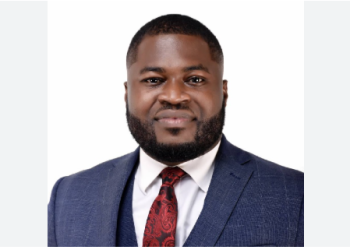
The Ministry of Energy and Green Transition is sounding the alarm over potential power supply disruptions in Tamale and its surrounding areas, following the withdrawal of services by employees of the Volta River Authority (VRA) and the Northern Electricity Distribution Company (NEDCo). This serious turn of events follows a joint resolution by the leadership of the VRA/NEDCo Senior Staff Association and the Division Union after an emergency meeting convened on Thursday, July 31, 2025. The actions of the staff were prompted by violent attacks that occurred the previous day, July 30. Reports indicate that workers, while driving official vehicles, were ambushed, forcibly pulled from their cars, and assaulted with sticks and clubs. The assailants seized their vehicles, transporting them to the Gukpena Palace, which has raised severe concerns about the safety of utility personnel in the region. Describing these attacks as “barbaric,” the staff unions highlighted a troubling history of violence against VRA/NEDCo employees in the area. They cited past incidents, including attacks in Lamakara in 2016, Dohinayilli in 2017, Vittin in 2019, and various acts of vandalism at company offices dating back to 2015. In light of this escalating situation, the Ministry has called for calm and pledged to take swift action to address the matter. Richmond Rockson, the Head of Communications at the Ministry, spoke on behalf of the sector’s minister, John Abdulai Jinapor, who is currently on short leave. During his absence, the Minister of Finance is managing the operations of the Ministry and will be briefed about the ongoing situation. “The Ministry has taken notice of these reports,” Rockson affirmed. “Hon. Jinapor will be returning on Monday, August 4, and he will take immediate steps to address and resolve the impasse.” He also issued a warning that the withdrawal of services could lead to significant difficulties in electricity delivery, urging residents to stand in solidarity with utility workers. “On behalf of my Minister, I urge residents of Tamale and surrounding communities to cooperate with VRA/NEDCo staff as they go about their duties. Any further hostilities will only deepen the crisis and risk prolonged power disruptions,” he advised. The Ministry reiterated its commitment to ensuring the safety of utility staff while working diligently to restore full services as quickly as possible. As tensions rise, the call for community support in this challenging situation becomes increasingly poignant. Source: Apexnewsgh.com
Ghana’s Economic Revival: Promising Signs of Recovery in 2025
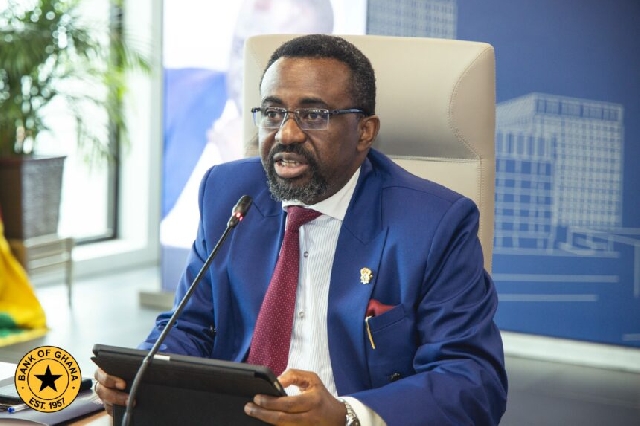
Ghana’s economy has begun to flourish once again, showcasing robust signs of recovery and growth in the first half of 2025. Apexnewsgh reports The latest insights from the Bank of Ghana reveal a narrative of resilience, fueled by improved macroeconomic indicators across various sectors. As the year unfolded, high-frequency indicators from the real sector hinted at a resurgence of economic activity. The first quarter witnessed a significant boost, largely propelled by a decline in inflation, a robust banking sector, and a strengthening cedi. By June 2025, the headline inflation rate dropped to 13.7 percent, a stark contrast to the 18.4 percent recorded in May. This marked the lowest inflation level since December 2021, reflecting efforts to stabilize prices amidst global economic challenges. The central bank credited this positive trend to several factors, including improved supply conditions and relative stability in the exchange rate, alongside vigilant monetary policy management. These strategies have worked effectively to anchor inflation and foster a sense of economic security among businesses and consumers alike. The banking sector, too, emerged as a beacon of stability, demonstrating remarkable resilience. The Bank’s Financial Soundness Indicators (FSIs) painted an encouraging picture, with signs of consistent asset growth and stronger solvency ratios. Liquidity improved, profitability surged, and operational efficiency reached new heights in the first half of the year. This strong banking performance underpins the broader economic recovery, giving businesses and households greater access to credit. On the external front, Ghana’s performance shone brightly. The economy recorded a current account surplus of US$3.4 billion, its highest on record, during this period. Meanwhile, Gross International Reserves swelled to US$11.1 billion by the end of June, enough to cover 4.8 months’ worth of imports. The local currency, the Ghanaian cedi, showcased impressive gains against major international currencies, appreciating by 40.7 percent against the US dollar, 31.2 percent against the British pound, and 24.2 percent against the euro by late July. This remarkable strength was a clear signal of regained confidence in the cedi and the country’s macroeconomic stability. In light of this encouraging economic landscape, the Bank of Ghana took proactive measures by reducing the Monetary Policy Rate by 300 basis points to 25.0 percent. This strategic move aims to further stimulate economic growth and ease credit conditions in the coming months, fostering an environment conducive to expansion. These optimistic developments were discussed in depth during the 125th Monetary Policy Committee (MPC) meeting in July 2025, where the Bank reiterated its commitment to fostering stability while facilitating growth. As Ghana continues on this path of recovery, the hope is palpable—opening doors to new opportunities for businesses and citizens alike while laying the groundwork for a resilient economic future. Source: Apexnewsgh.com
Bail for Capital Bank Founder Sparks Debate on Justice Inequality in Ghana
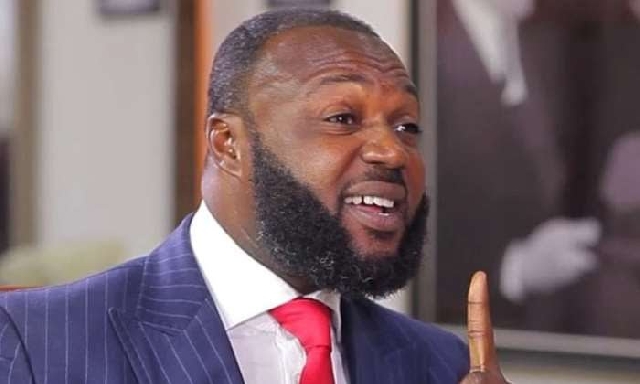
The recent decision to grant bail to William Ato Essien, the founder of the defunct Capital Bank, has ignited a fervent public debate about inequality within Ghana’s justice system. This issue has come to the forefront, particularly highlighting the stark contrast between the treatment of affluent individuals like Essien and the grim realities faced by sick and underprivileged inmates across the nation’s correctional facilities. Despite suffering from life-threatening illnesses, many prisoners in Ghana endure harrowing conditions, lacking adequate medical care, legal representation, and any semblance of public sympathy. Their plight often goes unnoticed, overshadowed by growing support for Ato Essien, who was convicted for causing financial loss to the state. Essien’s case has captured significant public interest, culminating in an online petition that has garnered over 3,000 verified signatures, calling for presidential clemency. High-profile advocates such as Dr. John Appiah and veteran broadcaster Kwaku Sintim-Misa (KSM) have lent their voices to the campaign, arguing that his sentence was disproportionately severe and that his attempts at restitution should not go unrecognized. On a recent ruling, the Court of Appeal granted Essien bail set at GH₵10 million with two sureties, allowing him to remain free pending the outcome of his appeal. Previously, he had been sentenced to 15 years in prison after failing to fully honor a restitution agreement involving GH₵90 million in Bank of Ghana liquidity support funds. Essien’s legal team asserts that he remains committed to repaying the outstanding amount. However, this development has drawn sharp criticism from various segments of the public and civil society groups, who contend that the justice system disproportionately favors the wealthy and well-connected. Many have raised concerns about why similar compassion and advocacy are not extended to destitute inmates—particularly those battling critical health issues and lacking any form of support or legal recourse. Critics emphasize that the spotlight on Essien underscores a troubling imbalance within the justice system. They argue that while well-off convicts benefit from extensive legal maneuvering and public advocacy, the voiceless majority languish in dire circumstances, trapped by a system that seems indifferent to their suffering. One rights advocate succinctly summarized the broader implications of this situation: “This is not about Ato Essien alone. It’s about what kind of justice system we’re building—one that responds to money and influence, or one that guarantees dignity for every Ghanaian, regardless of status.” As the conversation surrounding justice and equality in Ghana continues to unfold, the focus remains on whether the system can be reformed to serve all citizens fairly. Source: Apexnewsgh.com
AHL Staff Unite to Address Urgent Challenges Facing Acclaimed Hospitality Brand

A dedicated group of staff members at the company, which manages the well-known Volta Hotel and Dodi World in the Eastern Region, have rallied to present a compelling petition to management. Dated June 30, 2025, the letter addresses a worrying array of operational and financial challenges that, if left unaddressed, threaten the very viability of the organization. The staff’s heartfelt appeal paints a stark picture of an institution in distress, plagued by managerial failures and an alarming lack of financial oversight that has persisted over the past eight years. With each passing day, AHL’s reputation slips further in a competitive hospitality market, casting shadows over its future. Among the pressing concerns highlighted in the petition are alarming signs of decline: a lack of strategic direction for both the Volta Hotel and Dodi World, insufficient hospitality expertise within the senior management team, and a disturbing pattern of weak financial discipline alongside inadequate planning. The staff also cited the debilitating effects of a high employee turnover rate, largely attributed to micromanagement and poor leadership. Specific allegations of financial mismanagement have also surfaced, detailing issues with past projects such as the hotel swimming pool, Dodi drainage system, refrigeration struggles, and vehicle rentals. Adding to the growing turmoil are grievances regarding an inequitable salary structure and unresolved issues surrounding rent, utilities, and pension arrears that have left many staff members feeling undervalued and stressed. The petition goes further, pointing fingers at the Finance Manager, accused of exerting undue control over AHL’s operations and often sidelining the General Manager, which has resulted in a lack of financial transparency and accountability. Additionally, the staff raised concerns about the Human Resources Manager’s interference in decision-making processes, resulting in internal rifts that have stunted the organization’s progress. In light of these critical issues, the concerned staff have put forth a series of well-thought-out recommendations aimed at revitalizing AHL’s operations. They suggest the immediate appointment of a seasoned hospitality professional to take the helm and steer the company back onto a path of profitability. Additionally, they propose the implementation of cost-control measures, dynamic room pricing, and revenue diversification strategies to boost financial stability. To enhance AHL’s competitiveness, the petitioners recommend investment in digital marketing, necessary renovations, and initiatives to foster customer loyalty. They emphasize the importance of regular staff training and a more equitable and transparent salary structure to help restore morale and enhance performance across the board. Furthermore, the revitalization of Dodi World and stronger collaborations with local businesses and tour operators are seen as essential steps to improve market appeal and drive customer engagement. As the staff’s petition unfolds, their collective voices echo a deep concern for AHL’s declining reputation in the bustling Akosombo hospitality scene. Their message is clear: without immediate, decisive intervention, the cherished institution risks falling into deeper financial turmoil, potentially leading to its collapse. The call for action is now more pertinent than ever, as the fate of AHL hangs in the balance. Source: Apexnewsgh.com
Minority in Parliament Threatens Legal Action Against Attorney-General Over UniBank Case
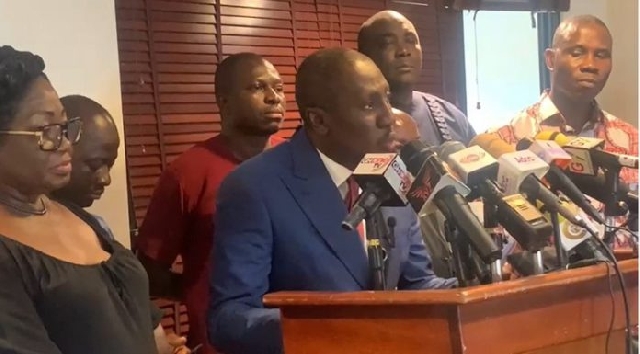
Tensions are rising in Ghana’s Parliament as the Minority has issued a stern warning to the Attorney-General (AG), signaling their intention to pursue legal action if he does not reverse his controversial decision to discontinue the criminal prosecution of former UniBank CEO Dr. Kwabena Duffuor and six others. The case at hand involves grave allegations concerning the misappropriation of approximately GHS 5.7 billion in depositors’ funds. Recently, the AG’s office withdrew the prosecution, citing the recovery of around 60% of the missing funds as justification for dropping the charges. This decision, however, has incited serious dissent from the Minority, who have raised fundamental questions about the legality and transparency surrounding it. In a statement released on Monday, the Minority demanded concrete evidence to substantiate the claim that 60% of the lost funds had been successfully recovered. They insist that such a significant case of alleged financial misconduct cannot simply be dismissed without due process and adequate judicial review. “The law requires either a conviction or restitution approved by the courts. Allowing suspects to walk free without a clear legal conclusion sets a dangerous precedent,” the statement articulated, echoing the concerns of many who believe accountability must be upheld in such serious matters. Furthermore, the Minority has voiced apprehensions regarding a potential conflict of interest, citing reports that the Attorney-General may have previously served as legal counsel for some of those accused. If true, they argue, this revelation could severely compromise the integrity of both the AG’s decision and the office itself. To address these pressing issues, the Minority has called upon Parliament’s Legal and Constitutional Affairs Committee to summon the Attorney-General for a detailed explanation of his actions. They are also urging the Ghana Bar Association to investigate the Attorney-General’s conduct to ascertain whether he acted ethically and in accordance with professional standards. “If the Attorney-General fails to reverse this decision in the coming days, we will be left with no choice but to seek legal redress through the courts,” the Minority emphasized, reiterating their commitment to protecting public funds and ensuring accountability. Highlighting the importance of the case, they asserted that justice must not only be done but also be seen to be done, particularly in instances involving significant public interest and the integrity of the nation’s financial systems. With the clock ticking, the pressure is mounting on the Attorney-General to address the Minority’s concerns and restore confidence in the judicial process. Source: Apexnewsgh.com/Ngamegbulam Chidozie Stephen
Bright Simons Challenges Attorney General’s Claims on Unibank Recovery
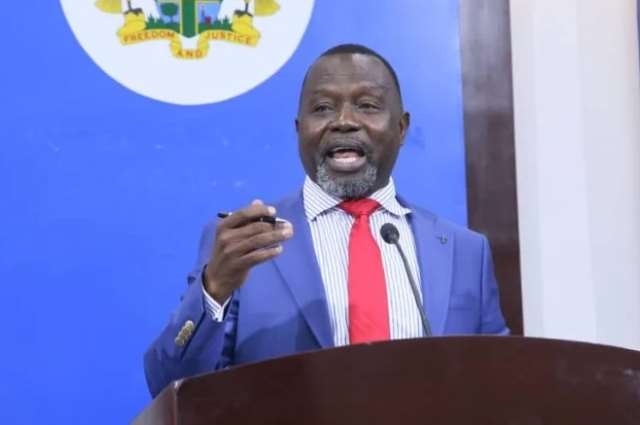
Bright Simons, the Honorary Vice-President of IMANI Africa, voiced his strong objections to the Attorney General’s assertion that the government had successfully recovered 60% of Unibank’s liabilities. In a detailed and incisive post shared on his social media on July 28, Simons contended that the real recovery rate stands at a meager 10.6%. Labeling the government’s announced figures as “financially misconceived”, Simons took to the online platform to articulate his concerns and challenge the narrative being presented to the public. He argued that the figures cited by the government were misleading and did not reflect the true scale of financial loss resulting from the bank’s collapse. According to Simons, the original figure reflecting Ghana’s direct exposure, estimated at GH¢5.7 billion, had controversially been revised down to GH¢3.3 billion. Out of this, he pointed out that GH¢800 million is expected to be reclaimed through the forfeiture of properties, while GH¢1.2 billion hinges on the debtors of Unibank. However, he emphasized that these amounts were grossly inadequate given the significant financial losses incurred. “If we use market exchange rates,” Simons asserted, “the government has recovered only $160 million of a liability that may well exceed $1.5 billion.” He underscored the gravity of the situation, stating, “That is barely 10.6% of the total losses to Ghana’s welfare!” Simons also noted that even the amounts Unibank’s owners admitted as liability, exceeding $1 billion, had not been accounted for in the government’s reported figures. As the debate intensified, Simons called on the Bank of Ghana and the appointed Receiver to be more transparent about their roles and decisions in this matter, pointing out their conspicuous silence despite being pivotal players in the situation. “In any serious country,” he remarked, “the press conference of the AG today would be the beginning, not the end, of the national debate.” Simons’ insights have sparked discussions on accountability and the need for clarity in the management of national financial matters, as Ghanaians look for answers in the wake of the Unibank crisis. Source: Apexnewsgh.com/Ngamegbulam Chidozie Stephen
AIGS Cheers President Mahama’s Appointment of Kojo Choi

The Africa Institute on Governance and Security (AIGS) has praised President John Dramani Mahama for appointing Mr. Kojo Choi as Ghana’s Ambassador-Designate to the Republic of South Korea. The institute hailed this decision as a “diplomatic masterstroke”, showcasing a progressive approach to international diplomacy that aligns with the needs of the 21st century. In a detailed statement released by Dr. Palgrave Boakye-Danquah, a Governance Specialist and Security Strategist at AIGS, the institute characterized the appointment as bold and visionary. It reflects Ghana’s commitment to fostering an inclusive and innovative diplomatic landscape, crucial for engaging effectively on the global stage. Mr. Choi, a Ghanaian with Korean roots and a noted fintech entrepreneur, is anticipated to serve as a vital cultural and economic bridge connecting Africa and Asia. The AIGS highlighted that this appointment underscores President Mahama’s keen awareness of the dynamic changes within global diplomacy, emphasizing that cross-cultural understanding, diversity, and technological prowess are indispensable for promoting national and continental interests. “Mr. Choi’s strategic appointment illustrates a refined grasp of soft power in geopolitics,” the statement noted. The AIGS believes this move will leverage Ghana’s shared heritage with South Korea to enhance bilateral relationships and foster mutual prosperity. With deep ties to both Ghana and South Korea, in addition to his expertise in digital finance, Mr. Choi is well-positioned to advocate for Ghana’s interests, especially within the framework of the African Continental Free Trade Area (AfCFTA). The institute expressed that his leadership could catalyze partnerships in emerging sectors such as smart agriculture, green energy, artificial intelligence, and financial technology—key domains essential for Africa’s sustainable development. Furthermore, the AIGS emphasized that this appointment resonates with its core values of good governance and strategic diplomacy. They commended President Mahama for establishing a precedent in inclusive leadership that could inspire other nations across the continent. “We are optimistic that Mr. Choi’s tenure as ambassador will deepen cooperation, enhance economic integration, and elevate Ghana’s stature in international diplomacy,” the institute concluded. They insisted that this strategic move serves as a model for other African countries, demonstrating the transformative potential of embracing global diplomacy amidst an ever-evolving world. Source: Apexnewsgh.com
Ghana Shifts Strategy in Bawku
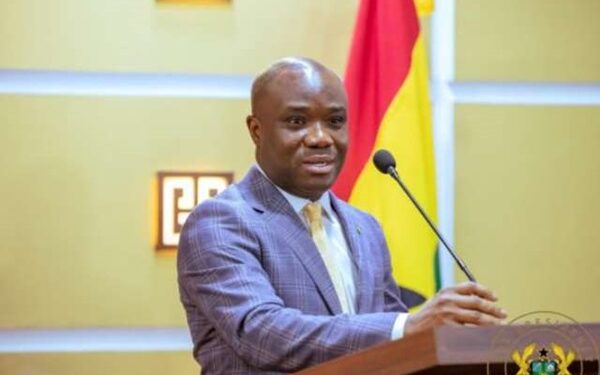
The quiet streets of Bawku, once a symbol of resilience, now bear the scars of renewed violence that threaten to undermine years of peace-building efforts. Apexnewsgh reports In a decisive move to address this escalating crisis, the Government of Ghana has announced a significant shift in its approach to security in the region, transitioning from peacekeeping to peace enforcement. In a press release that resonated with the weight of urgency, Felix Kwakye Ofosu, the Member of Parliament and Spokesperson to the President, outlined the government’s strategy, which includes the deployment of the Ghana Armed Forces to the areas most affected by conflict. These soldiers are charged with the vital mission of restoring law and order while ensuring the safety of both lives and property. This strategic pivot comes in response to a troubling resurgence of violence tied to the longstanding Bawku chieftaincy conflict. “The Ghana Armed Forces have been deployed to maintain law and order, as we intensify curfews to ensure public safety,” the statement articulated clearly, underscoring the government’s commitment to stability in the region. In a show of respect and acknowledgment, the government praised His Majesty Otumfuo Osei Tutu II for his dedicated mediation efforts, alongside the contributions of the Nayiri and Zugraana, who have worked diligently to advance peace dialogue. The statement noted how close the mediation had come to final resolution—until recent violent incidents reignited tensions, underscoring the fragility of peace efforts. “Otumfuo’s mediation, with the genuine help of Nayiri and Zugraana, had almost brought finality to the conflict until the very recent killings, which have necessitated drastic actions,” the government affirmed. As the situation unfolds, officials have urged all parties in the conflict to embrace dialogue over violence and actively support the peace process. Citizens of Bawku are also encouraged to cooperate fully with the Ghana Armed Forces, a call for unity aimed at restoring calm. While the increased security measures may disrupt the daily lives of many peace-loving inhabitants, the government reassures them of their dedication to public safety, particularly for vulnerable groups like students. “The Government of Ghana remains committed to restoring peace and stability in Bawku and other affected areas and is taking every necessary measure to ensure the safety and security of all residents,” the statement concluded, leaving a steadfast message of hope for a brighter, more peaceful future. Source: Apexnewsgh.com
Finance Minister Highlights Legacy of Mismanagement as DDEP Takes Toll on Ghanaians

Finance Minister Dr. Cassiel Ato Forson did not shy away from calling out the previous administration for its mishandling of public finances, which he claims has led to the economic hardships stemming from the Domestic Debt Exchange Programme (DDEP). Presenting the 2025 Mid-Year Budget Review, Dr. Forson painted a stark picture of the consequences that many Ghanaians faced due to fiscal mismanagement under the former Akufo-Addo government. “The decision to restructure Ghana’s domestic debt, a measure that resulted in severe losses for countless bondholders, became necessary due to the fiscal recklessness of the previous government,” he stated firmly. The Finance Minister emphasized that the repercussions of these decisions were not merely abstract economic statistics; they represented profound personal losses for many citizens. Dr. Forson conveyed the personal stories behind the numbers, illustrating how the mismanagement of public finances resulted in “devastating haircuts” that stripped pensioners and the middle class of their lifetime savings, livelihoods, and dignity. The DDEP was characterized as more than just an economic policy; it was a painful chapter that inflicted immense distress on ordinary Ghanaians, undermining their hopes and aspirations. He stressed the breach of trust that ensued when individuals who had invested their hard-earned money in government securities found themselves with little to no return. This phenomenon has not only affected individual lives but also shaken public confidence in the financial system as a whole. Despite the daunting challenges that lie ahead, Dr. Forson assured Parliament and the Ghanaian public of the current administration’s commitment to restoring fiscal discipline and rebuilding trust in government securities. He urged for bipartisan cooperation to implement essential reforms that could steer the nation toward long-term stability and inclusive economic recovery. In his closing remarks, the Finance Minister emphasized the importance of unity in the face of adversity, urging all political factions to come together for the nation’s common good, thereby ensuring that such disruptions do not recur. His impassioned address resonated with many, reflecting a determination to turn the tide and prioritize the welfare of all Ghanaians as the country embarks on a path to recovery. Source: Apexnewsgh.com