


Energy Committee Chair Defends Passage of Energy Sector Levy Bill
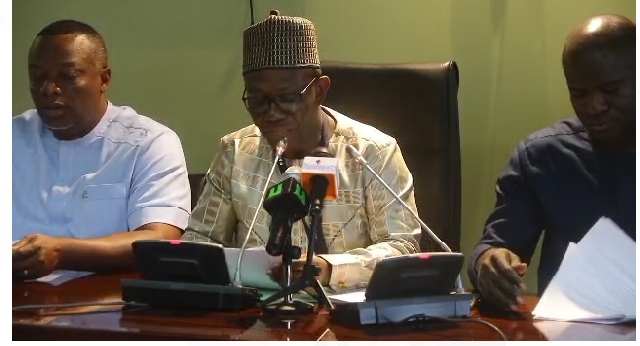
The Chairman of Parliament’s Energy Committee, Emmanuel Kwasi Bedzrah, has defended the passage of the Energy Sector Levy (Amendment) Bill, 2025, against claims by the Minority that they were not consulted during the legislative process. Speaking to the media, Bedzrah clarified that Minority members were present and participated in the committee’s deliberations. Bedzrah stated that the Minority’s claims of exclusion are “inaccurate and unfounded.” According to him, the Minority members were part of the discussions surrounding the bill and did not stage a walkout or indicate that they were being sidelined. The bill’s passage has sparked renewed debate over transparency and consensus-building in Parliament, with the Minority voicing strong opposition and questioning the process leading to the legislation’s approval. Despite the controversy, government officials are assuring the public that the amended levy will not impose a significant financial burden on citizens. The government has pledged to work closely with stakeholders and maintain accountability as implementation of the amended levy begins. According to the Energy Committee, the levy is a strategic measure aimed at ensuring a stable electricity supply, making sound long-term economic decisions, and securing the country’s energy future. The government has assured that the funds generated from the levy will be transparently managed and directed toward stabilising Ghana’s energy sector. With the amended levy now in place, the focus shifts to its implementation and the impact it will have on the country’s energy sector and citizens. Source: Apexnewsgh.com/Ngamegbulam Chidozie Stephen
Telecom Data Bundle Prices to Change: Minister Announces Upcoming Adjustments
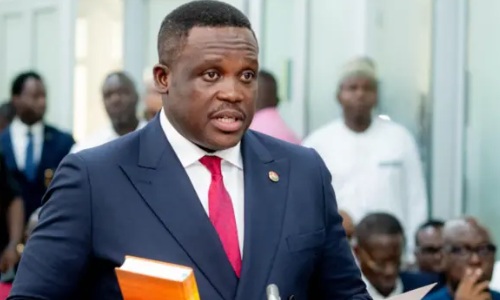
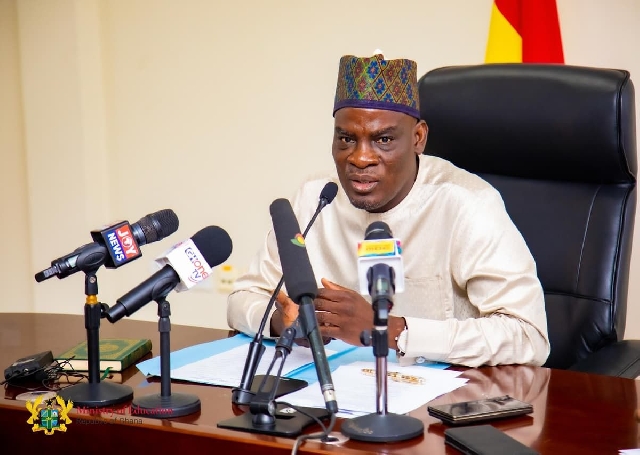
The Minister for Communication, Digital Technology, and Innovations, Samuel Nartey George, has announced that Ghana’s leading telecommunications providers will be making adjustments to their data bundle offerings, effective July 1, 2025. Apexnewsgh reports The announcement was made at a press briefing held at the Ministry’s Complex in Accra. The Minister revealed that the changes follow comprehensive consultations with the chief executives of AirtelTigo, Telecel Ghana Limited, and Scancom Ghana Limited (MTN Ghana). The move aims to deliver greater value to consumers while addressing operational concerns within the telecom industry. According to the Minister, MTN Ghana, designated as a Significant Market Power (SMP) operator, will implement a 15% price increase for all existing data bundles. The Minister stated that the adjustments reflect a careful balance between consumer protection and the financial viability of telecom operations. The Minister emphasized that the goal is to create a level playing field while encouraging innovation and affordability. He assured that the Ministry would continue to monitor market responses and maintain open dialogue with stakeholders to ensure that the changes ultimately benefit the Ghanaian public. Further details on bundle changes for AirtelTigo and Telecel are expected to be outlined in the coming days. The Ministry’s efforts aim to promote a fair and sustainable telecom sector that meets the needs of Ghanaians. Source: Apexnewsgh.com/Ngamegbulam Chidozie Stephen
GRA’s Fuel Levy Delay Highlights Need for Better Timelines – Tax Analyst

A tax analyst, Francis Timore Boi, has urged the Ghana Revenue Authority (GRA) to provide industry stakeholders with adequate timelines to ensure effective compliance with tax policies, particularly those affecting fuel. His remarks follow the GRA’s delay in implementing the GHC1 Energy Sector Shortfall and Debt Repayment Levy, initially scheduled for June 9, due to strong opposition from industry players. The new implementation date has been moved to June 16. Timore Boi emphasized the critical need for proper transition periods when introducing new taxes, especially on essential commodities like fuel. “Generally, when new taxes or levies are introduced—particularly on essential commodities like fuel—there must be a reasonable implementation period,” he said. “This allows businesses time to align and configure their systems for proper compliance.” Timore Boi called for dialogue between the GRA and Oil Marketing Companies (OMCs) to agree on a feasible timeline. “This situation requires both the GRA and OMCs to sit together and determine what a realistic timeline looks like,” he added. “The concerns raised by the OMCs are valid—there are technical adjustments that must be made before implementation can proceed smoothly.” The tax analyst’s comments highlight the importance of collaboration and adequate planning in implementing tax policies. By working together, the GRA and industry stakeholders can ensure a smoother transition and minimize disruptions to businesses and consumers. Source: Apexnewsgh.com
GRA Revises Implementation Date for Energy Sector Levy
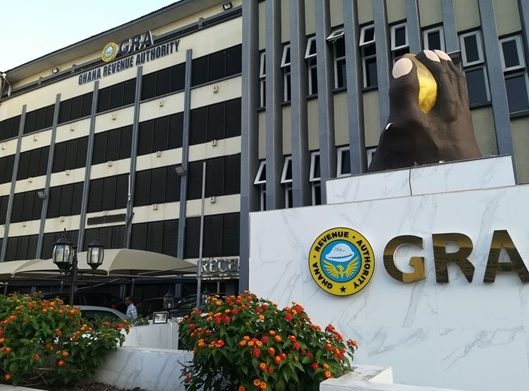
The Ghana Revenue Authority (GRA) has revised the implementation date for the Energy Sector Shortfall and Debt Repayment Levy, following stiff resistance from oil marketing companies. The levy, which was initially set to take effect on June 9, will now commence on June 16. Concerns from Oil Marketing Companies The Chamber of Oil Marketing Companies (COMAC) had raised concerns over the timing and potential impact of the levy on fuel prices and consumer burden. After discussions with the GRA, a new implementation date was agreed upon. New Levy Rates The levy is part of government measures to settle mounting debts in the energy sector. The new rates are as follows: Motor Spirit (Super Petrol): GHC1.95 per litre (up from GHC0.95) AGO/Diesel and Marine Gas Oil (Foreign): GHC1.93 per litre (up from GHC0.93) Marine Gas Oil (Local): GHC0.23 per litre (up from GHC0.03) Heavy Fuel Oil (Residual Fuel Oil – RFO): GHC0.24 per litre (up from GHC0.04) Partially Refined Oil (Naphtha): GHC1.95 per litre (up from GHC0.95) Liquefied Petroleum Gas (LPG) remains unchanged at GHC0.73 per litre Transitional Arrangements The new rates will apply to all petroleum products not lifted before June 16, 2025. However, products lifted by a Petroleum Product Marketing Company (PPMC) before June 16 will still be subject to the old levy rates. Any “cash-and-carry” transactions by PMMCs, for which products are lifted on or after June 16, 2025, will be subject to the new rates. Strict Compliance The Commissioner-General of the GRA, Anthony Kwasi Sarpong, signed the directive and urged all ports and fuel stations to strictly comply with the new levy rates. Source: Apexnewsgh.com/ Ngamegulam Chidozie Stephen
GIPC Backs MTN Ghana’s $300m Investment Plan
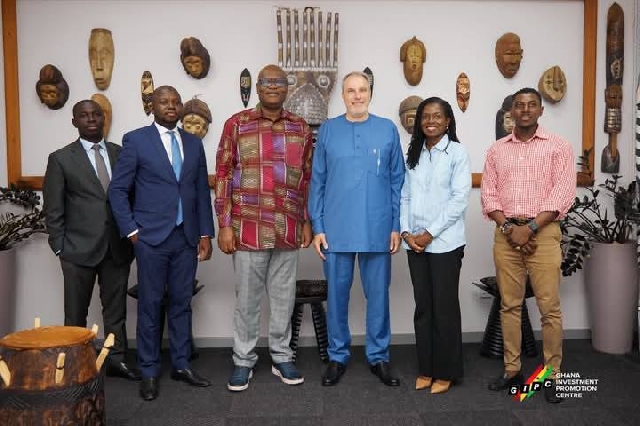
The Ghana Investment Promotion Centre (GIPC) has thrown its full support behind MTN Ghana’s ambitious plan to inject $300 million into the country’s economy over the next few years. Apexnewsgh reports GIPC’s Chief Executive Officer, Mr. Simon Madjie, described MTN as a major force in Ghana’s economic transformation, particularly in the fast-growing ICT and fintech sectors. During a strategic meeting with MTN Ghana’s CEO, Mr. Stephen Blewett, Mr. Madjie praised the telecom giant’s continued commitment to Ghana’s development. He reaffirmed GIPC’s readiness to collaborate with MTN to attract further investments and engage key stakeholders across the country. Mr. Madjie stated that MTN’s investments align with Ghana’s national goals for digital and regional development. He emphasized GIPC’s commitment to facilitating partnerships that promote inclusive growth and private sector expansion. MTN Ghana’s investment strategy includes expanding digital infrastructure beyond the Greater Accra Region, aligning with GIPC’s agenda to stimulate regional economic activity and ensure equitable development across all 16 regions. The collaboration is expected to create opportunities in underserved areas, enhance digital access, and drive innovation. The partnership between GIPC and MTN Ghana aims to drive economic growth, promote digital inclusion, and foster innovation. By working together, both parties can leverage their strengths to create a more prosperous and digitally empowered Ghana. Source: Apexnewsgh.com/Ngamegulam Chidozie Stephen
GPRTU Urges Government to Reverse GH¢1 Energy Sector Levy Or…

The Ghana Private Road Transport Union (GPRTU) has called on the government to reverse the recently imposed GH¢1 Energy Sector Levy on petroleum products. Apexnewsgh reports In a statement issued on June 5, 2025, the union, supported by allied commercial transport operators, warned that the levy would cripple their business and have a ripple effect on the entire economy, particularly on low-income earners who rely on public transport daily. The GPRTU expressed disappointment that the government did not consult with them before imposing the levy, emphasizing the need for genuine and inclusive stakeholder consultation to resolve the issue. “Imposing taxes without consultation and consideration of its impact is not the way forward,” the union stressed. The union cautioned that if the government fails to respond appropriately, they will embark on a nationwide sit-down strike effective Tuesday, June 10, 2025. This move would likely cause significant disruptions to the transportation sector and impact the daily lives of many Ghanaians. The GH¢1 levy on every liter of fuel purchased was announced by President John Mahama’s government as part of measures to address the country’s energy sector debt. However, the GPRTU believes that this decision will have far-reaching consequences for the transport industry and the economy as a whole. Read more below: PRESS RELEASE Date: June 5, 2025 COMMERCIAL TRANSPORT OPERATORS AND GPRTU DEMAND IMMEDIATE REVERSAL OF GH¢1 ENERGY SECTOR LEVY We, the leadership of the Ghana Private Road Transport Union (GPRTU) and other allied commercial transport operators, are calling on the government for the immediate reversal of the GH¢1 energy sector levy recently imposed on petroleum products. This levy will not only cripple our business but will also have a ripple effect on the entire economy, especially on low-income earners who depend on public transport daily. The following are our demands: * Immediate removal of the GH¢1 energy sector levy on petroleum products. * Genuine and inclusive stakeholder consultation on resolving challenges within the energy sector without burdening transport operators and commuters. Should the government fail to respond appropriately to us, we will resolve to embark on a nationwide sit-down strike effective Tuesday, June 10, 2025. Imposing taxes without consultation and consideration of its impact is not the way forward. We urge the government to reconsider this policy and engage all relevant stakeholders in a dialogue that leads to fair and sustainable solutions. For media inquiries, contact: * Alhaji Abass Moro, GPRTU National P.R.O – 0275595027 * Samuel Amoah, GPRTU Deputy P.R.O – 0243062953 * Paa Willie, Concerned Drivers Association, National Chairman – 0242971025 * Yaw Barima, True Drivers Union, National P.R.O – 0554822565 * David Agboado, Concerned Drivers Association, National P.R.O – 0541063682 * Asonaba Nana Wiredu, Concerned Drivers Association, Deputy Secretary – 0540377307 Source: Apexnewsgh.com/ Ngamegbulam Chidozie Stephen
President Mahama Addresses Concerns Over Fuel Levy
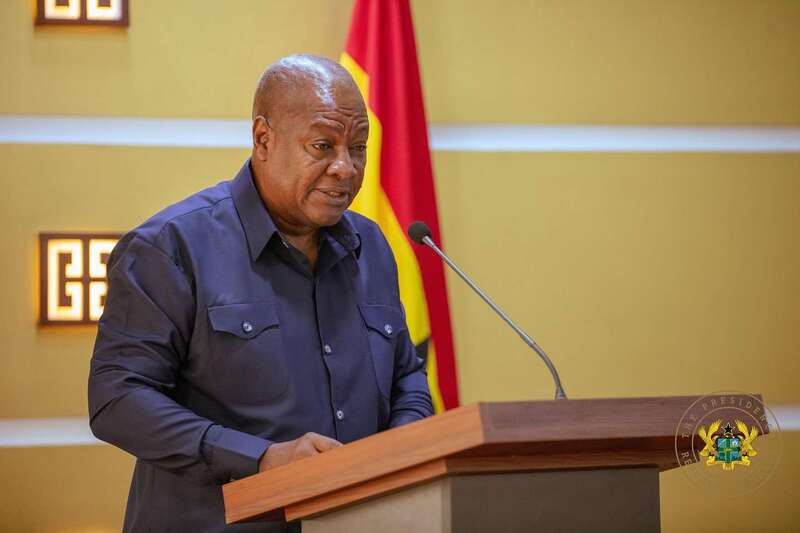
President John Dramani Mahama has moved to allay public fears following the passage of the Energy Sector (Amendment) Bill, 2025, assuring Ghanaians that the new levy will not lead to an immediate increase in fuel prices at the pump. Apexnewsgh reports Addressing the National Economic Dialogue Planning Committee at the Jubilee House, President Mahama explained that the stability of the Ghanaian Cedi and recent improvements in macroeconomic indicators would cushion the impact of the levy in the short term. The President emphasized that the levy forms part of a broader, urgent strategy to rescue the country’s struggling energy sector and ensure a consistent electricity supply. “Our energy sector is saddled with over US$3.1 billion in debt, and we require an additional US$1.8 billion to ensure a continuous fuel supply for thermal power generation in the coming months,” he noted. “If we fail to act decisively, we risk a collapse that would threaten national productivity and industrial progress.” President Mahama revealed that the estimated GH¢5.7 billion in revenue from the levy will be strictly allocated to settling longstanding energy sector debts, financing fuel procurement, and preventing future power shortages. To ensure accountability, the funds will be ring-fenced, independently audited, and excluded from the Consolidated Fund. Audit reports will also be made public to enhance transparency. The announcement has stirred mixed reactions across social media platforms. While some have applauded the initiative as a bold and necessary step to revamp the energy sector, others remain skeptical, fearing it could eventually translate into increased costs for consumers. Despite the varied responses, the President remains confident that the measure will help restore confidence in Ghana’s energy sector and lay the foundation for long-term economic stability. Source: Apexnewsgh.com/ Ngamegbulam Chidozie Stephen
COMAC Raises Concerns Over GH¢1 Fuel Levy

The Chamber of Oil Marketing Companies (COMAC) has raised red flags over the government’s recently approved GH¢1 fuel levy, cautioning that it could push many downstream petroleum businesses toward insolvency and derail clean energy targets in the country. In a press release, COMAC expressed worry over the passage of the Energy Sector Levies (Amendment) Bill, which raises the Energy Sector Shortfall and Debt Repayment Levy (ESSDRL) by GH¢1 per litre. COMAC warned that the cumulative impact of rising taxes, limited margins, and increasing financial obligations threatens the sustainability of many Oil Marketing Companies (OMCs) and Liquefied Petroleum Gas Marketing Companies (LPGMCs) within the sector. A significant number of OMCs/LPGMCs are already burdened by debt, and further fiscal pressure could lead to widespread insolvency, job losses, and broader economic disruption. COMAC also criticized the inclusion of LPG under the revised ESSDRL, describing it as counterproductive to Ghana’s target of achieving 50% LPG penetration by 2030. The Chamber warned that rising LPG prices could force low-income households to revert to biomass fuels, undermining the government’s Cylinder Recirculation Model (CRM), public health, and environmental sustainability goals. COMAC is demanding an immediate engagement with the Ministry of Energy and Green Transition and other relevant agencies to explore more balanced, evidence-based policy solutions. The Chamber urged the government to collaborate with industry stakeholders to ensure that fiscal policy decisions reflect operational realities, protecting business survival, promoting energy equity, and advancing Ghana’s development agenda. Industry players are warning that without responsive policymaking, gains made in price stability and energy reforms may be at risk as a result of this levy. The increase in fuel prices could lead to a drop in demand, especially among smaller players, and undermine the government’s efforts to promote clean energy and reduce poverty. Source: Apexnewsgh.com/Ngamegbulam Chidozie Stephen
Interior Minister Defends Raid on Former BoG Governor’s Residence

Interior Minister Mohammed Mubarak Muntaka has defended the controversial raid on the residence of former Bank of Ghana Governor, Dr. Ernest Addison, describing it as a lawful operation carried out under a valid court warrant. The raid, which took place on March 19, 2025, was conducted by a team of armed men led by Richard Jakpa, Director of Special Operations at the National Security Secretariat. The operatives, some of whom were masked and wielding AK-47 rifles, reportedly disabled the home’s CCTV system and demanded access to alleged “vaults.” However, Dr. Addison denied the existence of any vaults or large sums of cash in his residence. Despite this, the team ransacked the property, leaving with the CCTV monitor and control unit. No vaults or significant amounts of cash were discovered during the operation. Addressing Parliament on June 3, 2025, Minister Muntaka insisted that the operation followed due legal procedure. “Mr. Speaker, prior to the operation, an ex parte search warrant was duly filed before the High Court in Accra on March 12, 2025, and was obtained in accordance with established legal procedures,” he said. “The search was carried out in strict adherence to due process and in full compliance with the laws of the state. It was meticulously conducted in the presence of the former governor.” The incident has been widely criticized by elements within the opposition, with a former central bank official calling the episode “unprecedented and disturbing.” The criticism highlights concerns about the use of force and the potential for abuse of power in such operations. Source: Apexnewsgh.com/Ngamegbulam Chidozie Stephen
Energy Minister explains GH¢1 Fuel Levy, says is not enough
Energy Minister John Jinapor has explained that the recently introduced GH¢1 fuel levy is expected to generate between GH¢5 billion and GH¢6 billion to support the procurement of liquid fuel. However, he stressed that this amount will still fall short of what is needed to address Ghana’s mounting energy sector debt. Speaking on the Citi Breakfast Show, Minister Jinapor justified the levy as a necessary intervention to ensure continuous fuel supply to power plants. “This amount, if you look at the object clearly, we talked about the debt that we have and how unsustainable the debt is,” he said. “But when you look at the real object, it is to help us first to procure liquid fuel, and within the veil of the liquid fuel, it will be about GH¢1.2 billion.” The Minister noted that even with revenue from the levy, the Finance Ministry would still have to step in to bridge the gap. “So, even with this GH¢1, the Finance Minister will still have to assist us in getting some additional money to buy liquid fuel,” he added. Addressing the debt issue, Mr. Jinapor said the government is actively renegotiating terms with Independent Power Producers (IPPs) and developing a payment plan to stabilise the sector. “As for the debt, we are renegotiating with the IPPs, and having a payment plan with them so that we stop the bleeding, reduce the inefficiency, and turn the sector around,” he stated. Meanwhile, the Executive Director of the Centre for Environment and Sustainable Energy, Benjamin Nsiah, has raised concerns over the government’s newly approved GH¢1 fuel levy, describing it as regressive, uncreative, and detrimental to already strained consumers. He argued that the levy merely adds to a history of ineffective fiscal interventions that fail to resolve the sector’s structural inefficiencies. “This approach is not only tired but unfair,” Nsiah said. “We’ve seen this playbook before. It’s not about collecting more. It’s about managing what’s already collected.”