



Ghana’s Washington D.C. Embassy Shut Down Amid Corruption Scandal
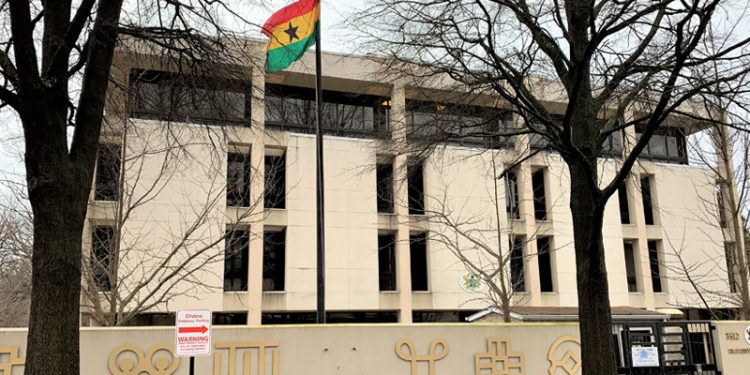
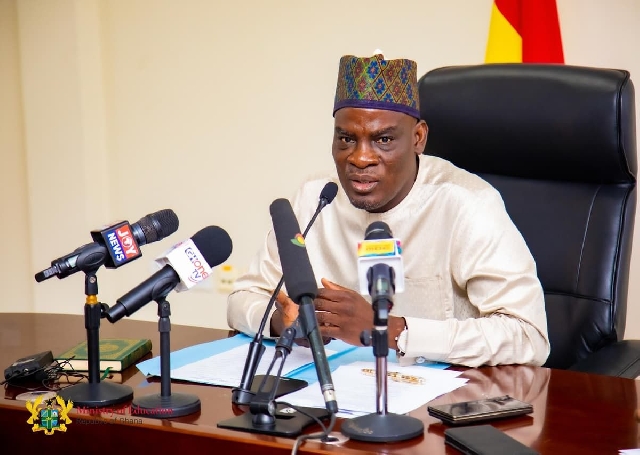
The Minister for Foreign Affairs, Samuel Okudzeto Ablakwa, has announced the temporary closure of Ghana’s embassy in Washington, D.C., following allegations of widespread corruption and abuse of office. The decision was made after a special audit team uncovered a long-running fraudulent scheme at the diplomatic mission. At the center of the scandal is Fred Kwarteng, a locally recruited IT staff member who admitted to creating an unauthorized link on the embassy’s website. This link redirected visa and passport applicants to his private firm, Ghana Travel Consultants (GTC), where they were charged unapproved fees. Investigations suggest the scheme had operated undetected for at least five years, with payments going directly into Kwarteng’s personal account. The Minister has taken decisive action, recalling all Foreign Ministry staff posted to the Washington D.C. mission to Accra, dissolving the embassy’s IT department, and suspending all locally recruited staff pending further investigations. The Auditor-General has been tasked with conducting a full forensic audit to determine the total financial loss to the state. The matter has been referred to the Attorney-General for possible prosecution and recovery of misappropriated funds. Mr. Ablakwa emphasized that the temporary closure is necessary to restore integrity and accountability to Ghana’s diplomatic operations. “President Mahama’s government will continue to demonstrate zero tolerance for corruption, naked conflict of interest, and blatant abuse of office,” he stressed. Despite the potential inconvenience to Ghanaians and foreign nationals seeking consular services, the government insists that bold action is essential to cleanse the system.
Damning Petition Accuses Keda Ghana Ceramics of Corporate Lawlessness
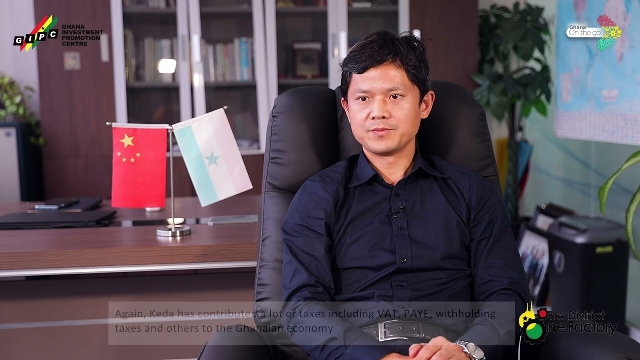
A scathing petition has been submitted to the Director-General of the Social Security and National Insurance Trust (SSNIT), accusing Keda Ghana Ceramics Company Limited of engaging in a “deliberate, organized, and prolonged act of corporate lawlessness.” The company, a major player in Ghana’s ceramics industry under the One-District-One-Factory (1D1F) initiative, is alleged to have systematically evaded its statutory obligations under Ghana’s National Pensions Act and Income Tax Act between 2016 and 2023. According to the petition, authored by Dr. David Yevugah, a former employee and stakeholder, Keda Ghana Ceramics’ leadership, particularly Managing Director Mr. Lorry Lei and a team of Chinese managers, orchestrated a scheme that denied over 4,000 Ghanaian workers their rightful pension contributions and deprived the state of millions of cedis in taxes. The company allegedly failed to remit the mandatory 13.5% pension contributions for its employees and did not deduct and remit income taxes to the Ghana Revenue Authority (GRA). The petition alleges that workers were misclassified as “casual staff” for extended periods to avoid triggering statutory obligations, in clear contravention of labour laws. Over 4,000 workers, particularly in the Engineering and Electrical (E&E) departments, were subjected to these exploitative practices, many of whom left the company with no contributions paid into their pension accounts. Despite the alleged violations, Keda Ghana Ceramics reportedly benefited from substantial government support, including a tax exemption of US$13.5 million under the 1D1F programme. The petition questions the level of due diligence conducted before granting such incentives, warning that rewarding non-compliant companies undermines public trust. The petition calls for a full forensic audit of the company’s employment and payroll systems from 2016 to 2023, legal action against Keda and its leadership for non-compliance and fraud, recovery of unpaid SSNIT and tax contributions with applicable penalties, and inter-agency collaboration between SSNIT, GRA, EOCO, and the Office of the Special Prosecutor. The petition has sparked growing calls for investigations into the company’s operations and broader scrutiny of foreign companies operating under Ghana’s flagship industrialisation programmes. Source: Apexnewsgh.com
Suhum Drivers Defy Calls to Reduce Fares Amid Fuel Price Drop

Tensions are running high at the Suhum lorry station as drivers on the Suhum-Koforidua route refuse to lower transport fares despite recent decreases in fuel prices. Passengers and transport authorities had expected a corresponding reduction in fares, but drivers insist that the current fare structure must remain in place. In an interview with the media, several drivers expressed frustration over public expectations, citing high operational costs as the reason for their stance. “We’re not just paying for fuel,” one driver argued. “The cost of tires, servicing, and daily ‘tickets’ we pay have not gone down. If we reduce the fare now, we’ll be running at a loss.” The situation has created a standoff between drivers and passengers, with some commuters accusing drivers of exploiting the situation for profit. While transport unions are yet to issue a formal statement, sources indicate that discussions are underway to bring all stakeholders together to resolve the issue. As fuel prices continue to fluctuate, the public demands fair fare adjustments in line with national economic conditions. Until an agreement is reached, the standoff in Suhum remains unresolved, leaving commuters uncertain about their daily transportation costs. Source: Apexnewsgh.com
Union Takes Legal Action Over NPA Board Representation

The General Transport, Petroleum and Chemical Workers Union (GTPCW) of the Trades Union Congress (TUC) has gone to court to challenge the nomination of Mr. George Nyaunu as their representative on the National Petroleum Authority (NPA) board. The Union claims that Mr. Nyaunu falsely represented himself as their nominee, despite the Union officially nominating its National Chairman, Mr. Bernard Owusu, for the position. The controversy began when President John Mahama nominated Mr. Nyaunu for the NPA board, despite the GTPCW’s official nomination of Mr. Owusu. The Union had submitted Mr. Owusu’s name to the Presidency, the Office of the Chief of Staff, and the Ministry of Energy and Green Transition. The GTPCW is now seeking an injunction to prevent Mr. Nyaunu from being sworn in or participating in board meetings as their representative. The dispute has sparked tension within the Union and the petroleum industry as a whole. Some tanker drivers aligned with Mr. Nyaunu are at odds with those backing Mr. Owusu, leading to reported disruptions in the supply and distribution of petroleum products nationwide. Industry observers are divided, with some arguing that Mr. Owusu’s previous experience on the board makes him a suitable candidate, while others question Mr. Nyaunu’s alleged close ties with the NPA. As the legal battle unfolds, there are growing calls for the government to appoint a neutral and competent figure from the downstream sector to the NPA board. This individual would need to understand the challenges facing petroleum worker unions and be able to advance the collective interests of all parties involved. The situation remains uncertain, with the potential to impact the strategic decision-making processes of the NPA and the stability of the petroleum industry. Source: Apexnewsgh.com
Bank of Ghana Maintains Policy Rate at 28%

The Monetary Policy Committee (MPC) of the Bank of Ghana (BoG) has decided to keep the Policy Rate at 28%. The Governor of the Bank of Ghana, Dr. Johnson Asiama, announced this decision at the 124th MPC press briefing in Accra on May 23, 2025. Dr. Asiama highlighted some positive trends in the economy. Headline inflation has declined consecutively for the first four months of the year, driven by decreases in both food and non-food inflation. Additionally, the local currency, the Cedi, has rebounded strongly against major trading currencies like the dollar. According to Dr. Asiama, the rebound of the Cedi can be attributed to several factors, including a tight monetary stance, ongoing fiscal consolidation, record reserve accumulation, and strict enforcement of forex market rules. These measures have contributed to stabilizing the currency and controlling inflation. Source: Apexnewsgh.com
Ghana’s Economic Stability: A Legacy of Prudent Policies?

The recent appreciation of the Ghanaian cedi has sparked a debate about the country’s economic policies. President Mahama attributed the cedi’s stability to the country’s robust gross international reserves, which stood at $10.6 billion as of April 2025. Apexnewsgh reports However, a closer look at the figures reveals that a substantial $8.98 billion of these reserves was inherited from the previous New Patriotic Party (NPP) administration. The Minority in Parliament, led by Dr. Amin Adam, argues that the current National Democratic Congress (NDC) administration has benefited from the strong macroeconomic buffers established under the Akufo-Addo/Bawumia era. The NPP administration’s prudent economic policies, including the aggressive build-up of gold reserves, have provided a foundation for the current government’s economic stability. The GoldBod programme, which involves buying and selling gold for foreign exchange, remains a key tool for achieving currency stability. Dr. Amin Adam emphasized that the NDC government has merely continued the policy shift introduced by the NPP to leverage Ghana’s gold reserves as a strategic weapon against currency depreciation. However, the Minority is concerned about inconsistencies in reserve data and the slow pace of gold accumulation under the NDC government. Since January 2025, the government has added less than one metric ton to gold reserves. Dr. Amin Adam called for transparency, urging the Bank of Ghana and Goldbod to reconcile these figures and provide Parliament with a full account of forex movements. While the cedi’s appreciation is a positive development, the Minority expects the Monetary Policy Committee to reduce policy rates significantly. However, Dr. Amin Adam warned that deeper structural challenges remain, and macroeconomic discipline must be matched with transparency and reform, not rhetoric. “Ghanaians deserve transparency and accountability to sustain the gains made on the cedi,” he said, emphasizing the need for real economic benefits to trickle down to the people. Source: Apexnewsgh.com
Metro Mass Transit: A New Era of Revival and Reform

The Managing Director of Metro Mass Transit Limited, Caleb Ceaser, has revealed that the previous New Patriotic Party (NPP) government left the company in disarray. Apexnewsgh reports The company inherited a massive debt of over GH₵125 million and numerous damaged and scrapped buses. Despite these challenges, Mr. Ceaser is determined to restore the company’s operations and improve the conditions of service. Speaking to workers in Cape Coast, Mr. Ceaser assured staff that the current administration, led by President John Dramani Mahama, is committed to reviving the transport sector without discrimination and to the satisfaction of all Ghanaians. He emphasized that the government is determined to make Metro Mass Transit attractive again to Ghanaians. The company plans to revamp its operations by introducing over 500 new buses before the end of 2025. The fleet will include mini-buses to boost efficiency and coverage. Mr. Ceaser highlighted that a strong maintenance culture will be the hallmark of the company’s new approach. “Metro Mass will rise again with discipline, structure, and accountability,” he added. Mr. Ceaser also assured workers that all outstanding salaries and arrears would be paid immediately, alongside a salary increment. This move is expected to boost worker morale and productivity. Deputy Managing Director Haroun Apaw-Wiredu warned workers against financial misappropriation, emphasizing that the new leadership will not tolerate laziness or misconduct. “The era of workers pocketing company funds is over. We expect discipline and respectful conduct towards passengers,” Mr. Apaw-Wiredu stated. The Central Regional Manageress of Metro Mass Transit, Mrs. Elsie Bart-Addison, commended President Mahama for introducing reforms. She pledged to work hard to make Metro Mass Transit attractive in the Central Region. With a renewed focus on discipline, structure, and accountability, Metro Mass Transit is poised to rise again and provide efficient and reliable transportation services to Ghanaians. Source: Apexnewsgh.com
SSNIT Declares Commitment to Asset Retention Amid Controversial Sale Proposal

The Social Security and National Insurance Trust (SSNIT) has firmly stated that it will not sell any of its current assets or facilities, opting instead to focus on revamping and optimizing these properties to generate better returns for contributors and stakeholders. Apexnewsgh reports This declaration comes in response to a controversial proposal by Dr. Bryan Acheampong, the Member of Parliament for Abetifi and owner of Rock City Hotel, who suggested purchasing several SSNIT-owned hotels, including the Labadi Beach Hotel, La Palm Royal Beach Resort, Elmina Beach Resort, Ridge Royal Hotel, Busua Beach Resort, and the Trust Lodge Hotel. The proposal was met with widespread public backlash, prompting Samuel Okudzeto Ablakwa, the MP for North Tongu, to file a formal petition with the Commission on Human Rights and Administrative Justice (CHRAJ). Ablakwa’s petition called for investigations into various allegations, including conflict of interest, abuse of power, lack of due process, procurement breaches, cronyism, and corruption. During the opening of SSNIT’s new branch on Spintex Road in Accra on Tuesday, May 20, SSNIT’s Director General, Kwesi Afreh Biney, reiterated the Trust’s commitment to retaining its assets and emphasized the goal of transforming them into profitable ventures. “Watch out for what we will do with our facilities that were to be sold. I can assure you that we will not sell those facilities; we will turn them around and have an event to inform the public about our plans,” he stated confidently. Biney elaborated on SSNIT’s strategic review of its investment portfolio, which aims to identify underperforming assets and convert them into viable income-generating properties. “It is crucial that we help change those non-performing assets into performing assets. We have reviewed our investment portfolio, identified areas yielding the best returns, and are reallocating our resources to enhance profitability,” he added. This strategic direction signals a significant shift in SSNIT’s investment approach as the Trust works to bolster financial sustainability and restore public confidence in its operations. By focusing on optimizing existing assets rather than selling them off, SSNIT is demonstrating a commitment to the welfare of its contributors and the overall integrity of its services. Source: Apexnewsgh.com
Organised Labour at GRA Denies Claims of Deputy Commissioner Appointment

In a firm response to recent rumors circulating in both traditional and social media, Organised Labour at the Ghana Revenue Authority (GRA) has vehemently denied the alleged appointment of Elsie Appau-Klu as a Deputy Commissioner of the Authority. Apexnewsgh reports In an internal communication sent to all staff on Wednesday, May 21, the union clarified that the title of “Deputy Commissioner” does not exist within the current organizational structure of the GRA. Describing the circulation of such reports as “reckless,” the union expressed concern over the potential harm that misinformation could inflict on the integrity of the institution. The statement from Organised Labour underscored that the issue has been escalated to the attention of the Commissioner-General, accompanied by a call for immediate action. “We have not seen any statement from Ms. Elsie Appau-Klu distancing herself from these misleading reports,” read the communication, further adding to the urgency for clarity. To address the situation, Organised Labour is demanding that GRA Management issue an internal memo to formally clarify the facts and reinforce the Authority’s established leadership structure. Alongside this, they called for enhanced accountability from individuals in advisory positions, emphasizing the necessity to adhere to the GRA’s Code of Ethics and Conduct. “Such advisors must be reminded of their boundaries and refrain from overstepping their authority,” the statement asserted, highlighting the importance of maintaining professional standards within the organization. Moreover, the union pointed out the need to protect the Authority’s integrity amid the government’s ongoing institutional reforms, part of its “resetting agenda,” which includes a review of appointments in public institutions. In conclusion, Organised Labour made a collective commitment to resisting any efforts that could compromise the professional standards of the GRA for personal interests. The memo also reinforced the importance of solidarity among staff to uphold the values and operational integrity of the Authority. The Customs Staff Association was also included in this important communication, ensuring that all stakeholders are informed and united in their stance. Source: Apexnewsgh.com
Abossey Okai Spare Parts Dealers Resist Price Reductions Despite Cedi Appreciation
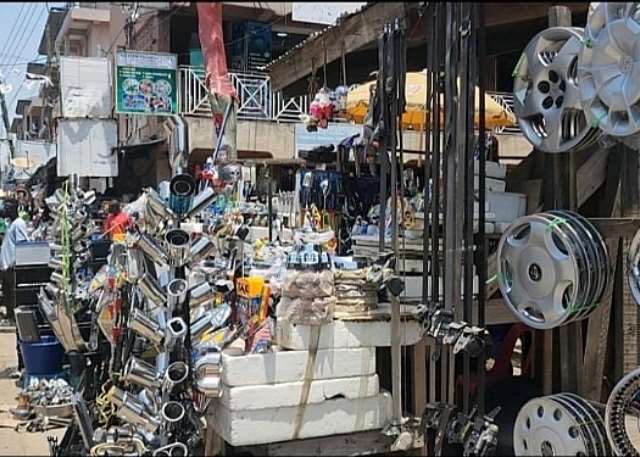
In Abossey Okai, spare parts dealers are resisting calls to lower prices, even as the Ghanaian cedi shows signs of recovery against the U.S. dollar. The dealers maintain that their current inventory was acquired when the exchange rate was significantly higher, leaving them with little choice but to keep prices as they are. Apexnewsgh reports This viewpoint starkly contrasts a directive issued by the Abossey Okai Spare Parts Dealers Association, which has urged its members to adjust prices per the cedi’s recent appreciation. Speaking to Citi Business News monitored by Apexnewsgh, several dealers articulated their refusal to cut prices, indicating that any reductions would only become feasible once they could restock their shelves at the more favorable exchange rates. “For now, it can’t be possible because we ordered the goods at a certain rate which is higher than what we are seeing now. With that price, we have to sell,” explained Francis Appiagyei, a spare parts dealer in the area. “When the goods finish and we order again with a reduced exchange rate, then definitely the prices will come down.” Another dealer, Yaw Ansong, echoed this sentiment, emphasizing the dire implications of premature price reductions. “Unless I sell the one I already ordered and finish, I can’t reduce the price of the goods. If I reduce the price now, I am going to lose my job,” he stated. Some dealers are open to price reductions in the future, but only if the cedi’s positive performance is sustained. “We have come to understand that the dollar is down and the cedi is also going up, so we are going to do what they say but not now. We will go down on prices when we see the dollar is still stable at where it is,” said Eric Osei Danso, another dealer. As the cedi fluctuates, the debate continues among Abossey Okai’s spare parts traders, highlighting the delicate balance between currency exchange rates and local pricing strategies. Source: Apexnewsgh.com