


Petroleum Tanker Drivers Begin Three-Day Strike Over Poor Yard Conditions at Kumasi Depot

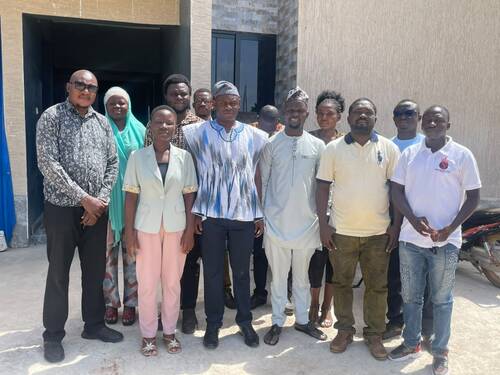
Members of the Ghana National Petroleum Tanker Drivers Union have launched a three-day sit-down strike, protesting what they describe as the worsening and hazardous state of the parking yard at the Kumasi Bulk Oil Storage and Transportation (BOST) Depot. The drivers accuse BOST officials of neglecting urgent calls to rehabilitate the yard, which has become increasingly unsafe, especially during rains. Union members say the situation not only endangers their safety but also hampers their ability to efficiently carry out their duties. Beyond the deplorable yard conditions, the drivers have also raised concerns about persistent fuel shortages during offloading at the depot. They attribute these shortages to faulty machinery and equipment used for offloading petroleum products, a problem they say has gone unaddressed despite repeated complaints. Union leaders report that multiple engagements with BOST management have yet to yield solutions. Now, with their grievances unresolved, the drivers have resorted to industrial action, sparking fears of fuel supply disruptions. Industry observers warn that if the strike is prolonged, it could trigger widespread fuel shortages across the country. Dominic Brenya, Chairman of the Ghana National Petroleum Tanker Drivers Union, affirmed that the strike will continue until their concerns are addressed. The union is demanding immediate intervention to rehabilitate the yard and repair faulty offloading equipment to ensure safety and operational efficiency. Source: Apexnewsgh.com
Ghana Water Ltd Refutes Claims of Withholding River Pollution Data
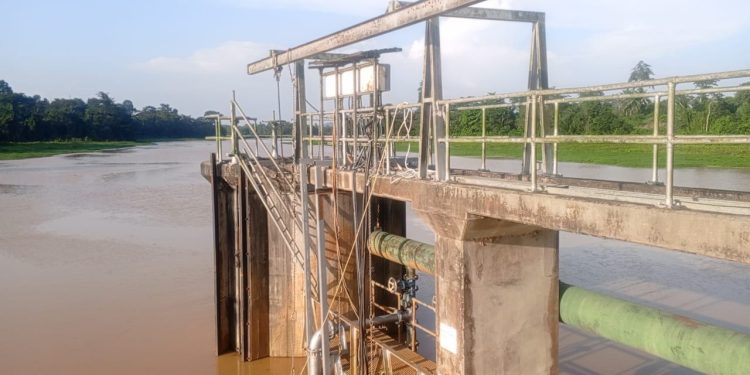
Ghana Water Ltd (GWL) has firmly denied allegations that its staff were threatened or instructed to withhold data on river turbidity and pollution levels, responding to accusations that surfaced in a video circulating on social media involving a Joy News journalist. In a statement released on Monday, August 17, 2026, GWL described the allegations as inaccurate and misrepresentative of the company’s mandate and operations. The utility company clarified that it routinely conducts internal turbidity tests as part of its water treatment processes and shuts down treatment plants whenever turbidity levels surpass established safety thresholds. However, GWL emphasized that it does not hold official data on the quality of natural river bodies. “GWL does not hold official data on natural river bodies,” the statement read, noting that the responsibility for monitoring and maintaining turbidity data lies with the Water Resources Commission (WRC) and the Environmental Protection Agency (EPA). Addressing additional claims made by the journalist, GWL stated that its records showed no evidence of the journalist visiting the Kwanyako treatment plant, contradicting assertions that access to information was denied. The company also rejected rumors that the Presidency had issued any directive instructing GWL to withhold river turbidity data. “It is therefore totally untrue that the Presidency has directed GWL to withhold river turbidity data,” the statement stressed. GWL encouraged the public to distinguish between the specific mandates of the water utility, the WRC, and the EPA when interpreting reports about river pollution and turbidity. The company urged viewers and readers to approach the claims presented in the viral video with caution. Source: Apexnewsgh.com
Police Call for Timelier Information Sharing from MTN to Tackle Digital Crime
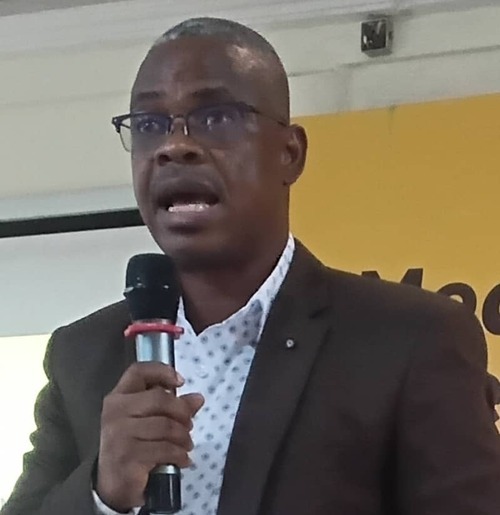
At the 2026 MTN Media Editors Forum in Tamale, the Northern Deputy Regional Crime Officer, ASP Richard Ackumey, addressed a growing concern for law enforcement: delays in accessing crucial information from telecommunications companies. Speaking candidly to the assembled media and MTN representatives, ASP Ackumey highlighted the evolving nature of crime in the digital age and the critical need for close collaboration between security agencies and telcos. “We rely so much on the telcos,” he explained. “Crime has evolved, and much of it now takes place within the digital space. To gather evidence and get to the root of these incidents, we need seamless cooperation with the telecommunications sector.” ASP Ackumey pointed out that legal frameworks such as the Data Protection Act and other regulations protecting citizens’ privacy can sometimes hinder timely information sharing, even when court orders are obtained. “While we understand these laws are vital for customer protection, they also constrain telcos in releasing information needed for ongoing investigations,” he said. “Our main challenge has been the timely release of information. Whenever we submit requests, especially court orders, we expect a swift response from the telcos.” Despite these challenges, ASP Ackumey acknowledged that the relationship between the police and MTN has generally been positive. He expressed optimism that continued dialogue and cooperation would lead to more efficient crime-fighting in the future. “We look forward to more fruitful discussions like this and to building a safer Ghana together,” he concluded. Source: Apexnewsgh.com
MTN Ghana Celebrates Growth, Community Impact, and Commitment to Digital Equality at 2026 Editors Forum
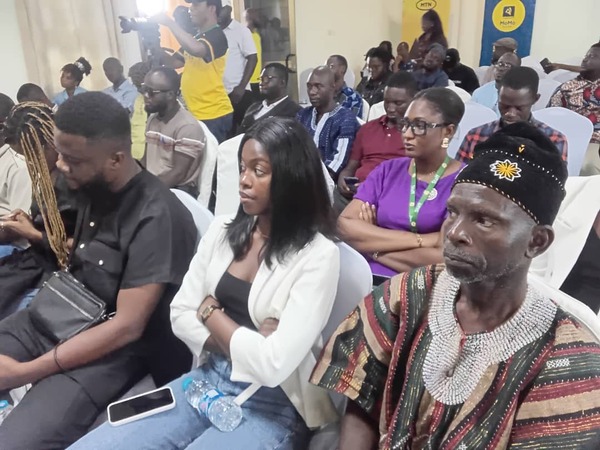
At the 2026 Editors Forum in Tamale, Emmanuel Afutu, MTN Senior Manager for Network Implementation, highlighted MTN Ghana’s impressive growth and its dedication to national development and digital inclusion. Sharing the company’s first half 2026 results, Afutu reported that service revenue surged by 32.3 percent to 15.0 billion Ghana cedis, EBITDA rose by 47.1 percent to 9.3 billion, and profit after tax increased by 46.8 percent to 5.1 billion. “These numbers are not just a celebration of our performance, they symbolize our ability to invest in our network, create jobs, support communities, and contribute to Ghana’s progress,” Afutu said. In the first half of the year, MTN Ghana paid 5.6 billion cedis in direct and indirect taxes, plus 384.7 million in fees and levies, underlining the company’s role in national development. Beyond financial success, Afutu emphasized MTN’s ongoing investment in people through the MTN Ghana Foundation, which supports education, health, and economic empowerment. He cited the MTN Skills Academy and the Heroes of Change initiative, which rewards extraordinary community leaders and changemakers across the country. This year, the overall Heroes of Change winner will receive 400,000 cedis, with category winners earning 200,000 cedis each, and all finalists receiving 100,000 cedis. Afutu further spotlighted MTN’s community outreach, mentioning volunteer-driven WASH initiatives in schools across 16 regions and health screenings in hospitals such as Sola and Niga Zanga. “These interventions may seem simple, but they reflect our commitment to being present and supportive in every community we serve,” he said. Recognizing ongoing challenges around access, affordability, and digital literacy, Afutu called for continued collaboration among government, regulators, educational institutions, business, and communities. “Technology should be an equalizer,” he said, stressing MTN’s belief in digital equality so that every child, whether in Napanduri, Tamale, or Accra, has the opportunity to thrive. He also underscored MTN’s commitment to sustainability, detailing the company’s four-pillar ESG agenda and the recent launch of Sustainability Month under the theme ‘Small Actions, Big Impact.’ Afutu remarked, “Our success and Ghana’s progress are connected in a sustainable way. Sustainability is part of how we do business.” As MTN marks thirty years in Ghana, Afutu expressed gratitude to the media, government, regulators, customers, and communities: “Thirty years ago, our ambition was simply to connect people. Today, we connect people to opportunities, education, healthcare, and financial services. As Ghana grows, we will grow with Ghana.” He concluded by thanking all stakeholders for their support over the past three decades and inviting them to join MTN on the next stage of its journey, promising that the company’s story will remain deeply intertwined with Ghana’s future. Source: Apexnewsgh.com
MTN Expands Network Across Northern Ghana, Pushing for Digital Inclusion and Opportunity
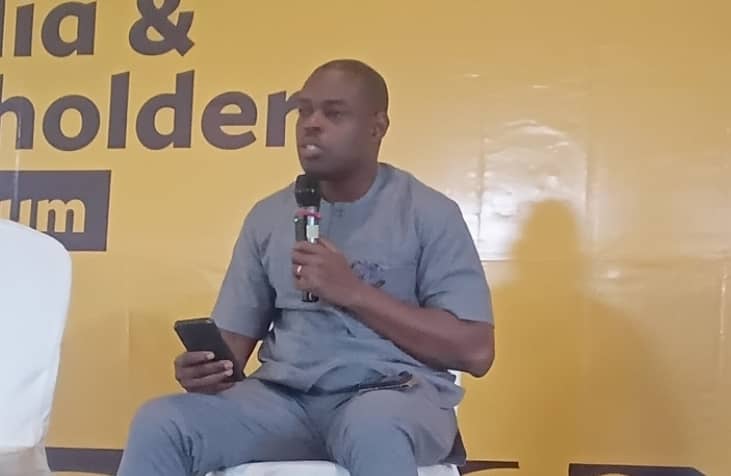
At the 2026 Editors Forum held in Tamale, Emmanuel Afutu, MTN Senior Manager for Network Implementation, unveiled ambitious plans to strengthen digital connectivity across northern Ghana. In his address, Afutu outlined MTN’s ongoing commitment to expanding its network, revealing that the company is currently constructing 38 new sites in the Northern Region, 17 in the Savannah Region, 14 in the Upper East Region, and 11 in the North East Region. Nationwide, MTN’s target is to complete 500 new sites, one of the largest expansions in the company’s recent history. But Afutu was quick to point out that MTN’s vision extends beyond simply increasing coverage. “Our measure of success is not just the number of sites we build, but the opportunities these sites create,” he told the gathered editors. “Connectivity means a farmer can reach new markets, a student can access online education, a digital business can receive payments anywhere, and families can stay connected no matter how far apart they are.” Afutu emphasized that MTN sees itself as an integral part of Ghana’s social and economic future. “Connectivity without opportunity is not enough. That’s why digital inclusion is so important to us. People must not only have access to technology, but also the skills and opportunities to use it to improve their lives.” Highlighting the impact of mobile money, Afutu shared that in the first half of 2026, mobile money transaction value grew by 44.4%, while active users increased by 3.1%, and transaction volumes and mobile revenue both rose by 23.3%. “For millions of Ghanaians, mobile is no longer just a payment service, it has become a tool for business, for saving, and for participating in the digital economy,” he noted. “Market women can now travel without carrying cash, knowing their funds are secure even if their phone is lost.” Afutu also acknowledged the growing importance of cybersecurity and data privacy as more Ghanaians embrace digital services. He reaffirmed MTN’s commitment to protecting customer information and strengthening the trust that underpins the company’s relationship with its users. “A stronger business supports a stronger Ghana,” Afutu concluded. “But none of these investments would be possible without a sustainable business model. We remain dedicated to building not just a bigger network, but a brighter digital future for all Ghanaians.” Source: Apexnewsgh.com
President Mahama Promises Upper East Airport Within 24 Months, Envisions Economic Boom
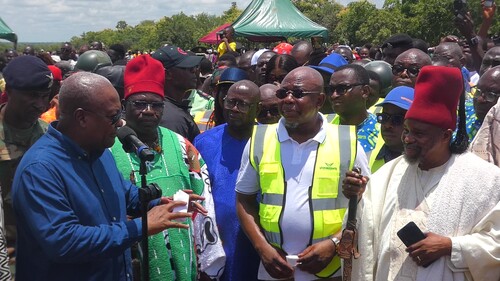
President John Dramani Mahama has rekindled hope for the people of the Upper East Region, pledging that the region’s long-awaited, and often politicized, airport project will finally become a reality within 24 months. Addressing chiefs and residents at the future airport site on Thursday, August 13, 2026, President Mahama vowed that construction would not only deliver a modern airport but would also spark the development of a vibrant city around it. “We want to open up the country to air travel,” President Mahama declared, highlighting the burdensome journey residents currently endure. For too long, travelers from Upper East have had to drive 160 kilometers to Tamale just to catch a flight to Accra, and repeat the journey on their return. “That will be a thing of the past. You’ll be able to fly directly to Accra without driving to Tamale,” he announced, promising a transformative change for the region. Beyond convenience for passengers, the President pointed to the airport’s economic potential. With Upper East home to thriving gold mines and growing businesses, the new facility will make it easier for companies to transport goods securely and efficiently. “This is going to be an important enabler of economic activity,” he said, noting that gold bullion could soon be flown directly from Upper East to Accra. President Mahama assured the crowd that the procurement process was on track, and that groundbreaking would take place by the end of the year. He revealed that Upper East is not alone: new airports are also planned for Wa and Sunyani. He expressed confidence in the contractors’ ability to deliver the project, even suggesting that completion could come sooner than the promised 24 months. “This airport will be a game changer,” President Mahama said, urging residents to embrace the project and envision its growth. Designed to handle 100,000 passengers initially, the scalable airport is expected to expand rapidly as demand increases. “I look forward to seeing passenger numbers climb and this airport grow phenomenally.” With gratitude for the donation of land and the region’s support, President Mahama pledged to return soon for the formal groundbreaking. “Very soon, you’ll see contractors on site working seriously to bring this project to fruition,” he concluded, signaling the dawn of a new era for the Upper East Region. Source: Apexnewsgh.com/Ngamegbulam Chidozie Stephen
A Forensic Audit Uncovers $19.37 Million in Irregular Proceeds at Ghana’s Embassy in Washington D.C.
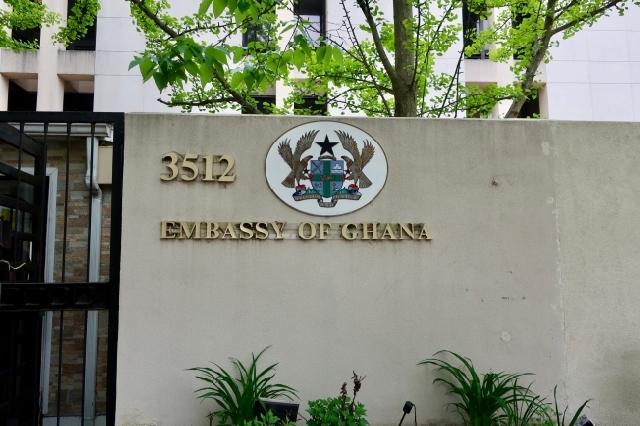
A forensic audit by the Auditor-General has uncovered a startling $19.37 million in irregular proceeds from visa and passport-related charges at Ghana’s Embassy in Washington D.C. between 2019 and 2025. The audit, which spanned several years, revealed a sophisticated scheme where applicants seeking passports or visas were redirected from the embassy’s official website to privately controlled external platforms. These platforms, disguised with official symbols and presentation styles, led many to believe they were dealing with government-authorised services. Instead, applicants found themselves paying hefty additional fees for processing and for the return of their documents. One of the most striking discoveries centered on mailing charges. Applicants were forced to pay $29.75 for return mailing, even though the average actual postage cost was only about $10.10. Over the review period, applicants paid a total of $6.95 million in mailing and dispatch fees. After deducting the true postage cost of $2.36 million, the auditors found an excess of approximately $4.59 million—money that found its way into unauthorized hands. But the irregularities didn’t end there. The audit found that applicants were also billed $67 for passport application support services and $76.78 for visa application assistance—charges that were never officially sanctioned by the government. Using data from the embassy’s Electronic Consular Information Management System (eCIMS) and AppTrack, investigators traced $21.34 million in transactions linked to these activities. After accounting for legitimate costs, about $19.37 million remained classified as irregular proceeds. The investigation uncovered that the external platforms, including TravelGhana.Net and GhanaPV.org, were linked to the embassy’s own Information Technology Officer, Fred Kwarteng, and associated entities. These sites were connected to the embassy’s official systems, with applicants unknowingly redirected to make payments through them. The ramifications of these irregularities extended beyond financial loss. The audit documented significant delays in the delivery of passports and visas. Between June and August 2025 alone, the embassy faced a backlog of 12,721 applications, even though applicants had already paid for mailing services. Of these, only 4,507 applications were mailed; the remaining 8,214 were either collected personally or not delivered at all. The embassy later spent about $45,000 to post letters and address part of the backlog. The report also scrutinized the actions of senior officials, such as former Ambassador Alima Mahama, who served from 2021 to 2024. According to the audit, Mrs Mahama signed a contract to formalize the outsourcing of passport and visa dispatch services to Travel Ghana/Secure Data Center, a decision that played a pivotal role in the unfolding events. Ultimately, the Auditor-General attributed the irregularities to weak internal controls, lack of oversight, manipulation of the embassy website, and the use of unauthorized external platforms. The report recommended that all irregular monies be recovered from the key actors involved, and that the implicated officers face sanctions under the Cybersecurity Act, 2020 (Act 1038). Source: Apexnewsgh.com
Government Unveils Plan to Use Dormant Bank Balances for National Development
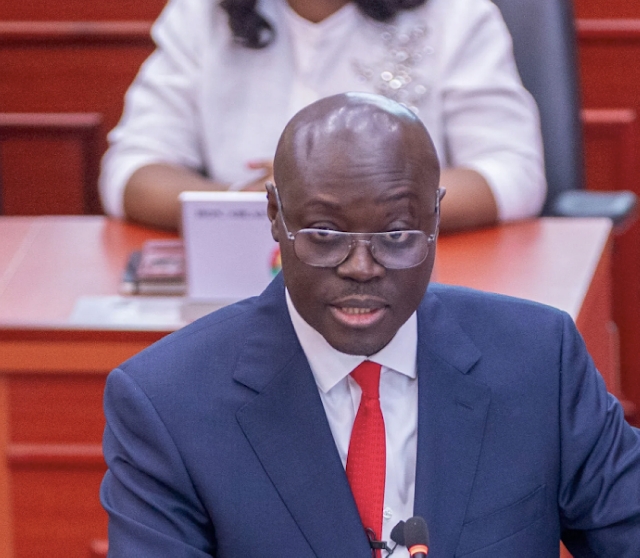
The government is taking steps to introduce a new policy that would allow unclaimed balances in dormant bank accounts to be channeled into national development initiatives while safeguarding the rights of account holders. This announcement was made by Finance Minister Dr Cassiel Ato Forson, in a speech delivered on his behalf by Samuel Akhurst, Coordinating Director (Technical) at the Ministry of Finance, during the Chartered Institute of Restructuring and Insolvency Practitioners (CIRIP) Ghana and Bank of Ghana Non-Performing Loans Forum in Accra. According to Dr Forson, the proposed framework is currently under review and will be shaped by international best practices to ensure that dormant financial assets are managed with transparency and in the public interest. Crucially, he emphasized that the policy would not affect the ownership rights of account holders, who would still be entitled to reclaim their funds at any time. “The government recognises the growing global interest in making productive use of dormant financial assets while ensuring that rightful owners can reclaim their funds at any time,” Dr Forson said in his address. The policy, he explained, would be built on three main principles: protecting ownership rights, ensuring transparency and accountability in managing dormant assets, and using eligible dormant funds strictly in the public interest, backed by robust legal safeguards. To ensure the policy reflects the interests of all stakeholders, Dr Forson noted that the government would engage in an inclusive consultative process involving regulators, financial institutions, insolvency practitioners, and other professional bodies before finalizing the framework. On the broader economic front, the Finance Minister highlighted that fiscal discipline, prudent monetary policy, and ongoing structural reforms had contributed to restoring macroeconomic stability. He reported that inflation had declined and exchange rate stability had improved, creating a more favorable environment for business and investment in Ghana. Source: Apexnewsgh.com
Africa’s Future Lies in Investment: GOLDBOD CEO Urges Diaspora to Go Beyond Remittances
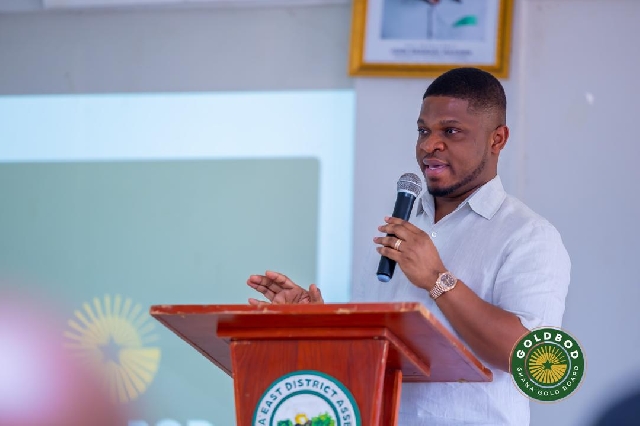
At the prestigious Africa Rising Symposium in London, the air was thick with anticipation as Sammy Gyamfi, Chief Executive Officer of the Ghana Gold Board (GOLDBOD), took the stage. Addressing an audience brought together by EMY Africa, Mr. Gyamfi delivered a stirring call to action: it is time for Africans abroad to become more than senders of remittances, they must become strategic investors in Africa’s economic transformation. Under the headline theme, “The Growing Relationship Between Africa and Its Global Diaspora and Why This Movement Matters,” Mr. Gyamfi spoke passionately about the continent’s future. He described the African diaspora as one of Africa’s greatest strategic assets, endowed with the financial resources, expertise, technology, and global networks needed to accelerate the continent’s development. “Remittances are lifelines, but investments build self-sustaining engines. Remittances help households survive but investments help economies transform,” Gyamfi declared, drawing a clear distinction between short-term support and long-term prosperity. He urged diaspora communities to channel their resources into productive sectors such as manufacturing, agribusiness, information technology, healthcare, infrastructure, renewable energy, and value addition. Beyond capital, he called for the sharing of skills, mentorship, and governance expertise, emphasizing the role of the diaspora in nurturing Africa’s next generation of entrepreneurs. Mr. Gyamfi also turned his attention to African governments, challenging them to create a more conducive environment for diaspora investment. He stressed the need for policy consistency, robust institutions, and respect for contracts, while commending President John Dramani Mahama for policies aimed at strengthening local ownership and encouraging mutually beneficial foreign investment in Ghana. The GOLDBOD CEO concluded his address with a resounding message: “Fellow Africans, Africa is rising. Let Africans rise with her.” He went on to highlight reforms at the Ghana Gold Board under his leadership, including intensified efforts to formalize gold trade, combat smuggling, promote responsible sourcing, and bolster Ghana’s gold reserves. These reforms, he explained, are designed to maximize value retention, protect national resources, and ensure that Ghana’s mineral wealth delivers sustainable and inclusive benefits for all. As the applause echoed through the hall, Mr. Gyamfi’s vision for Africa’s future was clear: a continent transformed not by charity, but by ownership, value creation, and powerful partnerships with its global sons and daughters. Source: Apexnewsgh.com
Parliament Passes Ghana Cocoa Board Bill, Guaranteeing Farmers 70% of Export Price and Major Sector Reforms

Parliament has passed the Ghana Cocoa Board Bill, 2026, paving the way for significant reforms in Ghana’s cocoa sector and offering new guarantees for cocoa farmers. The landmark legislation, approved on Thursday, July 30, ensures that cocoa farmers will receive not less than 70 percent of the Free on Board (FOB) export price set by the Ghana Cocoa Board (COCOBOD). Deputy Finance Minister Thomas Nyarko Ampem, presenting the objectives of the Bill, explained that the new law establishes COCOBOD as the statutory body responsible for regulating, overseeing, and monitoring activities across the entire cocoa value chain. The legislation mandates COCOBOD to support cocoa cultivation, manage the buying, selling, and export of cocoa, and promote value addition within the sector. Ampem noted that the Bill provides a clear legal framework for the Producer Price Review Committee and associated technical structures, strengthening the process for determining producer prices. It also addresses longstanding compliance and enforcement challenges by granting statutory backing to regulatory functions that were previously guided by administrative directives. These include disinfestation procedures, quality inspections, service charges, cocoa take-over processes, and certification requirements, all of which will now have stronger legal enforceability. The legislation seeks to resolve governance and oversight inconsistencies that have seen COCOBOD shift between different supervising ministries over the years. The Bill formally places COCOBOD under the Ministry of Finance, giving legal effect to a 2025 government policy directive transferring oversight from the Ministry of Food and Agriculture. Additionally, the Bill aims to create an enabling environment for public-private partnerships and increased local value addition. It encourages collaboration with domestic and international partners, such as the European Union, the World Cocoa Foundation, and the Côte d’Ivoire-Ghana Cocoa Initiative. Regulatory flexibility is also introduced to support small-scale chocolatiers and cocoa by-product manufacturers, addressing barriers that have previously constrained domestic processing and innovation. The Ghana Cocoa Board Bill, 2026, is expected to strengthen the sector’s legal framework, ensure better returns for farmers, and drive innovation and growth in the cocoa industry. Source: Apexnewsgh.com