





Governor of Bank of Ghana Reassures Investors: Ghana Open for Business Again
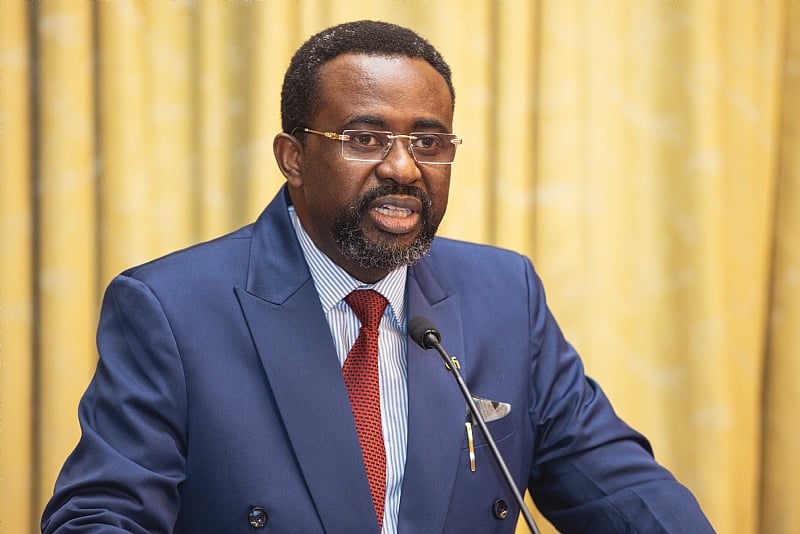
Ghana is once more ready to welcome investors, according to Dr. Johnson Pandit Asiama, Governor of the Bank of Ghana (BoG). Addressing an audience at the Ghana-UK Investment Summit in London, Dr. Asiama affirmed that recent economic reforms have restored stability and renewed confidence in Ghana’s long-term growth prospects. Reflecting on the challenges of Ghana’s 2022 economic crisis and the subsequent Domestic Debt Exchange Programme, Dr. Asiama acknowledged the caution that some investors have felt in recent years. However, he stressed that decisive policy and institutional reforms have since been implemented to ensure such difficulties are not repeated. Among these reforms, Dr. Asiama highlighted amendments to the Bank of Ghana Act, which now provide stronger safeguards against excessive central bank financing of government spending. New fiscal rules have also been introduced to reinforce discipline in economic management. “We are building back better. What happened in the past belongs to the past,” Dr. Asiama told investors, pointing to improving macroeconomic indicators as proof that Ghana’s economic recovery is underway. He noted, however, that global geopolitical tensions and the ongoing conflict in the Middle East remain significant factors in preventing a more rapid decline in interest rates. Dr. Asiama suggested that, were it not for these global uncertainties, interest rates in Ghana could already have fallen below 10%. He expressed confidence that as international conditions normalize, Ghana will continue on its path toward lower interest rates and stronger economic growth. Looking to the future, the Governor drew inspiration from financial centers in the Middle East and Asia, suggesting that Ghana could become the “Singapore of Africa” with the right investments. He outlined an ambitious vision to transform Accra into a leading international financial services hub within the next few years. Dr. Asiama concluded by urging the Ghanaian diaspora and international investors to seize the opportunities emerging from Ghana’s improving economic environment. He emphasized that the time is ripe for investment across multiple sectors, as the country enters a new phase of growth and development. Source: Apexnewsgh.com
Bank of Ghana Refutes Claims of Headquarters Sale
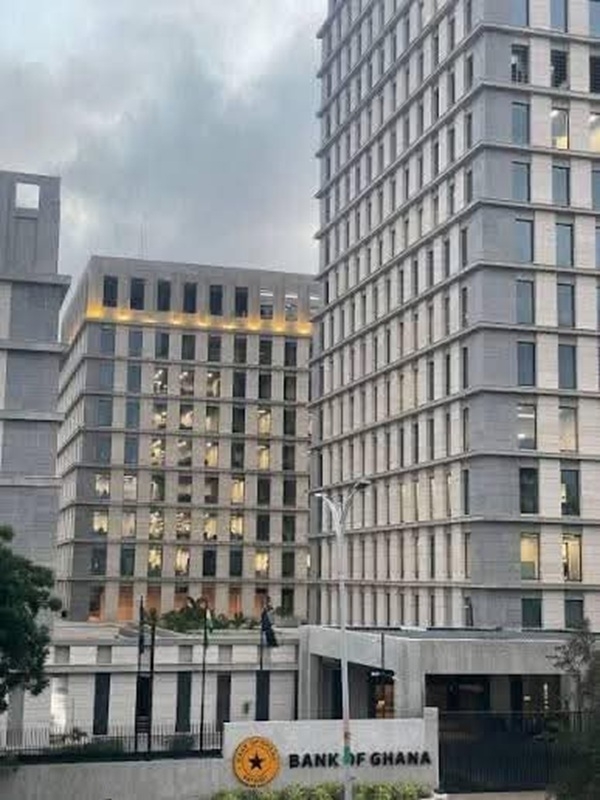
On June 2nd, the Bank of Ghana found itself at the center of swirling rumors. Reports were making the rounds, claiming that the central bank was considering selling its newly constructed $260 million headquarters. The story, first published by MyJoyOnline, sent ripples across the financial sector and raised many eyebrows. But the Bank of Ghana was quick to set the record straight. In an official press release, the central bank categorically dismissed the rumors as both false and misleading. The statement, clear and direct, left no room for doubt: “The Bank of Ghana categorically states that this report is false and misleading. The Bank is not considering, discussing, or planning the sale of its new headquarters.” The Bank went on to explain the significance of its new facility. Designed to enhance efficiency and support its operations, the building is described as a critical institutional asset, an investment in the future of Ghana’s financial system. Far from being up for sale, the headquarters stands as a testament to the Bank’s commitment to its statutory mandate. Concerned about the impact of such unfounded stories, the Bank also issued a word of caution. It warned that the spread of unverified reports could erode public confidence and inject unnecessary uncertainty into Ghana’s financial market. “Unverified reports of this nature have the potential to undermine public confidence in Ghana’s financial system and create unnecessary market uncertainty,” the statement stressed. To further reassure the public, the Bank reaffirmed its dedication to transparency. All official announcements, it emphasized, are made only through its established channels, its website, verified social media accounts, press statements from its Communications Department, or signed statements from the Secretary of the Bank. In the end, the Bank of Ghana’s clear response put the rumors to rest, reminding everyone of the importance of fact-checking and the value of credible information in safeguarding the nation’s financial stability. Source: Apexnewsgh.com
Ghana and South Korea Sign Historic Visa Waiver Agreement
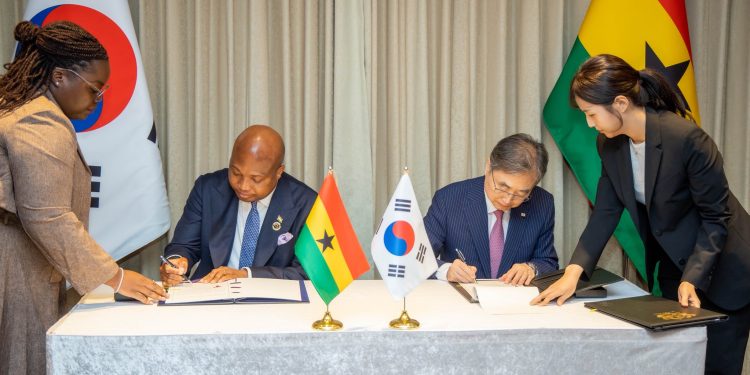
Ghana and South Korea took a remarkable step forward. On the sidelines of the Africa-Korea Foreign Ministers Meeting, Ghana’s Minister for Foreign Affairs, Samuel Okudzeto Ablakwa, and South Korea’s Foreign Minister, Cho Hyun, met with a shared vision: to strengthen the ties binding their nations. With signatures exchanged and hands shaken, the two countries sealed a historic Visa Waiver Agreement for holders of Diplomatic and Service Passports. For nearly half a century, Ghana and South Korea had maintained formal relations, but never before had such an agreement been reached. Minister Ablakwa, elated by the breakthrough, announced the news on social media, calling it a milestone in diplomatic relations between the two nations. But the story does not end there. As the ink dried on this agreement, discussions were already underway to extend these privileges to holders of Ordinary Passports. Such a move, Ablakwa hinted, would open new doors for travel, trade, tourism, and people-to-people exchanges between Ghana and South Korea. For now, the holders of Diplomatic and Service Passports in both countries can look forward to seamless journeys, free from visa barriers, a development expected to make official engagements more efficient and deepen the bonds of friendship and cooperation. The world watched as Ghana and South Korea turned a new page in their shared story, with the promise of even closer ties on the horizon. Source: Apexnewsgh.com
Zorkor Tarongo D/A KG and Primary School—A Legacy in Need of Revival
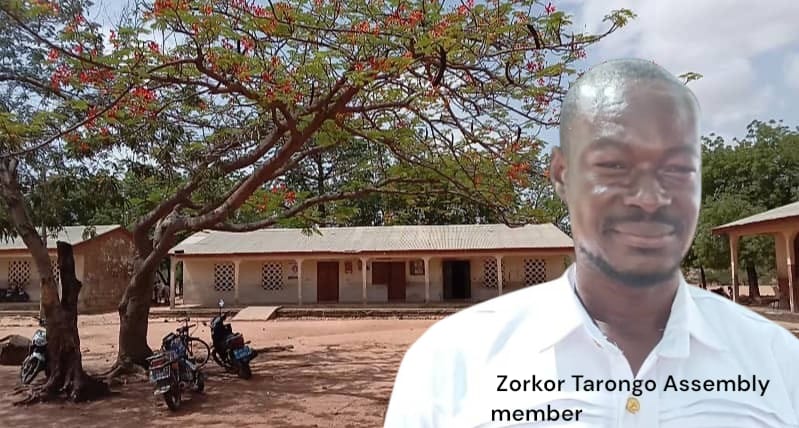
Once upon a time, in the heart of the Bongo District, stood Zorkor Tarongo D/A KG and Primary School, a proud institution established in 1956. As the oldest school in the district, it has long served as the foundation for many prominent personalities, not just within the region, but across all of Ghana. Over the decades, its classrooms have nurtured future leaders, respected professionals, and notable figures such as regional ministers, MPs, and District Chief Executives, all of whom once walked its humble corridors. Yet, despite this rich legacy, the school’s current state tells a different story. The passage of time has not been kind. Years of neglect have left the buildings dilapidated. The infrastructure is crumbling, and the proud walls that once echoed with the laughter and dreams of children now bear the scars of time and relentless rainstorms. Roofs have been torn away, and doors and windows that were once broken have only recently been replaced. Furniture is scarce, and the needs remain many. During an exclusive engagement with Apexnewsgh, Hon. Akelinyana Peter Akugre, the Tarongo/Atiabiise Electoral Area assembly member, voiced his deep concern. He expressed his gratitude for the efforts of the Bongo MP and the Naidvar Trust NGO, whose support has helped replace some doors and windows. “I am aware that many dignitaries passed through this school. Today, they are successful members of society, including the Upper East Regional Minister. I appeal to Hon. Donatus Akamugri, Professor Atintono, Awinsira Wilbert Nam-katoti, and other notable alumni, including a former DCE, to come to the aid of Zorkor Tarongo Primary School.” He continued, emphasizing that as the oldest school in the Bongo District, much has broken down and urgently needs replacement. “Rainstorms have damaged the roof, but with the help of our MP and Naidvar Trust, we have made some progress. Korea Food for the Hungry International (KFHI) also contributed by providing a borehole for the school. Still, the school remains neglected by the very people it once shaped.” Hon. Akugre made a heartfelt plea to former students, including Gaaga Akayeri Azitariga, Bongo’s first MP under the Fourth Republic, and many others. “Please, visit your old school and see its current condition. If you can help us renovate it, I would be deeply grateful. I know you will listen, as you always have.” And so, the story of Zorkor Tarongo D/A KG and Primary School continues, a legacy waiting to be revived, calling on its sons and daughters to breathe new life into its aging walls. Source: Apexnewsgh.com
“Anapoka and Anaba in the Path of the Trees” Launches at Zorkor Tarongo Primary School

A dream takes root as a new book, written by Cristiane Tavares and illustrated by the school’s own children, promises to nurture both young minds and the environment. Under the shade of hope and the watchful eyes of chiefs, assembly members, and proud community elders, a quiet revolution began at the Zorkor Tarongo Primary School. The occasion was the launch of a very special book: “Anapoka and Anaba in the Path of the Trees.” But this was no ordinary book launch. The author, Cristiane Tavares, had penned the tale, yet the true magic came from the children themselves, for it was their bright, imaginative illustrations that brought the story to life. The book follows two local children, Anapoka and Anaba, on a mission to heal their world by planting trees, one seedling at a time. As the crowd gathered, the Executive Director of Naidvar Trust, Augustine Akugre, rose to speak. His voice carried a quiet determination. “My vision,” he said, “is to see Zorkor Tarongo Primary become the best school in the entire Bongo District.” He then revealed something extraordinary: the book is being sold across the world, and every bit of profit flows back directly to the school. The headmistress, Madam Azeko Mary Ngoomah, could barely contain her joy. For six years, Naidvar Trust had stood by her school like a faithful friend. But today, the gratitude spilled over. “If not because of Naidvar Trust,” she declared, her voice thick with emotion, “we would never have had the opportunity to sit on these dual desks.” She gestured to the furniture around her, a simple gift that had changed their daily reality. The event drew a constellation of dignitaries: the revered chief of Zorkor Tarongo, Naba Abelizire Ayeta II; the Tarongo Assembly member, Hon. Akelinyana Peter Akugre; an old student, Nyaaba Awine Ibrahim; and countless community members who filled the grounds. As the sun climbed higher over the primary school, “Anapoka and Anaba in the Path of the Trees” was officially launched, not just as a book, but as a promise. A promise that with every page turned and every tree planted, a little school in Zorkor Tarongo would grow stronger, greener, and full of possibility. Source: Apexnewsgh.com
Volta Regional Minister Launches Nkoko Nkitinkiti Programme to Tackle Poverty and Boost Food Security
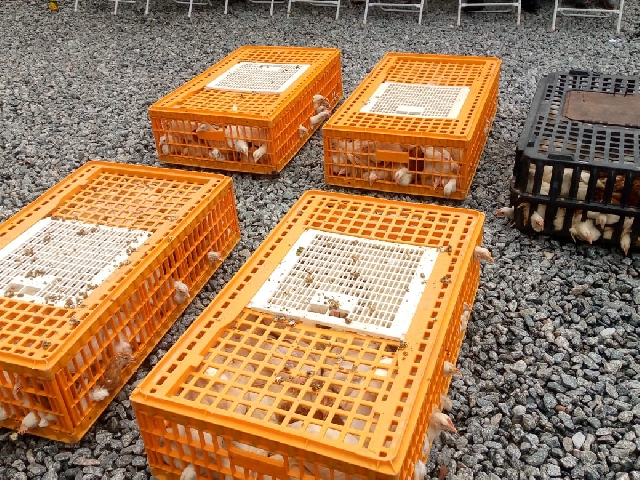
Regional Minister James Gunu officially launched the Nkoko Nkitinkiti Programme, a flagship intervention under the Government of Ghana’s Feed Ghana Programme. The lively event marked the start of a major initiative designed to reduce poverty, create jobs, improve household incomes, and strengthen food security throughout the region. Addressing an enthusiastic crowd at the launch, Mr. Gunu emphasized that Nkoko Nkitinkiti is more than a poultry farming project, it is a practical tool for economic empowerment aimed at households, young people, and aspiring agribusiness entrepreneurs. “This initiative goes beyond rearing chickens,” Mr. Gunu said. “It is about empowering families, stimulating local economies, and setting the foundation for agribusiness success stories across Volta.” At the heart of the programme is a simple but powerful idea: poultry farming as a catalyst for grassroots economic development. As part of the rollout, the region will receive 180,000 day-old chicks, allocated to beneficiaries—especially households and enterprising youth, looking to build sustainable livelihoods. The Minister expressed confidence that this intervention would provide long-term economic relief for families, promote self-employment, and foster the growth of agribusiness throughout the region. Mr. Gunu also drew on the region’s rich history, recalling how, for generations, families relied on the sale of a few chickens to pay school fees, cover healthcare costs, and meet urgent household needs. “Nkoko Nkitinkiti is a revival of an age-old poverty reduction strategy that empowered families at the grassroots level,” he remarked. The Minister reaffirmed the government’s commitment to supporting agricultural programmes that directly benefit rural communities and bolster food security. He applauded the stakeholders and partners behind the initiative and called on beneficiaries to make the most of the support provided, ensuring the programme’s sustainability and lasting impact. The Nkoko Nkitinkiti Programme forms a key component of the broader Feed Ghana vision, which seeks to boost domestic agricultural productivity, improve food availability, and create economic opportunities nationwide. By distributing three million birds to 60,000 households across all 276 constituencies, the government aims to reduce Ghana’s heavy reliance on imported frozen chicken. This practice has cost the country over $350 million annually. Under the Household/Backyard Poultry Initiative, each participating household will receive 50 chicks, feed support, and technical guidance to help them transition from subsistence farming to self-sustaining poultry enterprises. The programme also includes support for 50 commercial anchor farmers, each set to receive up to 80,000 chicks and the resources needed to produce poultry at scale, thus strengthening the supply chain from farm to market. Local leaders echoed the optimism. The Municipal Chief Executive for Ho, Stephen Adom, assured residents that the programme would open up job opportunities for the youth and help reduce poverty and unemployment. He reiterated the John Mahama administration’s commitment to supporting Ghanaians through additional interventions, urging beneficiaries to use the chicks wisely to realize the initiative’s full potential. As the first batch of chicks arrives and households prepare their coops, the Nkoko Nkitinkiti Programme is poised to transform lives, foster food sovereignty, and build a more resilient agricultural future for the Volta Region and beyond. Source: Apexnewsgh.com
MTN Ghana Employee Volunteers To Equip Health Centers As Part Of Its 2026 21 Days Of Y’ello Care Campaign
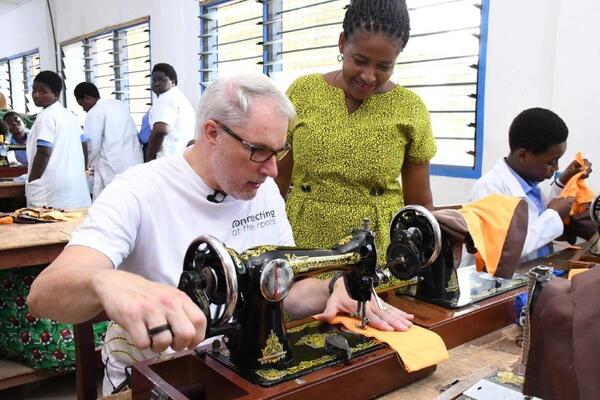
MTN Ghana will officially launch the 2026 edition of 21 Days of Y’ello Care, its flagship employee volunteerism campaign, from June 1 to 21, 2026. This year’s campaign aims to equip various health centres with hospital beds to help address critical healthcare challenges in Ghana. Now in its 19th year, Y’ello Care continues to demonstrate the impact of employee-led action in driving meaningful and sustainable change across the communities we serve. Since its inception, the campaign has mobilised thousands of MTN employees to support initiatives spanning education, healthcare, youth development, and economic empowerment. Over the past six years, the campaign has reached more people through the efforts of MTN employee volunteers, contributing significant hours to community engagement, evolving each year to respond to the most pressing needs in our communities, guided by MTN’s purpose of leading digital solutions that drive Africa’s progress. This year’s theme, “Expand Equitable Health for Every Community,” addresses persistent healthcare access challenges in many parts of Ghana. Despite significant progress, large segments of the population, particularly in rural, remote, and underserved areas, continue to face barriers to essential health services due to distance, cost, limited infrastructure, and shortages of skilled health workers. These gaps disproportionately affect women, children, youth, and vulnerable populations. Y’ello Care 2026 will see MTN staff implement practical, community-led health initiatives aimed at improving access to preventative, primary, and responsive care. These interventions will leverage MTN’s connectivity, digital platforms, and strategic partnerships to help scale healthcare access to underserved communities and strengthen long-term health resilience. Planned activities include the repair of hospital beds, and donation of new beds, community health outreach programmes (WASH), digital health education campaigns, telemedicine-enabled services, public health screening to support the campaign against the rising incidence of non-communicable diseases, and the use of data and digital tools to strengthen the delivery of health services. By focusing on prevention, early detection, digitally enabled healthcare solutions, and community-based care, the campaign aims to expand access to services, strengthen healthcare resilience, and improve health outcomes at scale. Commenting on the upcoming Y’ello Care, Adwoa Wiafe, Chief Corporate Services and Sustainability Officer said, “Y’ello Care reflects our belief that meaningful progress begins with meeting communities where they are. We are focusing our efforts on expanding access to quality healthcare, particularly in communities where it remains out of reach for many”. “MTN is uniquely positioned to help scale equitable healthcare access across Ghana through the power of connectivity, digital innovation, and strategic partnerships. Through Y’ello Care 2026, we are leveraging these capabilities to help communities access healthcare services that are more inclusive, responsive, and sustainable,” she concluded. In line with MTN’s values, the campaign prioritises collaboration, responsible delivery, and community-led implementation. Through trusted partnerships with governments, NGOs, and local stakeholders, the campaign aims to deliver solutions that are responsive to real needs, respectful of local contexts, and designed for lasting impact. Through Y’ello Care, MTN reaffirms its commitment to enabling inclusive development and strengthening the communities we serve. Source: Apexnewsgh.com
Tema Oil Refinery Welcomes One Million Barrels of Bonga Crude in Major Step Toward Revitalization
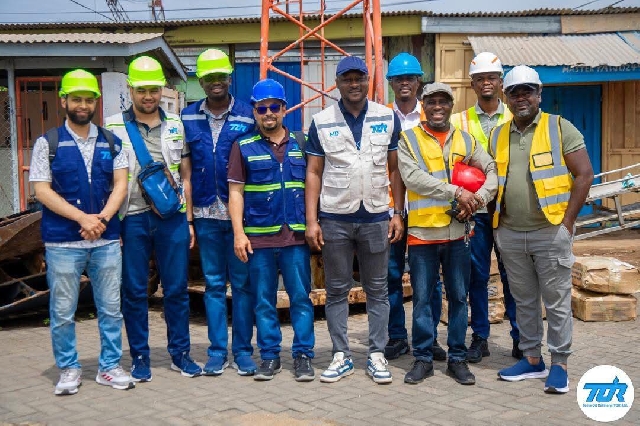
A new wave of optimism swept through Ghana’s energy sector this week as Tema Oil Refinery (TOR) announced the safe arrival of approximately one million barrels of Bonga Crude Oil aboard the MT Cap Felix. The delivery marks a significant milestone in the refinery’s ongoing campaign to rejuvenate its operations and fortify the nation’s petroleum supply chain. The management of TOR revealed that the high-quality crude cargo, purchased from global energy giant Shell, was supplied via TOR’s tolling partner, Triangle Commodities Trading. This strategic arrangement, officials explained, is part of a broader plan to restore TOR’s operational capacity and guarantee a secure, stable flow of petroleum products to consumers across Ghana. For TOR, the delivery of Bonga Crude represents more than just a shipment; it is a signal of renewed momentum in the refinery’s push to restore reliable refining activities, strengthen national energy security, and reduce the country’s reliance on imported fuels. Management highlighted that Bonga Crude is valued in the industry for its low-sulphur content and excellent refining yields, promising substantial output of premium products such as LPG, gasoline, diesel, kerosene, aviation turbine kerosene (ATK), and fuel oil. These products are expected to serve both domestic needs and regional markets. Expressing gratitude, TOR’s leadership thanked the Government of Ghana, regulatory agencies, financial institutions, and other partners for their steadfast support during the refinery’s resurgence. They emphasized that collaborative efforts have been crucial to reaching this new phase of operational recovery. Looking ahead, TOR reaffirmed its commitment to transparency, operational excellence, and environmental stewardship. The refinery reiterated its long-term vision to transform itself into a commercially sustainable energy hub, not just for Ghana, but for the entire West African sub-region. As the first barrels of Bonga Crude are prepared for processing, hopes are high that this latest development will pave the way for a new era of stability and growth in Ghana’s energy landscape. Source: Apexnewsgh.com
Zoomlion Defends Integrity Amid Auditor-General’s Claims of Billing Irregularities at All-African Games
Tension simmered in Accra this week as Zoomlion Ghana Limited found itself thrust into the spotlight following an Auditor-General’s report that scrutinized the company’s billing practices during the 13th All-African Games. The report, released in late May, questioned possible duplication of labour charges in Zoomlion’s invoices for cleaning and vector control services provided throughout the high-profile sporting event. But Zoomlion was quick to push back. In a pointed statement issued on Wednesday, May 27, 2026, the waste management giant dismissed the Auditor-General’s findings as “untrue,” insisting that the allegations stemmed from a fundamental misunderstanding of the nature and scope of its work. According to Zoomlion, the report failed to distinguish between two entirely separate service contracts, vector control and janitorial services, erroneously interpreting labour costs appearing on both sets of invoices as duplication. “The findings misinterpret operational reality, ignore the distinct scope of services provided under separate contracts and overlook the fact that all supporting documents were already available to the Auditor General at the material time,” the company’s statement read. Zoomlion detailed the breadth of its operations during the Games. Vector control, the company clarified, encompassed mosquito fogging and the management of reptiles, rodents, and cockroaches using specialist technology and teams. Janitorial services, meanwhile, included daily cleaning, waste evacuation, toilet maintenance, and mopping across key competition venues. Each service, they stressed, required its own personnel, schedules, and specialized equipment, justifying the separate labour charges. To underscore its transparency, Zoomlion revealed that all relevant documentation, ranging from invoices and contracts to daily supervision logs and equipment deployment records, had been submitted to the Ministry of Sports and other institutions overseeing the event. The company also highlighted the comprehensive scope of its work, which included over 30 different activities such as waste collection, vacuum cleaning, medical waste treatment, mobile toilet provision, water supply, and cesspit management. The logistical challenge was immense: Zoomlion deployed more than 350 specially trained personnel and a large fleet of equipment across four major venues, Accra Sports Stadium, Borteyman Sports Complex, Achimota Cricket Oval, and Bukom Trust Emporium. Staff underwent intensive training at the Army Peace Operations Training School in preparation for around-the-clock sanitation and vector control throughout the Games. In reflecting on its contribution, Zoomlion emphasized that its efforts helped ensure the Games proceeded smoothly, without a single sanitation incident or outbreak of disease. The company ended its statement with a firm rejection of the allegations: “Zoomlion unequivocally denies these allegations. The company is a responsible corporate entity that upholds the highest standards of integrity, professionalism, and accountability in all its dealings.” As the dust settles, Zoomlion maintains that its reputation and the successful, hygienic staging of the All-African Games, speak louder than any report. Source: Apexnewsgh.com
Bank of Ghana Halts New 0.75% Wallet-to-Bank Transfer Fee Pending Review

The Bank of Ghana has stepped in to halt the planned introduction of a 0.75 per cent charge on direct wallet-to-bank transfers by Mobile Money Fintech Limited (MMFL), following a wave of public concern and debate. MMFL had announced that the new fee would be implemented starting June 1, 2026, sending ripples across the digital payments landscape. Many Ghanaians voiced worries about how the extra charge could discourage mobile money transactions, undermine financial inclusion, and increase the cost of accessing digital financial services. Responding to the mounting concerns, the central bank issued a statement on Tuesday, May 26, 2026, directing MMFL to put the proposal on hold. The Bank of Ghana emphasized the need for broader stakeholder engagement and a thorough review of the planned fee. According to the central bank, any changes to charges within the mobile money ecosystem must be approached with caution to safeguard consumers’ interests and ensure the continued growth and fairness of the mobile financial services sector. The Bank of Ghana reiterated its commitment to protecting users and supporting their financial well-being. While the central bank’s intervention has temporarily paused the fee, it remains unclear when the consultation process will be completed or whether the proposed charge will be revised, approved, or scrapped altogether. For now, customers and industry stakeholders await the outcome of further discussions and the future direction of mobile money fees in Ghana.