






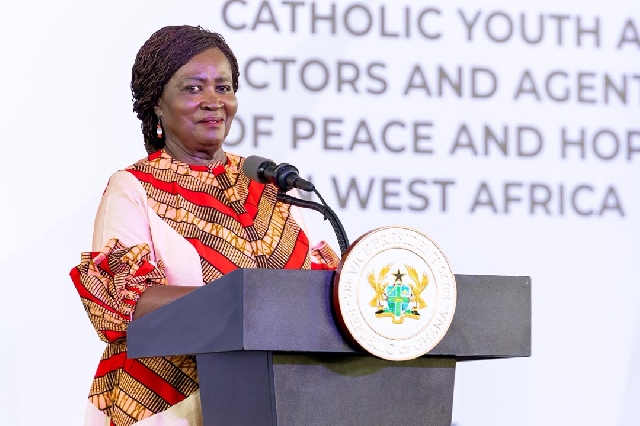
The Governor of the Bank of Ghana Urges Fintechs to Balance Innovation with Compliance and Consumer Protection
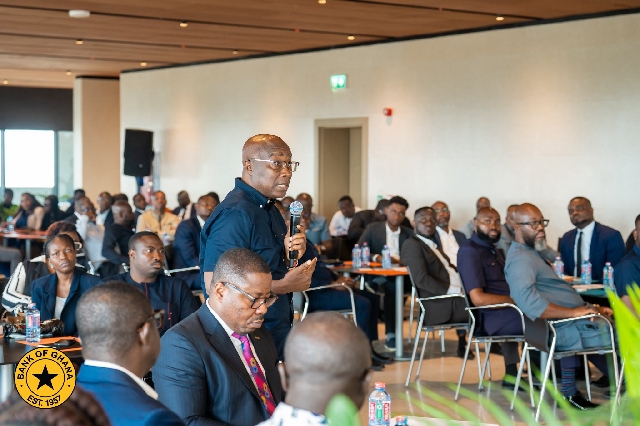
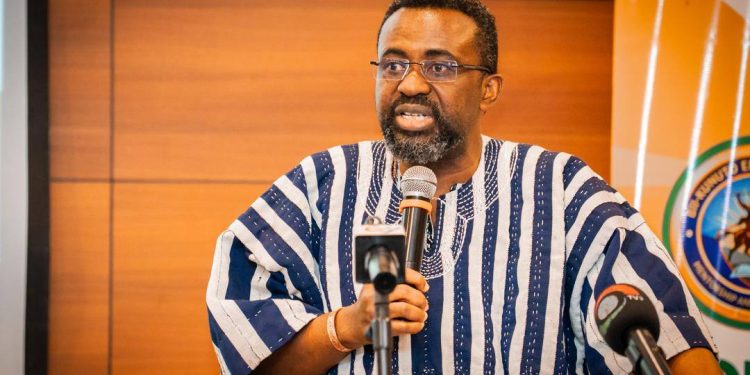
At a breakfast meeting with licensed Fintech institutions held at Bank Square in Accra on Thursday, April 23, 2026, the Governor of the Bank of Ghana, Dr. Johnson Pandit Asiama, delivered a clear and timely message to the Fintech industry. He called on companies to ensure that their drive for innovation is matched by a strong commitment to regulatory compliance and consumer protection. Addressing the gathering, Dr. Asiama underscored the importance of early engagement with regulators, sound corporate governance, and responsible innovation. He acknowledged Ghana’s impressive progress in digital payments and financial inclusion over the past decade, noting that the continued success of the sector will depend on how responsibly Fintech firms operate going forward. “Over the past decade, Ghana has emerged as a leader in digital payments and financial inclusion,” Dr. Asiama remarked. “Our role is not to slow innovation, but to ensure it endures.” He reaffirmed the Bank of Ghana’s commitment to fostering a financial ecosystem that nurtures innovation without compromising the safety and interests of consumers. The event served as a reminder that the future of Ghana’s financial landscape depends on striking the right balance between progress and prudence. Source: Apexnewsgh.com
Parliamentary Energy Committee Visits Accra Plains Depot for Oversight Engagement
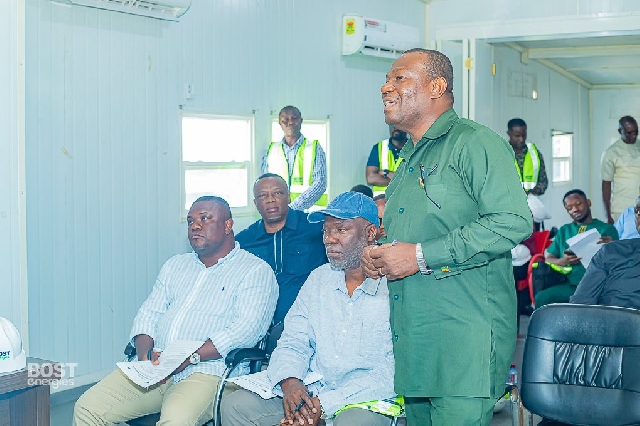
The Parliamentary Select Committee on Energy has paid a working visit to the Accra Plains Depot (APD) of BOSTEnergies, reaffirming Parliament’s commitment to oversight within Ghana’s vital energy sector. The visit is part of the legislature’s ongoing efforts to assess the performance and operations of key institutions in the downstream petroleum and energy supply chain. During the engagement, BOSTEnergies’ Managing Director, Afetsi Awoonor, and Deputy Managing Director, Nat Salifu Acheampong, presented the company’s 2026 strategic work plan and provided the Committee with updates on current operational activities at the depot. Members of Parliament were then taken on a guided tour of the Accra Plains Depot, where they received briefings on storage operations and the infrastructure that underpins the country’s fuel distribution network. The visit emphasized BOSTEnergies’ dedication to transparency, accountability, and operational efficiency, reflecting its critical role in ensuring the long-term security and stability of Ghana’s energy supply chain. The Parliamentary Committee indicated that it will continue similar oversight visits to other key energy facilities across the country, fulfilling its mandate to safeguard Ghana’s energy interests. Source: Apexnewsgh.com
The National Petroleum Authority Battles Exodus of Tanker Drivers to Illegal Mining
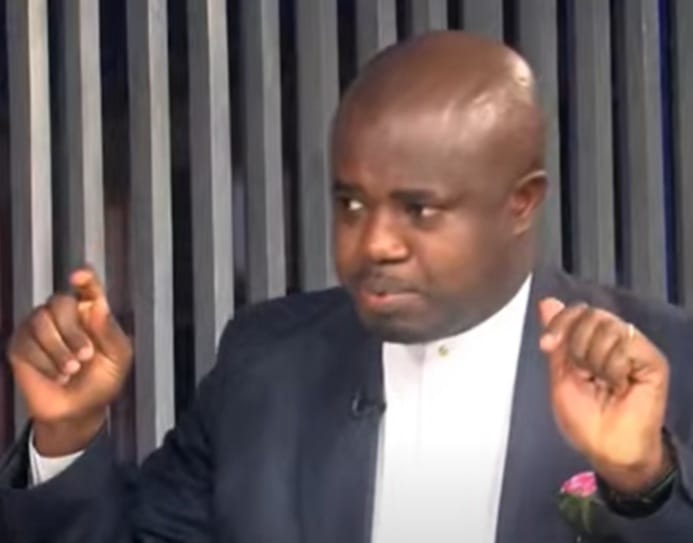
The National Petroleum Authority (NPA) has raised alarm over a troubling trend: fuel tanker drivers and their assistants are leaving the petroleum transportation sector in droves, lured by the promise of quick riches in illegal mining, popularly known as galamsey. This concern took center stage at a meeting with Parliament’s Energy Committee in Accra on Wednesday, April 22. Godwin Edudzi Tameklo, Chief Executive Officer of the NPA, recounted how the industry is feeling the pinch. According to Mr. Tameklo, the relatively low income earned by tanker drivers and their assistants has become a driving force behind the shift. He explained that many drivers now struggle to keep their assistants, especially when their routes take them through mining communities. “Every time the tanker drivers come back, they have different mates,” he observed. “When they go to mining areas to deliver petroleum products, some assistants choose to stay behind, attracted by the higher and faster financial rewards of galamsey.” This exodus, Mr. Tameklo noted, is causing a significant shortage of skilled drivers in the downstream petroleum sector, hampering the safe and efficient distribution of petroleum products across the country. The loss of experienced personnel to alternative sources of income is disrupting operations and raising concerns about future industry stability. In response, the NPA is developing a new remuneration framework for tanker drivers. The initiative aims to standardize salaries and improve working conditions, making the profession more attractive and discouraging staff turnover. Mr. Tameklo expressed hope that these measures will help retain skilled workers and restore stability to the sector. As the NPA works on these interventions, it remains optimistic that better pay and improved conditions will keep drivers on the road, ensuring the safe delivery of petroleum products nationwide. Source: Apexnewsgh.com
Banks, Filling Stations, and Telecoms Should Be Mandated to Provide Toilets: Journalist Calls for Bold Action Against Open Defecation

In a passionate call to action, the Editor-in-Chief of Apexnewsgh, Mr. Ngamegbulam Chidozie Stephen, has urged the government, through Municipal and District Assemblies, to enact laws compelling banks, filling stations, telecommunication offices, and other commercial establishments to provide modern toilet facilities for their clients. According to the journalist, such a measure would significantly reduce, and potentially help eradicate, open defecation (OD), a persistent public health crisis affecting both urban and rural communities across Ghana. “Open defecation is a serious threat to our health. It is something that needs to be worked on urgently,” Mr. Ngamegbulam stated. “The government must take it seriously because it affects lives, and when lives are affected, properties are also affected.” Despite national efforts, the journalist cited recent data indicating that as of late 2025, approximately 5.4 million Ghanaians – about 18 percent of the population – still practice open defecation, posing a significant public health risk. The prevalence rate has hovered between 15.2 and 18 percent, with rural areas and villages bearing the brunt. The situation is particularly dire in the Upper East Region. According to the 2021 Population and Housing Census, the region has a population of 1,301,226. Recent studies published in 2025 and 2026 show that open defecation rates there remain critically high, with estimates ranging from 49 percent to a staggering 81.9 percent of households engaging in the practice. “The Upper East Region is consistently identified every year as having one of the highest open defecation rates in Ghana. This is a cause for great worry,” Mr. Ngamegbulam emphasized. Mr. Ngamegbulam argued that tackling open defecation requires innovative thinking beyond conventional approaches. “When issues like this come up, we should be able to think outside the box. What should we do as a people to minimize this, even if we cannot eradicate it completely?” he asked. He pointed to the rapid proliferation of banks, filling stations, and other businesses across communities, yet these establishments rarely provide toilet access for their clients. “It is unfair that you go to a bank to transact business, and unfortunately, you feel the urge to ease yourself, but there is no toilet provision made for clients,” he said. “You are forced to look for a nearby bush, enter there to avoid disgracing yourself, and in doing so, create more health hazards for society.” Mr. Ngamegbulam believes that if these establishments were required to provide appropriate toilet facilities, it would go a long way in reducing open defecation. The journalist proposed a practical solution: Municipal and District Assemblies should enact by-laws making it mandatory for any bank, filling station, or similar facility within their jurisdiction to have a public toilet attached. “If assemblies can consider enacting this in their laws, it will go a long way in the fight against open defecation,” he said. “Everyone needs to come on board to contribute to eradicating this practice from our society.” He also stressed the need for toilet facilities in schools and noted that many homes still lack attached toilets, a worrying gap that demands urgent attention. “Any serious government that cares about the health of its people must take this seriously,” Mr. Ngamegbulam concluded. Source: Apexnewsgh.com
GCMC Raises Alarm Over Unsafe Gas Cylinders, Urges Swift Rollout of Recirculation Model
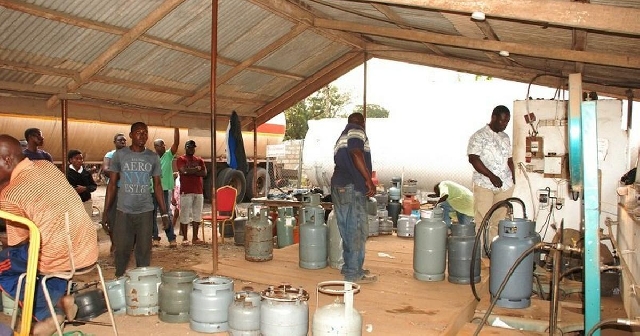
The Ghana Cylinder Manufacturing Company (GCMC) has sounded the alarm over the safety of gas cylinders in circulation, revealing that nearly 30 percent of cylinders submitted for refurbishment under the Cylinder Recirculation Model are deemed unfit for use. This revelation has heightened concerns about the safety standards of gas cylinder distribution and usage nationwide. Managing Director of GCMC, Abdul-Rahman Mankir, disclosed during a recent visit by Parliament’s Energy Committee to the company’s facility. He stressed the urgent need for the National Petroleum Authority (NPA) to speed up the full nationwide implementation of the Cylinder Recirculation Model, a policy designed to enhance safety in the distribution and use of gas cylinders. The visit by the Energy Committee also brought to light several operational challenges facing GCMC. Committee members expressed worry over persistent delays in obtaining financial clearance from the Ministry of Finance, a situation that has hampered the company’s activities. Emmanuel Bedzrah, Chairman of the Committee and Member of Parliament for Ho West, assured that the Committee would formally engage the Finance Ministry to fast-track the necessary approvals to support GCMC’s operations. Supporting this call, the Committee’s Ranking Member, George Kwame Aboagye, urged for increased government backing for the company. He highlighted that a stronger GCMC would not only improve safety in the LPG sector but also create more employment opportunities for Ghanaians. The Cylinder Recirculation Model remains a pivotal policy aimed at improving safety in the handling and distribution of Liquefied Petroleum Gas (LPG) nationwide, and stakeholders are urging swift action to ensure its successful implementation. Source: Apexnewsgh.com
Bank of Ghana Clears the Air: Content Creator Earnings from Digital Platforms Are Legal Foreign Income
Ghanaian content creators monetising their work on platforms like X and other digital channels now have official clarity from the country’s central bank: their earnings are legitimate, they are recognised under Ghana’s foreign exchange framework, and they should be accessible without unnecessary friction. The Bank of Ghana (BoG) issued a statement clarifying that payouts received by Ghanaian creators from digital platforms qualify as service export proceeds, a classification that places them firmly within the bounds of permissible cross-border inflows under existing regulations. According to the central bank, content creators have two options for receiving their earnings. They may have funds paid into Foreign Exchange Accounts held with banks in Ghana, or alternatively, into cedi accounts, provided that all applicable regulatory requirements are met in either case. The clarification is significant. For creators who have long operated in a grey area of uncertainty about how their digital income should be treated, the Bank of Ghana has now drawn a clear line: these are legitimate earnings, and the system is designed to accommodate them. Despite the regulatory clarity, the Bank of Ghana acknowledged what many creators have experienced firsthand, actually accessing their funds has not always been straightforward. Reports of difficulties in receiving payouts have been a recurring frustration within Ghana’s growing creator community. The central bank, however, was careful to note that such challenges should not ordinarily arise when transactions are processed in accordance with established procedures. In other words, the framework exists; the problem, where it occurs, lies in how that framework is being applied on the ground. Rather than leaving creators to navigate the issue alone, the Bank of Ghana says it is actively engaging financial institutions and other relevant stakeholders to identify the root cause of the difficulties and ensure a prompt resolution. “The Bank appreciates the feedback received from affected persons,” the statement read, adding that “BoG is actively reviewing the matter and engaging with relevant institutions to identify the source of the issues and ensure prompt resolution.” The central bank also committed to keeping affected stakeholders informed throughout the process, a pledge that will be closely watched by creators who have been waiting for their earnings to flow freely. For Ghana’s digital creator economy, which has grown steadily alongside the global rise of content monetisation, Monday’s statement from the Bank of Ghana is a welcome development. The recognition of platform earnings as service exports not only legitimises the work of thousands of creators but also signals that the financial system is beginning to catch up with the realities of how income is earned in the digital age. Source: Apexnewsgh.com
Bongo Paramount Chief Urges President to Fast-Track Bongo Solar Farm Amid Persistent Power Crisis in Upper East Region
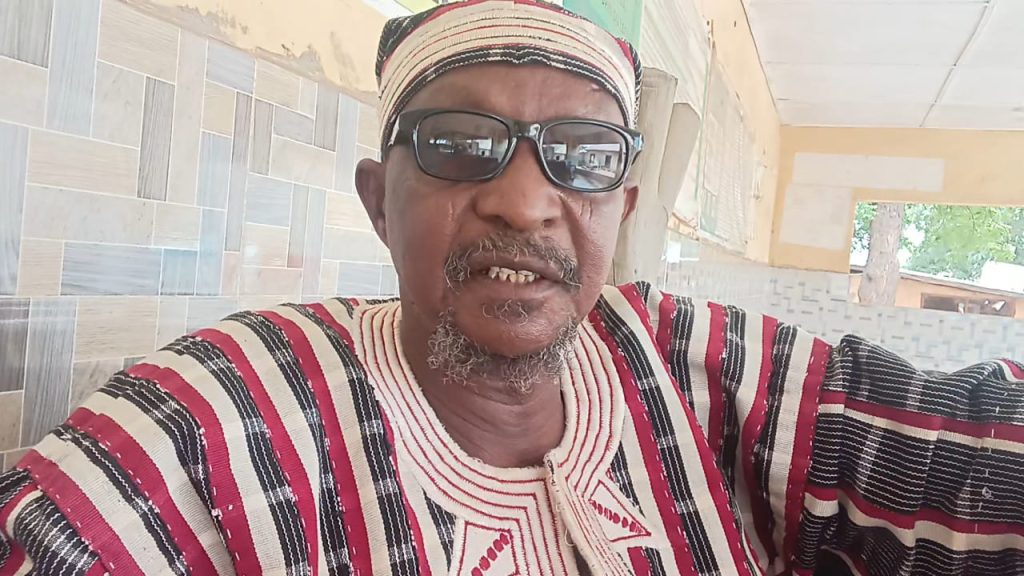
The Paramount Chief of the Bongo Traditional Area, Naba Baba Salifu Atamale Lemyaarum, has made a passionate appeal to President John Dramani Mahama to accelerate the development of a solar farm in Bongo, as residents of the Upper East Region continue to grapple with persistent and debilitating power fluctuations. The Chief made the call during an exclusive interview with Ngamegbulamm Chidozie Stephen of Apexnewsgh on Wednesday, using the platform to draw urgent attention to an electricity crisis that he says has gone on for far too long. For the people of the Upper East Region, the power situation has become a source of daily anguish. According to Naba Atamale Lemyaarum, residents have endured at least two weeks of erratic power supply, marked by constant fluctuations and outages that have disrupted livelihoods and daily life. The situation reached a troubling low just days before the interview, when the community spent an entire night without electricity. The following morning brought an alarming explanation: a substation had caught fire. “The load on our substation is too much,” the Paramount Chief said plainly, pointing to an overstretched power infrastructure that he believes is at the root of the region’s recurring electricity woes. Rather than simply lamenting the problem, Naba Atamale Lemyaarum offered a concrete solution, one that, in his view, has been sitting idle for over a decade. He called for a greater embrace of solar energy, arguing that the Upper East Region’s abundant sunshine is a resource that is being squandered. In his vision, solar power would serve domestic needs, while hydropower is preserved for more energy-intensive industrial uses such as factories and welding. “Solar energy will augment the hydropower,” he said. “With hydropower, we can use it for factories, welding and all that. But domestically, it will depend on solar power.” Central to the Chief’s appeal is a project that was announced with great fanfare more than a decade ago. In 2014, the Volta River Authority (VRA) acquired land in Bongo for the construction of a solar farm one that was described at the time as potentially the second largest solar farm in the whole of West Africa. Yet, years on, the project remains unfinished. While the Paramount Chief acknowledged that some work has been done, he expressed frustration at the pace of progress, describing implementation as “very slow.” It is against this backdrop that he directed his appeal to the President — a leader he spoke of with genuine admiration. “He is a man of wisdom and charisma, who is seeking to get the welfare of the people of this country,” Naba Atamale Lemyaarum said. But admiration, he made clear, does not diminish the urgency of the request. He pleaded with the President to direct the VRA to immediately prioritise the completion of the Bongo solar farm, arguing that doing so would provide the critical backup needed to end the cycle of power crises plaguing the region. The stakes of the power crisis extend beyond inconvenience. The Upper East Region is currently experiencing intense heat, and the combination of soaring temperatures and unreliable electricity, which limits access to fans and cooling, has compounded public health concerns, particularly around the risk of meningitis, a disease the region has historically been vulnerable to. For Naba Atamale Lemyaarum, the message to Accra is simple: the people of the Upper East Region cannot afford to wait much longer. The land is there, the sun is there, and the need has never been more pressing. What is required now is the political will to act. Source: Apexnewsgh.com
MTN Ghana CEO Fires Back at Data Theft Claims: “There’s Zero Incentive for Us to Do That”
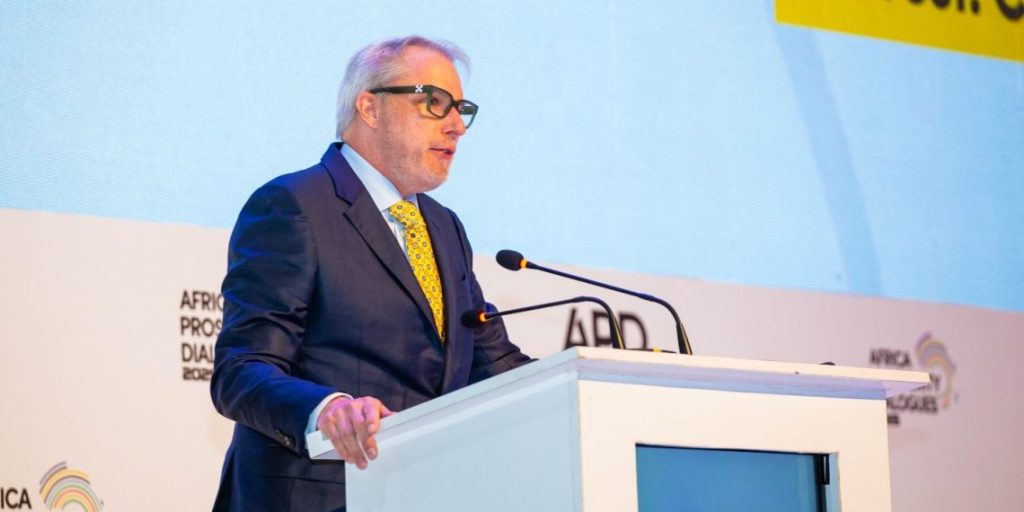
The complaints have been growing louder. Ghanaian subscribers of MTN have taken to social media and public forums in increasing numbers, frustrated by data bundles that seem to vanish faster than they should, or disappear entirely without explanation. For many, the finger has pointed squarely at the telecom giant itself. Now, MTN Ghana’s Chief Executive Officer has had enough. And he wants the public to know exactly where the company stands. Addressing the controversy on Friday, April 17, MTN Ghana CEO Stephen Blewett flatly dismissed allegations that the company is stealing customers’ data. His argument was direct: MTN simply has nothing to gain from it. “There’s zero incentive for MTN to steal data from you. Because it will just chase people away. It’s not something we do; it’s not part of our values,” he said. In his view, any telecom company that manipulated customer data would be signing its own death warrant, eroding the trust that keeps subscribers on its network and ultimately driving them to competitors. It is, he argued, bad business sense as much as it is a breach of integrity. If MTN is not the culprit, then what is? According to Blewett, the answer lies in how dramatically smartphone usage has changed, and how little many users understand about what their devices are doing in the background. He pointed to three key drivers of data consumption that often go unnoticed: background activity from mobile applications running silently without the user’s knowledge, automatic updates downloading software in the background, and the growing appetite for high-definition video streaming, which consumes data at a far higher rate than most people realise. Together, these factors, he argued, explain why data appears to drain so quickly, not fraud, but the realities of modern digital life. Blewett did not stop at defending the company. He turned the spotlight on subscribers as well, urging them to take a more active role in managing their own data consumption. Practical steps, he suggested, include monitoring which applications are running in the background, reviewing app permissions, and adjusting video streaming quality settings to reduce unnecessary data use. “So there’s a lot that we have to do as customers. We have to be very responsible,” he said. It is a message that is unlikely to fully satisfy frustrated subscribers, many of whom remain unconvinced. But for MTN Ghana’s CEO, the position is clear: the company is not the enemy, and understanding how data is consumed in today’s smartphone era is the first step toward resolving the dispute. Source: Apexnewsgh.com
After Nine Years, New Buses Finally Hit the Road for Metro Mass Transit
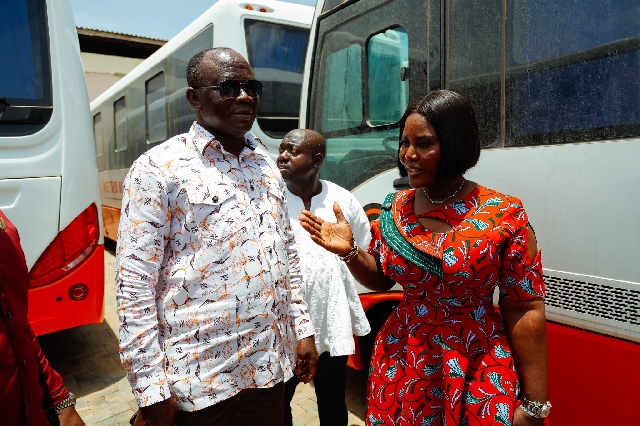
For the first time in over nine years, Metro Mass Transit (MMT) has received a significant boost, and for the millions of Ghanaians who depend on public transport daily, it is a long-overdue development. The government has taken delivery of a new fleet of buses for MMT, marking the most substantial addition to the company’s fleet in nearly a decade. It is a moment that signals not just new vehicles on the road, but a renewed commitment to fixing one of the country’s most pressing everyday challenges: getting people from one place to another reliably and affordably. The Deputy Minister for Transport, Dorcas Affo Toffey, confirmed that the first batch of 100 buses, out of a planned total of 300, has been successfully inspected and received. She announced the Chief Executive Officer of MMT, Kale Ceasar, during a pre-inspection of the newly arrived buses. Standing before the fleet, the Deputy Minister was unambiguous about what comes next. More buses are on the way, she assured, and their arrival will further strengthen MMT’s capacity to deliver smooth and reliable transport services across the country. The acquisition, according to Deputy Minister Affo Toffey, is far more than a routine procurement exercise. It is a strategic intervention, one designed to respond to the growing demand for dependable and affordable transit options and to ease the commuting challenges that have long frustrated Ghanaians in both urban and rural areas. She credited the initiative to the Ministry of Transport, led by Minister Joseph Bukari Nikpe, with the backing of President John Dramani Mahama, describing it as part of a broader effort to improve mobility and transform the public transport experience nationwide. The 100 buses currently on Ghanaian soil are only the beginning. Additional batches are expected to arrive in the coming months, gradually expanding MMT’s operational capacity and extending its reach across the country’s transport network. The initiative sits within the government’s wider agenda to modernise public transport infrastructure, improve service delivery, and restore public confidence in a sector that has struggled with ageing vehicles and inconsistent coverage for years. With new buses now on the ground and more on the horizon, the wheels of change, quite literally, are in motion. Source: Apexnewsgh.com
Hundreds of MoMo Agents Storm MTN Office Over Blocked SIMs, Frozen Funds

Anger boiled over at an MTN Ghana office in Darkuman, near Komkompe in the Greater Accra Region, as hundreds of Mobile Money agents descended on the premises in a furious protest, their livelihoods frozen, their funds trapped, and their questions met with what they say are unsatisfactory answers. The demonstration was sparked by the sudden and unexplained deactivation of the agents’ merchant SIM cards, some of which reportedly hold millions of cedis in funds. For the affected agents, the blocking of their SIMs was not just an inconvenience; it was a direct assault on their businesses and financial security, and they were not prepared to suffer in silence. One of the agents at the centre of the storm, Kwabena Manu, recounted the moment the crisis began. At around 5:00 p.m. on Tuesday, he received a message from MTN informing him that his SIM had been blocked due to an alleged breach of contract. The message, he said, did not explain what that breach actually was. With no clarity and no warning, his SIM, and the funds on it, were simply gone. Manu said he initially assumed the problem was his alone. It was only when he arrived at the MTN office and found hundreds of fellow agents in the same predicament that the true scale of the situation became apparent. What had seemed like an isolated incident was, in fact, a sweeping action affecting a large number of operators across the network. The agents’ attempts to seek answers quickly ran into a wall. Officials at the office reportedly told them that the blocked SIMs could only be reactivated upon clearance from the police or an order from a court of competent jurisdiction, a response that did little to calm the mood of the crowd. Determined to find a resolution, the agents took their grievances to the Odorkor Divisional Police Command. But there too, the path forward proved frustrating. Police asked them to provide details of the alleged contract breach, the very information that MTN had failed to supply. When the agents turned back to MTN for the relevant contract documents, they were reportedly told to seek redress in court. Caught in a loop with no clear exit, the agents are now calling on MTN to come to the table and engage with them directly. Their message is urgent and unambiguous: their funds remain locked, their businesses are at a standstill, and they want answers, not courtrooms. Source: Apexnewsgh.com