










Accra Tomato Traders Warn of Imminent Shortage and Price Hikes Amid Supply Chain Threats
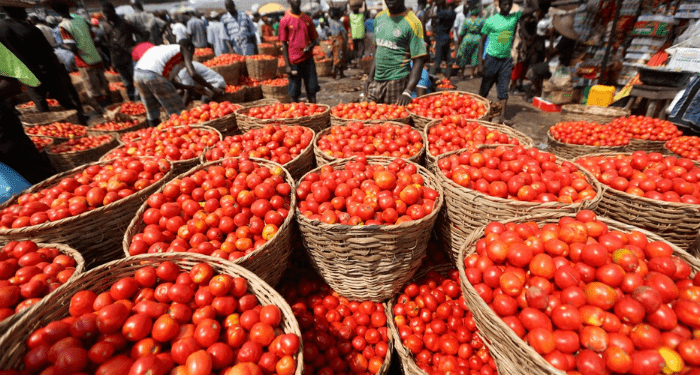
Tomato traders and importers in Accra are sounding the alarm over a looming tomato shortage and potential price hikes, urging the government to urgently invest in local irrigation infrastructure. Without such action, they warn, Ghana’s heavy dependence on imports from Burkina Faso, a trade route now fraught with peril, will continue to threaten food security and the livelihoods of thousands. The warning follows recent terrorist attacks in Burkina Faso that claimed the lives of eight Ghanaians and left others injured, disrupting the critical cross-border tomato supply chain. The incident has heightened fears among traders, many of whom now question the safety of continuing their operations. Esther Owusu Ansah, a tomato importer with more than three decades of experience, told Citi Business News that traders may soon stop traveling to Burkina Faso if adequate security is not guaranteed. “Our drivers have families, and they cannot risk their lives just to transport tomatoes,” she emphasized, noting that while security escorts are provided up to Paga, the journey beyond remains unpredictable. “We are even beginning to reconsider importing tomatoes altogether,” she added, expressing a growing sentiment among importers. Fellow trader Adwoa Pinnaman echoed these concerns, stressing the urgent need for the government to invest in irrigation systems and dams to support local tomato farming. “Many of the tomatoes we get are usually rotten,” she lamented, pointing out that significant sums are spent supporting Burkina Faso’s economy instead of strengthening Ghana’s own agricultural sector. Otumfuo Charity, Queenmother of the CMB Underbridge branch and an executive member of the Ghana National Tomato Traders Association, raised another issue: the threat of smuggling. She warned that some traders from Togo exploit the current disruption by selling tomatoes meant for Togolese markets directly in Ghana. “We will not accept this, and we will issue a warning against such practices,” she asserted. Meanwhile, drivers and transporters distributing tomatoes across Ghana say their business has almost ground to a halt. Kwame Siaw, a driver at the CMB Underbridge branch, worried that many may be forced into unsustainable alternative jobs if the shortage persists. Veteran driver Peter Boahen added, “With fewer tomatoes on the market, prices will become more expensive. Since the main trucks that transport tomatoes from Burkina Faso are no longer coming, we will be left sitting here idle. How then will we take care of our families?” The traders’ collective message is clear: without prompt investment in local production, Ghana faces continued supply disruptions, rising prices, and growing economic hardship. Source: Apexnewsgh.com
Ministry Unveils Plans for Digital Church Registry Amid Thousands of Unregistered Churches

A sweeping effort to bring order and transparency to Ghana’s burgeoning religious sector is on the horizon, as the Ministry of Local Government, Chieftaincy and Religious Affairs announces plans for a nationwide digital registry of churches. On Wednesday, February 18, 2026, Minister Ahmed Ibrahim addressed Parliament, revealing that while over 2,200 churches are formally registered in Greater Accra as of 2025, thousands more operate nationwide without official recognition. Minister Ibrahim outlined the government’s intention to introduce a digital platform to streamline the registration process and provide accurate, real-time data on churches across the country. “We will establish a formal collaboration with the Registrar General’s Department, the Office of the Attorney General, and the Ministry of Justice to assess records of churches registered as companies limited by guarantee,” he stated. He further explained that metropolitan, municipal, and district assemblies would keep local registers of churches under their jurisdictions, while the new digital platform would empower churches to update their operational status regularly. This initiative, he said, aims to ensure accurate, comprehensive, and up-to-date data, critical for governance, planning, and regulatory oversight. Recent regional surveys show that in Greater Accra, 98.1% of churches are single-owner entities, with the remainder affiliated to larger denominations. Though the Registrar General’s Department does not publish a consolidated national figure, available data suggest that the total number of churches in Ghana is in the several thousands. The proposed digital registry will be linked to the Registrar General’s database, enabling verification of operational churches and enhancing transparency in the sector. Minister Ibrahim concluded, “This is a timely step toward modernising our administrative systems and strengthening accountability in the religious sector, which has experienced rapid growth in recent decades.” The Ghana Statistical Service, meanwhile, continues to track religious affiliations rather than registrations, with 71.2% of Ghanaians identifying as Christians, according to the 2021 Population and Housing Census. Source: Apexnewsgh.com
Dawadawa Is More Than a Seasoning — It Is Heritage in Flavor
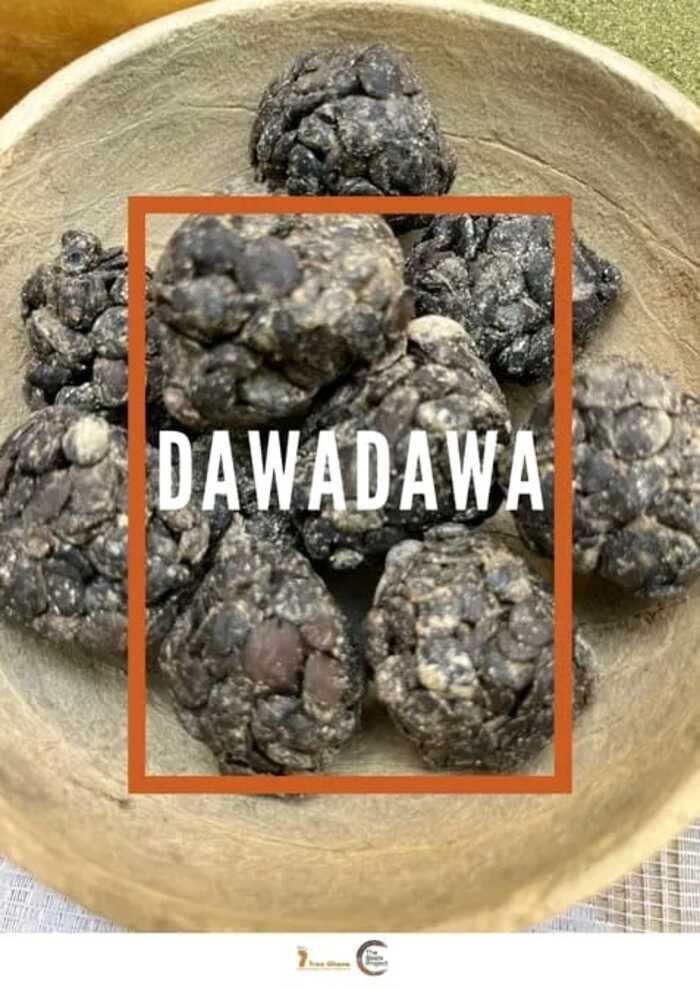
Dawadawa is more than a seasoning. It is memory, nutrition, economy, and sustainability woven together in flavor. In many West African kitchens, there is a defining moment when a pot of soup begins to deepen in character. Onions have softened, peppers have blended into the base, and palm oil or shea butter shimmers with heat. Then comes the quiet but transformative addition — a small ball or paste of fermented locust beans. The aroma shifts instantly, earthy and complex. That unmistakable scent signals something profound: dawadawa has entered the dish. Made from the fermented seeds of the African locust bean tree, scientifically known as Parkia biglobosa, dawadawa has nourished communities across West Africa for generations. Known by different names — iru among the Yoruba, soumbala in parts of the Sahel — it remains one of the region’s most treasured indigenous condiments. Its essence is simple yet powerful: carefully fermented seeds shaped by knowledge passed down through time. The African locust bean tree stands resilient across the savannah landscapes of Ghana, Burkina Faso, Mali, and northern Nigeria. It thrives in dry climates where other crops struggle, offering shade, soil enrichment, and food security. The tree’s long pods contain sweet yellow pulp enjoyed as a snack, but it is the hard brown seeds that become dawadawa. For many rural communities, this tree is not just vegetation; it is livelihood, nourishment, and ecological stability. The tree contributes quietly to sustainable agriculture. It enriches soils through nitrogen fixation, reduces erosion, and integrates naturally into traditional parkland farming systems. Farmers often preserve it within their fields rather than cutting it down, recognizing its value. Long before climate resilience and regenerative agriculture became global buzzwords, West African communities were practicing them through their relationship with this tree. Dawadawa is not simply harvested; it is crafted through labor and patience. The process begins during harvest season when ripe pods are collected. The pods are boiled to soften the pulp and release the seeds. After washing, the seeds undergo hours of cooking to soften their tough coats. Women — often working collectively — remove the seed coats by pounding and washing, a physically demanding task that requires strength and skill. Once cleaned, the seeds are boiled again and then wrapped in leaves or placed in covered containers to ferment naturally over several days. It is during fermentation that transformation occurs. Microorganisms break down complex compounds, producing the deep umami flavor that defines dawadawa. The seeds darken, soften, and develop their characteristic pungent aroma. No artificial additives are required. Time, heat, and microbial life do the work. This fermentation knowledge is rarely written down. It is carried in memory and practice, passed from mothers to daughters and elders to apprentices. Women know by touch, scent, and experience when fermentation is complete. The craft reflects an intimate understanding of natural processes, developed long before modern food science offered explanations. Beyond its distinctive flavor, dawadawa is nutritionally significant. It is rich in protein, making it an essential supplement in communities where access to animal protein may be limited. It contains beneficial fats, calcium, iron, and B vitamins. Fermentation enhances digestibility and increases the availability of nutrients. In households with constrained incomes, a small portion can transform a simple pot of soup into a nutrient-dense meal. In northern Ghana, dawadawa defines beloved soups such as ayoyo and groundnut soup. In Nigeria, iru enriches egusi and ogbono soups. Across the Sahel, soumbala flavors stews served with millet or couscous. Each region shapes and prepares it slightly differently, yet the shared cultural thread remains strong. For many in the diaspora, its aroma evokes childhood kitchens, communal meals, and the steady rhythm of family life. Unlike imported bouillon cubes that increasingly fill market shelves, dawadawa carries no anonymous industrial origin. It carries the story of harvest seasons, of women gathered under shade trees pounding seeds, of conversation and laughter during fermentation days. In this way, it anchors communities to ancestral foodways even as globalization reshapes consumption patterns. Women stand at the center of dawadawa production and trade. Across Ghana’s Upper East, Northern, and Upper West regions, they harvest, process, and sell the condiment in local markets. Income from sales supports households, pays school fees, and strengthens women’s financial independence. The work is demanding, but it is also empowering. On market days, woven baskets lined with leaves display carefully shaped balls of fermented seeds. Buyers inspect texture, inhale aroma, and negotiate prices. Knowledge of quality is shared openly — whether fermentation is adequate, whether moisture levels are right, whether the product will store well. Markets become spaces of both commerce and cultural exchange. Modern discussions about sustainable food systems often emphasize reducing carbon footprints, promoting biodiversity, and strengthening local supply chains. Dawadawa embodies these principles naturally. Its primary ingredient grows locally with minimal external inputs. Production requires no imported chemicals. Distribution typically happens within short distances between producers and consumers. The African locust bean tree supports biodiversity and integrates into agroforestry systems. By preserving the tree, farmers maintain ecological balance. In a world increasingly reliant on long and fragile global supply chains, dawadawa demonstrates the resilience of localized food systems grounded in community knowledge. Yet challenges persist. Urbanization and shifting dietary preferences have led some consumers to favor imported seasonings perceived as more convenient. Younger generations may see traditional processing methods as labor-intensive. Climate change threatens tree populations through prolonged droughts and land degradation. Limited access to improved equipment can also constrain production quality and scalability. Within these challenges lie opportunities. Cooperatives can strengthen bargaining power. Improved packaging and hygiene standards can expand markets while preserving authenticity. Agroforestry initiatives can promote tree conservation and planting. Culinary education can reintroduce youth to the value of indigenous foods. When tradition meets innovation respectfully, resilience grows. Dawadawa’s importance extends beyond nutrition and economics. Food is one of the most enduring carriers of culture. Even as languages evolve and clothing styles change, taste memories remain. Preparing dawadawa teaches patience and cooperation. It honors processes that cannot be rushed without
FDA Warns Public Against Use of Cement in Bean Preservation

A wave of concern swept across Ghana after a viral video surfaced on social media, allegedly showing the use of a white powdery substance, suspected to be cement, to preserve beans. The footage quickly drew public attention, prompting the Food and Drug Authority (FDA) to issue a firm warning on February 16, 2026. In its press statement, the FDA categorically dismissed the preservation method depicted in the video, stating that it is neither approved nor practiced in Ghana. The authority clarified that the procedure, featuring beans treated with what appeared to be concrete cement, does not align with any food safety or agricultural standards endorsed by Ghana’s Plant Protection and Regulation Services Directorate (PPRSD) of the Ministry of Food and Agriculture. Delving deeper, the FDA revealed that a review of the video suggested the language spoken was not Ghanaian. A translation of the narration exposed a series of unsafe and unhygienic handling practices, including the direct application of chemicals with bare hands and the absence of protective clothing. The video also showed an individual standing directly on a heap of beans without any protective gear, an image that alarmed food safety officials. The FDA stressed that using cement for food preservation is strictly prohibited under Ghana’s regulations. “The FDA, together with its stakeholder institutions, does not approve of food preservation practices that compromise food safety and public health,” the statement emphasized. The authority also condemned poor hygiene and the use of unapproved substances as violations of national food safety standards. Reassuring the public, the FDA made it clear that such hazardous practices are not encouraged or permitted in Ghana. The authority urged farm produce aggregators and retailers to avoid unsafe preservation methods and reminded consumers to remain vigilant. Anyone witnessing suspicious food handling or preservation practices was encouraged to report them to the FDA for swift investigation and possible sanctions. Through this decisive response, the FDA reaffirmed its commitment to protecting public health and maintaining the highest standards of food safety across the country. Source: Apexnewsgh.com
U.S. Embassy in Accra Opens Over 1,000 Visa Appointment Slots

A wave of excitement swept through Ghana’s travel community on Tuesday, February 17, 2026, as the U.S. Embassy in Accra made a major announcement: more than 1,000 non-immigrant visa appointment slots were now available for booking, offering prospective travellers the rare chance to secure interview dates within the next week. In a notice shared on Facebook, the embassy revealed that a significant number of B1/B2 visa appointments, designed for business and tourism, were open. Officials encouraged applicants to move quickly and take advantage of the newly available slots. The move, embassy representatives explained, was part of broader preparations by the United States to facilitate increased travel ahead of the 2026 FIFA World Cup, which it will co-host alongside Mexico and Canada. “There are more than 1,000 B1/B2 visa appointment slots available in the next week – one of those could be yours,” the embassy’s notice read. Those who already had appointments scheduled for later in the year were advised to reschedule for an earlier date if it suited their plans. “Book a new appointment – or move up one scheduled for later in the year – we want to interview you now!” the statement urged. Prospective applicants were directed to the Embassy’s official visa page for comprehensive details on application requirements and the booking process. This swift move by the U.S. Embassy is expected to ease frustrations among would-be travellers who, in recent months, have endured long waits for interview appointments. For many, the sudden availability of slots represents a welcome opportunity to pursue business, tourism, and World Cup dreams in the United States. Source: Apexnewsgh.com
COCOBOD Leaders Slash Salaries Amid Cocoa Sector Liquidity Crunch

On Monday, February 16, 2026, a decisive announcement echoed through the corridors of the Ghana Cocoa Board (COCOBOD) headquarters. In a bold response to persistent liquidity challenges in the cocoa sector, the executive management and senior staff declared immediate salary cuts that would span the remainder of the 2025/26 crop year. According to a formal statement signed by Dr Randy Abbey, Chief Executive of COCOBOD, executive management would take a 20% reduction in their pay, while senior staff would see their salaries trimmed by 10%. The move, Dr. Abbey explained, was part of a comprehensive set of cost-saving measures designed to steer the organisation through current financial headwinds. These salary cuts are just one aspect of a wider strategy. COCOBOD is also tightening its belt in procurement and initiating a staff rationalisation exercise—each step aimed at slashing overall expenditure and ensuring that costs are better aligned with fluctuating revenues. Behind these tough choices lies a singular goal: safeguarding the sustainability of Ghana’s cocoa industry. COCOBOD’s leadership underscored the importance of maintaining operational efficiency and protecting the livelihoods of cocoa farmers, even as economic pressures mount. As the new measures take effect, the message from the top is clear—shared sacrifice and prudent management are essential for navigating the sector’s challenges and securing a stable future for Ghana’s cocoa industry. Source: Apexnewsgh.com
The Minister’s Call: Fugu and Kente as Symbols of Unity

On Wednesday morning, the vibrant energy at the Ministry of Trade, Agribusiness and Industry was unmistakable. Journalists gathered in anticipation as Abla Dzifa Gomashie, the Minister for Tourism, Culture, and Creative Arts, stepped forward with a message that resonated far beyond the walls of the conference room. Her voice carried conviction as she addressed the crowd, urging all Ghanaians to embrace fugu and kente, not as mere ethnic symbols, but as cherished national treasures. Both textiles, she reminded everyone, have been recognised by UNESCO as elements of cultural heritage, a source of pride not just for specific regions, but for the entire nation. The minister’s passionate appeal came at a pivotal moment. The government was ramping up efforts to popularise the wearing of fugu on Wednesdays, a campaign designed to boost local textile patronage and invigorate the domestic industry. The initiative had already begun to capture public imagination, especially after President John Dramani Mahama’s recent appearance in a fugu during his state visit to Zambia. Speaking on the sidelines of a meeting between the Smock Weavers’ Association and ministry officials, Ms. Gomashie explained the significance of “Fugu Wednesday.” She noted with satisfaction how Members of Parliament and other prominent figures had joined the movement, turning the traditional garment into a symbol of national pride. But her message was about more than clothing. “It is not about tribe. It is not about a language. It is about Ghana,” she declared. “For this fugu and kente that have been listed on UNESCO sites as a heritage product that we are offering the world, it should be a rallying round of the red, gold, green, and the black star.” She called on citizens to look beyond regional or ethnic lines and see fugu and kente as enduring expressions of Ghana’s collective identity. “It is not about any particular tribe. It is about what it is that identifies us as Ghanaians. I am using your platform to thank all the people who bought into the idea and wore fugu on Wednesday. Come Wednesday, let’s be even bigger,” she encouraged. With her words, the minister painted a vision of unity, one where every stitch of fugu and kente tells the story of a nation woven together by heritage, pride, and hope for the future. Source: Apexnewsgh.com
MTN Ghana Foundation Brings Valentine’s Day Blood Drive to Upper East Region Schools

In the spirit of Valentine’s Day, MTN Ghana Foundation extended a life-saving gesture to the Upper East Region by organizing a large-scale blood donation exercise aimed at replenishing the Bolgatanga Regional Hospital blood bank. The initiative, part of the Foundation’s annual Valentine activities, drew enthusiastic participation from students at Bolgatanga Senior High, Zamse Technical, and Bolgatanga Technical Senior High schools. Speaking to the media during the event, Martin Yaw Kumobah, Territory Sales Controller for the Upper East Region, explained the Foundation’s motivation. “The MTN Ghana Blood Donation Exercise isn’t new; we’ve been doing this for years across the country. This year, in the Upper East, we’re targeting about 400 pounds of blood to support the regional blood bank. The best love we can show humanity is by donating blood to save lives. You never know who might benefit; it could be you or someone close to you.” The blood drive was conducted simultaneously across the three schools, with students lining up to contribute and share in the cause. Kumobah emphasized that the campaign is a nationwide effort, with parallel exercises happening in all regional capitals. Students who participated echoed the importance of donating blood for the good of others, noting the unpredictability of emergencies and the need for a well-stocked blood bank to save lives in critical moments. MTN Ghana Foundation’s initiative not only celebrated the month of love but also fostered community spirit and social responsibility among the region’s youth, reinforcing the message that a single act of kindness, like donating blood, can make a difference in countless lives. Source: Apexnewsgh.com
Multiple Vulnerabilities on the Rise Despite Decline in Severe Food Insecurity
While Ghana has recorded a slight national decrease in severe food insecurity, from 5.1% in the second quarter of 2025 to 4.6% in the third quarter, the latest data from the Ghana Statistical Service (GSS) reveals a troubling surge in the number of citizens facing compound vulnerabilities. According to the GSS, 227,519 Ghanaians were found to be simultaneously food insecure, multidimensionally poor, and unemployed in Q3 2025. This marks an increase of 19,455 people compared to the previous quarter, reflecting a 9.4% rise in just three months. The number of those classified as only food insecure also hit a high of over 4 million in Q2, underscoring the persistent challenge of ensuring consistent food access across the country. The report draws attention to enduring gender and geographic disparities. Among rural female-headed households, severe food insecurity peaked at 8.1%, highlighting the disproportionate impact on women living in rural communities. These trends come as Ghana intensifies its push towards the 2030 Sustainable Development Goals, particularly the target to achieve Zero Hunger. Despite improvements in macroeconomic indicators, the benefits are being unevenly distributed, leaving many at risk of falling through the cracks. Analysts caution that unless targeted policy interventions are implemented, the rising number of households experiencing overlapping vulnerabilities could threaten national gains in food security, poverty alleviation, and decent work. At a press briefing in Accra, Government Statistician Dr. Alhassan Iddrisu urged policymakers to rethink one-size-fits-all approaches and prioritize tailored solutions for high-burden regions. “Target high-burden regions with tailored food security, agricultural, and market-access solutions instead of one-size-fits-all approaches,” he advised, emphasizing the urgent need for more focused and responsive interventions. Source: Apexnewsgh.com
Gurensi Clay Pots: Indigenous Science, Art, and Sustainable Technology of Northern Ghana
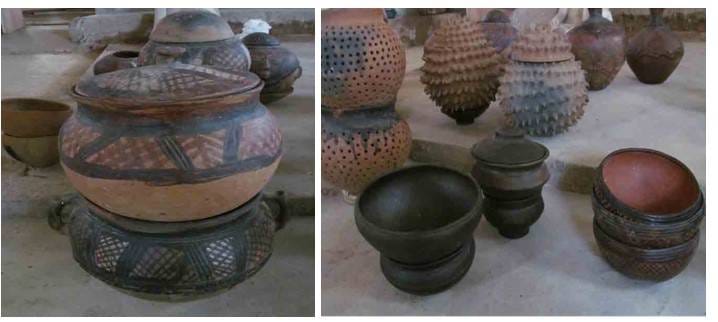
Long before electricity reached the villages of Northern Ghana, long before refrigerators hummed in kitchens, communities discovered a simple, sustainable, and ingenious way to keep water refreshingly cool: the clay pot. Among the Gurensi people, as with other northern communities, the clay pot was not only a household necessity; it was a symbol of practical wisdom, scientific observation, and deep knowledge of the natural environment. It demonstrates how technology does not always need circuits, motors, or complex machinery. Sometimes, it is about listening to the earth, understanding its properties, and working in harmony with nature. These clay vessels are crafted from local earth, carefully selected by the potters for its particular qualities. In many cases, the clay is mixed with kaolin, a fine white clay that lends the vessel strength while retaining microscopic porosity. This porosity is the secret behind the clay pot’s cooling ability. Even after firing in open pits or small kilns, the walls of the pot remain slightly porous, capable of allowing tiny amounts of water to seep through to the surface. When These droplets reach the outer surface of the pot, they begin to evaporate, carrying away heat and leaving the remaining water inside noticeably cooler. For the Gurensi, the creation of these pots is a craft learned over generations, passed from mother to daughter, aunt to niece, and sometimes from elder potters to apprentices. There are no written manuals, no textbooks; the knowledge is tacit, embedded in gestures, rhythms, and careful observation. The potter kneads the clay, feeling its texture and consistency, shaping the vessel by hand using traditional techniques such as coiling or pinching. The form is guided by both utility and aesthetic preference. Some pots are simple and functional, designed for storing and cooling water. Others are decorated with incised patterns, geometric motifs, or symbolic shapes reflecting personal taste, family identity, and cultural expression. The cooling process itself is a marvel of indigenous science. As water slowly seeps through the walls, it evaporates into the air. This phase change—from liquid to vapor—requires energy, and this energy is drawn from the water inside the pot and the surrounding clay walls. The effect is immediate: the water temperature drops, providing refreshment that seems almost magical to those unfamiliar with the principle. In essence, the clay pot operates as a natural refrigerator, a technology powered entirely by the sun, air, and earth. The kaolin mixed into the clay enhances this process. Its mineral structure makes the walls fine-grained and durable, yet still porous enough to allow controlled evaporation. The result is a vessel that cools effectively while remaining long-lasting and resilient under daily use. The “cold taste” of water drawn from a clay pot is not magic—it is physics in action, observed and applied by generations of Gurensi people long before formal science documented it. In a region where the dry season brings soaring temperatures, often exceeding forty degrees Celsius, the simple clay pot is a lifesaver. It provides hydration, preserves health, and supports the demanding daily routines of farming, herding, and household work. Its value is both practical and cultural, connecting people to their environment in an intimate, interactive way. Crafting a clay pot requires more than technical skill; it demands patience, intuition, and a deep understanding of natural materials. The potter must know when the clay has reached the right consistency, how thick the walls should be, and how to shape the opening for optimal use. During firing, the potter controls the heat by adjusting the placement of wood, grass, and other combustible materials, ensuring that the vessel does not crack and that the kaolin’s properties are preserved. Firing is as much an art as a science, requiring keen observation, timing, and experience. The reddish-brown colour that emerges is a signature of the firing process, indicating the pot is ready for everyday use. Beyond their scientific function, these clay vessels carry deep cultural significance. They are central to household life and communal activities. In many Gurensi homes, clay pots stand in the compound, shaded under a tree or placed on a raised platform to keep the water clean. They are used during communal gatherings, ceremonies, and festivals, serving both practical and symbolic roles. A well-made pot signals skill, care, and attentiveness to household needs, while also representing the continuity of cultural knowledge and craftsmanship. Through such objects, the everyday lives of the Gurensi are linked to generations past, connecting present households to their ancestors in an unbroken chain of practice and understanding. The artistry of the clay pot is also significant. Many pots are decorated with simple incised lines, grooves, or textured patterns. These designs are more than decorative—they often carry symbolic meaning, reflecting local cosmologies, agricultural cycles, or community identity. Women, who are traditionally responsible for decoration and finishing, use these designs to express creativity, communicate status, and reinforce social norms. The decorated vessel becomes a living canvas, a medium through which cultural narratives are inscribed onto functional objects. The clay pot is also an example of sustainable technology. Unlike modern appliances, it requires no electricity, no refrigeration, and no synthetic materials. When a pot eventually breaks or reaches the end of its life, it returns to the earth without polluting it. Its production and use exemplify a closed-loop system, one that minimizes waste and harmonizes with the natural environment. In this respect, the clay pot offers lessons for contemporary discussions on sustainability, climate adaptation, and low-impact technologies. It is an object that embodies ecological intelligence embedded in cultural practice. The process of using the pot is equally instructive. Water is poured in, allowed to settle, and gradually cooled by evaporation. There is a rhythm to its use, a daily interaction that teaches observation, patience, and respect for natural processes. Children grow up understanding how the pot works, not through formal instruction but by participating in its care and use. They learn that simple materials can achieve complex results, that nature can be a partner in human comfort, and that technology can