


Bank of Ghana Secures Government Backing for Recapitalisation After Debt Programme Strain
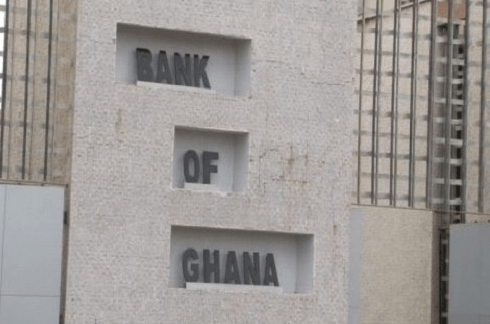
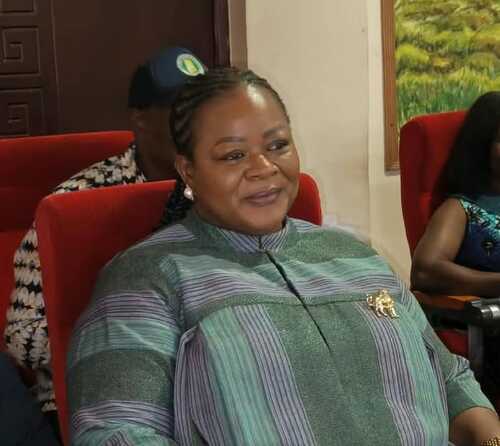
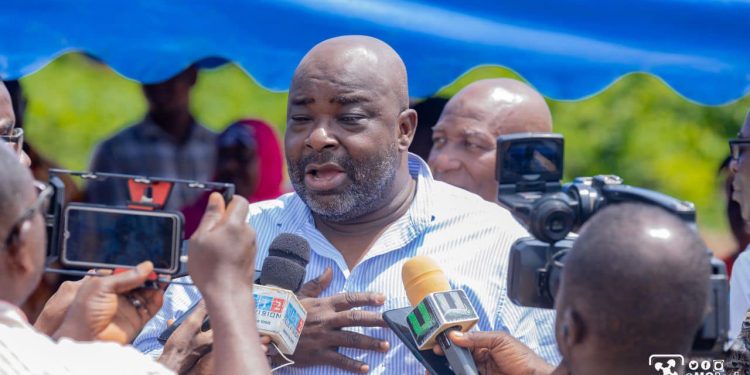
In the aftermath of the Domestic Debt Exchange Programme (DDEP), the Bank of Ghana (BoG) found itself grappling with significant balance sheet losses, a blow that raised urgent questions about its financial stability and future independence. For months, the debate about how best to restore the Central Bank’s capital raged on, with Finance Minister Dr. Cassiel Ato Forson previously ruling out the use of taxpayer funds and instead championing internal restructuring as the path forward. However, a shift in tone emerged at the 128th Monetary Policy Committee (MPC) press briefing, where Governor Dr. Johnson Asiama offered fresh insight into ongoing efforts to recapitalise the BoG. Addressing journalists, Dr. Asiama revealed that discussions with the government had been constructive and expressed confidence that state support would help repair the Bank’s battered balance sheet. “I believe in the commitment of government to recapitalise the Central Bank following the hit it took to protect the economy amid the domestic debt restructuring programme,” Dr. Asiama stated, assuring that the collaborative approach was geared towards safeguarding the Bank’s policy credibility and operational independence. The Governor emphasized that restoring the Central Bank’s capital was not just a matter of financial housekeeping; it was essential for ensuring the BoG could continue to deliver on its mandate of price stability, sound supervision, and effective macroeconomic management. “It is only fair that the wounds suffered as a result are addressed,” he noted, highlighting the importance of recapitalisation for maintaining confidence in Ghana’s monetary policy. Dr. Asiama also pointed to broader signs of resilience in the financial sector. By the end of December 2025, 21 out of 23 licensed commercial banks had met capital adequacy requirements, with the final two given until the end of March 2026 to comply. “Overall, we have made significant progress on the recapitalisation strategy, and we are monitoring closely to ensure full compliance,” he concluded, signalling a renewed sense of stability and optimism for Ghana’s financial system. Source: Apexnewsgh.com
President Mahama Urges Bold Economic Reforms for Africa’s Future
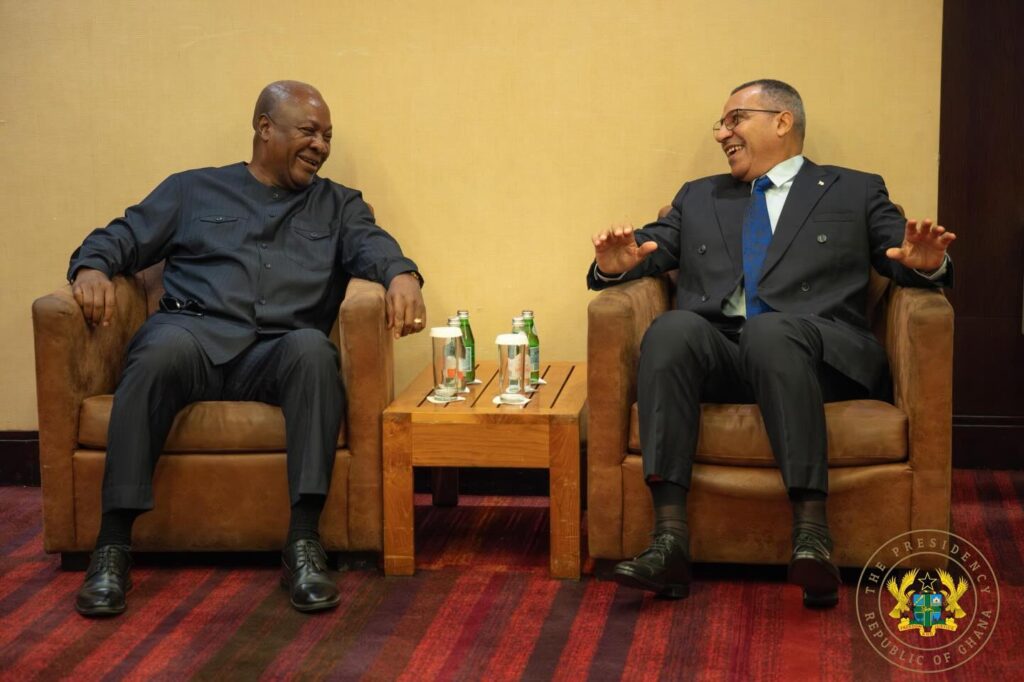
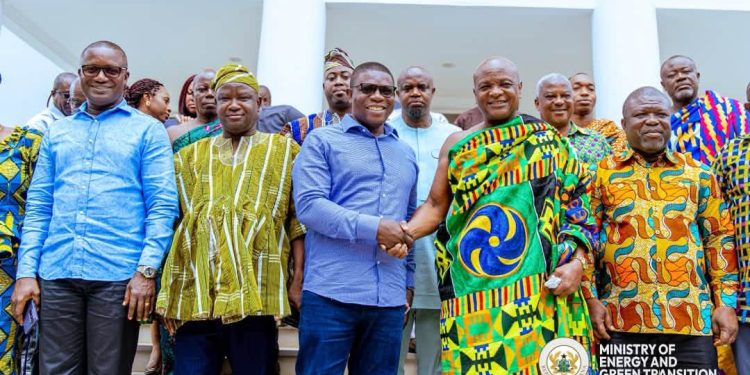
President John Dramani Mahama delivered a stirring appeal to African leaders: move swiftly beyond political independence and rhetoric to real, practical economic reforms that will transform lives across the continent. The summit, which also welcomed São Tomé and Príncipe’s President Carlos Manuel Vila Nova, became a stage for President Mahama’s vision of an Africa where governments prioritize the well-being and safety of their people through deliberate development strategies. In a Facebook post reflecting on the summit, President Mahama underscored that democracy and political freedom mean little without concrete efforts to build sustainable livelihoods. “Political freedom without economic transformation remains incomplete,” he reminded his audience, urging governments to embrace reforms that bring tangible benefits to their citizens. Central to his message was the need for industrial growth and job creation—goals that, he acknowledged, require significant capital. President Mahama pointed out that small and medium-sized enterprises (SMEs), the backbone of Africa’s industrial workforce, still face significant barriers due to limited access to long-term, affordable financing. He proposed a solution: African nations should rethink how they mobilize and direct domestic resources. Instead of allowing pension funds, insurance companies, and sovereign wealth funds to sit idle or be invested abroad, President Mahama urged that these vast resources be channeled into productive ventures through mechanisms like industrial bonds, infrastructure funds, and diaspora financing. Such investments, he argued, could unlock the capital needed to fuel industrial expansion, boost intra-African trade, and accelerate economic transformation. With strengthened regional cooperation and innovative financing, President Mahama expressed confidence that Africa could secure inclusive growth and long-term prosperity for all its people. Source: Apexnewsgh.com
CSA Issues Alert Over Sophisticated Banking Malware Spreading via WhatsApp Web

In a recent wake-up call to the public, the Cyber Security Authority (CSA) of Ghana has sounded the alarm for Windows users, warning of a dangerous new threat lurking in the digital shadows. The culprit: a sophisticated banking malware campaign that is making its rounds through WhatsApp Web, putting both individuals and organisations at risk of devastating financial loss. Known as Astaroth, the malware has been identified as a major concern by the CSA. The attackers’ method is deceptively simple yet highly effective—they begin by sending malicious ZIP files to potential victims through WhatsApp messages. Disguised as legitimate documents or shared under seemingly innocent pretexts, these files are designed to lure unsuspecting users into downloading and opening them. The real danger begins after the ZIP file is extracted and executed on a Windows computer. Once inside, Astaroth quietly installs itself, immediately connecting to WhatsApp Web to harvest the victim’s contact list. In a matter of moments, the malware sends similar malicious messages to everyone in the contact list, spreading itself further, all without the user’s knowledge. While the malware operates in the background, it conducts extensive data harvesting, stealing sensitive information such as banking login credentials, one-time passwords (OTPs), browser cookies, and even keystrokes. With this trove of stolen data, cybercriminals can gain unauthorized access to financial accounts, commit fraud, and orchestrate further crimes. The CSA urges anyone who suspects they have been targeted or affected by such attacks to reach out for help. Victims and concerned individuals can report incidents and seek guidance by calling or texting 292, using WhatsApp at 0501603111, or emailing report@csa.gov.ghOpens a new window. The message from the CSA is clear: stay vigilant, be wary of unexpected files received via WhatsApp, and report suspicious activity promptly to help combat this growing cyber threat. Source: Apexnewsgh.com
President Mahama Champions AfCFTA as Catalyst for Africa’s Industrial Transformation
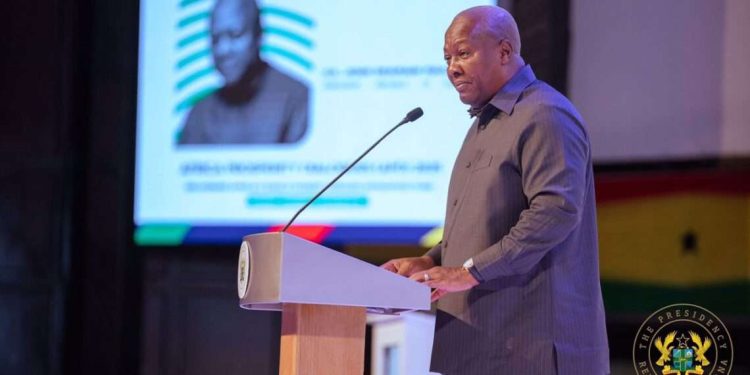
It was a momentous occasion at the 2026 Africa Trade Summit, where President John Dramani Mahama stood before a distinguished audience and painted a bold vision for Africa’s industrial future. At the heart of his address was the African Continental Free Trade Area (AfCFTA), which he hailed as the most ambitious integration project ever undertaken on the continent. With passion, President Mahama described the AfCFTA as a game-changer, uniting over 1.3 billion people into a single market and positioning Africa as a serious player in global manufacturing and investment. He emphasized that, for decades, African economies had remained fragmented, limiting their ability to compete on the world stage. But with the AfCFTA, he explained, countries now had a unique opportunity to build industries capable of serving both regional and international markets. Ghana, he proudly noted, had the honour of hosting the AfCFTA Secretariat and was among the first countries to trade under the agreement’s new preferences. Yet, President Mahama cautioned, the benefits of a continental free trade area would not materialize automatically. He urged African leaders to anchor the AfCFTA within robust development strategies, linking it to industrial policies, infrastructure investment, support for enterprise growth, and trade facilitation reforms. “Without these complementary measures,” he warned, “market integration will remain a theory rather than a driver of prosperity.” He went on to stress that true industrialisation could not thrive within the confines of isolated national markets. Instead, Africa’s future, he argued, depended on building regional value chains—integrating production processes across borders so that, together, African countries could develop strong and competitive industries. President Mahama outlined the vital enablers needed for this transformation: investment in transport corridors, energy and digital infrastructure, and harmonised regulations. These, he said, would lower business costs, boost connectivity, and make seamless intra-African trade a reality. As his speech drew to a close, President Mahama left his audience with a challenge: to move beyond signing agreements and to focus on implementation that would drive industrial growth and shared prosperity. The AfCFTA, he said, was more than a vision—it was Africa’s historic opportunity to reshape its economic destiny. Source: Apexnewsgh.com
GHC 300 Debt Turns Deadly: Man Killed in Fatal Fight in New Nkusukum
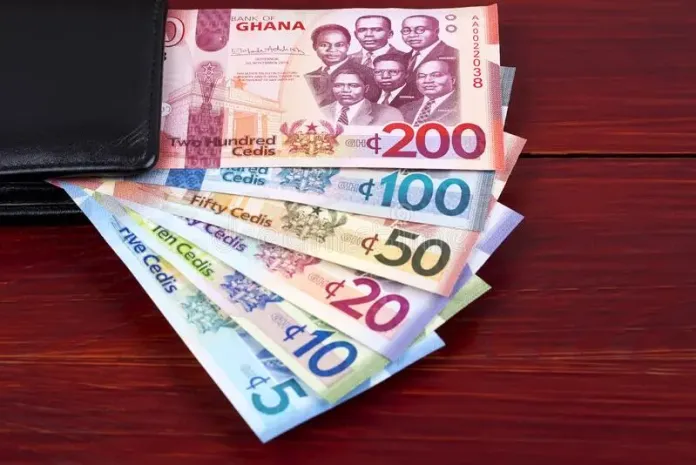
A seemingly trivial debt of 300 Ghana cedis (GHC 300) has ended in tragedy, claiming the life of a man in the New Nkusukum area of the Mfantseman Municipality in the Central Region. The victim, identified as Agyeiku, reportedly died following a violent altercation with his friend and fellow labourer, Kwame Pluto. According to eyewitnesses and local accounts, the incident unfolded after the two men, who worked together as informal “hustlers,” returned home from a day’s work. As they prepared to share their earnings, Agyeiku asked Kwame Pluto for his portion. An argument broke out when Kwame Pluto allegedly refused to hand over the money. The disagreement quickly escalated: Agyeiku tried to restrain Kwame Pluto to secure his payment, prompting Kwame Pluto to allegedly draw a sharp object, described as a “size,” and stab Agyeiku multiple times. The brutal attack left Agyeiku severely wounded. He later fainted and was rushed to the Roman Catholic Hospital in Mankessim around 8 PM. Despite efforts by medical personnel, Agyeiku succumbed to his injuries. Alhaji Ali Abubakar Soring, Assembly Member for New Nkusukum, confirmed the incident and expressed profound sorrow over the needless loss of life. He revealed that the suspect, Kwame Pluto, has been remanded in police custody at Cape Coast Ankafu for two weeks pending further investigation. Family members and eyewitnesses recounted that the confrontation began after the pair returned from a funeral in Kumasi, a disagreement that tragically spiraled out of control. The local community has been left shocked by the deadly violence over such a minor debt, with many stressing the urgent need for peaceful conflict resolution in such matters. Police investigations are ongoing to determine the full circumstances and ensure justice is served for Agyeiku. Source: Apexnewsgh.com
Fire Strikes Kumasi Again: Anwona Market Blaze Raises Alarm
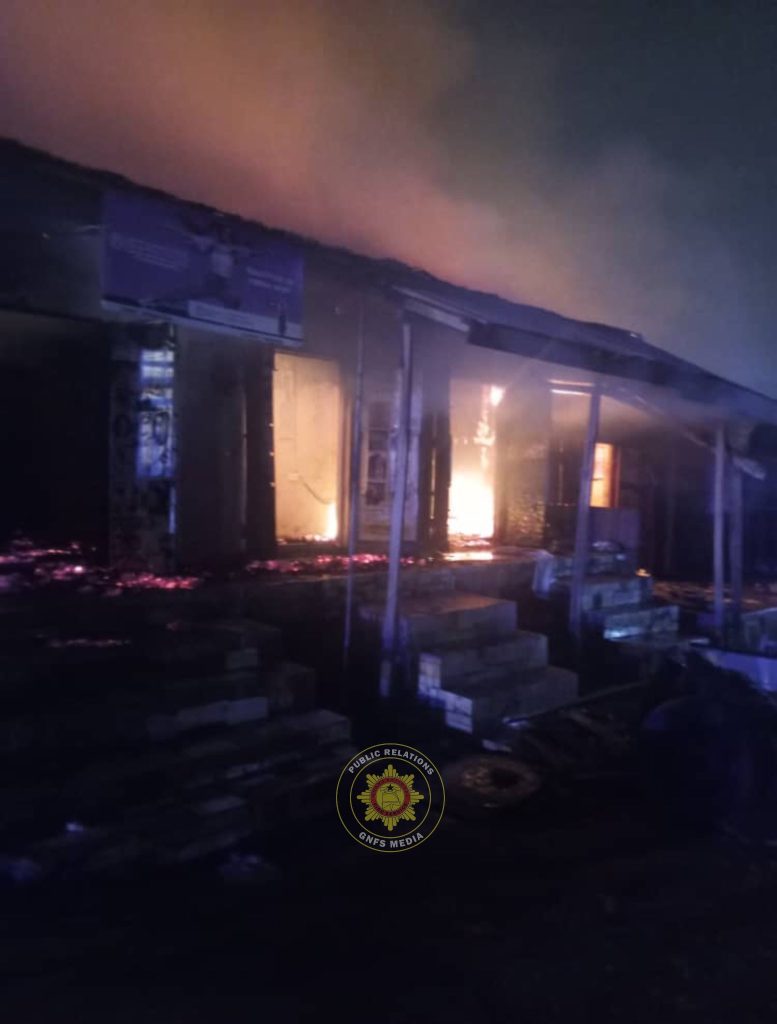
Barely a day after the Sofoline Magazine fire disaster, the Kumasi Metropolis was shaken by another major blaze, igniting fresh concerns about fire safety in the city’s bustling commercial centers. On Monday night, around 10:00 pm, flames erupted at Anwona Market near Afful Nkwanta. The fire swept rapidly through the market, destroying several shops and all their contents. The scene was chaotic, with traders and residents looking on in despair as their livelihoods vanished before their eyes. Personnel from the Ghana National Fire Service responded swiftly. Their determined efforts managed to contain the inferno, preventing it from spreading to adjoining structures and nearby properties, a move that likely spared the community from even greater devastation. While the cause of the fire is yet to be officially confirmed, eyewitnesses suggest it may have begun in a section of the market that housed a footwear factory. Thankfully, no casualties have been reported. However, the economic toll is heavy, as traders have suffered significant losses, with valuable goods and equipment reduced to ashes. In the aftermath, investigators from the Fire Service have launched a probe to determine the exact cause of the incident. Meanwhile, city authorities are renewing urgent calls for improved fire safety measures in Kumasi’s markets and commercial hubs, hoping to prevent similar tragedies in the future. Source: Apexnewsgh.com
Registrar of Companies Announces Nationwide Increase in Service Fees Starting February
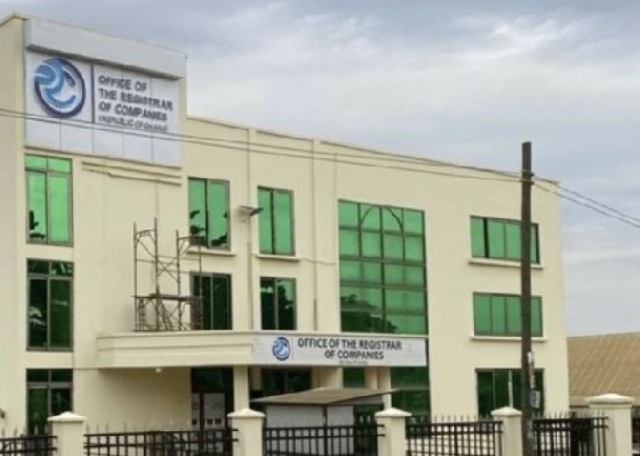
A new wave of changes is set to sweep through Ghana’s corporate sector as the Office of the Registrar of Companies (ORC) prepares to implement higher service charges nationwide beginning Monday, February 2, 2026. The ORC’s decision to revise its fee structure comes in response to the fees (Miscellaneous Provisions) Regulations, 2025 (L.I. 2512), which mandate all public sector institutions to periodically review and adjust their service costs. The move is designed to ensure that fees remain in line with operational realities and the rising costs associated with delivering public services. According to a statement obtained by Joy Business, the fee adjustment will affect the entire menu of services provided by the Registrar of Companies. From company registrations and business name filings to a host of other corporate procedures, clients across the country will be subject to the new pricing. While the ORC has not yet released the specific figures for the updated charges, officials have assured the public that a comprehensive list will be displayed at all ORC offices and published on the official website well before the revised fees come into effect. Clients and stakeholders are being urged to acquaint themselves with the forthcoming changes and plan their business dealings accordingly to avoid surprises after the commencement date. The ORC’s revision is part of a broader government initiative to standardize and update charges across all public institutions, following the recent Parliamentary approval of the Fees Regulations, 2025. The National Identification Authority, for example, has already announced similar increases to its service fees, citing the need to sustain and improve service quality. With the deadline approaching, Ghana’s business community is bracing for the new fee regime, one that aims to support operational efficiency and enhance service delivery, but will also require careful planning and budgeting by entrepreneurs and corporate clients alike. Source: Apexnewsgh.com
The Broken Chalkboards: Upper East Peace Council Chair Decries Rising Student Riots
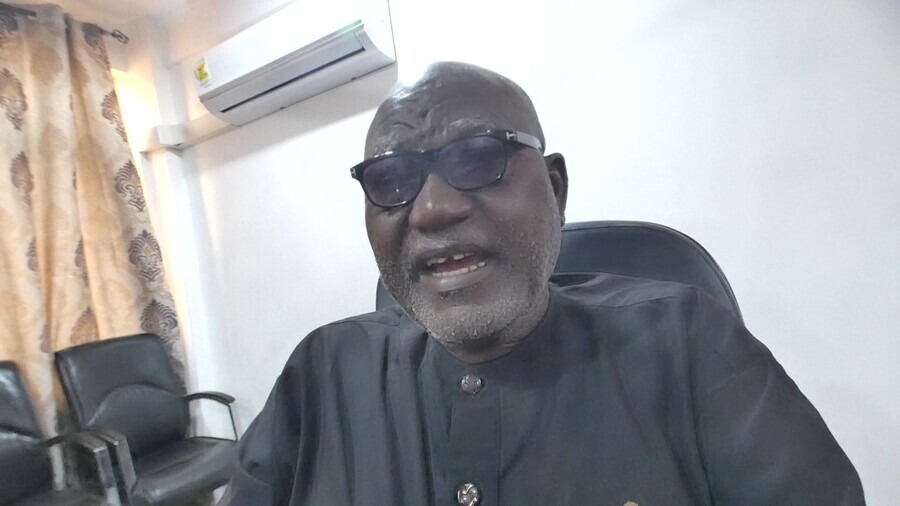
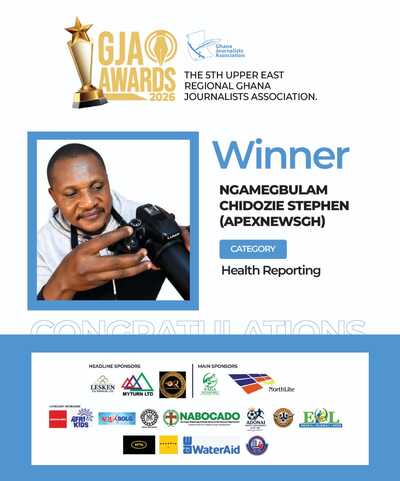
Alhaji Sumaila Issaka, Chairman of the Upper East Regional Peace Council, has voiced grave concern over the growing trend of student riots in the region, a worrying development he believes is fast becoming a destructive norm among secondary schools. In a recent interview for the documentary “The Broken Chalkboards,” produced by Ngamegbulam Chidozie Stephen for Apexnewsgh, Alhaji Issaka laid bare the scale of the problem and the urgent need for dialogue and reform. “It’s been a very difficult situation in this region, especially the way this rioting has been going on. It’s now like a canker and so contagious. The moment Zamstech demonstrates, the next day Gowrie is demonstrating, the next day Bongo is demonstrating, the next day Big Boss, and then on and on,” Alhaji Issaka lamented. He noted that while older institutions such as Navrongo Senior High School, Notre Dame, and Bawku Senior High School, as well as the training colleges, where students are considered adults, rarely report such incidents, the wave of unrest continues unabated among the newer institutions. “What I personally don’t understand is why these demonstrations, when you have an SRC that can present your grievances to the authorities,” he added, underlining his bewilderment at the preference for destructive protest over dialogue. Kindly watch the full video here: https://youtu.be/GSQR3-T6EaE. The Peace Council, Alhaji Issaka revealed, had previously initiated peace clubs in several schools as a proactive measure to curb the violence. However, these efforts were hamstrung by a lack of funding, making it impossible to sustain regular outreach. “It’s been of great disturbance to us, especially the destruction on the campuses,” he said, noting the heartbreak of seeing already scarce resources in one of Ghana’s poorest regions destroyed by students themselves. He recalled, “They will not pass Presec or Achimota and give us a bus here if the supplies are very few. Yet we continue to destroy the few that we have. When we went to school, we didn’t demonstrate, but now it’s like they are so proud of it.” Alhaji Issaka expressed his frustration at the often trivial reasons for these demonstrations. “Most of the time they are so flimsy, so annoying that you cannot tolerate them,” he said. He cited the example of students at Gowrie Senior High School insisting on shower facilities despite vandalizing existing ones, and then demanding the dismissal of the headmistress when standpipes were provided instead. In other cases, students ignored bans on personal electronic devices and overloaded dormitory sockets, leading to repeated fires and costly repairs, only to protest when precautionary measures were implemented. “What bothers me most is that the reasons are so flimsy. And if that is even the case, must you go and damage the property of the school? Then you keep complaining, we don’t have this, we don’t have that,” he said. He recounted students insisting on using coal pots for science practicals instead of the safer Bunsen burners of his own school days, and the paradox of demanding better conditions while destroying what little is available. The recurring destruction, Alhaji Issaka noted, ultimately impacts innocent parents who are forced to pay for damages. “After every investigation, money will be paid. And this money will come from the parents,” he explained, recounting a personal experience at Senegal Senior High, where burned motorbikes had to be replaced, ironically benefitting some teachers but compounding hardship for families. Another disturbing trend is the rise of tribalism in school leadership, a stark contrast to the diversity and harmony of past decades. “To the extent that, if you are not a Kassena-speaking boy, you cannot be Senior Prefect in Navrongo Secondary School. If you are not a Guruni speaking boy, you can’t be the Senior Prefect of Big Boss, Tongo Senior High School. If you are not a Kusasi-speaking boy, you cannot be a Senior Prefect of Bawku Secondary School. Why? So this is what is happening? Even though they are extending it to their heads, insisting that if you are not from that area, you shouldn’t be a head. Really?” he asked incredulously. He reflected fondly on the past, when students and leaders from various backgrounds worked together without division, and called the current climate “a big headache.” Despite setbacks, the Peace Council is determined to revive its outreach efforts. Alhaji Issaka detailed recent and ongoing attempts to coordinate with regional education authorities and NGOs to reintroduce peace-building programs in schools. Plans are in place to divide the council into groups and visit schools across the region, fostering dialogue and conflict resolution skills among students. The council’s goal is clear: to help students understand the importance of using the SRC as a channel for grievances, rather than resorting to violence. “Let the students understand that the SRC is there to represent them at the various meetings. And if they have any grievances, they should pass them to those committee members. So that when they go, they table it,” he advised. Alhaji Issaka believes much of the unrest stems from a lack of awareness and leadership among students, and from the influence of troublemakers. He noted that simple disputes, such as the theft of a phone, which is itself contraband, can quickly escalate into widespread violence and even tribal conflict. “Two students fight, and the Bawku incident crops up. You come, and it’s your kinsman against another man, and you just join the fight.” He urged proper reporting and resolution of issues through the appropriate channels, rather than resorting to mob justice or property destruction. “If you suspect somebody, report him to the authorities. And if they search him and find your phone, they give it to you. But these fights, now, the tribal fighting is in these two schools. Which was not the case before.” Alhaji Issaka closed with an impassioned plea for a return to civility and the prioritization of dialogue, warning that continued unrest threatens not only the schools but the entire region’s progress. “We want us to grow. Yet, we are last in everything.
The Broken Chalkboards: Upper East Regional Minister Urges Discipline and Improved Infrastructure to Tackle School Riots
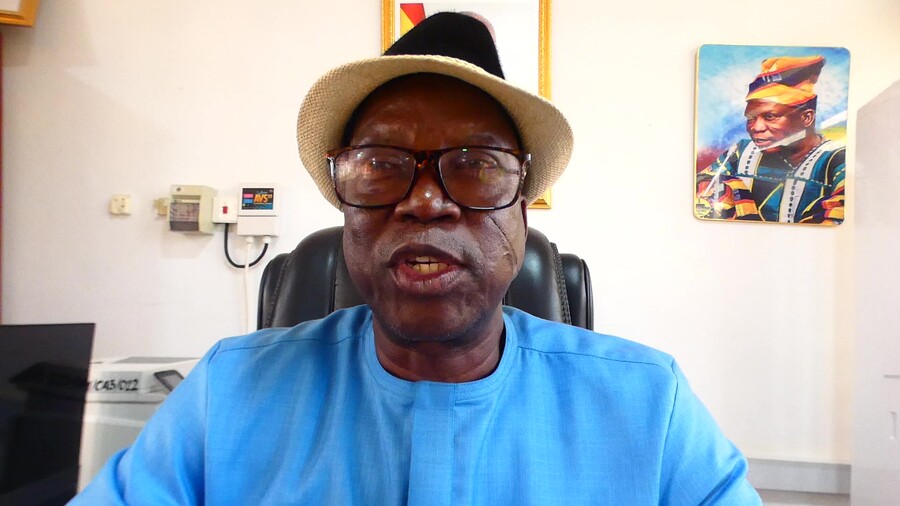
The Upper East Regional Minister, Mr. Akamugri Donatus Atanga, has expressed deep concern over the growing spate of student riots in second-cycle institutions across the region, describing the trend as “worrying and needless.” In a documentary engagement with Apexnewsgh’s Ngamegbulam Chidozie Stephen, the Minister recounted his personal experience since assuming office five months ago. He revealed that the wave of disturbances began under his tenure at St. Benedict’s Secondary School, where a stolen meal sparked clashes that later took on tribal undertones. “Can you steal food and be fighting? Did you steal a tribe? Can you understand that?” he asked, questioning how minor disputes were being allowed to escalate into violent confrontations. He explained that subsequent riots stemmed from issues such as stolen mobile phones, broken water systems, poor sanitation facilities, and disputes over discipline and welfare. For instance, in one case, students rioted after going days without water and being forced to fetch from nearby communities, exposing female students to safety risks. Mr. Atanga identified indiscipline and weak enforcement of school regulations as major drivers of the unrest. He lamented that rules prohibiting items like mobile phones were often flouted with the complicity of some staff. “Until all of us stand by the fact that these are the things we don’t want and we all abide by it, we will face these issues,” he said, urging teachers and school authorities to strictly enforce existing regulations. He also criticized the current disciplinary regime, which he believes has emboldened students to challenge authority. “During our time, when you committed a crime, your masters were allowed to punish you, and nobody could attack them. Today, they say nobody should punish misbehaving students. The teachers are there, but the students are running down the masters,” he noted. The Minister called for a review of disciplinary measures to restore teachers’ authority while protecting students’ rights. “Unless we get back to the drawing board and look at which offenses are punishable, we are likely to keep seeing this indiscipline,” he warned. Beyond discipline, Mr. Atanga highlighted the role of poor infrastructure in fueling discontent, particularly the lack of toilets and water facilities. He urged district assemblies to prioritize school sanitation and water provision through the Common Fund and other initiatives. “It is not proper for a secondary school to be there without a toilet facility, forcing students to share public toilets or practice open defecation. This exposes especially the girls to serious risks,” he stressed. He also cautioned against conflicts among school management and staff, noting that internal divisions often influence and embolden students to riot. “Let us work as brothers and sisters. If you urge students to attack your colleague, remember others are watching, and one day, it will be you,” he advised. The Minister further shared insights into how riot investigations should be handled, warning against hastily labeling injured or present students as culprits. “When you see a student in blood after a riot, don’t immediately conclude he is a bad person. Sometimes those injured are the ones resisting destruction. If you punish the wrong people, you embolden the real perpetrators,” he explained. He urged authorities to focus on identifying ringleaders and dealing with them firmly to deter repeat offenders. “Any student found to be leading riots should be dealt with radically, but we must ensure we get the right people,” he emphasized. Mr. Atanga concluded by urging teachers, parents, assemblies, and students to work together to restore discipline, strengthen regulations, and improve infrastructure. Only through collective responsibility, he said, can the disturbing trend of school riots be curtailed. “If students obey regulations, management cooperates, and facilities are improved, we can reduce the violence. But if we continue to pamper indiscipline, we will be training troublemakers who may carry their misconduct into other schools and communities,” the Minister cautioned. Source: Apexnewsgh.com
Tobacco’s Silent Threat: FDA Discusses Public Health, Policy, and Cultural Change
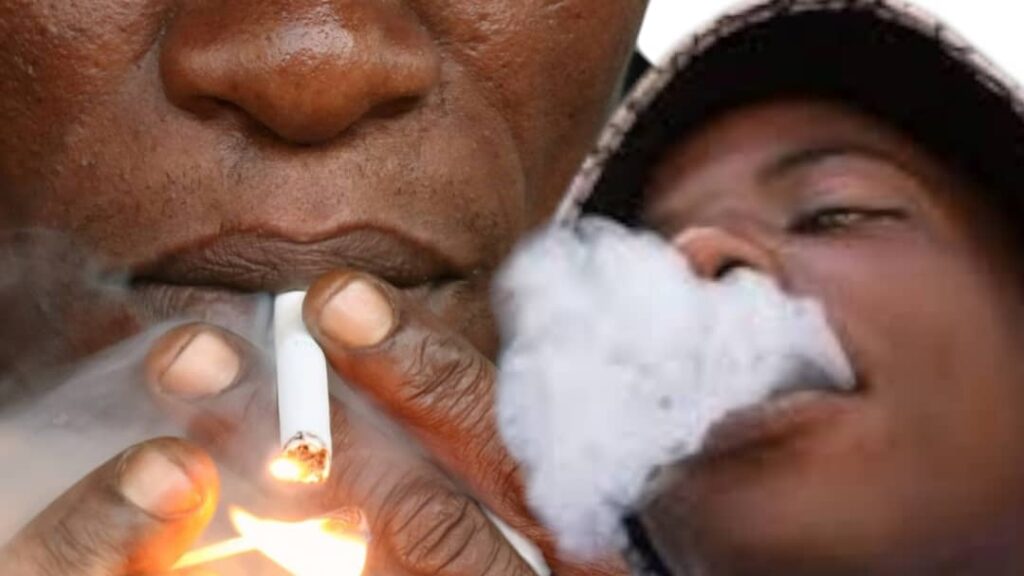
In an era where lifestyle choices are increasingly scrutinized for their long-term health implications, the conversation surrounding tobacco use remains one of the most critical public health dialogues globally. In an exclusive and illuminating engagement, Mr. Abel Ndego, the Upper East Regional Director of Ghana’s Food and Drugs Authority (FDA), provided a stark, evidence-based dissection of the tobacco epidemic. This dialogue, far more than a simple interview, serves as a documentary-grade testament for those still ignorant of the profound dangers of tobacco and the robust legal framework designed to combat its scourge. The session, spearheaded by Editor-in-Chief Mr. Ngamegbulam Chidozie Stephen, transcended basic awareness, delving into the science of addiction, the specifics of Ghana’s legislation, and the nuanced battle against deeply entrenched cultural practices. Mr. Ndego framed the discussion with sobering global statistics that underscore the urgency of the FDA’s mission. “Over 8 million people die from tobacco use and second-hand smoke globally each year,” he stated, affirming its position as the world’s leading preventable cause of death. This grim tally includes approximately 7 million deaths from direct use and 1.3 million non-smokers succumbing to second-hand smoke exposure, with a disproportionate impact on low- and middle-income nations. Translated into a daily horror, tobacco claims nearly 22,000 lives every day. These figures are not abstract; they represent a relentless public health emergency that national authorities like the FDA are mandated to address through education, regulation, and enforcement. A central thrust of the engagement was dispelling myths and revealing the hidden equivalencies in tobacco consumption. With emphatic clarity, Mr. Ndego highlighted one of the most alarming facts: “Going through one hour session of shisha is equivalent to smoking between 100 and 200 sticks of cigarettes.” This revelation often stuns casual users who perceive shisha as a social, filtered, and less harmful alternative. The reality is that a single shisha session delivers a massive dose of toxicants, debunking its benign reputation. The chemical cocktail within tobacco smoke, Mr. Ndego explained, is a brew of over 3,000 harmful substances. “Formaldehyde, what they used to make formalin for the embalming of dead bodies, is found in there. We have tar… a lot of carcinogens… heavy metals like lead and cadmium.” These components are directly linked to cancers, cardiovascular diseases, respiratory illnesses, and a host of other dire health consequences. The addictive engine driving this consumption is nicotine, a substance that creates a physiological “hunger,” compelling repeated use and deepening dependency. “There is proof also,” Mr. Ndego added, “that people who have smoked continuously for more than five years are most liable to lose 10 years of their life.” Beyond education, the FDA’s work is firmly rooted in legislative action. A cornerstone of Ghana’s strategy is the ban on public smoking, a law whose rationale extends beyond the individual smoker. “It’s a crime to smoke in public,” Mr. Ndego asserted. The science of second-hand smoke is unequivocal: “All the health risks of the smoker, the secondhand smoker is liable to them as well. And so why would I suffer for somebody’s enjoyment?” The definition of a public space is intentionally broad. “Even your private vehicle, as long as you pick a passenger, ceases to be private… You cannot smoke there.” Enforcement, he clarified, is a shared responsibility. “The beauty of this is that… you can even effect citizen arrests. If somebody is smoking in your environment, you can report the person to the police.” The FDA has complemented this law with extensive stakeholder engagements, distributing “No Smoking” stickers and educating groups like the Ghana Private Road Transport Union (GPRTU) to ensure terminals and vehicles are compliant. Perhaps less known is the illegality of a common market practice. “It is a crime to sell single sticks of cigarettes to people,” Mr. Ndego declared. This prohibition, under Section 6 of the Public Health Act, is fundamentally about informed consent. A cigarette pack carries mandated pictorial health warnings and graphic images of diseased organs, which communicate the product’s risks. A single stick offers no such warning. “The space on a single stick is so small… it must be sold in the pack so that the health warning can really send a message.” Selling illicit, unregistered cigarettes that lack these warnings altogether is an even more severe contravention. One of the most sensitive aspects of the FDA’s work involves engaging with cultural institutions. In many regions, including the Upper East, tobacco is woven into traditional rites. “If you want to marry, they will tell you that you have to present tobacco… greeting your in-laws,” Mr. Ndego noted. The FDA, in a respectful and collaborative manner, has initiated dialogues with the Regional House of Chiefs. “We have been engaging… to see how together they can substitute the tobacco for something else,” such as a symbolic monetary representation. While acknowledging that altering longstanding traditions “takes time,” Mr. Ndego reported a receptive audience attuned to the health and developmental arguments. Simultaneously, the authority is battling the tobacco industry’s adaptation through technology. The market is now flooded with sleek, discreet nicotine delivery devices. “We have e-cigars… some come in the form of pens… I even saw one that was like a smartwatch,” Mr. Ndego described. These products, often appealing to youth, vaporize nicotine-laced liquids, leveraging technology to perpetuate addiction. The FDA remains vigilant, recognizing that regulation must evolve as quickly as the products it seeks to control. Ghana’s comprehensive approach extends to stifling the tobacco industry’s influence. “Tobacco companies are not permitted by law to sponsor any event in Ghana. They cannot even donate money to save a life… They cannot brand any products,” Mr. Ndego outlined. This near-total ban on advertising, promotion, and sponsorship is a critical World Health Organization-backed measure to denormalize tobacco use and prevent targeting the youth. Furthermore, the state employs fiscal policy as a deterrent. Significant fees for product registration, “you would not pay less than, I think, ten to fifteen thousand dollars” per brand, combined with heavy taxes, aim to limit accessibility and generate revenue for public