



Fiifi Boafo Urges GOLDBOD to Address Gold Losses, Not Trade Insults
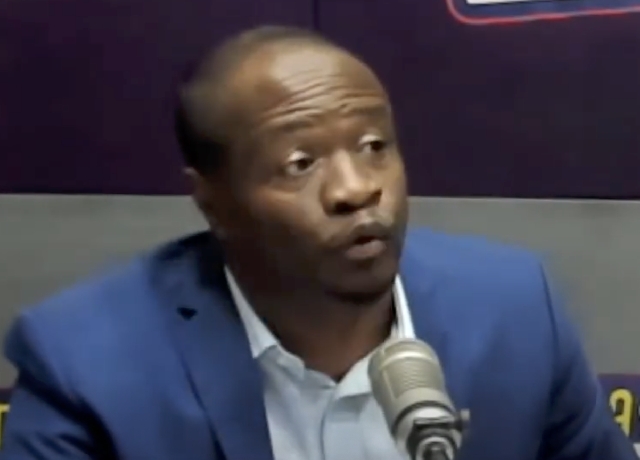
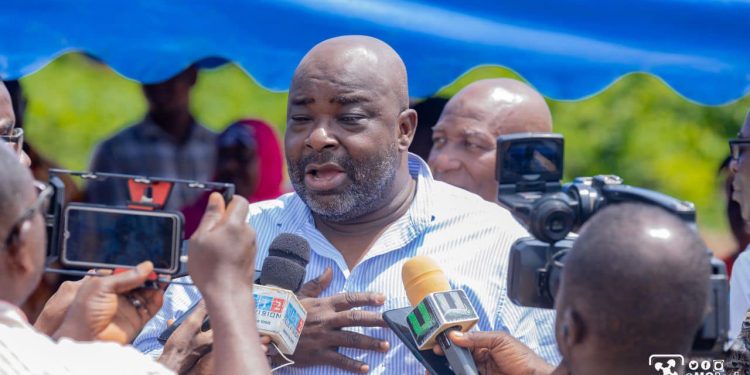
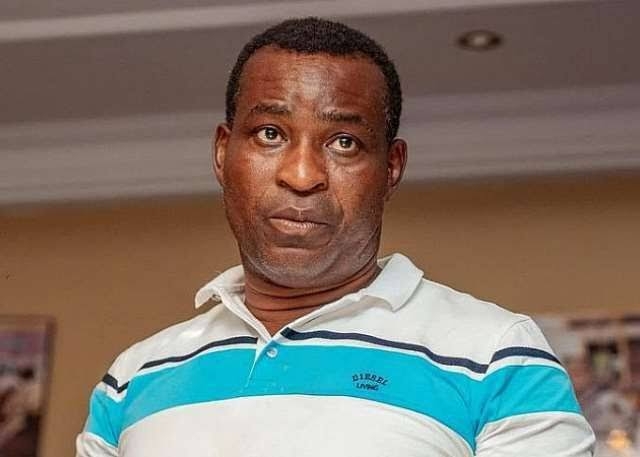
A fresh wave of controversy has erupted over Ghana’s gold transactions, with Fiifi Boafo, spokesperson for former Vice President Dr. Mahamudu Bawumia, taking aim at the Gold Board (GOLDBOD) for its recent handling of public concerns about reported losses. During an interview on Asempa FM, Mr. Boafo criticized the tone and substance of recent statements from GOLDBOD Chief Executive Sammy Gyamfi and NDC communicator Eric Adjei. According to Boafo, instead of providing clarity on the reported $1.7 billion loss, GOLDBOD’s response had become overly emotional and focused on personal attacks, rather than the facts. “If you listen to Sammy Gyamfi’s press conference and Eric Adjei’s comments, it proves that instead of addressing the issues, now emotions are driving the conversation, which should not be the case,” he observed. Boafo referenced an IMF report which, in his view, confirmed that the government incurred losses through gold sales managed by GOLDBOD. “It is true government made losses, and it was through gold, and GOLDBOD went to buy it,” he asserted. He argued that GOLDBOD should have responded by explaining its role in the losses instead of “turning its response into insults and casting aspersions.” The spokesperson drew a contrast with Dr. Bawumia’s measured response to previous allegations linking him to the Hubtel online payment platform, suggesting that GOLDBOD’s leadership should similarly maintain decorum. He added, “We expect GOLDBOD to come and say the loss is not from them but the Bank of Ghana.” Boafo also criticized Sammy Gyamfi’s reaction to Minority Leader Alexander Afenyo-Markin’s remarks about possible bail conditions if the GOLDBOD CEO were to be arrested over the reported loss. “You called Akufo-Addo and Bawumia criminals, but you are upset over talk about bail terms for you? I want him to learn a lesson here, that the whip used on one child will be used on the other child soon after,” Boafo commented pointedly. Recalling the earlier uproar over a GH¢400 million loss under the Gold-for-Oil programme, Boafo said the current government should be especially open to scrutiny. He accused the government of shielding GOLDBOD’s CEO due to his status as an NDC “darling boy” and demanded assurances that such losses would not recur. “We need the assurance that going forward, we will not experience this sort of loss,” Boafo insisted, emphasizing that interventions by the Bank of Ghana involve taxpayers’ money. He concluded that Ghanaians deserve full transparency and accountability regarding how public funds are being managed in the gold sector. Source: Apexnewsgh.com
GOLDBOD Boss Dares Minority to Pursue Parliamentary Probe Over $1.7bn Loss

A heated exchange is brewing between the leadership of Ghana’s Gold Board (GOLDBOD) and the Minority in Parliament, following allegations of massive financial losses at the state-owned agency. Sammy Gyamfi, the Chief Executive Officer of GOLDBOD, has thrown down the gauntlet, calling on the Minority to set aside public rhetoric and instead use parliamentary channels to investigate the agency’s reported $1.7 billion loss in 2025. The Minority, spearheaded by Effutu MP Alexander Afenyo-Markin, has been vocal in its demands for a thorough probe, pushing for Mr. Gyamfi to appear before Parliament and answer questions about the agency’s finances. The issue has sparked press conferences and media debates, keeping the matter in the public eye. But Mr. Gyamfi, speaking boldly on Joy News’ News File program, dismissed suggestions that he was dodging scrutiny. “Do I, Sammy Gyamfi, look like somebody who will be afraid of a Parliamentary probe?” he quipped, urging his critics to channel their efforts through the appropriate committees. He emphasized that Parliament’s committee system provides the mechanisms for accountability, and challenged the Minority to make use of these structures, rather than relying on motions and press releases. “Parliament works in committees, haven’t you heard that phrase? You don’t even need any motion because GOLDBOD is under the oversight of the committee on economy with Kojo Oppong Nkrumah as a ranking member. Not too long ago, they came to GOLDBOD to engage us and ask me questions. They can order me to produce documents,” Gyamfi stated. As the public debate continues, all eyes are now on Parliament to see if the Minority will heed the call and formally initiate committee investigations into GOLDBOD’s operations. Source: Apexnewsgh.com
Ghana Nears Debt Restructuring Completion with Belgium Agreement
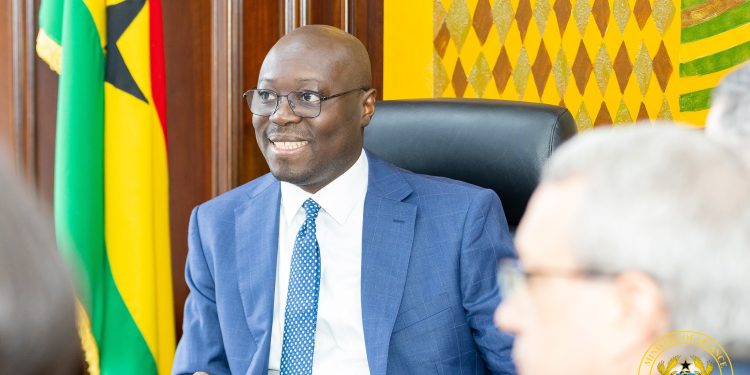
Ghana has taken a major step forward in its efforts to resolve the nation’s debt crisis, following the signing of an agreement with Belgium to restructure €163 million owed to the country’s export credit agency. Finance Minister Cassiel Ato Forson announced the milestone, describing it as a crucial move towards rebuilding trust in Ghana’s economy and ensuring a more secure financial future. “This agreement brings Ghana closer to completing its debt restructuring, restoring confidence and securing a more stable economic future for our people,” Dr. Ato Forson stated after the signing ceremony. Explaining the significance of the deal, the Finance Minister said it would relieve pressure on the national budget by lowering the government’s debt servicing costs. This, he noted, would free up resources to be invested in essential public services and infrastructure projects, directly benefiting citizens. “For every Ghanaian, it means more of our national resources can go towards improving lives rather than paying unsustainable debt,” Dr. Ato Forson emphasized. He highlighted how the agreement would make it possible for the government to allocate more funds to healthcare, education, roads, and other social infrastructure, rather than diverting vital resources to creditors. Beyond its immediate financial impact, the agreement represents a broader shift in Ghana’s fiscal management. Dr. Ato Forson stressed the need to prevent a repeat of past debt problems, revealing that the government is working to enshrine new fiscal rules in law. “Even if this government is not there, the next government will have to make sure that these fiscal rules are respected,” he said. The Finance Minister expressed gratitude to the Belgian government for its cooperation and for contributing to Ghana’s progress in tackling its debt challenges. The agreement with Belgium is the latest in a series of deals aimed at restructuring Ghana’s external debt and restoring fiscal stability after a period of economic turbulence. Source: Apexnewsgh.com
Residents Warned as Spoiled Poultry Products Illegally Dumped in Ho Community
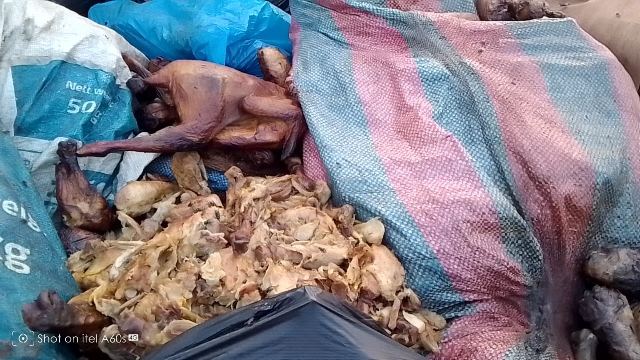
Residents of Tsawenu and Sokode Ando stumbled upon an unusual and troubling scene. Cartons filled with frozen chicken drumsticks, whole chickens, chicken feet, and other poultry parts were scattered along a path leading to the farmlands. The discovery soon sent shockwaves through Ho and its surrounding communities. Lawrence Senya, the Ho Municipal Environmental Health Officer, was quick to issue a public caution: residents should avoid purchasing or consuming poultry products, especially those found in the area, until further notice. Initial reports revealed that some of the chicken was still frozen and had no telltale odor, tempting some locals to collect, prepare, and eat the meat. But the absence of spoilage signs didn’t convince officials of its safety. “We cannot rule out the possibility of contamination, toxins, or other harmful substances,” Mr. Senya cautioned, explaining that unknown individuals may have deliberately disposed of the products for a reason. As word spread, a joint team from the Bureau of National Investigations (BNI), the Food and Drugs Authority (FDA), and environmental health officials launched an investigation to identify those responsible for the illegal dumping. In the meantime, community sensitization efforts began, urging anyone who had collected poultry from the site to voluntarily surrender it. Many residents had already cooked, smoked, or roasted the chicken before learning of the potential risks. To prevent further exposure, environmental health officials have been retrieving the surrendered products for safe disposal. Educational campaigns have intensified, warning residents to steer clear of suspicious poultry products until the authorities complete their investigation. Mr. Senya also reminded cold store operators, wholesalers, and retailers that food waste or expired products should only be disposed of through proper channels, with the supervision of health authorities. The incident has sparked serious conversations about food safety in the municipality. Authorities are appealing to the public to report any suspicious food dumping or unsafe handling to the FDA or local health offices, aiming to prevent a possible outbreak of foodborne illnesses. Wisdom Akorli, the Assemblyman for the area, condemned the act as evil. “This is an evil act for someone to dump spoiled frozen food in my area to destroy my people, but I pray we get the person,” he declared. He encouraged residents to surrender any questionable poultry to the authorities and assured them of his commitment to working with officials to bring the culprits to justice. “If you feel unwell after consuming any of these products, please report immediately to the nearest health facility,” he urged. As the investigation continues, the people of Ho are reminded to remain vigilant and prioritize their health above all else. Source: Apexnewsgh.com
Technical Glitch Disrupts Tax Payments: GRA Moves Swiftly to Restore Normalcy
The Ghana Revenue Authority (GRA) has encountered an unexpected challenge. Taxpayers, importers, and clearing agents who logged onto the Ghana.gov payment platform found themselves facing delays in processing their payments. The disruption, traced to technical issues affecting the Integrated Customs Management System (ICUMS), Integrated Tax Administration System (ITAS), and the Ghana Integrated Tax Management and Information System (GITMIS), was soon recognized as a widespread concern. The GRA quickly sprang into action. Working hand-in-hand with its technical partners, the Authority launched an all-hands-on-deck operation to diagnose and resolve the glitches. While the core issue was isolated to payment processing, the filing of tax returns remained unaffected. The platform itself stayed online, but many users noticed that their payments were taking longer than usual to be processed or weren’t immediately reflected on their accounts. Recognizing the potential impact on the nation’s taxpayers and business community, the GRA issued an urgent statement. They assured all stakeholders that technical teams were working around the clock and that resolving the problem was a top priority. The Authority emphasized that delayed transactions would eventually be processed and properly reflected in users’ portals once the system was fully restored. Importers, clearing agents, and taxpayers who depend on these systems for their daily activities were asked to remain patient. The GRA pledged to keep the public informed about progress and to minimize further disruptions as much as possible. In their concluding message, the Authority expressed sincere regret for the inconvenience caused, thanking everyone for their patience and understanding as the technical teams worked diligently to restore normal payment operations. Source: Apexnewsgh.com
Energy Minister Highlights Major Debt Clearance and Savings from Sector Reforms

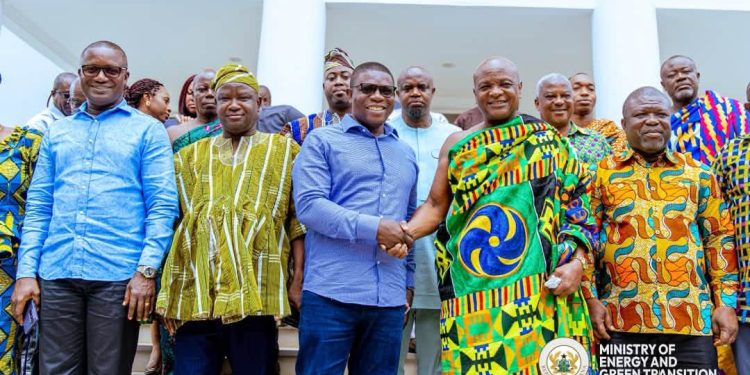
Ghana’s Energy and Green Transition Minister, Dr. John Abdulai Jinapor, has revealed that sweeping reforms in the country’s energy sector have led to the clearance of about $1.47 billion in legacy debt, alongside substantial cost savings for the nation. The announcement came during a press briefing on Thursday, August 20, where Dr. Jinapor detailed recent achievements and ongoing efforts to stabilize the sector. According to the Minister, one of the most impactful measures has been the government’s shift from expensive liquid fuels to natural gas, a move that has saved Ghana approximately $500 million. Dr. Jinapor also highlighted improvements to the cash waterfall mechanism, which have resulted in significantly better payment flows to Independent Power Producers (IPPs). “Before we came to office, just about 6 billion was declared monthly into the Cash Waterfall. IPPs were receiving just about 42%. Because of the work we did together and the policy reforms that we implemented, today we declare close to about 15 billion every month into the Cash Waterfall mechanism and almost all the IPPs receive about 100% of the invoice bills,” he explained. Further renegotiations with IPPs have delivered an additional $250 million in savings, Dr. Jinapor noted. He added that when the current administration took office, the outstanding bill for the energy sector was about GH¢80 billion, but significant progress has since been made in reducing arrears and enhancing financial sustainability. “These reforms are part of our broader efforts to stabilize Ghana’s energy sector, improve financial sustainability, and reduce the cost of power generation,” Dr. Jinapor concluded, underscoring the government’s commitment to long-term sectoral health and economic growth. Source: Apexnewsgh.com
Petroleum Tanker Drivers Begin Three-Day Strike Over Poor Yard Conditions at Kumasi Depot

Members of the Ghana National Petroleum Tanker Drivers Union have launched a three-day sit-down strike, protesting what they describe as the worsening and hazardous state of the parking yard at the Kumasi Bulk Oil Storage and Transportation (BOST) Depot. The drivers accuse BOST officials of neglecting urgent calls to rehabilitate the yard, which has become increasingly unsafe, especially during rains. Union members say the situation not only endangers their safety but also hampers their ability to efficiently carry out their duties. Beyond the deplorable yard conditions, the drivers have also raised concerns about persistent fuel shortages during offloading at the depot. They attribute these shortages to faulty machinery and equipment used for offloading petroleum products, a problem they say has gone unaddressed despite repeated complaints. Union leaders report that multiple engagements with BOST management have yet to yield solutions. Now, with their grievances unresolved, the drivers have resorted to industrial action, sparking fears of fuel supply disruptions. Industry observers warn that if the strike is prolonged, it could trigger widespread fuel shortages across the country. Dominic Brenya, Chairman of the Ghana National Petroleum Tanker Drivers Union, affirmed that the strike will continue until their concerns are addressed. The union is demanding immediate intervention to rehabilitate the yard and repair faulty offloading equipment to ensure safety and operational efficiency. Source: Apexnewsgh.com
Ghana Water Ltd Refutes Claims of Withholding River Pollution Data
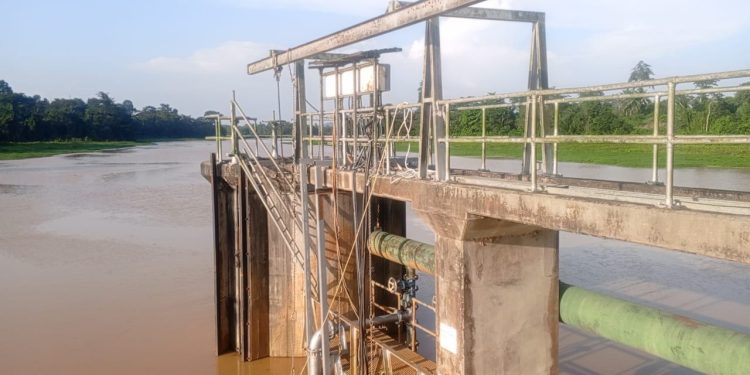
Ghana Water Ltd (GWL) has firmly denied allegations that its staff were threatened or instructed to withhold data on river turbidity and pollution levels, responding to accusations that surfaced in a video circulating on social media involving a Joy News journalist. In a statement released on Monday, August 17, 2026, GWL described the allegations as inaccurate and misrepresentative of the company’s mandate and operations. The utility company clarified that it routinely conducts internal turbidity tests as part of its water treatment processes and shuts down treatment plants whenever turbidity levels surpass established safety thresholds. However, GWL emphasized that it does not hold official data on the quality of natural river bodies. “GWL does not hold official data on natural river bodies,” the statement read, noting that the responsibility for monitoring and maintaining turbidity data lies with the Water Resources Commission (WRC) and the Environmental Protection Agency (EPA). Addressing additional claims made by the journalist, GWL stated that its records showed no evidence of the journalist visiting the Kwanyako treatment plant, contradicting assertions that access to information was denied. The company also rejected rumors that the Presidency had issued any directive instructing GWL to withhold river turbidity data. “It is therefore totally untrue that the Presidency has directed GWL to withhold river turbidity data,” the statement stressed. GWL encouraged the public to distinguish between the specific mandates of the water utility, the WRC, and the EPA when interpreting reports about river pollution and turbidity. The company urged viewers and readers to approach the claims presented in the viral video with caution. Source: Apexnewsgh.com
Rethinking Development: How Millar Open University is Putting African Culture at the Heart of Higher Education
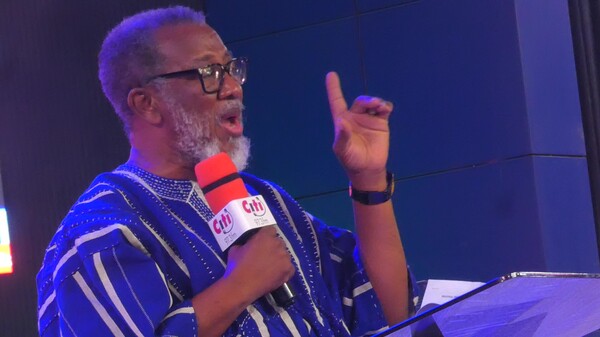
Since time immemorial, Africa’s cultural identity has been defined by its most vibrant symbols: the thunder of drums, the kaleidoscope of traditional fabrics, the aroma of local cuisine, and the spirited energy of dance and festival. Yet, beyond these visible expressions lies a deeper, often overlooked dimension: culture as a living science and a reservoir of collective knowledge that shapes how communities govern, manage resources, confront climate change, and define wellbeing itself. This is the intellectual frontier being explored at Millar Open University, a pioneering institution that is challenging mainstream approaches to higher education by placing African culture at the epicenter of knowledge production and development. For Professor David Millar, the university’s founder and guiding voice, the reduction of culture to mere spectacle obscures its true power: its ability to organize societies, solve problems, and inform every facet of daily life. “Culture isn’t just about art or entertainment,” Professor Millar insists. “It is a science, a system of knowledge that equips communities to respond to challenges.” At Millar Open University, the case is made that development cannot be separated from culture. Every project, whether in healthcare, governance, finance, or environmental protection, unfolds within a cultural context. This means that imported solutions, no matter how well-intentioned, risk failure if they ignore the knowledge systems and values of the people they seek to help. Professor Millar’s argument upends a longstanding hierarchy in global knowledge production. While Western science is often treated as the universal standard, indigenous knowledge is relegated to folklore or belief. But what if science itself can be interpreted through a cultural lens? At Millar Open University, the answer is a resounding yes: the institution advocates for a multicultural approach to science, where different societies, European, Asian, African, can each contribute their intellectual traditions to a richer, more nuanced understanding of the world. “Take Western science and view it through a cultural perspective,” Millar explains. “This justifies the idea of multicultural science.” This approach aligns with global debates on decolonisation, reparations, and the legitimacy of African knowledge systems. The university views these not as side issues, but as central to the way knowledge is produced and validated. Professor Millar points to the important but often underrecognized work of African Studies centers at the University of Ghana and elsewhere, arguing that such conversations need to move from the academic margins to the mainstream. Millar Open University’s commitment to flexibility is as radical as its intellectual vision. Unlike many open universities that rely exclusively on distance learning and massive enrollment, Millar’s model blends physical and virtual engagement in a monthly rhythm. Students, most of whom are already employed professionals, engage in remote learning for most of the month, then converge on campus for intensive, face-to-face sessions. This structure caters to adults juggling work, family, and academic ambitions. Around 98 percent of PhD students and 70 percent of master’s students are employed before enrolling. Rather than serving as a launchpad for young people entering the workforce, the university acts as a transformative platform for professionals seeking to challenge and expand the knowledge they already possess. Perhaps most distinctively, the university promotes “unlearning and relearning.” Students are encouraged not just to acquire new skills, but to question received wisdom and reconsider their fields from indigenous perspectives. An accountant might explore local financial traditions; a doctor might study non-communicable diseases through alternative frameworks. The aim is not to reject conventional knowledge, but to interrogate its universality and foster intellectual pluralism. Located in Ghana’s eastern corridor, Millar Open University deliberately maintains a rural orientation, even as it attracts urban students. The goal is to offer education outside the usual urban-centric models and professional networks, making advanced study accessible without requiring relocation or loss of employment. Flexible fee arrangements and limited scholarships make the institution more accessible, though it relies primarily on tuition for sustainability. The university’s approach finds its most profound expression in its relationship with indigenous communities. Professor Millar challenges the notion that development should be measured solely by material wealth. In many communities, wellbeing is defined by social relationships, happiness, and communal belonging, not just by cars, homes, or bank balances. Recognizing these values makes traditional knowledge and institutions relevant to contemporary debates about development and climate change. Sacred landscapes and traditional institutions are treated as vital sources of environmental knowledge. Customary rules protecting forests, groves, and water bodies reflect centuries of climate adaptation, long before the concept entered global policy discourse. Instead of asking only what communities can learn from modern science, Millar Open University asks what science can learn from communities that have managed their ecosystems for generations. To illustrate these ideas, Professor Millar often references “The Gods Must Be Crazy,” using its story of a Coca-Cola bottle’s disruptive arrival in a remote community as a metaphor for development’s unintended consequences. The lesson: technology or aid is not inherently beneficial. Its impact depends on the cultural system it enters. While ICT is central to Millar Open University’s model, enabling research supervision and communication, the institution deliberately preserves monthly in-person sessions. For a university that sees culture as lived experience, face-to-face engagement remains essential. With 14 years of operation, national accreditation, and academic affiliations, including a partnership with the University for Development Studies, Millar Open University is not an academic outlier. Its research networks extend to Zimbabwe, South Africa, the Netherlands, and beyond, positioning its cultural approach within a global intellectual conversation. The university’s success is not measured in job creation, but in the transformation of professional practice. Its graduates, already positioned in academia, public administration, and other sectors, bring new ways of thinking to their fields. A health worker might integrate biomedical and indigenous knowledge; a policy-maker might draw on traditional concepts of governance and wellbeing; a researcher might see a shrine as a form of ecological management. Ultimately, Millar Open University’s radical proposition is that culture is not just about what people do, but how they know and live. It challenges the separation of African culture from science, policy, and
Police Call for Timelier Information Sharing from MTN to Tackle Digital Crime
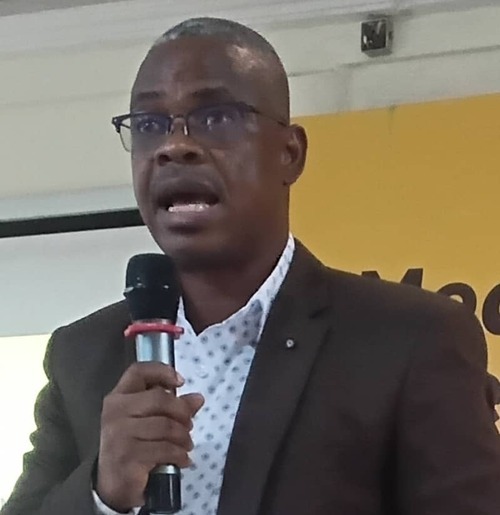
At the 2026 MTN Media Editors Forum in Tamale, the Northern Deputy Regional Crime Officer, ASP Richard Ackumey, addressed a growing concern for law enforcement: delays in accessing crucial information from telecommunications companies. Speaking candidly to the assembled media and MTN representatives, ASP Ackumey highlighted the evolving nature of crime in the digital age and the critical need for close collaboration between security agencies and telcos. “We rely so much on the telcos,” he explained. “Crime has evolved, and much of it now takes place within the digital space. To gather evidence and get to the root of these incidents, we need seamless cooperation with the telecommunications sector.” ASP Ackumey pointed out that legal frameworks such as the Data Protection Act and other regulations protecting citizens’ privacy can sometimes hinder timely information sharing, even when court orders are obtained. “While we understand these laws are vital for customer protection, they also constrain telcos in releasing information needed for ongoing investigations,” he said. “Our main challenge has been the timely release of information. Whenever we submit requests, especially court orders, we expect a swift response from the telcos.” Despite these challenges, ASP Ackumey acknowledged that the relationship between the police and MTN has generally been positive. He expressed optimism that continued dialogue and cooperation would lead to more efficient crime-fighting in the future. “We look forward to more fruitful discussions like this and to building a safer Ghana together,” he concluded. Source: Apexnewsgh.com