


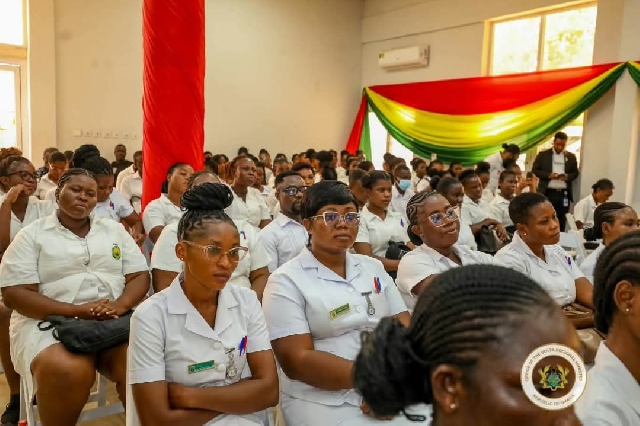
Remembering Our Fallen Comrades: A Message of Condolence from David Asanga

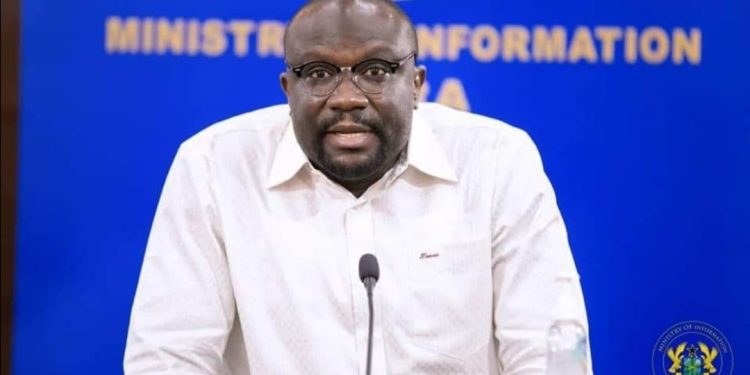
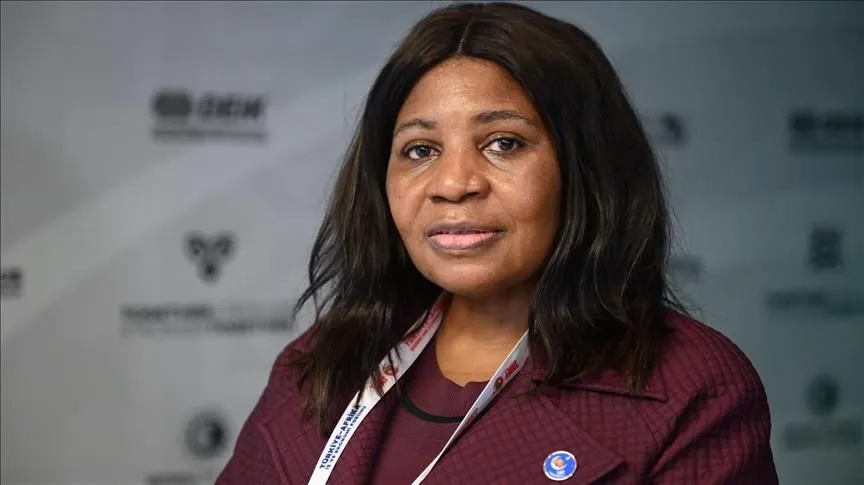
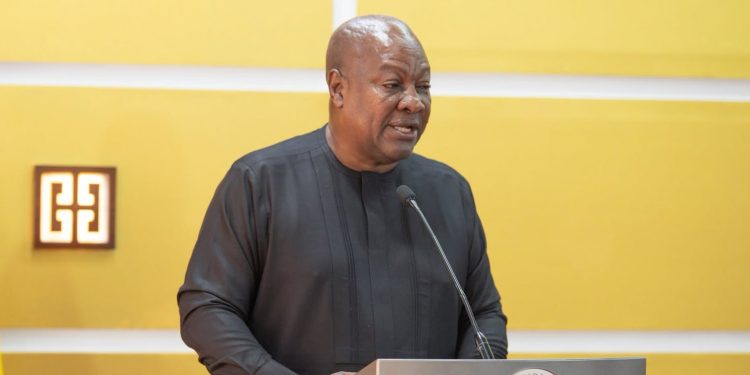
David Asanga, the former Communication Officer of the NDC Bongo Constituency, has shared his profound sorrow and condolences. The news of their untimely deaths struck a deep chord, leaving a void that resonates within the hearts of many. In his moving message, Asanga expressed, “It is with utmost shock and pain that I learn of the sad demise of our beloved compatriots. Their dedication while on duty exemplified the spirit of service to our nation.” He extended his deepest sympathies to His Excellency John Dramani Mahama, the entire Flagstaff House, and the wider NDC family, acknowledging the shared grief felt by all. Asanga paid special homage to a personal hero, stating, “Crd. Murtala was my role model, a figure whose principles guided me in my political journey.” He implored the fallen heroes to rest in peace, promising that their memory would endure until the day they were reunited. In this time of mourning, his words serve as a reminder of the sacrifices made in the name of duty and love for country. Source: Apexnewsgh.com
Nabdam Traditional Council Honors Fallen Heroes in Heartfelt Tribute
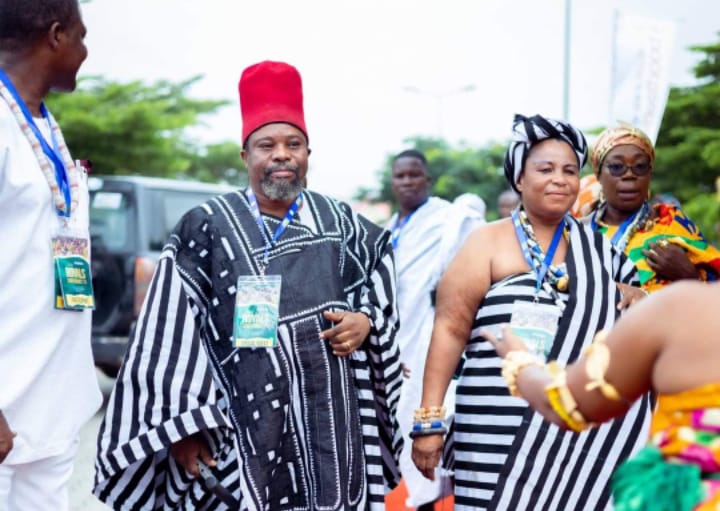
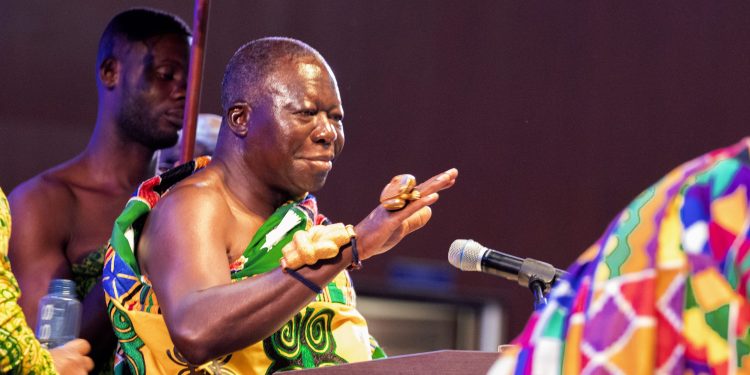
With heavy hearts, the Nabdam Traditional Council has solemnly paid tribute to eight distinguished sons of the land,four dedicated politicians and four valiant military officers, who tragically lost their lives in a recent helicopter crash. These men were not mere passengers; they were statesmen and servicemen, patriots united by a common calling to serve Ghana with honor, dignity, and devotion. The politicians were visionaries, tasked with carrying the hopes and aspirations of their communities, while the military officers exemplified courage and fidelity, upholding the oath they swore to protect and serve the nation. In a poignant tribute, the Council reflected on how these individuals embodied the enduring values of leadership, sacrifice, and national unity. “Together, they represented the best of us, demonstrating unwavering commitment to their country and its people,” a spokesperson for the Council stated. The sudden loss of these remarkable figures is felt deeply, not only by their families and institutions but by the entire nation. Despite the grief that envelops the Council and the communities they served, their legacy of courage and selfless service provides a source of strength. “Even in our sorrow, we find solace in the noble contributions they made to our society,” the statement read. In this time of mourning, the Nabdam Traditional Council extends heartfelt condolences to the bereaved families, expressing solidarity during this difficult period. “We mourn with you and pray that the Almighty grants you comfort and strength as you navigate this profound loss,” they affirmed. As custodians of tradition and identity, the Council pledged to honor the memory of the fallen heroes, praying that their noble souls find eternal rest. In doing so, they reaffirm their commitment to uphold the values that these men represented, ensuring that their sacrifices are never forgotten. Source: Apexnewsgh.com
DRAC Engages Journalists, Advocates for Attention to Neglected Tropical Diseases
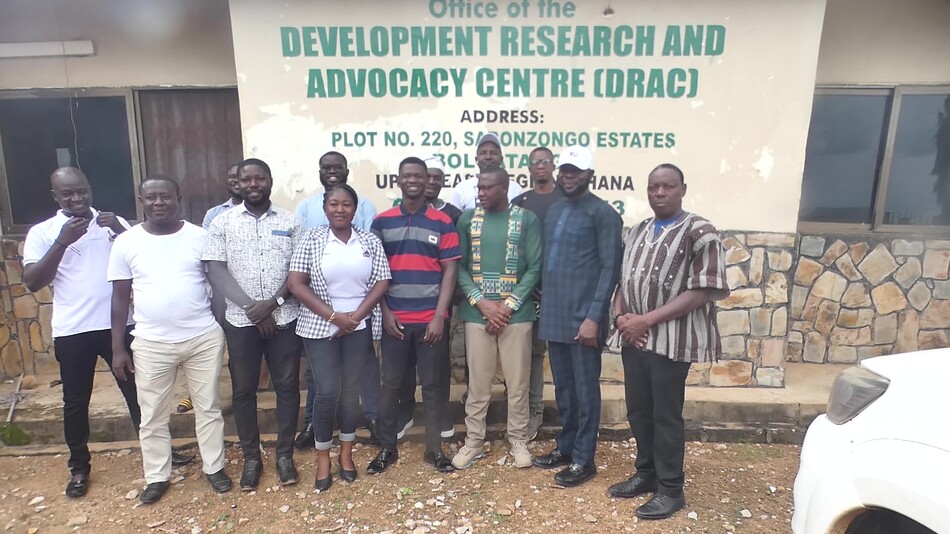
In an engagement with the media on Thursday, August 2025, Mr. Jonathan Adabre Atiah, the Executive Director of the Development, Research and Advocacy Centre (DRAC), shared his insights on the critical challenges faced by vulnerable populations dealing with neglected tropical diseases (NTDs) in the Upper East Region. As the head of an NGO dedicated to addressing these issues, Mr. Atiah emphasized the urgency of focusing on skin NTDs, which include conditions like leprosy and lymphatic filariasis, commonly referred to as “skin NTDs.” “We are confronting significant challenges in our region, particularly concerning diseases that affect the most vulnerable,” Mr. Atiah stated. With support from the Anesvad Foundation, DRAC is actively involved in a range of initiatives aimed at eliminating these diseases and improving the lives of those affected. One of the key strategies employed by DRAC is engagement with the media, as Mr. Atiah pointed out the essential role that journalism plays in raising awareness. “As a civil society organization, there are limited avenues for us to reach policymakers and community leaders directly,” he explained. “By collaborating with the media, we can effectively disseminate the right information and drive action to change the narrative surrounding these neglected diseases.” He highlighted the dire consequences of neglecting skin NTDs, noting that many individuals suffer from severe challenges due to these conditions. “We see deformities and individuals who are unable to work or support themselves, especially in the advanced stages of diseases like leprosy,” Mr. Atiah lamented. The data from DRAC indicates that hundreds of individuals across the districts are affected, primarily in rural and often overlooked areas. Mr. Atiah outlined the specific districts where DRAC operates, which include Bongo, Talensi, Nabdam, and Binduri, covering a total of 40 communities. “In Bongo, we are present in 15 communities; in Talensi, 10; in Nabdam, another 10; and five in Binduri,” he detailed. As part of their initiatives, DRAC has also committed to installing 10 boreholes in these communities to improve access to clean water. DRAC’s approach also focuses on community engagement, working with health management committees to raise awareness and promote anti-stigma and anti-discrimination behaviors regarding individuals suffering from NTDs. Additionally, Mr. Atiah stressed the importance of collaborating with public health workers and health volunteers to enhance education and strengthen the capacity of those on the front lines of addressing these critical health challenges. As the conversation concluded, Atiah reiterated the need for increased attention to neglected tropical diseases and the vital role of the media in shining a light on these pressing issues. Through collaboration and heightened awareness, he believes the narrative surrounding skin NTDs can be transformed, ultimately leading to improved support and resources for those affected. However, in an engaging session aimed at enhancing media coverage of neglected tropical diseases (NTDs), award-winning journalist Mohammed Fugu, who also serves as a media consultant, took the lead in guiding journalists through effective reporting strategies. Fugu’s expertise shone as he elaborated on crucial thematic areas for reporting on NTDs, detailing visual illustrations and the five essential pillars of NTDs reporting. As he spoke, the atmosphere in the room was charged with enthusiasm. Journalists found themselves captivated by his insights, eager to deepen their understanding of how to effectively communicate the challenges posed by NTDs to the public. Fugu emphasized the importance of responsible and accurate reporting, highlighting how the media can play a pivotal role in increasing awareness and prompting action in addressing these often-overlooked health issues. Following the enlightening engagement, journalists expressed their gratitude toward the Development, Research and Advocacy Centre (DRAC) and its funding partners. The appreciation extended beyond mere words; it reflected a collective commitment to improving the dialogue around neglected tropical diseases and advocating for those affected. The session not only equipped journalists with the necessary tools for impactful reporting but also fostered a sense of collaboration between the media and the organizations working tirelessly to combat NTDs. As the day concluded, there was a palpable sense of optimism regarding the potential for increased awareness and action stemming from improved media coverage. Source: Apexnewsgh.com/Ngamegbulam Chidozie Stephen
Kwahu Traditional Council Mourns Helicopter Crash Victims, Calls for National Unity
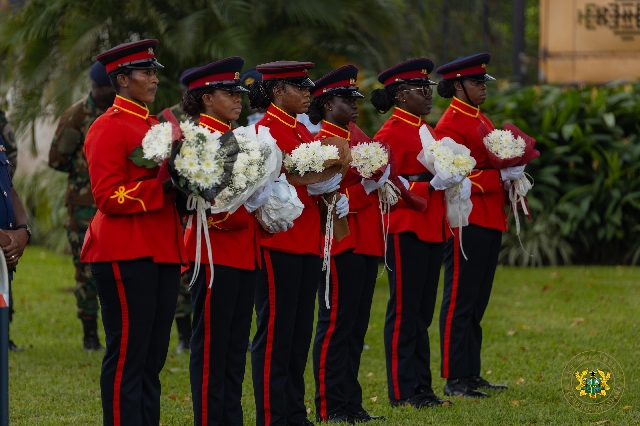
The Kwahu Traditional Council, led by Daasebre Akuamoah Agyapong II, has expressed deep sorrow in the wake of the tragic helicopter crash on August 6, 2025, which resulted in the untimely deaths of Defence Minister Dr. Edward Omane Boamah and seven other state officials. In an official statement released on behalf of Nananom and the people of Kwahuman, the Council mourned the loss, describing it as a “dark cloud over Ghana” and marking one of the most grievous moments in the nation’s recent history. “We received with deep sorrow the untimely passing of Dr. Edward Omane Boamah and other distinguished state officials,” the statement read. The Council offered a heartfelt tribute to Dr. Omane Boamah, a proud son of Kwahu, acknowledging his significant contributions to the region and the nation. Daasebre Akuamoah Agyapong II highlighted the late minister’s dedication, eloquence, intellect, and steadfast commitment to national development, stating, “His service to Ghana was marked by clarity of purpose and integrity. His loss is a grievous blow to his family, Kwahuman, and the entire Republic.” The Kwahu Traditional Council extended condolences not only to the families of all eight victims but also to the Government of Ghana and the entire nation as citizens come to terms with the tragic impact of the crash. In a poignant spiritual appeal, the Kwahuhene prayed for divine peace for the departed souls and comfort for all those in mourning. “May the Almighty grant their souls peaceful rest and comfort all who mourn this national tragedy,” he prayed, echoing the sentiments of a nation grappling with the weight of its collective grief. As the country continues to process this profound loss, the Council’s message serves as a reminder of the enduring spirit of unity and support needed in such trying times. Source: Apexnewsgh.com
Attorney General Mourns Tragic Loss of Colleagues in Helicopter Crash
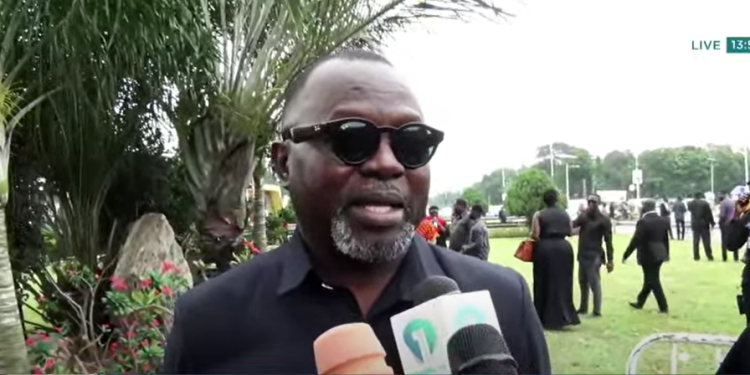
Dr. Dominic Ayine, expressed profound sorrow over the tragic loss of Defence Minister Dr. Edward Omane Boamah, Environment Minister Dr. Alhaji Ibrahim Murtala Muhammed, and six others who perished in the military helicopter crash on August 6. During a solemn flower-laying ceremony held at the Ceremonial Gardens of Jubilee House on Thursday, August 7, Dr. Ayine struggled to contain his emotions as he reflected on the impact of losing three close friends in such a devastating manner. “I picked it up on social media. I couldn’t believe it. I made some calls, and it was a shocking revelation that my three colleagues had departed. It’s extremely difficult to talk about them. I will pass for now; I don’t want to break down in front of national television again,” he shared, clearly moved by the tragedy. He continued, “It’s very difficult for me. When I tried speaking at Murtala’s place, I broke down; it’s traumatic. All three of them were very close to me; they were my very good friends. It’s extremely difficult to talk about them knowing that they have departed.” The emotional ceremony was part of a three-day national mourning period declared by the government in honor of the victims of what is regarded as one of Ghana’s darkest moments in recent memory. Among the eight individuals who lost their lives in the crash were key figures whose contributions to the nation were significant: Dr. Edward Omane Boamah, Minister for Defence, Dr. Ibrahim Murtala Muhammed, Minister for Environment, Science, Technology and Innovation, and MP for Tamale Central, Alhaji Limuna Muniru Mohammed, Acting Deputy National Security Coordinator, Dr. Samuel Sarpong, National Vice Chairman of the National Democratic Congress (NDC), Samuel Aboagye, a former parliamentary candidate, Squadron Leader Peter Bafemi Anala, Flying Officer Manin Twum-Ampadu, Sergeant Ernest Addo Mensah. The flower-laying ceremony brought together President John Dramani Mahama, Vice President Prof. Naana Jane Opoku-Agyemang, senior government officials, leadership of the ruling NDC, members of the security services, family members, and citizens. They all gathered in solidarity to honor the departed souls. As the nation grieves, the government has announced that further details regarding funeral arrangements will be communicated in due course, assuring the public that the memory of these remarkable individuals will not be forgotten in this time of sorrow. Source: Apexnewsgh.com
The Wreath-Laying Ceremony: Honoring the Fallen Heroes
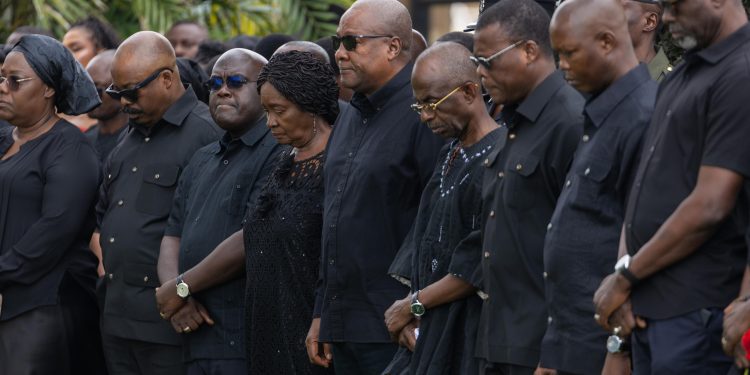
On Thursday, August 7, 2025, the serene grounds of the Ceremonial Gardens at Jubilee House became a place of solemn remembrance. The Presidency hosted a heartfelt wreath-laying ceremony in honor of the eight lives tragically lost in a military helicopter crash in the Adansi Akrofuom District of the Ashanti Region just a day prior. The nation plunged into a period of grief as the government declared a three-day national mourning in memory of those who perished, including two esteemed members of the cabinet: Defence Minister Dr. Edward Omane Boamah and Environment Minister Dr. Ibrahim Murtala Muhammed. They were not alone in their final journey, as six others, including senior military personnel and party officials, also met with this untimely fate. Draped in black, President John Dramani Mahama stood at the forefront of the gathering, flanked by Vice President Prof. Jane Naana Opoku-Agyeman and Chief of Staff Julius Debrah. The National Chairman of the National Democratic Congress (NDC), Johnson Asiedu Nketia, was present, alongside Members of the Council of State, family members, friends, government officials, security personnel, and members of the public. Each participant laid their wreath, a gesture of respect and remembrance for the fallen heroes who had dedicated their lives to serve the nation. As the day unfolded, it became clear that this tragic incident would be remembered as one of the darkest moments in Ghana’s recent history, uniting the country in sorrow. The collective grief extended beyond the government officials; it touched the hearts of many who saw these individuals not just as leaders, but as pillars of strength within their communities. Dr. Ibrahim Murtala Muhammed, alongside Dr. Omane Boamah, left a significant impact in their respective fields as they served the nation. The tragedy also took the lives of Acting Deputy National Security Coordinator Alhaji Limuna Muniru Mohammed, former parliamentary candidate Samuel Aboagye, and NDC National Vice Chairman Dr. Samuel Sarpong. The air force crew members, Squadron Leader Peter Bafemi Anala, Flying Officer Manin Twum-Ampadu, and Sergeant Ernest Addo Mensah, were also mourned by their comrades and the public alike. The national mourning period will persist until Saturday, August 9, when it will culminate in an “Evening of Reflections and Memorials” at the Forecourt of the State House, allowing all to come together in unity and reflection. In the closeness of their shared grief, the nation awaits the announcement of the state funeral and burial plans for its lost leaders. As the funeral arrangements take shape, the collective memory of those lost will not fade, but rather live on in the hearts of a nation that pauses to honor their service and sacrifice. Source: Apexnewsgh.com/Ngamegbulam Chidozie Stephen
SAD: Ghana Mourns as Helicopter Crash Claims Lives of Defense Minister and others

A somber cloud hung over the Adansi Akrofuom District on Wednesday as a Ghana Armed Forces Z-9 helicopter carrying high-ranking government officials crashed under mysterious circumstances, leaving no survivors. Among the victims were Dr. Edward Omane Boamah, the Minister for Defence, and Ibrahim Murtala Mohammed, the Minister for Environment, Science, Technology, and Innovation. Also confirmed dead were Muniru Mohammed, Acting Deputy National Security Coordinator; Samuel Aboagye, a former Parliamentary Candidate; and Samuel Sarpong, Vice Chairman of the NDC. The crew members, Squadron Leader Peter Bafemi Anala, Flying Officer Manin Twum-Ampadu, and Sergeant Ernest Addo Mensah, also perished in the tragic incident. The helicopter had taken off earlier that morning, en route to Obuasi, when it suddenly disappeared from radar. Panic set in as emergency teams scrambled to locate the missing aircraft. When rescuers arrived at the crash site, they were met with a devastating scene, twisted metal and charred remains, a grim testament to the force of the impact. Graphic images obtained by Apexnewsgh showed the wreckage engulfed in flames, though authorities have yet to release an official statement on the full extent of casualties. Swift Response, Deep Shock The Ashanti Regional Minister, *Dr. Frank Amoakohene*, was attending an anti-illegal mining event when news of the crash reached him. He immediately abandoned the program and rushed to the scene, his face etched with disbelief. In a brief announcement, the *Ghana Armed Forces* confirmed that search teams were working to assess the wreckage and determine the cause of the crash. “We have lost contact with the helicopter shortly after takeoff,” a military spokesperson stated. “Investigations are ongoing.” The tragedy comes just over a year after another military helicopter crash-landed near Bonsukrom in the Western Region on March 19, 2024. That incident, though severe, had miraculously resulted in no fatalities. As Ghana reels from this latest disaster, questions linger—what went wrong? Was it mechanical failure, human error, or something else? For now, the nation mourns, united in grief as families, colleagues, and citizens come to terms with an irreplaceable loss. Source: Apexnewsgh.com/Ngamegbulam Chidozie Stephen
Health Ministry to Host Ghana Vaccine Manufacturing Forum Focused on Sustainable Financing
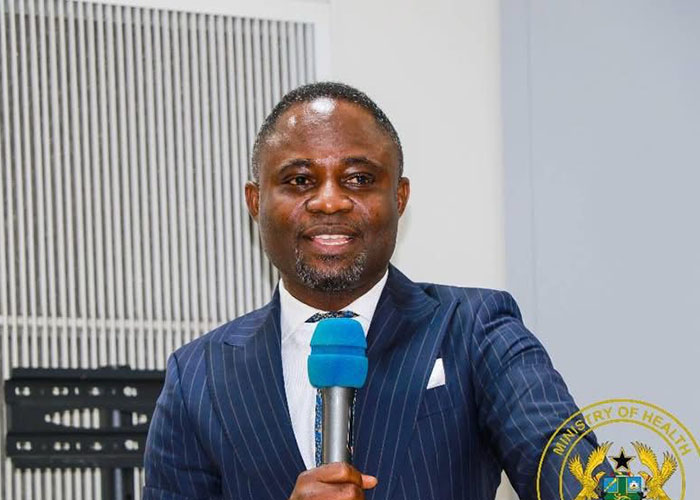
On Tuesday, August 6, 2025, the Ministry of Health, in collaboration with the National Vaccine Institute (NVI) and the Ghana Investment Promotion Centre (GIPC), will convene the Ghana Vaccine Manufacturing Forum at the Kempinski Hotel Gold Coast City in Accra. The high-profile event, themed “Mobilising Sustainable Financing to Accelerate Vaccine Development and Manufacturing in Ghana: The Role of Financing Institutions and Development Partners,” aims to unite key stakeholders from government, financial institutions, pharmaceutical companies, investors, research institutions, and development partners. In a statement released by Tony Goodman, Deputy Director and Spokesperson for the Ministry of Health, it was announced that President John Dramani Mahama will attend as the Special Guest of Honour, while the Minister for Health, Mr. Kwabena Mintah Akandoh, will serve as the Guest of Honour. This forum arrives at a crucial juncture as Ghana reassesses and aims to enhance its capacity for vaccine research, development, and production in the wake of the COVID-19 pandemic. Although the nation boasts a solid foundation in health regulation, pharmaceutical research, and local drug production, officials stress that sustainable financing remains a significant obstacle in creating a comprehensive vaccine manufacturing ecosystem. According to the Ministry of Health, an estimated US$2.5 billion is needed to establish an end-to-end vaccine production value chain in Ghana. The forthcoming forum seeks to mobilize the necessary funds through innovative financing models such as blended finance and Public-Private Partnerships. Support from international partners like GIZ and the World Bank has been pivotal in progressing the agenda. GIZ, through the PharmaVax Ghana program funded by the German Development Ministry (BMZ) and the European Union, is actively collaborating with the NVI to foster pharmaceutical self-sufficiency in the region. Additionally, local manufacturers such as Atlantic Lifesciences Ltd and DEK Vaccines Ltd have inked Memoranda of Understanding with global partners to facilitate technology transfer aimed at advancing vaccine fill-and-finish operations within the country. The forum aspires to: Facilitate dialogue among public and private stakeholders. Explore financing and policy strategies to attract long-term investments. Identify regulatory mechanisms that support vaccine development. Generate actionable proposals and partnerships to advance Ghana’s vaccine self-reliance agenda. To ensure inclusive participation, the event will adopt a hybrid format, enabling both in-person and virtual attendance. This collaborative effort underscores Ghana’s commitment to fostering a robust vaccine manufacturing sector, enhancing health security, and becoming self-reliant in vaccine production. Source: Apexnewsgh.com
Daddy Lumba’s Family Announces Funeral Arrangements for the Legendary Musician
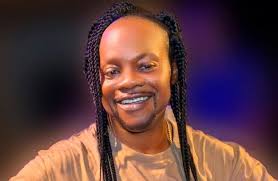
The family of the late highlife music icon, Charles Kwadwo Fosu, affectionately known as Daddy Lumba, has announced that the one-week observance of his passing will take place on Saturday, August 30, 2025, in Accra. The final funeral rites will be held in Kumasi, located in the Ashanti Region. This important announcement was made by the family head during an interview with DL FM, aimed at formally updating the public and fans about the arrangements following the musician’s death. Daddy Lumba, celebrated as one of Ghana’s most influential artists, passed away on Friday, July 26, 2025, at the Bank Hospital in Accra after a brief illness. His death reverberated across the nation and beyond, prompting an outpouring of tributes from devoted fans, fellow musicians, politicians, and cultural figures. In honor of his remarkable legacy, a candlelight vigil was held on Saturday, August 2, at Independence Square in Accra. This heartfelt gathering drew thousands of fans, friends, and music aficionados who came together to celebrate his life and contributions to music. Attendees dressed in black, lighting candles and holding placards inscribed with heartfelt messages such as “Rest in Power Lumba” and “Your Music Lives On.” The emotional evening was marked by singing along to his beloved songs and sharing cherished memories, illustrating the profound impact Daddy Lumba had on countless lives. With a career spanning over three decades and more than 30 albums to his name, Daddy Lumba solidified his place in Ghanaian music history with his distinctive voice and songwriting prowess. Some of his timeless hits include “Sika Asem,” “Biribi Gyegye Wo,” “Seese Wo,” “Sika,” “Odo Asem,” “Opono Hini Me,” “Aben Wo Ha,” and “Makra Mo.” The family has assured that details regarding the specific location for the observance in Accra, along with the complete funeral program in Kumasi, will be communicated to the public in due course. In their announcement, the family appealed to the public, fans, and well-wishers to continue supporting them during this difficult time as they prepare to give the legendary musician a worthy farewell. “The one-week observance will be held on August 30, while a date for the funeral will be communicated soon. The venue will also be shared later. We urge Ghanaians to join us in celebrating Daddy Lumba’s life and legacy,” the family head stated. Source: Apexnewsgh.com
Ghana Police Uncover Disturbing Details in GIS Officer’s Murder
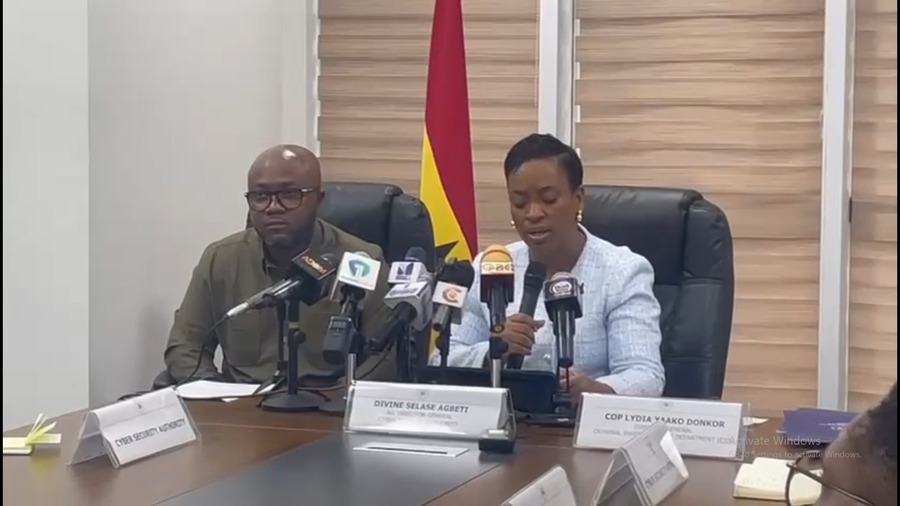
The Criminal Investigation Department (CID) of the Ghana Police Service has shed light on the shocking murder of Stephen King Amoah, a Ghana Immigration Service (GIS) officer. Amoah’s charred body was discovered on July 9, 2025, sparking widespread outrage. According to CID Director-General COP Lydia Yaako Donkor, Amoah was last seen on July 3, after leaving his residence at Ashongman Estate to meet a suspect, Bright Aweh, who had promised to repay a debt. Aweh had sent Amoah photos of cash bundles, but when Amoah failed to return home, a missing person report was filed. The police arrested Aweh on July 6, and during interrogation, he claimed to have handed Amoah GHC500,000 in cash. However, inconsistencies in his account raised suspicions. The discovery of Amoah’s burnt body near the GBC Satellite area marked a turning point in the investigation. A thorough search of Aweh’s residence revealed alarming forensic evidence, including blood stains, signs of a hasty clean-up, and freshly sprayed walls. A second crime scene nearby yielded more incriminating evidence, such as a burnt woollen carpet, blood-stained fabric, and a fufu pestle soaked in blood. Aweh’s vehicle was also impounded, bearing traces of blood. All evidence has been sent for forensic analysis, and DNA samples from Amoah’s mother and son are being used to confirm the identity of the remains. Bright Aweh has been charged with murder and is currently on remand. The police are pursuing all leads to ensure justice is served, and a special operation is underway to identify and arrest any accomplices involved in the murder. The case will continue on August 8, 2025. Source: Apexnewsgh.com