
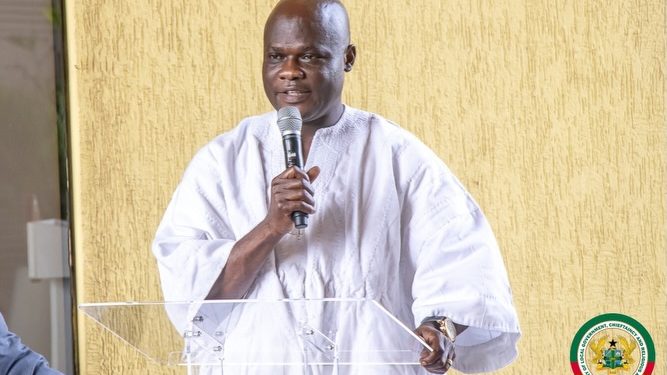

Swallowed by Drugs: Substance Abuse Among Health Workers Alarming, Says Upper East Health Director
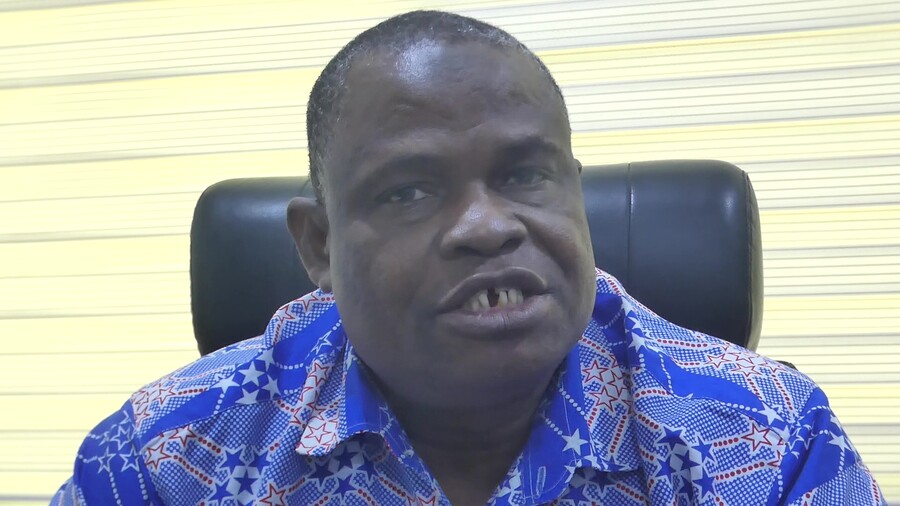
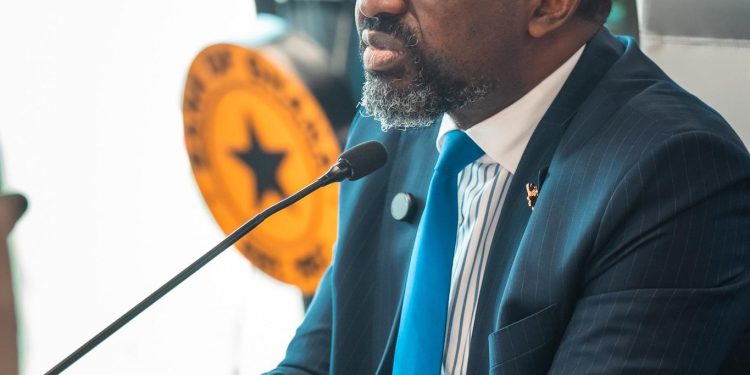
The Upper East Regional Director of the Ghana Health Service (GHS), Dr. Braimah Baba Abubakari, has expressed deep concern over the rising trend of substance abuse, not only among the youth but also within the health profession. Speaking with Ngamegbulam Chidozie Stephen of Apexnewsgh in a documentary titled “Swallowed by Drugs”, Dr. Abubakari revealed that the situation has “escalated beyond imagination” and now affects even health professionals who are expected to safeguard public health. “The issue of substance abuse is not a new thing, but what is frightening now is the age range of those involved,” he said. “We have people as young as 13 or 14 years already engaged in it. Some don’t even complete secondary school before getting hooked.” He warned that the implications for the future are dire, as early exposure often leads to lifelong dependency and social dysfunction. Equally disturbing, according to Dr. Abubakari, is the creeping trend among trainee professionals. “We now have some of our professionals who get engaged in substance use during their stay in training institutions such as nursing and teacher training colleges,” he lamented. “They eventually graduate and are assigned to work, but their addiction affects how they treat clients. This is why complaints about staff attitudes in health facilities are on the rise.” Dr. Abubakari also highlighted the alarming proliferation of drinking spots in the region, which he described as a major contributor to the crisis. “In some communities, every 50 to 100 meters, you find a drinking spot. Alcohol has become too accessible and too cheap, with as little as two cedis, you can buy a drink that gets you high,” he said. On the abuse of drugs like tramadol, Dr. Abubakari criticized the infiltration of unregulated products into the country through unapproved routes along Ghana’s borders. “Most of these drugs come from outside Africa and find their way into the Upper East through unapproved routes. That is destroying our youth,” he warned. “The Food and Drugs Authority and the security agencies must be on high alert to save the lives of the young ones.” In his final words, Dr. Abubakari appealed directly to young people, urging them to resist the lure of substances and instead focus on building their future. “The future is more enjoyable than what you think you’re experiencing now,” he said. “Addiction is not something you can save yourself from. Be courageous, be honest, and seek help. In a short time, you can get your life back on track and build a future for yourself, your children, and for Ghana.” Source: Apexnewsgh.com
Regina Daniels Takes Drug Test Amid Public Allegations

Nigerian actress Regina Daniels found herself at the centre of a media storm as rumours of substance abuse swirled around her personal life. This week, she made headlines once again, not for a new film role, but for taking a decisive step to address the allegations. In a candid Instagram video, Regina appeared at a hospital, calmly explaining her decision to her followers. “Hi guys, so I’m here at the hospital, I’m about to run my drug test,” she announced, her tone resolute. The move comes after months of mounting speculation and public drama. Nearly three months earlier, Regina’s husband, Senator Ned Nwoko, had accused her of substance abuse in the midst of their highly publicised marital rift. The dispute had first erupted in October 2025, when Regina publicly accused the senator of domestic violence, a claim he strongly denied. In counter-allegations, Nwoko stated that Regina had a history of drug misuse and claimed to possess her medical records. The saga escalated when Laila Charani, Regina’s co-wife, entered the fray by alleging that Regina had introduced her to drugs. Around the same time, a document supposedly from Serenity Royale Hospital began circulating online, listing several substances allegedly found in Regina’s system, including marijuana, morphine, opiates, cocaine, and alcohol. Serenity Royale Hospital, however, quickly distanced itself from the controversy. In an official statement, the hospital denied releasing any such report, urging the public to disregard the document and respect patient confidentiality. Regina Daniels’ public decision to take a drug test is widely viewed as a direct response to the swirling accusations and an effort to clear her name amid intense scrutiny of her marriage and personal life. Source: Apexnewsgh.com
The Upper East Region’s Battle with Maternal Mortality
In 2025, the Upper East Region of Ghana was rocked by a heartbreaking revelation. Dr. Barimah Baba Abubakari, the Regional Director of Health Services, made a sobering announcement: over 60 women had died from maternal complications in the region that year alone. This news broke during the unveiling of a new National Health Insurance Scheme (NHIS) office in Nangodi, Nabdam District. As local leaders, health professionals, and residents gathered in anticipation of better healthcare access, Dr. Abubakari’s words cast a shadow, highlighting a crisis demanding urgent attention from all corners of society. He explained that these deaths were not inevitable. Many could have been prevented if expectant mothers received timely antenatal care, skilled delivery, and proper postnatal support. Yet, the problem extended beyond the reach of medical services. Deep-rooted social and cultural practices, he noted, often hinder women from seeking the care they need. Husbands, families, and community leaders all have crucial roles in encouraging women to attend clinics, deliver in health facilities, and seek help at the first sign of complications. Dr. Abubakari also addressed a persistent challenge: a critical shortage of healthcare professionals. Of the 35 medical officers posted to the region, only six reported for duty, and just one accepted a posting to a district hospital. This left many facilities understaffed, especially in rural areas where the need was greatest. Despite these difficulties, hope was in the air. The commissioning of the NHIS office was hailed as a positive step, promising to bring health insurance services closer to the people and improve access, especially for vulnerable groups. Dr. Mark-Kurt Nawaane, Member of Parliament for Nabdam and Chair of Parliament’s Health Committee, reassured the community of his dedication to strengthening healthcare delivery. He stressed the government’s unwavering commitment to universal healthcare by 2030, aligning with the global Sustainable Development Goals. As the event concluded, stakeholders agreed that the new NHIS office could become a turning point. With collective effort, from policymakers to families, the Upper East Region could look toward a future where maternal mortality is drastically reduced, and every woman has the chance for a safe, healthy birth. Source: Apexnewsgh.com
Swallowed by Drugs: Paramount Chief Calls for Tobacco Regulation to Safeguard Youth in Upper East Region

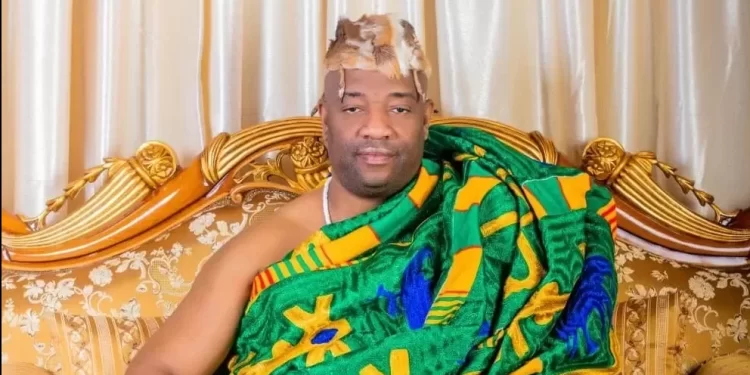
In the Upper East Region, concern is mounting over the rising tide of drug and tobacco abuse among the youth. Chiana-Pio, Pe Ditundini Adiali Ayagitam III, the Paramount Chief of the Chiana Traditional Area and President of the Regional House of Chiefs, has stepped forward to address this pressing issue, urging for stronger regulation of tobacco and enhanced community vigilance. The Chief’s impassioned appeal was featured in the recent documentary, “Swallowed by Drugs,” produced by Ngamegbulam Chidozie Stephen of Apexnewsgh. Drawing from both tradition and his deep concern for the future, Pe Ditundini Adiali Ayagitam III highlighted the urgent need to protect the youth from habits that threaten their health and prospects. “Our families, our region, and our country’s future are at stake,” he cautioned. “It is truly worrying to see young people indulging in drugs and behaviors that could ruin their lives. The youth must heed the guidance of their elders and parents, and take their education seriously.” Kindly watch the full video here: The Chief lamented the decline of communal values, recalling a time when every child belonged to the community and could be disciplined or advised by any adult. He stressed the importance of returning to these roots, where collective responsibility ensured children grew up with guidance and support. He also expressed concern over the lack of affordable rehabilitation facilities and counseling services, noting that the existing ones are often too expensive and inaccessible for many families. The Chief called on parents to be vigilant and proactive, intervening early if they notice their children associating with groups that could lead them astray. The challenge, he said, extends beyond the home. “Social gatherings have become opportunities for youth to indulge in drugs. Many traditional areas are developing bylaws to regulate event closing times and the type of music played, and these regulations are crucial.” The Chief noted that tobacco, once reserved for respectful traditional use by elders, is now being abused by youth. “In the past, tobacco was used for customary purposes, and elders knew how to use it responsibly. Today, its misuse is rampant among the young, and regulation has become necessary.” He urged authorities to increase their presence at social events, emphasizing that visible security acts as a deterrent. Organizers, he said, should always inform security services ahead of gatherings to help maintain order. Addressing the specific issue of tramadol abuse, the Chief reaffirmed the Regional House of Chiefs’ commitment to tackling drug misuse. He explained that when such issues arise, the council collaborates with district assemblies and local chiefs to assess and regulate the situation in their traditional areas. “We want the best for our children and citizens,” Pe Ditundini Adiali Ayagitam III concluded. “As much as we can, we will continue to do our best to address and regulate these matters in our communities.” Through his words, the Chiana-Pio calls for a united front, parents, elders, authorities, and the entire community, to protect the youth and ensure a healthier future for the region. Source: Apexnewsgh.com/Ngamegbulam Chidozie Stephen
Swallowed by Drugs: Endswell Pharmacy CEO Refutes Claims That Pharmacies Are Main Source of Tramadol for Youth
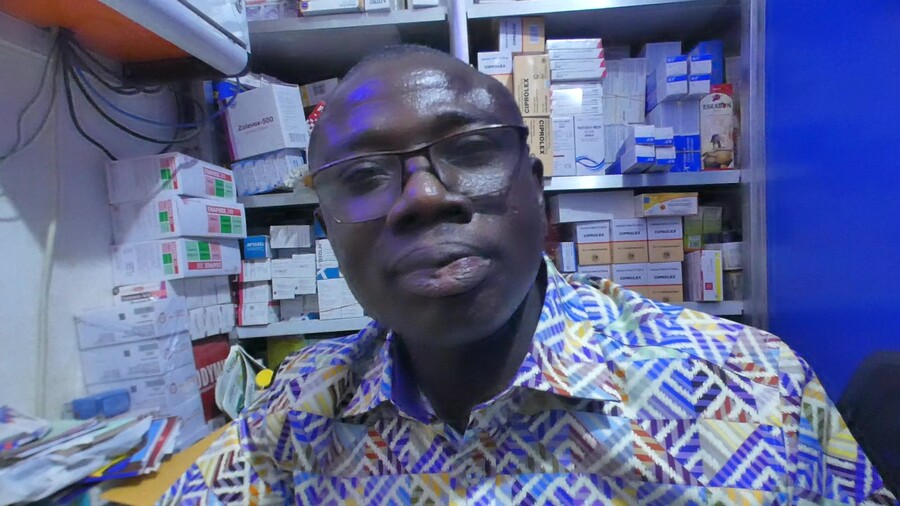
In the revealing documentary “Swallowed by Drugs,” produced by Ngamegbulam Chidozie Stephen of Apexnewsgh, Mr. Lawrence Atongo, CEO of Endswell Pharmacy Limited, provided clarity on a widely held belief regarding the accessibility of hard drugs like Tramadol and Red among the youth in the Upper East Region. Contrary to public perception, Mr. Atongo firmly denied that pharmacies are the primary source for these substances. Addressing the concerns, Mr. Atongo explained, “There is a mindset out there that some of these abusers usually troop into pharmacies to get drugs like Tramadol, but that is not true. If you actually investigate, you’ll find that most of these drugs are being distributed through street tracks and unauthorized vendors.” He pointed to the bustling lorry stations as major hotspots, describing how sellers operate openly, often displaying these drugs as casually as groundnuts or provisions for sale. Mr. Atongo highlighted that porous borders contribute to the inflow of such substances. “Certain people bring in these drugs through the borders, and once inside town, they are distributed at lorry stations and other informal areas, not pharmacies,” he emphasized. Watch the full video documentary: He was adamant that no reputable pharmacy, under the supervision of a licensed pharmacist, would dispense hard drugs like Tramadol or morphine without a valid prescription. “No pharmacist would risk their license or reputation by selling such medications without the proper documentation. The notion that pharmacies are the main source is simply unfounded,” he said. Mr. Atongo also commended the efforts of regulatory bodies, including the Food and Drugs Authority (FDA), the Pharmacy Council, and the Ghana Police, in their ongoing work to clamp down on illegal drug sales at borders and public spaces. He encouraged more frequent and rigorous operations, especially at lorry stations, drinking spots, and other informal venues where illicit drug sales are known to occur. “You’ll even find people mixing these substances into energy drinks at beer bars and joints, which is extremely dangerous,” he warned. In conclusion, Mr. Atongo estimated that about 90% of youth who abuse Tramadol and similar substances obtain them from outside legitimate pharmacy settings. He called for continued vigilance and stronger enforcement at the region’s borders and public gathering spots to stem the flow of these dangerous drugs and protect the youth from further harm. Source: Apexnewsgh.com
Shattered Dreams: Swallowed by drugs
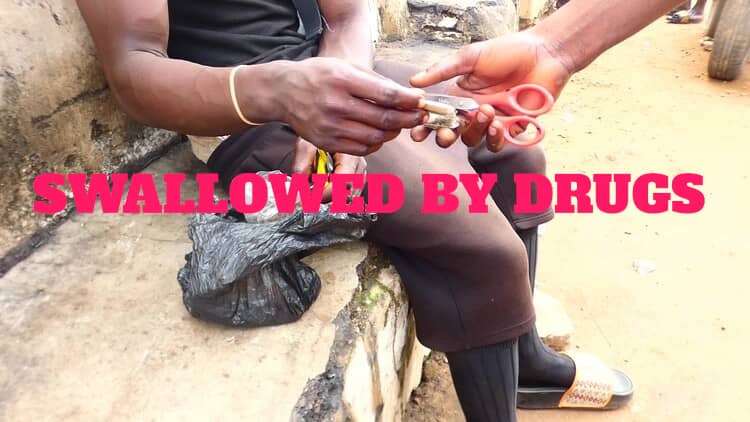
Documentary by Ngamegbulam Chidozie Stephen In the heart of Ghana’s bustling towns and quiet villages, a silent crisis unfolds. Hidden beneath the laughter, ambition, and dreams of the youth, a menace grows, one that threatens not only their futures but the very soul of communities. This is the story of how drug abuse is quietly ravaging the lives of young people, pulling them into a spiral of addiction and despair before their dreams can ever take flight. Felix was once like any other young man, full of hope, with a family that cherished him and a classroom that held the promise of a better future. But somewhere along the way, his path darkened. Drugs became his companion, and soon, he found himself wandering the streets, trading textbooks for a haze of addiction. He remembers the day it all started. “When I was in JHS3, it was when I travelled to Kumasi. That’s when I started taking it,” Felix recalls, his voice heavy with regret. “I came home, then went to school. So, that’s how I entered the job.” The “work,” as Felix calls it, is hard labor, carrying goods for others, hustling for daily survival. “If I don’t take it, I cannot work,” he admits. The drugs numb the pain, but they also sever him from his family. “Right now, I’m not close with them,” he says quietly, the weight of isolation evident in his voice. His family knows about his addiction, but not the full extent of his trauma. “Maybe they don’t know, but I don’t know if they know or not,” he confides. For Felix, every day is a battle; he needs work, but work means drugs, and drugs mean distance from those he loves. His story is one of many, a haunting echo of how quickly and quietly hope can slip away. Known to many as Hunu, he is a father, a son, and a man bearing the weight of choices he never meant to make. His story is marked by the invisible hand of peer pressure and the desperate search for belonging. “Actually, there’s a challenge. A big challenge,” Hunu admits. “I’m a student, alright. However, I cannot simply tell you that this is what happened when I entered into this. It’s all about the friends you follow. Your influence.” He speaks of how easy it is to fall in. “Someone will be there, he will not like to take it, but the moment he follows two or three people who take it, he will like to try it.” The drugs become a necessity, “The moment I wake up, I don’t take it, I will not feel alright. Not that I am sick, but I am not normal. But the moment I take it, I will get to my normal stage.” Hunu’s reflection is a stark reminder of how easily youth can be led astray, not always by malice, but by the natural desire to fit in, to be part of something, even if it leads down a dark path. At just 19, Aduko Jacqueline is already a mother of two. Her life, once filled with dreams, is now a daily struggle against addiction. She is honest about her pain, the stigma, and the longing for rescue. “If I get what I want, there will be damn smoking,” she says, her words tinged with sadness. “I’m not supposed to smoke, I’m a girl, but if I always smoke, I always stink very well. I don’t have the money to do what I want, but if I get it, I will do it. I will stop smoking.” Jacqueline’s self-awareness is heartbreaking. “As I’m sitting here, I always stink. If you only see me sitting now, without talking to anybody, I’m thinking about how to stop it. But if I don’t, it will enter me, you understand. So, unless I get someone to help me, someone behind me, so that the person will be helping me, I will increase myself so that I will stop everything and be free.” Her plea is simple: help. “I’m praying that maybe God will help me, then I will find a job.” Jacqueline’s story is a cry for support, a call to action for communities to rally around those who are struggling before they are lost. Baba, known in the ghetto as Starboy, is in his twenties but has already lived a lifetime in the shadows of addiction. His drug of choice is weed, and for him, it is not just a habit; it is a lifeline. “Weed is my life. And weed is the one that can help me with everything that I need in my life,” he shares. “If I smoke this weed… It’s really good for me. If I think of doing something bad, when I take the weed, I swear to God, I always think it’s good.” Baba’s family has long known of his addiction. “I’ve only let them understand that I’m a weed smoker. And the weeds are killing me, what I have, but what I feel happy about. Because if I smoke the weed, I feel so great.” He started young, just ten years old. Now, he says, “It gives me a lot of health. It gives me a lot of pressure, a lot of things that I can’t handle myself very well.” For Baba, the addiction is both a curse and a comfort, a chain he cannot break but one that gives him a fleeting sense of control in a world that often feels overwhelming. For Emmanuel, addiction is not just a personal battle; it is a family affair. “Well, I choose to smoke this because I can just say that it’s inside the blood of the family,” he says. “Your dad takes some. My uncle takes some. I’ve seen that taking this is normal to me.” He is a young man who should be in school or working, but instead finds himself fighting an enemy that feels almost inherited. “The smoke of the
MTN Ghana Spreads Christmas Joy to New Mothers in Upper East Region
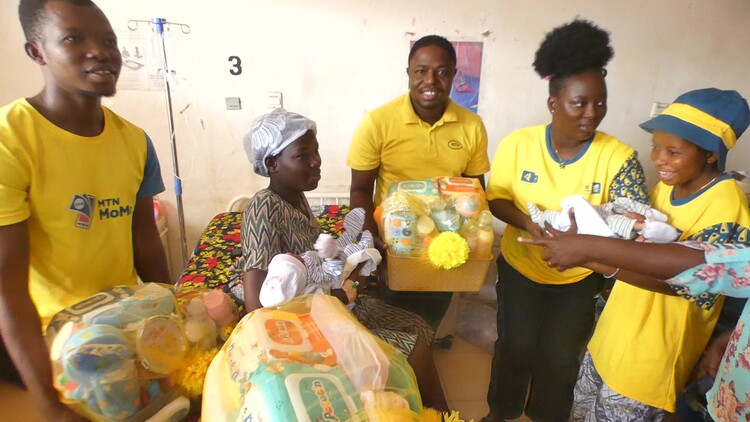
On Boxing Day, the Office of the Upper East branch of MTN Ghana, the country’s leading telecommunications provider, brought smiles to the faces of nursing mothers and their newborns at War Memorial Hospital in Navrongo Municipality and Bolgatanga Regional Hospital. In a heartwarming gesture, the company distributed assorted items, including towels, diapers, blankets, toiletries, clothing, soap, and other essential baby necessities to the mothers of 28 babies born on Christmas Day. This annual act of kindness is a cherished tradition for MTN Ghana. Every December 26th, staff don their bright MTN-branded T-shirts and visit hospitals across the country, sharing essential items with new mothers to help them care for their little ones. The initiative is part of the company’s commitment to supporting communities and making a positive impact where it matters most. Madam Anisa Abdulai, the Senior Midwifery Officer in charge at the Regional Hospital’s maternity ward, expressed her deep appreciation for the gesture. “It is always a delight to see organizations like MTN Ghana showing love and care to our mothers and babies,” she remarked, noting that among the 16 mothers at the ward, one had delivered twin boys. Madam Abdulai also took the opportunity to appeal for continued and increased support from corporate organizations. The atmosphere at the hospitals was filled with excitement as MTN staff handed out the gifts, sharing laughter and warm wishes with the mothers. For many, the gesture was not just about the items received, but a reminder that they and their children are cherished and remembered during this special season. Source: Apexnewsgh.com/Ngamegbulam Chidozie Stephen
Ghana Health Service Warns of Increased Road Accident Risks During Christmas Festivities
The Ghana Health Service (GHS) has sounded the alarm over an expected spike in road traffic accidents during the Christmas season, issuing a press release to caution the public and promote safer behaviours on the nation’s roads. Expressing concern about the rising trend of road crashes, which have led to preventable injuries and tragic losses of life, the GHS highlighted a combination of factors that typically contribute to accidents at this time of year. These include poor visibility due to the Harmattan, heavier traffic as more people travel, driver fatigue, and dangerous road user behaviours such as speeding, drunk driving, high-risk overtaking, non-use of seat belts, and the influence of drugs, alcohol, and stimulants. Non-adherence to basic traffic regulations was also cited as a major contributor. To help curb the risk, the Ghana Health Service is offering practical advice to all road users, from drivers and tricycle riders to motorcyclists, passengers, and pedestrians. Key recommendations include: Avoiding over-speeding and overtaking in unsafe or unauthorised areas Not using drugs, alcohol, or energy drinks before driving Always wearing seat belts Passengers are urged to play their part by watching out for dangerous driving, speaking up if they notice risky behaviour, consistently wearing seat belts, using designated walkways, avoiding illegal crossings, and remaining alert near roads. The GHS emphasized that road safety is a shared responsibility and called on the public to help reduce traffic accidents not just during the festive season, but throughout the year. The press release, signed by Dr. Samuel Kaba Akoriyea, Acting Director of the GHS, was issued on December 15, 2025, as a timely reminder for all Ghanaians to prioritise safety during the holidays. Source: Apexnewsgh.com
NYA’s ‘Red Means Stop’ Campaign Targets Youth in Balungu-Ganlagrum Over Substance Abuse Fueling Violence and Conflict
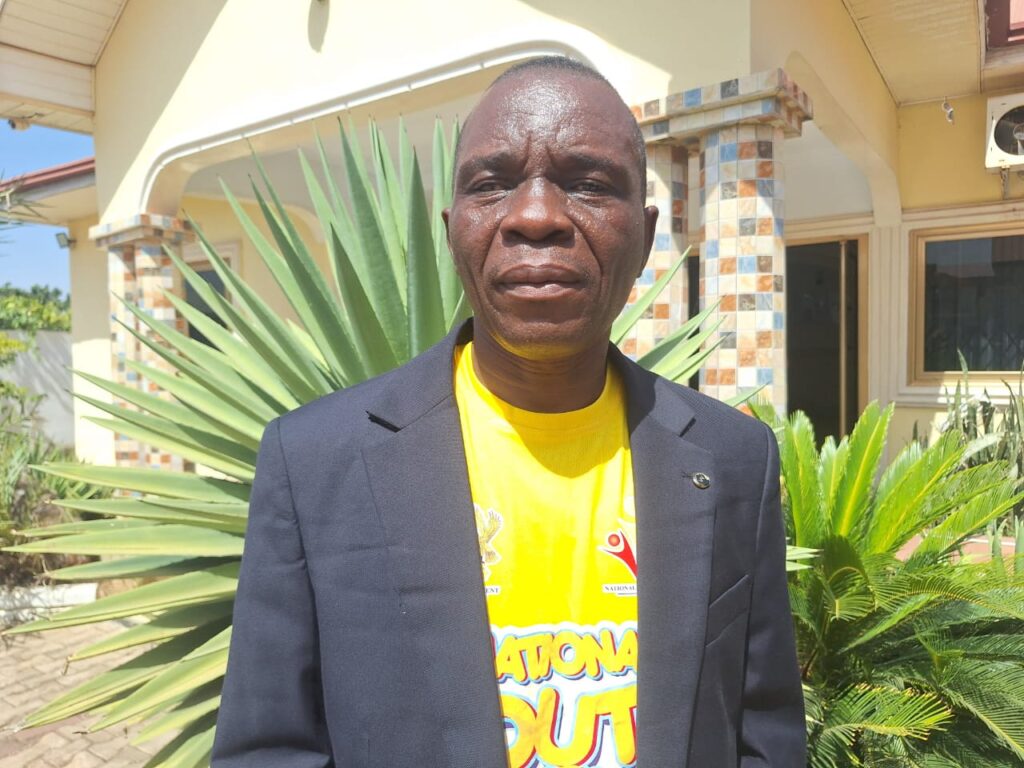
The National Youth Authority (NYA) in the Upper East Region has intensified its efforts to combat substance abuse and violent behavior among young people, recently holding a sensitization program at Balungu-Ganlagrum in the Bongo District. The initiative forms part of the nationwide Ghana Against Drugs (GAD) – “Red Means Stop” campaign, which aims to tackle the escalating issue of opioid and substance abuse, particularly among the youth. The event brought together young people, community leaders, and opinion-shapers to openly discuss the dangers of drug misuse and its strong correlation with rising violence, school dropout rates, unemployment, and community conflict. Participants were educated about the health, social, and economic consequences of substance abuse, as well as its long-term effects on families and community cohesion. Substance abuse among youth has become a growing concern in the Upper East Region, with increasing reports of opioid and illicit drug misuse, especially among unemployed and out-of-school youth. These patterns have been linked to risky behaviors, violence, declining productivity, and crime, prompting the NYA and its partners to prioritize youth sensitisation. The “Red Means Stop” campaign employs a holistic strategy, combining education, media advocacy, and grassroots community engagement to drive home the message that drug abuse leads nowhere. By engaging youth directly in their communities, the campaign empowers them with accurate information, helps them resist peer pressure, and promotes positive lifestyle choices. Speaking at the event, which also featured the donation of dual desks to Balungu-Ganlagrum D/A Primary School in the Upper East Region, Mr. Francis Takyi-Koranteng, Upper East Regional Director of the NYA, highlighted the urgency of confronting substance abuse in the region. He noted that the Upper East faces mounting challenges, including youth unemployment, migration, poverty, and exposure to illicit substances, making its young people particularly vulnerable. Mr. Takyi-Koranteng stressed that drug abuse is not only a health issue but a broader development challenge that threatens the region’s future. He warned that substance misuse is eroding the human capital needed for local development, weakening families, and undermining community safety. “The reality on the ground is clear,” he said. “When young people fall into drug abuse, it affects their education, their ability to work, and their relationships. It fuels violence, destroys dreams, and places an extra burden on families and communities that are already struggling.” He emphasized that the fight against substance abuse requires more than law enforcement. It demands continuous education, strong collaboration among institutions, traditional authorities, and parents, and targeted investment in youth development programmes. He urged young people to take responsibility for their choices, reminding them that today’s decisions will shape their future and that of the region. Source: Apexnewsgh.com/Prosper Adankai/Contributor
Unpaid Nurses and Midwives Threaten Strike Over Salary Arrears

The Coalition of Unpaid Nurses and Midwives has issued a stern warning to authorities over the prolonged delay in paying their salary arrears, cautioning that they may be forced to withdraw their services if the issue is not addressed promptly. Representing more than 6,000 nurses and midwives nationwide, the group revealed that only a handful of members have received payment for a single month. At the same time, approximately 300 personnel have not been paid at all since they assumed duty in December 2024. The coalition described the non-payment, now extending to 11 months, as a source of severe financial hardship for its members. During a press briefing held in Ejisu, Ashanti Region, on Monday, December 15, 2025, coalition leaders accused authorities of insincerity in handling the matter. They noted that the Ministry of Health had earlier promised a structured payment roadmap following the clearance of November salaries, a promise that, according to the group, remains unfulfilled. The coalition called on the government to act swiftly and settle all outstanding entitlements without further delay. They warned that continued inaction could trigger industrial action, a step that would significantly disrupt healthcare delivery across the country if urgent measures are not taken. Source: Apexnewsgh.com