
President Mahama Applauded by African Leaders for Championing Health Sovereignty Summit
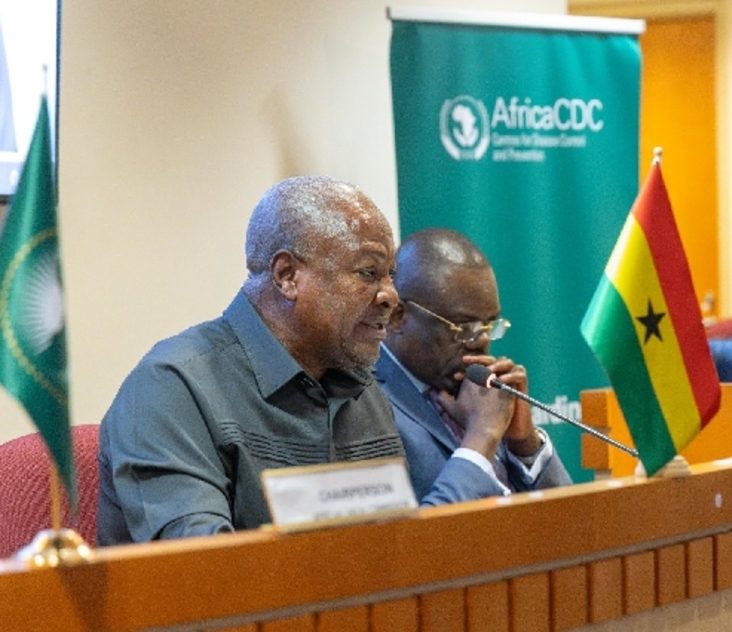
Ghana’s President John Dramani Mahama has won unanimous acclaim from African Heads of State during the 80th United Nations General Assembly (UNGA) for spearheading the landmark Africa Health Sovereignty Summit held in Accra this August. The summit, hailed as a pivotal moment for Africa’s future, reinvigorated discussions on the continent’s journey toward health self-sufficiency and resilience. Leaders at the UNGA noted that the summit could not have come at a more critical time. With international healthcare funding shrinking, highlighted by the United States’ announcement of an £8 billion reduction in overseas assistance, the urgency for Africa to pursue its own solutions has never been greater. In a special meeting of the Committee of Heads of State and Government of the Africa Centres for Disease Control and Prevention (Africa CDC), attended by the Director-General of the World Health Organisation (WHO), leaders adopted an ambitious roadmap. Central to their plan is the creation of regional drug manufacturing hubs to produce 60% of Africa’s pharmaceutical needs by 2040. This initiative is expected to drive down drug costs and generate thousands of jobs across the continent. President Mahama detailed Ghana’s concrete steps toward health sovereignty, including removing the cap on the National Health Insurance Scheme (NHIS) to broaden healthcare access, and the upcoming ‘Big Push’ initiative, which will channel substantial new investments into the health sector starting next year. “The Accra Reset is driving Africa forward,” Mahama affirmed, reiterating his vision of an Africa where nations hold the reins of their own healthcare destinies. Source: Apexnewsgh.com
Catholic Bishops Warn Galamsey Is a ‘Cancer in Our National Soul,’ Call for Urgent Action
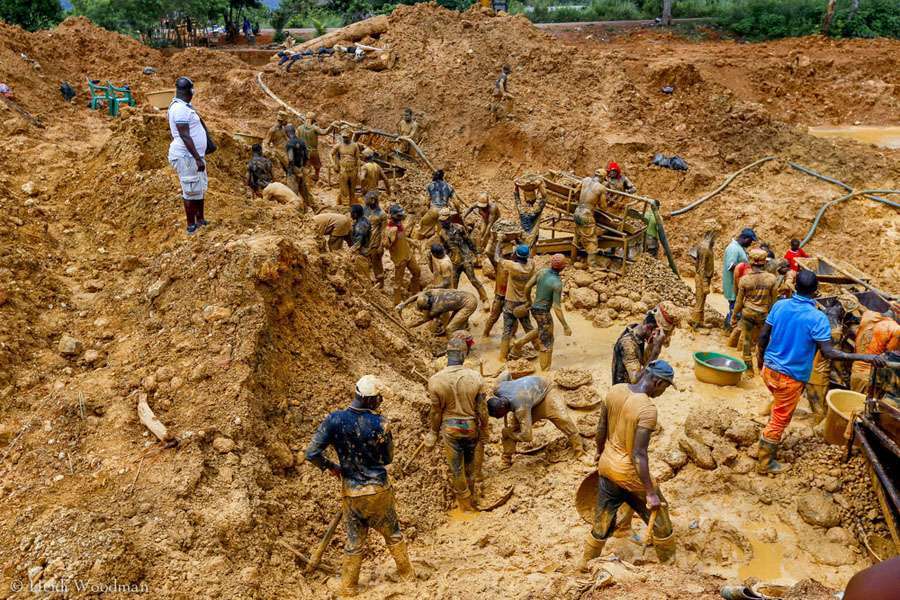
The Ghana Catholic Bishops’ Conference (GCBC) has sounded a grave warning about the devastating impact of illegal mining, known locally as galamsey, describing it as a “cancer in our national soul” that is eating deep into the fabric of the nation. In a strongly worded statement signed by its President, Most Rev. Matthew Kwasi Gyamfi, the Bishops painted a dire picture of the destruction caused by galamsey, noting that rivers, forests, farmlands, and even the country’s moral fibre are being steadily eroded. They highlighted the contamination of once-pristine rivers such as the Pra, Ankobra, Birim, Offin, and Ayensu, now heavily polluted with mercury and toxic effluents. The Ghana Water Company, they noted, now struggles to make water even barely potable, with turbidity levels in the Ayensu River reaching an alarming 32,000 NTU—vastly above the company’s maximum treatment capacity of 2,500 NTU. The Bishops warned that the consequences of galamsey extend far beyond environmental damage. Millions of Ghanaians are at risk as toxins enter the food chain, causing cancers, skin diseases, kidney failure, and neurological disorders. They also lamented the human toll, with children abandoning their education for dangerous mining pits, often dying in preventable accidents while chasing illusory quick riches. The GCBC further pointed out that galamsey undermines governance, fuels lawlessness, and deepens violent conflict in mining areas. They called for urgent and extraordinary interventions, declaring the situation a national emergency that cannot be addressed with “half-hearted measures.” Source: Apexnewsgh.com
The Ashanti Region: Ghana’s Deadliest Roads Claim Over 3,000 Lives in Five Years
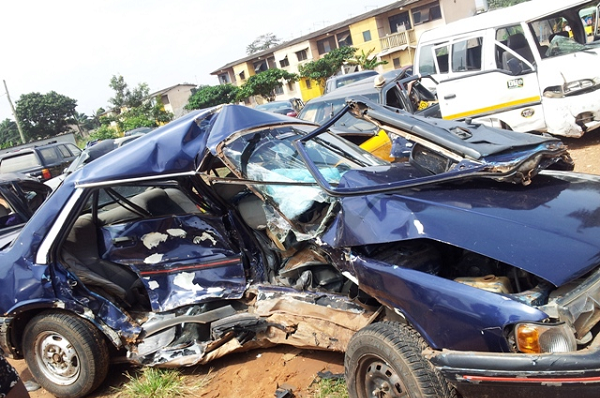
The Ashanti Region has earned a grim reputation as home to Ghana’s deadliest roads, with a staggering 3,131 lives lost to road crashes over the past five years and seven months. According to the National Road Safety Authority, between January 2020 and December 2024, the region recorded 2,831 deaths from road accidents. The situation worsened in 2025, as 441 more people lost their lives between January and July alone. This recent toll represents 25 percent of the national road fatalities, making Ashanti not only the region with the highest number of deaths but also the highest number of injuries. These alarming statistics came to light during the second road safety journalism training, organised by the Legal Resources Centre (LRC) in partnership with Vital Strategies (VS). The training, which focused on speed management and helmet standards, is part of a broader project aimed at supporting advocacy for new road traffic legislation and improved motorcycle helmet standards in Ghana. Kwasi Agyemang Boateng, the Regional Road Safety Director, described the region’s road safety situation as “deadly” in an interview with Kumasi FM’s Elisha Adarkwah. He stressed the urgent need for intensified road safety education and stricter enforcement within the transport system. Boateng highlighted poor road infrastructure, driver behaviour, and traffic violations as major contributors to the crisis, urging for engineering solutions to address these challenges. Enock Jengre, a Programme Officer at the LRC, explained that the training was designed to empower journalists and news editors to use their platforms to promote road safety and help reduce crashes, injuries, and fatalities. While accurate reporting on road accidents is important, Ms Mavis Obeng Mensah, Communications Director at the Blomberge Philanthropic Initiative for Global Road Safety Ghana (BIGRS), encouraged journalists to adopt solutions journalism and focus on ways to address the underlying issues of road safety in Ghana. Source: Apexnewsgh.com
Ministry of Health Calls for Proposals to Supply Dialysis Machines Nationwide
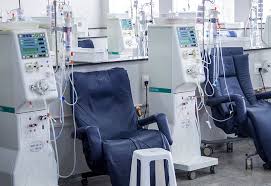
The Ministry of Health (MoH) has issued a public call for proposals from qualified suppliers, vendors, and organisations to supply and install dialysis machines in selected hospitals nationwide. This initiative is designed to strengthen the country’s ability to provide life-saving treatment for patients with kidney conditions, addressing a critical gap in healthcare delivery. According to the Ministry, interested and eligible entities must submit detailed proposals that specify the technical features of the dialysis machines on offer, provide evidence of experience and expertise in the supply and installation of similar medical equipment, and present comprehensive after-sales service and maintenance plans. Each proposal should also include a clear timeline for delivery and a thorough cost breakdown. The Ministry of Health has clarified that this latest announcement supersedes all previous notices related to the procurement of dialysis machines. The submission deadline for proposals is September 9, 2025. All proposals should be addressed to: The Chief Director, Ministry of Health, Sekou Toure Avenue, North Ridge P.O. Box M 44, Accra, Ghana For additional clarification, interested parties are encouraged to reach out to the Head of Public Relations at the Ministry. The Ministry of Health urges all qualified suppliers and organisations to take part in this vital procurement process, which is expected to make a significant impact on the availability and quality of dialysis treatment for patients across the country. Source: Apexnewsghcom
Stigma and Sacrifice: The Untold Story of a Mortuary Attendant’s Journey
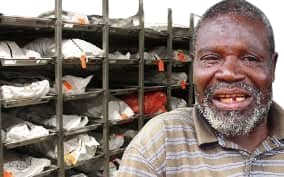
In many African societies, there’s an unspoken truth about mortuary attendants. They’re often shunned and stigmatized, their work viewed as taboo or unpleasant. This is the reality faced by Mr. Alhassan Azaah, a retired mortuary attendant who dedicated 20 years of his life to serving his community, region, and country. Despite his tireless efforts and genuine love for his work, Mr. Alhassan faced societal stigma. People perceived him as being exposed to something “unclean” or “unpleasant” simply because he worked with deceased individuals. This perception overshadowed his dedication and the invaluable service he provided to those in need. One would expect a man with Mr. Alhassan’s gift and strength to be celebrated and appreciated. However, his love and sacrifice for the people he served ultimately led to his stigmatization. His story highlights the challenges faced by mortuary attendants in many African societies, where their work is often misunderstood and underappreciated. Mr. Alhassan’s career as a mortuary attendant was marked by his compassion, strength, and dedication. He worked tirelessly to ensure that deceased individuals were handled with dignity and respect. His work was not just a job, but a calling that he answered with love and commitment. Despite the challenges he faced, Mr. Alhassan remained steadfast in his commitment to his work. He understood the importance of his role in supporting families and communities during difficult times. His story serves as a reminder of the need to appreciate and recognize the contributions of mortuary attendants, who often work behind the scenes to ensure that deceased individuals are treated with dignity and respect. A recent engagement between multiple award-winning journalists, Mr. Ngamegbulam Chidozie Stephen of Apexnewsgh and retired mortuary attendant Mr. Alhassan Zaah has shed light on the mysterious and often misunderstood world of mortuary work. Through their conversation, Mr. Alhassan shared some of his most profound experiences, revealing the good, the bad, and the ugly aspects of his profession. One of the most striking aspects of Mr. Alhassan’s story was his claim that he would often receive mysterious knocks on his door, signaling that someone in the hospital was nearing their end. These knocks were not just ordinary knocks; they were a harbinger of death, a sign that a life was about to slip away. “I’d get these knocks on my door in the middle of the night,” Mr. Alhassan recounted, his voice low and measured. “I’d open the door, and there would be no one there. But within minutes, the hospital would call, summoning me to the OPD or maternity ward.” Mr. Alhassan’s experiences were both fascinating and terrifying. He would often find himself drawn into a world beyond the living, a world where death was a constant presence. His story is a testament to the unseen forces that shape our lives and the mysterious ways in which we experience the world around us. This phenomenon has sparked debates about the supernatural and its connection to the spiritual realm. Some believe that knocking sounds can be a sign from the universe, a message from departed loved ones, or even a warning of impending danger. For Mr. Alhassan, the knock in the dead of night wasn’t a mystery; it was a grim omen, a fleeting visit from a soul moments from its end, delivering a silent summons only he could understand. Despite the initial shock, Mr. Alhassan had grown accustomed to this strange occurrence, and his experiences had become a topic of discussion among those who knew him. Mr. Alhassan’s tenure as a mortuary attendant at the Upper East Regional Hospital was a testament to his unwavering dedication and hard work. Despite the challenges he faced, he consistently demonstrated a remarkable commitment to his duties. Without any means of transportation to convey dead bodies, Mr. Alhassan had to rely on his own stretcher to often transport the deceased from the hospital to the mortuary. He would frequently manage up to 20 dead bodies per night, single-handedly, without any assistance. His resourcefulness and determination enabled him to develop creative ways to handle the bodies, including using a gauze to tie the legs of larger individuals. Mr. Alhassan’s experiences were not without challenges. He often had to use his hands and a supporter to carry the stretchers, and at times, people would even sit on top of the stretcher. Despite the difficulties, he persevered, driven by his commitment to his work. “I worked like a donkey, because i can work on 20 bodies alone without anyone assisting me,” He stressed As Mr. Alhassan reflected on his experiences, he noted that people’s reactions to him varied. Some appreciated his work and showed him kindness, offering him drinks and other gestures of goodwill. However, others didn’t take kindly to him, perhaps due to the nature of his work. Mr. Alhassan’s compassion and dedication to helping others were evident in his work. He had a special place in his heart for families dealing with death or sickness, and he approached these situations with the utmost care and respect. For him, assisting the deceased was not just a task, but a sacred duty. He believed that when God calls someone home, it’s his responsibility to serve that person well, ensuring they receive the dignity and care they deserve. This conviction drove him to treat dead bodies with the utmost respect, handling them with care and compassion. Similarly, when it came to the sick, Mr. Alhassan couldn’t bear the thought of turning a blind eye. He felt an overwhelming urge to help those in need, whether it was offering support, providing comfort, or simply being present. His kindness and empathy knew no bounds, and he poured his heart into every interaction. Mr. revealed that in 2019, despite his dedication and hard work, he faced sabotage from hospital officials who, he said, unexpectedly removed him from his position and replaced him with someone else. Mr. Alhassan was then assigned to a new role – sweeping the hospital floors. Though this new task was far removed from his previous
Ministry of Health Postpones Centralised Nursing and Midwifery Exams to September 2025

The Ministry of Health has officially announced the postponement of the Centralised Nursing and Midwifery Licensing Examinations, now scheduled for September 4, 2025. The decision comes after a consultative meeting involving the Minister for Health, the Nursing and Midwifery Council (NMC), and the Conference of Heads of Health Training Institutions (COHHETI). In a significant departure from earlier plans, the Ministry revealed that the examinations will now take place within the respective training institutions, returning to a previous arrangement. According to the Ministry, this approach will ensure smoother participation for candidates and allow the NMC to supervise the process more closely. Health Minister Hon. Kwabena Mintah Akandoh explained that the move was aimed at minimising the risks and challenges associated with students traveling long distances to centralised exam centres. He emphasised that it was not appropriate for candidates to cross regions for the exams and assured that the Ministry would provide all necessary logistics to guarantee a seamless examination process. A revised timetable and detailed guidelines are expected to be released soon by the NMC. The Ministry extended its appreciation to all candidates, training institutions, and stakeholders for their cooperation and understanding during this transition. The announcement was made in a statement signed by Tony Goodman, Deputy Director and Spokesperson at the Ministry of Health. Source: Apexnewsgh.com
Ministry of Health Condemns Attack on Health Professionals at Ridge Hospital

The Ministry of Health has issued a stern condemnation following an incident at the Greater Accra Regional Hospital (Ridge), where health professionals were attacked during an emergency situation. Describing the altercation as an act of aggression that endangers both healthcare providers and patients, the Ministry emphasized the unacceptable nature of such behavior and its impact on the delivery of critical medical services. The incident came to light after a video circulated showing relatives of a patient and some health workers embroiled in a heated exchange at the hospital’s emergency department. In a statement signed by Ministry spokesperson Tony Goodman on Monday, August 18, 2025, the Ministry called the assault on health workers at the emergency department “unacceptable and compromising to the delivery of critical healthcare services.” In response, the Ministry has announced immediate steps to enhance safety for both staff and patients. Security at Ridge Hospital will be tightened, and investigations have been launched into the circumstances that led to the reported delay in care. Minister of Health, Hon. Kwabena Mintah Akandoh, personally visited the hospital to reassure management and staff of the Ministry’s unwavering support and commitment to their protection. The Ministry’s statement also urged the public to demonstrate patience, cooperation, and mutual respect, stressing that these values are essential for health professionals to provide timely and effective care. Source: Apexnewsgh.com
Ghana’s Ongoing Battle with Mpox: 18 New Cases Recorded

The Ghana Health Service (GHS) reported 18 new cases of Mpox, which raises the total number of confirmed infections in the country to 346. Despite the rise in cases, the death toll remains steady at one, with no new fatalities and no patients currently requiring hospitalization. The GHS, in its last briefing on August 7, 2025, emphasized the importance of public vigilance. They urged citizens to avoid close contact with anyone displaying symptoms of the virus and to promptly report any suspected cases to the nearest health facility. To tackle the spread of Mpox effectively, the Service is collaborating closely with its regional directorates. Together, they are actively tracing contacts and coordinating a national response to manage the situation and protect public health. As the nation grapples with this outbreak, the call for community awareness and proactive measures remains stronger than ever. Source: Apexnewsgh.com
Remembering Our Fallen Comrades: A Message of Condolence from David Asanga

David Asanga, the former Communication Officer of the NDC Bongo Constituency, has shared his profound sorrow and condolences. The news of their untimely deaths struck a deep chord, leaving a void that resonates within the hearts of many. In his moving message, Asanga expressed, “It is with utmost shock and pain that I learn of the sad demise of our beloved compatriots. Their dedication while on duty exemplified the spirit of service to our nation.” He extended his deepest sympathies to His Excellency John Dramani Mahama, the entire Flagstaff House, and the wider NDC family, acknowledging the shared grief felt by all. Asanga paid special homage to a personal hero, stating, “Crd. Murtala was my role model, a figure whose principles guided me in my political journey.” He implored the fallen heroes to rest in peace, promising that their memory would endure until the day they were reunited. In this time of mourning, his words serve as a reminder of the sacrifices made in the name of duty and love for country. Source: Apexnewsgh.com
Nabdam Traditional Council Honors Fallen Heroes in Heartfelt Tribute
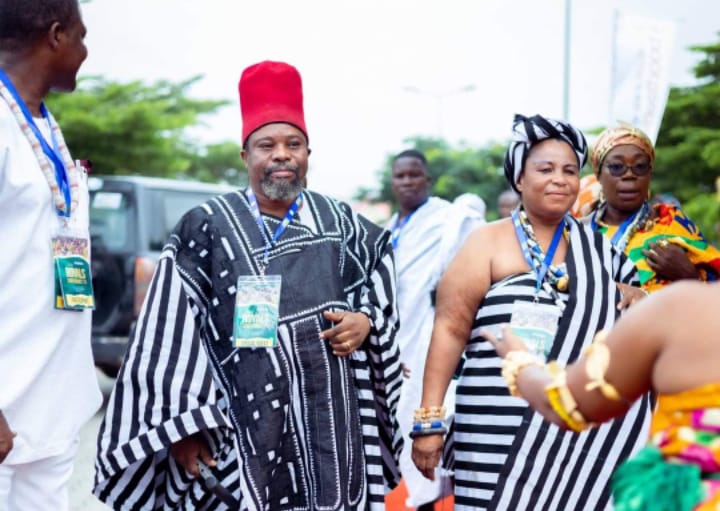
With heavy hearts, the Nabdam Traditional Council has solemnly paid tribute to eight distinguished sons of the land,four dedicated politicians and four valiant military officers, who tragically lost their lives in a recent helicopter crash. These men were not mere passengers; they were statesmen and servicemen, patriots united by a common calling to serve Ghana with honor, dignity, and devotion. The politicians were visionaries, tasked with carrying the hopes and aspirations of their communities, while the military officers exemplified courage and fidelity, upholding the oath they swore to protect and serve the nation. In a poignant tribute, the Council reflected on how these individuals embodied the enduring values of leadership, sacrifice, and national unity. “Together, they represented the best of us, demonstrating unwavering commitment to their country and its people,” a spokesperson for the Council stated. The sudden loss of these remarkable figures is felt deeply, not only by their families and institutions but by the entire nation. Despite the grief that envelops the Council and the communities they served, their legacy of courage and selfless service provides a source of strength. “Even in our sorrow, we find solace in the noble contributions they made to our society,” the statement read. In this time of mourning, the Nabdam Traditional Council extends heartfelt condolences to the bereaved families, expressing solidarity during this difficult period. “We mourn with you and pray that the Almighty grants you comfort and strength as you navigate this profound loss,” they affirmed. As custodians of tradition and identity, the Council pledged to honor the memory of the fallen heroes, praying that their noble souls find eternal rest. In doing so, they reaffirm their commitment to uphold the values that these men represented, ensuring that their sacrifices are never forgotten. Source: Apexnewsgh.com