
Mediterranean’s Dark Catch: Climate Change and Lax Oversight Enable IUU Fishing
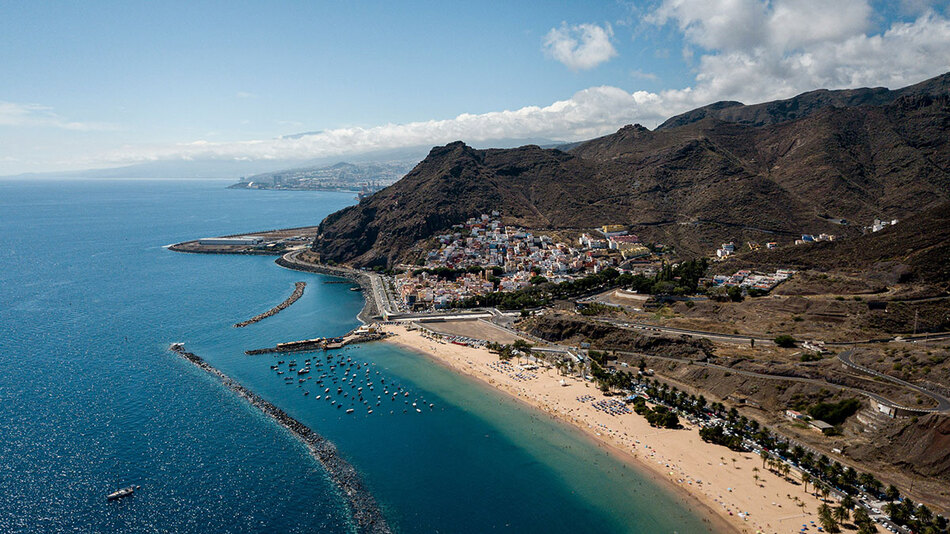
Illegal fishing continues to infiltrate European markets, driven by weak import controls, opaque ownership structures, and loopholes in port inspections. A recent study commissioned by Oceana reveals that the EU’s long-distance fleet is more than twice as large as officially reported when foreign-flagged vessels owned by EU companies are included. But experts warn that climate change is compounding the problem, creating new pressures on fish stocks and pushing illegal operators deeper into the shadows. Warming seas and shifting fish populations are making once-abundant species harder to find in traditional fishing grounds. This fuels competition, driving some operators to cut corners or deliberately bypass rules. “Climate change reduces availability in certain areas, and when demand stays high, illegal fishing fills the gap,” said one investigator. Weakened stocks also make it easier for fishers to launder catches. When species decline due to warming waters, it becomes harder for authorities to distinguish between legally caught and illegally sourced fish, especially when imports rely on paper-based catch certificates that are easy to forge. At major landing sites, like Palermo in Italy, investigators uncovered networks of intermediaries and “fishlanders” mixing illegal and legal catches. “It’s like a fish laundry, once mixed, you cannot tell which fish is legal and which is not,” one source explained. Transforming and processing plants add another layer of opacity, where forged certificates enable illegally caught fish to be exported to the EU undetected. Industrial vessels are supposed to carry AIS satellite trackers, but many disappear from platforms such as MarineTraffic or Global Fishing Watch. Climate-driven changes in fish distribution mean fleets travel further and stay at sea longer, sometimes transferring catches to container ships offshore to avoid scrutiny. Meanwhile, powerful artisanal vessels, such as those seen in Tunisia, remain invisible to tracking systems despite operating with industrial-scale engines. Ownership remains one of the weakest points of oversight. Many vessels are linked to shell companies in tax havens, making accountability nearly impossible. In Malta, authorities uncovered a “company” that turned out to be little more than a postbox, shielding Russian owners behind layers of intermediaries. A global review of 19,000 large vessels found that 62% had no ownership records in leading databases. Spain, France, China, and Taiwan, all major fleets, were among the worst performers. The EU’s footprint is even larger than reported: more than 344 EU-owned vessels are flagged in 43 non-EU countries, from Panama to Senegal. Spain, the Netherlands, and Italy dominate these offshore registrations. In some cases, one in four vessels is flagged to countries with poor fisheries governance, flagged as tax havens, or already warned by the EU. This undermines both EU rules and global fisheries agreements. As rising sea temperatures and acidification drive species into new waters, weak governance and opaque ownership will continue to enable illegal actors to profit. Without strong digital certification systems, transparent ownership registries, and stricter port inspections, climate change will only widen the gap between demand and legal supply. “If we don’t know who owns the vessels, where the fish really comes from, or how it gets to our plates, illegal fishing will continue to thrive, and climate change makes the problem even worse.” Source: Apexnewsgh.com Email: apexnewsgh@gmail.com
Weak Controls and Hidden Owners: How Illegal Fishing Slips Into EU Markets
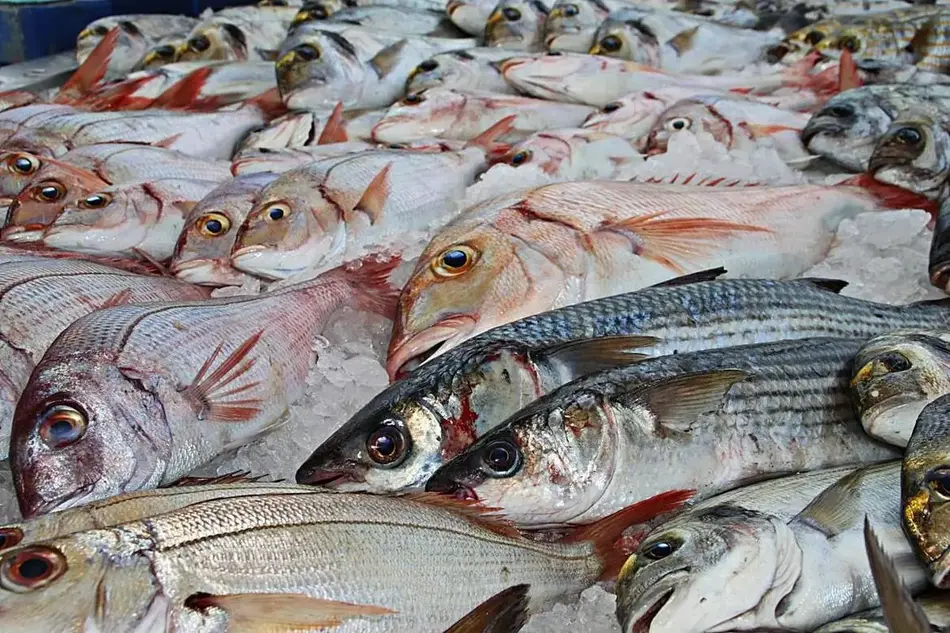
A lack of transparency, weak import controls, and complex ownership structures are enabling illegal fishing to flourish in Europe’s seafood supply chain, a new study commissioned by Oceana has revealed. The research shows that the EU’s long-distance fishing fleet is more than twice as large as officially documented when foreign-flagged vessels owned by EU companies are included. This raises red flags about how much illegal or unreported seafood may be slipping into European markets. Investigators describe landing sites as hotspots for illegal activity. In Palermo, Italy, one journalist discovered that intermediaries and “fishlanders” act as powerful brokers, mixing legally caught fish with illegal catches. “It’s like a fish laundry, what is legal and what is illegal can be mixed until it’s impossible to tell the difference.” Catch certificates, which are still largely paper-based, are another weak link. Forged documents allow illegally caught fish to be exported into the EU with ease. While industrial vessels are supposed to be tracked by satellite systems like AIS, many disappear from monitoring platforms such as MarineTraffic or Global Fishing Watch. Investigators say some fleets deliberately disable or avoid tracking to hide illicit activities. “When vessels vanish from the map, it’s not always a technical error, sometimes it’s a deliberate act to conceal illegal fishing.” Small but powerful artisanal vessels, especially in Tunisia, further complicate surveillance. Despite their size, they carry industrial-scale engines and hauls, but remain invisible to tracking systems. Tracing vessel ownership is another challenge. Many operators use shell companies and front businesses in tax havens to disguise the real beneficiaries. A case in Malta revealed a “company” that turned out to be nothing more than a post box, hiding Russian owners behind a network of intermediaries. “Illegal fishers know how to exploit weak governance; they change flags, change names, and hide behind paper companies.” A recent global study of 19,000 large-scale vessels found that 62% had no ownership information available in top maritime databases. Spain, France, China, and Taiwan — some of the largest fleets — had particularly poor transparency records. Within Europe, the study revealed that more than 344 EU-owned vessels are flagged outside the bloc, in countries ranging from Argentina to Panama. This means the EU’s actual long-distance fleet is nearly double its official size. Alarmingly, one in four of these vessels are registered under flags of convenience, tax havens, or countries already warned by the EU for weak fisheries controls. Spain, the Netherlands, and Italy top the list of countries owning foreign-flagged vessels, with Spain alone effectively operating 427 vessels, twice its official count. These loopholes undermine both EU and global efforts to combat illegal fishing. Not only do they allow illegal fish to enter European markets, but they also strip coastal states of fair revenues and erode trust in fisheries management. “Without transparency, EU consumers risk eating fish caught illegally, while profits flow to hidden owners abroad.” Experts argue that EU member states must start requiring companies and citizens to register ownership of foreign-flagged vessels and make this data public. Stronger digital systems for catch certificates, tighter port inspections, and international cooperation are also urgently needed. “If we don’t know who owns the vessels, where the fish really comes from, or how it gets to our plates, illegal fishing will continue to thrive in the shadows.” Source: Apexnewsgh.com Email: apexnewsgh@gmail.com
Burkina Faso’s parliament votes to outlaw homosexual acts
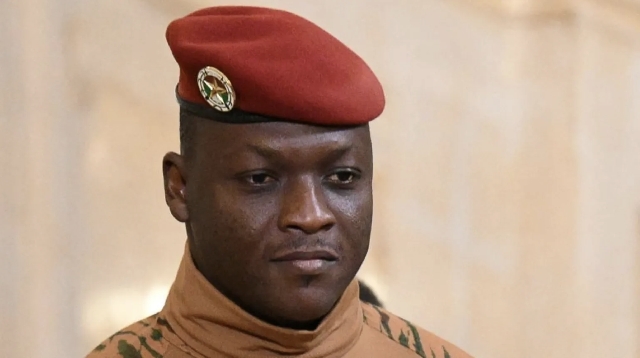
Burkina Faso’s unelected transitional parliament has passed a bill banning homosexual acts, a little over a year after a draft of an amended family code that criminalised homosexuality was adopted by the country’s cabinet. The new measure unanimously voted through on Monday imposes punishments of up to five years in jail, and has become part of a broader crackdown on same-sex relationships across the continent. Justice Minister Edasso Rodrigue Bayala announced on state-run media that, “the law provides for a prison sentence of between two and five years as well as fines”. He added that foreign nationals caught breaking the law would also be deported. The next step for the legislation is obtaining the signature of the country’s military leader Capt Ibrahim Traoré, the Reuters news agency reports. Capt Traoré seized power in 2022, after forcing another military ruler, Lt Col Paul-Henri Damiba, from office. The Sahel nation had previously been among just 22 out of 54 African countries that allowed same-sex relations, which are punishable by death or lengthy prison terms in some states. After gaining independence from France in 1960, Burkina Faso did not inherit anti-homosexuality laws unlike Britain’s former colonies on the continent. The country is socially conservative and religious with less than 10% of people thought to not follow any faith at all. Burkina Faso’s new law is in keeping with increasing crackdowns on LGBT relationships across the continent. Last year, neighbouring Mali, an ally of Burkina Faso and also ruled by a junta, adopted legislation criminalising homosexuality. There has been significant backlash and criticism against countries that have toughened their anti-gay stance in recent years, including from the World Bank that had put in place a ban on loaning money to Uganda due to their anti-LGBT stance. The ban has since been lifted. Nigeria is also among the countries on the continent that have enacted laws banning homosexuality. Ghana’s parliament passed an anti-homosexuality bill last year, but the then-president did not sign it into law. Of all the countries, Uganda adopted the toughest provisions, making what it describes as “aggravated homosexuality” a capital offense and imposing life sentences for consensual same-sex relations. Source: bbc.com
Zelensky leaves White House unscathed as he buys more time
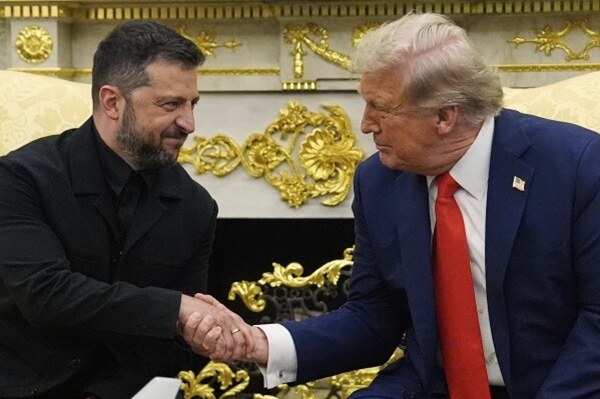
The optics could not have been more different this time. Unlike the shockingly ill-tempered previous meeting in February, US President Donald Trump and Ukraine’s President Volodymyr Zelensky seemed determined not to look confrontational – despite their remaining differences. Zelensky wore a collared suit (although not of the classical variety), and Trump complimented his attire. The Ukrainian president also repeatedly said “thank you”, which must have pleased his host, too. At his opening appearance in the Oval Office, Zelensky spoke little – or maybe he was not keen to, fearing that what he had to say was different from what Trump wanted to hear. Differences showed later, when the US and Ukrainian presidents appeared before journalists together with European leaders. German Chancellor Friedrich Merz and French President Emmanuel Macron both said a ceasefire in Ukraine should be the next step, even though Trump had argued that it was not necessary before a more permanent solution is found. Zelensky remained conspicuously quiet on the issue. What we heard from the leaders suggests that their discussions behind closed doors focused on security guarantees for Ukraine and prospects for a meeting between Zelensky and Putin. No details were revealed about what guarantees were discussed, or how being face-to-face in the same room with Putin will help end the war.But following the day of talks, Zelensky described security guarantees as a necessary “starting point for ending war”. At an earlier news conference outside the White House, he said security guarantees could include a $90bn (£67bn) deal between Kyiv and Washington to acquire US weapons, including aviation systems, anti-missile systems and other weapons he declined to disclose. Zelensky also said the US would purchase Ukrainian drones, which would help boost domestic production of the unmanned aircraft. Though no formal agreement has been reached, Zelensky said a deal could be worked out over the next 10 days. The Ukrainian leader, however, was more willing to talk about his possible meeting with Putin, telling reporters he was ready to meet directly with his Russian counterpart, and if Moscow agreed, Trump could join the negotiations. Putin has so far resisted a direct meeting with Zelensky. “Ukraine will never stop on the way to peace,” he told reporters, adding that no date had been set. One issue the leaders seemed reluctant to bring up before the media were possible territorial concessions by Ukraine. Zelensky also mentioned how he showed his US counterpart a map of Ukraine, stressing that Russia has managed to occupy less than 1% of the Ukrainian territory in the last 1,000 days. This was news to the White House, he said. And it helped swing Trump’s mood, apparently. “I have been fighting with what is on that map,” Zelensky told reporters, adding that he pushed back on what the Oval Office map showed as Russian-captured territories. “It isn’t possible to say this much territory has been taken over this time. These points are important.” The Ukrainian leader seemed mostly upbeat about his latest White House appearance, describing his meeting with Trump as “warm”. His optimism, however, appeared deliberate as he sought to avoid a repeat of his last Oval Office visit and convince his American hosts to embrace the European position on ending the war. But perhaps the key outcome of the trip was that it helped Ukraine to buy more time. The call that Trump had with Putin following his first meeting with the European leaders suggests that Russia has managed to do just the same. Despite widespread fears, no catastrophe has happened at the summits in Alaska and Washington – at least nothing from what has been made public. The status quo remains. Source: bbc
Nigeria Begins Deportation of Convicted Cybercrime Syndicate Members
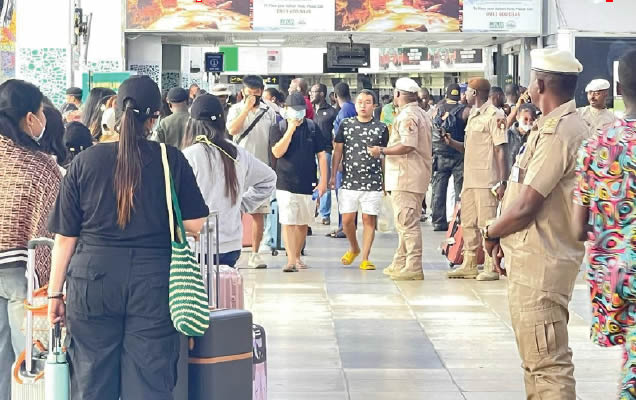
The Nigeria Immigration Service (NIS) has commenced the deportation of 42 Chinese and Philippine nationals convicted of cyber terrorism and Ponzi scheme offences, marking the first batch in a total of 192 convicts slated for removal. The initial group is scheduled to depart Nigeria on Sunday afternoon, following their conviction in connection to a major raid carried out on December 10, 2024, at Oyin Jolayemi Street, Victoria Island, Lagos. The December operation, which was one of the largest anti-cybercrime raids in the country, resulted in the arrest of 759 suspects. The syndicate, comprised mainly of Chinese and Philippine nationals, had been running a large-scale cyber fraud and Ponzi scheme, defrauding victims both in Nigeria and abroad. According to the Economic and Financial Crimes Commission (EFCC), which led the prosecution, a total of 192 foreigners were convicted on charges including the use of fake online identities, training employees of Genting International Co. Limited in fraudulent practices, and various offences under the Advance Fee Fraud and Other Related Offences Act, 2006. The NIS has confirmed that additional batches of deportees will be airlifted on Monday and Tuesday, bringing the repatriation process to completion. All convicts have already been transferred to the Immigration Service for onward deportation to their respective countries. EFCC Chairman Ola Olukoyede hailed the convictions and deportations as a milestone in Nigeria’s fight against cybercrime and financial fraud, affirming the Commission’s commitment to intensifying investigations, recovering stolen funds, and restoring national dignity in line with President Bola Tinubu’s anti-corruption drive. The December raid, which resulted in dozens of convictions, is regarded as a turning point in Nigeria’s crackdown on transnational financial crimes. Source: Apexnewsgh.com
Son of Boko Haram’s Late Founder Arrested in Chad, Sources Confirm
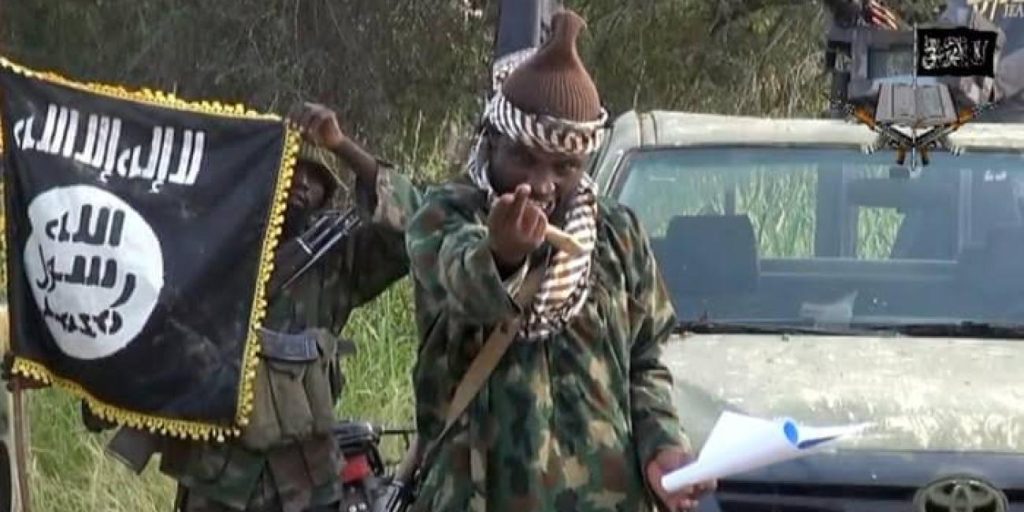
The son of Boko Haram’s late founder, Mohammed Yusuf, has been arrested in Chad, where he was reportedly heading a jihadist cell, multiple sources have confirmed. Identified as Muslim Mohammed Yusuf, the young man, estimated to be around 18 years old, was captured along with five others suspected to be members of the Islamist movement his father established in Nigeria before being killed in a 2009 military crackdown that claimed about 800 lives. According to AFP, the arrest was carried out by Chadian security forces, though police did not officially confirm the identity of the group’s founder’s son among those detained. A Nigerian intelligence officer stationed in the Lake Chad region told AFP that reports had reached them about the arrest of a jihadist cell in Chad, allegedly led by Muslim, the youngest son of the late Mohammed Yusuf. The officer added that the suspects were believed to be linked not to Boko Haram directly, but to the Islamic State West Africa Province (ISWAP), a splinter faction formed after an ideological split from Boko Haram. Photographs obtained by AFP reportedly show a slim, short young man in a blue tracksuit, resembling the late Yusuf, standing among older detainees. The arrested youth, said to use the alias Abdrahman Mahamat Abdoulaye, is also believed to be the younger brother of ISWAP leader Habib Yusuf, also known as Abu Mus’ab Al-Barnawi. A former lieutenant of Mohammed Yusuf, now an opponent of the group, confirmed the arrest: “He and the team were arrested by Chadian security. They are six in number.” Chadian police spokesman Paul Manga stated that “bandits who operate in the city… they are undocumented, they are members of Boko Haram” had been apprehended in N’djamena. The arrest comes just days after the Nigerian Government announced the capture of another notorious leader, Mahmud Mohammed Usman, popularly known as Abu Baraa, and his deputy, Mallam Mamuda. For nearly 15 years, Boko Haram and its offshoots have waged a brutal insurgency across the Lake Chad basin, with attacks becoming increasingly bold in recent months. Source: Apexnewsgh.com
Police in Sirte Arrest Libyan Driver, Mother, and Six Nigerians for Alleged Human Smuggling

Authorities in Sirte, Libya, have apprehended six Nigerian nationals, a Libyan driver, and his mother in connection with an alleged human smuggling operation. According to a statement released by Migrant Rescue Watch, the Abu Najim Police Department intercepted a vehicle driven by the Libyan suspect, identified by his initials A.M.M., with his mother as a passenger. During the operation, police discovered six undocumented Nigerian migrants hidden in the vehicle. All eight individuals—the six migrants, the driver, and his mother—were taken into custody and subsequently referred to the competent legal authorities for prosecution. “Migrant Rescue Watch reports that the Abu Najim Police Dept. (Sirte) seized a vehicle and arrested a Libyan driver (‘A.M.M.’) accompanied by his mother for attempted human smuggling of six undocumented migrants of Nigerian nationality. All referred to competent authorities for legal action,” the organization stated. Libya continues to serve as a major transit point for migrants seeking to cross the Mediterranean Sea to Europe, despite the significant dangers and the risk of detention that such journeys entail. Source: Apexnewsgh.com
UK, France and Germany ready to reimpose sanctions on Iran over nuclear programme
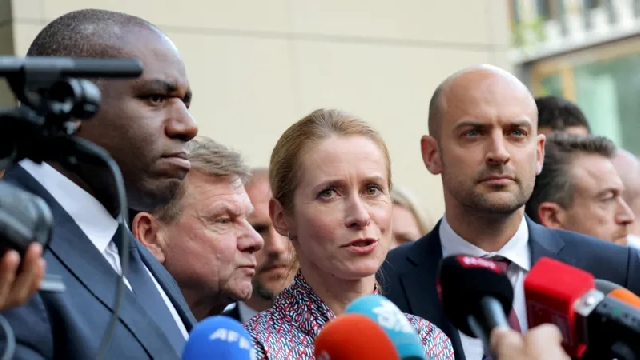
The UK, France and Germany have told the UN they are ready to reimpose sanctions on Iran over its nuclear programme if it fails to resume talks by the end of August. The three countries, known as the E3, said they were prepared to trigger a “snapback” mechanism – meaning previous sanctions would be reinstated – unless Iran resumes negotiations. The E3 said they had offered to extend a deadline for negotiations to the end of August, which they said Iran has not replied to. Iranian lawmaker Manouchehr Mottaki said Iran’s parliament was ready to withdraw from a nuclear deal which restricted its nuclear programme if new sanctions were put in place, the Iranian Defa Press news agency reported. The E3’s letter comes after initial talks between their delegations and Iranian diplomats took place in Istanbul, Turkey last month. In the letter to the UN and its chief António Guterres, three foreign ministers – Jean-Noël Barrot from France, David Lammy from the UK and Johann Wadephul from Germany – said they would enforce severe sanctions on Iran unless it agrees to limit its nuclear programme. The E3 said their offer of an extension to the negotiations “remained unanswered by Iran”. “We have made it clear that if Iran is not willing to reach a diplomatic solution before the end of August 2025, or does not seize the opportunity of an extension, the E3 are prepared to trigger the snapback mechanism,” the letter said. They added they were committed to using “all diplomatic tools” to ensure Iran does not develop a nuclear weapon – something Iran has denied intending to do. Last month, Iran said it was prepared for further talks but only once sanctions already in place were lifted and its right to a civilian nuclear programme was agreed. Sanctions on Iran’s nuclear programme were previously lifted in 2015 after Iran signed a nuclear deal with the E3, the US, Russia and China, agreeing limits on its nuclear operations and to allow international inspectors entry to its nuclear sites. The deal is due to expire in October. The US withdrew from the deal in 2018 during President Donald Trump’s first term, with the leader saying it did too little to stop Iran from creating a pathway to a nuclear bomb. With its withdrawal, all US sanctions were re-imposed on Iran. Iran retaliated by increasingly breaching the restrictions. In May, the UN nuclear watchdog, the International Atomic Energy Agency (IAEA), said it had more than 400kg of uranium enriched to 60% purity – well above the level used for civilian purposes and close to weapons grade. In June Iran’s parliament suspended cooperation with the IAEA after tensions with Israel and the US came to a head. Israel launched attacks on Iran’s nuclear facilities the same month, triggering a 12-day war. The US bombed a number of Iran’s nuclear sites, bringing US-Iran talks to an abrupt end. Following the strikes, the E3 countries stepped up warnings to Iran about its suspension of cooperation with the IAEA. The BBC has contacted the UK Foreign Office for comment. The Iranian mission to the UN did not immediately respond to the BBC’s request for comment. Source: bbc.com
International aid groups say new Israeli rules stop them delivering supplies to Gaza
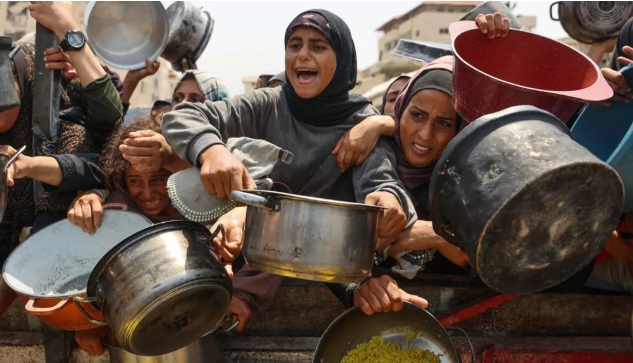
New Israeli legislation regulating foreign aid groups has been increasingly used to deny their requests to bring supplies into Gaza, according to a joint letter signed by more than 100 groups published Thursday. “Israeli authorities have rejected requests from dozens of NGOs to bring in lifesaving goods, citing that these organisations are ‘not authorised to deliver aid’,” the joint statement reads. According to the letter, whose signatories include Oxfam and Doctors Without Borders (MSF), at least 60 requests to bring aid into Gaza were rejected in July alone. In March, Israel’s government approved a new set of rules for foreign non-governmental organisations (NGOs) working with Palestinians. Gaza: families struggle to procure food as the humanitarian disaster worsens To display this content from YouTube, you must enable advertisement tracking and audience measurement. The law updates the framework for how aid groups must register to maintain their status within Israel, along with provisions that outline how their applications can be denied or registration revoked. Registration can be rejected if Israeli authorities deem that a group denies the “democratic character” of Israel or “promotes delegitimisation campaigns” against the country. “Unfortunately, many aid organisations serve as a cover for hostile and sometimes violent activity,” Israel’s Diaspora Minister Amichai Chikli alleged to AFP. “Organisations that have no connection to hostile or violent activity and no ties to the boycott movement will be granted permission to operate,” added Chikli, whose ministry directed an effort to produce the new guideline. Aid groups say, however, that the new rules are leaving Gazans without help. “Our mandate is to save lives, but due to the registration restrictions civilians are being left without the food, medicine and protection they urgently need,” said Jolien Veldwijk, director of the charity CARE in the Palestinian territories. Eight more people, including three children, have died of starvation and malnutrition in Gaza in the past 24 hours, the territory’s health ministry said Wednesday. The number of people who have died from hunger in the besieged enclave since the war began now stands at 235, including 106 children. Veldwijk said that CARE has not been able to deliver any aid to Gaza since Israel imposed a full blockade on the Palestinian territory in March, despite partially easing it in May. Although Israel has alleged that much of the aid arriving in the territory is being siphoned off by Hamas, which runs Gaza, the UN has repeatedly rejected these claims. An internal US government analysis seen by Reuters found no evidence of systematic theft by the Palestinian militant group of US-funded humanitarian supplies, and Israeli military officials have told the New York Times that they had no evidence to substantiate these allegations. Since May, the government has relied on the US-backed Gaza Humanitarian Foundation to manage food distribution centres. Israeli troops have shot dead hundreds of Palestinians trying to reach the aid hubs since they first opened, including at least 25 people on Wednesday. (FRANCE 24 with AFP and Reuters)
Zelensky meets with UK’s Starmer ahead of high-stakes Trump-Putin summit
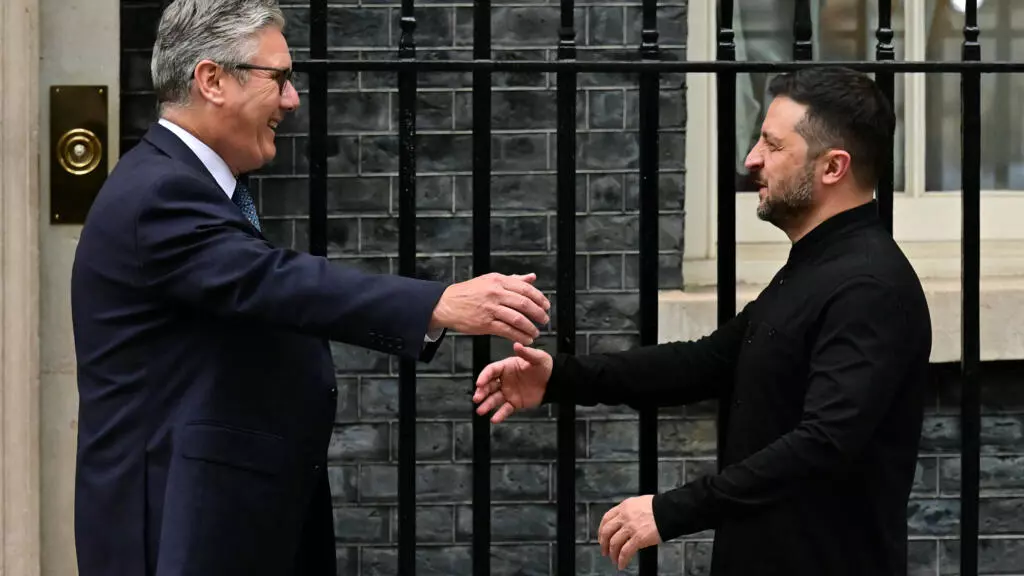
Ukrainian President Volodymyr Zelensky met with British Prime Minister Keir Starmer in London Thursday ahead of Friday’s Alaska summit between US President Donald Trump and his Russian counterpart Vladimir Putin. The two leaders said that the upcoming talks “present a viable chance to make progress” in bringing the Ukraine war to an end, a statement from Starmer’s office said. British Prime Minister Keir Starmer welcomed Ukrainian President Volodymyr Zelensky to London on Thursday in a show of the UK‘s support for Ukraine a day before a critical US-Russia summit is set to take place in Alaska. The two embraced warmly outside Starmer’s offices at 10 Downing Street without making any comments. Around an hour later, Starmer walked Zelensky back to his waiting car. Starmer’s office released a statement following the meeting saying that Friday’s talks present a “viable chance to make progress” on ending the Ukraine war. The two leaders “agreed there had been a powerful sense of unity and a strong resolve to achieve a just and lasting peace in Ukraine,” the statement said. “They then looked ahead to tomorrow’s talks between President Trump and President Putin in Alaska, which present a viable chance to make progress as long as Putin takes action to prove he is serious about peace.” Zelensky’s trip to the British capital came a day after he took part in virtual meetings from Berlin with US President Donald Trump and the leaders of several European countries. Those leaders said Trump had assured them he would make a priority of trying to achieve a ceasefire in Ukraine when he meets with Russian President Vladimir Putin on Friday in Anchorage. Both Zelensky and the Europeans have worried the bilateral US-Russia summit would leave them and their interests sidelined. They fear that any conclusions reached could favour Moscow, leaving Ukraine and Europe’s future security in jeopardy with Russia’s full-scale invasion of Ukraine now in its fourth year. Yet some of those leaders, like German Chancellor Friedrich Merz and French President Emmanuel Macron, praised Wednesday’s video conference with Trump as constructive. Speaking after the meetings to reporters, Trump warned of “very severe consequences” for Russia if Putin does not agree to stop the war against Ukraine after Friday’s meeting. High stakes The Kremlin on Thursday said the meeting between Trump and Putin in Alaska will start at 11:30am local time. Putin’s foreign policy advisor, Yuri Ushakov, told reporters that Trump and Putin will first sit down for a one-on-one meeting. Aside from Putin, the Russian delegation will include Foreign Minister Sergey Lavrov, Defense Minister Andrei Belousov, Finance Minister Anton Siluanov and the head of Russia’s sovereign wealth fund Kirill Dmitriev. Following the meetings between Trump and Putin and their delegations, the two leaders will hold a joint press conference, Ushakov said. Starmer on Wednesday said the Alaska summit would be “hugely important,” and could be a “viable” path to a ceasefire in Ukraine. But he also alluded to European concerns that Trump may strike a deal that forces Ukraine to cede territory to Russia, and warned that Western allies must be prepared to step up pressure on Russia if necessary. During a call Wednesday among leaders of countries involved in the “coalition of the willing” – those who are prepared to help police any future peace agreement between Moscow and Kyiv – Starmer stressed that any deal reached on bringing the fighting to an end must protect the “territorial integrity” of Ukraine. “International borders cannot be, and must not be changed by force,’’ he said, adding that robust security guarantees must accompany any ceasefire to “ensure that any peace, if there is peace, is lasting peace and Ukraine can defend its territorial integrity”. Kyiv has long insisted that safeguards against future Russian attacks provided by its Western allies would be a precondition for achieving a durable end to the fighting in Ukraine. Yet many Western governments have been hesitant to commit to engaging their military personnel. Countries in the “coalition of the willing,” which include France and the UK, have been trying for months to secure US security backing should it be required. Following Wednesday’s virtual meetings, Macron said Trump told the assembled leaders that while NATO must not be part of future security guarantees, “the United States and all the parties involved should take part”. “It’s a very important clarification that we have received,” Macron said. Trump did not reference any US commitments to providing security guarantees during his comments to reporters on Wednesday. ‘Human lives are priceless’ With another high-level meeting on their country’s future on the horizon, some Ukrainians expressed skepticism that any breakthroughs would be achieved during Friday’s US-Russia summit. Oleksandra Kozlova, 39, who works at a digital agency in Kyiv, told the Associated Press on Wednesday that she believes Ukrainians “have already lost hope” that meaningful progress can be made on ending the 3 1/2-year-old war. “I don’t think this round will be decisive,” she said. “There have already been enough meetings and negotiations promising us, ordinary people, that something will be resolved, that things will get better, that the war will end. Unfortunately, this has not happened, so personally I don’t see any changes coming.” Anton Vyshniak, a car salesman in Kyiv, said Ukraine’s priority now should be saving the lives of its troops, even at the expense of making territorial concessions. “At the moment, the most important thing is to preserve the lives of male and female military personnel. After all, there are not many human resources left,” he said. “Borders are borders, but human lives are priceless. Therefore, some principles can be disregarded here.” Russian military push comes ahead of Trump-Putin summit To display this content from YouTube, you must enable advertisement tracking and audience measurement. As Europe holds its breath on the eve of the Alaska summit, Moscow appears to be pushing ever harder to consolidate its territorial gains in Ukraine’s devastated Donetsk region. Russia said on Thursday its troops had captured two new settlements in eastern Ukraine. The defence ministry said Russian forces captured the village of Iskra and the small town of Shcherbynivka in Ukraine’s Donetsk region, which the Kremlin claimed