

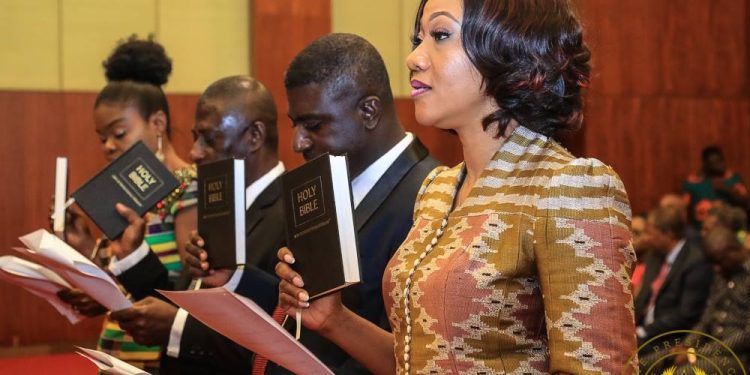
NDC Chairman Pledges End to Protocol Recruitment in Security Services and State Institutions
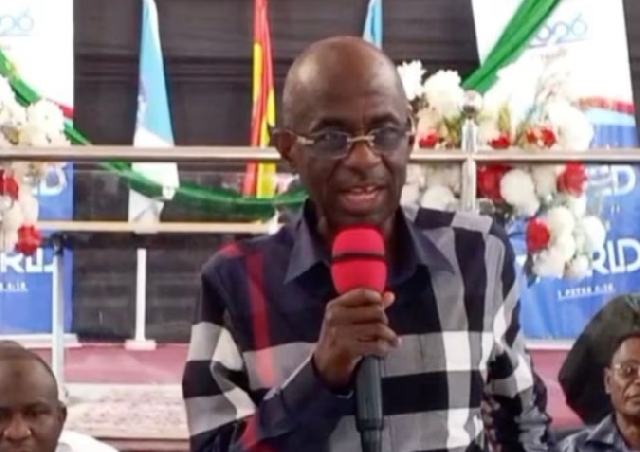
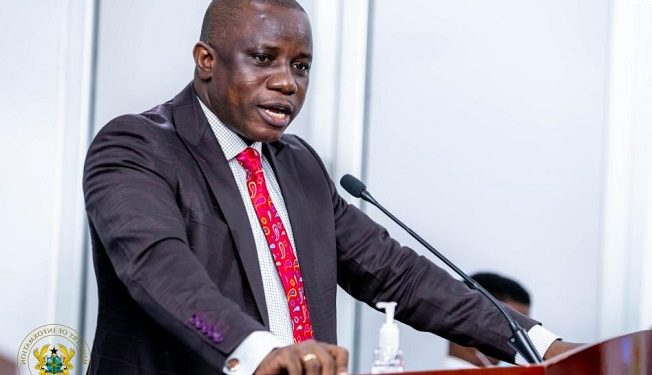
On the bustling fourth day of the National Democratic Congress’s (NDC) “Thank You Tour” in the Western Region, National Chairman Johnson Asiedu Nketiah delivered a major policy announcement that drew cheers from supporters in Sekondi-Takoradi. Addressing party faithful after the NDC’s victory in the 2024 general elections, Mr. Asiedu Nketiah declared the party’s intention to abolish protocol arrangements in the recruitment of personnel into the security services and other public institutions. Speaking as the tour made its way through Effia, Kwesimintsim, Takoradi, and Sekondi constituencies, the NDC Chairman emphasized the need for discipline and dedication at the grassroots. He urged delegates to prioritize commitment and results when selecting constituency executives, insisting that only those who genuinely worked for the party’s success should be retained in leadership positions. Turning to public sector recruitment, Mr. Asiedu Nketiah criticized the existing protocol system, describing it as opaque and discriminatory. He argued that such arrangements unfairly benefit a privileged few and undermine meritocracy. To rectify this, he announced that under President John Dramani Mahama’s leadership, all recruitment processes would become open and competitive, with no special allocations or political favors—including the withdrawal of recruitment quotas currently reserved for Members of Parliament. Mr. Asiedu Nketiah explained that this move was part of a broader vision to ensure fairness and equal opportunity in public sector employment. He reassured supporters that only merit and qualification would determine access to jobs in state institutions in the future. The NDC Chairman’s visit also featured an engagement with traditional leaders, including a heartfelt appeal from the Chief of Takoradi, Nana Obo Kojo Atta IV. The chief urged the swift completion of the long-delayed Takoradi Market Circle redevelopment, highlighting the hardship experienced by traders, particularly women displaced from Jubilee Park. The call underscored the ongoing challenges facing local communities and the importance of responsive leadership as the NDC moves forward in government. Source: Apexnewsgh.com
President Mahama Celebrates Brother’s Hard-Earned Success at UMaT Honorary Doctorate Ceremony
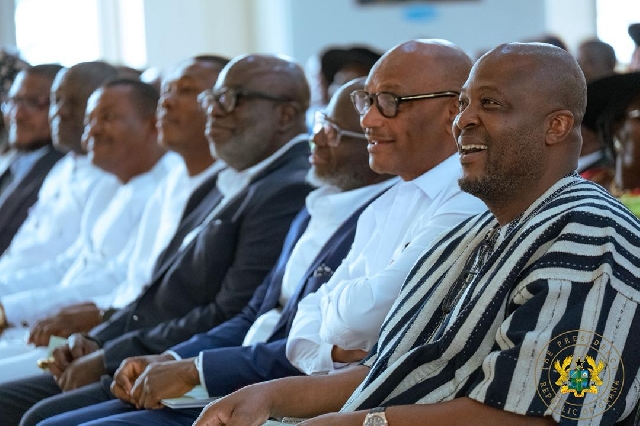
At the 18th Special Congregation of the University of Mines and Technology (UMaT) in Tarkwa on January 31, 2026, President John Dramani Mahama offered heartfelt remarks as his younger brother, Ibrahim Mahama, received an honorary doctorate for his contributions to the mining industry. Addressing the assembled guests, President Mahama took the opportunity to clarify a common misconception: his brother’s rise to success was not a product of political privilege, but of determination and enterprise. He pointed out that Ibrahim Mahama, founder of Engineers & Planners, had often faced even greater scrutiny whenever he himself was in public office. Notably, the company’s most impressive growth came during periods when he was not president—evidence, Mahama said, of its independence and resilience. Reflecting on their childhood, President Mahama recalled Ibrahim’s early curiosity for machines, a fascination that deepened while their family lived in England. This passion led Ibrahim into engineering and eventually to establish Engineers & Planners, which began as a subcontractor, often for African Mining Services, before expanding into one of the largest mining subcontractors in West Africa. President Mahama also spoke about their family’s tradition of hard work, noting that while their late father balanced politics and entrepreneurship, he and Ibrahim chose different routes. “I took the political path, and my brother took the entrepreneurial path,” he quipped, adding that his brother could “do many things better” and highlighting the vital role of enterprise in Ghana’s progress. He praised Ibrahim’s philanthropy, commitment to indigenous ownership, and his leadership in opening doors for Ghanaian companies to secure direct mining contracts. President Mahama was quick to acknowledge the guidance of mentors such as Mr. Sam Jonah, crediting their support for Ibrahim’s achievements. Addressing UMaT’s graduating class, President Mahama called on them to treat their education as both a privilege and a responsibility, and to pursue innovation, discipline, and service in their future careers. Source: Apexnewsgh.com
President Mahama Embarks on Diplomatic Mission to Dubai and Zambia
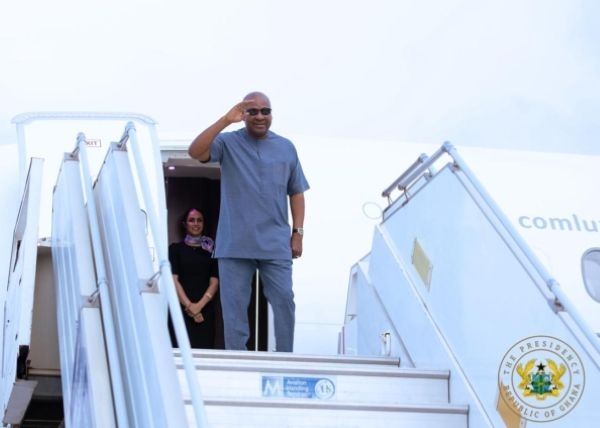
President John Mahama has boarded a special aircraft provided by the government of the United Arab Emirates (UAE), setting his sights on the vibrant city of Dubai. The President’s journey comes at the invitation of the UAE government, which welcomed him to participate in this year’s World Government Summit, a prestigious gathering where world leaders, influential policymakers, and key business executives converge to explore the future of governance, innovation, and global development. After sharing ideas and forging international connections at the summit in Dubai, President Mahama’s diplomatic mission will continue. He is scheduled to travel to Zambia for a three-day state visit, answering the call of President Hakainde Hichilema. The visit promises to deepen ties and foster collaboration between the two nations. Source: Apexnewsgh.com
Upper East Youth Demand Stronger Role in Peace and Security Governance
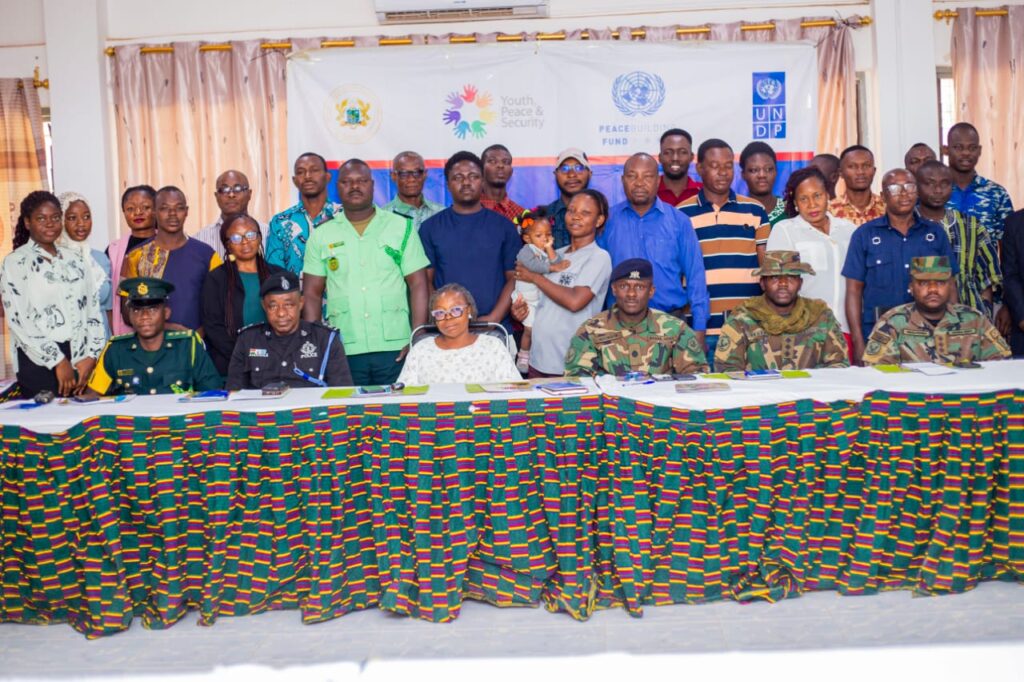
Young people in Ghana’s Upper East Region are calling for urgent, concrete measures to institutionalise youth participation in peace and security governance, as momentum builds toward the development of Ghana’s National Action Plan (NAP) on Youth, Peace and Security (YPS). Their message is clear: youth must not only be seen as beneficiaries of peacebuilding efforts but as equal partners in shaping them. This call emerged strongly during the Upper East Youth Consultation on Ghana’s National Action Plan on Youth, Peace and Security, held at the Upper East Regional House of Chiefs in Bolgatanga. The multi-sectoral forum brought together young people from across the region, alongside representatives of government institutions, security agencies, civil society organisations, and development partners, to examine the role of youth in building sustainable peace. Organised by the National Youth Authority (NYA) in collaboration with the United Nations Population Fund (UNFPA) and the United Nations Development Programme (UNDP), the consultation forms part of Ghana’s broader commitment to implementing United Nations Security Council Resolution 2250, which recognises the positive role of young people in conflict prevention and peacebuilding. It also aligns with the African Union’s Continental Framework on Youth, Peace and Security and ECOWAS regional strategies that promote youth inclusion in governance and security processes. A Platform for Youth Voices Participants engaged extensively on the five pillars of the Youth, Peace and Security framework: Participation, Protection, Prevention, Partnership, and Disengagement and Reintegration. Discussions provided a platform for young people to share their lived experiences, concerns, and practical recommendations for ensuring that peacebuilding efforts reflect the realities of communities in the Upper East Region. Throughout the engagement, youth participants stressed that while they are often at the forefront of community mobilisation and local peace initiatives, they remain largely excluded from formal decision-making spaces. They argued that sustainable peace cannot be achieved without deliberate policies that recognise young people as legitimate stakeholders in governance. A recurring theme was the need for sustained political will, adequate funding, and genuine youth partnership. Participants noted that youth inclusion must go beyond symbolic representation and translate into structured involvement in policy formulation, implementation, and monitoring. Representation Gap in Peace Structures One of the key concerns raised during the consultation was the limited representation of youth in statutory peace and security bodies. Participants observed that although young people form a significant portion of the population, their voices are often missing in critical institutions responsible for conflict resolution and national security. Several contributors called for amendments to the National Peace Council Act to make youth inclusion mandatory in peace governance structures. According to them, formalising youth representation would ensure that policies better reflect the needs and perspectives of younger generations, who are frequently at the centre of both conflict and peace efforts. The absence of youth voices in decision-making processes, they argued, has led to missed opportunities in addressing emerging threats such as political vigilantism, chieftaincy disputes, and land-related conflicts that disproportionately affect young people. Protection Concerns and Gender Dimensions The consultation also shed light on the vulnerabilities young people face, particularly young women. Participants highlighted the growing exposure of youth to violence, political manipulation, and economic exploitation. Cases of sexual and gender-based violence, especially during periods of political tension or communal disputes, were cited as major concerns. Many participants pointed to inadequate access to justice for victims of violence, calling for stronger protection systems and support services. They stressed the need for community education programmes that address harmful cultural norms, promote gender equality, and empower young women to participate safely in civic life. Youth and Conflict Prevention Discussions under the Prevention pillar focused on the role of young people in early warning systems and community peacebuilding efforts. Participants noted that youth often have first-hand knowledge of emerging tensions within their communities, yet their insights are rarely integrated into formal conflict prevention mechanisms. They advocated for stronger youth engagement in early warning networks, training in peace education, and capacity-building initiatives that equip them with the skills to mediate disputes and promote dialogue. According to participants, empowering youth with these tools would significantly reduce the risk of violence and foster long-term social cohesion. Economic Empowerment as a Peace Strategy Economic vulnerability emerged as another critical issue linked to youth involvement in conflict. Participants argued that unemployment and limited livelihood opportunities increase young people’s susceptibility to manipulation by political actors and criminal networks. To address this, the consultation recommended prioritising skills training, entrepreneurship support, and income-generating ventures as part of the national peace strategy. Economic empowerment, they noted, is not only a development issue but also a powerful tool for conflict prevention. Strengthening Partnerships The Partnership pillar underscored the importance of collaboration among government institutions, civil society organisations, traditional authorities, and youth-led groups. Participants called for improved coordination to avoid duplication of efforts and ensure efficient use of resources. They emphasised that youth-focused organisations should be treated as equal partners rather than mere implementers of externally designed programmes. Building trust between institutions and young people, they argued, is essential for the success of the National Action Plan. Reintegration and Rehabilitation Under the Disengagement and Reintegration pillar, discussions focused on supporting young people who have been involved in violent activities or political vigilantism. Participants advocated for targeted reintegration programmes that provide psychosocial support, education, and livelihood opportunities. They stressed that addressing the root causes of youth involvement in violence is crucial to preventing recidivism and promoting community healing. Commitment from Stakeholders The Upper East Regional Director of the National Youth Authority, Francis Takyi-Koranteng, assured participants that the outcomes of the consultation would inform the final National Action Plan. He emphasised that youth-driven recommendations would play a vital role in strengthening peace and security governance across the country. On his part, a representative of the United Nations Development Programme, Mr. Hamza, revealed that the project being implemented in the Upper East, Upper West, and North East Regions is funded by the Peacebuilding Fund. He reaffirmed the UN’s commitment to supporting Ghana’s efforts to empower young people as agents of peace.
Global InfoAnalytics Projects Landslide Victory for Bawumia in NPP Presidential Primaries
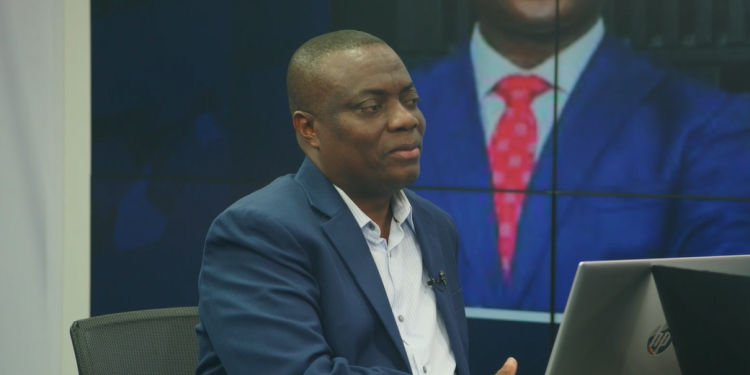
As excitement builds ahead of the New Patriotic Party’s (NPP) presidential primaries, all eyes are on former Vice President Dr. Mahamudu Bawumia, who appears poised for a commanding win. Mussa Dankwah, Executive Director of Global InfoAnalytics, shared this projection during an interview with the media on January 28. Dankwah revealed that, according to Global InfoAnalytics’ latest survey, Dr. Bawumia is set to win 14 out of Ghana’s 16 regions, including a decisive victory in the party’s stronghold, the Ashanti Region. “All the areas we have looked at are pointing in one direction, and that direction is that Bawumia will win this Saturday’s election one-touch,” Dankwah asserted. The predictions are grounded in robust data collected in a nationwide poll conducted from January 20 to 23, 2026. The survey, which sampled 10,133 respondents from all 16 regions and 272 constituencies, projects that Dr. Bawumia’s vote share will fall between 54 and 60 percent, factoring in a three percent margin of error. “I am very confident in Bawumia’s numbers because they are more stable in terms of variability. There is no noise in the data,” Dankwah stated, explaining the reliability of the forecast. While acknowledging that other candidates such as Dr. Bryan Acheampong and Kennedy Ohene Agyapong may gain traction, Dankwah noted that the distribution of votes among the challengers remains uncertain. Nevertheless, the prevailing data points to a landslide for Dr. Bawumia as NPP members head to the polls on January 31. Source: Apexnewsgh.com
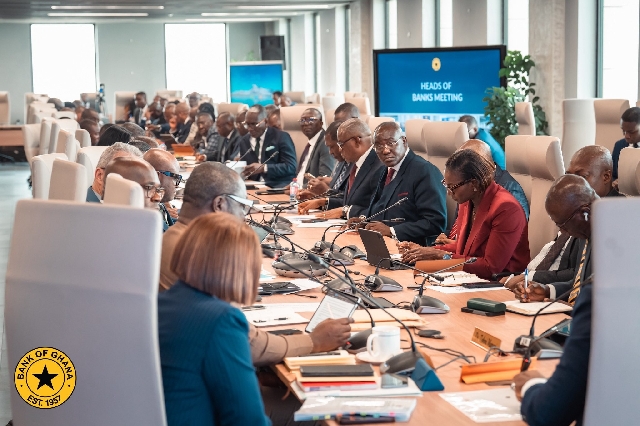
Vice President Opoku-Agyemang Closes National Strategic Planning Retreat in Akosombo
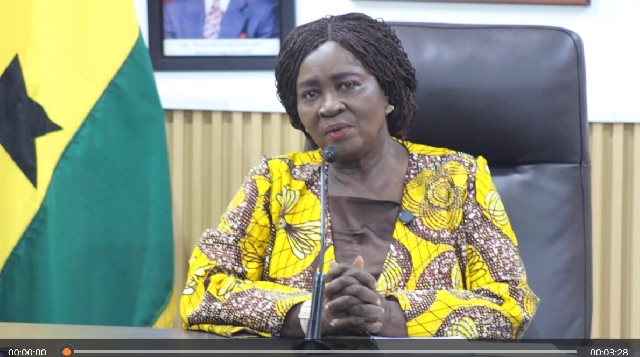
As the sun set over the tranquil town of Akosombo, the atmosphere at the National Development Planning Commission’s (NDPC) retreat was one of renewed purpose and determination. The government’s Strategic Planning Retreat had drawn to a close, and Vice President Professor Naana Jane Opoku-Agyemang was at the helm of the closing ceremony, delivering a message that resonated with optimism and clarity. For several days, key government officials and policy actors had gathered at the retreat, engaging in deep reflection on Ghana’s development priorities. The agenda was ambitious: to align strategies across sectors, foster strong institutional collaboration, and chart a focused path for the nation’s socio-economic progress. Addressing participants at the final session, Vice President Opoku-Agyemang emphasized the critical need for coordinated planning and evidence-based decision-making to drive sustainable, inclusive growth. She lauded the retreat as a valuable forum for candid dialogue—where policy direction, implementation hurdles, and ways to enhance collaboration were discussed openly and constructively. This Strategic Planning Retreat, she noted, was part of a broader government commitment to ensure that national development frameworks and sectoral programmes work in harmony. It also reflected the administration’s focus on accountability and results-oriented governance. As the event concluded, participants described the retreat as a strategic convergence—a unique opportunity to strengthen policy alignment and sharpen Ghana’s development agenda. With new ideas and shared resolve, they departed Akosombo ready to address both current and emerging challenges facing the nation. Source: Apexnewsgh.com
Interior Minister Applauds Security Services for Dignified, Transparent Recruitment Process
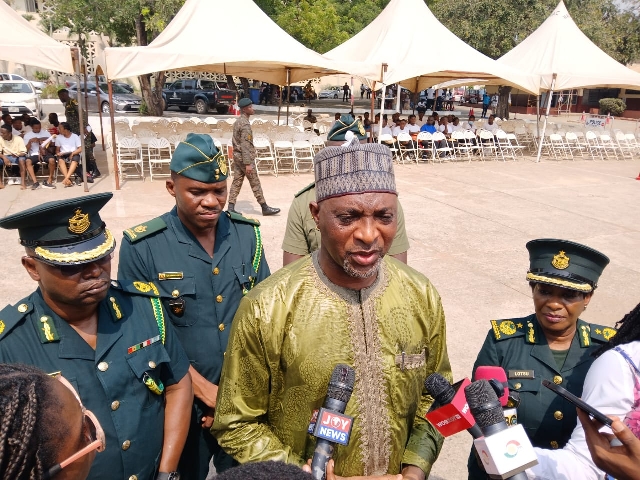
Under the bright sun at a bustling recruitment centre, hopeful applicants queued patiently, their faces a mix of nerves and anticipation. Overseeing the scene was the Minister for the Interior, Alhaji Muntaka Mohammed-Mubarak, on a mission to monitor the ongoing security services recruitment drive. As he moved through the centre, the Minister’s satisfaction was evident. “I’m really, really happy that the wish of His Excellency the President to see these things done in a very decent and respectable manner is being achieved,” he remarked, echoing President John Dramani Mahama’s call for a transparent and corruption-free recruitment process. Throughout the exercise, applicants were treated with dignity, provided with water, snacks, and a courteous environment. The Minister emphasized that those who step forward to serve the nation deserve nothing less. “People who volunteer to serve should not be seen as animals. They should be treated with respect and dignity,” he stressed. Addressing concerns about irregularities, the Minister reassured the public that any anomalies were swiftly addressed. To further strengthen the integrity of the process, strict anti-corruption measures had been introduced, including a dedicated email system for reporting fraud and suspicious activity. Hon. Muntaka appealed to both applicants and their families to report any attempts at extortion or manipulation, assuring them that the process was fair and based solely on merit. “Even if you don’t get selected, you’ll be satisfied that the process was fair,” she added. The comprehensive recruitment process involved an online aptitude test and medical examinations, with final selections made transparently and strictly on merit. As the visit drew to a close, the Minister reaffirmed the government’s commitment to building a credible and professional security service, one founded on transparency, accountability, and respect for every individual who answers the call to serve. Source: Apexnewsgh.com
Walewale MP Condemns Alleged Military Assault on Journalist and Civilians
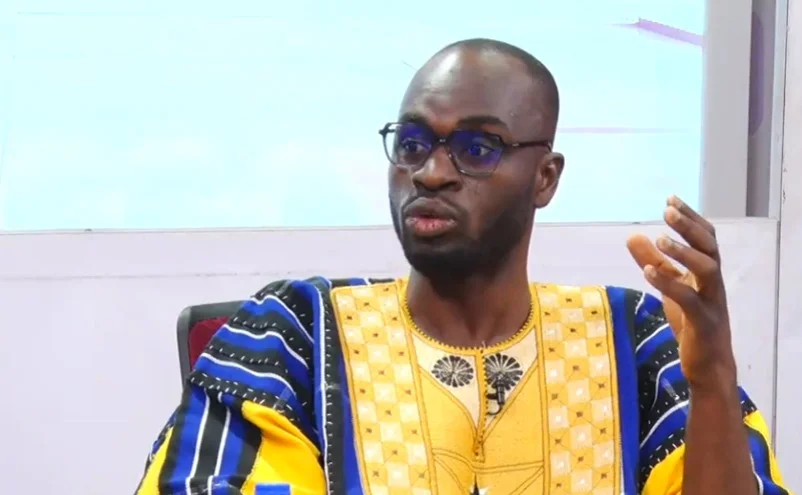
The Member of Parliament for Walewale has issued a strong condemnation following what he described as an unprovoked assault by military personnel on a journalist and several civilians in Walewale township. In a statement dated Tuesday, January 27, 2026, the MP detailed that soldiers traveling in an armoured vehicle and a truck from Bolgatanga to Tamale stopped in Walewale around 1:00 p.m. on Monday, January 26. According to the MP, the soldiers allegedly attacked the North East Regional Correspondent of Media General along with other residents—without any provocation. The MP further stated that the soldiers went on to destroy property belonging to residents, including motorbikes and commercial vehicles, leaving the town gripped by fear and uncertainty. “In the case of the reporter for Media General, he was detained for more than four hours after being assaulted, and evidence of harm caused to his body, which he had taken with his phone, was destroyed,” the statement revealed. Checks with the Walewale District Police Command and local military personnel indicated that the soldiers involved were neither known nor officially deployed in the township. The MP recalled that this was not the first such incident, referencing a similar episode in February 2025 involving the same journalist and other civilians. Describing the alleged acts as deeply troubling and unacceptable, the MP warned that unchecked military brutality could fuel civil-military tensions. “This culture of military brutality, which has become the order of the day, is a dangerous degenerative development when left unchecked by the Military Command,” he cautioned. The MP pushed back against any suggestions that the assault was linked to recent security issues, emphasizing that residents had maintained calm and order despite dissatisfaction over the handling of the Bawku conflict. “I therefore roundly condemn this barbaric, unprofessional, and infantile show of brute force by these men in uniform on innocent civilians without any provocation whatsoever,” he declared. Calling for urgent action, the Walewale MP urged the Acting Minister of Defence to swiftly investigate the incident and ensure those responsible are brought to justice. “The wholesale abuse of the people and the general application of force to all civilians is unacceptable and must be checked,” he added Source: Apexnewsgh.com
Supreme Court Rejects OSP’s Bid to Join Landmark Constitutional Case
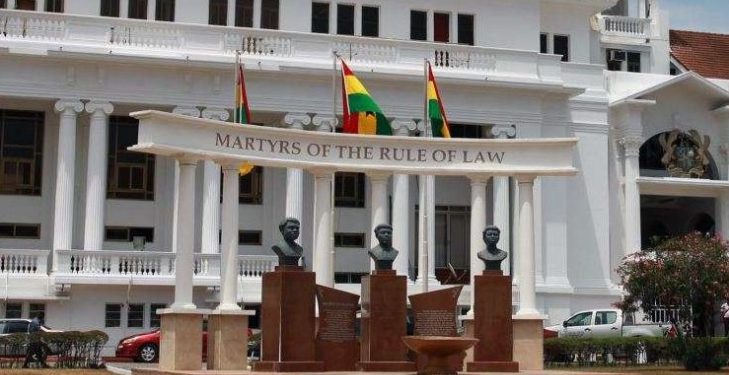
The Supreme Court has ruled against an application by the Office of the Special Prosecutor (OSP) to be joined as a party in a high-profile constitutional suit challenging the legality of powers granted to the anti-corruption body under the Office of the Special Prosecutor Act, 2017 (Act 959). In a decision that could shape the future of the OSP, the apex court determined that the office was not a necessary party to the suit brought by private citizen and lawyer Noah Adamtey against the Attorney-General. As a result, the court refused the OSP’s application for joinder. During proceedings, Dr. Isidore Tufuor, counsel for the OSP, argued passionately that the outcome of the case would directly impact the office’s core mandate, especially Sections 4 and 33 of Act 959, which set out the OSP’s prosecutorial powers. He insisted that, though the suit was directed at the State, it fundamentally questioned the very constitutionality of the OSP’s authority. However, Deputy Attorney-General Dr. Justice Srem-Sai opposed the application, asserting that the OSP holds no independent interest in the matter. He contended that Parliament, the body that created the OSP, should answer for the constitutionality of the law. Noah Adamtey, the plaintiff, also resisted the OSP’s inclusion, maintaining that the office’s role had been misunderstood and that it lacked any personal or proprietary interest warranting its participation in the case. After listening to arguments from all parties, the Supreme Court concluded that the key constitutional questions could be resolved without the involvement of the OSP. The justices held that the office was not essential for the fair and effective determination of the suit, and thus dismissed the application for joinder. The ruling clears the way for the substantive case to proceed, with the spotlight now on Parliament and the Attorney-General to defend the legal foundation of the OSP. Source: Apexnewsgh.com
Government Launches Probe into Sale of Public Lands: Minister Vows Transparency and Accountability
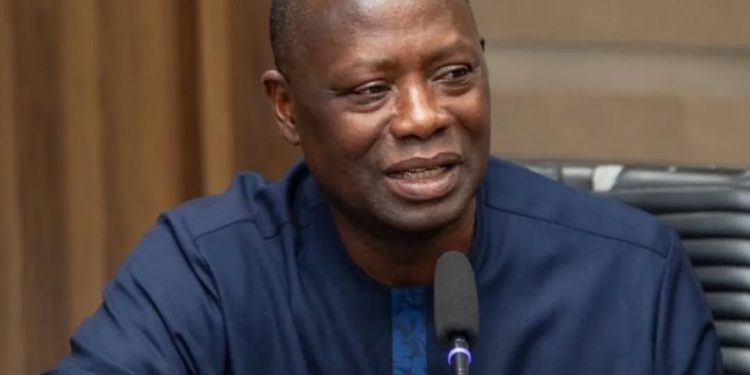
In a determined effort to safeguard the nation’s resources, the Minister for Lands and Natural Resources, Emmanuel Armah-Kofi Buah, has announced a sweeping review and audit of all recently sold public lands. This initiative, he explained, is designed to ensure that every transaction follows due process and that the state receives full value for its assets. The Minister made this declaration during a visit by Vice President Jane Naana Opoku-Agyemang to the Ministry. Addressing the gathering, he emphasized that the audit is not just a bureaucratic exercise, but a crucial step towards protecting public property and restoring public trust. According to Minister Buah, the government’s action stems from mounting concerns that certain public lands, originally acquired for vital purposes like agriculture and national development, had been unlawfully sold or mismanaged by those entrusted with their care. “We began the processes of reviewing,” the Minister recounted. “One of the things that we all heard is that public lands that the government had taken for specific purposes, some for agriculture, somehow, the people who had been given the charge to protect these lands were abusing them.” To tackle the problem head-on, the Ministry formed a dedicated team, led by the Deputy Minister, and secured cabinet approval for the audit. Their mission: scrutinize all land sales to confirm that proper valuations were conducted and that every step of the legal process was strictly followed. The Minister did not mince words about the consequences for those found culpable. He warned that any official who breached procedures or failed to complete required processes would be publicly named and sanctioned, sending a clear message that abuses of public trust will not be tolerated. “By the time we finish, it will not cross the mind of any government official to take public lands because we will publish your name in every newspaper,” he asserted. He further pledged that any transaction discovered to have flouted the rules would be nullified. “All public lands that had been sold are going under review to make sure there is value for money, and a process audit was done. Those that didn’t finish the processes are automatically canceled. We are going on to ensure we implement it to the letter to give confidence to the people of Ghana that we are going to protect public lands,” the Minister assured. As the review gets underway, the government’s stance is clear: transparency, accountability, and the protection of public assets will remain non-negotiable priorities. Source: Apexenewsgh.com