

NDC Sets Filing Fees for National Executive Aspirants, Chairmanship to Cost GH¢100,000
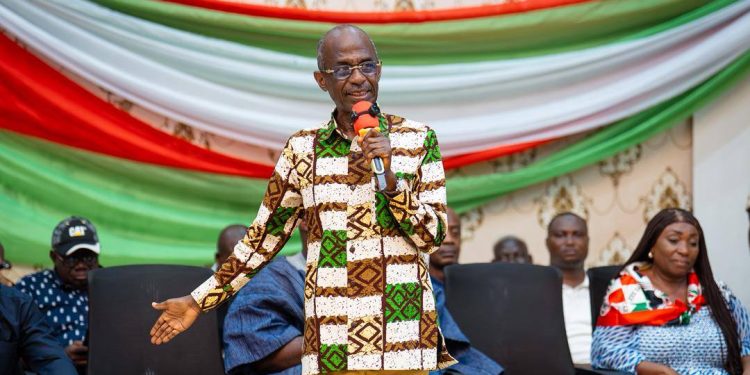
The Functional Executive Committee (FEC) of the National Democratic Congress (NDC) has released the official filing fee structure for aspirants vying for various national executive positions, with the top post of National Chairman attracting the highest fee of GH¢100,000. The newly approved structure spans 14 leadership positions, including National Chairman, General Secretary, National Organiser, Communications Officer, Youth and Women’s Organisers, and members of the National Executive Committee. According to the schedule, those aspiring to become National Chairman will pay GH¢100,000, while candidates for the General Secretary and National Vice Chairman positions will each pay GH¢80,000. The National Organiser post comes with a filing fee of GH¢70,000, and both the National Vice Chairman and Deputy General Secretary positions require GH¢60,000 each. Aspirants for National Communication Officer will pay GH¢50,000, while those seeking to become National Youth Organiser or National Zongo Caucus Coordinator will each pay GH¢40,000. Deputy organiser roles, including Deputy National Organiser, Deputy National Communication Officer, and Deputy National Youth Organiser, as well as the National Women’s Organiser and Deputy National Women’s Organiser posts, carry a filing fee of GH¢30,000 apiece. The lowest fee on the schedule applies to candidates for National Executive Committee membership, set at GH¢10,000. All aspirants are required to pay GH¢2,000 to obtain a nomination form, with all payments to be made electronically via the party’s designated platform, forms.ghanandc.com. In a move to encourage broader participation, the NDC has granted a 50 percent concession on filing fees for women and persons with disabilities (PWDs) across all positions, except for the National Women’s Organiser and Deputy National Women’s Organiser roles, which have their own provisions for female candidates with disabilities. The fee structure is part of the NDC’s preparations for its internal elections, which will determine the party’s top officers responsible for national administration and organisational activities. Source: Apexnewsgh.com
Ghana Heads to IMF-World Bank Meetings in Bangkok to Reassure Investors After Bailout
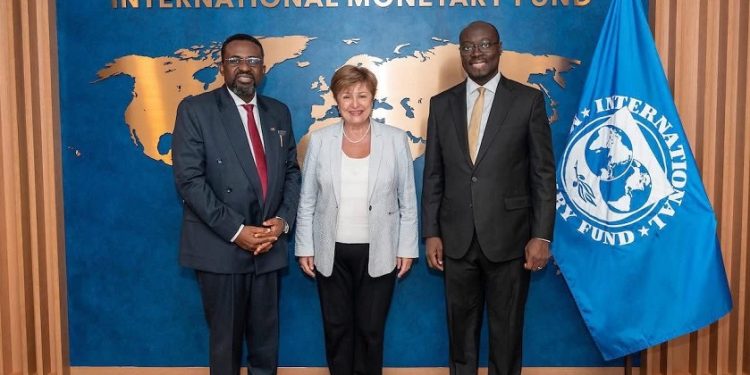
Ghana is preparing to participate in the upcoming IMF-World Bank meetings in Bangkok, Thailand, aiming to reassure investors of its economic prospects and reaffirm its commitment to ongoing reforms, following the conclusion of its US$3 billion bailout programme. The meetings, slated for October 12–18, mark Ghana’s first appearance since transitioning from the IMF’s Extended Credit Facility (ECF) to a non-financing Policy Coordination Instrument (PCI) arrangement. This shift means the country will no longer receive direct financial support from the Fund, but will instead focus on policy monitoring, reform implementation, and building investor confidence in the nation’s economic direction. A delegation from the Ministry of Finance and the Bank of Ghana is set to engage with investor groups through both joint and separate discussions. Officials are expected to provide updates on Ghana’s economic conditions, outline the government’s reform agenda, and seek agreements where needed to support the country’s ongoing recovery. The timing of these discussions is critical. While Ghana has made notable progress under the IMF-supported bailout, maintaining that momentum will require disciplined fiscal management, prudent debt handling, and continued reform, especially in the absence of new IMF disbursements. Investor sentiment is likely to hinge not just on government promises but on visible evidence of policy implementation. Fiscal targets, expenditure controls, revenue mobilisation, and debt sustainability will be closely scrutinised to determine Ghana’s risk profile and future borrowing costs. The meetings also provide an opportunity for Ghanaian officials to address concerns about the sustainability of recent economic gains and the risks that could threaten them. Recent visits from IMF staff and further talks in Bangkok are expected to focus on the benchmarks and reforms that will guide the new arrangement. Although the PCI does not bring fresh funds, it offers a framework for external monitoring and reinforces policy credibility. However, experts note that lasting investor confidence will depend on Ghana’s ability to deliver on its reform promises and maintain fiscal discipline without the safety net of IMF financing. As the government looks to consolidate economic stability and lay a solid foundation for future growth, investors will be seeking clarity on medium-term fiscal prospects, debt management strategies, and policies that will support private-sector development. Ghana’s central message in Bangkok will be that it is committed to sustaining reforms and meeting its obligations, without relying on continued IMF lending. Ultimately, while the outcome of the meetings may influence investor sentiment in the short term, enduring confidence will rest on Ghana’s ability to follow through with real economic progress at home. Source: Apexnewsgh.com
Navrongo Trade Hub Proposed to Empower Women and Boost Local Economic Development
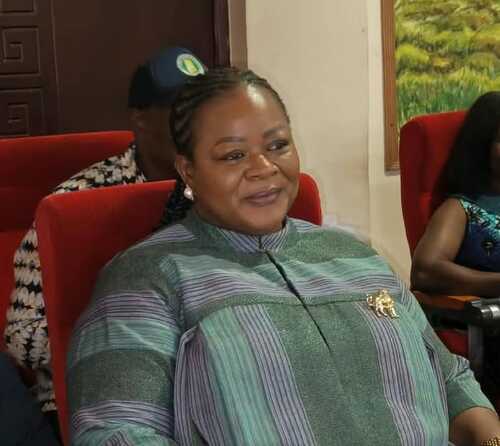
A proposal for the establishment of the Navrongo Trade Hub (NATH), aimed at transforming women’s economic activities through value addition, market access and sustainable enterprise development, has been presented at the Navrongo FAO Development Dialogue 2026. The proposal, delivered on behalf of Lawyer Anatu Seidu Bogobiri, Deputy Chief Executive Officer of the National Health Insurance Authority (NHIA), calls for the establishment of a centralised trade and processing hub in Navrongo to help women in the Kassena-Nankana area maximise the economic value of their agricultural produce, traditional crafts and other locally available resources. The proposal was presented under the theme, “Celebrating Culture, Driving Development: Harnessing Local Resources and Talent for Sustainable Development.” In her message to the gathering, Lawyer Bogobiri expressed her warm regards and apologised for her inability to attend the programme in person, reaffirming her commitment to the development of the people of Kassena-Nankana. She argued that the economic challenges facing many women in the area were not necessarily a result of a lack of hard work, talent or determination, but rather their limited access to markets and their position at the lower end of production and supply chains. Using the shea industry as an example, the message highlighted how women collect and sell shea nuts at relatively low prices, while much of the processing, branding, packaging and marketing takes place elsewhere, allowing others to capture a greater share of the final product’s value. “She picked it. She will never own it. And she cannot afford to buy it,” the message stated, illustrating the gap between the labour women contribute and the economic benefits they receive. According to the proposal, the establishment of NATH would help address this imbalance by moving women from supplying raw materials to participating in processing, manufacturing, branding and marketing. NATH: A One-Stop Centre for Production and Marketing The proposed Navrongo Trade Hub is envisaged as a strategically located physical facility where women and women’s groups can produce, process, package, brand and sell their products under an organised system. The hub would replace fragmented individual interventions with a cooperative-based structure designed to promote shared infrastructure, consistent product standards, market access and business continuity. It would also provide a central point where traders, exporters and companies could engage directly with organised groups of producers, inspect products, place orders and negotiate supply contracts. The initiative would initially focus on three sectors in which women in the area already possess considerable experience and potential: shea processing, commercial vegetable farming and smock weaving. Shea Processing: From Raw Nuts to Finished Products The first component of the proposal is the establishment of a shea processing park within the hub, equipped with modern crushing, roasting and extraction machinery. The facility would operate as a common-user centre, allowing registered women and their groups to access industrial processing equipment rather than depending on individually owned machines. Beyond shea butter production, the initiative seeks to facilitate the manufacture of finished products, including soaps, creams, lotions and oils, in Navrongo. The proposal also calls for strategic investors to partner with women in developing commercially viable enterprises rather than limiting their involvement to purchasing raw shea nuts. The message noted that Ghana’s drive to promote local processing and value addition creates an opportunity for Navrongo to position itself as an important centre for shea-based manufacturing in northern Ghana. It urged local stakeholders to align the initiative with national industrialisation priorities by retaining more of the value generated from locally sourced resources within the community. Vegetable Farming: Addressing the Market Challenge The second component focuses on commercial vegetable production, particularly by women farmers who could benefit from the Tono Irrigation Scheme. The proposal identified the availability of reliable markets as a major challenge that has discouraged farmers from cultivating vegetables such as tomatoes, onions, pepper, cabbage and garden eggs. Although the Tono Irrigation Scheme provides significant irrigation potential, the message observed that farmers have often concentrated on rice production because of uncertainty surrounding the marketing of alternative crops. It argued that previous interventions have frequently focused on distributing seeds, equipment and training without adequately addressing the question of who would buy the resulting produce. Under NATH, registered women and women’s groups would be organised into supply blocks, with off-taker agreements secured before planting begins. The hub would also facilitate access to improved seeds, farm inputs and agricultural extension services through the Ministry of Food and Agriculture (MoFA) and development partners. Additional support would include subsidised access to tractors, power tillers, water pumps and other mechanisation services, alongside year-round irrigation opportunities through the Tono Irrigation Scheme and community gardens. The proposal further appealed to traditional authorities to help challenge cultural beliefs that discourage women from cultivating certain crops. “There is no crop that knows the gender of the hand that plants it. The soil only knows hard work. Farming must not be genderised,” the message emphasised. It maintained that changing such attitudes, alongside improving market access, would create opportunities for women to expand their agricultural activities and increase household incomes. Smock Weaving: Turning Cultural Heritage into an Industry The third pillar of the proposal centres on smock weaving, locally known as Fugu, which the message described as an important expression of cultural identity with significant commercial potential. The proposal seeks to bring women involved in the Fugu value chain under a cooperative structure that would strengthen their collective bargaining power and improve the consistency of their products. Through NATH, registered women and groups would be supported to access modern looms and improved weaving equipment, as well as training in contemporary weaving technology and quality finishing. A common finishing and branding centre would also be established to ensure that smocks produced in Navrongo meet consistent quality requirements and are better positioned for national and international markets. The initiative envisages a system in which buyers could place bulk orders for smocks of uniform quality, delivered within agreed timelines and marketed under a common brand. The message argued that such an approach would help transform the area’s cultural heritage into
Bawumia Pledges to Scrap Pre-shipment Policy for Imported Used Vehicles if Elected in 2028
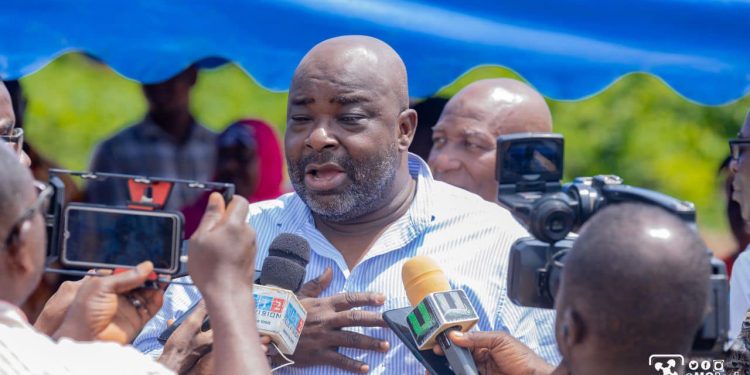
The flagbearer of the New Patriotic Party (NPP), Dr. Mahamudu Bawumia, has assured trade groups that he will abolish the proposed mandatory Pre-shipment Verification and Inspection policy for imported used vehicles if he wins the 2028 presidential election. The policy, which has been suspended, would have required importers of used vehicles to pay an importation certificate fee of around $300 per vehicle. Intended to regulate the importation of used cars into Ghana, the measure has faced strong opposition from the business community, who argue that it would increase costs for importers and ultimately for consumers. Following an engagement between Dr. Bawumia and members of the Ghana Union of Traders’ Associations (GUTA), Michael Okyere Baafi, Ranking Member on Parliament’s Trade, Industry and Tourism Committee, revealed the NPP flagbearer’s pledge. Okyere Baafi emphasized that the party views the inspection regime as unnecessary and is committed to scrapping it entirely if returned to power after the 2028 general elections. He noted that while the policy is currently suspended due to pressure from the Minority, there is a possibility it could be reintroduced in the future. “After the Minority’s pressure on them, they suspended the policy. The suspension means that they will likely reintroduce the policy, but the good news is that Dr. Bawumia met the GUTA people over the last three days and told them that he will scrap the policy outright when he wins the elections in 2028. The policy will not come back when the NPP assumes office,” Okyere Baafi stated. He also raised concerns about the financial burden the policy would place on both importers and final consumers, warning that such extra costs would ultimately be transferred to car buyers. Source: Apexnewsgh.com
Cyber Security Authority Disputes FBI’s Account of Ghana Cybercrime Operation
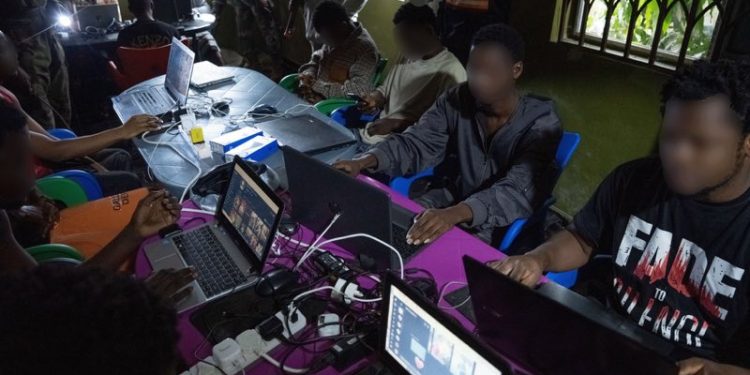
The Cyber Security Authority (CSA) has pushed back against the United States Federal Bureau of Investigation (FBI)’s narrative of a recent intelligence operation in Ghana, asserting that the operation, dubbed “Operation Cyber Hunt”, was led and coordinated by Ghanaian authorities, not the FBI. The CSA’s response comes after FBI Director Kashyap Pramod Patel posted on X about “Operation Blackout” in Ghana, a move the CSA says misrepresents the true nature of the collaborative effort. According to a statement released on Thursday, October 8, the CSA emphasized that the operation was conceived, planned, and executed within Ghana’s legal and institutional frameworks. Ghana’s National Security Council, the Criminal Investigations Department of the Ghana Police Service, the Ghana Immigration Service, and the Office of the Attorney-General were all key participants. International partners, such as the United Kingdom’s National Crime Agency, the FBI, Nigeria’s Economic and Financial Crimes Commission, and the Joint Case Team on Cybercrime, also contributed to the operation. While the CSA acknowledged valuable intelligence from the FBI and the National Crime Agency, it stressed the importance of accurately representing each agency’s role. The Authority reiterated that foreign agencies like the FBI cannot independently exercise police powers or conduct arrests in Ghana, such actions must be authorized and overseen by Ghanaian authorities. The operation led to the discovery of suspected cybercrime centres in the Greater Accra Region, resulting in the arrest of eight suspects and the rescue of 120 individuals believed to have been trafficked and exploited for online fraud schemes. Intelligence received in late August pointed to specific locations, including Ubuntu Haven Estate in Kpone Katamanso and Franko Estate in Ga North, as hubs for organized cybercrime activities such as romance scams. Law enforcement officials seized 136 mobile phones, 130 laptops, internet devices, and four vehicles, one of which was reportedly stolen from Canada. Additional items recovered included jewellery, ten Nigerian passports, and other electronic equipment. The CSA noted that arrangements were being made to repatriate most of the rescued victims, who were identified as Nigerians, while investigations into the suspects and recovered devices continued. In closing, the CSA called on the FBI to clarify its public statements and to properly acknowledge the contributions of Ghanaian institutions and international partners in the successful operation. Source: Apexnewsgh.com
Chairman Wontumi Sues Exim Bank, EOCO, and Attorney General Over GH¢18m Loan Dispute
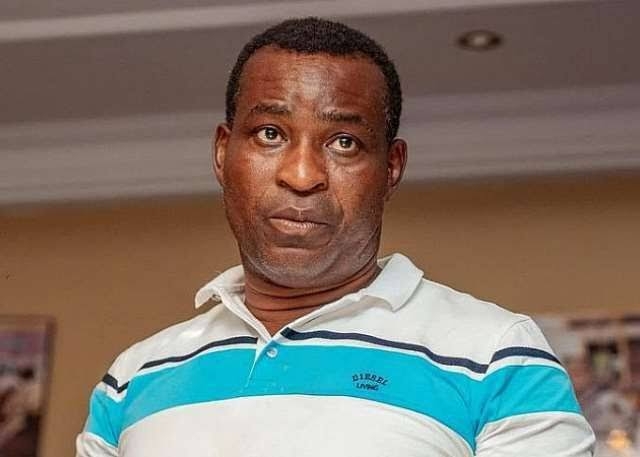
Former Ashanti Regional Chairman of the New Patriotic Party (NPP), Bernard Antwi Boasiako, familiarly known as Chairman Wontumi, has taken legal action against the Ghana Exim Bank, the Economic and Organised Crime Office (EOCO), and the Attorney General. He is asking the High Court to halt criminal proceedings in a contentious loan dispute involving his company, Wontumi Farms, and the state-owned bank. Chairman Wontumi and Wontumi Farms, represented by lawyer Samuel Atta-Akyea, contend that the dispute, centering on a loan of over GH¢18 million granted for a farming project, should be treated strictly as a civil matter, not a criminal one. The plaintiffs are currently facing criminal charges that include defrauding by false pretences, money laundering, and causing financial loss to the state. According to their statement of claim, the plaintiffs argue that EOCO has overstepped its mandate by acting as a debt collector in what they insist is a contractual disagreement. They stress that Wontumi Farms used a 10,000-acre parcel of land as collateral for the loan and that Chairman Wontumi himself provided a personal guarantee for repayment in case of default. They further assert that Ghana Exim Bank agreed to secure insurance to cover the facility. Chairman Wontumi and his company deny any wrongdoing or deceit in acquiring the facility. They are urging the court to declare the case a civil debt matter and to direct Ghana Exim Bank to seek recovery through the mortgage, personal guarantee, or insurance cover, rather than through criminal prosecution. Source: Apexnewsgh.com
Tragedy in Nigeria: 32 Killed as Military Plane Crashes into Swamp

32 people, including airmen, soldiers, crew members, and family members of military personnel, lost their lives yesterday when an ATR-42 plane crashed into a swamp opposite the Naval Base at Igbokoda, Ondo State. The ill-fated aircraft, which went down in the early hours of the morning, was carrying not just military personnel but also their relatives, among them children returning to school and loved ones who had visited their breadwinners serving in Edo and Delta states. According to sources, the turboprop aircraft was on a logistics mission to Lagos, part of Nigerian Air Force (NAF) operations, and had afforded families the opportunity to travel together. Authorities have delayed releasing the names of the victims, as some were civilian passengers, with efforts ongoing to notify their families first. President Bola Tinubu, mourning the loss, ordered an immediate investigation into the crash and declared a three-day national mourning period. Throughout the country, flags will fly at half-mast in tribute to the fallen officers and their families. Local officials confirmed the incident and cited bad weather as a likely cause. Ilaje Local Government Chairman, Maurice Oripelaye, reported that military gear was recovered from the site, stating, “Our findings showed that it was poor weather condition that affected the pilot. He was trying to maneuver, but the poor weather condition affected the pilot. It crashed into a swampy area very close to the water, at the back of Naval Base.” Police spokesperson DSP Jimoh Abayomi urged residents to remain calm and called on the public to avoid spreading unverified information, assuring that further details would be shared as investigations continue. Immediately following the accident, the Nigerian Air Force activated a search and rescue operation, with Air Commodore Ehimen Ejodame confirming that the aircraft was on a routine mission from Benin to Lagos when it crashed. Minister of Aviation and Aerospace Development, Festus Keyamo, confirmed on social media that air traffic control lost contact with the plane at about 9:13 a.m., and that all 25 passengers and seven crew members perished. Ondo State Governor, Lucky Aiyedatiwa, expressed heartfelt condolences to the Nigerian Air Force and the families of the victims, and mobilized state emergency agencies to assist in rescue and recovery efforts. The crash site has been cordoned off to allow unhindered operations, with local leaders urging the community to cooperate with authorities. Eyewitnesses in Igbokoda described hearing a loud sound and scenes of panic as the community rushed from the area. The Olu of Igbokoda, Oba Afolabi Odidiomo, said “a substantial part” of the aircraft was submerged in swamp water and, based on initial reports, feared there were no survivors. In a statement, President Tinubu praised the sacrifice of the Air Force personnel and assured that their service would never be forgotten. He commended first responders and pledged the continued support of his administration to the Nigerian Air Force and the families affected by the tragedy. Source: Apexnewsgh.com
NDC Deputy General Secretary Admits Telling EOCO to Arrest Manhyia South MP

A major political stir has erupted after Mustapha Gbande, Deputy General Secretary of the National Democratic Congress (NDC), openly admitted instructing the Economic and Organised Crime Office (EOCO) to arrest Manhyia South Member of Parliament, Nana Agyei Baffour Awuah. Speaking on JoyNews, Mr. Gbande clarified that his call for arrest was not linked to the MP’s role as a lawyer for senior nursing officer Salomey Awiti-Baffoe, as some had speculated. Instead, he said his directive was prompted by concerns over the MP’s conduct and a firm belief that no one should ignore an invitation from law enforcement. “I told him to arrest him. I wouldn’t lie about it,” Mr. Gbande stated. “I met the EOCO boss; I told him to arrest the guy. Let the whole world come to an end. Arrest him.” Mr. Gbande argued that Baffour Awuah should have simply honoured EOCO’s invitation, made the necessary statement, and left, rather than hold a press conference over the issue. The controversy began on September 23, 2026, when EOCO officers attempted to arrest the MP at the Accra High Court. According to EOCO, the arrest was part of an ongoing investigation and followed two previous invitations sent to the MP in February 2026—both of which, the agency said, went unanswered. However, the operation was called off after officers assessed that proceeding could jeopardize public safety. MP Baffour Awuah, meanwhile, disputed parts of EOCO’s narrative. He claimed the officer who approached him at court failed to provide proper identification or an arrest warrant, and that he became suspicious when the officer insisted he travel in their vehicle instead of his own. The situation intensified on September 30, when the High Court granted EOCO authority to arrest Baffour Awuah and search for documents related to their investigation. The court directed that the warrant be executed through the Speaker of Parliament. EOCO’s probe focuses on alleged unauthorized financial transactions involving SIC Life Savings and Loans, including suspected financial loss, dissipation of public funds, and money laundering. Baffour Awuah, who explained that his former law firm represented SIC Life Savings and Loans in recovering funds from another institution, reported himself to EOCO on October 1, accompanied by his lawyers and other MPs. He was charged with three offences, pleaded not guilty, and was released on GH¢10 million bail with two sureties. The next hearing is set for October 26. Amid the ongoing case, Mr. Gbande dismissed suggestions that law enforcement agencies must announce intended arrests in advance. “There’s no law that says that when a law enforcement agency is doing its work, it should come to media houses and tell them that I’m going to arrest somebody,” he said. Mr. Gbande further insisted that no political office-holder should see themselves as above the law. “Never should I sit anywhere and say that because I am a deputy general secretary of a party, I am bigger than the laws of Ghana,” he emphasized. He concluded that if Baffour Awuah had committed an offence, it was right for law enforcement to take the necessary action. Source: Apexnewsgh.com
Thousands of Police Deployed as NPP Prepares for National Delegates Conference in Kumasi
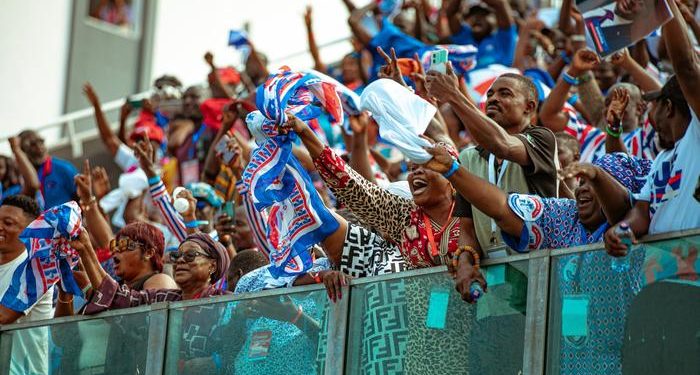
The Baba Yara Sports Stadium in Kumasi is abuzz with anticipation as the New Patriotic Party (NPP) gears up for its National Delegates Conference and elections. According to Anthony Abayifaa Karbo, the party’s Organisation Committee Chairperson, between 3,000 and 4,000 police officers have been deployed to provide security for the high-profile event. Karbo outlined that the security presence would cover not only the stadium itself, but also the hostels where delegates and guests are accommodated. Police officers are also tasked with managing traffic flow around the venue, ensuring a seamless experience for all attendees. Preparations for the conference, scheduled for Saturday, October 3, are in full swing. Delegates are arriving in Kumasi and settling into their designated hostels, while workers set up public address systems at the stadium. Security personnel have already taken up their posts in and around the venue, Karbo told Citi News. He took a moment to commend the Inspector General of Police and the Ashanti Regional Police Command for their strong cooperation and proactive efforts to ensure the safety and orderliness of the conference. Karbo expressed confidence in both the aspirants and the delegates, noting their responsible and cooperative conduct throughout the process. “We’re very much ready for tomorrow; you come around, you see the police and arrangements so far. I’m sure we’re ready; delegates are arriving at their hostels,” he said. The party, he emphasized, is committed to ensuring that the conference proceeds smoothly and successfully. Karbo called on all delegates to conduct themselves responsibly, underscoring the importance of a peaceful and well-organized event as the NPP gathers to shape its future. Source: Apexnewsgh.com
Stan Dogbe Clarifies La Beach Demolition Was Not Part of Flood Mitigation Plan
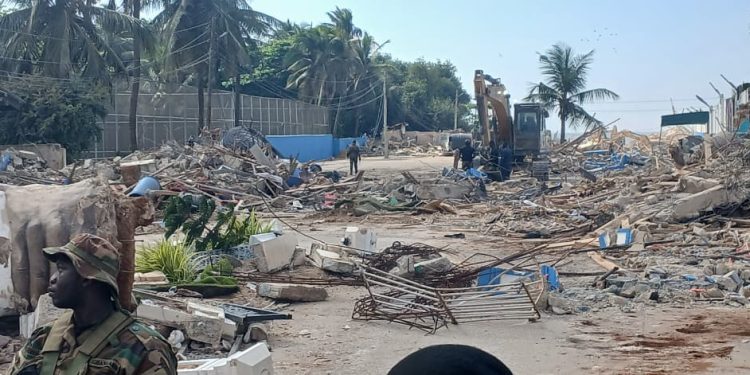
On a Friday morning along Accra’s iconic La Beach, the sound of demolition echoed across the coastline. Vendors and business owners watched as bulldozers, under the watchful eye of military personnel from the 48 Engineer Regiment and the Ghana Police Service, dismantled structures including the La Pleasure Beach and the Polo Beach Club, both nestled near the renowned Labadi Beach Hotel. News of the demolition quickly spread, with many assuming it was part of the government’s ongoing flood mitigation efforts. But Stan Dogbe, Deputy Chief of Staff in charge of Operations, stepped forward to set the record straight. In a Facebook post on Friday, October 2, Mr. Dogbe explained that the operation had no connection to the government’s flood mitigation task force. “Let’s not get it twisted,” he wrote. “Friday’s action along a section of the beachfront was not a Flood Mitigation Action by the government task force.” According to Mr. Dogbe, the government’s flood mitigation activities are currently focused elsewhere – at the Kpeshie Lagoon, East Legon Boundary Road, Oyarifa, and behind Mayfair Estates. The beachfront operation, he revealed, was instead done at the request of the Labadi Beach Hotel, with National Security overseeing the exercise. “These are structures, some permanently built, like the Polo Beach Club and others, on the beach in front of the hotel,” Mr. Dogbe clarified. “According to the business, these structures are adversely affecting the safety, tranquillity, and reputation of the hotel, diminishing the visitor experience and undermining the orderly management of one of Ghana’s most important tourism destinations.” While the hotel is expected to provide further details about its decision, Mr. Dogbe raised broader concerns about sanitation and security along the beach. He argued that unauthorised and unregulated commercial activities posed serious sanitation issues and security risks. Having reviewed drone footage and videos of the beachfront, Mr. Dogbe posed a question to the public: “Is the Labadi Beach Hotel not right in reclaiming its beachfront (I am not talking about the La Pleasure Beach, please)?” As the dust settled on the La Beach demolition, Stan Dogbe’s clarification sought to refocus the narrative, reminding the public that this was not about flood prevention, but rather, about restoring order and protecting one of Ghana’s cherished tourism destinations. Source: Apexnewsgh.com