
President Mahama Supports Jamaica’s Recovery
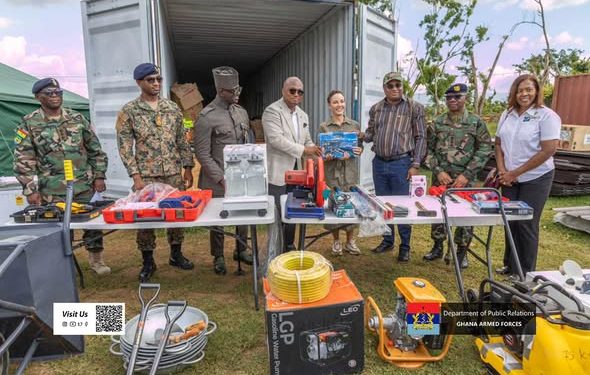
On a bright Sunday morning, January 25th, 2026, the spirit of unity and resilience was on full display as a Ghanaian delegation arrived in Kingston, Jamaica. Led by Ghana’s Minister for Foreign Affairs, Samuel Okudzeto Ablakwa, the team carried a special mission from President John Dramani Mahama: to present engineering equipment and vital supplies to the Jamaican Defence Force. This gift was a symbol of Ghana’s steadfast support for Jamaica’s ongoing recovery and reconstruction in the aftermath of Hurricane Melissa. The official handover took place in the presence of Jamaica’s Minister for Foreign Affairs and Foreign Trade, Kamina Johnson Smith, who warmly received the items on behalf of her country. The visit was more than a ceremonial gesture; it provided an opportunity for the Ghanaian delegation to assess the reconstruction efforts firsthand, learn about the progress being made, and check on the welfare of Ghanaian troops serving in the multinational humanitarian mission. Accompanied by Deputy Minister for Defence Ernest Brogya Genfi, Chief of the Army Staff Major General Lawrence Kwaku Gbetanu, and Ghana’s Special Envoy to the Caribbean Region, Kwasi Kyei Darkwah, the delegation toured project sites where Ghanaian engineers were hard at work. Amidst the sounds of hammers and the bustle of construction, homes were being rebuilt, and hope was being restored for families who had lost so much to the disaster. Colonel Emmanuel Asia, Commander of the Ghana Engineering Reconstruction Team, provided a detailed briefing on the progress made, the hurdles faced, and the plans for the phases ahead. Both Ghanaian and Jamaican Foreign Ministers praised the teams for their dedication and professionalism. They noted how the collaboration between Ghana, Jamaica, and Guyana reflected not only strong regional solidarity but also a shared commitment to humanitarian assistance. The story of this partnership is one of compassion and shared resolve, a testament to how nations, united by friendship and a sense of duty, can help rebuild lives and strengthen communities in times of need. Source: Apexnewsgh.com
Majority Leader Fires Back: Ayariga Accuses Minority of Double Standards Over Urgent Bills

In Parliament, a heated exchange erupted between the Majority and Minority, culminating in sharp accusations from the Majority Leader, Mr. Mahama Ayariga. The dispute centered on claims by the Minority New Patriotic Party (NPP) caucus, led by Mr. Alexander Afenyo-Markin, that the Majority National Democratic Congress (NDC) was abusing its numerical advantage by rushing bills through Parliament under a Certificate of Urgency. At a press conference on Monday, the Minority alleged that the NDC was strong-arming legislation, prompting Mr. Ayariga to set the record straight. He reminded the house and the nation that the NPP, during its time as the Majority, had made liberal use of the same parliamentary procedure. “Between 2017 and 2021, the NPP-led Parliament passed 30 bills under a Certificate of Urgency,” Mr. Ayariga revealed. “From 2021 to 2024, an additional 26 bills were expedited using the same process.” Ayariga did not mince words, criticizing Mr. Afenyo-Markin’s leadership and the Minority’s stance. “Sadly, Afenyo-Markin has brought leadership of a caucus to such low levels,” he lamented, describing the Minority’s position as inconsistent with its own legislative track record. The Majority Leader explained that bills passed under a Certificate of Urgency are typically non-controversial or are later revised and reintroduced to address urgent national priorities. Some, he noted, are fast-tracked to fulfill obligations arising from Ghana’s international agreements and programme timelines. Importantly, Ayariga emphasized that the Minority always has the right to propose amendments to urgent bills, arguing that the use of this procedure is not inherently abusive or unlawful. “The process does not in itself amount to wrongdoing or legislative abuse,” he asserted. As tensions simmered, Mr. Ayariga called on the Minority to be honest and consistent. He maintained that the Certificate of Urgency is a legitimate parliamentary tool, urging his counterparts to uphold integrity in their critique of parliamentary processes. Source: Apexnewsgh.com
Security Forces Launch Crackdown on Illegal Transport Fares in Greater Kumasi
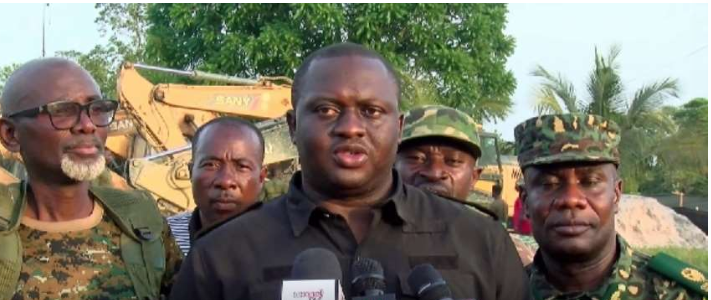
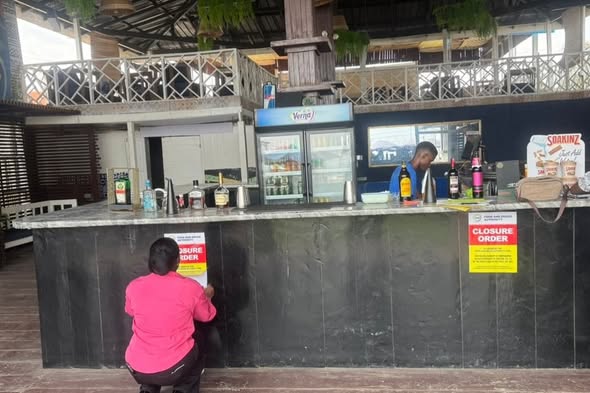
A new wave of law enforcement activity swept through Greater Kumasi on Monday, January 26, as the Ashanti Regional branch of the National Security Secretariat deployed teams across the metropolis in a determined effort to curb the rampant practice of illegal fare hikes among commercial transport operators. The operation, spearheaded by Ashanti Regional Security Liaison Officer Capt. (Rtd.) Kwame Jabari has mobilized more than 20 security personnel from the regional office, with additional support from various district security units. Their mission: to target drivers, conductors, and loading boys who unlawfully increase transport fares, burdening already-strained commuters. “We are going to partner with the KMA, we are going to partner with the police, arrest those who are charging illegal prices and ensure there’s sanctity within the bus terminals within the Metro points,” Capt. Jabari announced as the teams fanned out to key terminals across the city. “We are starting it today, so we are going to do evenings and early mornings now. Early in the morning, there will be a team at the various bus terminals.” He explained that anyone caught charging unapproved transport fares will be promptly handed over to the Ghana Police Service to face legal consequences. Beyond enforcement, the operation also aims to ease the chronic traffic congestion that plagues Greater Kumasi, especially during rush hours. To further support commuters, the National Security Secretariat is working closely with Metro Mass Transit to deploy buses from selected communities to central destinations like Kejetia, ensuring passengers have reliable and affordable transport options. For many residents, the crackdown brings hope of relief after months of struggling with sudden and unjustified fare increases. As the operation continues, authorities are determined to restore order and fairness to the city’s bustling transport sector, making sure that every journey ends with peace of mind. Source: Apexnewsgh.com
Minority Accuses NDC of Politicizing Anti-LGBTQ Bill, Abandoning Promise After Election Victory
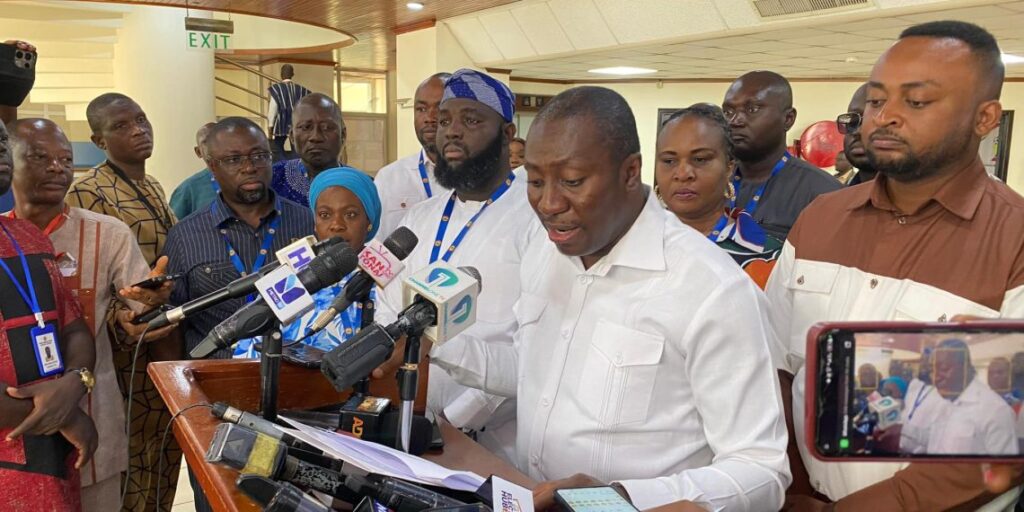
The political temperature in Parliament rose sharply this week as the Minority Caucus leveled strong accusations against the ruling National Democratic Congress (NDC), alleging that the party used the Human Sexual Rights and Family Values Bill, popularly known as the anti-LGBTQ bill, as campaign bait in the 2024 general elections, only to retreat from their commitment once in power. At a press conference themed “Holding Government to Account,” Minority Leader and Effutu MP, Alexander Afenyo-Markin, did not mince words. He told the gathered media that the NDC and its Members of Parliament had openly promised voters that the bill would be swiftly passed and signed into law if they won the presidency. “But after assuming office, that promise has been left unfulfilled,” Afenyo-Markin said. The Minority Leader argued that the government’s current hesitancy stands in stark contrast to its campaign rhetoric, especially as public debate swirls around the recent controversy involving LGBTQ-related content in the Senior High School curriculum, an incident the government has since described as an error. Afenyo-Markin also challenged President John Dramani Mahama’s recent assertion that further consultation is needed to refine the bill. He described this as a “play on words” and accused the NDC of inconsistency, recalling that the party had previously insisted the law was ready to be passed. According to Afenyo-Markin, even attempts by Minority MPs to advance the bill through a private member’s motion have been sidelined by the Majority leadership using procedural maneuvers. “When the Mighty Minority members decided through a private members’ bill to now pin them to their own principles, suddenly, after all the processes had been followed, the NDC, through its Majority leader, found a way of using procedure to claim there was no such approval by the Speaker,” he lamented. He maintained that the NDC’s actions suggested the bill was used as a tool to win political favor, and now, facing the complexities of governance, the party was looking for an exit. “We hold the view that the NDC used the Anti-LGBTQ law only for power, and now that they are facing reality, they want to find a way of running away from it. We will insist that they act by their own principle,” Afenyo-Markin declared. The accusation has reignited debate about the future of the controversial bill, with the Minority vowing to hold the government accountable and ensure it honors its campaign promises. Source: Apexnewsgh.com
Minority Credits Ghana’s Economic Gains to External Factors, Not Government Competence
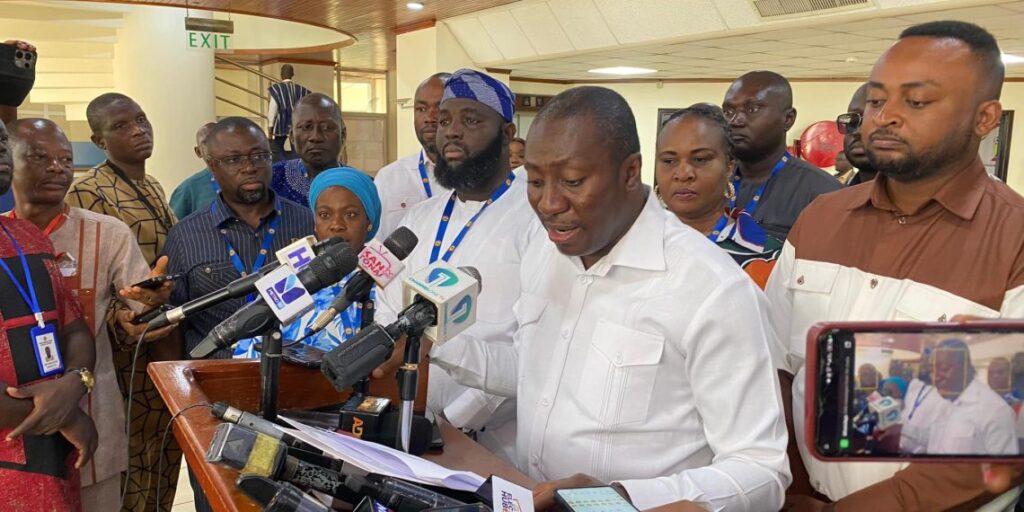
The ongoing debate over Ghana’s economic recovery took center stage in Parliament on Monday, January 26, as Minority Leader Alexander Afenyo-Markin challenged claims that recent improvements are the result of effective government policies under President John Mahama. Addressing journalists at a press briefing, Afenyo-Markin acknowledged that Ghana’s economy has shown signs of progress, but was quick to dispute the narrative that these gains stem from the government’s own competence or reform agenda. “We have been told that the economy is doing well. That is not in doubt,” he said. “But the question is: Is the economy doing well because of prudent management, or is it due to other factors outside the government’s control?” According to the Minority Leader, the real drivers behind Ghana’s current economic upturn are the ongoing IMF-supported program, debt relief initiatives, rising commodity exports, and a marked reduction in government spending. He dismissed the notion that new social intervention programs or policy re-engineering by the Mahama administration were responsible for the positive shift. “We submit that the so-called gains were not born out of the government’s competence in the management of our economy,” Afenyo-Markin emphasized. “Rather, it is the IMF program, debt relief, rising commodity exports, and reduced expenditure that are the major reasons for the upswing in Ghana’s economy, not any re-engineering by the current administration.” The Minority’s stance has added a new dimension to the conversation about Ghana’s economic future, as political leaders and the public continue to scrutinize the true sources of the nation’s financial turnaround. Source: Apexnewsgh.com
Sissala West MP Questions Substance of NPP Peace Pact Amid Flagbearer Tensions
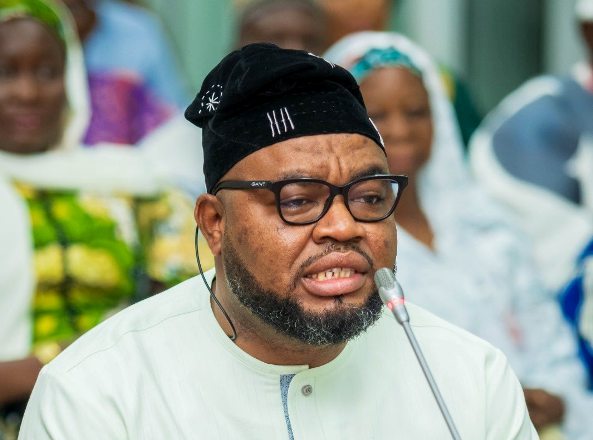
In the heated run-up to the New Patriotic Party’s (NPP) flagbearership primaries, Member of Parliament for Sissala West, Mohammed Sukparu, has raised serious doubts about the value of the recently signed peace pact among the party’s top presidential aspirants. Speaking candidly on Monday, January 26, Sukparu argued that symbolic gestures alone cannot guarantee harmony within the party ranks. His remarks came just days after the five contenders for the NPP’s presidential ticket put pen to paper, pledging unity, respect for the electoral process, and support for whoever emerges victorious at the January 31, 2026, primary. But Sukparu, like many political observers, was not convinced by what he saw during the signing ceremony. “Whatever happened at the peace pact signing was just documentation,” he remarked. “If you observed the faces of the candidates seated there, there was nothing to suggest that they were demonstrating peace. Peace must be demonstrated, not reduced to a mere signature.” Sukparu went further, calling out the party’s leadership for failing to clamp down on divisive rhetoric and personal attacks that have marred the campaign season. He noted that some aspirants had openly insulted one another—accusing rivals of being “mad,” “sick,” or involved in illegal activities—without any condemnation from the party’s hierarchy. “Right from the word go, you saw some candidates describing others as mad, sick, or accusing them of engaging in illegal activities, yet nobody from the party’s top hierarchy has come out to condemn such behaviour,” he said. For the Sissala West MP, if the NPP truly wants to foster peace, it must go beyond orchestrated ceremonies and signatures. “If they truly want to exhibit the peace they are calling for, they must go beyond mere signatures,” he urged. The upcoming NPP presidential primary is shaping up to be a fiercely contested race, featuring high-profile figures such as former Assin Central MP Ken Ohene Agyapong, Abetifi MP Dr. Bryan Acheampong, ex-Vice President and 2024 Presidential Candidate Dr. Mahamudu Bawumia, Bosomtwe MP Dr. Yaw Osei Adutwum, and former NPP General Secretary Kwabena Agyei Agyepong. As January 31 approaches, the spotlight remains not only on who will clinch the party’s flagbearership, but also on whether the peace pact will hold firm under the weight of political ambition. Source: Apexnewsgh.com
Ghana Deploys 121 Nurses to Antigua in New Push for International Job Opportunities
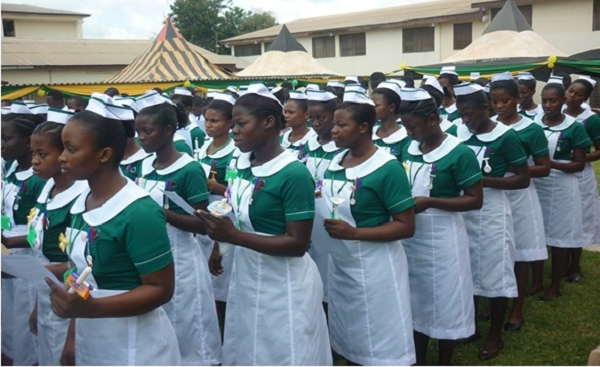
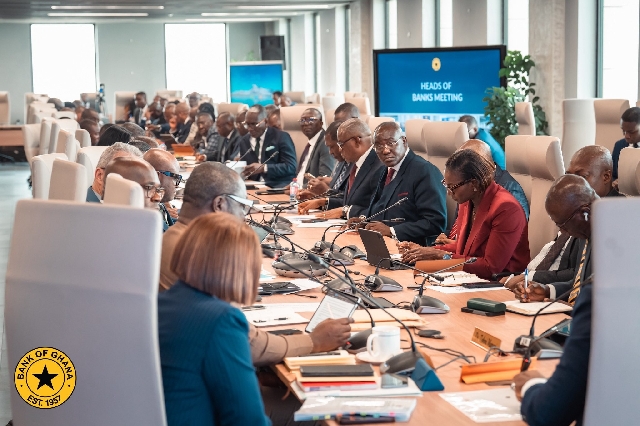
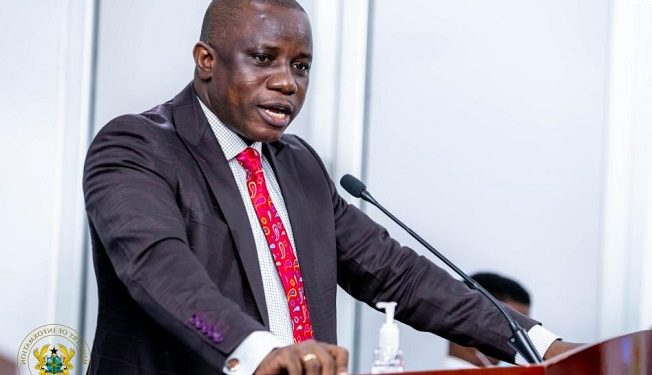
In a significant step to tackle the growing backlog of unemployed health professionals, Ghana’s Ministry of Health, in partnership with the Ghana Labour Exchange Programme, has deployed 121 nurses to Antigua. The move, celebrated at a deployment ceremony attended by Health Minister Kwabena Mintah Akandoh, is part of a broader strategy to create new job avenues for qualified Ghanaian health workers. Addressing the nurses and their families, Minister Akandoh highlighted a pressing challenge facing the country: over 80,000 trained health workers have completed their education but remain unabsorbed by the public sector. “Our commitment is to find innovative ways to provide opportunities for our dedicated professionals,” he said. “Bilateral agreements like this are a win-win for Ghana and our partner countries.” Antigua now joins a growing list of nations, including Jamaica, Barbados, and Trinidad, participating in Ghana’s initiative to export skilled health labor. Through these partnerships, Ghanaian nurses gain international experience, while host countries benefit from their expertise and professionalism. During the send-off, officials urged the departing nurses to be ambassadors of Ghanaian values, maintaining the highest standards of professionalism and integrity as they serve abroad. Several nurses shared their hopes that the opportunity would not only advance their careers but also enhance Ghana’s reputation on the global healthcare stage. For many, the deployment marks more than just a new job; it’s a journey that bridges continents, opens doors, and showcases the resilience and talent of Ghana’s health workforce to the world. Source: Apexnewsgh.com
Six Candidates Set to Battle for Ayawaso East Seat as By-Election Race Heats Up

The political atmosphere in the Greater Accra Region is buzzing with anticipation as six hopefuls have entered the race for the upcoming Ayawaso East by-election, scheduled for February 7, 2026. The contest promises to be fiercely competitive as parties and supporters throw their weight behind their preferred candidates. The close of nominations on Friday, January 24, 2026, revealed a diverse lineup of aspirants eager to represent Ayawaso East in Parliament. Those who have officially picked up nomination forms are Mohammed Ramne, Mohammed Abdul Salam, Yakubu Azindow, Mohammed Baba Jamal Ahmed, Najib Mohammed Sani, and Amina Adam. According to party officials, each aspirant is expected to submit their completed nomination forms at the party’s regional office by Tuesday, January 27, 2026. The party has wished all contenders the best as the internal selection process moves forward, emphasizing a commitment to fairness and transparency. The Ayawaso East by-election is already attracting significant attention from political watchers and the electorate alike. With the February poll fast approaching, all eyes are on the six candidates as they prepare to make their case to the constituency, setting the stage for what promises to be an exciting political showdown. Source: Apexnewsgh.com
Chuchuliga–Sandema Roadworks Stall as Contractor Delays Post-Holiday Return
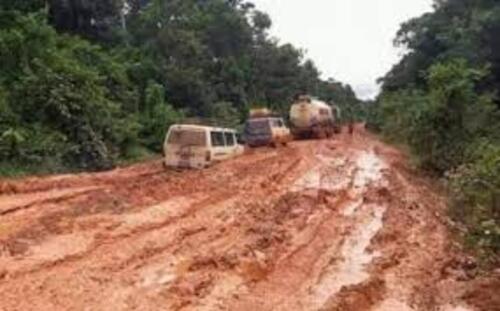
Residents and travelers along the Chuchuliga–Sandema road have grown increasingly anxious as construction on the critical route remains at a standstill. The reason: MyTurn Construction, the firm responsible for the project, has yet to return to the site following the Christmas break. Upper East Regional Minister Donatus Akamugri Atanga addressed the situation during his first press soiree, responding to pointed questions from the media regarding the road’s progress. He explained that while the project was expected to resume after the holidays, the contractor had not yet made an appearance. “I am reliably informed by my honorable MCE that he spoke to the contractor, who assured him he would be back on site by the end of this month,” Atanga said. “He left for the Christmas holidays and is not back yet.” The Minister’s remarks have sparked reactions from frustrated residents and frequent users of the road, many of whom noted that construction crews left soon after the region’s FEOK celebrations and have not been seen since. With each passing day, hopes for a swift resumption of work are being tested, as communities along the route wait for tangible signs that their vital roadway will soon be completed. Source: Apexnewsgh.com
Upper East NPP Former Regional Executive Rally Behind Bawumia for 2028 Comeback
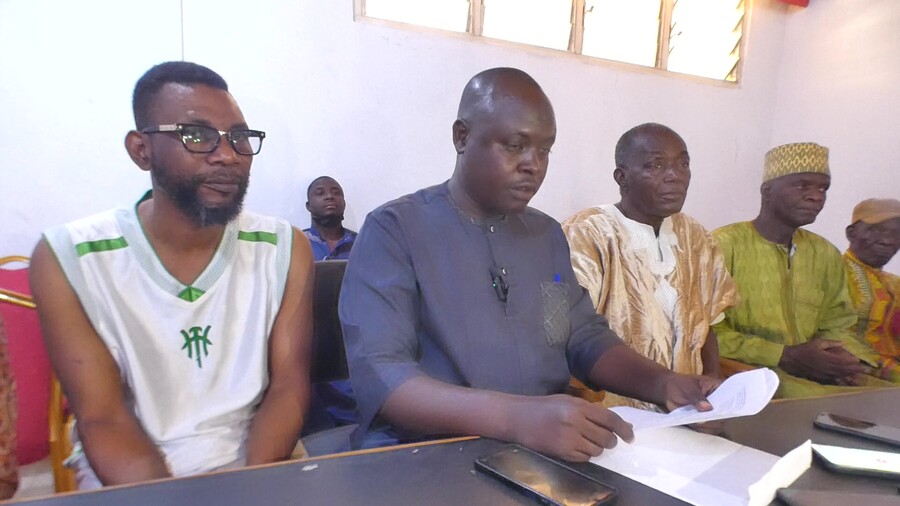
On a pivotal Friday, January 23, 2026, a group of former NPP Regional Executives, thirty-five in number, stepped before the press. They were the former Regional Executives of the New Patriotic Party (NPP) in the Upper East Region, their faces etched with the experience of countless campaigns. Their message was singular and powerful: a full-throated endorsement of Alhaji Dr. Mahamudu Bawumia to lead the party into the 2028 General Elections. With the party’s flagbearership election just days away, on January 31, these former excutive had not made their decision lightly. “After scrutiny of the five aspirants and deep reflection,” their spokesperson declared, reading from a collective statement, “and out of our unwavering love for the party and our collective desire to recapture political power, we have come to the firm conclusion that Alhaji Dr. Mahamudu Bawumia represents the best possible choice for the NPP in 2028.” Their support, they stressed, was unequivocal and unflinching for the immediate past Vice President. They laid out a compelling case, built on four pillars of conviction. First was Leadership and Electability. In the current political climate, they believed Dr. Bawumia’s caliber and competence positioned him best to reclaim victory for the NPP. Second was Experience and Political Consistency. Among the contenders, he stood apart. Having led the party’s ticket in 2024, he possessed invaluable experience. “As has been the tradition in our party,” they noted, “he deserves a second opportunity.” To them, consistency was a proven winning strategy. Third, they pointed to his Competence and Character—a consistent demonstration of resourcefulness, humility, and dedication, qualities they deemed essential for rebuilding party unity and transforming the nation. Finally, they championed his Vision for Ghana, one centered on humanity, inclusive development, and sustainable socio-economic transformation. “His ideas resonate with the aspirations of Ghanaians,” the statement read, praising him as “a positive thinker, a problem solver, and a man of action.” The number was specific and significant: all thirty-five former executives stood united in this declaration. Their conclave ended with a resonant call to action, directed at the party’s delegates. They urged them to rally behind Dr. Bawumia, to entrust him with the flagbearership, and to set the NPP on a course to secure victory in 2028. The message from the Upper East was clear: a battalion of the party’s old guard had mobilized, placing their strategic weight behind Bawumia’s bid to lead the charge back to power. Source: Apexnewsgh.com