
Upper East Regional Minister Dispels Controversy Over Airport Project Land Acquisition
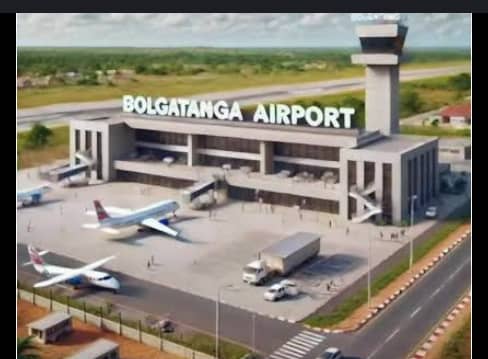
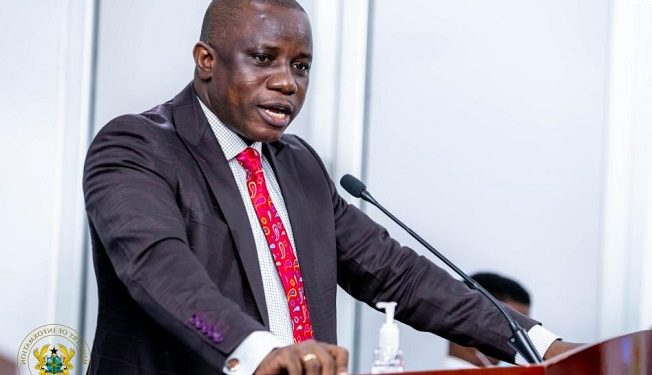
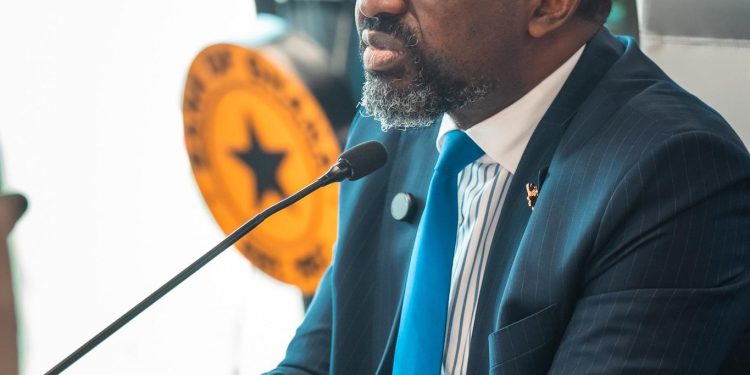
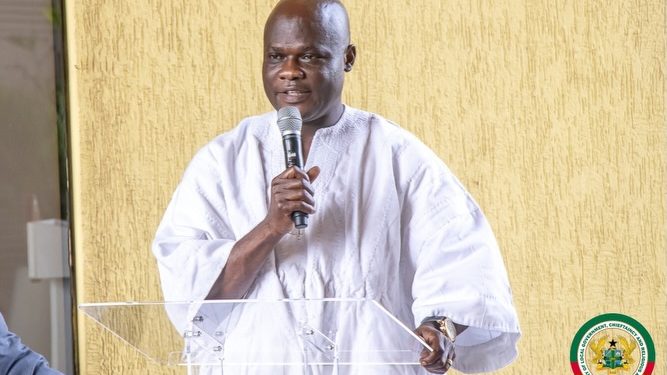
At the heart of the bustling Upper East Region, debate has swirled over the government’s ambitious plan to construct a regional airport, a project championed as a catalyst for connectivity and economic growth. On Wednesday, January 21, 2026, Regional Minister Donatus Atanga Akamugri took to the podium at his administration’s first press soiree, determined to set the record straight amidst mounting accusations of exclusion and betrayal. Addressing journalists and stakeholders, Mr. Atanga confronted claims that he and his office had disregarded certain interest groups and mishandled the acquisition of community land earmarked for the airport. With a calm but resolute tone, the Minister explained that every step of the process had been guided by both legal precision and respect for local customs. “All the documentation required for this project has been duly secured,” Mr. Atanga assured the gathering. “The Regional Coordinating Council (RCC), in partnership with our chiefs and landowners, carefully prepared a cadastral plan and indenture. Only the legitimate landowners were signatories—if you’re not a landowner, you cannot sign. Some have misconstrued this as trespassing, but that is simply not true.” He revealed that more than fifteen chiefs and community leaders had recently visited his office to formally affirm their consent for the project, dispelling speculation and clearing a path for construction. Working in tandem with Members of Parliament such as Hon. James Agalga, Mr. Atanga, and the RCC ensured the airport project was included in the national budget, a clear signal, he said, of the government’s commitment. Officials from the Ghana Airport Company, along with the Civil Aviation Director and board members, have also toured the designated site, expressing readiness to commence work once all remaining formalities are complete. “If all goes according to plan, we anticipate breaking ground as early as June 2026,” the Minister projected, hinting at a possible presidential inauguration of the airport the following February. “This airport belongs to all of us. We must unite and not let personal interests undermine progress.” The Upper East Airport project, a flagship initiative under the National Democratic Congress (NDC) administration, is poised to transform the region, yet it has not been without controversy. Some local voices have raised concerns about transparency and fairness in the land acquisition process. Mr. Atanga’s latest clarification comes as government officials and community stakeholders work to ensure every document is in order, every voice heard, and every legal requirement satisfied before construction begins. As the dust settles on the latest debate, the region watches closely, hopeful that the dream of an airport and the promise of new economic opportunities will soon become reality for all. Source: Apexnewsgh.com
Upper East Regional Minister Rallies Communities to Combat Crime Surge in Market Centers
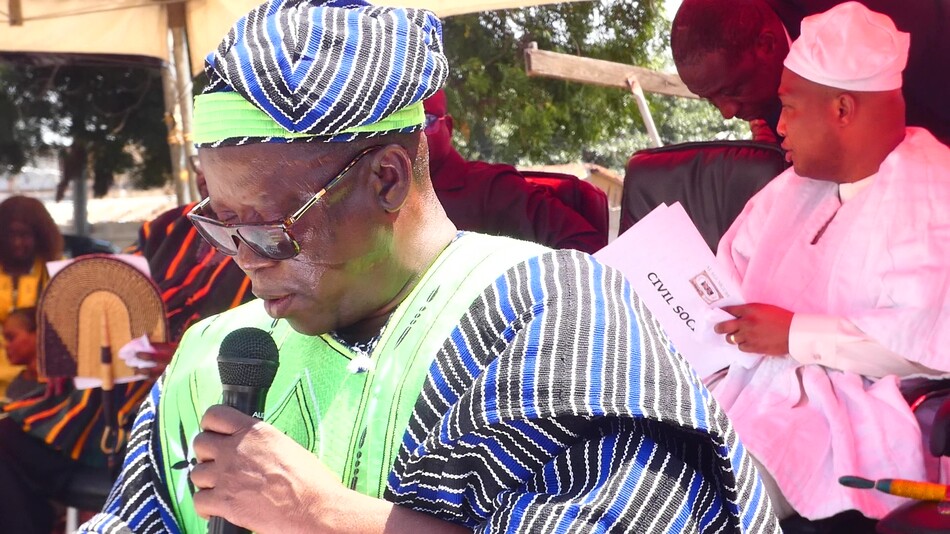
The Upper East Region has recently been shadowed by a surge in criminal activities, from brazen motorbike snatching to daylight robberies. On Wednesday, January 21, 2026, Regional Minister Donatus Akamugri Atanga addressed these growing concerns at the first press soiree of the current National Democratic Congress (NDC) administration, outlining a determined government response to restore public safety. Standing before an audience of journalists and community representatives, Mr. Atanga acknowledged the anxiety felt by residents and traders in communities like Talensi, Zaare, Vea, Soe, and beyond. He assured the region that a combination of robust security interventions and grassroots engagement was being deployed to counteract the recent wave of crime. “We are actively addressing criminal activities, including motor snatching and robberies, through coordinated security interventions and community engagement, especially market security committees,” the Minister stated. Mr. Atanga detailed how the government’s approach hinges not only on increased law enforcement presence but also on direct collaboration with those most affected—traders and local leaders. By forming and activating market security committees, authorities aim to enhance intelligence gathering and create a network of vigilance in every major trading hub. “The involvement of traders and local leaders is crucial,” he stressed. “Their firsthand knowledge and insights are invaluable for early warnings, swift responses, and ultimately, safer marketplaces.” As these interventions roll out across the Upper East Region, the Minister called on all residents to play an active role in the fight against crime. With united efforts and open communication, he expressed confidence that the region’s markets would soon be restored as safe havens for honest commerce and community life. For now, vigilance and cooperation are the watchwords as the region rallies together to reclaim its peace and prosperity. Source: Apexnewsgh.com
Ghana Moves to Preserve Nkrumah’s Guinea Home as Historic Landmark
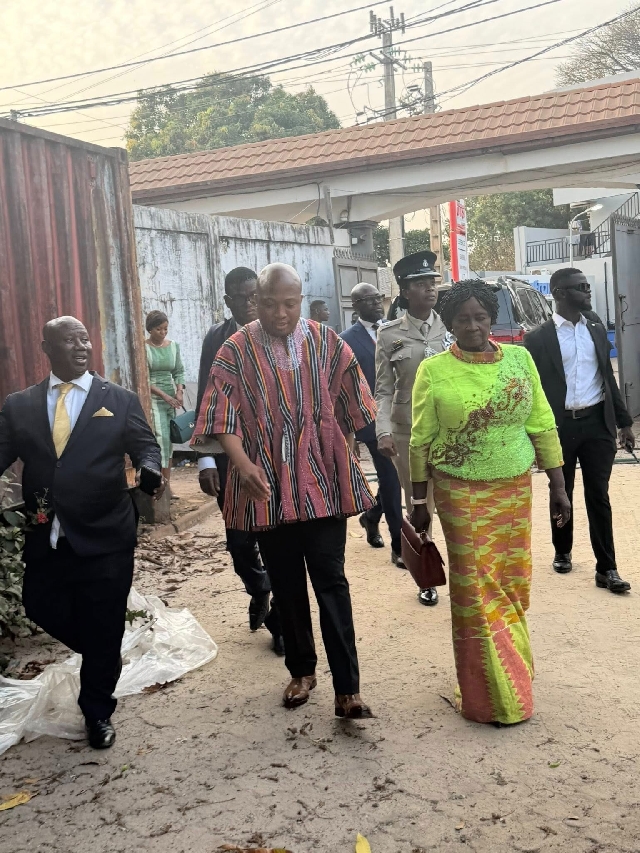
In a move steeped in history and symbolism, the Government of Ghana has embarked on formal negotiations to acquire and restore the residence in Guinea that sheltered Osagyefo Dr. Kwame Nkrumah during his final years. The house, once shared by Nkrumah and Guinea’s President Ahmed Sékou Touré during their time as Co-Presidents, stands as a testament to pan-African solidarity and the enduring bonds between the two nations. The initiative, launched at the behest of President John Dramani Mahama, seeks to transform the former residence into a carefully preserved heritage site. The goal is not only to honor Ghana’s first president but also to provide a powerful destination for tourists and history enthusiasts eager to trace Nkrumah’s remarkable journey from Ghana to Guinea. The latest chapter in this project unfolded during a high-level visit led by Vice President H.E. Prof. Naana Jane Opoku-Agyemang, who traveled to Guinea following the investiture of President Mamady Doumbouya. On Saturday, the Vice President and a delegation of Ghanaian officials were warmly welcomed by three generations of the Sékou Touré family, led by the late leader’s eldest son. Together, they toured the historic property, reflecting on the legacy of unity and resilience that it represents. Minister for Foreign Affairs and Regional Integration, Samuel Okudzeto-Ablakwa, shared that the restoration effort is intended to immerse visitors in Nkrumah’s legacy, offering a tangible link to his life’s final chapter and his close partnership with Guinea. “This project will allow people to see where Nkrumah lived, worked, and contributed to Africa’s liberation movement after his exile,” Okudzeto-Ablakwa explained. “It’s about bringing history to life for future generations.” Negotiations are now underway between Ghana’s Ministry of Foreign Affairs and the Touré family to finalize the terms of acquisition. Preservation experts have been consulted to ensure that the restoration is meticulous and respectful, with every detail designed to maintain the authenticity of the residence. Government officials have promised full transparency throughout the process, pledging to keep the public informed at every stage. As plans move forward, anticipation is building around the potential for Nkrumah’s Guinea home to become a new beacon for pan-African heritage and a fitting tribute to a visionary leader whose influence stretched far beyond Ghana’s borders. Source: Apexnewsgh.com
Ken Ofori-Atta Faces U.S. Immigration Hearing Amid Ghana’s Extradition Request
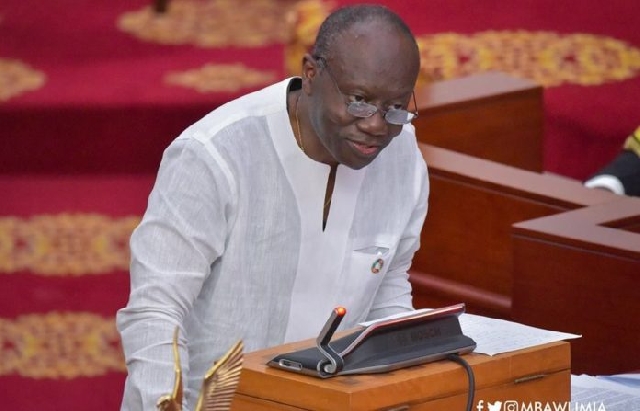
A sense of anticipation hangs in the air as former Ghanaian Finance Minister Ken Ofori-Atta prepares to stand before a U.S. court in Virginia today, January 20, 2026. The hearing, convened by American immigration authorities, will determine Ofori-Atta’s legal status in the United States, a decision with significant legal and diplomatic implications stretching from Washington to Accra. Ofori-Atta’s appearance follows a period of detention by U.S. Immigration and Customs Enforcement (ICE), who have held him at a secure facility in Virginia since he arrived in the country. His case has become a touchstone for both U.S. and Ghanaian officials, as its outcome could shape the future of high-level extradition proceedings between the two nations. At the heart of the matter is Ghana’s formal request for Ofori-Atta’s extradition. The former minister faces 78 counts related to corruption back home, and Ghanaian authorities are eager to have him returned to stand trial. Dr. Dominic Ayine, Ghana’s Minister of Justice and Attorney-General, has assured observers that the United States will respect the legal process and not obstruct Ghana’s efforts. Yet, he concedes that the final decision rests in the hands of the U.S. judicial and immigration system, which must now weigh both the extradition request and the merits of Ofori-Atta’s case to stay in the country. As the proceedings unfold, Ofori-Atta’s personal anxieties have also come to light. Ghana’s Ambassador to the U.S., Victor Smith, has revealed that the former minister harbors deep concerns about his fate should he be returned to Ghana, a reminder that beyond the legal arguments and diplomatic negotiations, a very human story is at play. Today’s court session is expected to focus on Ofori-Atta’s current immigration status, deliberating whether he will be allowed to remain in the United States, at least temporarily, or be subject to removal proceedings. The outcome will not only affect the former finance minister’s immediate future but could also set important precedents for how similar cases are handled in the years ahead. As the hearing begins, all eyes are on the Virginia courtroom, where questions of justice, international cooperation, and personal fate converge in a case that has captured attention on both sides of the Atlantic. Source: Apexnewsgh.com
The Campaign Manager Sets the Record Straight: The Real Story Behind Eastern Region Campaign Funds
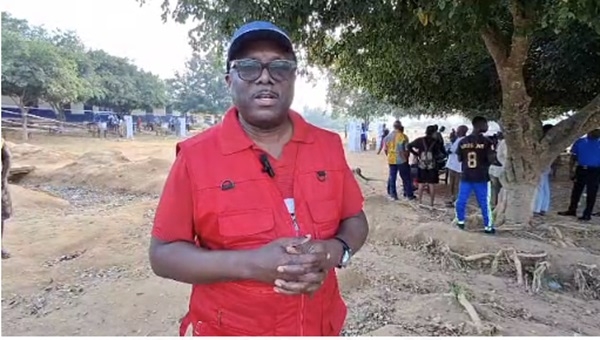
In the thick of political intrigue and campaign fervor, a storm brewed within the New Patriotic Party (NPP) in the Eastern Region. Rumors had begun to swirl, painting a picture of Dr. Bryan Acheampong as the sole financier of the region’s Members of Parliament (MPs) during the 2024 elections. The whispers grew louder after a viral video emerged, showing the Eastern Regional NPP Chairman, Mr. Jeff Konadu, chastising MPs such as Mr. Akwasi Acquah of Akyem Oda and Mr. Kojo Oppong Nkrumah. He accused them of ingratitude, claiming they had benefited financially from Dr. Acheampong’s generosity. Stepping into the fray to clear the air was Mr. Frederick Opare-Ansah, campaign manager for Dr. Mahamudu Bawumia and former MP for Suhum. Mr. Opare-Ansah dismissed the swirling claims as misleading, determined to set the record straight. According to Mr. Opare-Ansah, while it was true that some MPs in the Eastern Region received financial support during the campaign, the story was far more nuanced than the rumors suggested. The funds, he clarified, were not personal gifts from Dr. Acheampong. Instead, they were campaign contributions gathered from various donors, which Dr. Acheampong distributed on behalf of the Bawumia campaign. He explained that Dr. Bawumia had put in place a system to coordinate campaign donations across key regions, including Ashanti, Eastern, Central, and Northern. In the Eastern Region, Dr. Acheampong was tasked with receiving and distributing the funds, but the money itself came from a broad base of supporters. Notable contributors included Mr. Ken Ofori-Atta, Mr. Amoako Atta, private individuals, and direct transfers from the national campaign finance directorate. With these facts laid bare, Mr. Opare-Ansah called on Mr. Jeff Konadu to refrain from spreading misinformation. He urged party leaders to remain truthful and measured in their public statements, warning that unity within the party depended on it. In the end, the campaign manager’s clarification brought much-needed perspective to a heated debate, reminding all involved that the strength of the party lay in transparency and collective effort—not in the ambitions or generosity of a single individual. Source: Apexnewsgh.com
Kennedy Agyapong Emerges as Frontrunner—A Story of Shift and Strategy in NPP’s Flagbearer Race
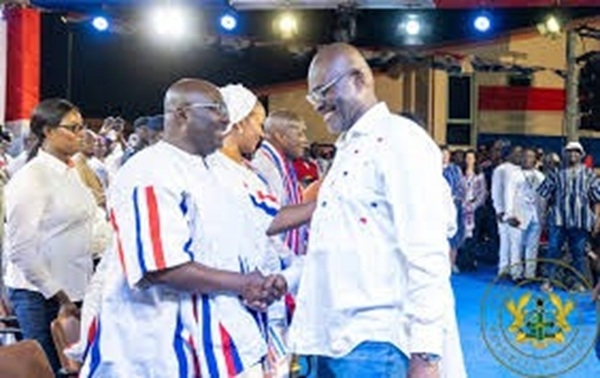
As the New Patriotic Party (NPP) prepares for its crucial presidential primary, a fresh wind of change is sweeping through its ranks. The story begins with a meticulous study led by Dr. Evans Duah, a respected financial economist and lecturer, who set out to capture the pulse of over 40,000 NPP delegates across all 16 regions of Ghana. After three waves of polling and careful validation of more than 31,000 responses, the tale took a decisive turn. The final chapter of Dr. Duah’s report revealed Kennedy Ohene Agyapong as the clear frontrunner, commanding 52.59% support from party delegates. Former Vice President Dr. Mahamudu Bawumia, once considered a heavyweight, now trailed behind with 36.24%. The numbers, however, only tell part of the story. Agyapong’s rise was not accidental. His campaign, marked by relentless ground-level engagement and targeted outreach in delegate-rich regions like Ashanti and Greater Accra, generated what Dr. Duah described as the “largest positive net movement” among the candidates. Delegates, weary after the party’s 2024 electoral defeat, were now seeking a leader with coalition-building skills and the ability to rejuvenate the party’s prospects. Meanwhile, Bawumia struggled to extend his influence in the southern regions, and the emergence of Dr. Bryan Acheampong as a contender chipped away at the margins but failed to seriously threaten the top two positions. “This isn’t just numbers; it’s a narrative of resilience,” Dr. Duah reflected. The story, he argued, is about a party at a crossroads, and a candidate whose direct approach and rapport with delegates could rewrite the NPP’s future. As the January 31 primary approaches, the suspense builds. In this unfolding drama, success will hinge on each candidate’s ability to consolidate their support and win over the still-undecided delegates. For now, the momentum, and perhaps the future of the NPP, rests in the hands of Kennedy Ohene Agyapong. Source: Apexnewsgh.com
Former MASLOC CEO Sedina Tamakloe-Attionu Detained in U.S. Pending Extradition to Ghana

Sedina Tamakloe-Attionu, the former Chief Executive Officer of the Microfinance and Small Loans Centre (MASLOC), is currently in custody at the Nevada Southern Detention Centre in the United States, according to a statement issued by Ghana’s Ambassador to the U.S., Emmanuel Victor Smith, on Thursday, January 15, 2026. Mrs. Tamakloe-Attionu was apprehended by U.S. Marshals on January 6, 2026, following an extradition request from Ghanaian authorities submitted in July 2024. She now awaits court proceedings that could see her returned to Ghana. The development comes after Mrs. Tamakloe-Attionu was convicted in April 2024 on 78 counts, including causing financial loss to the state, theft, money laundering, conspiracy, and breaches of the Public Procurement Act. She was sentenced in absentia to 10 years in prison with hard labour, after failing to return to Ghana from an approved medical trip abroad. Her co-defendant, former MASLOC Chief Operating Officer Daniel Axim, received a five-year sentence with hard labour, having chosen not to call any witnesses in his defence during the trial. The convictions stemmed from offences committed between 2013 and 2016, where public funds intended for MASLOC programmes were misappropriated. The trial, which began in 2019, heard testimony from six prosecution witnesses and uncovered a series of financial irregularities. These included a GH¢500,000 loan to Obaatampa Savings and Loans Company that was never properly accounted for, and over GH¢1.7 million allocated for a public sensitisation programme that was largely diverted, with only a fraction reaching its intended beneficiaries. Further investigations revealed that of the GH¢1.4 million set aside to aid victims of the Kantamanso fire outbreak, just GH¢579,800 was actually disbursed, with the rest unlawfully appropriated. The case also exposed inflated procurement costs for vehicles and Samsung mobile phones, with MASLOC paying well above market rates despite bulk purchases. Mrs. Tamakloe-Attionu remains in U.S. detention as legal proceedings continue, marking a significant chapter in Ghana’s efforts to recover public funds and enforce accountability for financial crimes. Source: Apexnewsgh.com
Vice President Jane Naana Opoku-Agyemang Urges Public to Safeguard State-Owned Transport Assets
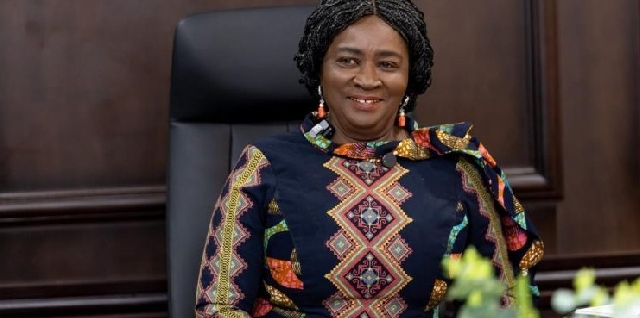
Vice President Professor Jane Naana Opoku-Agyemang has made a heartfelt appeal to both transport operators and commuters, urging them to protect and diligently manage state-owned transport assets for the benefit of all Ghanaians. Her call comes amid ongoing concerns about a shortage of commercial vehicles, an issue that has led to crowded stations, extended waiting times, and, at times, the mistreatment of passengers. During a stakeholder engagement with management and staff of Metro Mass Transit Limited on Friday, January 16, the Vice President reiterated the government’s commitment to building a reliable, efficient, and well-organised public transport system. She encouraged Metro Mass employees to prioritize the regular maintenance of buses, highlighting that proper upkeep is vital to extending the lifespan of vehicles and ensuring uninterrupted service for commuters. Professor Opoku-Agyemang assured workers that the government stands ready to retool Metro Mass and provide additional buses to boost the company’s operations. She explained that even older vehicles can continue to serve the public effectively if they are well cared for, emphasizing the shared responsibility of all Ghanaians in preserving public transport assets. “Government is ready to retool Metro Mass and provide more buses. While ten years may seem long, we also know that in this country, vehicles can remain operational far beyond that if they are well-maintained. We must all take responsibility for public property because it belongs to every Ghanaian,” she affirmed. Her remarks underscore the urgent need for collective stewardship of state resources to ensure a dependable and accessible transport system for all. Source: Apexnewsgh.com
State Minister Blames Accra’s Transport Woes on Unlawful Practices by Drivers

As the sun rose over Accra on January 14, 2026, the city’s residents braced themselves for yet another day of lengthy queues and soaring fares at bus stops across the capital. What had once been a routine commute had become a daily struggle, with frustration mounting among passengers in neighborhoods like Madina, Amasaman, and Kasoa. The root of the problem, it seemed, ran deeper than congestion. Addressing the nation during the Government Accountability Series, the Minister of State in charge of Government Communications, Felix Kwakye Ofosu, shed light on the troubling trend. He attributed the worsening transport crisis to the unlawful tactics of some private transport operators, who were accused of deliberately creating vehicle shortages during peak hours to extract higher fares from desperate commuters. “Some of these drivers have abandoned their designated stations and now roam the city instead,” Mr. Ofosu explained. “By limiting vehicle availability, they compel passengers to part with more money than they would ordinarily pay. It is an unlawful activity and must be addressed.” The minister’s remarks came in the wake of repeated fuel price reductions and a 15% cut in official transport fares, measures that should have eased the burden for commuters. Instead, he noted, a few operators had responded by manipulating supply, hoping to maximize profits at the public’s expense. The phenomenon, which worsened during the 2025 yuletide, has persisted despite government assurances of action. Mr. Ofosu emphasized that Ghana’s transport sector is largely private-sector-led, with groups like the GPRTU organizing much of the public conveyance system. Still, he assured Ghanaians that the government would take the lead in confronting these unlawful acts. “We are looking into these practices to ensure that those involved are dealt with,” he stated, pledging a renewed commitment to restoring fairness and order on Accra’s roads. Source: Apexnewsgh.com
NPP Moves to Expel Former Minister Over ‘Fake Party’ Claims
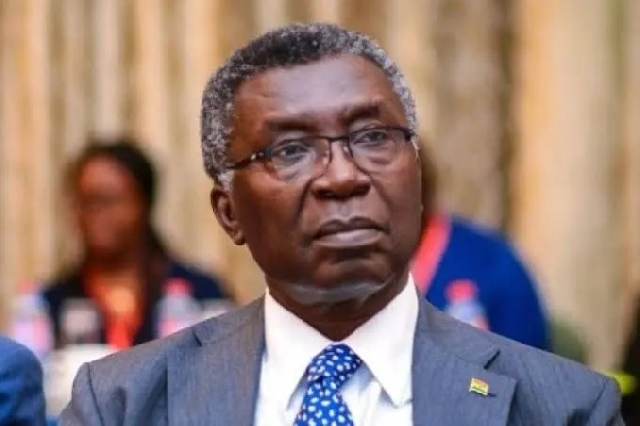
The New Patriotic Party (NPP) is taking steps to expel one of its most prominent former members, Professor Kwabena Frimpong-Boateng, after a series of explosive remarks that have rocked the party’s top ranks. The controversy erupted after Professor Frimpong-Boateng, a renowned heart surgeon and former Minister for Environment, Science, Technology, and Innovation, appeared on Channel One TV on Monday, January 12, 2026. During the interview, the respected academic did not hold back, calling the NPP a “fake party” and openly questioning the legitimacy of the party’s internal elections. The following day, the NPP leadership responded swiftly. In a statement signed by General Secretary Justin Kodua Frimpong, the party said it had taken note of Professor Frimpong-Boateng’s comments, which included allegations that the party’s 2023 presidential primary was rigged in favour of Vice President Dr. Mahamudu Bawumia, who later became the NPP’s presidential candidate for the 2024 general elections. According to the statement, Professor Frimpong-Boateng not only attacked the party’s credibility but also declared that he no longer considered himself a member. The NPP described his words as “disparaging” and “damaging to the unity, values, and integrity” of the party. The party strongly refuted the former minister’s claims, insisting that the 2023 presidential primaries were conducted in a manner that was “free, fair, transparent, and credible,” and pointing out that the outcome was broadly accepted by all participating candidates and supporters. Now, citing its constitutional mandate, the NPP says it has begun formal disciplinary proceedings to expel Professor Frimpong-Boateng, pledging to follow due process in the days ahead. The party’s leadership emphasized that unity and adherence to core values remain non-negotiable, even as it faces criticism from within its own ranks. Source: Apexnewsgh.com