


Water Is Not a Donation: Advocates Call for Climate-Resilient WASH Services
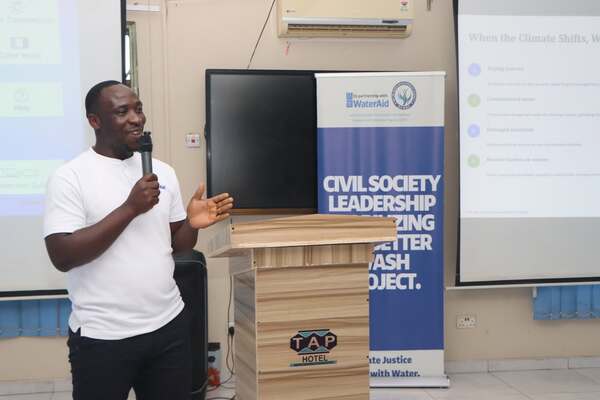
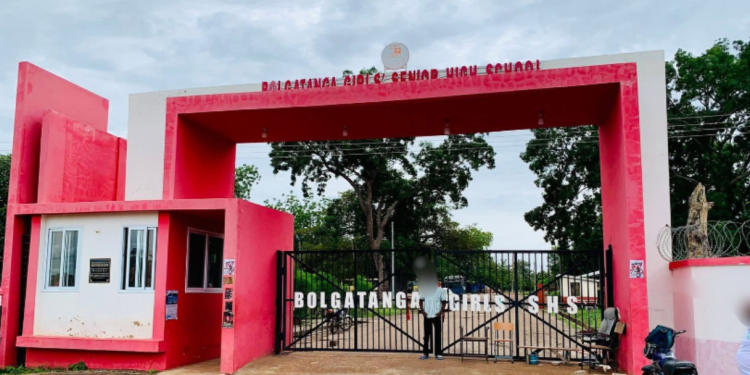
A group of thirty journalists have gathered for a transformative three-day training, focused not just on climate change reporting, but on the deeper issues of water, sanitation, and hygiene (WASH) justice. Spearheaded by the Belim Wusa Development Agency (BEWDA) in partnership with WaterAid Ghana and under the SIDA CLIMB Better WASH Partnership, the event became a platform for frank conversations about the responsibilities of duty-bearers and the rights of community members. Richard Ntibrey, Program Manager for WASH and Climate Change at WaterAid Ghana, did not mince words. “Water is not a donation. It is the duty of duty-bearers to provide it,” he declared, challenging the common misconception that access to clean water is something to be gifted rather than guaranteed. Ntibrey’s message struck a chord among the journalists: “Most times, community members are not aware that it is the duty of the duty-bearers to provide good sources of water in our various communities. We don’t want to see duty-bearers providing water as a donation. It is the duty of the duty-bearers to provide water.” The training, held in Bolgatanga, was more than a lecture, it was a call to action. Ntibrey emphasized the power of advocacy, urging journalists to tell the stories of both duty-bearers and right-holders. “Advocacy and influencing will allow you to reach more people, to target those responsible for providing water, sanitation, and hygiene, and to ensure systemic change. The focus here is on climate justice.” The project, currently running in five climate-vulnerable districts, Bawku West, Nabdam, Bongo, Kassena Nankana West, and Kassena Nankana Municipal, was born out of a climate vulnerability and risk assessment. Data revealed declining rainfall by as much as 15%, decreased borehole yields, and excessive heat, particularly in Nabdam. These findings, coupled with high poverty rates, made the districts a priority for climate-resilient WASH interventions. Ntibrey explained the role of NGOs like WaterAid Ghana: “Our work is to support government in delivering its mandates. But ultimately, it is the government’s responsibility to ensure that communities have sustainable access to water, sanitation, and hygiene services, especially in the face of climate change.” He called for leadership and collaboration from local and national governments, journalists, development organizations, and the communities themselves. “Most importantly, we want governments to invest more in sustainable WASH services that consider the impact of climate change. Beyond climate events, these systems must endure.” The stories journalists uncover, about water scarcity, declining sanitation, and the daily struggles of communities, are key to understanding the true impact of climate change. “Change starts with water,” Ntibrey affirmed. “If you enter a community and see them struggling for water, you know that agriculture, household nutrition, and sanitation are all affected.” The advocacy, he concluded, is about more than infrastructure. It’s about justice. “Wherever you are, you are either a duty-bearer or a right-holder. Duty-bearers must provide; right-holders must demand. Even in the face of climate change, access to water, sanitation, and hygiene is a right, not a privilege.” He stressed Source: Apexnewsgh.com/Ngamegbulam Chidozie Stephen
GWJN Calls for Bold Action as Floods Ravage Accra Again
Once more, devastating floods have swept through Accra and its surrounding communities, leaving a trail of loss, destruction, and anguish. The Ghana WASH Journalists Network (GWJN) has voiced its profound sadness over the tragedy, as lives have been lost, homes and businesses destroyed, and thousands of residents traumatized by yet another round of flooding. In a statement, GWJN extended heartfelt condolences to grieving families and expressed solidarity with all whose livelihoods have been upended. “Every life lost to flooding in Ghana is one too many,” the network lamented, adding that the recurrence of such tragedies is now unacceptable and demands urgent, lasting solutions. Year after year, governments make promises, form committees, and launch emergency interventions, yet the same communities flood whenever the rains come. GWJN insists that Ghana deserves better and that the national flood management strategy requires a complete overhaul. The network identified the well-known causes of Accra’s flooding: illegal developments on wetlands and waterways, poor land-use planning and enforcement, choked drains from indiscriminate dumping, rapid urbanization without matching drainage infrastructure, and weak institutional coordination, among others. “Floods are natural, but disasters come from human failure,” GWJN stressed. GWJN argued that flood prevention must become a permanent national development priority, not just a seasonal emergency. The network called on the Ghana Hydrological Authority (HYDRO), Metropolitan, Municipal and District Assemblies (MMDAs), Land Use and Spatial Planning Authority (LUSPA), Environmental Protection Authority (EPA), and the Ministry of Works and Housing to move decisively to protect all remaining wetlands and drainage corridors from encroachment. “No road project should proceed without comprehensive drainage engineering, and the destruction of wetlands for housing and infrastructure must end immediately.” Recalling the formation of the Anti-Flood Taskforce in March 2025 by President John Dramani Mahama, GWJN questioned what had become of its findings and recommendations. The network demanded transparency and accountability, pressing for measurable progress in preventing a repeat of these tragic scenes. GWJN called on the government to demonstrate bold political leadership, enforcing planning laws, reclaiming wetlands, strengthening engineering standards, and holding public officials accountable for negligence. “This is not the time for temporary solutions or annual emergency responses. Permanent engineering solutions and strong political will are needed.” Citizens, too, have a role to play. The network urged Ghanaians to end indiscriminate dumping and illegal building on waterways, warning that these actions worsen the crisis. GWJN pledged to intensify media advocacy on environmental sanitation, drainage protection, and flood prevention, and to expose those who undermine the nation’s safety. Flooding, GWJN insisted, should not define Ghana’s rainy seasons. The expertise and institutions exist, what remains is coordinated action, enforcement, and sustained political commitment. The network also called for immediate protection of safe water sources, proper testing and treatment of submerged pipes and boreholes, and, if possible, the provision of emergency safe water supplies to affected communities. “The time to act decisively is now,” GWJN concluded, urging all stakeholders to rise to the occasion and end the cycle of flooding once and for all. Source: Apexnewsgh.com
Journalists Gather to Strengthen Climate Resilience in Ghana’s WASH Sector
A group of passionate members of Ghana Watsan Journalists Network (GWJN) across the country gathered for a unique training session that would shape the future of climate reporting in the country. The meeting, organized by Bawku East Women’s Development Association (BEWDA) and WaterAid as part of the broader CEDAW-CLIMB partnership, with support from the Swedish government and WaterAid UK/Ghana, aimed to empower reporters with knowledge at the intersection of climate change and WASH (Water, Sanitation, and Hygiene). The presenters painted a vivid picture of Ghana’s changing environment: groundwater sources dwindling, unpredictable weather patterns, coastal erosion, droughts, and floods. These changes, they explained, deeply affect health and livelihoods, but place especially heavy burdens on women and girls. Fetching household water, managing menstrual hygiene, and ensuring maternal care all become more difficult as climate impacts worsen. As the conversation unfolded, the group explored what it truly means to build climate resilience in WASH. Mr. Ibrahim Musah, one of the presenters, described resilience as the ability of social, economic, and environmental systems to cope, adapt, and transform in the face of challenges. He suggested two key measures for water systems: structural robustness and continued service delivery. To bring these ideas to life, he recounted stories from Bawku West and other Upper East communities, where flooded platforms, seasonal drops in borehole yields, and collapsed latrines exposed the fragility of local infrastructure. The room buzzed with debate as participants discussed how construction practices, regular monitoring, and strong evidence collection could help communities withstand climate shocks. The session also demystified the concepts of climate-resilient WASH and the financial mechanisms available to support it, including the Green Climate Fund and guidelines from the Sanitation and Water for All initiative. The presenters emphasized that winning funding requires more than good intentions: proposals must be grounded in scientific evidence, demonstrate a clear climate rationale, and show what additional benefits will be delivered. To equip journalists for this task, the training introduced modeling tools and long-term trend analyses, essential resources for crafting evidence-based climate proposals and advocating for community-centered climate justice. By the end of the day, the journalists left not just with new knowledge but with a shared sense of purpose, to tell the stories that will drive resilience and justice for all Ghanaians. Source: Apexnewsgh.com
Sustainable WASH Services: A Cornerstone for Socio-Economic Development in Ghana
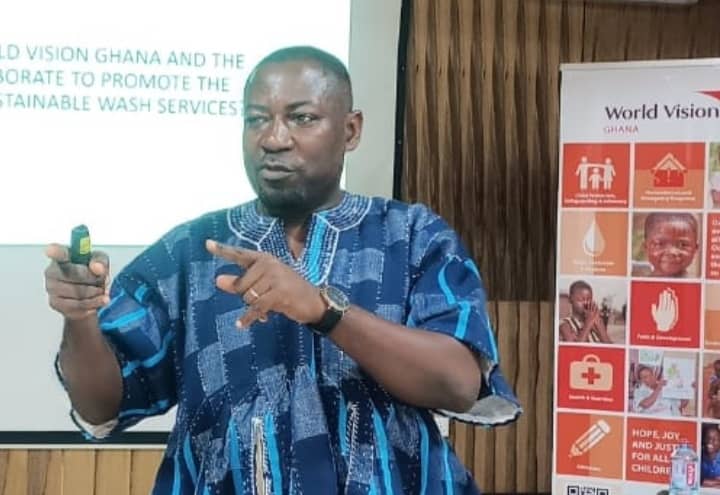
Access to sustainable water, sanitation, and hygiene (WASH) services is a fundamental human right, essential for human well-being, dignity, and economic productivity. Apexnewsgh reports In Ghana, World Vision Ghana, a humanitarian organization dedicated to improving the lives of children, families, and communities, has emphasized the crucial role of sustainable WASH services in achieving socio-economic development. During a joint workshop with the Ghana WASH Journalists Network (GWJN) and the Media Coalition Against Open Defecation (M-CODe), Mr. Yaw Attah Arhin, a WASH Specialist with World Vision Ghana, highlighted the importance of sustainable WASH services and the need for collaboration to achieve this goal. The Role of Sustainable WASH Services in Socio-Economic Development Arhin stressed that access to sustainable WASH services is a fundamental catalyst for growth and a core value of World Vision Ghana. Sustainable WASH services are critical for preventing the spread of diseases, reducing child mortality rates, and improving public health. However, he acknowledged that access to clean water, sanitation facilities, and good hygiene practices is essential for economic productivity, education, and gender equality, emphasizing that sustainable WASH services are a prerequisite for achieving the United Nations’ Sustainable Development Goals (SDGs), particularly SDG 6, which aims to ensure universal and equitable access to safe and affordable drinking water and sanitation for all. The Power of Media in Advocating for Improved WASH Services World Vision Ghana recognizes the media’s potential to drive change and transformation in society, making them valuable partners in advocating for improved WASH services. The workshop aimed to enhance the skills of journalists in the Ghana WASH Journalists Network and the Media Coalition Against Open Defecation, enabling them to effectively advocate for better WASH services and report on related issues. “By sharpening their skills and knowledge on international best practices and global developments, journalists can support World Vision Ghana’s policy engagements and influence policy changes for accelerated delivery of WASH services”. Collaboration for Progress Mr. Arhin emphasized the importance of collaboration in achieving the goal of improved WASH services. World Vision Ghana acknowledges the media’s capacity to amplify the message and drive progress in the WASH sector. The organization is committed to working with the media, government, and other stakeholders to ensure that sustainable WASH services are accessible to all Ghanaians, particularly the most vulnerable populations. By working together, we can ensure that Ghana achieves the SDGs and becomes a more prosperous and equitable society. Conclusion Mr. Arhin believes, sustainable WASH services are essential for socio-economic development in Ghana, as he further emphasized on the importance of sustainable WASH services and collaboration with the media and other stakeholders is crucial in driving progress in the WASH sector. By working together, we can ensure that all Ghanaians have access to clean water, sanitation facilities, and good hygiene practices, leading to improved public health, economic productivity, and a better future for generations to come. Source: Apexnewsgh.com Thanks for reading from Apexnewsgh as a news publishing website from Ghana. We encourage you to freely share this story via social media platform and follow us on; Facebook on APEXNEWSGH-Tv or Please contact Apexnewsgh.com on email apexnewsgh@gmail.com for your credible news publications. Contact: 0248250270/0256336062.
Environmental Communication Expert Urges Media to Champion WASH Awareness
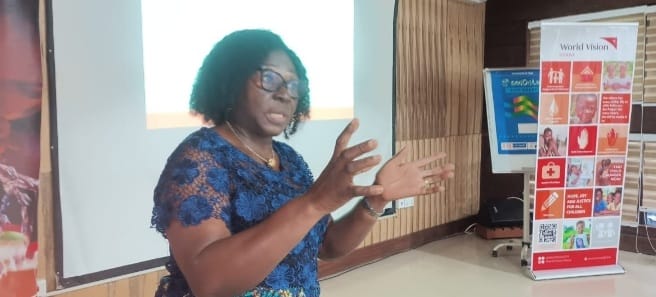
Madam Ama-Kudom Agyemang, Executive Director of Media Platform on Environment and Climate Change (MPEC), has emphasized the media’s vital role in promoting Water, Sanitation, and Hygiene (WASH) in Ghana. Apexnewsgh reports The well known environmental communicator made her emphasis during a joint workshop for the Ghana WASH Journalists Network (GWJN), Media Coalition Against Open Defecation (M-CODe), and journalists at Ada Aqua Safari Resort. Madam Agyemang, led a session on “Strategies for Effective WASH Journalism and Advocacy,” highlighting the media’s power to raise awareness and change attitudes and behaviors. According to her, the media can make a difference by educating the public about the risks of poor WASH practices and how to prevent them, “the media can make a significant impact on the lives of all Ghanaians”. She stressed Auntie Ama, as she is widely known further encouraged journalists to utilize various media outlets to reach a wider audience and promote WASH awareness, emphasizing the importance of collaboration between the media, civil society, and government to drive meaningful change in the WASH sector. “By working together, we can ensure that all Ghanaians have access to safe water, sanitation, and hygiene facilities, ultimately improving public health and well-being”. Source: Apexnewsgh.com Thanks for reading from Apexnewsgh as a news publishing website from Ghana. We encourage you to freely share this story via social media platform and follow us on; Facebook on APEXNEWSGH-Tv or Please contact Apexnewsgh.com on email apexnewsgh@gmail.com for your credible news publications. Contact: 0248250270/0256336062.
World Vision Ghana Urges Government to Establish National Sanitation Authority
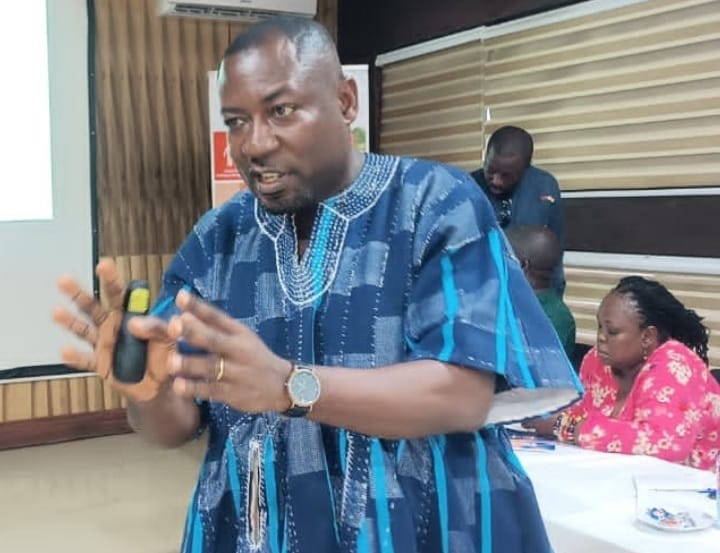
World Vision Ghana, a leading humanitarian organization, has called on the government to establish a National Sanitation Authority to address the country’s sanitation challenges. Apexnewsgh reports Mr. Yaw Attah Arhin, a Water, Sanitation, and Hygiene (WASH) specialist with World Vision Ghana, made this appeal during a joint workshop with the Ghana WASH Journalists Network (GWJN), the Media Coalition Against Open Defecation (M-CODe), and journalists from across the country. The Need for a National Sanitation Authority Mr. Arhin emphasized the need for a National Sanitation Authority, a proposal that has been pending since 2017 despite numerous meetings and discussions. He stressed that the lack of a National Sanitation Authority has hindered effective management of the sanitation sector, resulting in inadequate sanitation services for many Ghanaians. Benefits of a National Sanitation Authority Mr. Arhin highlighted the numerous benefits that a National Sanitation Authority would bring to the country’s sanitation sector. These benefits according to Mr. Arhin include: Standardization: Ensuring consistency in sanitation practices and standards across the country. Compliance: Enforcing regulations and guidelines to improve sanitation services. Enforcement: Strengthening enforcement mechanisms to address sanitation-related issues. Research and Development: Promoting innovation and research in the sanitation sector. The Current State of Sanitation in Ghana Mr. Arhin lamented that Ghana is losing out by not having a National Sanitation Authority, as the sanitation sub-sector is struggling, with only a few private sector players making a positive impact. He emphasized that the establishment of a National Sanitation Authority is long overdue and essential to address the sanitation challenges facing the country. A Call to Action Mr. Arhin urged the government to expedite the process of establishing the National Sanitation Authority and the National Sanitation Fund. He emphasized that this is critical to ensuring effective management of the sanitation sector, leading to improved sanitation services and a healthier environment for Ghanaians. Conclusion World Vision Ghana’s appeal for a National Sanitation Authority resonates with the need for improved sanitation services in Ghana. Mr. Arhin believes that establishing such an authority would standardize practices, ensure compliance, and promote research and development in the sanitation sector. “The government must take action to address the country’s sanitation challenges and ensure a cleaner, healthier environment for its citizens. By establishing a National Sanitation Authority, Ghana can take a critical step towards achieving the Sustainable Development Goals (SDGs), particularly Goal 6, which focuses on ensuring access to safe and dignified sanitation services for all”. Source: Apexnewsgh.com Thanks for reading from Apexnewsgh as a news publishing website from Ghana. We encourage you to freely share this story via social media platform and follow us on; Facebook on APEXNEWSGH-Tv or Please contact Apexnewsgh.com on email apexnewsgh@gmail.com for your credible news publications. Contact: 0248250270/0256336062.
Menstrual Health in Ghana: The Need for a Comprehensive National Policy

A recent joint workshop organized for WASH journalists across Ghana has shed light on the state of menstrual health in the country. Apexnewsgh reports According to Water Aid statistics, 75% of girls in Ghana learn about menstruation before their first period, but a significant 40% feel uncomfortable discussing it with their mothers. This highlights the need for improved menstrual education and open dialogue within families and communities. Executive Director of InspireHer Ghana, Madam Sandra Boakye, has made a passionate appeal to the government, particularly policymakers, to establish a national menstrual policy. She emphasized the severe impact of “menstrual poverty” on the welfare and development of young girls and women. Madam Boakye stressed that while there are guidelines for menstrual health, a comprehensive policy is lacking. She explained that a national policy would encompass how education should be done, including inclusive education for persons with disabilities and those in isolated areas. Additionally, it would cover the production, importation, distribution, and pricing of menstrual products. The workshop, organized by World Vision in partnership with the Ghana Water Journalists Network (GWJN) and the Media Coalition on Open Defecation (M-CoDE), aimed to raise awareness about menstrual health and hygiene. Madam Boakye’s appeal resonated with the participants, emphasizing the need for a comprehensive policy to address the challenges surrounding menstruation in Ghana. The statistics presented at the workshop highlight the need for improved menstrual education and open dialogue. While 75% of girls learn about menstruation before their first period, 40% feel uncomfortable discussing it with their mothers. This indicates a significant gap in menstrual education and the need for a more comprehensive approach. Madam Boakye’s appeal to the government is timely, as menstruation is an integral part of development that affects individuals in various ways. The lack of a comprehensive policy hinders efforts to address menstrual poverty, which has far-reaching consequences on the welfare and development of young girls and women. However, the workshop pointed the need for improved menstrual education and open dialogue, and Madam Boakye’s appeal for a comprehensive national policy is a step in the right direction. It is essential for the government to take heed of this call and work towards establishing a policy that addresses the challenges surrounding menstruation in Ghana. Source: Apexnewsgh.com Thanks for reading from Apexnewsgh as a news publishing website from Ghana. We encourage you to freely share this story via social media platform and follow us on; Facebook on APEXNEWSGH-Tv or Please contact Apexnewsgh.com on email apexnewsgh@gmail.com for your credible news publications. Contact: 0248250270/0256336062.
WASH: M-CODe Reaffirms Commitment to Improving WASH Services in Ghana

The Media Coalition Against Open Defecation (M-CODe) has reaffirmed its dedication to promoting access to safe water, sanitation, and hygiene (WASH) services in Ghana, with a special focus on the northern regions. Apexnewsgh reports Speaking at forum organized in partnership with World Vision Ghana in Ada Aqua Safari Resort on Thursday, the M-CODe National Convenor Mr. Francis Ameyibor, pledged to intensify efforts in addressing WASH challenges, promoting menstrual hygiene management, and advancing effective journalism and advocacy in the sector. Mr. Ameyibor expressed its gratitude for World Vision Ghana’s efforts in improving lives and looks forward to a collaborative partnership towards achieving “life in all its fullness.” The coalition vowed to utilize their platforms to amplify marginalized voices, share success stories, and inspire action towards creating a Ghana where everyone has access to safe WASH services. This commitment is a significant step towards achieving the “REPOSITIONING WASH AS A KEY DRIVER OF NATIONAL DEVELOPMENT” agenda, and stakeholders are optimistic about the potential impact on the lives of Ghanaians. Ghana faces significant Water, Sanitation, and Hygiene (WASH) challenges, with a substantial portion of the population resorting to open defecation and sharing latrines. According to statistics, 17.7% of the country’s population, equivalent to over 4.5 million people, practice open defecation, posing serious health risks. Additionally, 55% of the population, approximately 13.7 million people, share latrines, which can lead to the spread of diseases. These data above show the need for intensified efforts to improve access to safe WASH facilities, particularly in rural and underserved areas. M-CODe’s renewed commitment is a testament to the power of collaboration and advocacy in driving progress in the WASH sector. By intensifying efforts and working together, M-CODe and its partners health, dignity, and well-being for all. The National Convenor also used the medium to send his gratitude to World Vision Ghana for the wonderful partnership so far. Source: Apexnewsgh.com Thanks for reading from Apexnewsgh as a news publishing website from Ghana. We encourage you to freely share this story via social media platform and follow us on; Facebook on APEXNEWSGH-Tv or Please contact Apexnewsgh.com on email apexnewsgh@gmail.com for your credible news publications. Contact: 0248250270/0256336062.
WASH: Journalists Urged to Support Women’s Menstrual Hygiene Amidst WASH Challenges
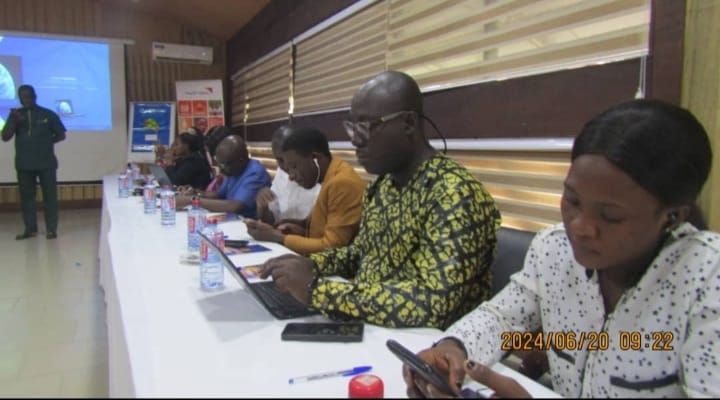
In a joint workshop with M-CODe, Justice Lee Adoboe, National Coordinator for the Ghana WASH Journalists Network (GWJN), tasked journalists to advocate for women’s menstrual hygiene, emphasizing that everyone is a product of the menstrual cycle. Apexnewsgh reports Addressing Journalists from various regions of the country on Thursday in Ada at AQUA Safari Resort, Mr. Adoboe stressed the importance of constant skill development and partnerships, using GWJN- M-CODe partnership with World Vision Ghana as example, to achieve universal access to improved sanitation and contribute to SDG-6 targets. GWJN National Coordinator further noted, that Menstrual hygiene advocacy is crucial, as poor hygiene poses serious health risks, including infections and infertility. Mr. Adoboe urged journalists to play a critical role in advocating for improved sanitation facilities, education, and support for women and girls. “As our partners repose so much trust in us, we must work hard to justify that trust by constantly playing our media advocacy role, information role, and if the needs be, apply the critical voice to issues in the WASH sector, all in the interest of getting duty bearers off their bums and taking the right and relevant actions that make the collective national WASH goals achievable” he stressed He further emphasized that everyone benefits from the menstrual cycle and must work together to support women. Source: Apexnewsgh.com Thanks for reading from Apexnewsgh as a news publishing website from Ghana. We encourage you to freely share this story via social media platform and follow us on; Facebook on APEXNEWSGH-Tv or Please contact Apexnewsgh.com on email apexnewsgh@gmail.com for your credible news publications. Contact: 0248250270/0256336062.