



Bank of Ghana promotes inclusive finance on Non-Interest Banking & Finance
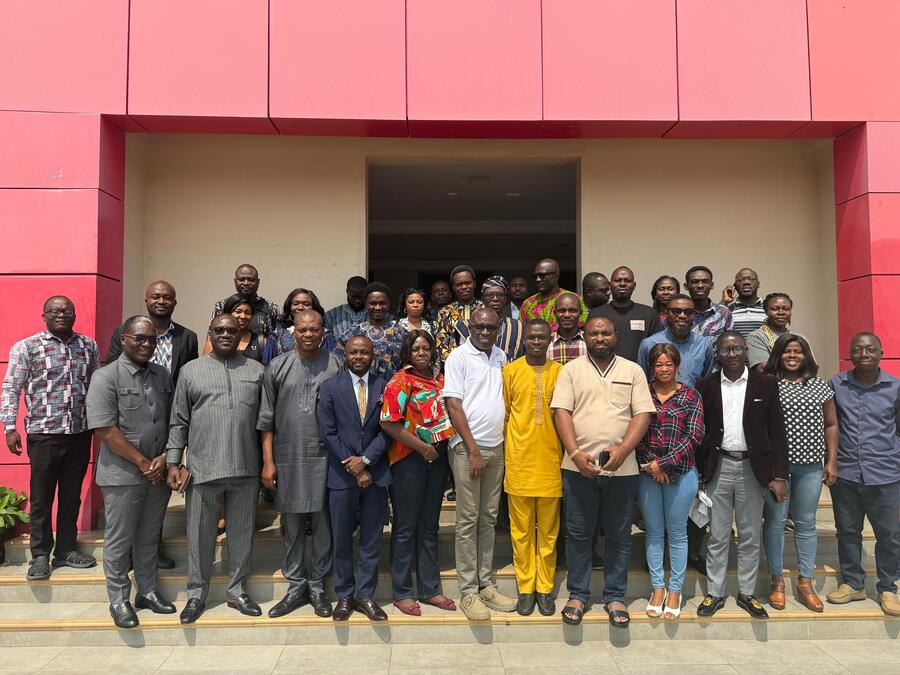
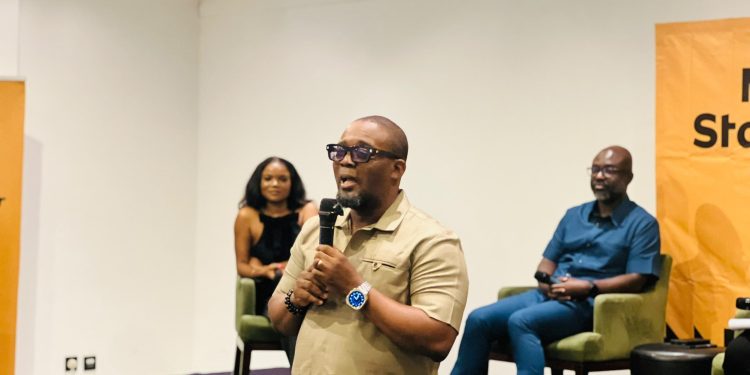
The Bank of Ghana (BoG), in collaboration with the Ghana Journalists Association (GJA), organized a landmark media engagement workshop on Non-Interest Banking and Finance (NIBF) . Apexnewsgh reports The initiative held in Koforidua from July 18 to 20, 2025, aimed at enhancing media understanding of NIBF as a tool for ethical, inclusive, and sustainable financial development in Ghana. Speaking on behalf of the Governor, Dr. Johnson P. Asiama, the Director of Banking Supervision Department, Mr. Ismail Adam, reiterated the Bank’s commitment to creating a robust legal and institutional framework for implementing non-interest banking. “This workshop is part of BoG’s broader stakeholder engagement strategy to equip the media to lead public education efforts,” Mr. Adam said. Non-Interest Banking, also known as Islamic or Participatory Banking, operates on profit-and-loss sharing principles and prohibits interest-based or unethical transactions such as gambling and speculative investments. It is open to all Ghanaians, regardless of religion, and complements conventional banking. With global NIBF assets surpassing USD 5 trillion in 2024, Mr. Adam stressed its growing influence in both Muslim and secular economies. He noted that NIBF supports key goals of the UN Sustainable Development Goals (SDGs), particularly reducing inequality, promoting decent work, and financing infrastructure projects through ethical means. Participants, including media practitioners, were sensitized on the fundamentals of Islamic finance, its role in financial inclusion, risk-sharing, and sustainable development. They were also urged to demystify misconceptions such as that Islamic banking is solely religious or a threat to conventional banking and instead promote its benefits for SMEs, trade, and Ghana’s 24-hour economy. Special commendation was given to Prof. John Gartchie Gatsi, Advisor to the Governor on NIBF, for his leadership in spearheading the initiative. The BoG emphasized its inclusive approach—bringing on board Christians and Muslims alike—to build a financial system that is representative, equitable, and supportive of Ghana’s economic aspirations. A national policy on NIBF is currently being developed. The workshop forms part of BoG’s multi-phase stakeholder engagement strategy targeting professional bodies, academia, regulators, and the media. The overarching goal is to integrate NIBF into Ghana’s mainstream financial ecosystem, increase foreign direct investment, and enhance socio-economic development. Journalists lauded the initiative as timely, strategic, and vital for public financial literacy. Source: Apexnewsgh.com/Ngamegbulam Chidozie Stephen
GJA Election: Ngamegbulam Urges Candidates to Prioritize Member Welfare for a Stronger Future

The upcoming Ghana Journalists Association (GJA) election is more than just a voting event; it’s a chance to shape the future of journalism in Ghana. Media practitioners are watching closely as candidates step forward with hopes of leading the organization. The Editor-in-Chief of ApexNewsGH, Mr. Ngamegbulam Chidozie Stephen, has made it clear that this election should focus on something more vital than just titles or power. It’s about putting members’ well-being first. This approach can strengthen unity, boost professionalism, and ensure long-lasting growth within the GJA. The Ghana Journalists Association plays a big role in shaping how journalism is practiced across the country. Its mission is to promote press freedom, uphold ethical standards, and support media workers. With over 867 members, GJA influences policies that impact how news is reported, what standards journalists follow, and how the profession grows in Ghana. A strong GJA can help improve the quality of information reaching the public and protect journalists from unfair treatment. Prioritizing the needs of members brings many benefits. Happy, well-supported journalists tend to produce better work, enhancing the reputation of Ghanaian media. When members feel cared for, morale improves and professionalism rises. On the other hand, ignoring their concerns can lead to disharmony, low motivation, and a decline in media integrity. Leadership choices must focus on building a community where members feel valued and heard. Mr. Ngamegbulam emphasized that candidates should serve the interests of members first. He advocates for honest, transparent leadership that values inclusiveness. Candidates should not chase personal or political gains at the expense of unity among journalists. Instead, they should focus on building trust, sharing information freely, and making decisions transparently. Such qualities will create a stronger, more trustworthy GJA. Leaders who put members first can transform associations into powerful forces for change. For example, the Nigerian Guild of Editors has seen success because leaders prioritize their members’ development and well-being. Experts agree that when leaders listen to their members’ concerns and act on them, it results in better governance. This approach creates a sense of belonging and confidence in the leadership. Candidates should take simple but effective actions: Listen actively to members’ worries and suggestions. Create open forums for discussions. Make decisions based on consensus, not just personal interests. Regularly update members on progress and challenges. By following these steps, candidates can build trust and demonstrate true commitment to the community. Fair elections require clear rules and open procedures. This includes transparent candidate selection and election campaigns. Educational campaigns should ensure every member understands the process and knows how to participate. When everyone has equal access and voice, the election becomes a true reflection of members’ wishes. Candidates and election officials should be honest from the start. Sharing their visions, policies, and reasons for running helps members make informed choices. Using media and social platforms boosts transparency and shows accountability. When leaders communicate openly, trust naturally follows. Setting up oversight bodies can prevent bias or unfair practices during elections. Engaging external observers or partner organizations adds credibility. When members see a fair process, they feel more confident in their leaders and in the GJA’s future. Past elections have faced issues like political interference, division among members, and lack of resources. Disputes over candidate eligibility and election impartiality sometimes cause rifts. Recognizing these problems helps candidates prepare better strategies. Building common ground is vital. Candidates should focus on shared goals like media freedom and ethical standards. Facilitating dialogue among members can ease tensions and foster collaboration. Working towards a shared vision creates a stronger, more united GJA. International journalism bodies, such as the World Association of News Publishers or the International Federation of Journalists, can add credibility. Capacity-building workshops funded by these bodies prepare members for leadership roles and elections. Such partnerships provide resources and credibility, making elections more transparent. Putting members’ needs first isn’t just a nice idea, it’s a necessity. Candidates in the GJA elections have a duty to lead with integrity, transparency, and fairness. They should focus on creating a united, professional media community that serves Ghana and its people well. We all have a stake in ensuring that leadership truly reflects the interests of journalists. This election offers an opportunity to build a stronger, more honest GJA and safeguards press freedom. Mr. Ngamegbulam further cautioned that aspirants who are voted into office should avoid forming weak committees, citing the committee’s delay in approving membership at the national level as a major hindrance to progress. He emphasized the need for an efficient and expedited approach to processing membership applications to streamline the process and prevent unnecessary delays, ensuring qualified individuals can join without obstacles. Candidate, member, everyone has a vital role. By holding onto these core values, we can make sure Ghana’s journalism continues to grow in strength, trust, and professionalism. The future of Ghanaian media depends on the leaders we choose today. Let’s choose wisely. Source: Apexnewsgh.com
See BTU Lecturer Who Predicted 2024 Election Accurately Ahead of Mussa Dankwah but Not Known Because….
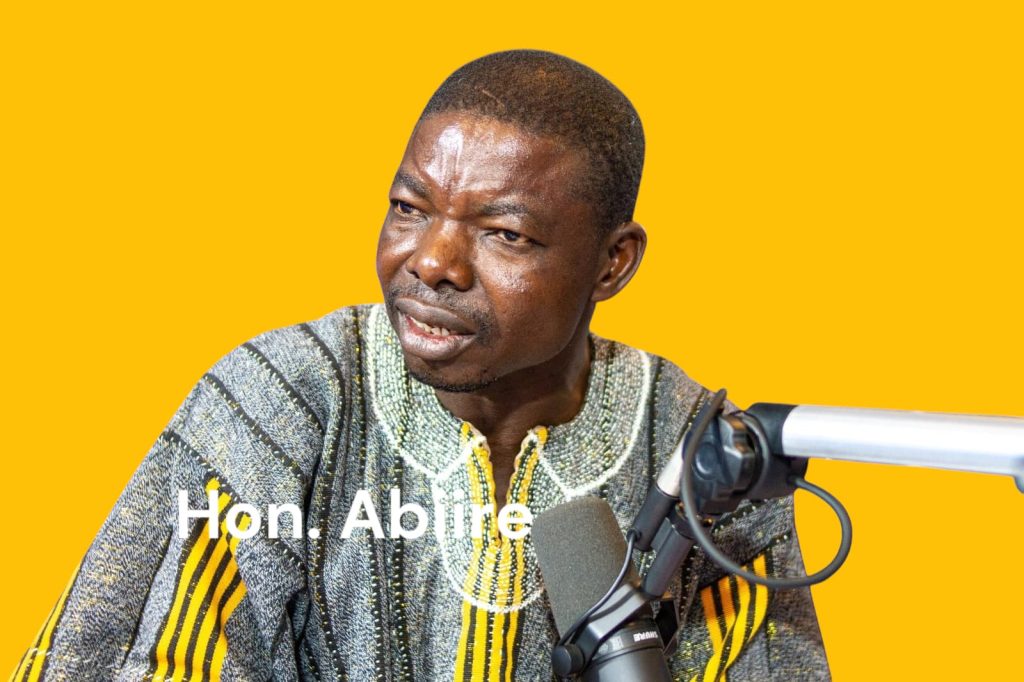
In Ghana’s 2024 electioneering campaign, three personalities stood out for their widely read election opinion polls. Apexnewsgh reports Ben Ephson of the Daily Dispatch News Paper, Mussa Dankwah of Global InfoAnalytics, and Prof. Smart Sarpong of Research and Innovation at Kumasi Technical University were taken seriously by various political parties for their strong opinions on the delivery of NPP and NDC candidates. However, in the shadows, Hon. Awineyesema Abiire, Assemblyman for Zorko-Gambrongo and Lecturer at the Bolgatanga Technical University, conducted the “Zorkor Politico Polls” which surprisingly proved to be more accurate with his 2024 election polls than the celebrated Mussa Dankwah’s polls. Unfortunately, Abiire’s work went unnoticed, leaving many to wonder what could have been if his predictions had received the same attention as the others. Mussa Dankwah, Executive Director of Global InfoAnalytics, made a bold prediction about the 2024 general elections in Ghana. According to Dankwah, former President John Dramani Mahama was poised to win the presidential election outright, without the need for a runoff. Dankwah also predicts that the National Democratic Congress (NDC) will secure a parliamentary majority. However, not everyone agrees with Dankwah’s forecast. Prof. Smart Sarpong, Director of Research and Innovation at Kumasi Technical University, also conducted a poll that suggests the New Patriotic Party (NPP) will retain its parliamentary majority. Prof. Sarpong’s poll further indicates that NPP presidential candidate Dr. Mahamudu Bawumia will lead the polls with 49.1% of the votes, compared to Mahama’s 45.8%. Interestingly, Ben Ephson’s 2024 opinion polls also pointed out that, the New Patriotic Party (NPP) Presidential Candidate Dr. Mahamudu Bawumia will lead with 51.2% with Mahama securing 47.1% Dankwah’s own survey paints a different picture, showing Mahama ahead with 51.9% of voter support, while Dr. Bawumia follows with 40.5%. The conflicting forecasts highlight the differing interpretations of the political landscape ahead of the 2024 elections. But then, Dankwah also confidently stated, “No runoff, stressing Mahama wins the first round and NDC will have a majority in parliament. Interestingly, Mussa Dankwah has received widespread acclaim, particularly from the governing National Democratic Congress (NDC). However, the Chairperson of the Electoral Commissioner (EC), Mrs Jean Mensa, said Mr. Mahama won by securing 6,328,397 votes, representing 56.55 per cent, while Dr. Bawumia polled 4,657,304, representing 41.61 per cent. Unfortunately, one personality who is yet to catch the media attention following his extraordinary opinions regarding election forecast is Hon. Awineyesema Abiire, a lecturer at Bolgatanga Technical University (BTU), who conducted the 2024 election polls, which surprisingly aligned closely with the Electoral Commission’s declared 2024 election results. Abiire’s polls predicted that Dr. Mahamudu Bawumia, the NPP presidential candidate, would secure 41% of the total votes, while John Dramani Mahama, the NDC presidential candidate, would garner 54%. Despite Abiire’s impressive forecasting, Mussa Dankwah remained in the spotlight, overshadowing Abiire’s achievements. This raises questions about the factors influencing public perception and recognition in Ghana’s political landscape. Excepts of Hon. Abiire’s 2024 election analysis. The difference between Mussa Dankwah, Ben Ephson, Prof. Sarpong, and Hon. Awineyesema Abiire has to do with their “location” and “media access”. The above-mentioned personalities are all residing in the country’s national capital where they have all the national media platforms whiles, Hon. Awineyesema Abiire is residing in one of the villages in the Upper East Region. However, his polls stand more accurate ahead of his colleagues in Accra. Hon. Awineyesema Abiire is a treasure trove of knowledge and experience, offering a massive opportunity for the media to tap into his expertise. With a wealth of experience in education, he can share valuable insights with the people of Ghana and beyond. As a lecturer at the Bolgatanga Technical University and a researcher with publications in reputable journals, Abiire’s expertise spans various fields, including tax education, revenue mobilization, and financial reporting. His research has focused on topics such as tax compliance in Ghana, revenue mobilization at the local government level, and the impact of computerized accounting systems on financial reports. By reaching out to Hon. Awineyesema Abiire on +233241139933, media outlets can leverage his expertise to educate and inform the public on critical issues affecting Ghana and the world. Source: Apexnewsgh.com
President Mahama Prioritizes Regional Balance in Cabinet Appointments
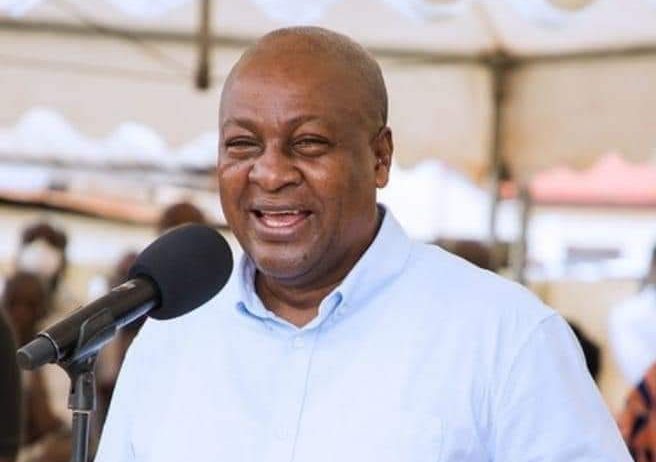
President John Dramani Mahama has made significant strides in forming a balanced government, with his latest ministerial appointments reflecting a strong commitment to regional representation. Apexnewsgh reports As of now, the Northern and Volta Regions boast the highest number of ministers, with four appointees each. This deliberate effort to ensure regional balance is a hallmark of President Mahama’s administration, demonstrating his dedication to inclusivity and diversity. The appointments come on the heels of his January 7, 2025, inauguration at the Black Star Square in Accra. Following closely behind the Northern and Volta Regions are the Ashanti, Central, and Greater Accra Regions, each with three ministerial nominees. The Bono East, Western, and Eastern Regions also have three appointees each, while the Upper East and West, North East, Savannah, Bono, Oti, Ahafo, and Western North Regions have two ministerial representatives each. As President Mahama continues to make key appointments, his commitment to regional balance is expected to remain a guiding principle. This approach is likely to foster a sense of unity and cooperation among the various regions, ultimately contributing to the country’s overall development and growth. Source: Apexnewsgh.com
Sammy Crabbe Announces Bid for NPP National Chairman Amid Party Concerns

Sammy Crabbe, a former Vice Chairman of the New Patriotic Party (NPP), has declared his intention to run for the position of national chairman in the party’s next internal elections. Apexnewsgh reports This announcement comes at a time when the party is grappling with the aftermath of its defeat in the 2024 general elections. The NPP’s Council of Elders, led by Chairman Hackman Owusu-Agyeman, has expressed concerns over ongoing campaigns by party executives, members, and sympathizers. The council views these campaigns as counterproductive to the party’s rebuilding efforts. Crabbe, however, believes that expressing his interest in the national chairman role is not premature. “I have expressed an interest. Come 2026, I will want to run as national chairman, and there is nothing wrong with that,” he stated on Point Blank on Eyewitness News. Crabbe also attributed the NPP’s defeat in the 2024 general polls to its weakened internal structure and lack of cohesion. He emphasized that the party’s failure to align its gains in government with the aspirations of grassroots members has eroded loyalty and motivation. This disconnect, Crabbe noted, has led to disillusionment among party members, ultimately contributing to the NPP’s struggles. The NPP’s internal rifts, as highlighted by Crabbe, are not the only concerns facing the party. The party’s defeat in the 2024 general elections has left it with only 88 seats in parliament, a significant decline from its previous numbers. As the NPP navigates its rebuilding efforts, Crabbe’s announcement has sparked interest in the party’s future leadership. Whether his bid for national chairman will be successful remains to be seen, but one thing is clear – the NPP has a long road to recovery ahead. Source: Apexnewsgh.com
ORAL Committee to Present Report to President Mahama Amidst Over 700 Petitions
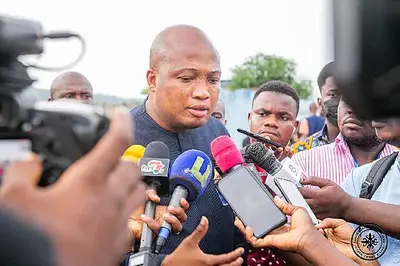
The Chairman of the Operation Recover All Loot (ORAL) Committee, Samuel Okudzeto Ablakwa, has announced that the committee will soon present its report to President John Dramani Mahama. Apexnewsgh reports This comes after the committee received over 700 petitions from the public, a daunting task that Ablakwa acknowledges, but one that the committee is passionate about tackling. Speaking to Citi News, Ablakwa emphasized that the committee’s work is aimed at ensuring accountability and keeping government officials in check. “We are all passionate about this,” he said. “And what I like about what is going on is that we have the opportunity to show the same passion that we exhibited in opposition, now that we are in government, we are committed to this.” The ORAL Committee has been working tirelessly to review the petitions and gather information. Ablakwa noted that the committee would soon begin the validation process to ensure thoroughness and accuracy in the information gathered. This process will involve field validation sessions across the country, where the committee will visit all regions that have submitted reports. Ablakwa expressed his commitment to transparency and accountability, stating that the committee’s work serves as a deterrent to those in government. “What this does is that it serves as a deterrent to those of us coming into government,” he said. The ORAL Committee’s report is expected to be presented to President Mahama soon, and Ablakwa is confident that the committee’s work will make a significant impact in the fight against corruption. Source: Apexnewsgh.com
If you think ORAL is unlawful, go to court– Domelevo to critics

Daniel Domelevo, former Auditor General and member of the Operation Recover All Loot (ORAL) Committee, has fired back at critics, stating that those who believe the committee is acting unlawfully should take their grievances to court. Apexnewsgh reports Speaking on Joy News’ Upfront, Domelevo maintained that ORAL’s activities are lawful and straightforward, focused solely on collecting data to assist the executive. “We’re not overstepping our mandate or infringing on other anti-corruption agencies,” Domelevo emphasized. “We’re simply collecting information from those who voluntarily come forward, as requested by the president-elect’s office.” He noted that the committee’s work is entirely voluntary and aimed at supporting the executive in making informed decisions about corruption-related cases. Domelevo attributed the backlash to fear and hypocrisy, pointing out that similar initiatives have been perceived differently in the past. “In 2017, the senior minister announced that foreign firms would be engaged to collect data and investigate. It was fine back then, but now a simple team collecting data is a problem. That’s the hypocrisy we have in this country,” he said. He also humorously highlighted the importance of clarity in legal matters, saying, “Until something is prohibited by law, it’s lawful. Otherwise, one day you’ll say I’m being unlawful for wearing a smock into the studio.” Domelevo encouraged critics to channel their concerns through appropriate legal avenues instead of resorting to baseless accusations. “If we’re working unlawfully, go to court. Until then, we’ll continue doing what we’re doing – lawfully and transparently.” Source: Apexnewsgh.com
The Power of Grass Biochar in Sustainable Agriculture and Mitigating Climate Change

Feature By Ngamegbulam Chidozie Stephen As I traveled through the Upper East, North East, Upper West, Northern, and Savannah regions, I heard a recurring theme from farmers: frustration. The source of their frustration was not drought, pests, or diseases, but rather the high cost of agrochemicals, particularly fertilizers. However, their concerns are deeply intertwined with the escalating impacts of climate change. Farmers in these regions, who rely heavily on agriculture for their livelihoods, expressed their concerns about the escalating prices of fertilizers. They lamented that the high cost of these essential inputs was eating into their profits, making it difficult for them to sustain their farming businesses. Climate change has exacerbated this issue, as rising temperatures and changing rainfall patterns have led to decreased crop yields, forcing farmers to rely more heavily on agrochemicals to maintain productivity. Moreover, the intensive use of chemical fertilizers can lead to soil degradation, water pollution, and loss of biodiversity – all of which are further exacerbated by climate change. As temperatures rise, soil moisture decreases, and extreme weather events become more frequent, the use of chemical fertilizers can have devastating consequences for the environment. The farmers’ concerns are not unfounded. Climate change is projected to increase temperatures in West Africa by up to 3.5°C by 2100, leading to more frequent droughts, floods, and heatwaves. This will have a disproportionate impact on smallholder farmers, who are already struggling to adapt to the changing climate. Grass Biochar a game changer The concept of biochar has been around for over 2,000 years, dating back to the “slash-and-burn” agricultural method practiced by ancient civilizations. However, the modern understanding and application of biochar as a tool for environmental management and climate change mitigation have developed significantly over the past few decades. The term “biochar” emerged in the early 2000s, in conjunction with growing concerns about soil management and carbon sequestration.¹ Since then, research and development of biochar technologies have accelerated, with various organizations and initiatives promoting its use as a sustainable solution for environmental and agricultural challenges. Some notable milestones in the development of biochar include: A. 2001: The International Biochar Initiative (IBI) was established to promote the use of biochar for environmental management and climate change mitigation. B. 2009: The IBI published a report highlighting the potential of biochar to mitigate climate change by sequestering carbon in soils. C. 2012: Researchers began exploring the use of biochar as a soil amendment to improve soil fertility and reduce greenhouse gas emissions. D. 2024: The Biochar Basics series was published, providing introductory information on biochar used as a container substrate component. Today, biochar is recognized as a multifunctional material with various applications, including carbon sequestration, soil fertilization, water filtration, and contaminant immobilization. Innovative Grass Biochar Offers Promising Solutions for Climate Change and Sustainable Agriculture However, despite all these years of Biochar existence, no scientist or researcher has come out with the innovation of ‘Grass Biochar’. Fortunately, following the skyrocketing increase of chemical fertilizers and some other farming inputs which has become huge challenge for farmers especially in the northern parts of Ghana, in a groundbreaking development, Prof. David Millar of the Millar Institute for transdisciplinary and Development Studies (MITDS) went into research and later came out with ‘Grass Biochar’, an organic fertilizer with the potential to significantly combat climate change while promoting sustainable agriculture. This innovative product harnesses the power of biochar, derived from grass, to provide numerous environmental benefits. One of the key advantages of ‘Grass Biochar’ is its ability to store carbon in the soil for extended periods. By converting grass into biochar, the carbon is locked away, effectively reducing atmospheric CO2 levels and helping to slow global warming. Studies indicate that widespread adoption of biochar could remove up to 10 gigatons of CO2-equivalent from the atmosphere annually, with the potential to decrease global greenhouse gas emissions by 10-20%. In addition to its carbon-sequestering properties, Grass Biochar enhances soil health by improving fertility, structure, and water-holding capacity. This leads to better plant growth, reduced soil erosion, and healthier ecosystems, as resilient soils can absorb and store even more carbon. Moreover, Grass Biochar plays a vital role in reducing greenhouse gas emissions. It has shown effectiveness in lowering nitrous oxide (N2O) and methane (CH4) emissions from soils. By promoting efficient nutrient cycling, it minimizes the need for fertilizers, thus further decreasing N2O emissions. Grass Biochar also supports regenerative agriculture practices, which promote soil conservation and biodiversity. By utilizing readily available biomass like grass, its production encourages sustainable land management while also addressing the issue of waste, as grass is often viewed as a nuisance. The benefits of Grass Biochar extend to climate change adaptation as well. Fields enriched with biochar exhibit improved drought resilience and enhanced water retention, helping farmers navigate climate variability and extreme weather conditions effectively. Furthermore, the potential impact goes beyond environmental benefits. The Grass Biochar initiative could create job opportunities in production and application sectors. Enhanced soil fertility leads to improved crop yields, thereby bolstering food security and availability. To fully realize the climate change mitigation potential of Grass Biochar, government support is essential. Recommendations for action include research funding to explore optimal production methods and scalability, as well as policy incentives such as subsidies or carbon credits to encourage farmer adoption. Educating farmers, policymakers, and stakeholders about the benefits of biochar and best practices will also be crucial for successful implementation. Prof. Millar’s Grass Biochar not only presents a viable solution to tackle climate challenges but also promotes sustainable agriculture, ultimately contributing to a more secure food future. Engaging Prof. Millar, he emphasized that the resources required for grass biochar production are readily available at the local level, unlike chemical fertilizers. He revealed the project has reached 11 communities across 5 regions, aims to train women’s groups in the production of grass biochar, a revolutionary organic fertilizer. The impact of this initiative has been nothing short of remarkable. Women who were once struggling to make ends meet are now equipped with the knowledge
Journalist Uses Handkerchiefs to Spread Message of Calm During 2024 Election

In the Upper East Region, the atmosphere buzzed with excitement and relief following the harmonious outcome of the parliamentary and general elections. Apexnewsgh reports Ngamegbulam Chidozie Stephen, an acclaimed journalist and editor-in-chief of ApexNew Gh, was particularly elated. He attributed this peaceful resolution to the people’s deep understanding of the importance of maintaining peace during such critical times. With a vision for lasting tranquility, Mr. Ngamegbulam had spearheaded a unique peace campaign. It was a simple yet profound initiative: he printed messages advocating for peace on handkerchiefs and distributed them to parliamentary candidates. This effort, which began during the 2020 general elections, aimed to create an environment of serenity throughout the electoral process. Mr. Ngamegbulam’s unwavering commitment to promoting harmony and stability in his community was evident in every strand of fabric he shared. During a recent donation of these handkerchiefs to Hon. Isaac Adongo, the Bolgatanga Central Member of Parliament and NDC Parliamentary Candidate, Mr. Ngamegbulam emphasized the significance of the handkerchiefs. “This represents peace,” he said, handing over the symbolic fabric. By distributing these handkerchiefs, he empowered candidates to encourage calm among polling station officials, serving as a reminder of their duty to foster a tranquil atmosphere. “If tensions rise,” he noted, “the message on the handkerchief is a gentle reminder to maintain peace and resolve issues amicably.” Alongside this initiative, he shared a gripping slogan: “Every voice matters, every vote counts, let’s build a brighter future together as political parties.” This powerful phrase resonated with many, promoting unity and collaboration. Mr. Ngamegbulam’s efforts didn’t go unnoticed. His initiative was pivotal in cultivating unity, stability, and peaceful coexistence, ensuring that the elections remained free and fair. Upon receiving the printed handkerchiefs, Hon. Adongo expressed his commitment to preserving peace, echoing the sentiments embedded in the fabric. However, he did share concerns about potential disturbances, alleging that his camp had observed secret meetings orchestrated by a figure named Farouk at a location known as SAWABA. “We are watching carefully, but no one should take our decency for granted,” he warned. “We will not fold our hands for anyone to take advantage of us.” Meanwhile, attempts to engage with Elvis Awonekai Figo, the NPP Parliamentary candidate for Bolgatanga Central, proved fruitless. Despite these challenges, the spirit of unity and the pursuit of peaceful elections continued to thrive, fueled by the collective efforts of devoted individuals like Mr. Ngamegbulam, who believed that harmony was essential for a brighter future. Source: Apexnewsgh.com
Minnesota Couple’s Regenerative Approach Combats Climate Change

In the heart of America’s Corn Belt, there’s a remarkable story of innovation and dedication to sustainable farming. Apexnewsgh reports Grant and Dawn Brights, a third-generation farming couple, have been making waves with their pioneering approach to agriculture on their 1,400-acre Stoney Creek Farm in southwest Minnesota. For over a decade, the Brights have been leading the charge in shifting away from traditional industrial agriculture to embrace regenerative farming methods. They’ve bid goodbye to tilling and chemical usage, opting instead for a nature-driven approach aimed at rejuvenating the soil. “We’re turning our soil from yellow clay to black, rich soil,” Grant exclaimed, proudly displaying a handful of dark, earthy soil. “It’s like chocolate cake!” Their commitment to regenerative agriculture has yielded remarkable results, including improved soil health, increased earthworm activity, enhanced biodiversity, reduced chemical usage, and better crop resilience. Even during the challenging wet years of 2018-2019, the Brights’ farm thrived while neighboring farms struggled with flooded fields and damaged crops. “There’s a lot of benefits to healthy soil,” Dawn said. “We used to lose crops to wet spots, but now we harvest every acre.” The Brights’ regenerative approach encompasses practices such as no-till farming, cover cropping, crop rotation, and integrating livestock. By working with nature, they are not only sequestering carbon and reducing greenhouse gas emissions but also supporting essential ecosystem services. Amidst the global challenge of climate change, the Brights’ story stands as a beacon of hope, demonstrating the immense potential of regenerative agriculture to transform farming practices and mitigate the climate crisis. Source: Apexnewsgh.com/Ghana/Climate Change/ Ngamegbulam Chidozie Stephen For publication please kindly contact us on +233256336062, +233248250270 or Email apexnewsgh@gmail.com