







Founder of Believers Worship Centre Urges Acceleration of Witchcraft Bill to Protect Citizens’ Welfare

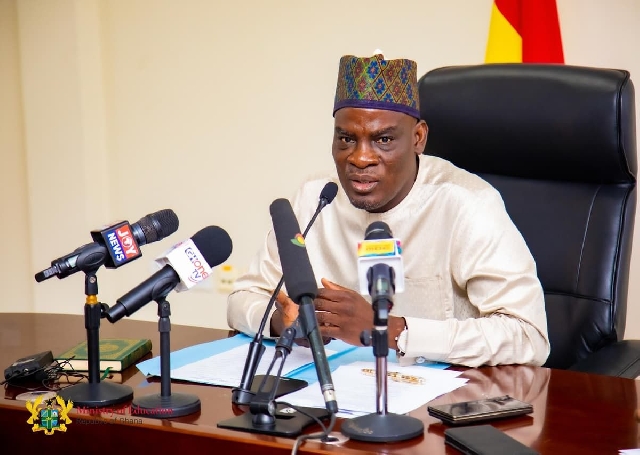
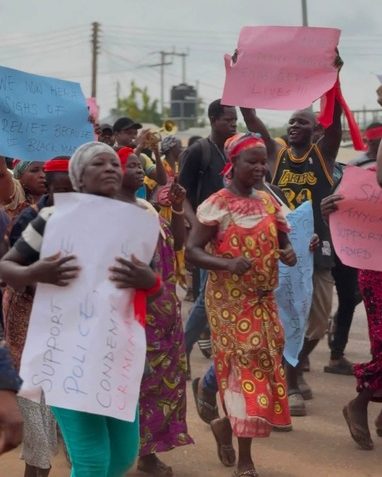
Surprisingly, while some self-acclaimed men of God are excited that President Akufo-Addo has not signed the witchcraft bill because of their belief that it will spoil their business and as well hinder their church growth, In a passionate plea to Ghana’s President Nana Addo Dankwah Akufo Addo, Prophet Stephen Adom Kyei Duah, the Founder and Leader of the Believers Worship Centre (BWC) and CEO of the Second Chance Media group, has called for expedited action on the signing of the witchcraft bill into law. Speaking to his congregation in Kumasi, Prophet Kyei Duah expressed his concern over the delay in implementing the bill, emphasizing that it is crucial for the welfare of alleged witchcraft practitioners in the country. The benevolent man of God highlighted that the passage of the witchcraft bill has been long overdue, prompting concerns from individuals who are genuinely worried about the well-being of those accused of witchcraft. Prophet Kyei Duah urged well-meaning citizens to take a stand against impunity in the nation. “I am pleading with President Nana Addo Dankwah Akufo Addo to sign the witchcraft bill into law. This delay is unacceptable, and it is causing unnecessary loss of life due to allegations of witchcraft,” stated Prophet Kyei Duah. His concern for the alleged victims of witchcraft-related accusations underscores the urgency of addressing this issue through legally binding measures. Additionally, the Voice of God took the opportunity to call for violence-free elections in Ghana. He expressed his love for the country and stressed the importance of preserving its unity during the upcoming polls on December 7th. Prophet Kyei Duah urged all Ghanaians to participate peacefully, emphasizing that violence undermines progress and stability. Prophet Kyei Duah reiterated his plea to President Nana Addo Dankwah Akufo Addo to prioritize the signing of the witchcraft bill into law, while emphasizing the need for a harmonious and peaceful election season for the nation of Ghana. Meanwhile, in a recently released documentary titled “The Horrors of Witchcraft Accusation,” produced by award-winning journalist Ngamegbulam Chidozie Stephen where he sheds light on the disturbing phenomenon of witchcraft accusation and the lynching of elderly men and women who are falsely labeled as witches and wizards. Investigations after the documentary revealed that fake prophets contribute strongly to the accusation of witchcraft by way of rebelling family members of the church members as witches and wizards. These has already caused a lot of harm in various communities. Despite the initial agreement to have some of these prophets participate in the documentary especially prophets from the Region dogged from the engagement and unfortunately failed to provide any substantial reasons for their refusal. Even though Journalist Ngamegbulam Chidozie Stephen relentlessly followed up with the prophets, yet they avoided any involvement in the project because they see themselves as culprits. Additional investigations conducted following the documentary’s release revealed that these fake prophets actively contribute to the spread of witchcraft accusations by encouraging family members of church members to label their loved ones as witches and wizards. The consequences of these accusations have been devastating, causing significant harm within various communities. The documentary serves as a crucial tool in raising awareness about the dangers and impact of witchcraft accusations and shines a spotlight on the nefarious activities of fake prophets. By shedding light on this issue, the hope is to promote education, understanding, and ultimately put an end to the harmful practice of witchcraft accusation. Source: Ngamegbulam Chidozie Stephen Please contact Apexnewsgh.com on email apexnewsgh@gmail.com for your credible news publications. Contact: 0256336062
The Dark Side of Soothsayers: Witchcraft Accusations Linked to Illegal Practices

In a recent documentary titled “THE HORRORS OF WITCHCRAFT ACCUSATION,” producer Ngamegbulam Chidozie Stephen sheds light on the illegal activities of soothsayers causing havoc in the northern parts of Ghana. As part of his investigation, Stephen visited the Yua community in Navrongo Central, Upper East Region, and interviewed a well-known and respected soothsayer named Bagnaba Karinba. The purpose of the visit was to understand the role of soothsayers in witchcraft accusations, which often result in lynching. During the interview, Karinba expressed his deep concern and disappointment about the actions of some of his fellow soothsayers. Karinba reveals that many soothsayers engage in dishonest practices such as providing incorrect information and blackmailing innocent individuals. These illegal activities often lead to baseless accusations of witchcraft, causing great harm and distress in various communities across the country. The root cause of these accusations is a combination of hardship and the greed for money. According to Karinba, misunderstandings within families create an opportunity for members to accuse one another of witchcraft. When someone falls ill, they may attribute their misfortune to a specific family member, such as a stepmother, uncle, brother, or sister. Even if the soothsayer does not confirm their suspicions, the accuser will use the perceived validation to intimidate their supposed enemy. This practice often provokes further conflict within the family. Karinba emphasizes that he cannot simply declare someone a witch without evidence. He questions how anyone can accuse their own mother or sister of such a serious crime if they are innocent. He explains that in society, some people are destined to live long lives, while others have shorter lifespans. Unfortunately, in situations where an elderly person outlives others in their family, they are often labeled as witches. This hasty assumption leads to unnecessary accusations and unrest within families and communities. The soothsayer offers his advice to the general public, urging everyone to stop these practices and seek peace within their families and communities. He also addresses his fellow soothsayers, calling on them to cease their false prophecies driven by poverty and desperation for money. Karinba emphasizes the importance of honesty and warns that being exposed as a liar could lead to isolation and a loss of respect within the community. Witchcraft accusations and lynching have become growing concern in Ghana, particularly in the northern part of the country. Immediate action is needed to address this issue and prevent further loss of innocent lives. The documentary highlighting these issues was generously sponsored by MRG, with additional support from MPEC. It serves as a wake-up call for society to address the illegal activities of soothsayers and the detrimental impact of witchcraft accusations, ultimately striving for peace and harmony. Source: Ngamegbulam Chidozie Stephen Please contact Apexnewsgh.com on email apexnewsgh@gmail.com for your credible news publications. Contact: 0256336062
Family Members Mourn as they share memories Woman Lynched for Witchcraft Accusations

In a tragic incident, Kenna Yenpoka, a woman from Damol-Tindongo in the Nabdam District of the Upper East Region, was brutally beaten to death after being falsely accused of witchcraft. Her devastated family members are now expressing their grief and calling for a change in the way witchcraft accusations are handled. Atia Tii, a sibling of the late Kenna Yenpoka, was shocked and pained by the accusations against his sister. He stated that she had never shown any signs of being a witch and was unfairly lynched by a group of individuals at the Pelungu market. In a documentary called “THE HORRORS OF WITCHCRAFT ACCUSATION” by Ngamegbulam Chidozie Stephen, Mr. Tii explained that traditional customs in the past allowed accused individuals to undergo a ritual called ‘Puhuk’ to determine their guilt or innocence. If found guilty, they would pay a fine, but their lives would be spared. Sadly, this process was ignored in Kenna’s case, leading to her tragic death. According to Poka Tii, Kenna’s sister-in-law, Kenna was a kind and respectful person who showed her great kindness when she joined the family. However, she was falsely accused of witchcraft during a visit to the Pelungu chief Palace. Despite being released after discussions, she was summoned again a few months later and accused of spiritually harming someone. Poka Tii, who had never witnessed any witchcraft from Kenna, was devastated by her lynching in Pelungu. Poka Tii spoke of the qualities she missed since Kenna’s passing, highlighting her role as the caretaker of the family and her important role in the ‘Tuore’ tradition. Sadly, since Kenna’s death, the family has been unable to find anyone to fill her place. Offering a suggestion to the community, Madam Poka Tii emphasized the importance of conducting thorough investigations instead of resorting to lynching whenever someone is accused of witchcraft. False accusations due to personal grudges or hatred can ruin innocent lives. She stressed the need to adhere to the traditional process that prohibits lynching and the potential conflicts it can cause between the affected family and the community. The Pelungu community has a history of witchcraft accusations and lynching, which is a growing concern in Ghana, particularly in the northern part of the country. Immediate action is needed to address this issue and prevent further loss of innocent lives. Source: Ngamegbulam Chidozie Stephen Please contact Apexnewsgh.com on email apexnewsgh@gmail.com for your credible news publications. Contact: 0256336062
Traditional Healers in Northern Ghana Defend Their Practices

In the northern part of Ghana, traditional healers Atigaris and Nana Gyendus are highly respected for their abilities to diagnose and treat spiritual health problems. Often called witch doctors or finders, these healers have faced criticism for their methods, which sometimes lead to negative consequences. Accusations of witchcraft and questionable remedies administered to the accused have raised concerns among the public. One such healer, Atigari Rita Adugbire from the Zaare community, a fetish priestess, recently spoke out against the negative perception of traditional healers. In a documentary called “THE HORRORS OF WITCHCRAFT ACCUSATION,” she aimed to raise awareness about the dangers of accusing people of witchcraft and the subsequent lynching of alleged witches and wizards. Adugbire explained, “When someone is bewitched and they come to us for help, our main focus is always on healing and the well-being of the affected person, rather than seeking out the witch responsible for the spell. We do not randomly accuse individuals, especially the elderly, of being witches. It is the witches themselves who come to us for treatment. We understand that witches can be of all ages and sizes, and our duty remains solely to heal the person in need. However, if our deities guide us to find the witch, we will accept their intervention.” She also shared insights into the practice during festivals, stating, “During these festivals, a witch from a distant place may come forward and confess to bewitching someone who has already been treated by us. This confession happens in front of the congregation, even when I may not be aware of it. It is crucial to note that we do not punish anyone who confesses to being a witch. Our main priority is to heal the person who has been bewitched.” Adugbire emphasized that their healing practices focus on reviving the affected person, even if a witch confesses to bewitching them. However, if the witch decides to spiritually cook and consume the person’s meat, they are unable to save the individual. In contrast, Aduku Agubire, the Atigari of the Yorogo Community, pointed out that most cases of witchcraft accusation and subsequent lynching are caused by churches and fake prophets in the region. She stated that many people seek refuge from traditional healers because of their successful assistance. Sadly, some individuals attend churches where they claim their family members have put a spell on them. Agubire urged churches to refrain from making such statements and fueling accusations of witchcraft. Ghana is witnessing a disturbing trend of witchcraft accusation and lynching, particularly in the northern parts of the country. It is important for society to address these issues and promote understanding and tolerance towards different spiritual beliefs and practices. During my journey to Sirigu, a community in the Kassena Nankana West District in the Upper East Region, I had the incredible opportunity to meet Nana Gyendu. Nana Gyendu is a well-known fetish priestess renowned for her extraordinary spiritual powers when it comes to matters of health. Nana Gyendu graciously shared her unique process with me. She explained that if someone is brought to her and accused of being a witch, she cannot make the decision on her own about what should be done with that person. Instead, she communicates with the shrine, relaying the information that the person has been accused of witchcraft and asking for guidance on how to handle the case. The shrine, in turn, provides a solution. Nana Gyendu emphasized that she does not mistreat the accused person in any way. She never resorts to physical violence or administers any substances for the person to swallow in order to extract a confession. Instead, she explained that both she and the accused person are operating on a spiritual level. Her role is simply to inform the shrine about the accusations brought by the people. Once this information is conveyed, the shrine and the accused person connect with each other in the spiritual realm. If the accused person is truly a witch, they will immediately confess. Following this confession, the shrine will show Nana Gyendu the medicine required to free the alleged witch. Nana Gyendu’s explanation shed light on her unique approach to dealing with cases of alleged witchcraft. It highlighted her respect for the individuals involved and her reliance on spiritual connections to ascertain the truth. Her process serves as a reminder that there are various perspectives and methods in addressing complex issues such as witchcraft accusations and understanding them is crucial to fostering empathy and seeking solutions. The documentary was sponsored by MRG and with support by MPEC Source: Ngamegbulam Chidozie Stephen Please contact Apexnewsgh.com on email apexnewsgh@gmail.com for your credible news publications. Contact: 0256336062
Witchcraft Accusations: A Threat to Vulnerable Individuals in Northern Ghana
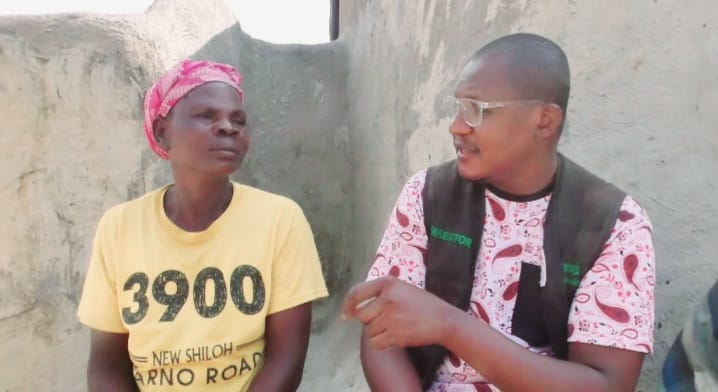
In the Nabdam District of the Upper East Region in Ghana, a Pelungu woman named Kolama Sampana found herself at the center of a distressing situation when she was accused of being a witch by a fellow community member. In a documentary entitled “THE HORRORS OF WITCHCRAFT ACCUSATION,” produced by Ngamegbulam Chidozie Stephen, Kolama shared her ordeal, emphasizing her lack of knowledge about witchcraft. This case highlights a concerning trend in the northern part of Ghana, where witchcraft accusations and subsequent acts of lynching have become alarmingly common. It puts the lives of elderly men and women within the society at risk, as they are often perceived as vulnerable and accused of being witches. Kolama’s experience began when she was called to the chief’s palace, where she found herself confronted by six individuals and a prophet. The chief informed her that she had been accused of spiritually bewitching a woman’s son and the chief himself, allegations she vehemently denied. The accuser claimed to have received this information from the pastor during a church service and also alleged that she had witnessed Kolama bewitching her son. Despite Kolama’s consistent denials, the accusations persisted, leading to the suggestion of consulting a soothsayer. Kolama refused to take an oath or accompany them to the soothsayer, firmly asserting her innocence and demanding evidence to prove otherwise. However, a subsequent visit to the chief’s palace only intensified the accusations. Kolama challenged the accuser and suggested that if they truly believed she was a witch, the prophet should pray for her or ask the accuser’s mother to confess. However, the chief rejected this suggestion, and instead of praying for them, they decided to consult a soothsayer who provided a concoction to drink. Interestingly, after consuming the concoction, Kolama and the other accused woman were declared not guilty. Nevertheless, they were asked to contribute more money to find a different soothsayer, but they could not afford it. Luckily, Kolama’s brother intervened, bringing the matter to the attention of the police in Bolgatanga. The police investigated the case, and the chief was instructed to return all the items, money, and animals acquired from Kolama and the other accused woman. Reflecting on the experience, Kolama expressed her frustration with the false accusations and urged people to refrain from labeling others as witches. She highlighted the importance of treating each other as equals, as we are all creations of God. While Kolama feels safe in her community, she no longer enjoys the freedom she once had due to the lingering stigma surrounding the accusations. In the midst of this ordeal, Kolama’s husband, Mr. Sampana Sapak, stood by her side, expressing his deep sadness and pain over the unjust accusations against his wife. He attested to their peaceful marriage and vehemently denied any knowledge of her being a witch. The comments and judgments passed by others when he was out in the community deeply affected him and made him feel disheartened. This story serves as a powerful reminder of the danger and injustice posed by witchcraft accusations, particularly towards vulnerable individuals. It urges society to reject such baseless allegations, treat everyone with respect and equality, and put an end to the rampant stigmatization that threatens innocent lives in northern Ghana. The documentary was sponsored by MRG and with support by MPEC Source: Ngamegbulam Chidozie Stephen Please contact Apexnewsgh.com on email apexnewsgh@gmail.com for your credible news publications. Contact: 0256336062
President of Upper East Region Youth Condemns Acts of Witchcraft Accusation Leading to Mob Violence

In a recent documentary titled “THE HORRORS OF WITCHCRAFT ACCUSATION,” produced by Ngamegbulam Stephen Chidozie of ApexnewsGh, Francis Adingo, the President of the Upper East Region Youth, expressed strong condemnation for the acts of youth engaging in witchcraft accusations that have led to lynching and mob violence against innocent elderly individuals. Adingo described such actions as “unacceptable” and highlighted the importance of the wisdom and knowledge that our old men and women bring to our homes. Adingo emphasized that the region has witnessed barbaric acts that must be condemned in the 21st century. He stressed that it is unjustifiable for the youth and other community members to take the law into their own hands and cause harm to someone based on a mere suspicion of being a witch or wizard. Adingo, along with the Upper East Youth Association and the Civil Society Organization, firmly condemned such acts that have occurred in Pelungu and other parts of the region. Adingo raised concerns about the impact of these accusations on our society. He stated that in this day and age, parents work hard to provide education for their children, hoping that they will become successful and take care of them in their old age. However, if their own children join forces with others, wrongfully accusing them of witchcraft, it is unacceptable. Adingo highlighted the importance of the elderly, who are the bearers of wisdom in our communities, and warned against the consequences of losing them. Adingo called on all stakeholders, including traditional rulers, assembly members, and the police, to address this issue promptly. He urged traditional rulers to abolish any existing laws that perpetuate witchcraft accusations, and for assembly members to play an active role in eradicating this barbaric practice. Adingo also stressed the importance of the police gathering intelligence quickly to protect the elderly and prevent further harm. He expressed his concern about the future repercussions if young people stand idle and watch their fellow youths inflict harm on elderly individuals based on baseless suspicions of witchcraft. Adingo reiterated that the elders hold invaluable traditional knowledge, and their loss would greatly impact the younger generation. He called on society as a whole to prioritize the protection and respect of the elderly, as they serve as the guardians of our traditions and cultural heritage. Mr. Adingo firmly stated that these acts of witchcraft accusation leading to violence have no place in modern society. He urged everyone to join forces to put an end to this inhumane practice and ensure the safety and dignity of our elderly parents and community members. The documentary was sponsored by MRG and with support from MPEC. Source: Ngamegbulam Chidozie Stephen Please contact Apexnewsgh.com on email apexnewsgh@gmail.com for your credible news publications. Contact: 0256336062
Paramount Chief Denounces Lynching as Part of Northern Tradition

Naba Yelzoya Kosom Asaga II Paramount Chief of the Nangode Traditional Area in the Nabdam district of the Upper East Region has clarified that lynching is not part of the northern tradition, regardless of the reasons behind it. He pointed out that in the southern regions, witchcraft is sometimes regarded positively and believed to bring protection and other benefits, but the emphasis in the north is not on the goodness of witchcraft. In a recent documentary titled “THE HORRORS OF WITCHCRAFT ACCUSATION,” Naba Yelzoya Kosom Asaga II, the Paramount Chief of Nangodi Traditional Area in the Nabdam District of the Upper East Region, spoke out against the lynching of old men and women accused of witchcraft. The documentary was produced by Ngamegbulam Chidozie Stephen of ApexnewsGh. According to the chief, the recent rise in witchcraft accusations and subsequent violence is a result of a mix of religions in the region. He condemned these acts and explained that lynchings had occurred in his traditional area, particularly in the Pelungu community, due to ignorance. The chief acknowledged that although legally the chiefs may have done nothing wrong, they should have handled these situations more wisely. He emphasized the need to send perpetrators of violence through the proper legal channels rather than resorting to mob justice. Naba Yelzoya Kosom Asaga II also clarified that lynching is not part of the northern tradition, regardless of the reasons behind it. He pointed out that in the southern regions, witchcraft is sometimes regarded positively and believed to bring protection and other benefits, but the emphasis in the north is not on the goodness of witchcraft. He highlighted that traditional religions in Northern Ghana do not involve physical bloodshed or human sacrifice, as seen in other parts of the country. The Paramount Chief emphasized that respect for human life is a core value in the northern tradition. The integration of traditional religion with Christianity and Islam in the region has led to a blurring of beliefs and practices, contributing to the rise in lynching. The chief urged traditional rulers to work hand in hand with the police and the court system to combat this issue, calling for extensive discussions and cooperation. Expressing concern for the safety of those accused of witchcraft, the Paramount Chief shared that some individuals had fled their communities due to fear and ostracization. He stated that accusations of witchcraft should be dealt with through treatment, known as deliverance, followed by reintegrating the accused back into the community. Naba Yelzoya Kosom Asaga II affirmed that lynching is illegal and should be condemned. He called for individuals involved in such acts to be held accountable under the law to deter further instances of this evil behavior. The paramount chief advocated for collaboration between the police and traditional rulers to address the issue effectively. He stressed the importance of restoring and reintegrating those accused of witchcraft into society rather than banishing them, emphasizing the need for rehabilitation and support. Meanwhile, the documentary was sponsored by MRG with support from MPEC. Source: Ngamegbulam Chidozie Stephen Please contact Apexnewsgh.com on email apexnewsgh@gmail.com for your credible news publications. Contact: 0256336062
Upper East House of Chiefs President Calls for an End to Witchcraft Accusations Against the Elderly

The Paramount Chief of the Chiana Traditional Area, Pe Dituudini Adiana Ayagitam III, who also doubles as the President of the Upper East Regional House of Chief, has urged the people of the Upper East Region and Ghanaians in general to stop the lynching of elderly individuals based on the misconception that they are witches. Expressing concern over this unfortunate practice, particularly prevalent in the northern parts of the country, the President of the Regional House of Chief emphasized the need to cherish and support the elderly. He stated, “We should aspire to be known as a country that values and respects long life, instead of a country that prematurely ends it. Let us extend our wholehearted support to them and endeavor to understand the factors that have contributed to their longevity, so that we may learn from their lifestyles. We ourselves grieve and feel immense sorrow when a young life is lost prematurely.” He advised These clarion calls were made during the airing of a documentary titled “THE HORRORS OF WITCHCRAFT ACCUSATION,” produced by Ngamegbulam Chidozie Stephen of ApexnewsGh. The President of the Regional House of Chief emphasized the respected status of the elderly within society and acknowledged their wisdom and knowledge of community history. “In the Kessena enclave, we consider the aged as individuals whom God has blessed. We often seek their guidance and insights.” He further dismissed the misconceived notion that old age equates to witchcraft, highlighting the fact that longevity is a blessing from God rather than an indication of malevolence. He urged society to dispel this harmful belief and uphold the respect and dignity of the elderly. Addressing the issue of witchcraft accusations, the President called for tighter regulation and monitoring of soothsayers and fetish priests who claim to possess the ability to detect witches. He suggested that such activities should be subject to oversight by the traditional authorities, specifically the Paramountcy’s or divisions. This would ensure that decisions regarding accusations are made with the involvement of traditional leaders, rather than allowing the youth to take matters into their own hands. He also questioned the decision to involve the youth in taking an accused individual to a soothsayer, emphasizing the need for responsible and informed action. The Paramount Chief passionately advocated for an end to the lynching of elderly individuals and urged society to celebrate their longevity. By recognizing and respecting the factors that contribute to longer life, Ghana can embody a culture of honor and support for its elder citizens. The documentary was sponsored by MRG with support from MPEC.
Paramount Chief of Talensi Traditional Area Vows to End Witchcraft Accusations and Lynching

According to a recent documentary, titled “The Horrors of Witchcraft Accusation,” Tongraan Kugbilsong Nanlebegtang, the Paramount Chief of the Talensi Traditional Area in the Upper East Region, has made a resolute stand against unfounded witchcraft accusations and lynching within the community. The documentary was produced by Ngamegbulam Chidozie Stephen of ApexnewsGh as a campaign against such inhumane and condemnable act. As a community leader, Tongraan emphasized that the Talensi Traditional Area strongly opposes baseless allegations of witchcraft or wizardry and the subsequent trial by ordeal or lynching of individuals accused. He firmly stated that such actions are not acceptable in Talensi and that the traditional council has strict instructions to punish chiefs who allow these practices. Tongraan emphasized that accusations of witchcraft should not be brought to the chief without solid evidence, and any chief who tries to handle such cases would be in violation of Talensi’s rules. The traditional council vehemently opposes lynching and ensures that those who engage in it face legal consequences. Tongraan clarified that if someone is accused of witchcraft, the matter is immediately dismissed, and the person making the accusation is advised to seek legal recourse through the court system if they so desire. He stressed that trying accused individuals through divisional or sub-chiefs is unacceptable. Any information regarding such practices is swiftly acted upon by the traditional council, resulting in the banishment of those involved and subsequent legal actions taken against them. When asked about his belief in witchcraft, Tongraan acknowledged the existence of supernatural forces in various forms. However, he did not explicitly state his personal beliefs regarding witchcraft. He highlighted that the perception that being old automatically makes someone a witch is incorrect and a wrongful stereotype. Tongraan emphasized that everyone will grow old eventually and that age should not be a basis for accusations or mistreatment. Although the Talensi Traditional Area has a history of witchcraft accusations and resulting casualties, Tongraan’s firm stance aims to put an end to these harmful practices within the community. By actively confronting unfounded allegations and promoting legal recourse, he seeks to eliminate the stigma and violence associated with witchcraft accusations in Talensi. The documentary was sponsored by MRG with support from MPEC. Source: Ngamegbulam Chidozie Stephen Please contact Apexnewsgh.com on email apexnewsgh@gmail.com for your credible news publications. Contact: 0256336062
Sakoti Paramount Chief Condemns Lynching of Marginalized Groups

The Paramount Chief of the Sakoti Traditional Area in the Nabdam district of the Upper East Region, Naba Sigri Bewong, has strongly condemned the lynching of old men and women and people perceived to be from marginalized groups. This statement was made during his participation in a recent documentary titled “THE HORRORS OF WITCHCRAFT ACCUSATION,” produced by Ngamegbulam Chidozie Stephen of ApexnewsGh. Naba Sigri Bewong, who has been serving as a paramount chief in the area for over 25 years, expressed his disappointment in the extreme act of lynching. He emphasized that while witchcraft does exist and belongs to the evil spirit according to their beliefs, he does not possess the ability to identify who is a witch and who is not. Therefore, he advised against taking the law into their own hands. In cases brought before him, the paramount chief mentioned that when a person confesses to being a witch, they are considered reformed and are urged to coexist peacefully within the community. He strongly opposed the act of lynching, stating that it is simply the act of killing another human being. He further stressed the importance of abiding by the law and called on the community to refrain from beating, lynching, or killing individuals. Naba Sigri Bewong also highlighted that the perception that women alone are witches is incorrect, as men are also believed to possess witchcraft abilities. According to his understanding, witches operate as a society, with their own leaders and members. He mentioned that they are believed to hold meetings on trees during the night and have the ability to transform themselves into animals or cause harm to others. The paramount chief urged his community to reject the act of lynching and to work towards peaceful coexistence, emphasizing the importance of respecting the law. The documentary was sponsored by MRG with support from MPEC. Source: Ngamegbulam Chidozie Stephen Please contact Apexnewsgh.com on email apexnewsgh@gmail.com for your credible news publications. Contact: 0256336062