
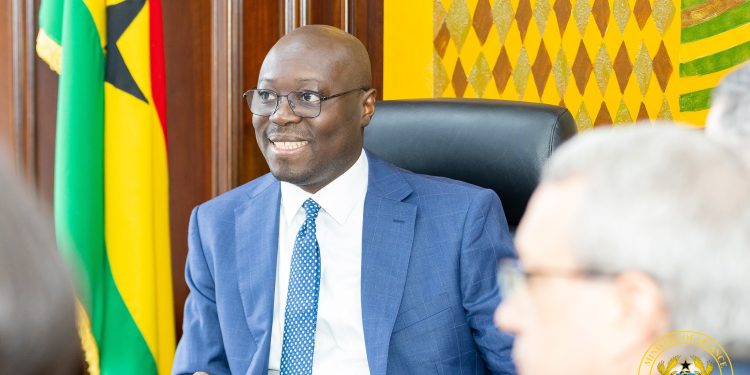

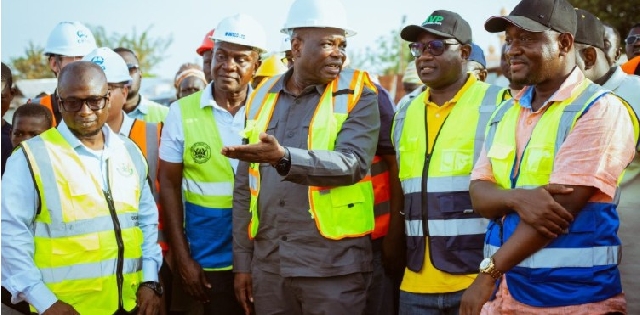
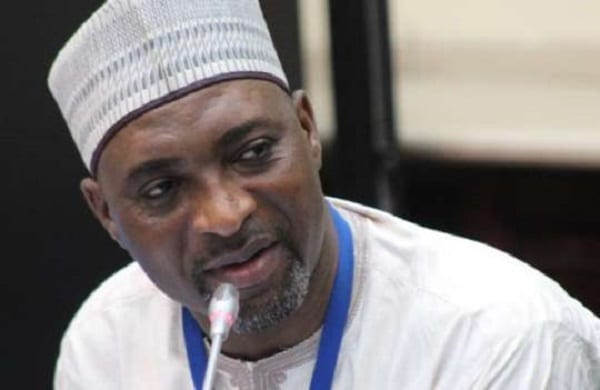

NABCO Beneficiaries to Receive Long-Overdue Arrears

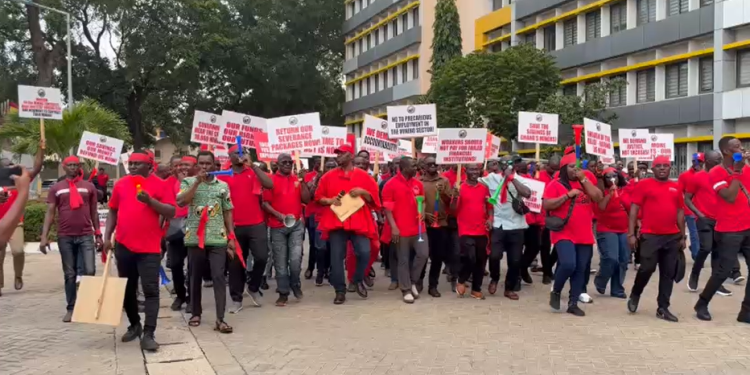
In a heartening turn of events, beneficiaries of the Nation Builders Corps (NABCO) program are on the brink of receiving their long-awaited payments, amounting to eight months’ worth of arrears. Apexnewsgh reports This news has brought a wave of relief to the beneficiaries, many of whom have endured significant challenges due to the delayed payments. The NABCO program was introduced in 2017 by the Akufo-Addo administration with the aim of tackling graduate unemployment in Ghana. However, the beneficiaries have grappled with delayed payments, leading to severe hardships such as job loss, disruptions in education, and even personal struggles. According to reliable sources, the government is set to disburse approximately ¢6,300 to each NABCO beneficiary, covering five out of the nine months of outstanding arrears. This much-anticipated payment is expected to provide much-needed respite to the beneficiaries, who have patiently awaited their dues. It is important for the beneficiaries to ensure that their timesheets are readily available and signed when the opportunity arises to facilitate the smooth processing of their payments. The NABCO program, which operates under seven modules, has been a beacon of hope for many graduates seeking employment opportunities. This development marks a significant stride in addressing the concerns of NABCO beneficiaries, who have endured unimaginable hardships. As the government takes steps to settle the arrears, beneficiaries can finally see a glimmer of hope on the horizon. Source: Apexnewsgh.com
NDC’s Simon Aworigo Reaches Out to Constituents with Inclusive Developmental Policies
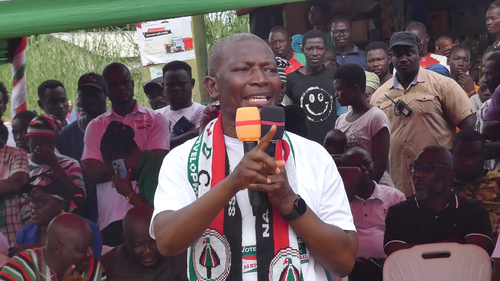
In the bustling town of Navrongo, excitement filled the air as the National Democratic Congress (NDC) parliamentary candidate, Simon Aworigo, made his way to the Naaga and Kologo communities. Apexnewsgh Reports His presence sparked hope among the residents, as he outlined the party’s ambitious policies to tackle the pressing developmental issues plaguing the area. Expressing gratitude to the national and regional executives for their visit, Aworigo warmly thanked the communities for their warm welcome. He emphasized the urgent need for change in both the presidential and parliamentary elections, citing eight years of hardships and struggles under the current administration. During his address, Aworigo shed light on some of the key challenges faced by the communities, including the lack of electricity in certain areas due to uncompleted rural electrification projects, unaddressed appeals for hospitals and secondary schools, and the persistent issues of deplorable roads and rampant armed robberies. To address these challenges, Aworigo presented the NDC’s comprehensive solutions. These included plans to upgrade infrastructure by improving roads such as the critical Bolga-Shirigu-Naaga route, creating youth employment opportunities through a 24-hour economy, implementing a free policy for the first-year students who gained admission in the university, establishing farmer service centers under the agricultural facility, and introducing a women’s development bank to empower women in the community. Focusing on the critical issue of youth unemployment, Aworigo highlighted that lack of opportunities was the primary concern. Research has also supported this, showing significantly higher unemployment rates among the youth compared to the adult population. The NDC’s policies aim to directly address this pressing concern. As the December elections draw near, Mr. Aworigo’s compelling message of change and development resonates deeply with constituents in the Navrongo Constituency, igniting a sense of hope and determination for a brighter future. Johnson Asiedu Nketiah, the National Chairman of the National Democratic Congress (NDC), recently embarked on a 3-day campaign in the Upper East Region, dubbing it a “retail campaign.” This grassroots approach aims to connect with people directly in remote communities, allowing him to grasp the challenges they face firsthand. By doing so, Asiedu Nketiah demonstrates his commitment to understanding the needs of the people and fostering meaningful relationships. Source: Apexnewsgh.com/Ngamegbulam Chidozie Stephen/ Navrongo
Johnson Asiedu Nketia composes controversial song for NPP PCs

NDC National Chairman, Johnson Asiedu Nketiah, has composed a provocative song aimed at NPP parliamentary candidates. Apexnewsgh reports The song, launched in the Upper East Region, is a response to alleged tactics by NPP candidates, where they persuade constituents to swear on the Quran or Bible after receiving money to vote for them. Asiedu Nketiah encourages constituents to accept the money but vote for the NDC, emphasizing that the funds belong to the citizens. He cites an instance in Asin North where an NPP candidate, Charles Opoku, allegedly bribed voters, but they didn’t vote for him. The song has gained traction nationwide, sparking a conversation about campaign ethics. Source: Apexnewsgh.com/Ngamegbulam Chidozie Stephen/Upper East Region
Akufo-Addo raises alarm, describes FSHS as a “threat” under John Dramani Mahama
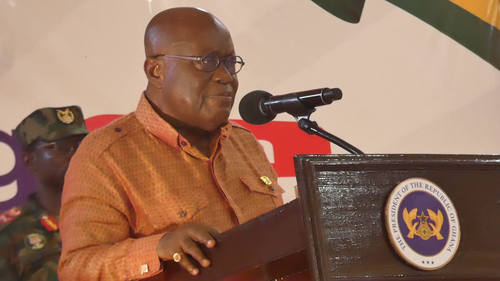
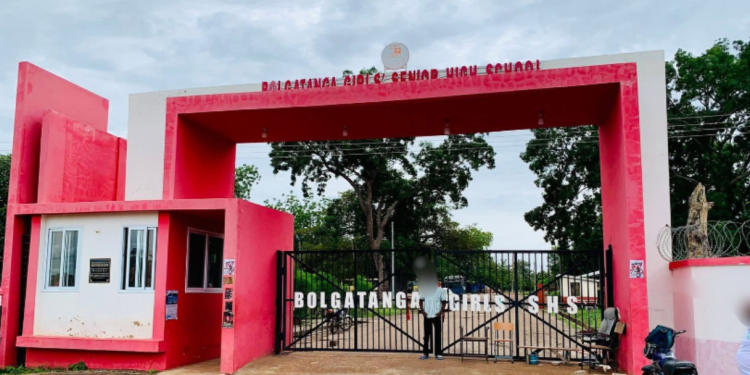
President Nana Addo Dankwa Akufo-Addo bid farewell to stakeholders in the Upper East Region with a grave concern on his mind. Apexnewsgh reports He expressed worries that the future of the Free Senior High School (FSHS) policy might be at risk if John Dramani Mahama were to return to power. Akufo-Addo highlighted Mahama’s inconsistent stance on FSHS, citing his initial dismissal of the policy, followed by promises to review and later improve it. The President emphasized that Mahama’s wavering commitment to FSHS raised questions about his trustworthiness, questioning how someone could be trusted when they change their mind four times, referencing Mahama’s evolving statements on FSHS. These concerns come as Mahama has been actively campaigning across the country, including the Upper East Region. Despite outlining his vision for Ghana’s development, Mahama’s stance on FSHS remains unclear. Mahama’s shifting stance on FSHS has been evident over time. Initially, he called FSHS a “bad thing” and stated he wouldn’t spend GHC 2 million on it. However, he later pledged to review the policy and most recently asserted that he would improve FSHS. Akufo-Addo’s warning has brought to light the uncertainty surrounding Mahama’s true intentions for FSHS. As Ghanaians head to the polls, the fate of this critical education policy hangs in the balance. Source: Apexnewsgh.com/Ngamegbulam Chidozie Stephen