

Ghana to Boost Local Industries with Mandatory Procurement Policy
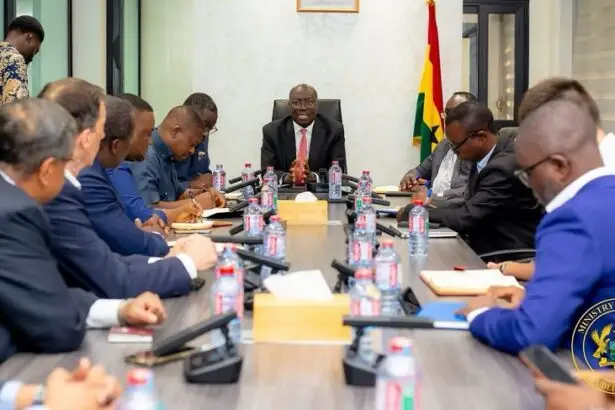
Finance Minister Dr. Cassiel Ato Forson detailed a new policy aimed at invigorating local industries. Apexnewsgh reports This initiative mandates state agencies to procure essential goods exclusively from local producers, a move designed to fortify Ghana’s industrial base while promoting homegrown production. The policy, set to be implemented soon, outlines several key components. State agencies will be required to purchase specified goods from local sources, with a comprehensive list of these goods to be released shortly. Furthermore, any procurement from foreign suppliers will now necessitate special approval from none other than the Office of the President, ensuring that government spending prioritizes domestic over imported products. In addition to these measures, the government intends to tackle the issue of smuggling, which has presented a significant challenge to local businesses. To combat this, strict anti-smuggling regulations will be introduced, providing local producers a fairer competitive landscape. As part of its broader economic strategy, the Ghanaian government is also promoting participation in the 24-hour economy program. This initiative is designed to encourage local businesses to ramp up production and fuel economic expansion around the clock. The response from industry stakeholders has been overwhelmingly positive. The Association of Ghana Industries (AGI), which represents a wide range of local manufacturers, has welcomed this commitment to fostering local production. Dr. Humphrey Ayim-Darke, AGI’s President, lauded the budget policies laid out by the finance minister, expressing his optimism about the potential growth opportunities that could arise from such strategic support for the industrial sector. With the implementation of this mandatory local procurement policy, Ghana stands on the brink of a significant transformation. It’s anticipated that this initiative will provide a substantial boost to local manufacturers, ensuring that government expenditures directly fuel the growth of domestic businesses. By reducing dependence on imported goods and elevating the profile of local production, the government is taking critical steps toward strengthening the national economy and securing a prosperous future for Ghanaian industries. Source: Apexnewsgh.com
Ghana’s Finance Minister Justifies Higher Taxes for Mining Companies
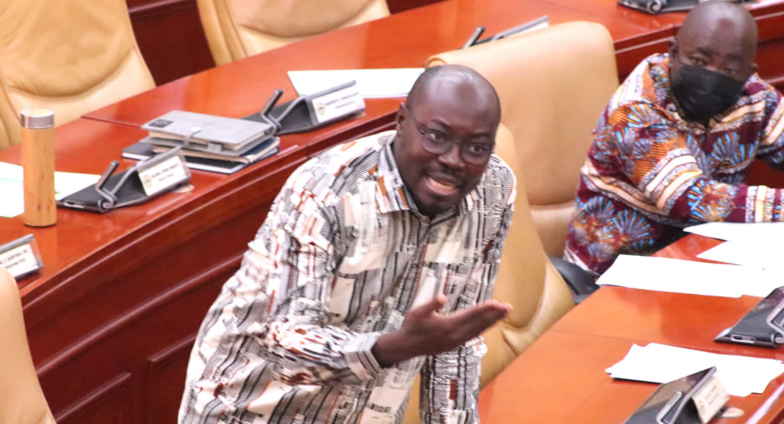
Ghana’s Minister of Finance, Dr. Cassiel Ato Forson, announced an increase in taxes for mining companies during his 2025 budget statement. Apexnewsgh reports The Growth & Sustainability Levy for these firms will see a rise from 1% to 3%, a significant adjustment designed to ensure that gold mining companies contribute fairly to the nation’s progress. At a press conference, Dr. Forson underscored the importance of this measure, pointing out that the mining sector has consistently generated substantial profits. “Mining companies make significant profits, and it is only right that they contribute more to national development,” he asserted, reinforcing the belief that everyone should play a part in bolstering the country’s economy. The Finance Minister also took the opportunity to highlight the numerous economic reforms his government has implemented, with an eye toward stability and growth. He noted that these changes have been instrumental in easing the financial burdens faced by Ghanaians, ensuring improved public services, and fostering disciplined economic management. Among the key victories for the citizens, Dr. Forson pointed to recent bills signed into law by President John Mahama, which include the repeal of the contentious Electronic Transfer Levy, increased funding for vital social programs, and comprehensive tax reforms aimed at promoting economic growth. He also emphasized the importance of stricter financial discipline to ensure responsible fiscal management. In closing, Dr. Forson reaffirmed the government’s commitment to resetting Ghana’s economy for long-term stability and prosperity. “We are putting money back into the pockets of Ghanaians while making sure government finances remain strong,” he concluded, leaving the nation hopeful for a more equitable and robust economic future. Source: Apexnewsgh.com
IMF Warns of Global Economic Threat from US Tariffs

In a stark warning that has reverberated through financial circles, the International Monetary Fund (IMF) has raised alarms about the new tariff measures announced by the United States. Apexnewsgh reports Managing Director Kristalina Georgieva emphasized that these tariffs could pose a significant threat to the global economy, especially during a time when growth is already sluggish and economic challenges are mounting. Georgieva outlined several potential risks associated with the tariffs, voicing concerns over their capacity to disrupt global supply chains, exacerbate inflationary pressures, and hinder the recovery of emerging markets. While the IMF is still in the process of assessing the full macroeconomic impact of these measures, Georgieva stressed the importance of dialogue. “We appeal to the United States and its trading partners to work constructively to resolve trade tensions and reduce uncertainty,” she said, signaling a call for cooperation in the face of escalating trade disputes. In the coming weeks, the IMF plans to release a comprehensive analysis of the tariffs’ potential implications in its World Economic Outlook, which will be discussed during the highly anticipated IMF and World Bank Spring Meetings. In the wake of the US tariff announcements, global markets have responded with notable turbulence. Major stock indices have taken a hit, with the S&P 500 experiencing a sharp decline of 4.8%, the Dow Jones Industrial Average falling by 4%, and the Nasdaq Composite plunging by 6%. Meanwhile, European markets were not immune to the turmoil, with significant losses recorded across major indices, including the FTSE 100, CAC 40, and DAX Performance Index. The potential consequences of these tariffs are extensive, prompting fears of increased consumer prices as higher import costs could lead to inflation. Businesses that rely heavily on imported materials may face mounting input costs, which could diminish profit margins and stifle growth. Moreover, if trade tensions escalate further, retaliatory tariffs could emerge, further straining trade relationships. Ultimately, the ripple effects may slow economic growth due to reduced trade and investment, and potentially lead to job losses in industries affected by tariffs or associated retaliatory measures. The IMF’s warning underscores a growing unease among economists and global leaders regarding a resurgence of protectionist policies. As the global economy teeters on the brink of uncertainty, calls for collaboration and constructive engagement become more urgent, highlighting the essential need to navigate these turbulent waters together. Source: Apexnewsgh.com
Ghanaian Minority Urges Government to Prioritize AfCFTA Implementation
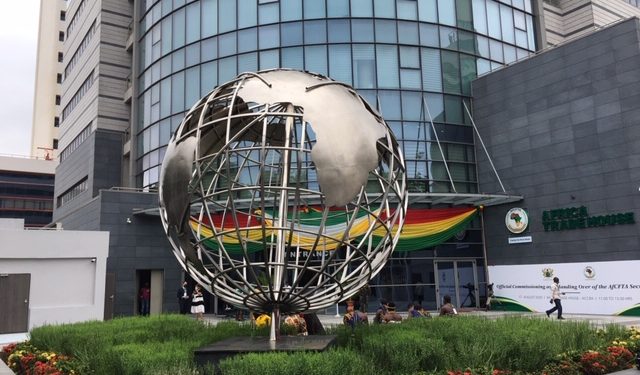
In a decisive moment for Ghana’s economic future, the Minority in Parliament has rallied for the government to accelerate the implementation of the African Continental Free Trade Area (AfCFTA) agreement. Apexnewsgh reports This call to action follows a concerning announcement by U.S. President Donald Trump on April 2, revealing a 10% tariff on Ghanaian exports, further amplifying worries about the nation’s economic vulnerability in the face of global market shifts. The recent tariff imposition has underscored the precarious position Ghana occupies in the international trading arena, particularly with regards to its reliance on the U.S. market. Observers note that this situation highlights the urgent need for diversification of Ghana’s export markets to reduce the dependency on Western countries. The Minority has taken a firm stand, articulating that now is the time for strategic action to reinforce Ghana’s economic resilience. In an official statement led by Ranking Member Michael Okyere Baafi, the Minority proposed several key recommendations aimed at fortifying the nation’s trade prospects. First and foremost, there is an emphatic call to prioritize the swift implementation of the AfCFTA agreement. The Minority believes that expediting this agreement is crucial for enhancing intra-African trade and lessening Ghana’s reliance on Western markets. Furthermore, they advocate for an increase in the export of manufactured products to other African nations, utilizing the trade diversion possibilities created by the retaliatory measures from major trading partners. In addition, the Minority recognizes the challenges faced by exporters and stresses the need for specialized programs to support those affected. This includes providing financial assistance, training, and valuable market intelligence to help local businesses adapt to the new trade climate. To safeguard Ghana’s trade interests, the Minority also emphasizes the importance of intensifying diplomatic efforts, particularly by seeking extensions or alternatives to the African Growth and Opportunity Act (AGOA), which has been pivotal for some sectors in Ghana. As Ghana navigates this changing trade landscape, the Minority’s call to action highlights the necessity for proactive measures that position the nation to seize the opportunities manifest in the AfCFTA agreement. This proactive approach is not only vital for sustaining Ghana’s economic health, but also for crafting a more diversified and stable trade future. The message is clear: the time for action is now. Source: Apexnewsgh.com
Ghana to Restrict Excavator Imports to Combat Illegal Mining
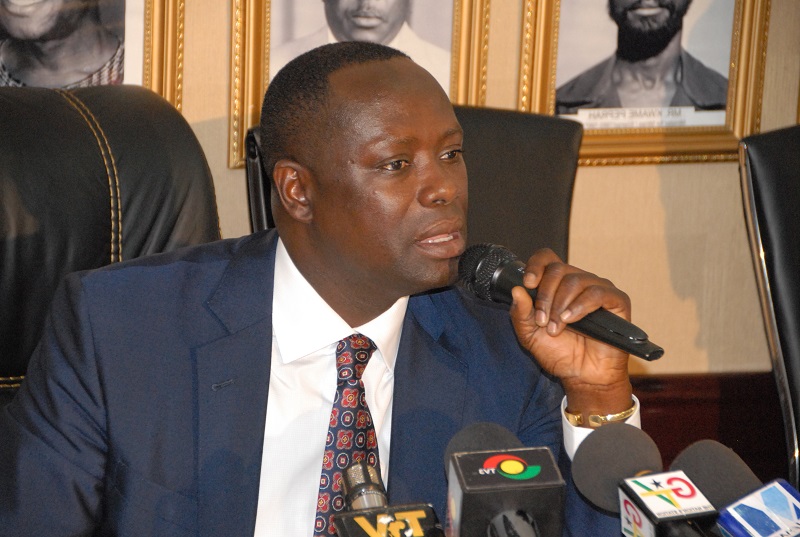
The Minister for Lands and Natural Resources, Emmanuel Armah-Kofi Buah, has announced that the government is considering restrictions on excavator imports to curb illegal mining activities. Apexnewsgh reports This move aims to protect Ghana’s environment and water resources from the devastating effects of unregulated mining operations. Minister Buah expressed deep concern over the alarming scale of environmental destruction caused by illegal mining, particularly in forest reserves and along riverbanks. The unchecked influx of heavy-duty machinery, especially excavators, has enabled illicit mining activities with severe ecological consequences. The government plans to restrict excavator imports, targeting loopholes that allow mining-related machinery to be used for illegal purposes. This move is not intended to cripple legitimate businesses or construction firms but rather to prevent the misuse of equipment. Ghana currently spends $6.2 billion on excavator imports, primarily for mining activities that harm the environment and water resources. The government believes it’s time to take decisive action to protect the country’s natural resources and public health. Source: Apexnewsgh.com
Ghanaian Students Abroad to Receive Increased Stipends

Ghana’s Minister for Foreign Affairs, Samuel Okudzeto Ablakwa, addressed the local Ghanaian community. Apexnewsgh reports His voice carried news that resonated deeply with the students present—plans were underway to boost the monthly stipends for Ghanaian students studying abroad on government-sponsored programs. Currently, those enrolled in a one-year French exchange program receive a monthly stipend of CFA 45,000, which converts to roughly GHS 1,147. Additionally, they benefit from a one-time book allowance of CFA 60,000 (around GHS 1,500) and have medical expenses covered up to CFA 60,000. While these provisions were commendable, students voiced their growing concerns over the program’s recent cut from twelve months to a mere six. This drastic reduction has made it increasingly difficult for them to meet their academic obligations. Among the students were about 40 representatives from the University of Media, Arts and Communication (UNIMAC) and the University of Ghana, currently navigating their studies in French. The situation was set to intensify, as another group of 30 students from the Kwame Nkrumah University of Science and Technology (KNUST) was expected to join them shortly. Minister Ablakwa listened attentively to their worries and assured the audience of his commitment to enhancing their experience abroad. He promised to initiate consultations aimed at reviewing and increasing the current stipend structure while also focusing on the timely disbursement of funds—an aspect the students had highlighted due to delays that affected their daily lives. This meeting was not just an obligation; it was part of a broader initiative by the Minister to routinely engage with Ghanaians living abroad. With over 2,000 nationals residing in Benin, and more than 100 attending the event, his visit marked the start of a series of quarterly interactions designed to address concerns and improve the welfare of the Ghanaian community across borders. As the Minister’s travel schedule unfolded, Benin and Nigeria were slated as the first stops in this important dialogue. Source: Apexnewsgh.com
Assin South MP Accuses Government of Hiding Crucial Information
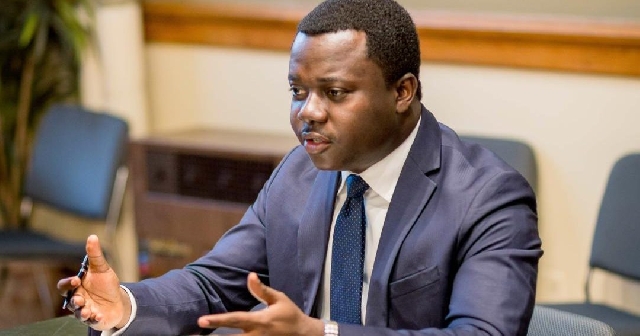
Assin South MP, Rev. John Ntim Fordjour, has accused the Mahama administration of concealing vital information related to drug trafficking and money laundering investigations. Apexnewsgh reports This comes after government spokesperson Felix Kwakye Ofosu claimed that Fordjour had been invited by security agencies to assist with investigations but failed to comply. Fordjour dismissed these allegations as false, labeling claims about money laundering as “a lie.” He questioned the government’s transparency, asking, “What are they hiding?” The MP challenged Ofosu to produce a copy of the alleged invitation, stating that no security or intelligence agency had ever reached out to him for assistance. As the Ranking Member on the Parliamentary Committee for Defence and Interior, Fordjour revealed that his request for a Joint Security briefing was blocked by the National Democratic Congress (NDC) Parliamentary Caucus and the government. This briefing aimed to provide updates on ongoing investigations. Fordjour expressed frustration with the government’s handling of two suspicious flights, labeling their explanations as “incoherent” and “questionable.” He also highlighted the government’s failure to address the status of 12 containers confiscated by National Security on February 9, reportedly filled with gold and foreign currencies. The MP emphasized the ongoing investigation into a cocaine bust involving an estimated $500 million worth of drugs. Fordjour warned that Ghana could become a hub for illicit activities if the government continues to turn a blind eye to these issues, calling for clearer answers and full transparency in the investigations. Source: Apexnewsgh.com
Government Cracks Down on Illegal Mining: 107 Foreigners Deported
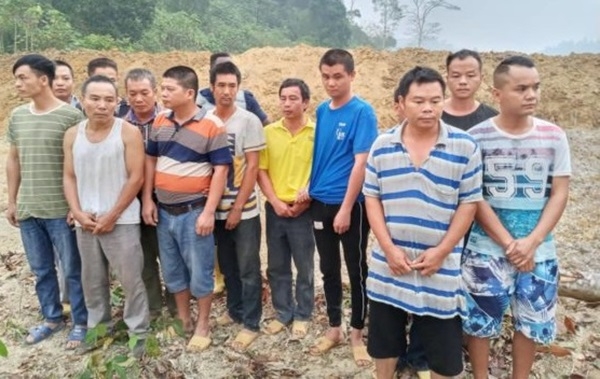
The Minister of the Interior, Mohammed Mubarak Muntaka, has announced that 107 foreigners have been deported since he took office as part of the government’s efforts to combat illegal mining, known as “galamsey”. Apexnewsgh reports This move underscores the government’s commitment to protecting Ghana’s natural resources and addressing the environmental and economic impacts of illegal mining. Minister Muntaka has directed the Inspector-General of Police to transfer all regional, divisional, and district police commanders stationed in mining areas. This decision aims to replace long-serving officers who have not effectively tackled the galamsey menace. Rationale Behind Transfers “The decision to transfer these commanders stems from their prolonged stay in mining areas, where illegal mining continues to thrive. We need new faces and fresh perspectives to address this challenge,” Minister Muntaka stated. The government remains resolute in its fight against illegal mining, with plans to roll out more stringent measures to safeguard Ghana’s natural resources. Minister Muntaka emphasized the importance of collaboration between law enforcement agencies, urging regional police commanders to act swiftly when foreigners are found engaging in illegal activities. Illegal mining has had devastating effects on Ghana’s environment and water bodies, drawing widespread criticism. The government’s efforts aim to address these issues and protect the country’s resources for future generations. Source: Apexnewsgh.com
Paramount Chief Bans NDC Activities in Anfoega Traditional Area
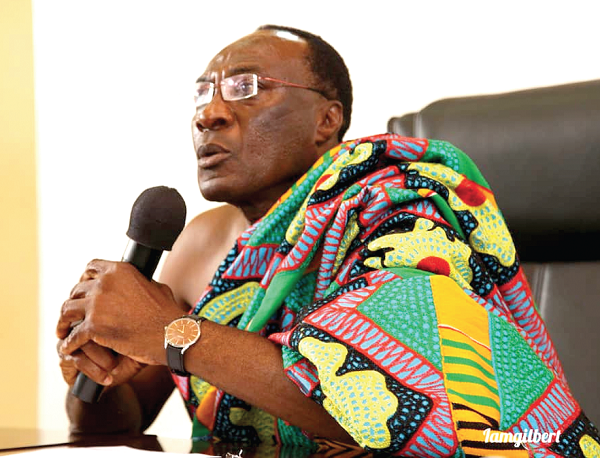
In a shocking move, Togbe Hodo, the Paramount Chief of Anfoega Traditional Area, has banned all activities of the National Democratic Congress (NDC) in his domain. Apexnewsgh reports The chief’s decision stems from his disagreement with President John Dramani Mahama’s nomination of a District Chief Executive (DCE) for the North Dayi District Assembly. Togbe Hodo felt disrespected by the President’s refusal to appoint his preferred candidate, Madam Solace Dzeble, despite his personal intervention. Angered by this decision, the chief ordered two Sub Chiefs, who are appointees of the North Dayi District Assembly, not to participate in the confirmation process of the President’s nominee, Mr. Ernest Adevoh. However, the confirmation process went ahead smoothly, with Mr. Adevoh being confirmed unanimously as the DCE. He polled 30 out of 32 votes, with only two votes against him. In his acceptance speech, Mr. Adevoh promised to work tirelessly for the benefit of all district inhabitants and pledged to support the President’s RESET agenda. The MP for the area, Honorable Joycelyn Quashie, acknowledged the crucial role chiefs play in ensuring inclusivity and development. She vowed to engage with Togbe Hodo, whom she considers her father, to find a solution to the issue. The confirmation ceremony was attended by several high-ranking NDC executives, including the Regional Minister and Regional Chairman. Source: Apexnewsgh.com