


NPP Youth Organiser Vows Revenge Over Abronye’s Arrest as Political Tensions Rise

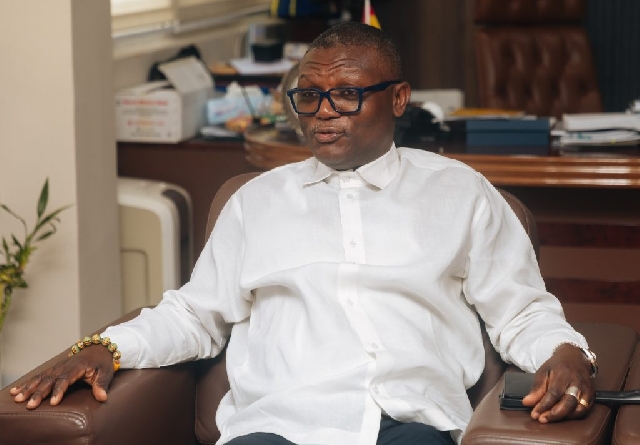
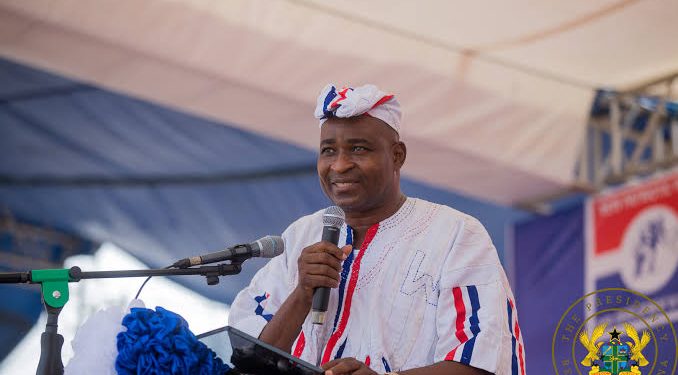
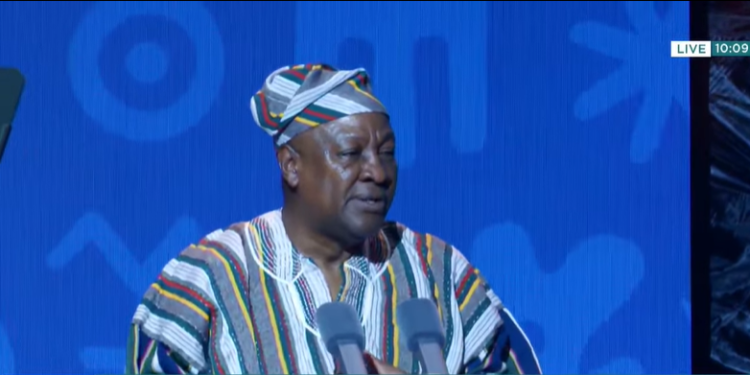
The National Youth Organiser of the New Patriotic Party (NPP), Salam Mustapha, has issued a fierce warning to the ruling National Democratic Congress (NDC) following the arrest and prosecution of NPP-affiliated members. Speaking passionately outside the Accra Circuit Court on Tuesday, September 9, after the remand of Bono Regional Chairman Kwame Baffoe, popularly known as Abronye, Mustapha declared: “Power has an end, the tables will turn, and we will all have our revenge.” Abronye was remanded into police custody earlier that day and is slated to reappear in court on Friday, September 12. The Ghana Police Service confirmed his arrest on Monday, September 8, citing “offensive conduct conducive to the breach of public peace.” Details of his alleged conduct have not been fully disclosed, but his detention has ignited national debate due to his high political profile and outspoken reputation. Abronye’s arrest comes on the heels of his recent applications for political asylum in eight countries—including the United States, United Kingdom, France, Italy, Canada, Spain, Germany, and Côte d’Ivoire—where he claimed political persecution and threats to his life. He has accused the government of leveraging state security agencies to target him and other opposition figures. As part of their investigations, police searched the residence of former NPP Youth Organiser Moses Abor on Sunday, but Abronye was not present at the time. The court is expected to resume proceedings on Friday as the nation watches closely, awaiting the next developments in this high-profile case. Source: Apexnewsgh.com
Ghana Gold Board Set to Begin Local Gold Refining in October 2025

The Ghana Gold Board will start refining gold locally from October 2025, marking a major milestone in the country’s quest for greater value addition in its gold sector. This initiative, forged through a partnership with the Bank of Ghana and local refineries such as the Gold Coast Refinery, was announced by the Gold Board’s CEO, Sammy Gyamfi, at the inaugural Mining and Minerals Convention in Accra on Tuesday, September 9. Gyamfi described the move as a crucial step in strengthening Ghana’s economic resilience and advancing the reset agenda of President Mahama. “It is a national shame that, as a long-standing continental leader in production, Ghana continues to export doré, that is, raw gold instead of bullion. The Ghana Gold Board, which I lead, is determined to change this narrative as a matter of urgency,” he emphasized. He further explained that the new arrangement will see the Gold Board, in partnership with the Bank of Ghana and local refineries, begin refining gold purchased and exported by the Board starting in October 2025. The initiative aims to ensure that more value is added locally, transforming Ghana’s gold exports from raw doré to refined bullion and contributing to the nation’s economic development. Source: Apexnewsgh.com
Ghana Water Limited Seeks 281% Tariff Hike Amid Growing Financial Pressures
Ghana Water Limited (GWL) has formally requested approval from the Public Utilities Regulatory Commission (PURC) for a dramatic 281 percent increase in water tariffs, proposing a jump from GH¢5.28 to GH¢20.09 per cubic metre for the 2025–2029 regulatory period. The company explained that the proposed hike is crucial to clearing its mounting debts and managing escalating operational costs. GWL pointed to challenges such as the pollution of raw water sources and foreign exchange pressures impacting the purchase of imported equipment and chemicals as key drivers of the increase. Without the adjustment, the company warns it will struggle to sustain a reliable water supply and fund necessary infrastructure expansion. At a recent public hearing, Michael Klutse, Manager in Charge of Monitoring at GWL, emphasized that current tariff levels are unsustainable for delivering consistent services. He stressed that a significant adjustment is necessary to maintain and improve water delivery across the country. Meanwhile, the Electricity Company of Ghana (ECG) and the Northern Electricity Distribution Company (NEDCo) have also called for new tariff structures. Both utilities are advocating for a dedicated tariff to support the provision and maintenance of street lighting nationwide. In addition, ECG is seeking a 224 percent increase in its distribution charge, while NEDCo is pushing for a 171 percent hike to address what it describes as unsustainable operational costs. NEDCo has further proposed eliminating the lifeline tariff bracket, which currently helps cushion low-income households. The company argues that the existing arrangement is no longer viable due to high fixed and variable costs, sparking debate on the impact such a move could have on vulnerable consumers. Source: Apexnewsgh.com
Over 170,000 Students Benefit from No Fee Stress Policy, Says NUGS President
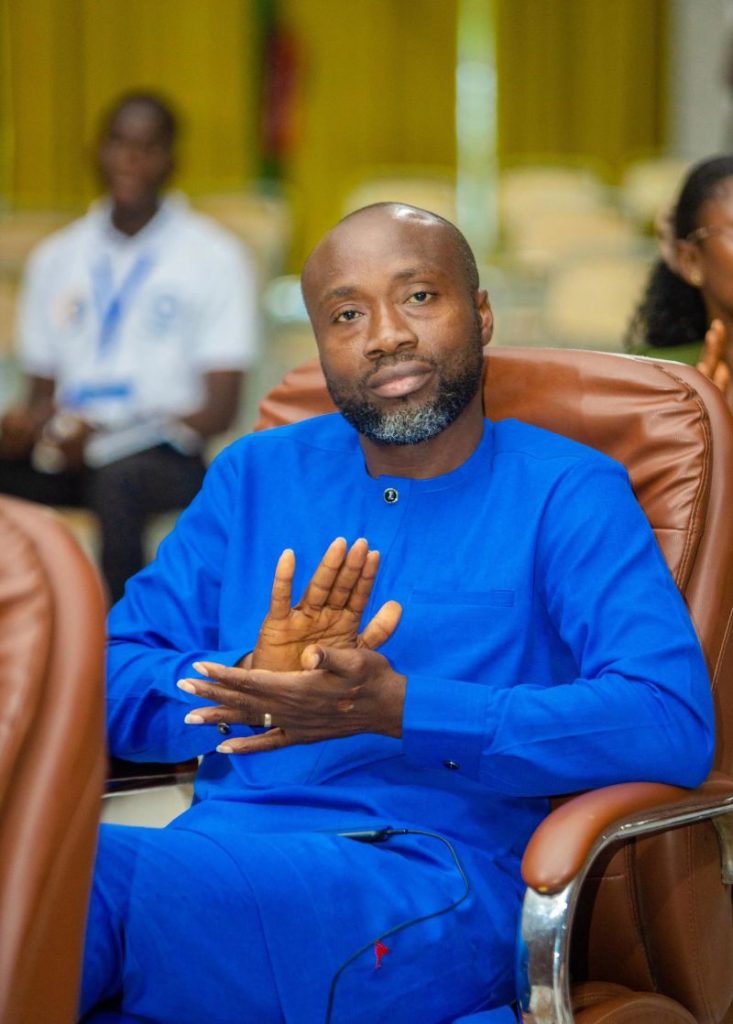
The President of the National Union of Ghana Students (NUGS), Daniel Korley Botchway, has announced that more than 170,000 students have so far benefited from the No Fee Stress Policy, a flagship initiative introduced by the Mahama-led administration. Mr. Botchway revealed that the policy has significantly eased the financial burden on parents and students, leading to improved access to education and fostering academic excellence across the country. He explained that the policy provides support for students in public tertiary institutions, including universities, colleges of education, and nursing training institutions. Despite the program’s success, Mr. Botchway acknowledged that some students are still awaiting their disbursements due to delays in the validation process. Highlighting the policy’s broader impact, Mr. Botchway noted that its second phase allows students to access loans, which are repayable two years after graduation. He praised the Ministry of Education and the sector minister, Haruna Iddrisu, for their dedication and support in implementing the policy. In related developments, Angel Carbonu, President of the National Association of Graduate Teachers (NAGRAT), commended Minister Haruna Iddrisu for his collaborative approach to educational reforms. Carbonu also disclosed that ongoing engagements with stakeholders are expected to see around 99 Senior High Schools removed from the double-track system soon. Furthermore, Irene Sam, Public Relations Officer of the National Council of Parent-Teacher Associations (PTA), applauded the minister for reintegrating PTAs into the school system. She emphasized that this move has strengthened school-community relations and reinforced the policy direction within the education sector. Source: Apexnewsgh.com
CEMSE Warns of Economic Fallout as ECG Seeks 225% Tariff Hike
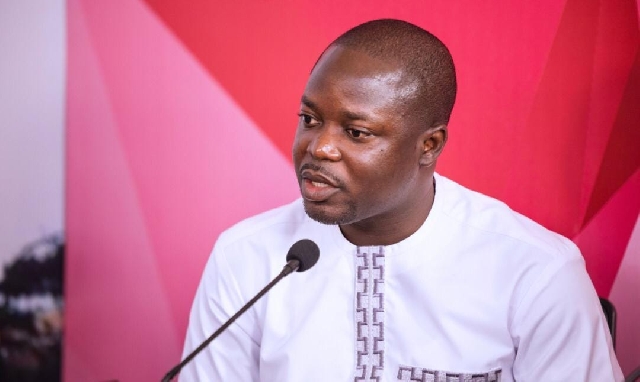
The Centre for Environmental Management and Sustainable Energy (CEMSE) has sounded the alarm over the Electricity Company of Ghana’s (ECG) proposed 225% tariff increase, cautioning that such a steep rise could have devastating repercussions for Ghana’s economy if approved. Speaking on Morning Starr on Tuesday, CEMSE’s Executive Director, Benjamin Nsiah, warned that the proposed hike threatens to cripple local industries, stifle investment, and deepen household poverty. He emphasized that ensuring electricity remains affordable must be at the heart of Ghana’s energy policy. “As a government and as a policy, we must be guided by the philosophy of affordability of electricity prices. When electricity prices are affordable, it expands industries, drives industrial growth, and lifts many people out of poverty, especially what we call energy poverty,” Mr. Nsiah explained. He attributed ECG’s financial woes not to current tariffs but to systemic inefficiencies within its operations. Instead of resorting to steep tariff hikes, Mr. Nsiah urged regulators to focus on reforms that would improve ECG’s efficiency and reduce costs. The Public Utilities Regulatory Commission (PURC) has yet to decide on ECG’s proposal, which has already ignited heated debate among business leaders, civil society organizations, and consumer advocacy groups. Many are watching closely, aware that the outcome could have far-reaching consequences for the nation’s economic health. Source: Apexnewsgh.com
The Ashanti Region: Ghana’s Deadliest Roads Claim Over 3,000 Lives in Five Years
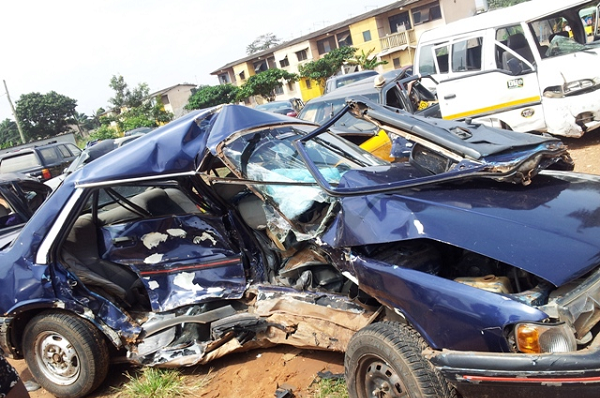
The Ashanti Region has earned a grim reputation as home to Ghana’s deadliest roads, with a staggering 3,131 lives lost to road crashes over the past five years and seven months. According to the National Road Safety Authority, between January 2020 and December 2024, the region recorded 2,831 deaths from road accidents. The situation worsened in 2025, as 441 more people lost their lives between January and July alone. This recent toll represents 25 percent of the national road fatalities, making Ashanti not only the region with the highest number of deaths but also the highest number of injuries. These alarming statistics came to light during the second road safety journalism training, organised by the Legal Resources Centre (LRC) in partnership with Vital Strategies (VS). The training, which focused on speed management and helmet standards, is part of a broader project aimed at supporting advocacy for new road traffic legislation and improved motorcycle helmet standards in Ghana. Kwasi Agyemang Boateng, the Regional Road Safety Director, described the region’s road safety situation as “deadly” in an interview with Kumasi FM’s Elisha Adarkwah. He stressed the urgent need for intensified road safety education and stricter enforcement within the transport system. Boateng highlighted poor road infrastructure, driver behaviour, and traffic violations as major contributors to the crisis, urging for engineering solutions to address these challenges. Enock Jengre, a Programme Officer at the LRC, explained that the training was designed to empower journalists and news editors to use their platforms to promote road safety and help reduce crashes, injuries, and fatalities. While accurate reporting on road accidents is important, Ms Mavis Obeng Mensah, Communications Director at the Blomberge Philanthropic Initiative for Global Road Safety Ghana (BIGRS), encouraged journalists to adopt solutions journalism and focus on ways to address the underlying issues of road safety in Ghana. Source: Apexnewsgh.com