



Dr. Mark Kurt Nawaane Champions Skills Training for 55 Women
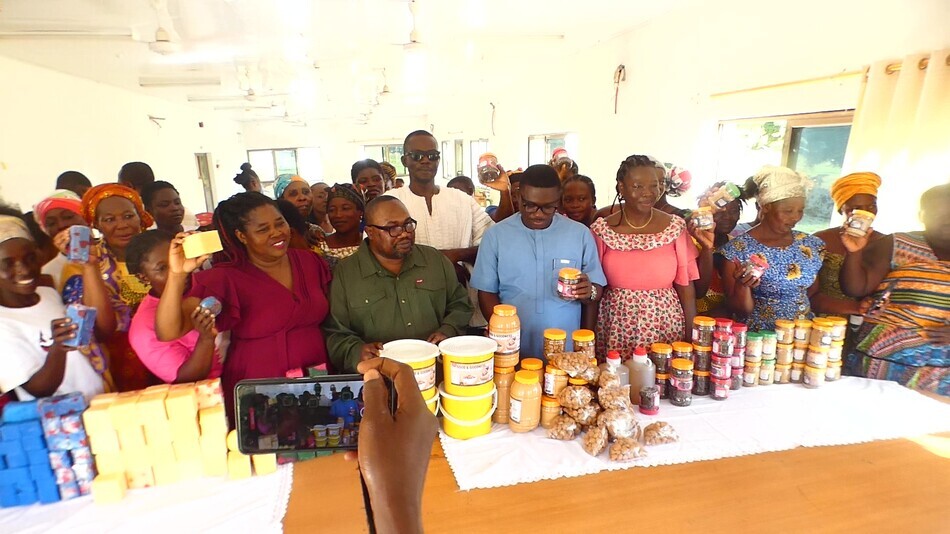
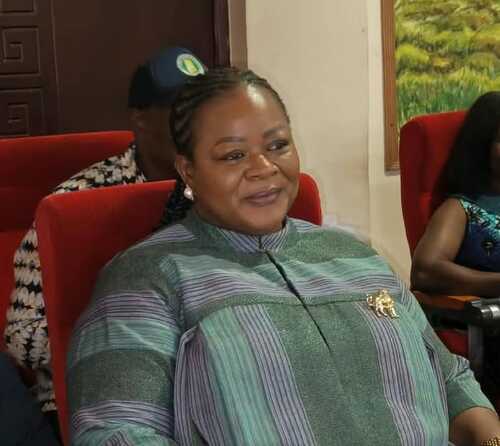
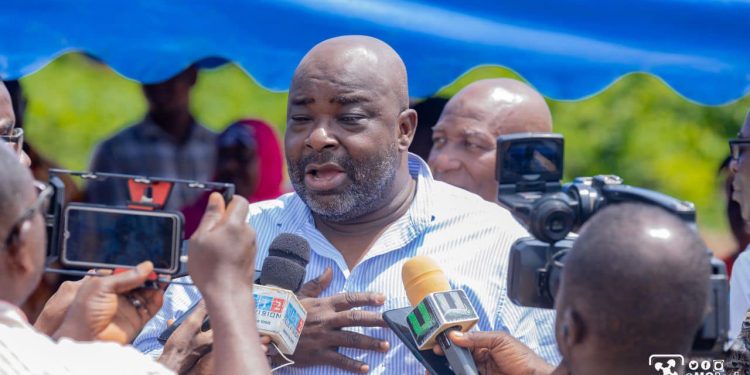
The Member of Parliament for Nabdam Constituency in the Upper East Region took a bold step toward women’s empowerment by supporting the training of 55 women in his constituency. The event, held at District Assembly, marked a significant stride in the fight against poverty and unemployment among women in the area. The MP, reflecting on his recent engagements with both men and women in the community, underscored the importance of economic independence for women. While he had earlier encouraged local farmers to form cooperatives for government support, his focus at this event was squarely on the women. The participants were trained in a variety of practical and marketable skills, including soap making, producing granulated oil, making pastes and sauces, and other essential products. The MP praised the women’s dedication and highlighted that such initiatives are central to the government’s vision of empowering women to become self-reliant and entrepreneurial. Fulfilling a campaign promise, he revealed that a portion of his common fund had been allocated to make this training a reality. As a further boost, he announced a seed capital donation of Ghc 20,000 (twenty thousand Ghana Cedis to help the women acquire equipment and start small businesses together. The plan, he explained, is to encourage teamwork and collective entrepreneurship, maximizing the impact of the support. He expressed optimism that even if a handful of women successfully form businesses and market their products, the initiative would be a success. The MP stressed that these efforts were crucial in the ongoing battle against poverty, especially in a district known for its high poverty rates. He encouraged the women to not only use their new skills for personal gain but also to drive economic growth within their communities. Madam Leticia Yamga, the NDC Nabdam Constituency Women’s Organizers, echoed the MP’s sentiments, affirming that the training targeted 55 branch women organizers from Nabdam. She emphasized the importance of economic empowerment, stating her hope that the women would use their newfound skills, ranging from making dawadawa tea to soap and other products, to support their families and carve out a brighter future. Among the trainees was Nangoot Clemencia, a mother of two and a disease control officer, who expressed heartfelt gratitude to the MP. With her new skill in soap making, she is confident she can now pay her children’s school fees and support her family. The atmosphere at the training ground was one of excitement and newfound confidence. The initiative not only provided practical skills but also ignited hope, showing that with the right support, women in Nabdam can transform their lives, break the cycle of poverty, and inspire others in their community to do the same. Source: Apexnewsgh.com/Ngamegbulam Chidozie Stephen
Business Community Sounds Alarm: FABAG Slams Proposed Electricity Tariff Hike as Threat to Ghana’s Industry

The business landscape in Ghana is growing tense as the Food and Beverages Association of Ghana (FABAG) leads a chorus of criticism against the Public Utilities Regulatory Commission (PURC) over its proposal to increase electricity tariffs in the coming year. In a strongly worded statement released in Accra, FABAG, supported by the Ghana Union of Traders Association (GUTA) and the Ghana Plastic Manufacturers Association, denounced the planned hike as “anti-business, anti-growth, and fundamentally flawed.” The announcement sparked outrage among industry leaders, who argue that the current high cost of electricity is already choking the lifeblood of Ghanaian businesses. According to the associations, the pricing regime has become a major stumbling block for industrial growth, pushing many small and medium-scale manufacturers to the brink. For sectors that depend heavily on energy—such as manufacturing, cold storage, and food processing, the threat feels existential. Business owners fear that further tariff increases may tip them over the edge, forcing closures and job losses. FABAG’s statement painted a grim picture of the future if the tariff hike proceeds. The association warned that as electricity becomes less affordable, illegal connections and electricity theft are likely to surge, creating an environment where honest business owners are penalized while rule-breakers prosper. The associations also accused the electricity sector of inefficiency and mismanagement, arguing that businesses and ordinary citizens are unfairly shouldering the burden of systemic losses and corruption. Adding to their concerns, FABAG highlighted how the existing pricing structure makes local manufacturing less attractive and encourages imports, counteracting the nation’s push toward industrialization. With operational costs rising and competitiveness slipping, many enterprises are finding it difficult to survive. Calling for a change in direction, FABAG and its partners urged the government and the PURC to reconsider the proposed tariff increases. Instead, they advocated for reforms focused on efficiency, transparency, and sustainable pricing, measures they believe would support, rather than stifle, economic growth. Despite their frustration, FABAG reaffirmed its commitment to collaborate with the government and industry partners to ensure that Ghana’s power sector becomes a foundation for progress, not a barrier to it. The message was clear: for Ghana to achieve true industrialization, the needs of its businesses must come first. Source: Apexnewsgh.com
A Surprise Lesson in Leadership: Minister Haruna Iddrisu Inspires PRESEC-Legon Freshmen

The morning routine at Presbyterian Boys’ Secondary School (PRESEC-Legon) was unexpectedly interrupted by the arrival of a distinguished guest. Alhaji Haruna Iddrisu, the Member of Parliament for Tamale South and Ghana’s Minister for Education, made a surprise visit that quickly turned into a memorable event for the school’s first-year students. With his reputation for eloquence and years of dedicated service in Parliament, Haruna Iddrisu’s presence brought a mix of astonishment and excitement to the campus. The young students gathered, eager to hear from a national figure who understood both the promise and the pressures of youth. During his brief interaction, Minister Iddrisu encouraged the students to blend discipline, diligence, and innovation in their academic journey. He lauded PRESEC for its legacy of excellence and strong moral values, calling the school “a national treasure shaping Ghana’s future leaders.” His words resonated with the students, many of whom felt inspired by this rare moment of direct mentorship. The Minister also spoke passionately about the importance of integrity, curiosity, and patriotism—virtues he believes will define the next generation of Ghanaian thinkers and changemakers. School authorities expressed their gratitude, emphasizing how such visits foster closer connections between the nation’s leaders and its youth, motivating students to set their sights even higher. This surprise visit was more than just a courtesy call; it was a reflection of Haruna Iddrisu’s deep commitment to youth mentorship and education-focused leadership. For him, the classroom is where sustainable national progress begins, and PRESEC stands as a shining example of the brilliance and discipline needed to shape Ghana’s future. Source: Apexnewsgh.com