
Talensi Paramount Chief Raises Alarm Over Water Pollution and Appeals for Improved Supply
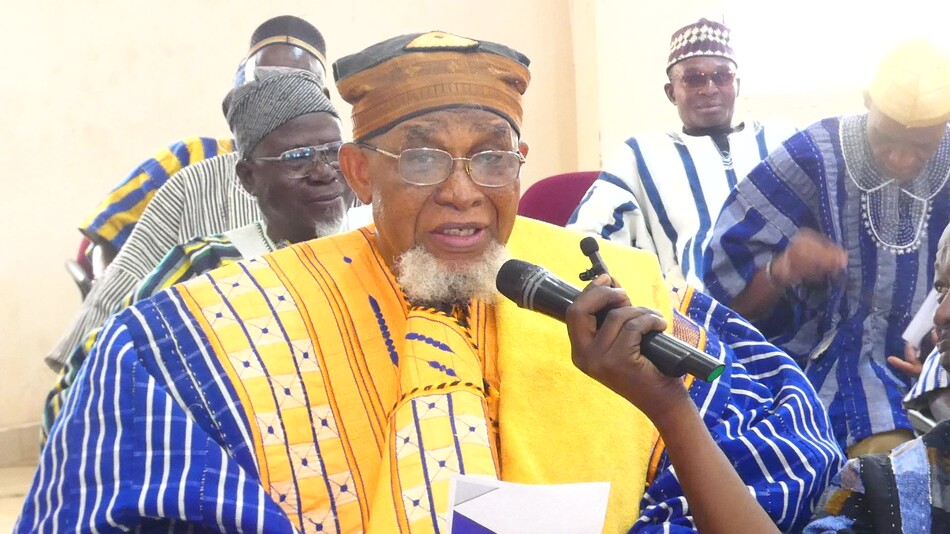
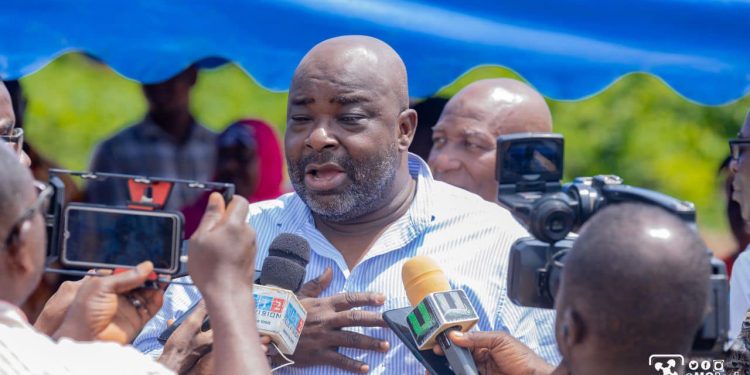
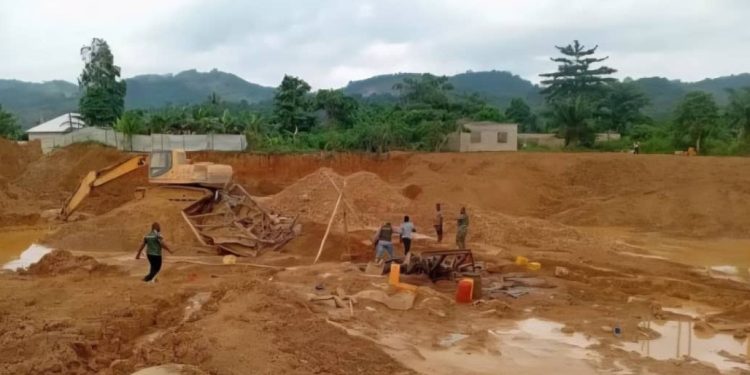
The Paramount Chief of the Talensi Traditional Area, Tongraan Kugbilsong Nanlebegtang, has raised serious concerns about water pollution in his district and called for urgent intervention to ensure clean and reliable water supply for the people of Talensi. Apexnewsgh.com His remarks came during a well-attended public engagement organized by the Public Utilities Regulatory Commission (PURC) in Bolgatanga on Monday, where community leaders, utility providers, and residents gathered to discuss issues affecting essential services in the Upper East Region. Tongraan’s address was both a warning and a passionate appeal, highlighting the environmental and public health risks posed by ongoing illegal mining activities, commonly known as galamsey, within the district. According to the Paramount Chief, Talensi is grappling with the same water pollution challenges affecting other districts, despite not being recognized as such by the regional water company. “Galamsey is happening in the Talensi district, carried out by our young men,” he lamented. “Apart from Cardinal Namdeni and Earl International, several parts of the area have been found to contain gold. As I am speaking, so many young men have gone and started digging left and right. We had to call on the District Chief Executive and the security services because they were digging and carrying away what they called ‘the sand,’ washing it into streams that flow into the White Volta and other water bodies.” The Chief described how these activities have led to severe water pollution. “The water was so polluted and turned so brown that it was very dangerous. The galamsey is happening in those parts of eastern Talensi, and it is not just a local problem. Pollution is coming from all the way from Burkina Faso into the White Volta. I don’t know how come the regional water company said that we are not affected by the pollution. But I want to tell you, you need to go and check the White Volta—the pollution is real and it is affecting us.” The Paramount Chief’s testimony painted a vivid picture of the environmental degradation experienced in Talensi, where streams and rivers have become conduits for mining waste, endangering the health of people and livestock alike. He emphasized that the problem is compounded by the lack of oversight, with many artisanal miners operating without regard for environmental standards or community welfare. Despite these challenges, the Talensi district has not been officially listed by the Ghana Water Company Limited (GWCL) as one of the areas affected by water pollution. Tongraan expressed his disappointment at this oversight and called on authorities to conduct proper assessments. “It is crucial for the water company and relevant regulatory bodies to recognize the reality on the ground. Only then can appropriate interventions be designed and implemented.” Beyond pollution, the Chief highlighted another critical issue: the chronic shortage of potable water in Talensi. “The whole of Talensi doesn’t have water supplied by the Ghana Water Company,” he revealed. “The water we have there comes from community water and sanitation systems, and that water is highly inadequate. At this point, I want to appeal to you to make sure that Talensi is captured in the budget you are making, at least to make sure you stretch water to Talensi.” His plea resonated with many in the audience, particularly residents who have long contended with water scarcity, relying on boreholes, wells, and seasonal streams—sources that are themselves under threat from pollution and overuse. The Paramount Chief called on the PURC, GWCL, and all relevant stakeholders to prioritize the extension of safe, treated water to the district, insisting that reliable access to clean water is a basic right, not a privilege. During the public engagement, other participants echoed the Chief’s concerns, recounting their own experiences with waterborne diseases, livestock losses, and the disruption of farming activities due to polluted streams. Civil society representatives urged for stricter enforcement of environmental regulations and stronger collaboration between local authorities, traditional leaders, and national agencies. Representatives from the Ghana Water Company Limited assured the gathering that their concerns would be taken seriously and promised to review the situation in Talensi. They acknowledged the need for improved monitoring of water quality and committed to exploring options for expanding water infrastructure in underserved districts. Officials from the Public Utilities Regulatory Commission also reiterated their commitment to ensuring that the voices of affected communities inform future utility planning and policy. “We are here to listen and to ensure that your input shapes our decisions,” one PURC representative stated. The meeting concluded with a renewed sense of urgency and a broad consensus on the need for immediate action. The Paramount Chief’s intervention has sparked hope that Talensi’s plight will no longer be ignored and that tangible steps will be taken to address both pollution and water scarcity. As the Upper East Region continues to grapple with the twin challenges of environmental degradation and inadequate infrastructure, community leaders like Tongraan Kugbilsong Nanlebegtang are determined to keep the spotlight on their districts, pushing for recognition, resources, and real change. For Talensi, the hope is that their voices will not only be heard but will lead to lasting solutions that safeguard the health and well-being of all residents. Source: Apexnewsgh.com/Ngamegbulam Chidozie Stephen
Upper East Regional Minister Appeals for Urgent Completion of Rural Electrification Project
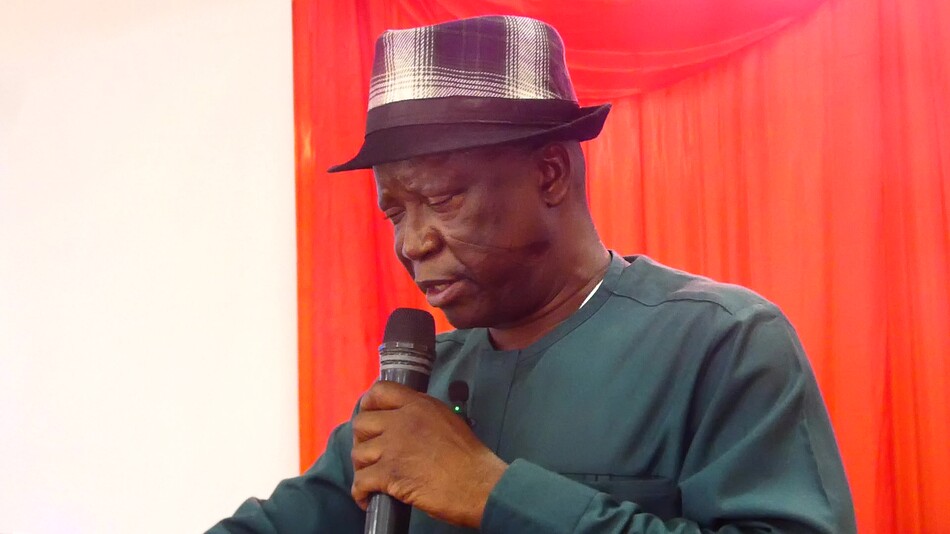
The Upper East Regional Minister, Donatus Atanga Akamugre, has issued an impassioned call for urgent action to address outstanding issues under the government’s Rural Electrification Project, emphasizing the need to connect hundreds of unserved communities in the region to the national grid. Mr. Akamugre appealed for a recent public hearing organized by the Public Utilities Regulatory Commission (PURC) in Bolgatanga, a gathering that drew utility sector leaders, public officials, and residents eager to air their concerns about essential services. The public hearing, part of the PURC’s ongoing Multi-Year Tariff Review Program, brought together representatives from the Northern Electricity Distribution Company (NEDCo), Ghana Water Company Limited (GWCL), the Volta River Authority (VRA), civil society, and community members. The forum provided an opportunity for stakeholders to debate proposed tariff adjustments for the 2026–2030 regulatory period and to highlight local development needs. Addressing the gathering, Minister Akamugre acknowledged the significant strides made over recent years in expanding electricity coverage across rural Ghana. However, he painted a sobering picture of the persistent gaps in the Upper East Region. “As of the end of 2024, the region’s electricity coverage stood at around 66.5%, which is far below the national average of 89%. Currently, over 800 communities and sections in the region are yet to be connected to the national grid,” he revealed. The minister described how incomplete connections, coupled with delays in the delivery of transformers, poles, and cables, have left scores of schools, health facilities, and small-scale businesses without reliable power. “While water is required to support agriculture, drive local industries, and sustain our lives, electricity is needed to power our schools, hospitals, businesses, and offices,” he emphasized, underlining the critical role of electrification in the region’s social and economic progress. Mr. Akamugre used the platform to make a direct appeal to the Minister for Energy and Green Transition, urging a comprehensive review and swift resolution of all pending issues under the Rural Electrification Project. “Most of these communities were captured but unfortunately stalled under the erstwhile administration. I appeal to the Minister for Energy and the Green Transition to review and address all outstanding issues under the project,” he said, calling for a renewed commitment to bridging the rural–urban development gap. The minister’s remarks resonated strongly with participants, many of whom recounted how the lack of electricity hampers education, healthcare, and local enterprise, especially in remote districts such as Builsa, Nabdam, Garu, and Tempane. Residents shared stories of children studying by candlelight, clinics struggling to store medicines safely, and small businesses unable to expand due to unreliable power. In addition to electrification, Mr. Akamugre highlighted ongoing challenges with access to potable water. “It will also interest you to note that while the region’s rural water coverage stood at 63.9% as of 2024, according to statistics from the Ghana Community Water and Sanitation Agency, the safety of the water remains a challenge due to contamination from fluoride and chloroform. This is an issue we must address to safeguard the health of rural and peri-urban residents,” he cautioned. Throughout the hearing, participants raised concerns about frequent power outages, high utility tariffs, and poor customer service, issues that, even after grid connection, continue to undermine livelihoods and slow economic growth. Some residents lament that, despite recent improvements, persistent power fluctuations still disrupt their daily activities and put additional strain on their household budgets. Officials from the PURC assured stakeholders that all feedback from the nationwide hearings would be carefully considered in the Commission’s final decision on new tariffs for electricity and water. “We are here to listen, and your concerns will help inform the regulatory decisions that affect you,” a PURC spokesperson affirmed. The Bolgatanga session was one of several consultations scheduled across the country as the Commission prepares to set tariffs for the 2026–2030 period. The Rural Electrification Project in the Upper East Region has seen various phases of implementation. However, Minister Akamugre stressed that more needs to be done to reach the hundreds of communities still in darkness. He called on the Ministry of Energy and its implementing agencies to expedite work, prioritize delivery of needed equipment, and provide clear timelines for project completion. As the public hearing concluded, residents expressed renewed hope that the government would heed the minister’s call and accelerate efforts to deliver reliable electricity and clean water to every corner of the Upper East Region. For many, the event underscored the power of public engagement in holding authorities accountable and shaping the future of essential services. With the PURC’s tariff review process underway, the region’s leaders and residents alike are watching closely, united in their demand for progress, equity, and the fulfillment of long-promised development goals. Source: Apexnewsgh.com/Ngamegbulam Chidozie Stephen
PURC Holds Public Hearing in Bolgatanga on Proposed Utility Tariffs for 2026–2030
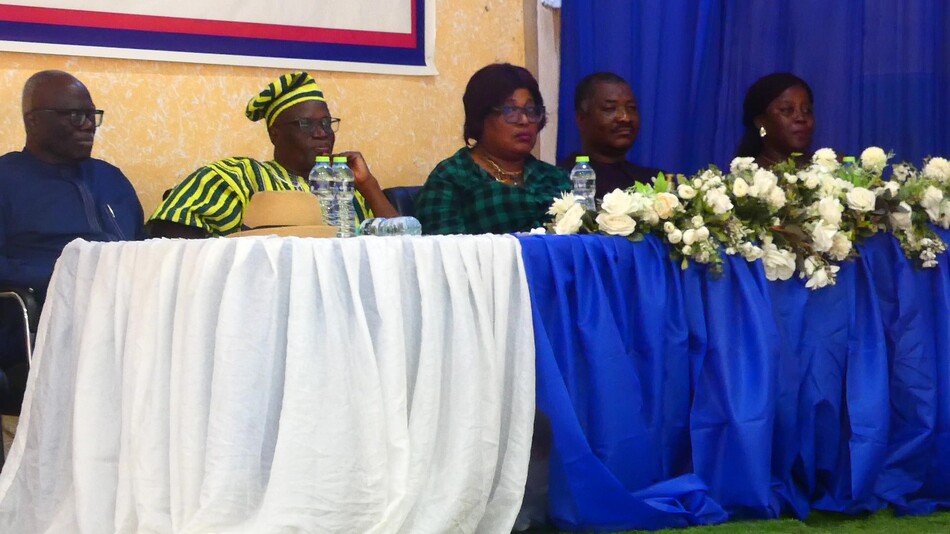
Residents of Bolgatanga, the capital of Ghana’s Upper East Region, gathered this week for a significant public consultation as the Public Utilities Regulatory Commission (PURC) held its Multi-Year Tariff Review Public Hearing. The event, which drew a cross-section of stakeholders including utility providers, civil society organizations, and traditional leaders, sought to deliberate on proposed adjustments in electricity and water tariffs for the 2026–2030 period. The Bolgatanga hearing was part of an ongoing national engagement by the PURC to solicit public views, foster transparency, and offer utility providers the chance to justify requests for upward tariff adjustments. For many residents, it represented a rare opportunity to voice their concerns directly to both regulators and service providers, with the hope that their feedback would shape the future of utility services in the region and across the country. Addressing participants, the chairperson of the PURC stakeholder committee, Nana Yaa Jantuah, underscored the delicate balance the commission must strike. “For us at the PURC, we have to strike that difficult balance, ensuring the financial viability of utility service providers while at the same time guaranteeing that you, our consumers, get the right kind of service,” she remarked. “We are highly committed to ensuring that after you have paid your bill, you get the quality of service you deserve.” Mrs. Jantuah did not shy away from sharing her own challenges with utility delivery in the Upper East Region. Citing her personal experience with erratic electricity, she revealed, “Where I stayed, the lights went off intermittently nine times , that is woefully unacceptable. You cannot ask consumers to pay tariffs when you are not fulfilling your side of the bargain. When I pay my bill, I expect reliable service.” She highlighted the importance of mutual accountability between utility providers and consumers. “If this is happening in one hotel, then God only knows what ordinary consumers are going through. As NEDCo presents its figures to us today, we also expect an assurance of quality service.” Her message to the Northern Electricity Distribution Company (NEDCo) and the Ghana Water Company Limited (GWCL) was unequivocal: “The PURC will not hesitate to sanction you if you are not doing the right thing. The consumer makes your work possible, if they don’t pay, you cannot function.” At the same time, she called on consumers to fulfill their obligations by paying bills promptly, reminding them that reliable service depends on sustainable revenue streams for providers. “While it is your right to receive adequate and reliable power, it is also your responsibility to pay your bills,” she added. The public hearing created a lively forum for dialogue between residents and utility companies. Community members took turns voicing their grievances, with many highlighting issues such as frequent power outages, low water pressure, and delayed maintenance. Some questioned whether proposed tariff increases would be matched by noticeable improvements in service standards. Representatives from NEDCo and GWCL took the opportunity to explain the challenges they face, including rising operational costs, aging infrastructure, and the need for investment to expand and maintain networks. They argued that reasonable tariff adjustments are critical for sustaining operations and meeting the growing demand for electricity and water. Civil society organizations present at the hearing emphasized the need for greater transparency and accountability in the tariff-setting process. They called for clear communication on how new tariffs would be used to enhance service delivery and protect vulnerable populations from disproportionate price hikes. The Bolgatanga hearing is just one stop in a nationwide consultation being conducted by the PURC ahead of its final determination on utility tariffs for the 2026–2030 regulatory period. The commission has pledged to carefully consider all submissions before making decisions that will affect millions of Ghanaians. Mrs. Jantuah reassured attendees that the PURC remains committed to protecting the interests of both consumers and service providers. “We are not here to rubber-stamp any proposal,” she said. “We want to ensure that whatever decision we take is fair, transparent, and in the best interest of all stakeholders.” As the country awaits the conclusion of the hearings and the announcement of new tariffs, the hope among Bolgatanga residents is that the process will result in more reliable, accountable, and fairly priced utility services. Many expressed optimism that their voices had been heard and would influence the PURC’s final decision. The commission is expected to wrap up its nationwide hearings in the coming weeks, with a final announcement on utility tariffs set for later this year. For Bolgatanga and the wider Upper East Region, the outcome will be watched closely as communities continue to call for not just affordable rates but also a tangible improvement in the delivery of essential utilities. Source: Apexnewsgh.com/Ngamegbulam Chidozie Stephen
Rescue Efforts Underway After Building Collapse at Roman Ridge
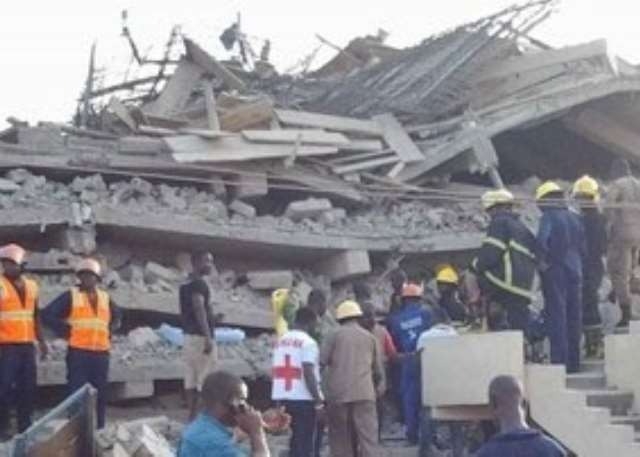
A building situated on the premises of the Architectural Engineering Group at Roman Ridge in Accra has reportedly collapsed, leaving several individuals trapped beneath the rubble. The incident, which has sent shockwaves through the area, prompted an immediate response from emergency services. The Ghana National Fire Service (GNFS) confirmed the collapse via a social media update, noting that a specialized rescue team from its headquarters had been swiftly dispatched to the scene. “Rescue Team from GNFS Headquarters are putting up their best to rescue the victims,” the Service reported, as responders worked tirelessly against the clock. As of the latest reports, the cause of the collapse has not yet been determined. Emergency crews remain on-site, striving to reach those still trapped and provide urgent assistance. The atmosphere around Roman Ridge is tense, with onlookers anxiously awaiting news of successful rescues. Authorities have given assurances that further details will be made available as the rescue operation continues, urging the public to remain calm while efforts to save those affected are underway. Source: Apexnewsgh.com
Paul Afoko Announces Bid for NPP National Chairman, Promises Leadership Renewal and Party Unity
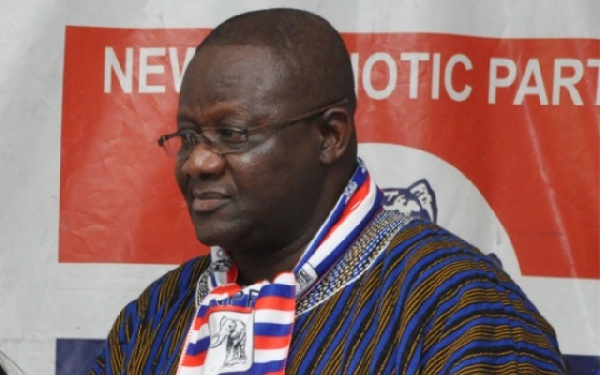
Former National Chairman of the New Patriotic Party (NPP), Mr. Paul Awentami Afoko, has officially thrown his hat into the ring for the position of National Chairman in the Party’s upcoming national officers’ election. The announcement, made through a statement in Accra, marks a significant moment in the NPP’s political calendar as the party steers toward a pivotal leadership contest. Mr. Afoko revealed that his decision to contest followed months of thoughtful reflection and encouragement from a wide cross-section of party members, supporters, and influential stakeholders. According to him, there is a growing consensus within the party for a return to its founding values and democratic ideals, principles he is determined to champion. “This decision has not been taken lightly,” Mr. Afoko said. “It comes after careful consideration and in response to consistent calls for leadership renewal rooted in the founding values and ideals of our great Party.” Throughout his announcement, Mr. Afoko emphasized his long-standing commitment to the NPP, underscoring his deep desire to help rebuild and strengthen the party at what he described as a critical juncture in its history. “While the journey has not been without its trials, I have always chosen to prioritise the unity and progress of the NPP above all else,” he stated. He further outlined his vision for the party, expressing hope for a future where the NPP is “re-energised, inclusive, and better positioned to deliver on its promise to the Ghanaian people.” Mr. Afoko’s campaign, he assured, would be anchored on integrity, transparency, and a renewed sense of purpose. Over the coming weeks, he plans to engage widely with party members, delegates, and the media, sharing his vision for the NPP’s future and listening to the concerns of stakeholders across the country. In a rallying call to party members, Mr. Afoko concluded his statement with a message of collective optimism and renewal: “Let us look ahead together. God bless the NPP. God bless our dear country.” As the race for the National Chairmanship intensifies, Mr. Afoko, who previously served as NPP National Chairman—is expected to campaign on themes of reconciliation, inclusiveness, and a return to the Party’s core values, hoping to inspire a new era of unity and purpose within the NPP. Source: Apexnewsgh.com