


PURC Announces New Tariff Increases for Electricity and Water Effective January 2026

The Public Utilities Regulatory Commission (PURC) has announced new increases in electricity and water tariffs, effective January 1, 2026. The move follows the Commission’s multi-year tariff review process for the period 2026 to 2030. Under the new structure, electricity tariffs will rise by 9.86 percent across all customer categories, while water tariffs will see a 15.92 percent increase over the next five years. The PURC explained that the adjustments are necessary for utility providers to meet critical investment needs, enhance sector competitiveness, and ensure long-term protection for consumers through improved service delivery. The review also introduces quarterly tariff adjustments to account for external factors such as exchange rate movements, inflation, fuel prices, and changes in the power generation mix. Additionally, the Commission has rolled out mini-grid tariffs to boost electricity access in island and hard-to-reach communities, with costs integrated into the Volta River Authority’s revenue requirements. The PURC noted that the decision followed extensive stakeholder consultations, public hearings, and a thorough assessment of proposals from utility companies. The Commission assured the public that it will continue to monitor service providers closely to ensure efficiency, value for money, and strict compliance with regulatory standards. Source: Apexnewsgh.com
U.S. Commits $150 Million to Zipline for Expanding Medical Drone Deliveries Across Africa
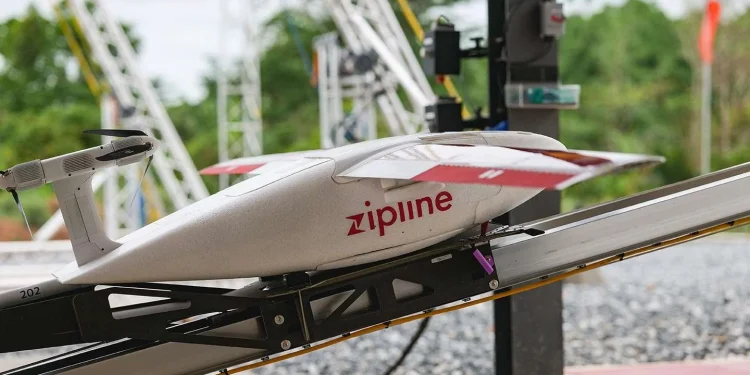
The United States Government has announced a commitment of up to $150 million to Zipline International Inc., aiming to expand access to life-saving medical supplies, including blood, vaccines, and essential medicines, to as many as 15,000 health facilities across Côte d’Ivoire, Ghana, Kenya, Nigeria, and Rwanda. The announcement was made during a U.S. Embassy digital press briefing on Tuesday, December 2. This initiative is part of the U.S. Department of State’s America First Global Health Strategy, which seeks to maximize value for U.S. taxpayers by reducing waste, eliminating dependency, and ensuring development assistance aligns with U.S. foreign policy objectives. According to Jeff Graham of the U.S. Department of State, the strategy places a strong focus on delivering critical medical products to populations in remote and underserved areas. Partnering with Zipline, an American robotics and drone technology firm, is central to modernizing the U.S. approach to global health aid. Under the agreement, the U.S. will support Zipline’s expansion of advanced, American-made robotics to overcome the slow and unreliable logistics that often hinder timely medical deliveries in rural communities. Graham described the initiative as a significant step towards strengthening health systems, enabling rapid responses to disease outbreaks and emergencies, while also supporting U.S. manufacturing and job creation in partner nations. Although the U.S. contribution is described as modest, beneficiary governments will eventually take over operational responsibilities for their national health delivery networks. Zipline is set to open new distribution centers in the five participating countries, with Rwanda expected to double its daily delivery capacity, ultimately enabling the network to reach up to 130 million people across Africa. Caitlin Burton, CEO of Zipline Africa, explained that Zipline operates autonomous, all-weather drones day and night, delivering a centralized, on-demand medical supply chain that is far more efficient than traditional logistics systems. Supported by organizations like the Elton John AIDS Foundation, Zipline has demonstrated that its delivery model is both cost-effective and highly impactful. The new U.S. partnership is projected to allow Zipline to expand its reach to national scale in all five countries, creating an estimated 1,000 jobs and generating over $1 billion in annual economic gains across the partner nations. Burton emphasized Zipline’s mission to build health systems capable of ending preventable deaths from HIV, maternal mortality, and severe malnutrition by leveraging a single high-performing logistics network. Burton noted that government investments will be tailored to each country’s priorities and health needs, and that Zipline works closely with governments to identify access gaps in remote and underserved communities. “This system is meant to operate nationwide and at the scale required to deliver volumes of medical products that can actually change health outcomes. We now know how to solve challenges like maternal mortality and malnutrition, and the network is built to meet those goals,” she stated. While the U.S. provides initial capital, governments are expected to cover the predictable, long-term operating costs. The model is designed to replace multiple expensive, disease-specific programs with one unified delivery network that addresses a range of health challenges. “With this system, you’re not funding a single program or a one-off intervention. You’re ensuring that essential medical products reach patients wherever they are, including communities where distance or stigma might prevent people from seeking care,” Burton added. Source: Apexnewsgh.com
TUSAAG Declares Indefinite Strike Over Unpaid Research Allowance
The National Executive Council (NEC) of the Technical Universities Senior Administrators Association of Ghana (TUSAAG) has announced an indefinite nationwide strike, set to begin on Wednesday, December 3, 2025. The decision comes in response to what TUSAAG describes as the government’s persistent delay in paying the One-Time Research Allowance, an entitlement agreed upon on July 10, 2024. According to the association, the allowance was established to compensate senior administrators for research and publication work required for their promotion. TUSAAG insists that the payment is not a privilege but a negotiated right, and that the government’s continued non-payment represents a “blatant breach of agreement” and a lack of respect for administrators’ critical role in Ghana’s tertiary education sector. Months of engagement with government agencies, including the Ghana Tertiary Education Commission (GTEC) and the Fair Wages and Salaries Commission (FWSC), have reportedly failed to resolve the matter. TUSAAG claims that their letters, requests for dialogue, and attempts to meet with the Minister of Education, Haruna Iddrisu, have either been ignored or postponed. As a result of the strike, all administrative services at Ghana’s 10 Technical Universities—including finance, admissions, examinations, human resources, registry, and general administration, are expected to grind to a halt until the outstanding allowances are paid. Despite the action, TUSAAG says it remains open to immediate and sincere dialogue with the government to reach a lasting solution. The association stresses that the strike is a last resort, aimed at drawing the attention and action that previous appeals have failed to secure. Source: Apexnewsgh.com
Accra’s Mayor Launches GH¢100-a-Day Sanitation Drive for Festive Season
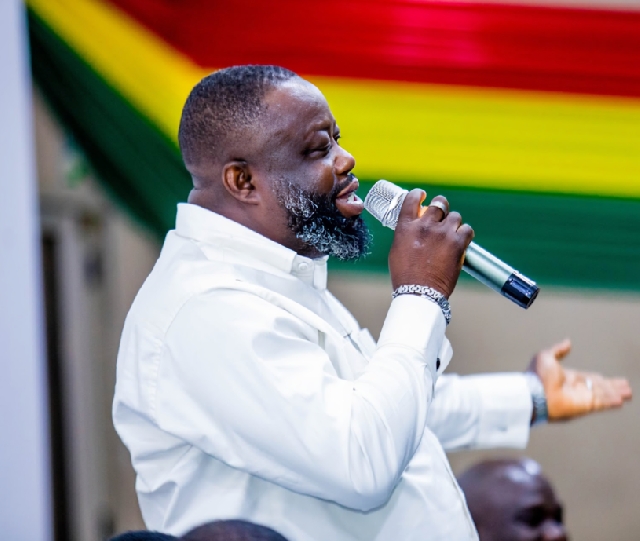
Accra’s Mayor, Michael Kpakpo Allotey, has announced a new initiative that will see the Accra Metropolitan Assembly (AMA) pay individuals GH¢100 daily to help spruce up the city in preparation for the festive season. The opportunity, which specifically targets unemployed young people, was revealed by the mayor as he led a citywide exercise to paint kerbs along major roads—a move aimed at beautifying the capital and enhancing nighttime safety ahead of Christmas. Mayor Allotey encouraged interested individuals to visit the Accra Metropolitan Assembly and join the cleaning and beautification teams. Participants will receive GH¢100 a day for a period of 30 days for their work. The sanitation and beautification exercise commenced on Saturday, November 29, 2025, and involves painting kerbs along medians and road shoulders stretching from John Evans Atta Mills High Street to Independence Avenue. The effort is expected to improve visibility, eliminate dark spots, and give Accra a brighter, more welcoming appearance at night. Speaking to journalists during the operation, Mayor Allotey said the kerb painting is being combined with an intensive citywide sweeping campaign. Already, 190 personnel have been deployed across the metropolis, with plans to employ an additional 400 young people to scale up the operation and create more job opportunities. He explained that the freshly painted kerbs will significantly improve road safety by making medians and road edges easier for drivers to spot, reducing the risk of accidents on major routes. The mayor stressed that the initiative is part of the assembly’s broader commitment to ensuring Accra is clean, vibrant, and welcoming during the festive period. Mayor Allotey called on residents and business operators to support the ongoing sanitation drive by keeping their surroundings clean. During the exercise, he also cautioned a man for sweeping waste from a pharmacy frontage onto the pavement, warning that such actions are punishable by the Sanitation Court. Source: Apexnewsgh.com
Parliament Approves GH¢5.3 Billion for Roads Ministry, but Funding Gaps Remain

Parliament has approved GH¢5.3 billion for the Ministry of Roads and Highways for the 2026 financial year, a significant move in the government’s ambitious plan to expand and modernise Ghana’s road network. This allocation is part of a wider infrastructure initiative aimed at strengthening connectivity across the country. Alongside the approved budget, the government has earmarked GH¢30 billion in oil revenue under the Big Push Programme, dedicated to supporting major road development projects nationwide. The goal of this initiative is to finance substantial upgrades, ease transportation bottlenecks, and improve regional access. During the presentation of the Roads and Transport Committee’s report to Parliament, sector minister Governs Agbodza welcomed the allocation but cautioned that it was insufficient to meet the ministry’s actual needs. He revealed that the ministry is currently supervising road contracts valued at over GH¢110 billion, a figure that dwarfs the newly approved budget. Describing the allocation as inadequate, Minister Agbodza stressed that the ministry’s commitments extend far beyond what the 2026 budget provides. “I agree with my colleagues on the GH¢5 billion, but the GH¢5 billion allocated is not enough. Though it may sound like one of the biggest allocations, it is not enough at all,” he emphasized. Despite the funding shortfall, the Ministry of Roads and Highways has reaffirmed its commitment to advancing key road projects. The ministry will continue to work with the government to secure additional resources, aiming to close the funding gap and deliver on its infrastructure promises for the benefit of all Ghanaians. Source: Apexnewsgh.com