










Swallowed by Drugs: Paramount Chief Calls for Tobacco Regulation to Safeguard Youth in Upper East Region

In the Upper East Region, concern is mounting over the rising tide of drug and tobacco abuse among the youth. Chiana-Pio, Pe Ditundini Adiali Ayagitam III, the Paramount Chief of the Chiana Traditional Area and President of the Regional House of Chiefs, has stepped forward to address this pressing issue, urging for stronger regulation of tobacco and enhanced community vigilance. The Chief’s impassioned appeal was featured in the recent documentary, “Swallowed by Drugs,” produced by Ngamegbulam Chidozie Stephen of Apexnewsgh. Drawing from both tradition and his deep concern for the future, Pe Ditundini Adiali Ayagitam III highlighted the urgent need to protect the youth from habits that threaten their health and prospects. “Our families, our region, and our country’s future are at stake,” he cautioned. “It is truly worrying to see young people indulging in drugs and behaviors that could ruin their lives. The youth must heed the guidance of their elders and parents, and take their education seriously.” Kindly watch the full video here: The Chief lamented the decline of communal values, recalling a time when every child belonged to the community and could be disciplined or advised by any adult. He stressed the importance of returning to these roots, where collective responsibility ensured children grew up with guidance and support. He also expressed concern over the lack of affordable rehabilitation facilities and counseling services, noting that the existing ones are often too expensive and inaccessible for many families. The Chief called on parents to be vigilant and proactive, intervening early if they notice their children associating with groups that could lead them astray. The challenge, he said, extends beyond the home. “Social gatherings have become opportunities for youth to indulge in drugs. Many traditional areas are developing bylaws to regulate event closing times and the type of music played, and these regulations are crucial.” The Chief noted that tobacco, once reserved for respectful traditional use by elders, is now being abused by youth. “In the past, tobacco was used for customary purposes, and elders knew how to use it responsibly. Today, its misuse is rampant among the young, and regulation has become necessary.” He urged authorities to increase their presence at social events, emphasizing that visible security acts as a deterrent. Organizers, he said, should always inform security services ahead of gatherings to help maintain order. Addressing the specific issue of tramadol abuse, the Chief reaffirmed the Regional House of Chiefs’ commitment to tackling drug misuse. He explained that when such issues arise, the council collaborates with district assemblies and local chiefs to assess and regulate the situation in their traditional areas. “We want the best for our children and citizens,” Pe Ditundini Adiali Ayagitam III concluded. “As much as we can, we will continue to do our best to address and regulate these matters in our communities.” Through his words, the Chiana-Pio calls for a united front, parents, elders, authorities, and the entire community, to protect the youth and ensure a healthier future for the region. Source: Apexnewsgh.com/Ngamegbulam Chidozie Stephen
Swallowed by Drugs: Endswell Pharmacy CEO Refutes Claims That Pharmacies Are Main Source of Tramadol for Youth
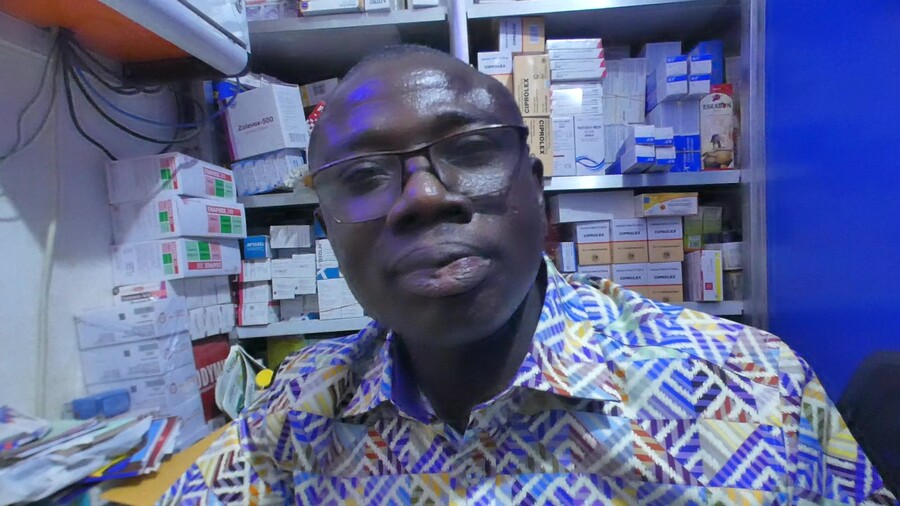
In the revealing documentary “Swallowed by Drugs,” produced by Ngamegbulam Chidozie Stephen of Apexnewsgh, Mr. Lawrence Atongo, CEO of Endswell Pharmacy Limited, provided clarity on a widely held belief regarding the accessibility of hard drugs like Tramadol and Red among the youth in the Upper East Region. Contrary to public perception, Mr. Atongo firmly denied that pharmacies are the primary source for these substances. Addressing the concerns, Mr. Atongo explained, “There is a mindset out there that some of these abusers usually troop into pharmacies to get drugs like Tramadol, but that is not true. If you actually investigate, you’ll find that most of these drugs are being distributed through street tracks and unauthorized vendors.” He pointed to the bustling lorry stations as major hotspots, describing how sellers operate openly, often displaying these drugs as casually as groundnuts or provisions for sale. Mr. Atongo highlighted that porous borders contribute to the inflow of such substances. “Certain people bring in these drugs through the borders, and once inside town, they are distributed at lorry stations and other informal areas, not pharmacies,” he emphasized. Watch the full video documentary: He was adamant that no reputable pharmacy, under the supervision of a licensed pharmacist, would dispense hard drugs like Tramadol or morphine without a valid prescription. “No pharmacist would risk their license or reputation by selling such medications without the proper documentation. The notion that pharmacies are the main source is simply unfounded,” he said. Mr. Atongo also commended the efforts of regulatory bodies, including the Food and Drugs Authority (FDA), the Pharmacy Council, and the Ghana Police, in their ongoing work to clamp down on illegal drug sales at borders and public spaces. He encouraged more frequent and rigorous operations, especially at lorry stations, drinking spots, and other informal venues where illicit drug sales are known to occur. “You’ll even find people mixing these substances into energy drinks at beer bars and joints, which is extremely dangerous,” he warned. In conclusion, Mr. Atongo estimated that about 90% of youth who abuse Tramadol and similar substances obtain them from outside legitimate pharmacy settings. He called for continued vigilance and stronger enforcement at the region’s borders and public gathering spots to stem the flow of these dangerous drugs and protect the youth from further harm. Source: Apexnewsgh.com
Swallowed by Drugs: Rev. Abukari Urges Youth to Reject Substance Abuse, Calls for Stronger Regulation and Honest Conversations
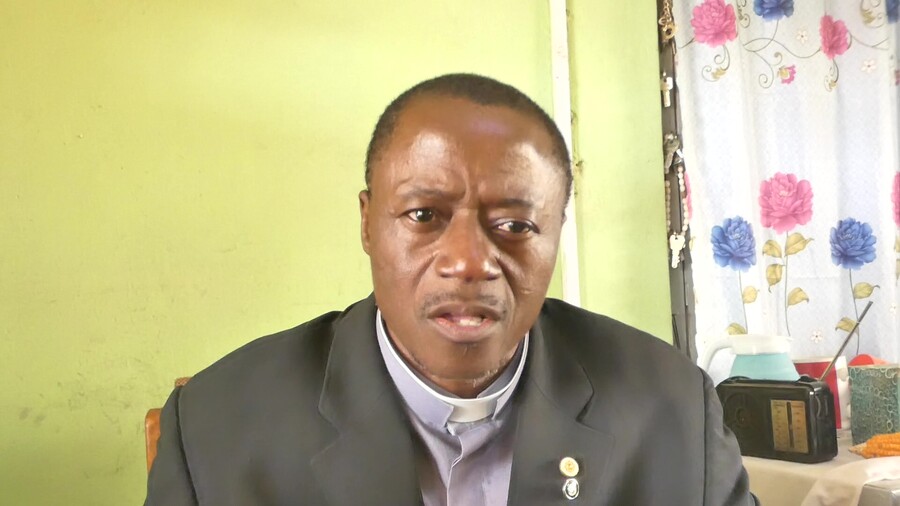
In the impactful documentary “Swallowed by Drugs,” produced by Ngamegbulam Chidozie Stephen of Apexnewsgh, Rev. Thomas Abukari, Head Pastor of the Baptist Church and Chairman of the Christian Council in Bolgatanga, delivered a heartfelt and wide-ranging message on the escalating crisis of drug and alcohol abuse among youth. His words served as both a plea for immediate action and a call for deeper societal reflection, directed not only at young people but also at parents, regulators, and the entire community. Rev. Abukari opened by lamenting the tragic loss of young lives to substance abuse in this generation. “There are a lot of lives going down the drain as a result of substance abuse,” he said, urging community leaders and authorities to take firm steps. He highlighted how the easy availability of drugs and alcohol is a major contributor to the problem, stressing, “Wherever you pass, these substances are accessible. I plead with authorities: let’s restrict their flow in the market, so access is only possible with a medical prescription and supervision.” He further identified peer influence as a significant force shaping youth choices. “Peers can be good, but negative peer pressure leads many astray. The trigger is often wrong information, myths, and lies that convince youth that drugs will help them study longer, work harder, or fit in.” Rev. Abukari called for robust campaigns to correct such misinformation, particularly targeting misleading social media adverts that glamorize substance use. “There should be real monitoring to get these kinds of misleading adverts out of the system,” he insisted. Watch the full documentary below: Curiosity, he observed, often tempts young people to experiment with drugs, sometimes with disastrous consequences. “Some things, once you try, you keep going back. Before you know it, you’re caught in a cycle of dependence. It’s like the lesson from Psalm 1—you start by walking, then sitting, then staying in the wrong place. If you avoid it altogether, you avoid the trap.” Rev. Abukari cautioned the community against relying solely on religious condemnation. “Yes, substance abuse is sinful, but let’s not forget the physical and medical damage. Liver cancer, lung disease, and other illnesses are the consequences of these habits. Fasting and prayer are important, but the body suffers the physical consequences regardless,” he explained. He also warned about the influence of celebrities, pointing out that many young people look up to them without realizing that what is seen on screen is not always real life. “Some even claim they perform better because of drugs or alcohol. They are deceiving people. Celebrities should positively be role models, not promote destructive behavior.” Addressing the desire for quick wealth, Rev. Abukari debunked the myth that drugs help people work harder or earn more. “If you get the money but your health is destroyed, who benefits? Don’t waste your body chasing money only to spend it on hospital bills or more drugs.” He reminded the youth of the importance of rest, drawing on the Biblical example that even God rested on the seventh day. He shared personal anecdotes to highlight that individuals react differently to substances, warning that what works for one person may harm another. “If you see someone claim they can stay up all night on coffee or energy drinks, that may not work for you. Everyone’s physical makeup is different, and chasing those results could harm you.” Rev. Abukari called for a return to dignity and sound-mindedness among young people. “If children see you as an elder stumbling on the streets, what dignity do you have left? Drug and alcohol abuse destroys not only your body but also your social respect, your finances, your spirituality, and your future. Who wants to marry a drug addict, or entrust responsibility to someone whose mind is clouded by addiction?” He encouraged youth to seek joy and fulfillment in healthy, natural ways. “There are traditional drinks with health benefits. Say no to hard drugs and alcohol. Living well and enjoying life doesn’t require substance abuse.” Rev. Abukari concluded with a rallying cry: “We are the people of the future. The future of this generation lies in your hands. Be responsible, be sound-minded; this is what society and your families need. Reject drugs and alcohol, and build a life you, your family, and your community can be proud of.” Through his message in “Swallowed by Drugs,” Rev. Thomas Abukari provides both a warning and a beacon of hope, a call for unity, truth, and responsibility in the fight against substance abuse. Source: Apexnewsgh.com
Swallowed by Drugs: Upper East Regional Deputy Director Augustine Akugri Shares Insights on Rising Youth Drug and Alcohol Abuse
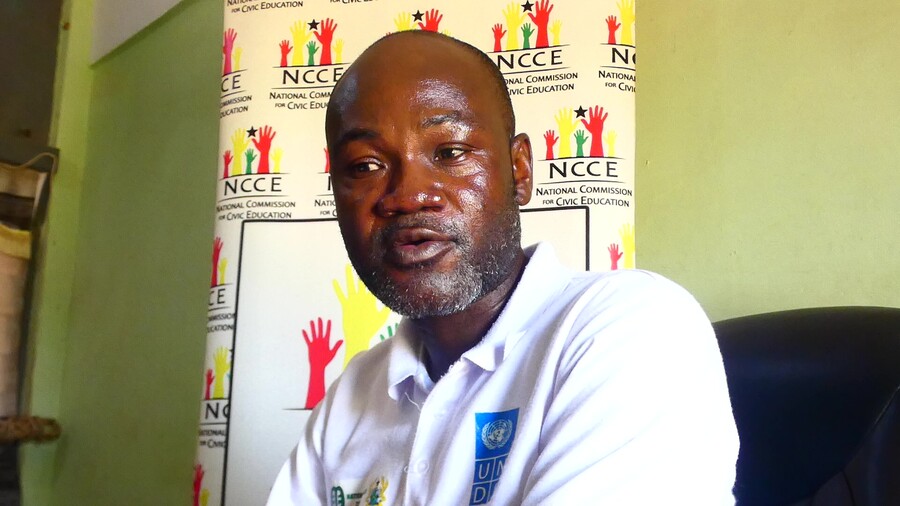
In response to growing concerns about substance abuse among young people in the Upper East Region, Augustine Akugri, Regional Deputy Director of the National Commission for Civic Education (NCCE), has offered valuable insight into the commission’s pivotal role in tackling this challenge. He spoke in the documentary “Swallowed by Drugs,” produced by Apexnewsgh. Mr. Akugri explained that the NCCE, as an independent governance institution, was established to promote civic awareness and education among Ghanaians. Its mandate includes fostering an understanding of constitutional principles, encouraging citizens to defend the Constitution against abuse, and deepening appreciation of civil rights and responsibilities. A key part of the NCCE’s mission, he noted, is to educate citizens about the dangers of substance and drug abuse. “Issues of drug abuse have become a significant challenge in the country, especially within the Upper East. If we are to promote the good name and prestige of Ghana, we must be free from the scourge of drugs,” Mr. Akugri emphasized. He pointed out that substance abuse not only tarnishes the nation’s image but also disrupts unity and peaceful coexistence. Watch the full documentary below: He explained that drug abuse undermines one’s ability to function effectively in society, whether as a worker or a responsible citizen. “For us at the NCCE, we believe that to contribute meaningfully to national development, Ghanaians must abstain from drugs and alcohol,” he said. Highlighting the commission’s strategy, Mr. Akugri described how the NCCE delivers substance abuse education in schools, communities, and through radio programs. The commission also collaborates with institutions such as the Narcotics Control Board to broaden public understanding of the dangers and effects of drugs. He shared sobering statistics, noting that every few seconds someone dies from drug use, according to the World Health Organization. Research further shows that those who start using drugs in their teens are more likely to die decades earlier than those who do not. “Illicit drugs, such as tramadol, codeine, cocaine, heroin, and even certain caffeinated alcoholic drinks, can cause severe health issues, from heart and lung diseases to miscarriages and birth defects,” he warned. Mr. Akugri stressed that drug abuse is not solely about physical consequences. “Drug abuse can affect a person physically and emotionally, impacting not just health but social life,” he said. “No one is immune to the dangers of drug abuse, and every citizen needs to understand the real risks.” Addressing why young people often fall into substance abuse, he identified several factors: peer pressure, curiosity, the desire to fit in or feel grown-up, attempts to rebel against authority, or to escape emotional problems. He underscored the dangers of experimentation, noting that dependency and addiction can quickly develop, making it extremely difficult to break free from the cycle. Mr. Akugri went on to describe the different categories of drugs commonly abused in the region: stimulants such as amphetamines, ecstasy, and tobacco, which increase activity in the central nervous system and can lead to mood swings; depressants such as alcohol and heroin, which calm users but also alter perception of reality; and cannabis, which is particularly problematic due to its hallucinogenic properties that can lead to mental health issues. “The effects of these drugs are wide-ranging,” he explained. “They can cause physical health problems, mental illness, impaired social functioning, and even risky behavior that leads to the spread of diseases.” He also highlighted the NCCE’s outreach efforts, including educational campaigns in schools, markets, and ghettos, aimed at raising awareness about the dangers and consequences of substance abuse and dependency. In conclusion, Mr. Akugri underscored the importance of understanding dependency and addiction. “A drug user can become so dependent that life without the drug seems impossible. This not only destroys the individual but also has ripple effects on families and communities,” he said. The message from Mr. Akugri and the NCCE is clear: substance abuse is a grave threat to both individuals and society, but with education and collective action, the trend can be reversed for a healthier, more productive future. Source: Apexnewsgh.com
Swallowed by Drugs: Apexnewsgh Editor-in-Chief Urges Government to Set Up Regional Rehab Centers for Addicted Youth

Mr. Ngamegbulam Chidozie Stephen, Editor-in-Chief of Apexnewsgh, has issued an urgent appeal to the government, through the Ministry of Health, to establish dedicated rehabilitation centers in every region to address the growing crisis of youth drug and alcohol abuse. His call comes on the heels of his investigative documentary, “Swallowed by Drugs,” which shines a spotlight on the struggles faced by young people caught in the web of addiction. In the documentary, Mr. Ngamegbulam emphasizes the pressing need for government action, stating, “There is a need for the government to establish a rehabilitation center in every region for youth ignorantly abusing drugs. I have come to realize that the majority of these youth need help. Some have fallen into drug abuse not by choice, but due to circumstances beyond their control.” Watch the full documentary below: Through his interactions with youth involved in substance abuse, Mr. Ngamegbulam discovered that many lack parental guidance and have become disconnected from their families. For some, drug abuse is normalized within their homes; parents themselves are sometimes substance abusers, making it difficult for children to recognize the dangers of their own behavior. He also highlighted the plight of children who, instead of being in school, resort to menial jobs like “kayakaya” (loading boys) at transportation stations, simply as a means of survival. For many, drugs have become a crutch, with some youths proudly declaring that they cannot live without substances. “These accounts from my engagement with these youth prove that they need government intervention,” Mr. Ngamegbulam explained. “Instead of arresting these young abusers and placing them in police cells, I suggest government, through the Ministry of Health, should prioritize establishing rehabilitation centers across the regions.” He further noted that existing private rehabilitation centers are often prohibitively expensive, placing them out of reach for the families of most victims. “The fees are exorbitant, and many families simply cannot afford the help their children desperately need,” he said. Through his documentary and continued advocacy, Mr. Ngamegbulam hopes to spur policymakers into action, ensuring that every region has accessible, affordable support for youth struggling with addiction, giving them a chance at recovery, reintegration, and a brighter future. Source: Apexnewsgh.com