






State Minister Blames Accra’s Transport Woes on Unlawful Practices by Drivers

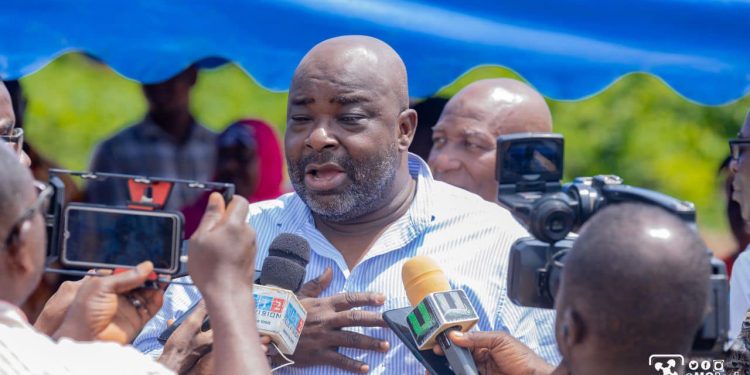
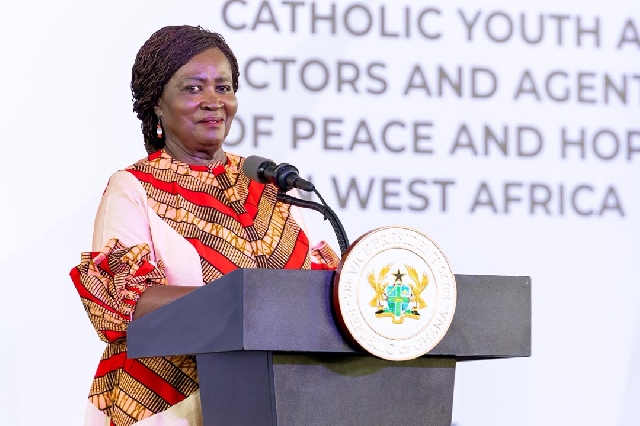
As the sun rose over Accra on January 14, 2026, the city’s residents braced themselves for yet another day of lengthy queues and soaring fares at bus stops across the capital. What had once been a routine commute had become a daily struggle, with frustration mounting among passengers in neighborhoods like Madina, Amasaman, and Kasoa. The root of the problem, it seemed, ran deeper than congestion. Addressing the nation during the Government Accountability Series, the Minister of State in charge of Government Communications, Felix Kwakye Ofosu, shed light on the troubling trend. He attributed the worsening transport crisis to the unlawful tactics of some private transport operators, who were accused of deliberately creating vehicle shortages during peak hours to extract higher fares from desperate commuters. “Some of these drivers have abandoned their designated stations and now roam the city instead,” Mr. Ofosu explained. “By limiting vehicle availability, they compel passengers to part with more money than they would ordinarily pay. It is an unlawful activity and must be addressed.” The minister’s remarks came in the wake of repeated fuel price reductions and a 15% cut in official transport fares, measures that should have eased the burden for commuters. Instead, he noted, a few operators had responded by manipulating supply, hoping to maximize profits at the public’s expense. The phenomenon, which worsened during the 2025 yuletide, has persisted despite government assurances of action. Mr. Ofosu emphasized that Ghana’s transport sector is largely private-sector-led, with groups like the GPRTU organizing much of the public conveyance system. Still, he assured Ghanaians that the government would take the lead in confronting these unlawful acts. “We are looking into these practices to ensure that those involved are dealt with,” he stated, pledging a renewed commitment to restoring fairness and order on Accra’s roads. Source: Apexnewsgh.com
Transport Minister Confronts Artificial Scarcity in Ghana’s Commercial Transport Sector
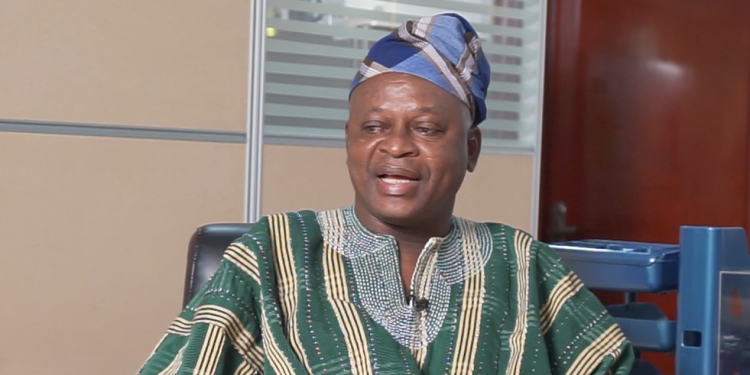
On a brisk Wednesday morning in Accra, the city’s commuters were once again left stranded, facing long queues and rising fares along the busiest routes. The cause? A suspected artificial scarcity of commercial vehicles, orchestrated by some transport operators intent on driving up prices. The tension reached the corridors of power when Joseph Bukari Nikpe, Ghana’s Minister of Transport, took decisive action. Summoning leaders of the Ghana Private Roads and Transport Union (GPRTU) and other commercial transport unions, he demanded answers about the troubling trends that had gripped the sector. The meeting, scheduled for the following day, was set to address mounting complaints about operators limiting vehicle availability in order to profit from desperate commuters, even as fuel prices and import duties on spare parts had recently dropped. At the Government Accountability Series, Deputy Minister Mr. Kwakye Ofosu voiced the frustrations of many Ghanaians. He revealed that some drivers were deliberately avoiding designated stations, choosing instead to roam the city in hopes of exploiting shortages and extracting higher fares. “They are creating scarcity to drive up prices so that they can engage in rent-seeking behaviour. It is an unlawful activity, and it must be looked into,” he declared. The situation has worsened since the 2025 yuletide, with commuters in places like Madina, Amasaman, Kasoa, and the famous Kwame Nkrumah Circle struggling to find rides during peak hours. Despite a 15% reduction in official transport fares due to lower fuel costs, many operators have continued to manipulate supply, leaving Accra’s residents facing inflated fares and long waits. Mr. Ofosu assured the public that the government, acknowledging the private-sector-led nature of transportation, was taking concrete steps to hold offenders accountable. “After the persistent reduction in fuel prices, some operators have decided to engage in undue practices by creating artificial shortages,” he explained. “It is an unlawful activity, and the government is looking at it to ensure those involved are dealt with.” As the capital’s rush hour challenges persist, the eyes of the nation will be on the outcomes of the minister’s meeting, a test of the government’s resolve to protect commuters and restore order to Ghana’s urban transport system. Source: Apexnewsgh.com
Customs Officers Foil Major Drug Smuggling Attempt at Takoradi Port

It began as a routine morning at the bustling Takoradi Port, but sharp-eyed customs officers were about to uncover one of Ghana’s largest drug interceptions in recent memory. The story unfolded at the Atlantic Terminal Services Limited, where frontline officials noticed something odd, two shipping containers, declared as ceiling fan consignments, exhibited unusual packaging patterns. Trusting their instincts, the officers promptly reported their suspicions to customs management. Takoradi Sector Commander, Walter Blankson, quickly took action, placing the containers under discreet surveillance. Once the all-clear was given, he ordered a full unstuffing of both 40-foot containers. What they discovered was staggering: hidden among stacks of ceiling fans and thousands of undeclared electrical appliances were an estimated 25 million tablets of suspected illicit drugs, believed to be Tapentadol and Timaking. The operation, powered by intelligence and executed with the support of the Narcotics Control Commission, National Security, National Intelligence Bureau, and the Food and Drugs Authority, had paid off. With the contraband seized, samples were sent to the Customs Chemist for laboratory analysis. The rest of the goods are now secured in the State Warehouse in Takoradi, as investigations intensify. Meanwhile, Maxwell Boateng, the declarant for the consignment, was detained and is assisting the Narcotics Control Commission in tracing those behind the containers. Authorities were quick to point out that the success of the operation underscored the critical role played by vigilant customs officers and the importance of strong interagency collaboration in protecting Ghana’s borders and safeguarding public health from the threat of illicit pharmaceutical trafficking. Source: Apexnewsgh.com
Seventeen Police Officers Honoured for Exemplary Service
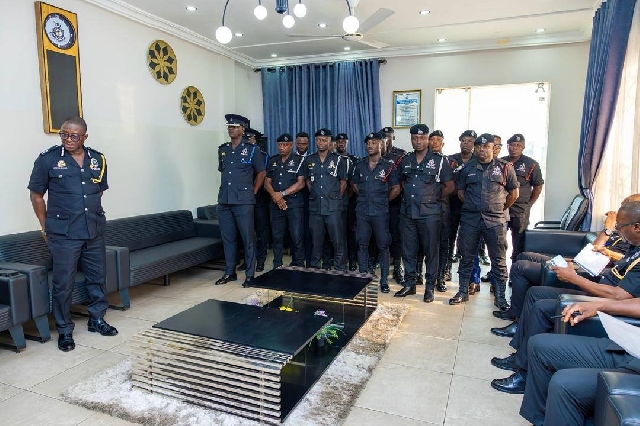
The Inspector General of Police (IGP), Mr. Christian Tetteh Yohuno, was about to make an announcement that would change the lives of seventeen dedicated officers. In a ceremony attended by the Police Management Board (POMAB), IGP Yohuno announced the promotion of seventeen officers, including two senior members of the force. The air was thick with emotion as the names were called, each one representing years of hard work, professionalism, and an unwavering commitment to duty. This recognition was more than a reward for past achievements. It was an acknowledgement of the officers’ discipline, operational excellence, and service to the nation. The promotions reflected the Ghana Police Service’s ongoing mission to inspire integrity and reward outstanding commitment among its ranks. Addressing the gathering, IGP Yohuno congratulated the newly promoted officers. He reminded them that their new ranks came with greater responsibility and urged them to lead with accountability, setting an example for their peers. “Let this be a call to even higher standards of professionalism, loyalty, and public service,” he said, his words echoing through the hall. The Ghana Police Service reaffirmed its dedication to recognizing merit and rewarding excellence, not just as a policy, but as a strategy to boost morale and enhance effective policing across the country. For the seventeen officers standing in the spotlight that day, the message was clear: exceptional service does not go unnoticed. Source: Apexnewsgh.com
A King and a Governor Debate Ghana’s Cost of Money
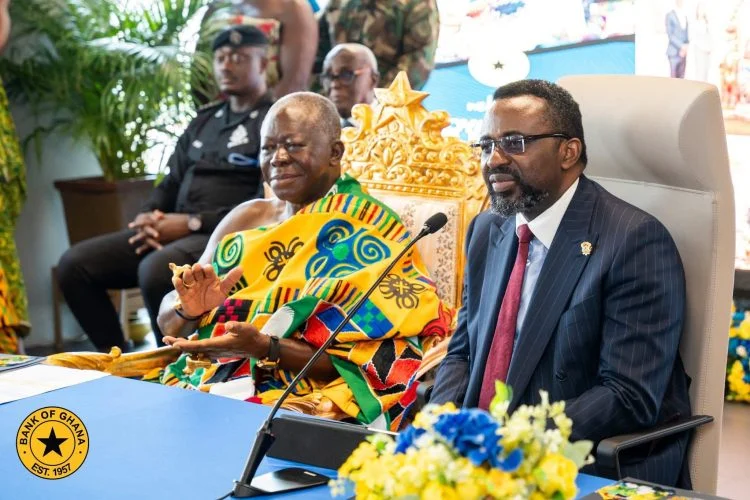
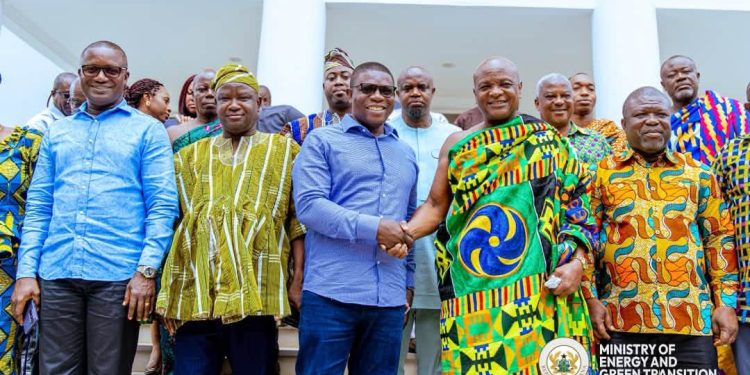
The hallowed halls of the Bank of Ghana this week became the stage for a critical national dialogue, one that pit urgent economic revival against the specter of returning inflation. The occasion was a high-profile courtesy visit by the Asantehene, Otumfuo Osei Tutu II, but the conversation swiftly turned from ceremony to substance. With the gravity of his office and the voice of a nation’s entrepreneurs, the revered monarch issued a direct and powerful plea to Governor Dr. Johnson Asiama: lower the cost of borrowing, and do it now. “The private sector is gasping for breath,” his message resonated, cutting to the heart of the nation’s economic tightrope. “Let me be as blunt as I can: no amount of investment by government can give us a sound economy. This moment calls for a private push.” He challenged the central bank to engineer a fundamental shift: “Move the economy from the crippling high interest rate regime to a level where it becomes a stimulant of business and job creation.” For the countless small and medium-sized enterprises (SMEs), this was a long-awaited royal endorsement of their daily struggle. Governor Asiama, custodian of the nation’s price stability, received the call with measured understanding. He stood on a platform of hard-won gains, a historic drop in inflation to 5.4%, robust international reserves soaring above $13.8 billion, and money market yields in retreat. The 91-day Treasury bill rate had already fallen from 13.4% to 10.3% in a single month. “My prayer and wish,” the Governor shared, revealing a personal ambition aligned with the nation’s need, “is that by the end of my four-year tenure, lending rates will not be more than 10 per cent.” Yet, between that wish and the Asantehene’s demand lies a perilous path. The cautionary voice of global consultancy Deloitte echoed in the background of their discussion. While acknowledging the BoG’s successful 10-percentage-point rate cut in 2025, which stabilized the cedi and contained prices, Deloitte warned that excessive easing in 2026 could undo that very progress. “Excessive easing could risk reversing the progress made in controlling inflation,” their analysis stated, a stark reminder of the balancing act. Early signs in 2026 offer a glimmer of hope. The key Ghana Reference Rate has dipped slightly, and average bank lending rates have begun a slow descent from 26.6% to 24.2%. They are movements in the right direction, but for the Asantehene and the business community, they are mere footsteps on a journey that requires leaps. As the meeting concluded, the central challenge for 2026 was crystallized. The Bank of Ghana must now choreograph a delicate dance: unlocking the credit needed to fuel a private-sector-led recovery, without missing a step and reigniting the inflationary fires it just spent a year extinguishing. The trajectory of interest rates is no longer just a monetary policy metric; it is the defining economic story for the year ahead. Source: Apexnewsgh.com
Ghana Unveils Framework for Ethical Banking
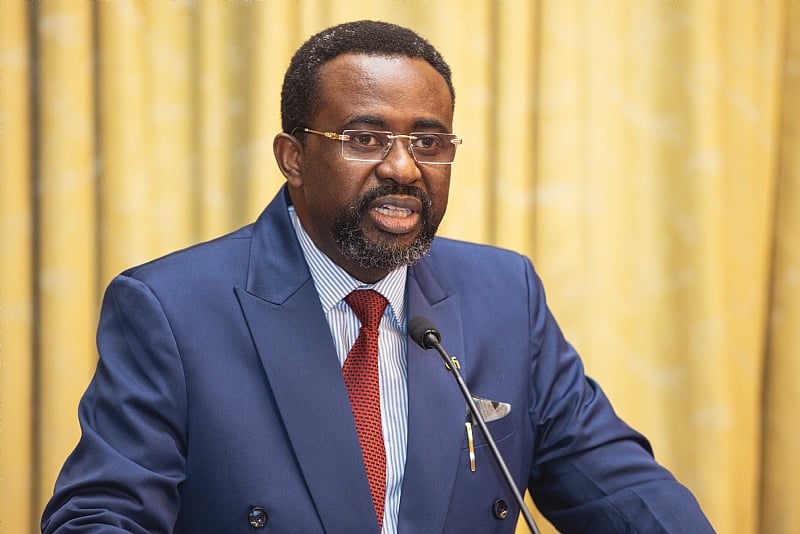
The landscape of Ghana’s financial sector is on the cusp of a transformative shift. In a landmark move, the Bank of Ghana (BoG) has officially unveiled the operational guidelines for Non-Interest Banking (NIB), opening the door to a new era of ethical finance and deeper financial inclusion. This culmination of years of strategic planning is widely credited to the steadfast efforts of BoG Governor, Dr. Johnson Asiama, and the Advisor on Non-Interest Banking and Finance, Professor John Gatsi. The finalized guidelines provide a clear and robust regulatory roadmap, building upon an earlier exposure draft to ensure operators function within strict prudential standards. The excitement within financial circles is palpable. Rumors are swirling of at least five existing conventional banks preparing to apply for dedicated NIB “windows” by the end of January, while several large new investors are lining up to establish full-fledged non-interest banks. This dual-application system is a core feature of the framework, designed to encourage both innovation and stability. The comprehensive guidelines establish a solid foundation for this new banking model: Governance & Expertise: Licensed NIB Institutions (NIBIs) must form a Non-Interest Banking Advisory Committee (NIBAC) of experts in banking, law, and NIB principles to ensure all products are ethically sound and risks are managed. Integrity of Operations: For conventional banks offering NIB through a “window,” a strict separation is mandated. They must operate a separate Non-Interest Finance Fund (NIFF), ensuring these ethical funds are never mixed with conventional banking funds. Inclusive & Voluntary: The BoG emphasizes that NIB is open to all Ghanaians, irrespective of religious belief, and participation is entirely voluntary. Capital & Compliance: Capital requirements align with existing standards, while NIBIs must maintain liquidity through Shari’ah-compliant instruments, steering clear of interest-bearing securities. Tax Clarity Pending: The guidelines acknowledge the crucial issue of tax neutrality, with a resolution expected from a joint team coordinated by the Ghana Revenue Authority (GRA). The implications stretch far beyond bank branches. The BoG is collaborating with the Securities and Exchange Commission (SEC) to develop a harmonized framework for non-interest capital market instruments. This paves the way for the future introduction of Sukuk (ethical investment certificates), which promise to unlock new, shari’ah-compliant capital for Ghana’s critical infrastructure projects. By integrating Ghana with the global non-interest finance industry, this initiative promises to diversify the financial sector, promote resilience, and revolutionize how finance serves the real economy. Welcome to the new, inclusive chapter of banking in Ghana. Source: Apexnewsgh.com
The Twelve-Month Miracle: How Discipline and Policy Tamed Ghana’s Inflation Beast

The year 2024 had ended with a heavy, familiar weight on the shoulders of Ghanaians. Prices seemed to climb an endless ladder, with the inflation rate perched at a daunting 23.8%. In marketplaces and homes, the conversation was the same: the relentless squeeze of shrunken purchasing power. But a quiet, determined battle was being waged. At the Bank of Ghana, Governor Dr. Johnson Asiama and his team held firm to a course of monetary discipline, a tight rein on policy that many hoped would steer the nation toward calmer waters. Month by month, throughout 2025, a fragile hope began to bloom. The numbers started to tell a new story. Each passing month saw the inflation rate dip, a slow but steady retreat from the peaks of pressure. By November, it had fallen to 6.3%, and as the year drew to a close, all eyes turned to the Ghana Statistical Service for the final tally of December. The data, when it came, was not just good news—it was historic. The annual inflation rate for December 2025 had plummeted to 5.4%, marking the twelfth consecutive month of decline. On a month-to-month basis, prices had barely crept up by 0.9%. The most significant relief came from the food basket, where inflation softened dramatically to 4.9%, a testament to improved harvests and smoother supply chains. The contrast was staggering. From 23.8% to 5.4% in just one year. The beast of inflation had been tamed, not by chance, but by design. During a courtesy call by the Asantehene, Otumfuo Osei Tutu II, Governor Asiama stood before the gathering, his voice carrying the weight of vindication and deliberate effort. “This trend reflected the broad-based disinflation process across both food and non-food,” he explained. “Certainly, this has not happened by accident but is the result of sustained monetary discipline we brought on board, improved food supply, and others.” He painted a clear picture: the central bank’s firm hand on monetary policy, working in concert with better conditions for farmers and traders, had systematically eased the pressures that had burdened the economy. It was a victory of strategy over circumstance. As the announcement spread, a palpable sense of relief began to replace anxiety. Households, long navigating a landscape of elevated prices, could finally foresee a period of stability. The sustained decline promised a stronger foundation for the national economy and a restoration of consumer confidence as Ghana stepped into 2026. The Bank of Ghana reaffirmed its commitment to guard this hard-won stability, knowing it was the cornerstone for sustainable growth. The twelve-month miracle was complete, a testament to the power of policy and perseverance, offering a powerful new chapter for Ghana’s economic story. Source: Apexnewsgh.com