





Minority in Parliament Sounds Alarm Over Ghana’s “Unpredictable” Diplomacy
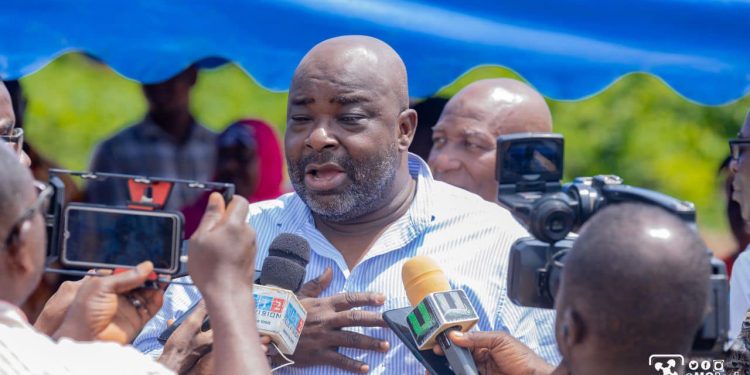
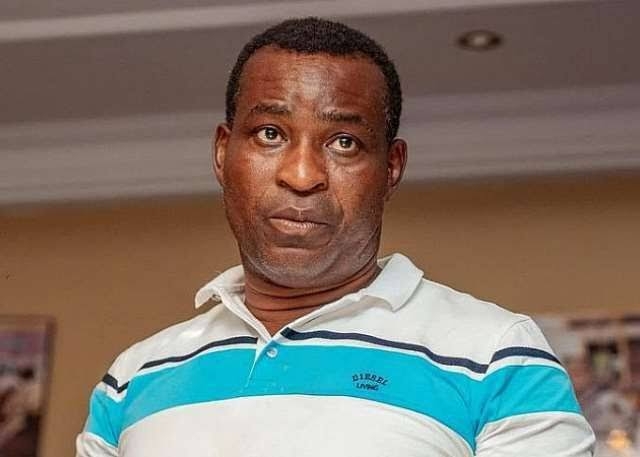
The usually composed halls of Ghana’s Parliament were charged with concern on Tuesday, January 20, as the Minority Caucus issued a stern warning about the country’s international reputation. Standing before the press, Nana Asafo-Adjei Ayeh, Deputy Ranking Member of the Foreign Affairs Committee, delivered a clear and pointed message: Ghana is fast becoming unpredictable in the eyes of the world, and at the center of this diplomatic turbulence is the Minister for Foreign Affairs, Samuel Okudzeto Ablakwa. According to the Minority, a series of recent diplomatic standoffs, particularly with Israel and the United States, has put Ghana’s global standing at risk. The spark for this latest alarm was the government’s response to the deportation of Ghanaian nationals from Israel in December 2025. Instead of engaging quietly behind the scenes, the Foreign Ministry opted for a very public, reciprocal deportation of Israeli citizens, an act that Mr. Asafo-Adjei Ayeh described as “a dangerous departure from established diplomatic practice.” “Diplomacy is not conducted on social media or through public threats,” Asafo-Adjei Ayeh told reporters. “Serious nations resolve disputes through quiet engagement, not retaliation.” He reminded the nation that Ghana’s foreign policy has historically been grounded in restraint, dialogue, and multilateral cooperation, an approach that earned respect from Africa to Europe and North America. But recent events, he argued, have put that legacy on the line. When Ghana publicly antagonizes Washington over migration or stages retaliatory deportations with Israel, Asafo-Adjei Ayeh warned, the country’s credibility suffers. “That is why today, Europe cannot even credibly lobby for us in Washington,” he lamented, suggesting that Ghana’s international alliances have been weakened by what he called “reckless” foreign policy moves. The Minority also accused Minister Ablakwa of failing to anticipate the diplomatic fallout, especially considering the history of US visa sanctions against Ghana. “This was foreseeable. Any competent foreign ministry would have prepared for it,” Asafo-Adjei Ayeh asserted. For the Minority, the issue is not just about a single incident but about the risk of an impulsive and applause-driven approach to foreign policy. They renewed their call for President John Mahama to replace Mr. Ablakwa, insisting that Ghana’s foreign relations must be guided by “strategy, discipline, and national interest, not impulse.” As the press conference ended, the message from the Minority Caucus was clear: in a world where reputation is currency, Ghana cannot afford to gamble with its diplomatic capital. The stakes, they argued, are nothing less than the country’s place on the world stage. Source: Apexnewsgh.com
Eric Adjei’s Vision Transforms NEIP Into a Launchpad for Ghana’s Young Entrepreneurs
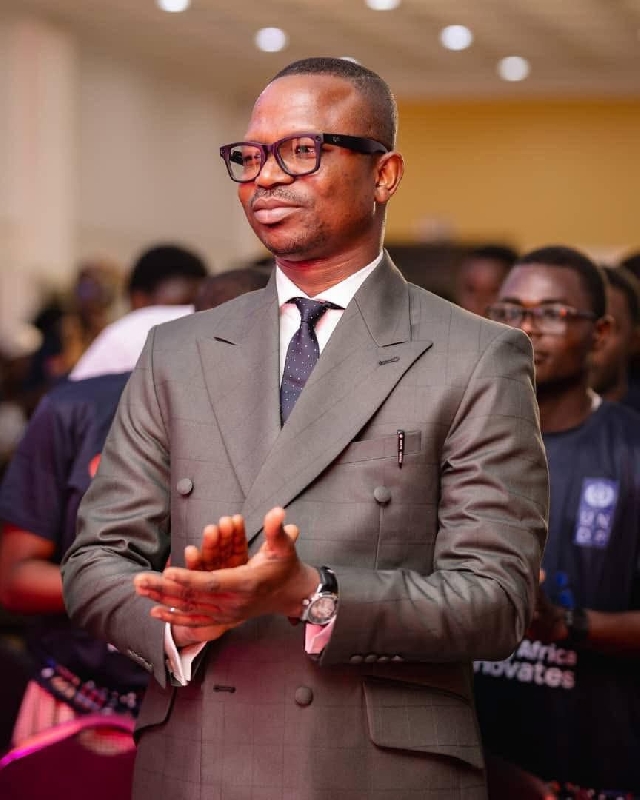
When Eric Adjei ESQ. stepped into the role of Chief Executive Officer of Ghana’s National Entrepreneurship and Innovation Programme (NEIP) in January 2025, he brought with him more than just a new title; he brought a wave of optimism and resolve that has reverberated across the country’s entrepreneurial landscape. From his first day, Mr. Adjei made it clear that entrepreneurship in Ghana would no longer be treated as a buzzword or a distant dream. “We must move beyond rhetoric,” he declared at his inaugural staff meeting. “Our young people deserve real opportunities, measurable, visible, and life-changing.” With these words, NEIP began a transformation from a policy-driven institution to a results-oriented engine of job creation and innovation. At the heart of Adjei’s approach lies a simple but powerful conviction: Ghana’s future depends on the ingenuity and energy of its young people. Under his stewardship, NEIP has redirected its focus toward small and medium-sized enterprises (SMEs), particularly those led by the youth. Practical support, accountability, and measurable outcomes have become the guiding principles. This renewed direction soon found its flagship in the Edwumawura Programme, a nationwide intervention that quickly became the talk of the entrepreneurial community. Edwumawura, meaning “Job Creator,” is more than just a catchphrase. It is a comprehensive initiative designed to empower aspiring entrepreneurs across the nation, regardless of where they live. From the busy streets of Accra to the most remote villages, the programme has reached Ghanaians who might otherwise have been left behind. The Edwumawura Programme was launched with fanfare but backed by substance. Its aim: to provide startup capital, business development services, and mentoring for individuals with promising ideas—especially at the grassroots. The process is inclusive and decentralized, ensuring that opportunity is not a privilege of the few, but a right for all with drive and determination. One young participant, Amina, from Tamale, recalls how the programme changed her life: “I always had ideas but no way to make them real. Edwumawura gave me training, a small grant, and the confidence to begin my poultry business. Now, I employ three people from my community.” Stories like Amina’s are becoming increasingly common. Across Ghana, young entrepreneurs are starting businesses, creating jobs, and building hope, thanks in large part to NEIP’s revitalized approach under Adjei’s guidance. But Adjei’s vision extends beyond traditional business models. Recognising the explosive growth of the digital economy, he championed a bold new initiative: NEIP would support content creators as legitimate entrepreneurs. In a country where millions of youth consume and create digital content daily, this was a game-changer. Workshops and mentorship sessions sprang up in cities and towns, focusing on skills from video editing to digital marketing. For the first time, Ghanaian content creators were given training, access to funding opportunities, and help in building digital brands with global reach. Kwame, a young YouTuber from Kumasi, shares his experience: “Before NEIP’s support, I struggled to monetise my channel. Now, I understand branding, and I’ve tripled my income. NEIP treated me like any other entrepreneur.” This push into the digital space reflects a broader understanding of modern entrepreneurship—one that values creativity, technological savvy, and the ability to adapt to a rapidly changing global economy. Observers note that Eric Adjei’s background as a lawyer blends seamlessly with his entrepreneurial drive. He insists on accountability and transparency, regularly engaging with stakeholders from both the public and private sectors. His collaborative style has fostered partnerships that multiply the impact of NEIP’s programmes, drawing in investment and expertise from across the spectrum. Through it all, Adjei has maintained a relentless focus on innovation-driven growth. He is often seen visiting project sites, speaking with beneficiaries, and seeking feedback on how programmes can be improved. “Real impact,” he often says, “comes from listening to those we serve.” As NEIP continues to roll out new initiatives, expectations are soaring. The Edwumawura Programme and the content creation support scheme stand out as two pillars of a new era, one in which entrepreneurship is accessible, rewarding, and central to Ghana’s economic development. For Ghana’s youth, Eric Adjei’s leadership marks a turning point. No longer is entrepreneurship reserved for the privileged or the well-connected. Today, ideas are nurtured, innovation is celebrated, and young people are empowered to become the job creators of tomorrow. In the words of one beneficiary, “With NEIP and Mr. Adjei, we know our dreams are possible. Source: Apexnewsgh.com
The Broken Chalkboards: Upper East CHASS Chair Warns of Rising Student Unrest, Calls for Collective Action
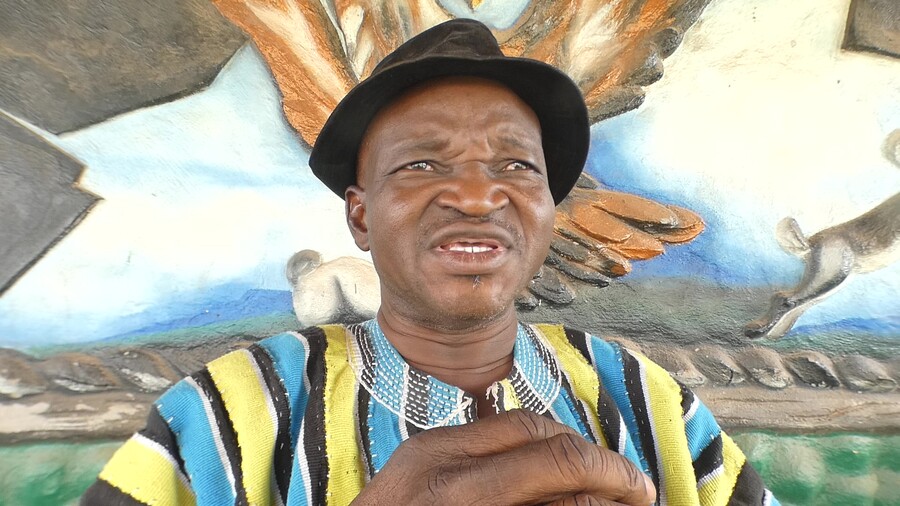
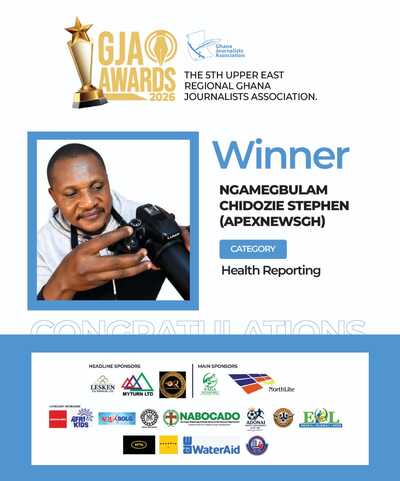
In a compelling segment of the documentary “The Broken Chalkboards,” produced by Ngamegbulam Chidozie Stephen of Apexnewsgh, Richard Akumbas Ayibilla, the Upper East Regional Chairman for the Conference of Heads of Assisted Secondary Schools (CHASS), lays bare the troubling rise of student unrest in the region’s schools. His address, at once candid and urgent, delves into the deepening crisis of discipline, the shifting causes of school riots, and the collective responsibility required of educators, parents, policymakers, and communities to restore order and nurture the next generation of responsible citizens. Mr. Ayibilla began by tracing the evolution of student unrest in the Upper East Region. In the past, riots were often rooted in grievances over poor food or lapses in teaching, issues, he said, that while troubling, at least had some bearing on the core mission of education. “Discipline is the keyword in every educational institution,” he emphasized. “When discipline is present, students learn, complete assignments, maintain a clean environment, and build positive relationships. Ultimately, disciplined students leave school better prepared for life.” Yet today, the triggers of unrest have shifted dramatically. “Now, most of the riots across all the schools start from mobile phones,” he lamented. In schools such as Navrongo, St. Benedict, and Bolga Tech, what might begin as a minor dispute over a stolen or misplaced phone can rapidly escalate, drawing in friends, then entire clans, and sometimes splitting along tribal lines. What should be a tool for learning instead becomes a spark for chaos. “What starts as a seemingly minor issue can draw in friends and even entire clans, turning schools into battlegrounds over technology that should only be a tool for learning.” Kindly watch the full video here: https://youtu.be/GSQR3-T6EaE. While Mr. Ayibilla acknowledges the educational potential of mobile phones, from research and AI tools to global connectivity, he is troubled by the reality he sees. Students, he observed, rarely use their devices for academic enrichment. Instead, the lure of social media, especially platforms like TikTok, drives many to create content for attention and potential income. “For some, it’s just to go into TikTok, create content, and get likes,” he observed. Particularly disheartening for him was an encounter with students who believed speaking intentionally poor English in their videos would make them go viral. These behaviors, he warned, are more than mere distractions. They can fuel deeper conflicts, leading to arguments, resentment, and property destruction. “Essential resources, from furniture to vehicles, have been damaged during riots, further straining already limited school supplies,” he said. The consequences are not limited to broken rules but extend to broken trust and broken property, deepening the crisis in already under-resourced schools. Despite these challenges, Mr. Ayibilla remains unwavering in his advocacy for core values: commitment, discipline, hard work, teamwork, honesty, and excellence. “If students are committed, discipline will naturally follow,” he asserted, drawing an analogy from the classic cartoon Captain Planet: “When you put your powers together, you are more powerful.” He proudly recounted practices from his own school, where honesty is not just taught but lived. Lost items are reliably returned, a testament to the school’s culture of integrity. “If you come to my school and lose money or valuables, don’t worry. Once a student picks it, you will get it back,” he affirmed, suggesting that habits of honesty in youth sow the seeds of integrity in adulthood. Discipline in school, he argued, is the antidote to the corruption that plagues society at large. Mr. Ayibilla is adamant that the burden of instilling discipline cannot fall solely on teachers. “Parents are very key,” he insisted. By the time students arrive at secondary school, much of their character is already formed, making the educator’s task all the more formidable. He called on parents to visit schools, build relationships with teachers, and show genuine interest in their children’s lives. “When children are in school, and parents don’t visit, they know their actions at school will go unnoticed at home,” he explained. This absence of parental oversight, he warned, fosters a double life, children well-behaved at home but unruly at school. Extending his call to the wider community, Mr. Ayibilla invoked the proverb, “he who says he doesn’t care, will at the end of the day be the one to pay the price.” Elders, residents, and even market women, he argued, have a role in supervising and guiding the youth. Discipline, in his view, is everyone’s business. Notably, Mr. Ayibilla did not shy away from critiquing the impact of government policies and political interference on school discipline. He observed that sometimes the pronouncements of politicians — such as blanket bans on corporal punishment or directives to reinstate suspended students — undermine the authority of educators and embolden indiscipline. “Punishment is not to destroy, but to correct,” he explained. Sanctions should fit the offense and serve both to reform the offender and deter others, not to crush their spirit. He called for support from all stakeholders, including chiefs, opinion leaders, and policymakers, to ensure that discipline remains consistent, fair, and focused on students’ long-term well-being. In his view, when discipline is subverted for political convenience, the whole educational ecosystem suffers. In an era where public scrutiny of schools is intense, Mr. Ayibilla called for a more nuanced, compassionate evaluation of schools and teachers. He cautioned against condemning all schools or educators for isolated incidents of misconduct, whether in food management, exam performance, or student behavior. “In every society, there are good ones and bad ones,” he noted, arguing that the actions of a few should not overshadow the dedication and integrity of the many. He also challenged the widespread politicization of exam results. The government’s primary role, he contended, is to provide resources and infrastructure, not to sit exams on behalf of students. “If children write exams and don’t pass, ministers don’t write for them,” he said. Instead, he advocated for a focus on student improvement, completion rates, and the intangible benefits of education, such as character development and social competence. Mr. Ayibilla
The Broken Chalkboards: Hon. Volmeng David Nansong suggests reintroduction of corporal punishment in schools

In recent times, become grounds for unrest rather than learning. Hon. Volmeng David Nansong, the Regional Secretary for the Parent Teachers Association (PTA), sat reflecting on an alarming trend: student riots erupting across the region’s secondary schools. His thoughts, captured in an Apexnewsgh documentary titled “The Broken Chalkboards,” produced by Ngamegbulam Chidozie Stephen, were not only observations but a rallying call to action. For parents, educators, and policymakers alike, this was no longer a problem to ignore. David Nansong spoke with the gravity of one entrusted with the hopes of parents and the future of children. “As secretary to the PTA,” he began, “I see the immense role parents play. But what’s truly causing these issues in our secondary schools?” He leaned forward, voice steady: “There are two main issues. The first is the use of mobile phones.” Kindly watch the full video here: https://youtu.be/GSQR3-T6EaE. Mobile phones, once symbols of progress and communication, had become the root of chaos. Although regulations prohibited their use in schools, compliance was abysmally low. Many students did not, in fact, buy these devices themselves; parents, often unknowingly, supplied them. Others acquired phones through less innocent means: gifts from boyfriends, odd jobs, or even theft. School administrators, recognizing the danger, had begun confiscating these devices. The response from students was swift and organized. Plans were hatched to incite confusion and riots, creating opportunities to break into storage rooms, most notably, the senior house master’s office, where confiscated phones were kept. “I can mention Zamse Senior High Technical, Bolga Senior High, and others,” he recounted, “where students broke in and reclaimed their phones. Fortunately, the school management, with the help of the students themselves, identified and apprehended the culprits, who were handed over to the police.” But the aftermath was sobering. Offices vandalized, damages incurred, and in some instances, violence escalated, libraries burned, water systems destroyed, all in pursuit of forbidden phones. The second major catalyst was the spillover of local conflicts, particularly the recent unrest in Bawku. Rivalries between tribes, which found their way into school corridors, fanned the flames of discord. “The conflict didn’t remain in the community,” Nansong explained, “it spilled into the schools, especially in rural areas. Students affiliated with opposing tribes carried tensions into classrooms, turning academic environments into battlegrounds.” It was not uncommon, he noted, for a spark in one school to ignite unrest in another. Through informal networks and social media, students coordinated actions across institutions, threatening the fragile peace that school authorities struggled to maintain. A third, subtler factor was the introduction of the Free Senior High School policy. While the initiative was lauded for making education accessible to all, it unintentionally eroded accountability. “Students now believe that regardless of their performance, they’ll remain in school. There is no demotion, no consequence for failure,” Hon. Nansong observed. “Whether they study or not, promotion is guaranteed.” This lack of academic consequence bred apathy. The abolition of corporal punishment, though a progressive step, left teachers wary. Fearful of repercussions, teachers hesitated to enforce discipline. “Students took this as license to misbehave. Teachers, uncertain of their limits, often turned a blind eye,” Nansong lamented. The cumulative effect was a student body emboldened to challenge authority, sometimes going as far as publicly insulting national leaders on social media, and a teaching staff rendered powerless to intervene. As if these challenges were not enough, the years 2023 and 2024 brought a new crisis: food shortages in schools. Adolescents, still growing and hungry, found themselves subsisting on meager rations, plain maize, garri and beans, porridge without sugar. “At that age, they cannot sustain hunger for long,” Mr. Nansong pointed out. “The lack of proper nutrition led to frustration and, for some, the riots became an outlet for their grievances.” School leaders, bound by bureaucracy and perhaps fear of reprisal, rarely spoke openly of these shortages. Yet, for those in leadership, the link between inadequate feeding and student agitation was clear. By 2025, however, the situation seemed to improve. Reports of food scarcity dwindled, and the frequency of demonstrations reduced. The only major incident that year stemmed from renewed tribal conflict, not deprivation. Hon. Nansong’s message to parents was stern: “Charity begins at home. Parents must be vigilant about what their children bring to school, especially mobile phones.” He urged parents to interrogate the source of any phone call received from their child at school, to visit schools regularly, and to keep in touch with teachers. He recounted a tragic incident where a student, believed by his parents to be attending school, drowned at a hotel swimming pool. School records revealed the student had never reported for the term. “If parents had checked, they would have known,” Nansong said, underscoring the need for constant communication between home and school. Recent debates over student appearance, particularly the directive for students to keep their hair neat and trimmed, sparked national conversation. Mr. Nansong supported the Education Minister’s stance, comparing school regulations to those of security services and training colleges. “In the security services, there are prescribed hairstyles and uniforms. Nursing trainees can’t do their hair anyhow. Why should this be an issue for our students?” he asked. He emphasized that neatness did not preclude natural hair, but rather discouraged neglect and disorder. He dismissed comparisons to the Achimota Rastafarian case, noting that religious exceptions were different from general discipline. “This is not about curtailing freedom; it’s about instilling the standards needed for communal learning and personal responsibility.” Hon. Nansong’s reflections were not a condemnation of today’s youth. “Not all students are bad,” he affirmed, “but certain behaviors threaten the peace and progress of all.” He recounted with sadness how, at Zamsi Senior High, students vandalized the senior housemaster’s office and stole confiscated mobile phones before their final exams. The responsible students were held accountable for the damages. “If a poor widow sends her child to school, and the child destroys property, it is only fair that the student pays for it,” he reasoned. “If you know
Ken Ofori-Atta Faces U.S. Immigration Hearing Amid Ghana’s Extradition Request
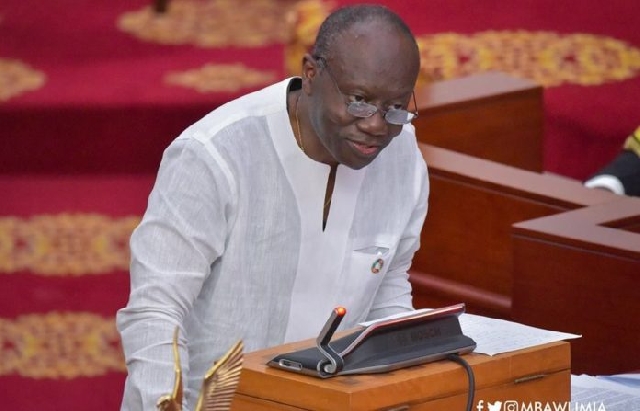
A sense of anticipation hangs in the air as former Ghanaian Finance Minister Ken Ofori-Atta prepares to stand before a U.S. court in Virginia today, January 20, 2026. The hearing, convened by American immigration authorities, will determine Ofori-Atta’s legal status in the United States, a decision with significant legal and diplomatic implications stretching from Washington to Accra. Ofori-Atta’s appearance follows a period of detention by U.S. Immigration and Customs Enforcement (ICE), who have held him at a secure facility in Virginia since he arrived in the country. His case has become a touchstone for both U.S. and Ghanaian officials, as its outcome could shape the future of high-level extradition proceedings between the two nations. At the heart of the matter is Ghana’s formal request for Ofori-Atta’s extradition. The former minister faces 78 counts related to corruption back home, and Ghanaian authorities are eager to have him returned to stand trial. Dr. Dominic Ayine, Ghana’s Minister of Justice and Attorney-General, has assured observers that the United States will respect the legal process and not obstruct Ghana’s efforts. Yet, he concedes that the final decision rests in the hands of the U.S. judicial and immigration system, which must now weigh both the extradition request and the merits of Ofori-Atta’s case to stay in the country. As the proceedings unfold, Ofori-Atta’s personal anxieties have also come to light. Ghana’s Ambassador to the U.S., Victor Smith, has revealed that the former minister harbors deep concerns about his fate should he be returned to Ghana, a reminder that beyond the legal arguments and diplomatic negotiations, a very human story is at play. Today’s court session is expected to focus on Ofori-Atta’s current immigration status, deliberating whether he will be allowed to remain in the United States, at least temporarily, or be subject to removal proceedings. The outcome will not only affect the former finance minister’s immediate future but could also set important precedents for how similar cases are handled in the years ahead. As the hearing begins, all eyes are on the Virginia courtroom, where questions of justice, international cooperation, and personal fate converge in a case that has captured attention on both sides of the Atlantic. Source: Apexnewsgh.com
Tensions Rise on Campus: UTAG-UG Demands Resignation of GTEC Leadership Over “Persistent Overreach”

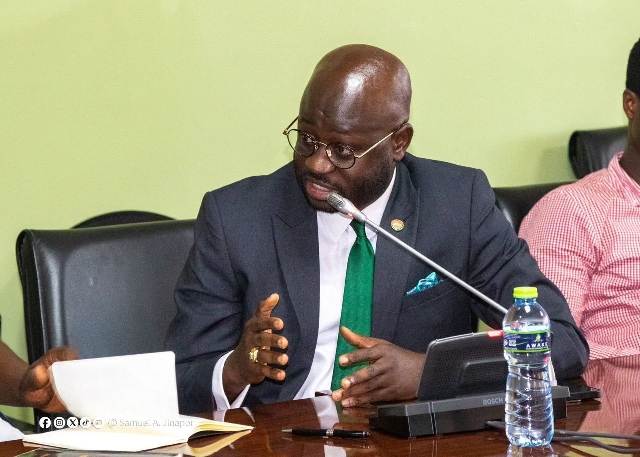
A wave of discontent swept across the University of Ghana campus on January 19, 2026, as the University Teachers’ Association of Ghana, University of Ghana Branch (UTAG-UG), took a bold public stand. In a strongly worded statement, the Association called for the immediate resignation of the Director-General of the Ghana Tertiary Education Commission (GTEC), Professor Ahmed Jinapor Abdulai, and his Deputy, Professor Augustine Ocloo, accusing the Commission’s top leadership of overstepping its bounds and neglecting its true mandate. The statement, signed by Dr. Jerry Joe Harrison and Dr. Godfred B. Hagan, UTAG-UG’s President and Secretary, respectively, was more than a critique; it was a clarion call for change at the highest levels of Ghana’s tertiary education system. According to UTAG-UG, the GTEC’s leadership had consistently engaged in actions that undermined the very institutions they were tasked to support, flouting the provisions of the Education Regulatory Bodies Act, 2020 (Act 1023). UTAG-UG argued that while GTEC was established to ensure quality, equitable access, transparent governance, and accountability in tertiary education, the Commission had strayed from these responsibilities. Instead, the Association charged, GTEC had become entangled in peripheral issues, leaving deep systemic problems, such as inadequate funding, deteriorating infrastructure, poor staff remuneration, and increasing workloads for lecturers, largely unaddressed. The Association’s grievances did not stop at neglect. The statement accused GTEC of actively undermining institutional autonomy, citing instances where the Commission had reversed decisions made by legally constituted Governing Councils without proper legal authority. UTAG-UG further questioned GTEC’s role in the controversial removal of the former Vice-Chancellor of the University of Cape Coast, Professor Johnson Nyarko Boampong, demanding transparency and legal justification for such interventions. A particularly contentious episode highlighted in the statement was GTEC’s October 1, 2025, directive, which ordered lecturers to retire immediately upon reaching age 60, instead of allowing them to complete the academic year as per the established rollover system. UTAG-UG described this move as disruptive and unconstitutional, warning that it jeopardized academic planning and continuity. The Association also objected to GTEC’s subsequent request for submissions on post-retirement contracts, emphasizing that such agreements are matters of national negotiation and Cabinet approval, not unilateral administrative decision. Beyond these policy clashes, UTAG-UG criticized what it described as an adversarial and “incompetent” style of leadership at GTEC, claiming it had eroded staff morale across Ghana’s public universities. The Association cited a recent incident at the University of Ghana, where GTEC threatened sanctions over an alleged increase in student levies—an action ultimately based on what proved to be a false media report. For UTAG-UG, the pattern was clear: GTEC’s persistent interference was not only hampering academic freedom and institutional autonomy, but also threatening the very future of Ghana’s tertiary education. The Association’s warning was stark; unless Professors Jinapor Abdulai and Ocloo resigned by January 31, 2026, UTAG-UG would escalate its demands to the Chief of Staff and consider industrial action. The Association also used its statement to push for systemic reform, calling for the immediate passage of a Legislative Instrument to guide the proper application of Act 1023, and to prevent what it termed “future abuse of power” by the Commission’s leadership. As the statement circulated, UTAG-UG’s leaders urged their colleagues across other campuses and all stakeholders in tertiary education to join their call for accountability. Their message was clear: it was time to “restore sanity and hope” to Ghana’s public universities, and to ensure that the governance of higher education truly serves the interests of students, faculty, and the nation at large. With tension mounting and a deadline looming, the spotlight remained firmly fixed on GTEC’s leadership and on the future direction of higher education governance in Ghana. Source: Apexnewsgh.com
Ghana’s Economic Renewal: Vice President Engages IMF Leaders on Path to Sustainable Growth
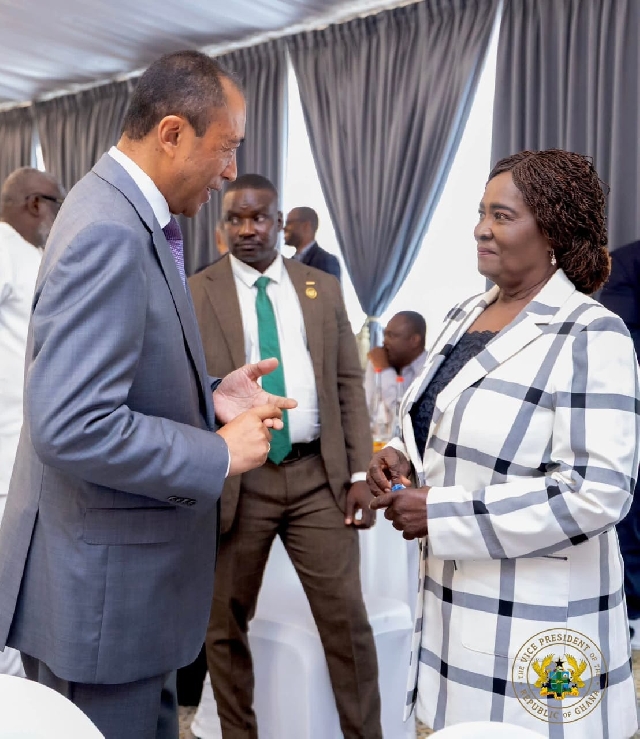
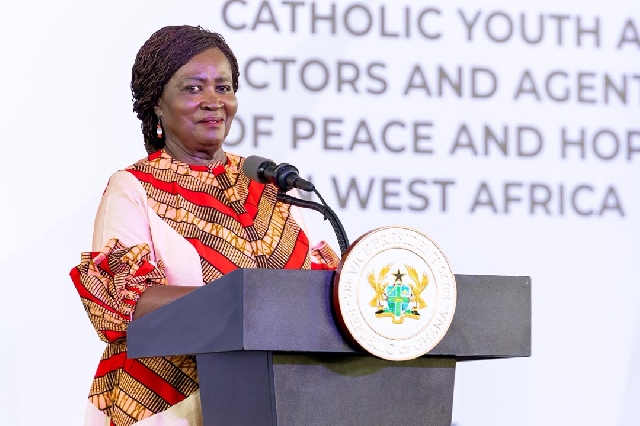
Ghana’s Vice President, Prof. Naana Jane Opoku-Agyemang, has convened a high-level meeting with the heads of International Monetary Fund (IMF) country and regional offices across Africa. Against a backdrop of shifting economic tides and global uncertainty over debt and development financing, the gathering offered an opportunity to examine Ghana’s economic journey and its place within the continent’s broader narrative. Taking her seat at the table, Prof. Opoku-Agyemang was resolute. She began by acknowledging the daunting challenges that had recently confronted Ghana, the currency’s turbulence, inflationary spikes, and the strain of external shocks that had tested the nation’s resilience. But she was equally determined to spotlight the progress made since those turbulent times. “Our present situation is a testament to Ghana’s resolve,” she told the assembled IMF officials. “We have moved from the brink to a place of cautious optimism. Single-digit inflation is not just a statistic, but a sign of stability returning to everyday life. The Cedi has found firmer footing, and real GDP growth is no longer a distant hope, but a present reality.” The Vice President explained that these improvements were not confined to the realm of economic indicators, they were beginning to tangibly uplift businesses, households, and communities throughout Ghana. Farmers, traders, and entrepreneurs were regaining confidence. Investment was stirring anew. The sense of renewal, she stressed, was driven by reforms owned and designed by the Ghanaian people. “These are not prescriptions handed down from abroad,” Prof. Opoku-Agyemang asserted. “They are policies we have chosen, and sacrifices we are prepared to make, knowing that the path to recovery is neither quick nor easy.” She acknowledged, however, that the role of international financial institutions such as the IMF remained significant, especially as Africa faced not only its own structural challenges but also the ripple effects of global economic pressures. Yet, there was a new current running through the continent: an emerging self-assurance and a readiness to define Africa’s development priorities on its own terms. “We are not turning away from partnership,” the Vice President clarified. “Rather, we seek collaborations that are balanced, forward-looking, and tailored to our continent’s aspirations. Our relationship with the IMF, for example, must evolve beyond crisis-response programs to embrace true, development-oriented partnership.” Prof. Opoku-Agyemang echoed the vision of President John Dramani Mahama, emphasizing that Ghana’s future lay in self-reliance, but not isolation. She pointed to transformative opportunities on the horizon, notably the African Continental Free Trade Area (AfCFTA), which promises to unlock trade, investment, and innovation across borders. The conversation turned to the challenges that persisted, high borrowing costs, structural bottlenecks, and the need for coordinated action to ensure fair financing for Africa’s development. Yet, there was a palpable sense of hope: that with prudent reforms and supportive partnerships, Ghana and its neighbors could chart a course toward sustainable growth. As the meeting drew to a close, Prof. Opoku-Agyemang reaffirmed Ghana’s commitment to this new chapter. The country, she said, would continue to build on its hard-won gains, deepening reforms and strengthening the foundation for a more inclusive and prosperous future. And as Ghana advanced, it would do so with a clear-eyed vision, guided by national ownership, mutual respect, and a steadfast belief in the potential of its people and partnerships. In the heart of Accra, and in the corridors of global finance, the message was clear: Ghana’s economic story was entering a new phase, one defined not by crisis, but by confidence, cooperation, and the pursuit of lasting progress. Source: Apexnewsgh.com
Interior Minister and Immigration Council Unite to Strengthen Ghana’s Borders
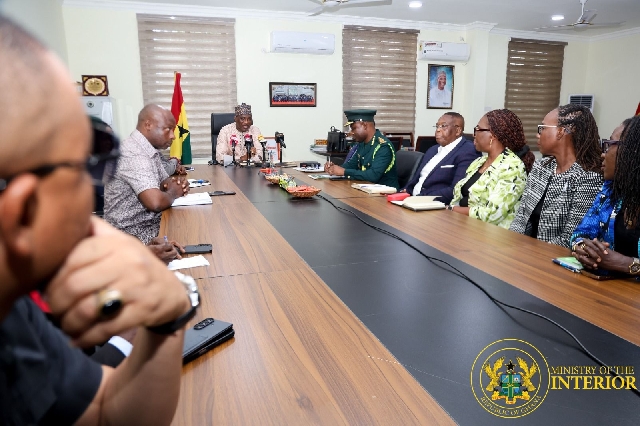
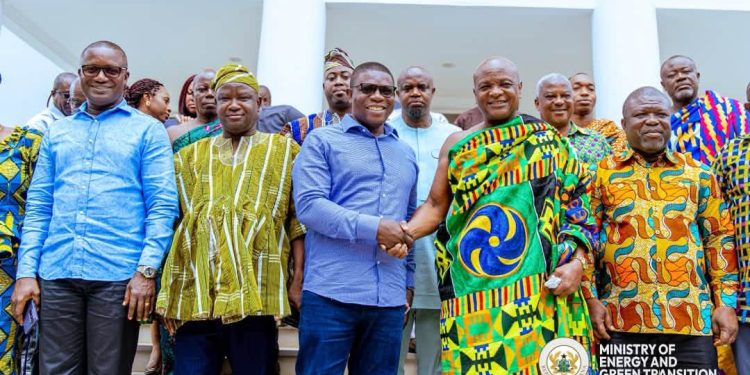
The sun filtered gently through the windows of the Interior Ministry in Accra as an important meeting unfolded, a gathering poised to shape the future of Ghana’s migration governance and border security. Mohammed Mubarak Muntaka, the Minister for the Interior, welcomed the Governing Council of the Ghana Immigration Service (GIS) to his office, a gesture that underscored the government’s ongoing commitment to modernising the nation’s security architecture. The GIS delegation, led by Council Chairman Rev. Steve Wengam, arrived with a clear mission: to commend the Minister for his exceptional leadership and to chart new paths for collaboration. As they took their seats, Rev. Wengam spoke on behalf of the Council, describing Mr. Muntaka as one of Ghana’s finest Interior Ministers, a leader whose vision and integrity had left a lasting impact on the service. He praised the Ministry’s dedication to transparent recruitment, improved logistics, and the strengthening of migration governance. “Your commitment has set a new standard,” Rev. Wengam remarked, his words echoing the sentiments of many within the Service. As a tangible sign of government support, he cited the recent provision of 20 pickup vehicles, vital resources that would empower GIS officers to carry out their duties more effectively across the country’s borders. But the Council’s ambitions went further. Rev. Wengam announced an upcoming Public-Private Partnership (PPP) initiative named “Secure Our Borders” (SECOBOD). This project, he explained, aimed to bring private expertise and resources into the fold, helping address critical challenges such as border security management and operational gaps within the Service. Minister Muntaka responded with appreciation for the Council’s diligence and innovative spirit. He reassured the members of his unwavering support, urging GIS officers to uphold professionalism, patriotism, and an unwavering commitment to Ghana’s national interest. In his remarks, he referenced President John Dramani Mahama’s vision to “reset, retool, and reform” the country’s security services, noting that the Council’s plans were closely aligned with this broader national agenda. Looking to the future, Mr. Muntaka revealed that preparations were underway for the construction of seven new regional GIS offices—a key part of the President’s drive to provide modern infrastructure for the security sector. He also highlighted the pivotal role immigration officers play as Ghana’s first line of defense at its borders, emphasizing that vigilance and professionalism were more crucial than ever. The Minister didn’t shy away from the challenges ahead. He pointed out that Ghana currently has 48 officially approved entry routes, but over 200 unapproved routes remain scattered across the country. This reality, he said, underscored the urgency of building a robust border monitoring system, one capable of safeguarding national security in a rapidly changing world. As the meeting drew to a close, both the Ministry and the Council reaffirmed their shared commitment to strengthening the Ghana Immigration Service through better infrastructure, logistics, and governance reforms. Their united front offered hope that, through collaboration and innovation, Ghana could rise to meet the evolving challenges of migration and border security, protecting both its people and its promise for generations to come. Source: Apexnewsgh.com