



Upper East Regional Minister Dispels Controversy Over Airport Project Land Acquisition
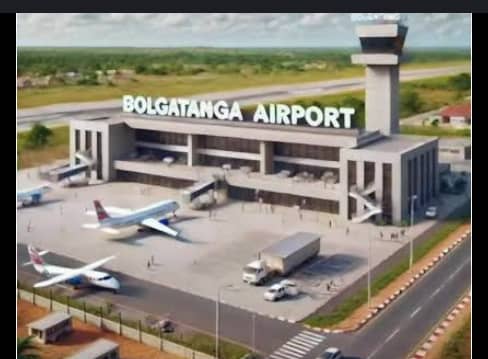
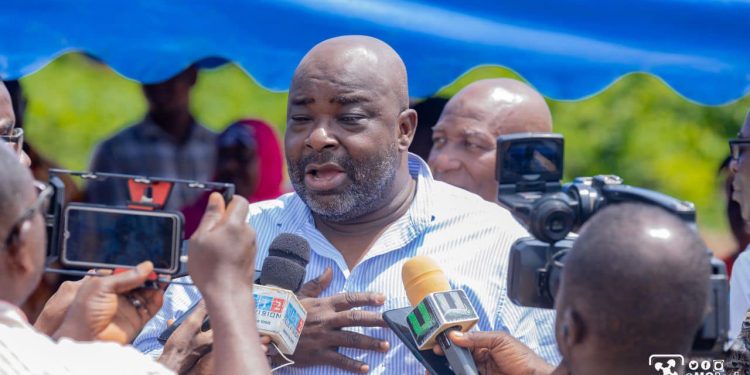
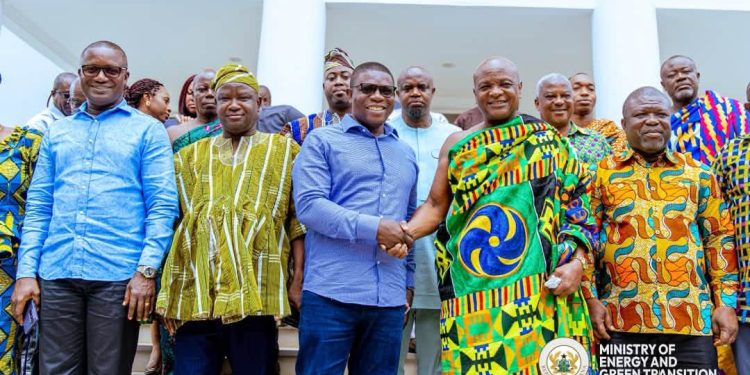
At the heart of the bustling Upper East Region, debate has swirled over the government’s ambitious plan to construct a regional airport, a project championed as a catalyst for connectivity and economic growth. On Wednesday, January 21, 2026, Regional Minister Donatus Atanga Akamugri took to the podium at his administration’s first press soiree, determined to set the record straight amidst mounting accusations of exclusion and betrayal. Addressing journalists and stakeholders, Mr. Atanga confronted claims that he and his office had disregarded certain interest groups and mishandled the acquisition of community land earmarked for the airport. With a calm but resolute tone, the Minister explained that every step of the process had been guided by both legal precision and respect for local customs. “All the documentation required for this project has been duly secured,” Mr. Atanga assured the gathering. “The Regional Coordinating Council (RCC), in partnership with our chiefs and landowners, carefully prepared a cadastral plan and indenture. Only the legitimate landowners were signatories—if you’re not a landowner, you cannot sign. Some have misconstrued this as trespassing, but that is simply not true.” He revealed that more than fifteen chiefs and community leaders had recently visited his office to formally affirm their consent for the project, dispelling speculation and clearing a path for construction. Working in tandem with Members of Parliament such as Hon. James Agalga, Mr. Atanga, and the RCC ensured the airport project was included in the national budget, a clear signal, he said, of the government’s commitment. Officials from the Ghana Airport Company, along with the Civil Aviation Director and board members, have also toured the designated site, expressing readiness to commence work once all remaining formalities are complete. “If all goes according to plan, we anticipate breaking ground as early as June 2026,” the Minister projected, hinting at a possible presidential inauguration of the airport the following February. “This airport belongs to all of us. We must unite and not let personal interests undermine progress.” The Upper East Airport project, a flagship initiative under the National Democratic Congress (NDC) administration, is poised to transform the region, yet it has not been without controversy. Some local voices have raised concerns about transparency and fairness in the land acquisition process. Mr. Atanga’s latest clarification comes as government officials and community stakeholders work to ensure every document is in order, every voice heard, and every legal requirement satisfied before construction begins. As the dust settles on the latest debate, the region watches closely, hopeful that the dream of an airport and the promise of new economic opportunities will soon become reality for all. Source: Apexnewsgh.com
Upper East Regional Minister Rallies Communities to Combat Crime Surge in Market Centers
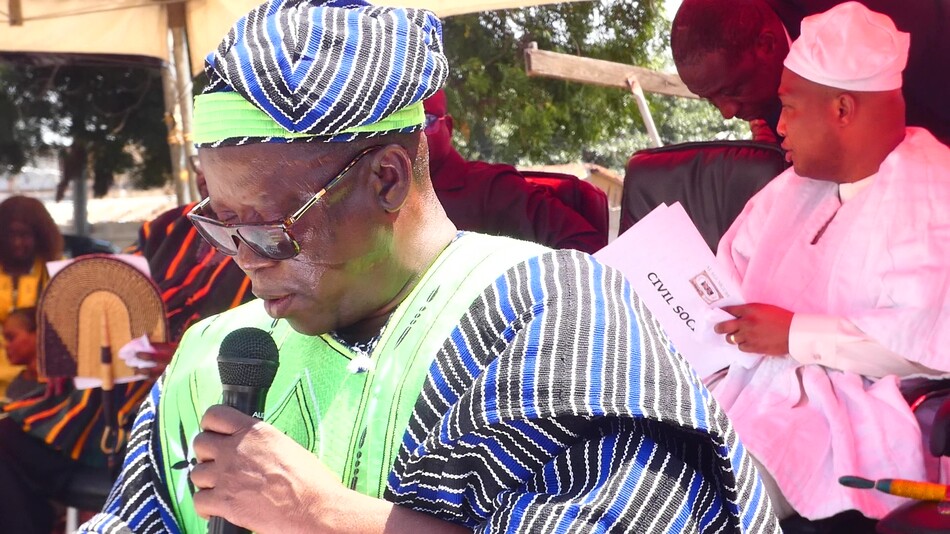
The Upper East Region has recently been shadowed by a surge in criminal activities, from brazen motorbike snatching to daylight robberies. On Wednesday, January 21, 2026, Regional Minister Donatus Akamugri Atanga addressed these growing concerns at the first press soiree of the current National Democratic Congress (NDC) administration, outlining a determined government response to restore public safety. Standing before an audience of journalists and community representatives, Mr. Atanga acknowledged the anxiety felt by residents and traders in communities like Talensi, Zaare, Vea, Soe, and beyond. He assured the region that a combination of robust security interventions and grassroots engagement was being deployed to counteract the recent wave of crime. “We are actively addressing criminal activities, including motor snatching and robberies, through coordinated security interventions and community engagement, especially market security committees,” the Minister stated. Mr. Atanga detailed how the government’s approach hinges not only on increased law enforcement presence but also on direct collaboration with those most affected—traders and local leaders. By forming and activating market security committees, authorities aim to enhance intelligence gathering and create a network of vigilance in every major trading hub. “The involvement of traders and local leaders is crucial,” he stressed. “Their firsthand knowledge and insights are invaluable for early warnings, swift responses, and ultimately, safer marketplaces.” As these interventions roll out across the Upper East Region, the Minister called on all residents to play an active role in the fight against crime. With united efforts and open communication, he expressed confidence that the region’s markets would soon be restored as safe havens for honest commerce and community life. For now, vigilance and cooperation are the watchwords as the region rallies together to reclaim its peace and prosperity. Source: Apexnewsgh.com
Upper East Regional Minister Calls for Ban on Tribal Groups in Senior High Schools
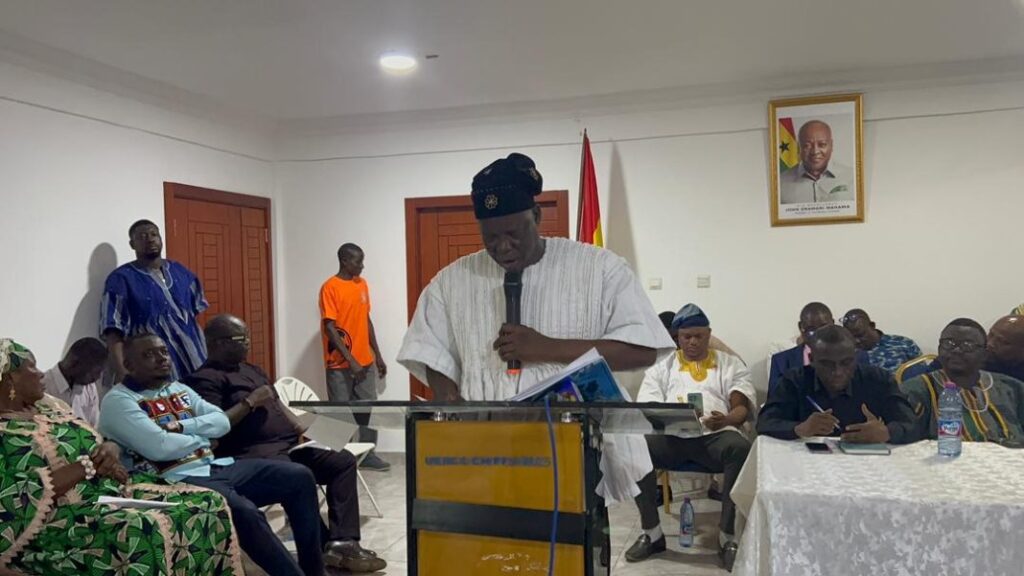
At his first-ever press soirée since his appointment, the Upper East Regional Minister, Donatus Atanga Akamugri, has revealed that in response to the troubling increase in student riots, he has advised the Regional Education Directorate to ban all tribal groups within the region’s second-cycle institutions. The Minister made this statement in response to a question from Ngamegbulam Chidozie Stephen, who sought to understand the role of the Regional Coordination Council (RCC) in addressing the rampant student riots, which often destroyed school properties. Ngamegbulam recently produced a documentary titled “The Broken Chalkboards,” which highlights the rampant student riots plaguing schools in the Upper East Region. However, when the question came, what was the RCC’s role in addressing this disturbing trend?, Regional Minister Donatus Atanga Akamugri leaned in, his response measured yet firm. “Unfortunately, our region is hit with this frequency of riots,” he began, setting the tone for a diagnosis that looked beyond the students themselves. The core of the problem, he revealed, was not normally the students, but a foundational “breakdown of discipline even among the teaching and non-teaching staff.” This discord, he argued, inevitably trickled down, finding fertile ground in the student body. His prescription was twofold. First, he had urged the Regional Education Directorate to reinforce discipline and foster better relationships among staff to prevent troubles that youths might later act upon. Then, he presented a more direct proposal. “We have also discouraged the organization of tribal groups in those institutions,” the Minister stated. He painted a familiar, volatile scenario: a simple dispute escalating as someone injects tribal sentiment. “Somebody will be fighting, and then somebody will just say, ‘Oh, but you are from a place…’ and then it takes a tribal dimension.” His solution was clear: ban the tribal groups. “When they ban them, they will have no platform to be able to go and organize themselves as tribal guys.” He anchored this advice in the very philosophy of boarding schools, invoking the vision of Kwame Nkrumah. “A boarding school is for integration,” Minister Akamugri reminded the room. It is a place for young people from anywhere to learn to coexist, appreciate each other’s cultures, and ultimately foster national unity. “If we want to encourage tribal groups in the schools too,” he cautioned, “it will defeat the purpose.” The Minister also turned the spotlight on the home, noting that some parents now fear their own children, failing to command respect. This, he said, was worsened by weakened Parent-Teacher Associations, leaving a critical support system in disrepair. Compounding this was a policy environment where teachers feel powerless to punish wayward students. “So the teacher will be left there. He cannot say anything. So when the child is going wayward, it’s a problem,” he observed. His concluding thoughts wove together the threads of his strategy: restoring staff discipline, banning divisive tribal platforms, reinvigorating parental involvement, and reviewing policy guidelines to empower teachers and PTAs. “That is how we’ll be able to address this,” Minister Akamugri stated, offering a multi-fronted plan to silence the alarms of riot and mend the region’s broken chalkboards. Source: Apexnewsgh.com
Ghana Moves to Preserve Nkrumah’s Guinea Home as Historic Landmark
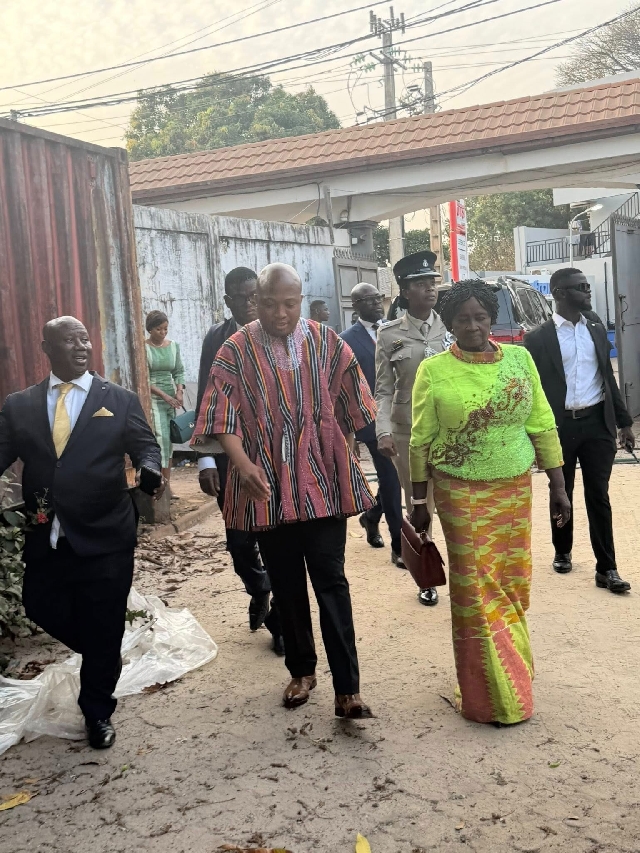
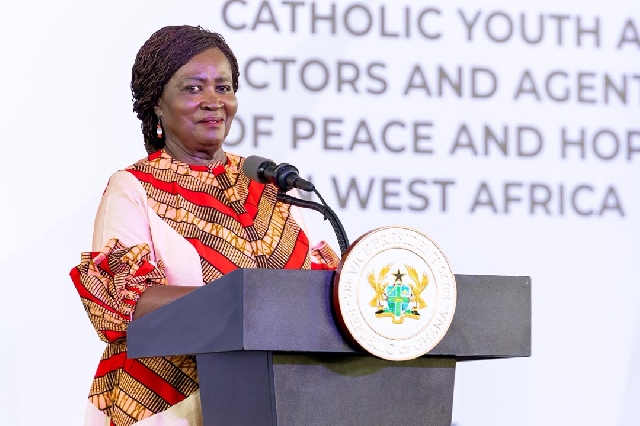
In a move steeped in history and symbolism, the Government of Ghana has embarked on formal negotiations to acquire and restore the residence in Guinea that sheltered Osagyefo Dr. Kwame Nkrumah during his final years. The house, once shared by Nkrumah and Guinea’s President Ahmed Sékou Touré during their time as Co-Presidents, stands as a testament to pan-African solidarity and the enduring bonds between the two nations. The initiative, launched at the behest of President John Dramani Mahama, seeks to transform the former residence into a carefully preserved heritage site. The goal is not only to honor Ghana’s first president but also to provide a powerful destination for tourists and history enthusiasts eager to trace Nkrumah’s remarkable journey from Ghana to Guinea. The latest chapter in this project unfolded during a high-level visit led by Vice President H.E. Prof. Naana Jane Opoku-Agyemang, who traveled to Guinea following the investiture of President Mamady Doumbouya. On Saturday, the Vice President and a delegation of Ghanaian officials were warmly welcomed by three generations of the Sékou Touré family, led by the late leader’s eldest son. Together, they toured the historic property, reflecting on the legacy of unity and resilience that it represents. Minister for Foreign Affairs and Regional Integration, Samuel Okudzeto-Ablakwa, shared that the restoration effort is intended to immerse visitors in Nkrumah’s legacy, offering a tangible link to his life’s final chapter and his close partnership with Guinea. “This project will allow people to see where Nkrumah lived, worked, and contributed to Africa’s liberation movement after his exile,” Okudzeto-Ablakwa explained. “It’s about bringing history to life for future generations.” Negotiations are now underway between Ghana’s Ministry of Foreign Affairs and the Touré family to finalize the terms of acquisition. Preservation experts have been consulted to ensure that the restoration is meticulous and respectful, with every detail designed to maintain the authenticity of the residence. Government officials have promised full transparency throughout the process, pledging to keep the public informed at every stage. As plans move forward, anticipation is building around the potential for Nkrumah’s Guinea home to become a new beacon for pan-African heritage and a fitting tribute to a visionary leader whose influence stretched far beyond Ghana’s borders. Source: Apexnewsgh.com
Importers and Exporters Applaud Delay of Smart Port Note as Stakeholders Seek Broader Dialogue
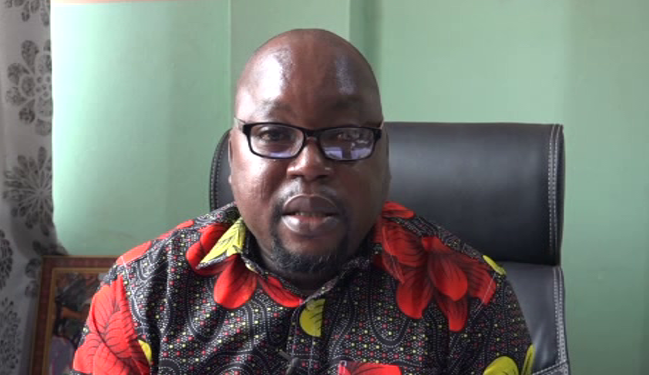
A wave of relief swept through Ghana’s trade community this week as importers, exporters, and associated businesses welcomed the decision to postpone the much-anticipated Smart Port Note (SPN) initiative. The announcement, made by the Ghana Shippers Authority (GSA) in a widely circulated public notice, came after industry stakeholders raised concerns about the need for deeper consultation and clarification before the system’s rollout. The SPN, originally slated to take effect on February 1, 2026, was unveiled by the GSA on December 23, 2025, with the promise of modernising port operations and stamping out inefficiencies. However, as the implementation date approached, unresolved issues, particularly around operational logistics, regulatory compliance, and the introduction of new fees, prompted calls for a careful reassessment. According to the GSA, the postponement is intended to allow more time for meaningful dialogue with all affected parties. “This is a careful adjustment of one of our major port digitisation initiatives,” the Authority stated. “We want to ensure that operational, regulatory, and implementation concerns are fully addressed before the system goes live.” For industry leaders, the pause is not only welcome but necessary. Samson Asaki Awingobit, Executive Secretary of the Importers and Exporters Association of Ghana, explained to Citi Business News why the deferment was critical: “Messages have gone out globally to exporters and suppliers, alerting them to a potential new charge that would ultimately be passed on to local importers. When we examined the proposed figures, some of the values were quite high. It was clear we needed to defer the rollout, reconvene, and ensure all stakeholders, including those raising cost concerns, had a seat at the table.” Michael Obiri-Yeboah, Convenor of the Coalition of Concerned Exporters, Importers and Traders, echoed this sentiment, describing the delay as “a step in the right direction.” He stressed the importance of inclusive discussion: “We’ve seen prominent voices within the port community express reservations about the SPN. This postponement validates our concerns and opens the door to proper stakeholder engagement. Now, we can clearly articulate why the SPN may not be necessary in its current form, or work collaboratively to shape a more effective policy.” With the postponement in place, the mood among stakeholders is one of cautious optimism. Many believe that sustained engagement and open dialogue will ensure that any future digitisation of Ghana’s ports is both efficient and equitable, balancing the needs of government with the realities faced by those who keep the nation’s trade flowing. As the GSA prepares for renewed consultations, the business community is hopeful that the next version of the Smart Port Note will reflect a broader consensus, one that truly supports Ghana’s ambitions as a modern hub for international commerce. Source: Apexnewsgh.com
Trade Minister Announces Major Loan Recoveries and Probes at Ghana EXIM Bank
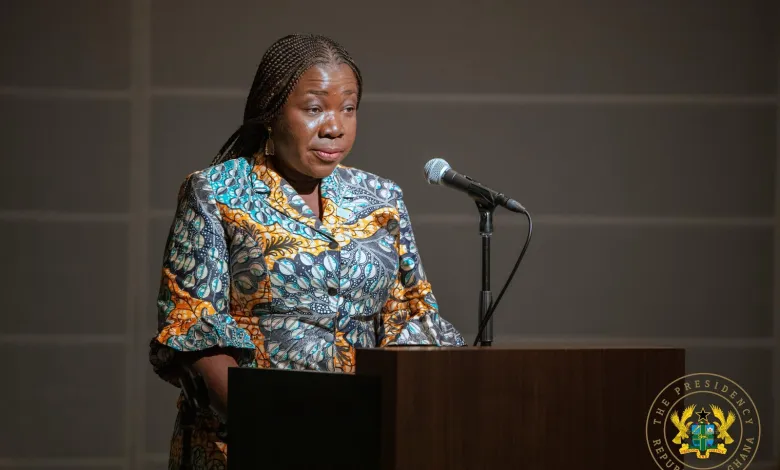
The atmosphere was one of transparency and resolve as Elizabeth Ofosu-Adjare, Ghana’s Minister of Trade, Agribusiness and Industry, addressed the nation during the Government Accountability Series on Wednesday, January 21. At the heart of her address was a significant development in the country’s efforts to tighten financial oversight and ensure the prudent use of state resources: the recovery of GH¢107 million in loan repayments and a fresh investigation into questionable loan disbursements by the Ghana EXIM Bank. Standing at the podium, Minister Ofosu-Adjare outlined the government’s multi-pronged approach to strengthening the credit system. She explained that, in 2025, Ghana EXIM Bank disbursed a total of GH¢304 million in loans under a stringent new policy. “This is not money for the boys or money for the girls,” she emphasized, underscoring the seriousness with which her ministry now approached credit creation. “You must satisfy requirements. You must show the credit you are taking will benefit the economy, and above all, you must demonstrate your ability to repay.” Her remarks reflected a shift toward greater accountability in public lending. The Bank’s stricter credit policy was already bearing fruit: GH¢107 million had been successfully recovered from loans that had long gone unpaid. “Recovery efforts on legacy loans are ongoing,” she continued. “We have initiated legal proceedings on several cases, and others have been referred to the appropriate security agencies for further action.” But even as the government celebrated these achievements, the Minister did not shy away from ongoing challenges. She revealed that some loan disbursements remained shrouded in mystery, with officials unable to account for how the funds had been issued or used. These cases, she said, had been swiftly referred to security agencies for thorough investigation. “There are loans that we do not know how they were disbursed,” Ofosu-Adjare admitted candidly. “We have referred them to the appropriate quarters to be dealt with expeditiously.” The Minister’s address was a clear signal that, under her watch, financial stewardship would not be taken lightly. With GH¢107 million recovered and further investigations underway, the government was not only reclaiming lost funds but also restoring public confidence in Ghana’s financial institutions. As the session concluded, observers noted a renewed sense of accountability—a promise that every cedi lent by the state must serve the nation’s interest, and that those who violate this trust will face the full scrutiny of the law. Source: Apexnewsgh.com