
President Mahama Champions AfCFTA as Catalyst for Africa’s Industrial Transformation
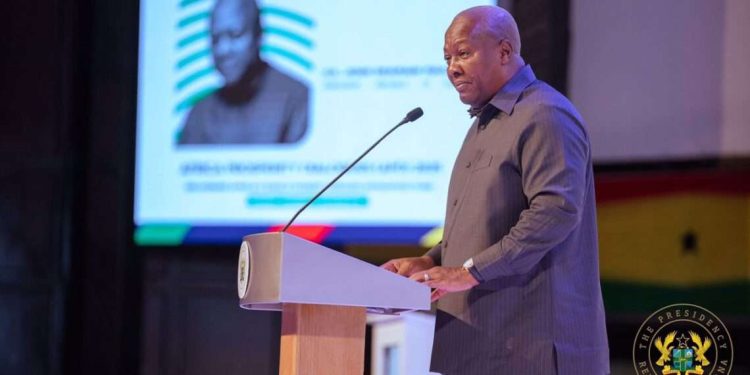
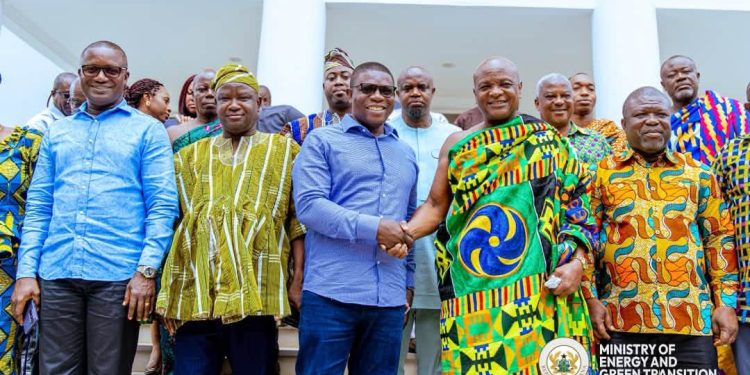
It was a momentous occasion at the 2026 Africa Trade Summit, where President John Dramani Mahama stood before a distinguished audience and painted a bold vision for Africa’s industrial future. At the heart of his address was the African Continental Free Trade Area (AfCFTA), which he hailed as the most ambitious integration project ever undertaken on the continent. With passion, President Mahama described the AfCFTA as a game-changer, uniting over 1.3 billion people into a single market and positioning Africa as a serious player in global manufacturing and investment. He emphasized that, for decades, African economies had remained fragmented, limiting their ability to compete on the world stage. But with the AfCFTA, he explained, countries now had a unique opportunity to build industries capable of serving both regional and international markets. Ghana, he proudly noted, had the honour of hosting the AfCFTA Secretariat and was among the first countries to trade under the agreement’s new preferences. Yet, President Mahama cautioned, the benefits of a continental free trade area would not materialize automatically. He urged African leaders to anchor the AfCFTA within robust development strategies, linking it to industrial policies, infrastructure investment, support for enterprise growth, and trade facilitation reforms. “Without these complementary measures,” he warned, “market integration will remain a theory rather than a driver of prosperity.” He went on to stress that true industrialisation could not thrive within the confines of isolated national markets. Instead, Africa’s future, he argued, depended on building regional value chains—integrating production processes across borders so that, together, African countries could develop strong and competitive industries. President Mahama outlined the vital enablers needed for this transformation: investment in transport corridors, energy and digital infrastructure, and harmonised regulations. These, he said, would lower business costs, boost connectivity, and make seamless intra-African trade a reality. As his speech drew to a close, President Mahama left his audience with a challenge: to move beyond signing agreements and to focus on implementation that would drive industrial growth and shared prosperity. The AfCFTA, he said, was more than a vision—it was Africa’s historic opportunity to reshape its economic destiny. Source: Apexnewsgh.com
Interior Minister Applauds Security Services for Dignified, Transparent Recruitment Process
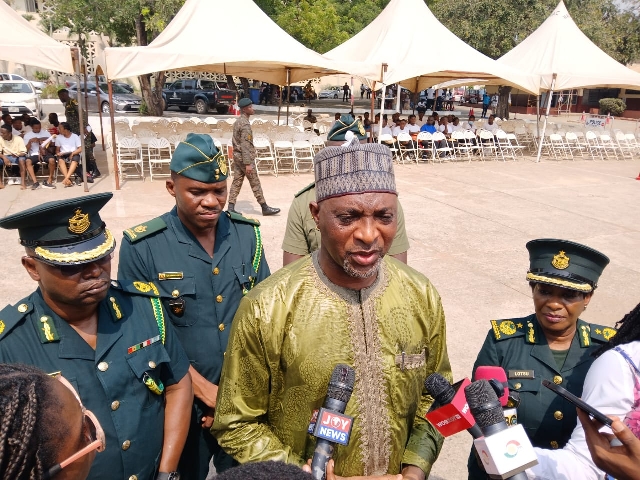
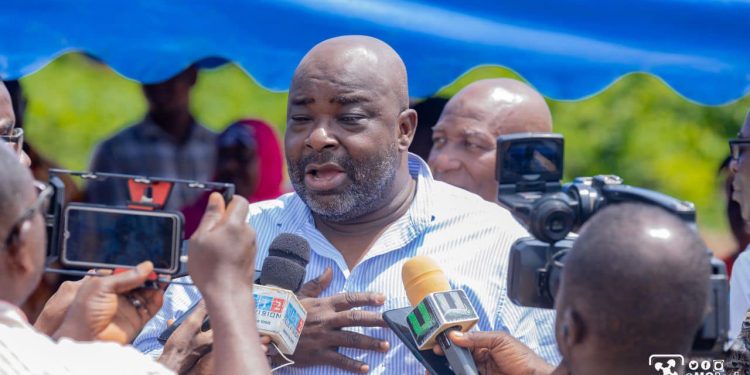
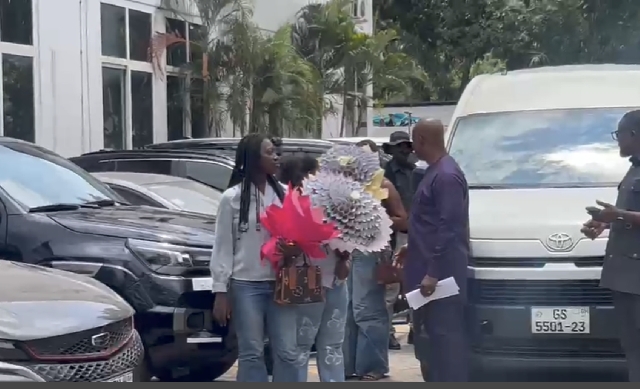
Under the bright sun at a bustling recruitment centre, hopeful applicants queued patiently, their faces a mix of nerves and anticipation. Overseeing the scene was the Minister for the Interior, Alhaji Muntaka Mohammed-Mubarak, on a mission to monitor the ongoing security services recruitment drive. As he moved through the centre, the Minister’s satisfaction was evident. “I’m really, really happy that the wish of His Excellency the President to see these things done in a very decent and respectable manner is being achieved,” he remarked, echoing President John Dramani Mahama’s call for a transparent and corruption-free recruitment process. Throughout the exercise, applicants were treated with dignity, provided with water, snacks, and a courteous environment. The Minister emphasized that those who step forward to serve the nation deserve nothing less. “People who volunteer to serve should not be seen as animals. They should be treated with respect and dignity,” he stressed. Addressing concerns about irregularities, the Minister reassured the public that any anomalies were swiftly addressed. To further strengthen the integrity of the process, strict anti-corruption measures had been introduced, including a dedicated email system for reporting fraud and suspicious activity. Hon. Muntaka appealed to both applicants and their families to report any attempts at extortion or manipulation, assuring them that the process was fair and based solely on merit. “Even if you don’t get selected, you’ll be satisfied that the process was fair,” she added. The comprehensive recruitment process involved an online aptitude test and medical examinations, with final selections made transparently and strictly on merit. As the visit drew to a close, the Minister reaffirmed the government’s commitment to building a credible and professional security service, one founded on transparency, accountability, and respect for every individual who answers the call to serve. Source: Apexnewsgh.com
GJA Raises Alarm Over Threats to Journalists Covering Bawku Conflict
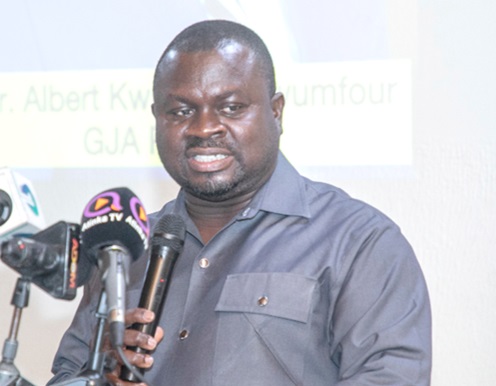
In the Upper East Region, a cloud of anxiety settled over the community of journalists. The cause: a series of chilling death threats and calls for violence that targeted reporters, most notably the Upper East Regional Chairman of the Ghana Journalists Association (GJA), Albert Sore. Their only “crime” was covering the ongoing and sensitive Bawku conflict. At the heart of Accra, inside the Ghana International Press Centre, the atmosphere was tense as GJA President Albert Dwumfour addressed a press conference. He did not mince words. “The Association is gravely alarmed by death threats, incitement to violence and imminent attacks against journalists in the Upper East Region, especially Mr. Albert Sore, in connection with their professional duties.” Mr. Dwumfour explained that journalists had been branded as enemies, bombarded with coordinated online abuse, and threatened with death through social media and voice messages. This toxic environment, he warned, was stoking real fears and could very well snowball into mob violence if left unchecked. The situation had reached a tipping point. Mr. Sore provided a harrowing report detailing how his work was twisted by nameless, faceless actors who incited hatred and issued explicit threats against him and his colleagues. According to Mr. Dwumfour, this was not an isolated case but part of a troubling pattern meant to silence journalists doing their constitutional duty. Despite initial cooperation from the Regional Police, the GJA leadership believed more needed to be done. Dwumfour issued a rallying call for stronger police protection, swift investigations, and the arrest of those behind the threats. “We call on the Ghana Police Service to publicly reaffirm that threats or attacks against journalists will not be tolerated under any circumstances.” The GJA formally petitioned the Inspector General of Police, emphasizing that journalists serve the national interest and must not be intimidated or endangered—especially in such volatile contexts as Bawku. As a proactive measure, the GJA declared Bawku an early warning zone for press safety, urging heightened vigilance and security, and pledging ongoing engagement with journalists on the ground. Dwumfour’s stance was clear: “We will not accept a reactive approach where action is only taken after harm has been done.” While commending the Ghana Police for improved collaboration, the GJA President pushed for even deeper cooperation to protect journalists and ensure that anyone undermining press freedom faces the full force of the law. Source: Apexnewsgh.com