








Decade-Long Delay on Critical Buluk Road Sparks Youth Protest in Fumbisi
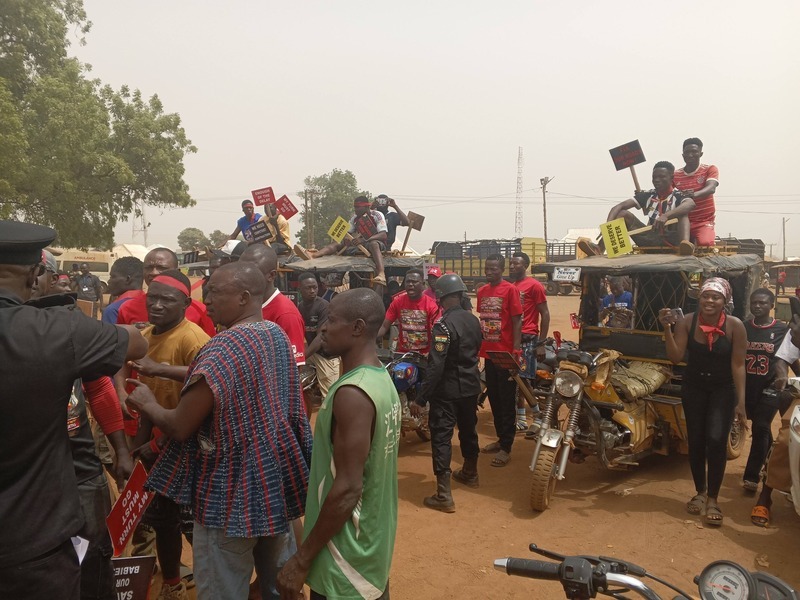
Hundreds of youth from the Builsa South District took to the streets in Fumbisi today to pressure the government into completing the long-stalled Chuchuliga–Sandema–Fumbisi–Wiesi road project. The demonstrators argue that the interminable delay is endangering lives, crippling livelihoods, and jeopardizing the food basket of the Upper East Region. Speaking at a press conference during the protest, convener Amwaate Isaac Atiim detailed the severe impact of the project’s abandonment on the residents of Buluk and the surrounding areas. The group revealed that despite being awarded to Myturn Construction Company Limited back in 2016, the Navrongo–Chuchuliga–Sandema–Fumbisi–Wiesi road remains in a deplorable state nearly ten years later. They stressed that this is no mere feeder road, but a crucial artery linking farming hubs, markets, health centres, and schools across the Builsa North and South districts. “This road is essential for inter-district connectivity, and its neglect has inflicted immense suffering on our people,” the group’s statement read. The protesters highlighted the strategic importance of the area, noting that the Builsa South District hosts the largest rice valley in northern Ghana, producing thousands of tonnes of rice annually alongside maize, millet, sorghum, and legumes. They cautioned that the deteriorating road network is severely hampering the evacuation of produce, threatening the livelihoods of farmers and undermining national food security. The demonstrators issued a clear set of demands to the authorities, calling for: Contract Review: An immediate review of the contract with Myturn Construction Company Limited, with a view to termination if the firm is found incapable of completing the work. Re-awarding of Project: The prompt engagement of a competent contractor with the technical and financial muscle to finish the road and its associated networks swiftly. Policy Implementation: The immediate application of the government’s annual 10-kilometre asphalt road policy per district to ensure durable roads for Builsa North and South. Public Accountability: Transparent disclosure of the project’s status, funding, and completion timeline to the public. Source: Apexnewsgh.com
Chamber of Agribusiness CEO Calls for National Agriculture Database to Protect Local Farmers

A sense of urgency gripped the agricultural community after grim reports surfaced: Ghanaian tomato traders, in search of produce in Burkina Faso, had been attacked by insurgents. The incident cast a spotlight on the dangers local traders face when crossing borders to secure agricultural goods and reignited debate over Ghana’s dependence on imports. Amid the growing concerns, Anthony Morrison, Chief Executive Officer of the Chamber of Agribusiness Ghana, took to the airwaves on the Citi Breakfast Show, Tuesday, February 17, with a clarion call for government action. Morrison advocated for the establishment of a comprehensive national agriculture database, arguing that such a tool is critical to regulating imports and shielding local farmers from harmful market distortions. He pointed out that Ghana’s continued reliance on imported agricultural commodities, even when local production is available, highlights a significant policy gap. “The Chamber has proposed over the last 10 years that, as a country, we have come of age, and there is a need for us to build an agriculture information database where we know how many fields are under production for every commodity,” Morrison explained. According to him, a robust agricultural information system would empower authorities to better regulate imports, support local producers, and stabilise markets. Importantly, it could also help reduce the risks traders face when venturing outside the country for supplies. “If somebody comes to apply for a permit to import a certain quantity of a product, we use the database to tell the person that in the next month, these are the quantities that are going to be harvested locally so your 50,000 import permit cannot be approved,” he said. Morrison emphasised that the lack of such a system leads to market disruptions and post-harvest losses, as imported crops often arrive just as local harvests are coming in. The Chamber, he said, has long championed a data-driven approach to guide decisions on import permits and safeguard the livelihoods of Ghanaian farmers. His remarks served as a rallying cry to policymakers: the time has come for Ghana to harness the power of information to strengthen its agricultural sector and protect its people. Source: Apexnewsgh.com
FDA Warns Public Against Use of Cement in Bean Preservation
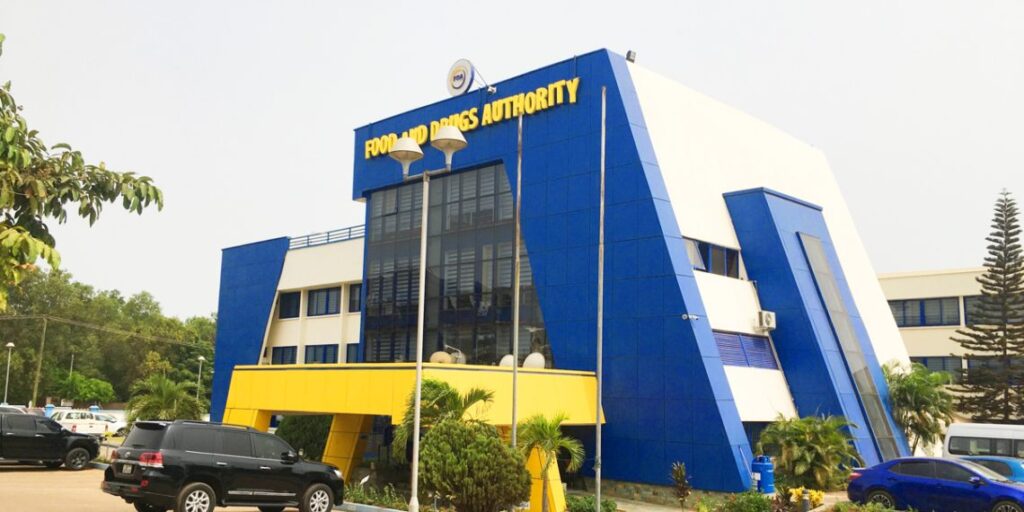
A wave of concern swept across Ghana after a viral video surfaced on social media, allegedly showing the use of a white powdery substance, suspected to be cement, to preserve beans. The footage quickly drew public attention, prompting the Food and Drug Authority (FDA) to issue a firm warning on February 16, 2026. In its press statement, the FDA categorically dismissed the preservation method depicted in the video, stating that it is neither approved nor practiced in Ghana. The authority clarified that the procedure, featuring beans treated with what appeared to be concrete cement, does not align with any food safety or agricultural standards endorsed by Ghana’s Plant Protection and Regulation Services Directorate (PPRSD) of the Ministry of Food and Agriculture. Delving deeper, the FDA revealed that a review of the video suggested the language spoken was not Ghanaian. A translation of the narration exposed a series of unsafe and unhygienic handling practices, including the direct application of chemicals with bare hands and the absence of protective clothing. The video also showed an individual standing directly on a heap of beans without any protective gear, an image that alarmed food safety officials. The FDA stressed that using cement for food preservation is strictly prohibited under Ghana’s regulations. “The FDA, together with its stakeholder institutions, does not approve of food preservation practices that compromise food safety and public health,” the statement emphasized. The authority also condemned poor hygiene and the use of unapproved substances as violations of national food safety standards. Reassuring the public, the FDA made it clear that such hazardous practices are not encouraged or permitted in Ghana. The authority urged farm produce aggregators and retailers to avoid unsafe preservation methods and reminded consumers to remain vigilant. Anyone witnessing suspicious food handling or preservation practices was encouraged to report them to the FDA for swift investigation and possible sanctions. Through this decisive response, the FDA reaffirmed its commitment to protecting public health and maintaining the highest standards of food safety across the country. Source: Apexnewsgh.com
U.S. Embassy in Accra Opens Over 1,000 Visa Appointment Slots
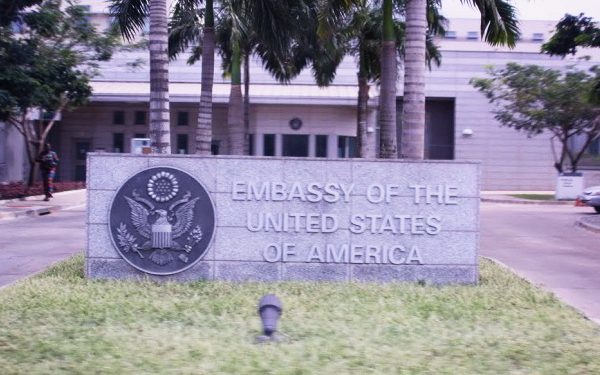
A wave of excitement swept through Ghana’s travel community on Tuesday, February 17, 2026, as the U.S. Embassy in Accra made a major announcement: more than 1,000 non-immigrant visa appointment slots were now available for booking, offering prospective travellers the rare chance to secure interview dates within the next week. In a notice shared on Facebook, the embassy revealed that a significant number of B1/B2 visa appointments, designed for business and tourism, were open. Officials encouraged applicants to move quickly and take advantage of the newly available slots. The move, embassy representatives explained, was part of broader preparations by the United States to facilitate increased travel ahead of the 2026 FIFA World Cup, which it will co-host alongside Mexico and Canada. “There are more than 1,000 B1/B2 visa appointment slots available in the next week – one of those could be yours,” the embassy’s notice read. Those who already had appointments scheduled for later in the year were advised to reschedule for an earlier date if it suited their plans. “Book a new appointment – or move up one scheduled for later in the year – we want to interview you now!” the statement urged. Prospective applicants were directed to the Embassy’s official visa page for comprehensive details on application requirements and the booking process. This swift move by the U.S. Embassy is expected to ease frustrations among would-be travellers who, in recent months, have endured long waits for interview appointments. For many, the sudden availability of slots represents a welcome opportunity to pursue business, tourism, and World Cup dreams in the United States. Source: Apexnewsgh.com
COCOBOD Leaders Slash Salaries Amid Cocoa Sector Liquidity Crunch
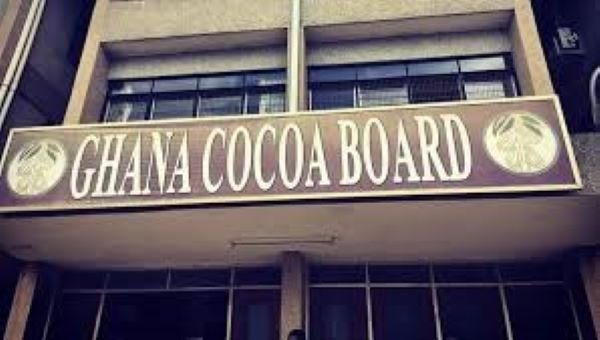
On Monday, February 16, 2026, a decisive announcement echoed through the corridors of the Ghana Cocoa Board (COCOBOD) headquarters. In a bold response to persistent liquidity challenges in the cocoa sector, the executive management and senior staff declared immediate salary cuts that would span the remainder of the 2025/26 crop year. According to a formal statement signed by Dr Randy Abbey, Chief Executive of COCOBOD, executive management would take a 20% reduction in their pay, while senior staff would see their salaries trimmed by 10%. The move, Dr. Abbey explained, was part of a comprehensive set of cost-saving measures designed to steer the organisation through current financial headwinds. These salary cuts are just one aspect of a wider strategy. COCOBOD is also tightening its belt in procurement and initiating a staff rationalisation exercise—each step aimed at slashing overall expenditure and ensuring that costs are better aligned with fluctuating revenues. Behind these tough choices lies a singular goal: safeguarding the sustainability of Ghana’s cocoa industry. COCOBOD’s leadership underscored the importance of maintaining operational efficiency and protecting the livelihoods of cocoa farmers, even as economic pressures mount. As the new measures take effect, the message from the top is clear—shared sacrifice and prudent management are essential for navigating the sector’s challenges and securing a stable future for Ghana’s cocoa industry. Source: Apexnewsgh.com
Ghana and Lebanon Forge Stronger Security Ties
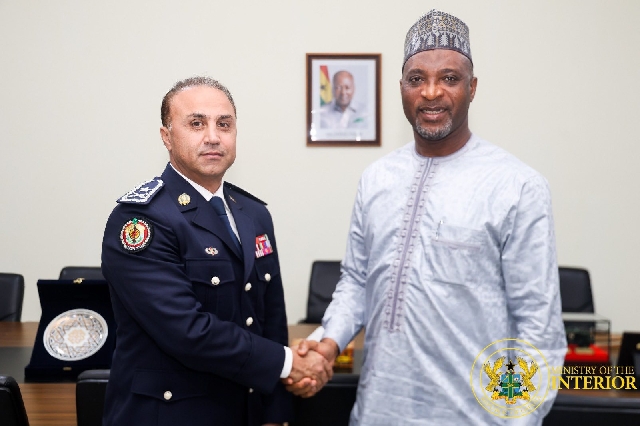
On Monday, the office of Ghana’s Minister for the Interior, Mohammed Mubarak Muntaka, buzzed with diplomatic activity as he welcomed a high-level delegation of Lebanese security officials to Accra. The meeting marked a significant step towards enhanced cooperation between the two countries, focusing on the pressing challenges posed by transnational crime. The Lebanese delegation, led by Ali Samih Jaafar, Consul General of Ghana in Lebanon, included key figures such as Brigadier General Morshed El Hajj Sleiman, Deputy Director of State Security in Lebanon; Colonel Ayman Machmouchi, Head of the Drug Repression Bureau; and Lieutenant Colonel Salah El Hajj, Head of the Office of the Deputy State Security. Their arrival underscored the seriousness with which both nations viewed the growing threat posed by cross-border crime. Discussions during the meeting focused on the major security concerns shared by Ghana and Lebanon. Topics such as cyber fraud, drug trafficking, money laundering, and other emerging threats dominated the agenda. Both sides explored practical ways to foster closer collaboration, with special emphasis on intelligence sharing, capacity building, and joint security operations. Minister Muntaka stressed the importance of global partnerships in the fight against transnational crime, pointing out that sustained international cooperation is crucial for ensuring safety and security. He expressed Ghana’s determination to deepen ties with Lebanon, noting that such engagement is vital for tackling the complex challenges faced by both countries. By the end of the meeting, a renewed commitment was clear: Ghana and Lebanon would work hand-in-hand to address shared security threats and further strengthen diplomatic relations. The day’s engagement set a constructive tone for future collaboration, paving the way for a safer, more secure partnership between the two nations. Source: Apexnewsgh.com
The Minister’s Call: Fugu and Kente as Symbols of Unity
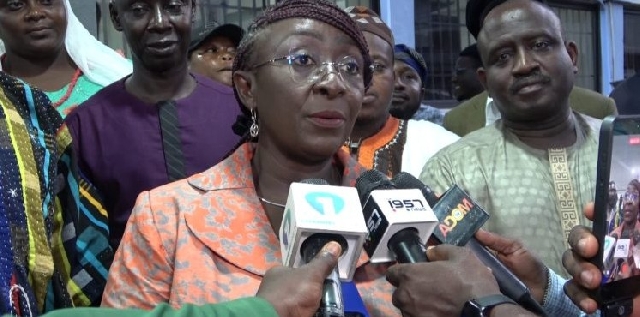
On Wednesday morning, the vibrant energy at the Ministry of Trade, Agribusiness and Industry was unmistakable. Journalists gathered in anticipation as Abla Dzifa Gomashie, the Minister for Tourism, Culture, and Creative Arts, stepped forward with a message that resonated far beyond the walls of the conference room. Her voice carried conviction as she addressed the crowd, urging all Ghanaians to embrace fugu and kente, not as mere ethnic symbols, but as cherished national treasures. Both textiles, she reminded everyone, have been recognised by UNESCO as elements of cultural heritage, a source of pride not just for specific regions, but for the entire nation. The minister’s passionate appeal came at a pivotal moment. The government was ramping up efforts to popularise the wearing of fugu on Wednesdays, a campaign designed to boost local textile patronage and invigorate the domestic industry. The initiative had already begun to capture public imagination, especially after President John Dramani Mahama’s recent appearance in a fugu during his state visit to Zambia. Speaking on the sidelines of a meeting between the Smock Weavers’ Association and ministry officials, Ms. Gomashie explained the significance of “Fugu Wednesday.” She noted with satisfaction how Members of Parliament and other prominent figures had joined the movement, turning the traditional garment into a symbol of national pride. But her message was about more than clothing. “It is not about tribe. It is not about a language. It is about Ghana,” she declared. “For this fugu and kente that have been listed on UNESCO sites as a heritage product that we are offering the world, it should be a rallying round of the red, gold, green, and the black star.” She called on citizens to look beyond regional or ethnic lines and see fugu and kente as enduring expressions of Ghana’s collective identity. “It is not about any particular tribe. It is about what it is that identifies us as Ghanaians. I am using your platform to thank all the people who bought into the idea and wore fugu on Wednesday. Come Wednesday, let’s be even bigger,” she encouraged. With her words, the minister painted a vision of unity, one where every stitch of fugu and kente tells the story of a nation woven together by heritage, pride, and hope for the future. Source: Apexnewsgh.com