


Journalists Gather to Strengthen Climate Resilience in Ghana’s WASH Sector
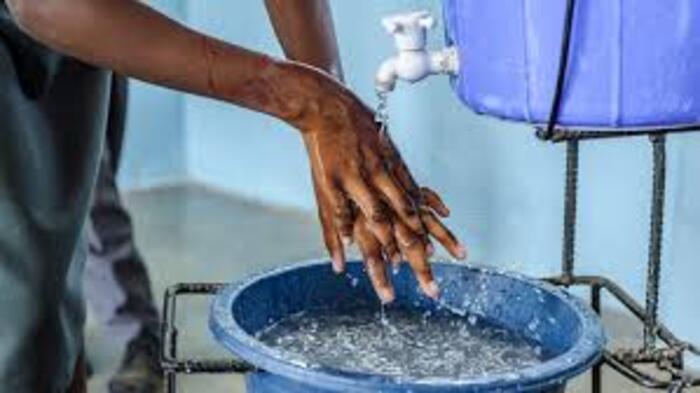
A group of passionate members of Ghana Watsan Journalists Network (GWJN) across the country gathered for a unique training session that would shape the future of climate reporting in the country. The meeting, organized by Bawku East Women’s Development Association (BEWDA) and WaterAid as part of the broader CEDAW-CLIMB partnership, with support from the Swedish government and WaterAid UK/Ghana, aimed to empower reporters with knowledge at the intersection of climate change and WASH (Water, Sanitation, and Hygiene). The presenters painted a vivid picture of Ghana’s changing environment: groundwater sources dwindling, unpredictable weather patterns, coastal erosion, droughts, and floods. These changes, they explained, deeply affect health and livelihoods, but place especially heavy burdens on women and girls. Fetching household water, managing menstrual hygiene, and ensuring maternal care all become more difficult as climate impacts worsen. As the conversation unfolded, the group explored what it truly means to build climate resilience in WASH. Mr. Ibrahim Musah, one of the presenters, described resilience as the ability of social, economic, and environmental systems to cope, adapt, and transform in the face of challenges. He suggested two key measures for water systems: structural robustness and continued service delivery. To bring these ideas to life, he recounted stories from Bawku West and other Upper East communities, where flooded platforms, seasonal drops in borehole yields, and collapsed latrines exposed the fragility of local infrastructure. The room buzzed with debate as participants discussed how construction practices, regular monitoring, and strong evidence collection could help communities withstand climate shocks. The session also demystified the concepts of climate-resilient WASH and the financial mechanisms available to support it, including the Green Climate Fund and guidelines from the Sanitation and Water for All initiative. The presenters emphasized that winning funding requires more than good intentions: proposals must be grounded in scientific evidence, demonstrate a clear climate rationale, and show what additional benefits will be delivered. To equip journalists for this task, the training introduced modeling tools and long-term trend analyses, essential resources for crafting evidence-based climate proposals and advocating for community-centered climate justice. By the end of the day, the journalists left not just with new knowledge but with a shared sense of purpose, to tell the stories that will drive resilience and justice for all Ghanaians. Source: Apexnewsgh.com
Gold Fields Achieves 18% Surge in 2025 Gold Production, Cites Ghana as Key Contributor

Gold Fields has reported a remarkable 18 percent increase in gold production for 2025 compared to the previous year, delivering a strong performance across its global operations. Group Chief Executive Officer Mike Fraser shared the company’s results during an interview on Monday, February 23, expressing pride in the teams’ achievements worldwide. “We are very pleased with the operational delivery from our teams across the globe. We were able to deliver an increase of 18 percent in our production year-on-year compared to 2024,” Fraser said, attributing the growth to robust contributions from multiple regions. Fraser singled out Ghana as a vital part of Gold Fields’ global portfolio, describing the Tarkwa mine as a cornerstone of the company’s operations. In 2025, the Tarkwa mine produced nearly 475,000 ounces of gold. Although this marked a slight decrease from the previous year, Fraser explained that the dip was intentional, resulting from a strategic focus on waste stripping and capital development, efforts that are set to boost future production. Looking ahead, Fraser reaffirmed Gold Fields’ commitment to strengthening its global presence, with Ghana remaining central to the company’s long-term growth and investment strategy. Source: Apexnewsgh.com
National Ambulance Service Faces Fleet Crisis as Over 120 Ambulances Sit Idle

The National Ambulance Service is grappling with significant operational challenges, as 127 of its 318 ambulances are currently out of service, according to Martin Ewuah Amoah, Clinical Auditor for the Southern Zone. Mr. Amoah revealed that only 191 ambulances across the Service’s 318 stations are currently functional. He explained that the high number of out-of-commission vehicles is mainly due to the five-year lifespan of ambulances, making timely replacements essential to avoid escalating maintenance issues and ensure a reliable emergency response fleet. This disclosure comes in the wake of public outcry following the tragic death of 29-year-old Charles Amissah, an engineer with Promasidor Ghana Limited. Mr. Amissah was the victim of a hit-and-run accident at the Circle Overpass in Accra on February 6, 2026. Although Emergency Medical Technicians managed to stabilise him at the scene, he was reportedly turned away by three major hospitals, Ridge Hospital, Korle-Bu Teaching Hospital, and the Police Hospital, over a span of nearly three hours due to a lack of available beds. He later died from his injuries. The incident has renewed calls for urgent reforms and investments in Ghana’s emergency healthcare system, with many highlighting the critical need for regular ambulance fleet renewal and improved hospital capacity to prevent such tragedies in the future. Source: Apexnewsgh.com
Cement Prices Under Threat as Port Congestion Delays Clinker Discharge
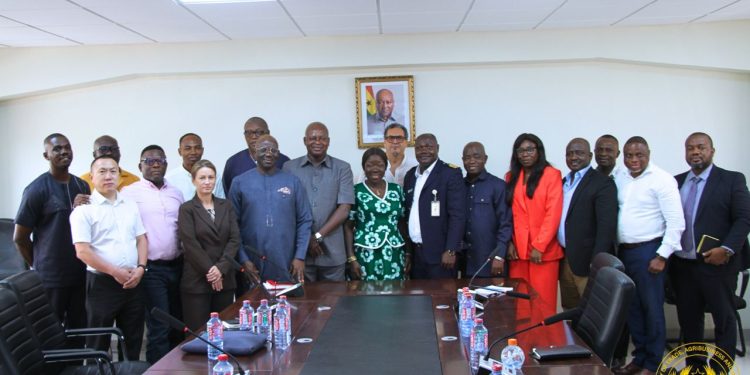
Ghana’s construction sector is bracing for a potential hike in cement prices as severe congestion at the nation’s ports continues to stall the discharge of clinker, a vital ingredient in cement production. Industry insiders warn that the prolonged delays, forcing vessels to wait up to 20 days to berth, are leading to spiraling demurrage costs that could soon be passed on to consumers. The urgent situation prompted an emergency meeting on Monday, February 23, 2026, convened by Minister for Trade, Agribusiness and Industry, Elizabeth Ofosu-Adjare, alongside Minister for Transport, Joseph Bukari Nikpe. Cement manufacturers and key industry players gathered to address the operational gridlock that has left clinker shipments stranded for weeks, straining the sector’s finances. Bishop Dr. George Dawson-Ahmoah, CEO of the Chamber of Cement Manufacturers Ghana (COCMAG), painted a stark picture, describing the industry as financially “leaking” due to mounting demurrage charges. Manufacturers cautioned that unless immediate action is taken, the burden of these escalating costs will inevitably affect cement prices in the local market. While acknowledging ongoing dredging works at the port, industry players called for urgent interim solutions, such as temporary access to additional berths and the use of alternative berths for non-dust-producing raw materials like gypsum and slag. Minister Nikpe responded to these concerns by assuring stakeholders that the government is accelerating dredging activities to expand berth capacity. He explained that, with completion expected by the end of June, the port will soon be able to accommodate vessels over 20,000 tonnes—more than doubling current capacity and significantly reducing wait times. Partial relief is anticipated within the next two weeks as dredging progresses around Berth 14. Minister Ofosu-Adjare emphasized that port inefficiencies directly inflate production costs and, ultimately, market prices. “If we want good prices, we must also perform our part of the bargain to ensure that production costs remain efficient,” she urged, highlighting the broader need to address structural bottlenecks. AGI President, Pharm. Kofi Nsiah-Poku, praised the Ministers for their rapid intervention and collaborative stance, expressing hope that both immediate and long-term measures will restore efficiency and ease cost pressures for the industry. Still, until these improvements are fully in place, stakeholders warn that the ongoing port congestion and rising demurrage fees could drive cement prices higher, leaving consumers to bear the cost if the crisis is not resolved swiftly. Source: Apexnewsgh.com
Special Prosecutor Probes Massive Palm Oil Diversion Scandal, Uncovers Wider Revenue Losses at Borders
A sweeping investigation has been launched by the Office of the Special Prosecutor (OSP) into a suspected multi-million cedi corruption scheme involving the diversion of fifty 20-foot containers of palm oil, valued at GH₵25.8 million, originally declared as transit goods to Burkina Faso. According to an OSP statement released on Tuesday, February 24, 2026, the containers were unlawfully diverted into Ghana’s local market without payment of required duties, costing the state an estimated GH₵10.5 million in lost tax revenue. Preliminary findings point to the involvement of Customs officers, National Security operatives, and clearing agents in orchestrating the illicit operation. The OSP revealed that the probe stems from an intelligence-led operation in November 2025, which flagged serious irregularities in how the shipment was handled and cleared. As investigations continue, the Office has reaffirmed its commitment to protecting public funds and ensuring accountability in the management of imports and transit goods. In a related operation, the Customs Division of the Ghana Revenue Authority (GRA) intercepted 18 articulated trucks, also declared for transit to Niger, at the Akanu Border. Post-inspection checks exposed discrepancies in declared values, tariff classifications, and weights, raising the estimated revenue risk from GH₵2.6 million to over GH₵85 million. Notably, the trucks were allegedly moving without the mandatory customs escort, a grave violation of transit procedures. The Special Prosecutor’s office has stressed its unwavering focus on safeguarding the public purse and upholding integrity in public administration as the investigation unfolds. Source: Apexnewsgh.com