

Ghana’s Growth to Slow in 2026, But Stability Holds Firm — World Bank
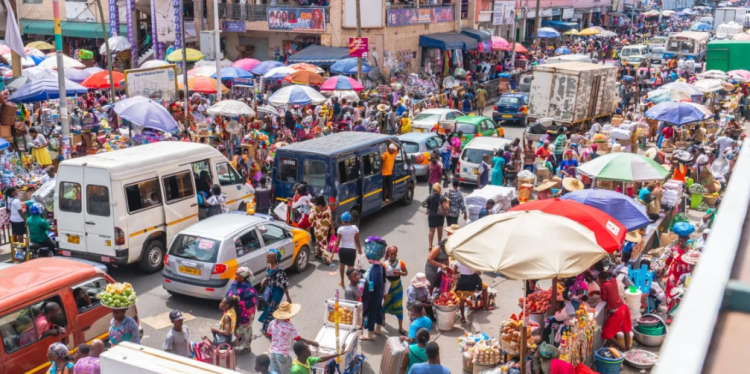
Ghana’s economy is set to cool slightly this year, with the World Bank forecasting GDP growth of 4.8 percent in 2026, down from an estimated 6.0 percent in 2025. The dip signals a moderation in momentum following a strong post-pandemic rebound, but it is not a cause for alarm, stability, rather than rapid expansion, is now the defining theme of Ghana’s economic trajectory. According to the Bank’s latest Africa Economic Update, the slowdown is driven by tightening domestic conditions and mounting external pressures, even as the country’s broader macroeconomic fundamentals continue to improve. Inflation on the Way Down One of the brighter spots in the outlook is inflation. The World Bank projects Ghana’s end-of-year inflation rate for 2026 at around 9 percent, firmly consolidating the country’s position in single-digit territory. This continued disinflation is expected to be underpinned by improved currency stability, tight monetary policy, and easing external pressures, a combination that should provide meaningful relief to households and businesses alike. A Mixed Picture for Business For the private sector, the outlook cuts both ways. On one hand, weaker domestic demand, cautious investment sentiment, and global economic uncertainty could constrain expansion across key sectors. On the other, easing inflation holds the potential to boost consumer purchasing power and reduce operational costs for firms — offering a silver lining amid the broader slowdown. The World Bank, however, sounded a note of caution: Ghana remains exposed to global shocks, including commodity price volatility, uncertain financial conditions, and geopolitical risks affecting trade and energy markets. Left unmanaged, these risks could erode both growth and inflation gains. Ghana in a Regional Context Ghana’s moderation mirrors broader trends across the continent. Sub-Saharan Africa’s growth is projected at 4.1 percent in 2026, unchanged from 2025, though the World Bank warns that downside risks are mounting. The region’s recovery from successive global shocks is losing steam, with growth projections revised downward by 0.3 percentage points from the October 2025 forecast. Heightened geopolitical tensions in the Middle East, heavy debt-service burdens, and deep structural challenges are all weighing on growth and job creation across the region. The report further highlights that escalating conflicts, including attacks on energy facilities and disruptions to global shipping routes, have intensified these risks considerably. Steady, Not Spectacular Despite the projected slowdown, Ghana’s medium-term outlook remains relatively stable, with growth expected to hover around 5 percent in subsequent years and recover gradually over time. The World Bank’s data paints a picture of a country entering a phase of measured recovery, one where consolidating gains and building resilience takes precedence over chasing rapid expansion. For Ghana, the road ahead may be steadier than it is swift, but the direction remains firmly forward. Source: Apexnewsgh.com
AfCFTA Could Lift 40 Million Out of Poverty by 2035 — But Key Barriers Remain, Says World Bank
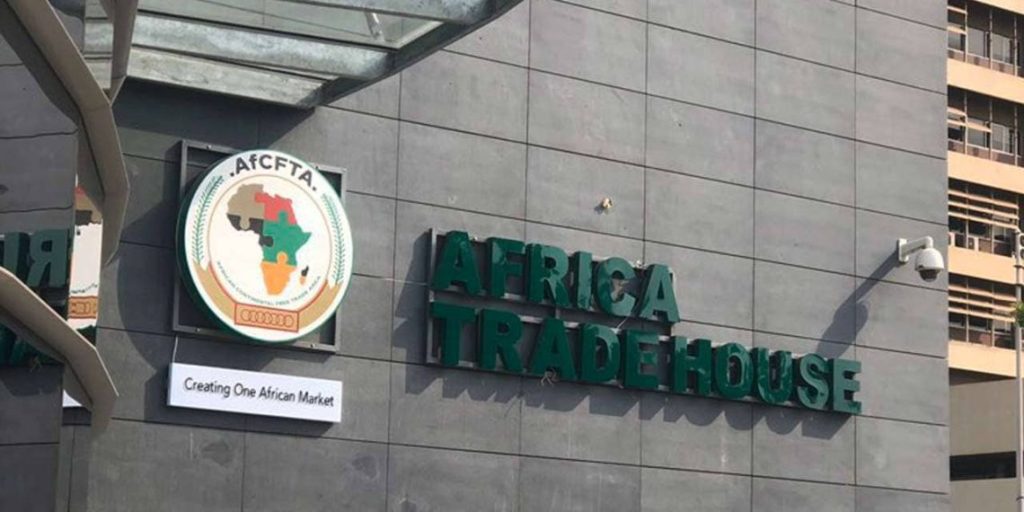
The African Continental Free Trade Area (AfCFTA) holds the promise of raising real incomes across the continent by 7–9% and pulling 40 million people out of extreme poverty by 2035, but that promise remains largely unfulfilled, the World Bank has warned. Launched in January 2021, the AfCFTA is a landmark trade agreement among African Union member states designed to create a single continental market for goods and services. Despite its ambitious vision, the World Bank’s April 2026 Africa Economic Update paints a sobering picture: the agreement’s transformative impact has yet to materialise. According to the report, unlocking the full potential of the AfCFTA will not happen on its own. It will require frontrunner countries to take the lead on implementation, backed by robust monitoring, strict enforcement of commitments, and targeted investment in regional public goods. The World Bank was candid about where the real obstacles lie. “While tariff reductions under the AfCFTA will help intraregional trade, the most significant constraints stem from internal trade costs,” the report noted. These internal costs include inadequate transport and logistics infrastructure, inefficient customs and regulatory systems, limited digitalisation, and high domestic finance and logistics expenses, structural challenges that tariff cuts alone cannot resolve. Adding to these hurdles, non-tariff barriers such as selective export bans remain widespread across the region, further dampening the flow of trade between African nations. Looking ahead, the World Bank urged that Phase II of the agreement prioritise investment, intellectual property, competition policy, and the meaningful inclusion of women and youth in trade, areas seen as critical to tackling the deep-rooted internal cost barriers. Even so, the Bank struck a note of caution, warning that implementation is likely to be gradual given the substantial investment requirements and the need for far-reaching institutional and regulatory reforms. The message from the World Bank is clear: the AfCFTA’s potential is real and significant, but turning that potential into tangible gains for African people will demand sustained political will, coordinated action, and long-term investment across the continent. Source: Apexnewsgh.com
Volta Regional House of Chiefs Condemns EOCO’s Conduct Over Dr. Kwamigah-Atokple Case
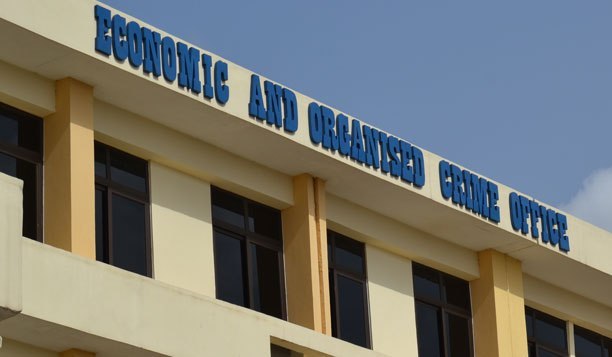
The Volta Regional House of Chiefs has fired a strong broadside at the Economic and Organised Crime Office (EOCO), criticising the anti-crime body’s handling of matters involving Dr. Gabriel Tanko Kwamigah-Atokple, the Volta Region’s representative on the Council of State. In a press statement dated Tuesday, April 7, 2026, the House did not attempt to hide its displeasure, describing EOCO’s actions as fundamentally at odds with the principles of constitutional democracy and the rule of law — a rebuke that laid bare the growing tension between the traditional authority and the state agency. The chiefs pointed to a recent High Court ruling that had found EOCO guilty of acting without a lawful mandate and in violation of constitutional principles of fairness in its handling of the case. To the House, the court’s verdict was not a matter open to interpretation; it was, in their words, unequivocal. Yet, despite that ruling, the trouble did not end there. Dr. Kwamigah-Atokple alleged that EOCO had pressed on regardless, maintaining its investigation and even going so far as to publicly question the legitimacy of the judgment. For the House of Chiefs, this was a step too far. Such conduct, they argued, amounted to a direct assault on the court’s authority and could not go unchallenged. The chiefs were equally pointed in their message to EOCO: if the agency took issue with the ruling, the proper and lawful course of action was to appeal the decision through the appropriate legal channels, not to act in ways that gave the appearance of defying the court’s authority. The statement drove home a principle that the House considered non-negotiable: that no institution, however powerful, stands above the law. The decisions of the courts, they stressed, must be respected at all times, without exception. In its strongest terms, the House condemned EOCO’s posture, warning that it posed a serious threat to administrative justice and risked eroding public confidence in Ghana’s legal system. Bringing its statement to a close, the Volta Regional House of Chiefs issued a clear call to EOCO: exercise restraint, and demonstrate full and unambiguous respect for the authority of the courts. The House also took the moment to reaffirm its own unwavering commitment to upholding justice, due process, and the integrity of Ghana’s constitutional institutions. Source: Apexnewsgh.com